Author: vitorcherulli

  • Recode Studios Stock Jumps After Launching 60-Minute Delivery via Nykaa Now

    Recode Studios Stock Jumps After Launching 60-Minute Delivery via Nykaa Now

    Recode Studios shares rose on September 11 after the company entered the quick-commerce segment through Nykaa Now, Nykaa’s 60-minute delivery service. The beauty and cosmetics company said the move will make its products available through a faster delivery channel across seven major cities.

    The stock traded at Rs. 372.00 on the BSE, up 2.39% from its previous close of Rs. 363.30. It opened at Rs. 380.00 and touched the same level during the session intraday, marking a new 52-week high.

    Recode Studios Enters Nykaa Now Quick-Commerce Network

    Recode Studios has expanded its online retail presence by joining Nykaa Now. The service offers 60-minute delivery for selected beauty and personal care products. Through this channel, Recode plans to offer its portfolio to customers in seven major cities where Nykaa Now operates.

    The company already sells through Nykaa’s main platform and is among the trending brands on the marketplace. Its entry into Nykaa Now gives the brand another digital sales channel while using Nykaa’s existing retail and fulfilment network. The move also allows customers to discover and order Recode products through a faster delivery option.

    Recode said the quick-commerce expansion will not require additional spending on logistics or infrastructure. The company will use the supply chain and fulfilment setup already in place with Nykaa. As a result, the same network that supports regular Nykaa orders will also handle Nykaa Now deliveries for Recode products.

    Shares Rise as Stock Reaches New 52-Week High

    Recode Studios shares gained during the session following the quick-commerce announcement. Recode Studios shares traded at Rs. 372.00 on the BSE, up Rs. 8.70, or 2.39%, from the previous close of Rs. 363.30.

    The stock opened at Rs. 380.00 and touched a high of Rs. 380.00. It also recorded a low of Rs. 372.00. Around 3,200 shares changed hands on the counter. The Rs. 380.00 level also became the stock’s new 52-week high on September 11, 2026.

    Recode Studios had touched a 52-week low of Rs. 171.00 on June 8, 2026. Over the previous week, the stock moved between Rs. 327.10 and Rs. 380.00. The company’s market capitalisation stood at about Rs. 401.29 crore.

    Promoters held 65.02% of the company, while institutional investors held 13.41%. Non-institutional investors accounted for 21.58% of the shareholding.

    Quick Commerce Adds Another Sales Channel for Recode

    Recode Studios operates in the beauty and cosmetics market. Its product range includes make-up, skincare, body care and beauty accessories. The company serves customers through different retail and digital channels.

    By joining Nykaa Now, Recode adds a quick-commerce option to its existing online presence. The service focuses on shorter delivery times, which gives customers another way to buy the company’s products in urban markets.

    The arrangement also allows Recode to use Nykaa’s established technology, retail network and fulfilment system. Therefore, the company can enter quick commerce without setting up a separate delivery network or adding new infrastructure for the service.

    The expansion comes as quick-commerce platforms continue to widen their product categories beyond groceries and daily essentials. Beauty and personal care products have become part of these faster delivery models, especially in large cities where customers increasingly use app-based shopping for routine purchases.

    Recode’s move into Nykaa Now links its existing beauty portfolio with a faster delivery channel while keeping its current supply arrangement with Nykaa in place.

  • Apple Watch Live Rewind Feature Sparks Privacy Concerns: How Apple Addresses Covert Recording Fears

    Apple Watch Live Rewind Feature Sparks Privacy Concerns: How Apple Addresses Covert Recording Fears

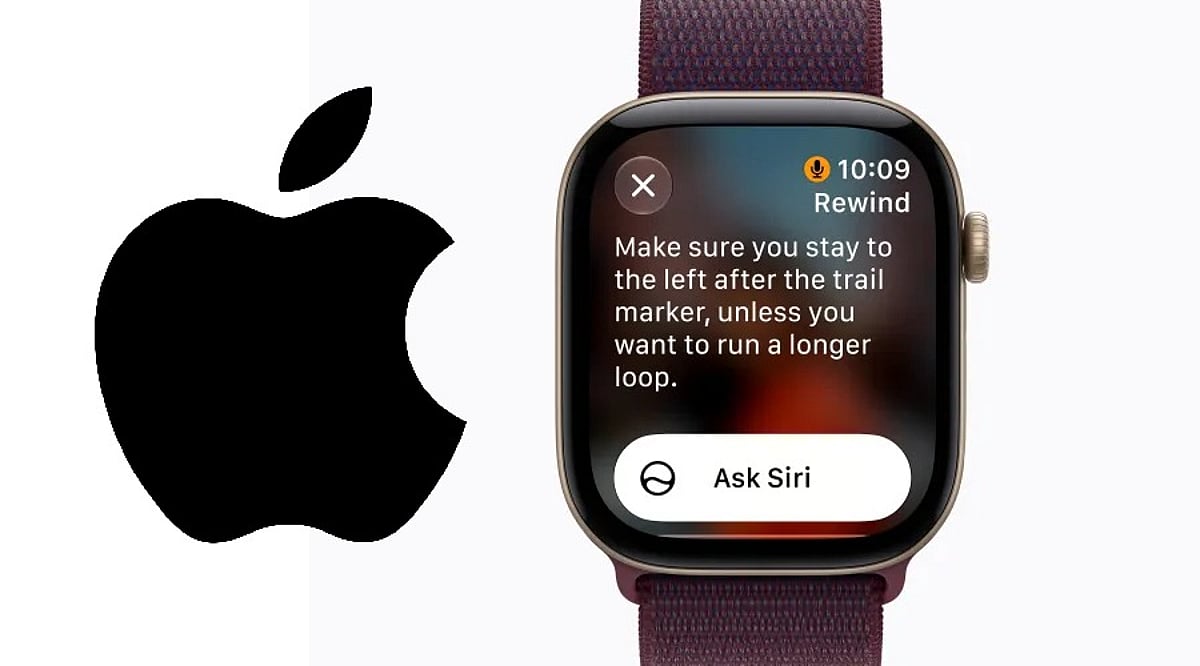
    Apple’s new Live Rewind feature for the Apple Watch has raised privacy questions after its debut alongside the Apple Watch Ultra 4 and Watch Series 12. The feature can recover the last 15 seconds of spoken conversation and transcribe it as text directly on the watch.

    How Live Rewind Works

    Apple designed Live Rewind for moments when users miss part of a conversation—for example, when someone speaks quickly or a sentence is hard to follow. By double-pressing the Digital Crown, the watch processes recent speech and displays the words as text. Apple says the watch stops listening and transcribing once Live Rewind has processed the audio, and the recent speech is then deleted from the device. The transcript disappears about 30 seconds after the display dims. Users can choose to save information to the Siri app if they want to retain it.

    Live Rewind also integrates with Siri, allowing users to connect the displayed text for additional help or to save relevant information. The feature can be enabled or disabled through the Watch app on an iPhone. It requires an Apple Watch Series 12 or Apple Watch Ultra 4 paired with an iPhone 16 or newer.

    Privacy Safeguards

    Concerns have focused on whether someone could use Live Rewind without others knowing. Apple says the feature is designed to be noticeable to people nearby. When activated, the watch plays an audible chime through its speaker—even when set to silent mode or connected to headphones. A full-screen animation appears on the display, and a microphone indicator shows while Live Rewind is active. Apple states these signals make it clear that the feature is activated.

    Live Rewind requires Apple Intelligence and will not be available to users under 13. Apple plans to introduce the feature later this year rather than with the initial versions of watchOS 27 and iOS 27.

  • Bitcoin Drops Below $77K as Hot PPI, Oil Surge, and Liquidations Pressure Crypto Market

    Bitcoin Drops Below $77K as Hot PPI, Oil Surge, and Liquidations Pressure Crypto Market

    The cryptocurrency market extended its decline after hotter US producer inflation, rising oil prices, and leveraged liquidations increased pressure across risk assets. Bitcoin fell below USD 77,000 after trading near USD 78,500 during the past 24 hours. Total market capitalization dropped to about USD 2.62 trillion as major altcoins also weakened.

    Trading activity increased as prices fell. The 24-hour market volume reached roughly USD 84.3 billion, up about 3.1%. Bitcoin dominance stood near 59%, while Ethereum remained below USD 2,500.

    Hotter PPI Revives Fed Rate Fears

    August US producer prices rose 0.4%, renewing concerns that inflation remains persistent. The reading increased expectations for tighter Federal Reserve policy at the September 15-16 meeting.

    Futures markets priced the chance of a rate increase near 70%, while economists had expected no change. The Fed kept its target range at 3.50% to 3.75% in July. Three policymakers favored a quarter-point increase at that July meeting. Higher interest rates can support the dollar and reduce demand for speculative assets, including Bitcoin, altcoins, and crypto-related stocks.

    Oil Spike and Liquidations Deepen Selling Pressure

    Brent crude reached USD 104 after gaining 5% on Thursday. Oil also climbed more than 10% during the week and reached its highest level in 112 days. Higher fuel costs can lift transportation, manufacturing, and consumer prices. This pressure can keep inflation elevated and give the Federal Reserve less room to support risk markets.

    Leveraged trading added another source of pressure. More than USD 190 million in long positions disappeared within one hour, including over USD 112 million linked to Bitcoin. Crypto ETF outflows also weighed on prices.

    Bitcoin Leads Broad Altcoin Market Weakness

    Bitcoin traded near USD 77,225 after losing momentum from recent highs. Ethereum held above USD 2,450 but remained below USD 2,500, while XRP fell more than 3% toward USD 1.34. BNB traded near USD 714, while Solana and Hyperliquid moved below USD 100 and USD 80, respectively. The declines showed that selling extended beyond Bitcoin into several major altcoins.

    Some tokens still gained despite the weaker market. Raydium rose more than 27.23%, while Ether.fi gained 9.60%, Aptos advanced 3.64%, and Polkadot added 2.10%. Zcash fell 13.23% but remained above USD 1,000. Meanwhile, the US Treasury completed a USD 5.1 billion debt buyback, bringing the weekly total to a record USD 17.7 billion.

    Attention now centers on the September 15-16 Federal Reserve meeting and whether tighter policy expectations continue pressuring risk assets.

  • Indian Bank Launches AI-TARA Voice Banking in 10 Languages at Global Fintech Fest 2026

    Indian Bank Launches AI-TARA Voice Banking in 10 Languages at Global Fintech Fest 2026

    Indian Bank introduced three digital banking solutions at the Global Fintech Fest 2026 on September 10. The public sector bank launched AI-TARA, Smart Wealth, and IND Cash Optima as part of its strategy to expand digital services for retail, corporate, and institutional customers.

    The new products cover voice-based banking, personal finance management, and digital cash management. The bank stated that these services aim to make banking more accessible while giving customers additional ways to manage their finances through digital platforms.

    AI-TARA Voice Banking in 10 Languages

    Indian Bank unveiled AI-TARA, which stands for Trusted AI Relationship Assistant, as a conversational banking service. Customers can use voice commands to complete selected banking tasks in 10 languages. These services include fund transfers, IMPS transactions, and fixed deposit creation.

    The bank designed AI-TARA to assist customers who may find standard mobile banking applications difficult to use. Senior citizens and people with limited digital experience are among the customer groups expected to benefit from the voice-based service.

    Indian Bank MD and CEO Binod Kumar said, “At Indian Bank, we are leveraging technology to make banking simpler, more accessible and responsive to evolving customer needs.”

    He added, “Our voice banking solution, ‘AI-TARA’, is aimed at bringing senior citizens and customers with limited digital expertise who may face challenges in navigating conventional banking applications into the digital banking ecosystem.”

    Kumar noted that voice commands allow customers to access key banking services without relying solely on conventional app navigation.

    Smart Wealth Combines Financial Accounts and Investments

    Indian Bank also presented Smart Wealth, a personal finance management service available through its IndSMART platform. The module provides customers with a consolidated view of their financial holdings across different products.

    Customers can view bank accounts, mutual funds, fixed deposits, equities, exchange-traded funds, and National Pension System investments through the service. Smart Wealth also offers spending analytics and personalized financial information based on the customer’s financial portfolio.

    By consolidating different financial products into one platform, Indian Bank aims to reduce the need for customers to check multiple accounts or investment services separately. The bank has positioned the service as part of its broader digital banking offering for retail customers.

    The Smart Wealth launch adds another personal finance feature to IndSMART as Indian Bank expands its digital channels. The service focuses on account visibility, portfolio tracking, and spending information within a single banking platform.

    IND Cash Optima Targets Corporate Cash Management

    For corporate and institutional customers, Indian Bank unveiled IND Cash Optima, a digital cash management platform. The service combines several functions used by businesses to manage collections, payments, and financial records.

    IND Cash Optima supports digital collections, paperless corporate onboarding, mobile-based cash management, and invoice-to-payment services. The bank stated that the platform gives businesses better visibility over transactions while supporting faster reconciliation of payments and financial records.

    Indian Bank introduced the platform as companies increasingly adopt digital systems to manage cash flows and payment processes. The bank has integrated multiple corporate banking functions into one digital service to reduce manual processes and improve access to transaction information.

    Speaking about the overall product launch, Kumar said, “The solutions showcased at GFF reflect our focus on combining innovation with convenience, inclusion and an enhanced customer experience.”

    The launch of AI-TARA, Smart Wealth, and IND Cash Optima expands Indian Bank’s digital banking services across both personal and business banking. The bank presented all three solutions at Global Fintech Fest 2026 as part of its technology-led banking strategy.

  • iQOO 16 Reveals Striking Holographic ‘Chasing Light’ Design Ahead of Launch

    iQOO 16 Reveals Striking Holographic ‘Chasing Light’ Design Ahead of Launch

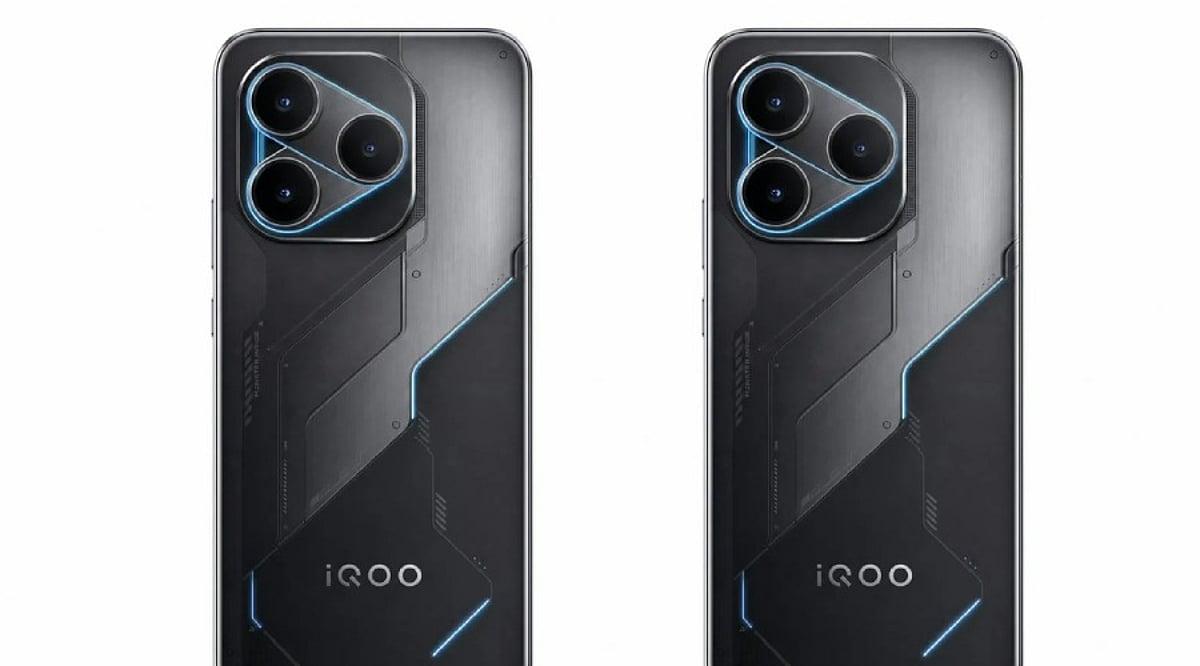
    iQOO is gearing up to unveil its next flagship smartphone, the iQOO 16, and has started teasing its design ahead of the official launch. The upcoming device introduces a bold new visual identity, featuring a holographic rear panel and a redesigned camera module that set it apart from its predecessors.

    Chasing Light Finish: A Holographic Masterpiece

    The iQOO 16 will be offered in a “Chasing Light” color option, highlighted by a holographic rear panel that creates a dynamic three-dimensional light effect when viewed from different angles. According to reports, iQOO developed this finish using laser holographic imaging technology, combining multiple precision manufacturing steps to produce the shifting visual effect. The rear panel blends red holographic patterns with flowing blue light, giving the finish a lively, ever-changing appearance.

    iQOO is expected to offer additional finishes, including Track and Legend, providing alternatives for users who prefer a more understated look over the experimental Chasing Light design.

    Redesigned Camera Module

    The iQOO 16 is rumored to feature a square camera island with heavily rounded corners. Inside, three rear cameras are arranged in a connected layout, giving the phone a futuristic and cohesive aesthetic.

    Expected Flagship Hardware

    Beyond its striking design, the iQOO 16 is tipped to pack flagship-grade internals. Leaks suggest a 6.85-inch 2K display with a 165Hz refresh rate, powered by Qualcomm’s next-generation Snapdragon 8 Elite Gen 6 Pro chipset. Additionally, an 8,500mAh battery and a triple rear-camera setup have been mentioned, though these specifications remain unconfirmed by iQOO and should be treated as rumors.

    The iQOO 16 is expected to launch in China later this month. The company has yet to announce pricing or broader market availability. Stay tuned for official details.

  • OpenAI Unveils ChatGPT for Financial Institutions Powered by GPT-6 Astra

    OpenAI Unveils ChatGPT for Financial Institutions Powered by GPT-6 Astra

    OpenAI Launches ChatGPT for Financial Services

    OpenAI has launched a specialized version of ChatGPT designed specifically for banks and financial institutions. The new offering integrates financial data from multiple providers with the reasoning capabilities of GPT-6 Astra to support financial research, modeling, and client work.

    What ChatGPT for Financial Services Offers

    The service includes built-in financial data from providers such as Daloopa, PitchBook, LSEG News, and Crunchbase. This data covers earnings transcripts, financial statements, company information, and private companies. OpenAI hosts and indexes this data on its infrastructure, allowing financial teams to access the datasets without negotiating separate contracts or setting up individual connectors.

    Detailed citations are provided, helping users trace figures and claims back to their sources during analysis. For example, bankers can use the tool to examine a company’s adjusted EBITDA, identify the costs removed during the calculation, and understand how the figure could affect a valuation.

    GPT-6 Astra at the Core

    GPT-6 Astra powers ChatGPT for Financial Services. According to OpenAI, the model can work with financial documents, tables, figures, and supporting notes. It can analyze financial information, draw conclusions, and turn the results into documents, spreadsheets, and presentations.

    “GPT-6 Astra is state of the art across three of the core capabilities required for financial services work: information retrieval, financial reasoning, and artifact generation,” OpenAI said.

    Templates and Security

    The service allows administrators to upload and manage Excel, Word, and PowerPoint templates. This helps teams create research notes, valuation models, and pitchbooks that follow their firm’s existing format and style.

    OpenAI developed the product with input from financial firms including Morgan Stanley. ChatGPT for Financial Services is currently available to eligible financial institutions.

    OpenAI stated that it will not use company data to train its models by default. Data is encrypted during transfer and storage, adding security measures for financial organizations handling sensitive information.

  • Apple Executives Respond to Claims That iPhone Duo Copied Rival Foldables

    Apple Executives Respond to Claims That iPhone Duo Copied Rival Foldables

    Apple’s leadership has finally responded to accusations that its new foldable iPhone Duo copied designs from rival smartphone makers. New CEO John Ternus and marketing chief Greg Joswiak, widely known as Joz, addressed the topic this week during an interview with TechRadar’s Lance Ulanoff and Tom’s Guide’s Mark Spoonauer.

    The comments came just days after Apple unveiled the iPhone Duo, its first foldable phone, at a September event. Samsung, Huawei and Xiaomi had all launched wide, book-style foldables well before Apple, and social media was quick to accuse the company of copying the format, particularly its aspect ratio.

    What Apple’s Executives Actually Said

    Joswiak pushed back on the copying claims directly, explaining that leaks about Apple’s foldable project had circulated for years. He said people knew through leaks that Apple was working on a foldable, and some of them happened to guess the aspect ratio correctly.

    “People knew through leaks that we were working on a foldable,” said Joz. “Unfortunately, they got the aspect ratio, and a lot of coincidental instances of people finding that an interesting aspect ratio.”

    He was referring to Samsung, Huawei and Xiaomi, all of which had already announced wide foldables before Apple’s own launch. Joswiak added that the one detail Apple managed to keep under wraps was the folding nano-texture display built specifically for the Duo, something he said the team protected with extra layers of internal security and never discussed publicly ahead of time.

    Why the Foldable Debate Matters

    Social media reactions have ranged from genuine criticism to outright jokes since the Duo’s launch. Samsung itself joined in with a playful jab online, and even Duolingo got pulled into the meme cycle over the product’s name.

    Beyond the online chatter, the interview also gave a first real look at Ternus in his new role as CEO, following the recent leadership change from Tim Cook. Reports describe his tone as more animated and hands-on compared to Cook’s typically measured public style, reflecting his background as an engineer rather than a longtime executive.

    For a company stepping into its first foldable phone category, how Apple frames its originality could shape how the Duo is perceived heading into its first full sales cycle.

  • Flipkart Big Billion Days 2026: Leaked Dates, Early Access, and Bank Offers Revealed

    Flipkart Big Billion Days 2026: Leaked Dates, Early Access, and Bank Offers Revealed

    According to a leaked screenshot circulating online, Flipkart’s Big Billion Days sale in 2026 is expected to begin on October 9, with early access for Flipkart Plus and VIP members starting on October 8. The e-commerce giant has not officially confirmed these dates or the associated offers, but the leaked details suggest a return of instant discounts from Axis Bank and ICICI Bank.

    The reported schedule targets festive shoppers seeking deals on smartphones, laptops, appliances, televisions, and more. If accurate, this year’s event would launch nearly two weeks after the 2025 edition, which began on September 23. Flipkart Support stated on September 5 that the company would announce sale dates soon.

    Early access on October 8 could give members a 24-hour head start on popular products, especially flagship smartphones, laptops, televisions, and limited-stock offers. The 2025 sale followed a similar early-access structure for eligible membership users.

    The leaked teaser also points toward an Axis Bank discount and an ICICI Bank discount. Both banks offered 10% instant discounts on eligible purchases during last year’s event. However, Flipkart has not disclosed transaction limits, discount caps, or eligible cards for 2026.

    Previous Big Billion Days events suggest strong offers across smartphones, laptops, televisions, and household appliances. Smartphones could see significant reductions when sale pricing combines with bank and exchange benefits. Laptops and older television models may also receive price cuts during inventory clearance periods. Headphones, smartwatches, soundbars, and smaller appliances could feature aggressive promotional pricing.

    The October timing could place the event close to India’s major festive shopping period. Sharad Navratri begins October 11, while Dussehra falls later in the same festive cycle. Flipkart has not confirmed the sale duration, final offers, or membership benefits for 2026. The company also has not confirmed whether Plus, VIP, and Black members receive identical access. Shoppers should therefore treat October 8 and October 9 as reported dates, not confirmed schedules.

    For expensive purchases, checking historical prices can help separate genuine savings from promotional pricing. Comparing bank benefits, exchange values, and seller terms can also reveal the actual purchase value. Buyers should keep an eye on Flipkart’s website or app for the latest updates.

  • India’s SFIO Targets Xiaomi India with 21-Point Probe Ahead of Xi Jinping’s BRICS Visit

    India’s SFIO Targets Xiaomi India with 21-Point Probe Ahead of Xi Jinping’s BRICS Visit

    India’s Serious Fraud Investigation Office (SFIO) is seeking approval for a detailed probe into Xiaomi’s India business, including its fund flows, ownership structure and foreign investment approvals. The 21-point investigation plan was drafted in May 2026 and is awaiting clearance from the Ministry of Corporate Affairs.

    The development comes three days before Chinese President Xi Jinping’s expected arrival in Delhi for the BRICS summit. The timing comes as India and China work towards stabilizing bilateral relations. In March, the Union Cabinet eased Press Note 3, which governed Chinese investment in India for six years.

    What SFIO Probe Will Examine

    The proposed investigation covers Xiaomi Technology India and related entities. SFIO wants to trace fund movements and examine the beneficial ownership of foreign investors and group entities.

    “The most important part of the proposed investigation should be examination of the beneficial ownership of foreign investors and group entities,” the memorandum said.

    The agency also wants to verify whether direct or indirect beneficial ownership, control, or changes in control were disclosed and approved as required. The agency would examine financial statements and auditor reports filed with the government for material misstatements. The team could also question current and former directors, CFOs, and compliance officers.

    The plan also calls for coordination with other government agencies to examine overlapping violations. Complaints and inputs received through the commerce ministry form the basis of the recommendation.

    Xiaomi Responds

    Xiaomi said it had not received any notice or communication from SFIO. “We accord paramount importance to the laws of the land and comply with them fully at all times,” a company spokesperson said.

    China’s foreign ministry also called for a fair, just, transparent and nondiscriminatory business environment for companies from all countries investing and operating in India.

    E-Commerce Practices Under Scrutiny

    The SFIO proposal also seeks scrutiny of Xiaomi’s online sales practices. The agency wants to assess whether the company exercised ‘de facto control’ over Indian sellers or launch partners while presenting those arrangements as arm’s-length.

    The inquiry would examine whether preferential and exclusive Xiaomi product launches on selected e-commerce platforms defeated the intent of India’s FDI policy.

    Xiaomi currently ranks fourth in India’s smartphone market with about 13% share, down from 19%. Its India revenue stood at USD 2.52 billion in 2025.

  • Blockchain-Powered Grain Receipts: Arya.ag Tests Tokenized Loans for India’s $2B Farm Assets

    Blockchain-Powered Grain Receipts: Arya.ag Tests Tokenized Loans for India’s $2B Farm Assets

    Arya.ag, a major agricultural commodity network in India, is piloting tokenized grain receipts on the Avalanche blockchain. The initiative aims to digitize collateral verification and streamline lending for farmers, leveraging approximately $2 billion in stored agricultural commodities.

    Tokenized Receipts Link Physical Assets to Digital Loans

    The pilot converts verified warehouse receipts and related data into blockchain-based digital records. Working with Finternet, Arya.ag connects grain deposits, collateral commitments, warehouse receipts, and loan status on a single digital ledger. Each tokenized receipt represents ownership of stored commodities, creating a transparent link between physical assets and lending records.

    Devika Mittal, head of Ava Labs India, confirmed that testing is underway for the tokenized warehouse receipt system. The goal is to improve collateral verification and create more efficient lending workflows for agricultural borrowers.

    Potential Benefits for Agricultural Lending

    Traditional farm lending often requires banks to manually verify ownership, inventory, insurance, and existing collateral claims. Tokenized records could consolidate these details, reducing redundant checks and giving lenders clearer visibility. Banks could verify stored crops faster and check whether another lender already holds claims against those assets. Farmers could approach multiple lenders with a single verified digital record.

    Greater lender competition could eventually improve loan terms, processing times, and financing flexibility. The model also supports post-harvest financing, allowing stored crops to secure working capital so farmers can avoid immediate crop sales when market prices are unfavorable.

    Challenges and Infrastructure Focus

    Blockchain cannot independently prove that physical grain exists inside a warehouse. Reliable inspections, accurate warehouse records, legal ownership, and strong data controls remain essential. Digital access is another hurdle, as many farmers face limited connectivity, devices, or digital literacy.

    Arya.ag’s pilot therefore focuses on building infrastructure rather than promising immediate cheaper or faster credit. The company notes that faster approvals and broader credit access are potential outcomes that require real-world validation.

    Future Opportunity: Composite Digital Records

    The larger opportunity involves composite digital records that combine farmer, commodity, insurance, and loan information. Such systems could eventually create a portable financial identity for agricultural assets and lending decisions. For Indian agriculture, tokenization could become less about cryptocurrency and more about trusted collateral infrastructure.