Author: vitorcherulli

  • AI Researcher Andrew Tulloch Departs Meta for Anthropic Despite $1.5B Compensation Package

    AI Researcher Andrew Tulloch Departs Meta for Anthropic Despite $1.5B Compensation Package

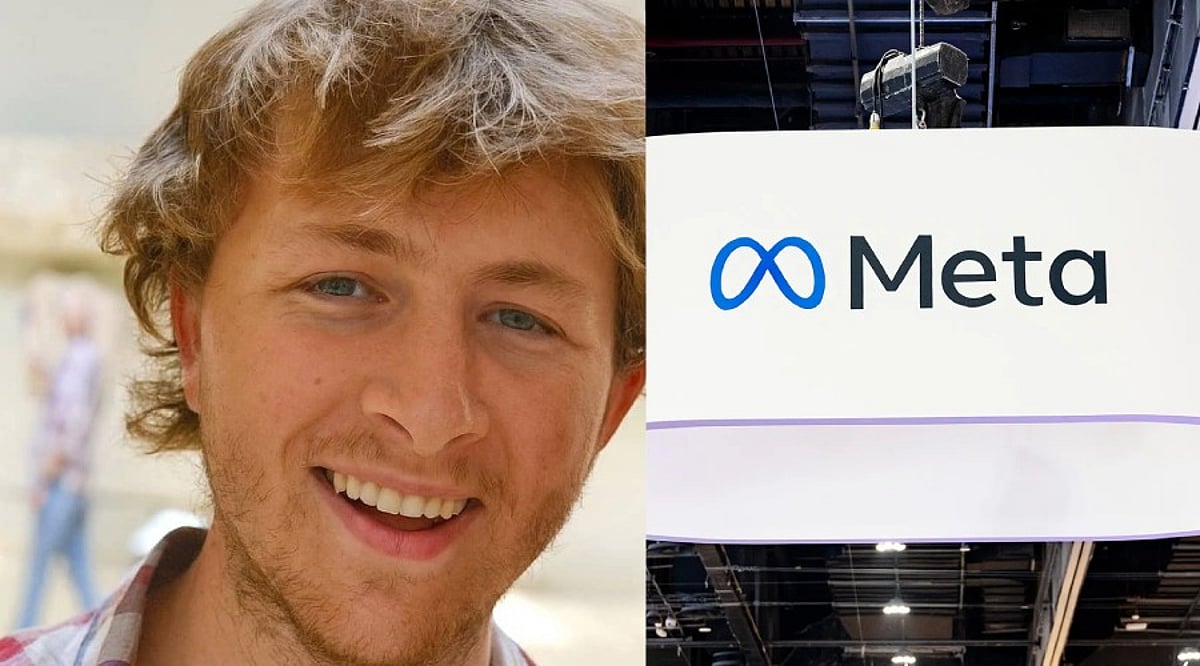
    AI researcher Andrew Tulloch has left Meta to join Anthropic, less than a year after returning to the company. Tulloch will work on inference and performance at the Claude-maker, focusing on AI model efficiency and large-scale product performance.

    His departure follows Meta’s aggressive recruitment efforts during its superintelligence push, which reportedly included a compensation package valued at up to $1.5 billion over six years. However, Meta spokesperson Andy Stone called that figure ‘inaccurate and ridiculous,’ and the final terms were never disclosed.

    Tulloch informed colleagues of his decision shortly after Meta launched its Muse AI assistant this week, waiting until the release was complete before leaving. Anthropic confirmed his new role, which adds another highly experienced researcher to its team amid fierce competition for elite AI talent.

    Tulloch spent 11 years at Meta before moving to OpenAI in 2023, where he helped train major models including GPT-4o, GPT-4.5, and o3. He later co-founded Thinking Machines Lab with former OpenAI executive Mira Murati before Meta brought him back in October 2025.

    At Meta, Tulloch worked inside TBD, a team supporting Mark Zuckerberg’s superintelligence strategy under Alexandr Wang’s broader Superintelligence Labs organization. His work focused on large-scale machine learning systems and advanced AI development.

    The move signals a shift in focus toward AI infrastructure rather than headline model releases. Anthropic’s inference and performance team works on improving how efficiently models operate, reducing computing costs while improving speed and scalability.

    Tulloch’s exit also highlights the limits of massive compensation packages in retaining top AI specialists. Research autonomy, technical influence, computing access, and team direction increasingly shape senior researchers’ career decisions as Meta, Anthropic, OpenAI, and Google compete for the same small pool of talent.

    The escalating AI talent war now extends beyond salaries into technology, research culture, and strategic influence, with even extraordinary offers unable to guarantee long-term loyalty.

  • OpenAI’s ChatGPT Images 2.5 Boosts Speed, Adds Sketch and Precision Editing Tools

    OpenAI’s ChatGPT Images 2.5 Boosts Speed, Adds Sketch and Precision Editing Tools

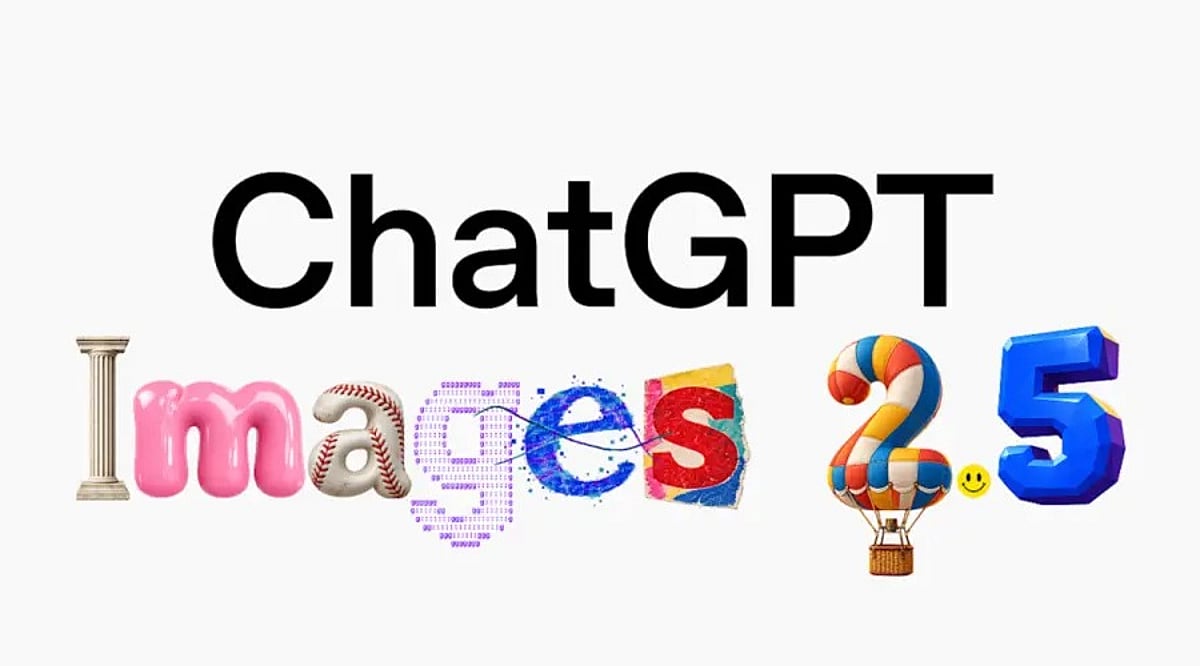
    OpenAI has launched ChatGPT Images 2.5, the latest version of its image-generation model, bringing faster generation, sharper editing controls, and creative features designed to make visual creation more intuitive and precise. Available across ChatGPT, ChatGPT Work, and Codex on desktop, mobile, and web, the update is rolling out to all subscribers at no extra cost.

    What’s New in Images 2.5?

    Three major improvements define this release: enhanced image quality, more accurate editing, and significantly faster generation. OpenAI reports that images now render up to 50% faster than the previous Images 2.0 model. Lighting appears more natural, textures are sharper, and reference photos retain their detail—even when the subject is placed in a completely different scene.

    Beyond the core model, new tools have been integrated into the ChatGPT interface:

    • Sketch Feature: Users can draw rough ideas on a canvas, then add a short description. ChatGPT transforms the sketch into a polished, finished image. This is ideal for concepts that are easier to draw than describe.
    • Editing Toolbar: Opens when an image is selected, offering five options: Markup, Comment, Remove Background, Erase, and Resize. Remove Background isolates the subject with a transparent background. Erase removes unwanted objects with a simple brush stroke.
    • Comment-Based Editing: Click directly on part of an image and type instructions like “remove this” or “make it blue.” The AI acts on only that area, leaving the rest untouched.
    • Templates: Pre-built guides for posters, merchandise, product photography, and more. Users answer a few questions and ChatGPT generates the image.
    • Prompt Sharing: Finished images can now include the exact prompt used, allowing others to reuse and adapt the concept.

    Consistency Across Multiple Edits

    Earlier versions often degraded quality after repeated edits in the same conversation. Images 2.5 addresses this by preserving important visual details and composition through multiple rounds of changes. This reliability is especially valuable for marketing teams creating campaign assets or social media batches that need to look cohesive.

    New API Models for Developers

    Developers gain access to two new API models: Flare (default, optimized for speed and lower cost, suitable for everyday tasks) and Sunburst (slower but offers tighter control for polished campaign work). Companies like Adobe, Runway, and Manus have already integrated these models into their products.

    Competitive Edge

    Early reviews place Images 2.5 ahead of Google’s Nano Banana 2 in editing accuracy and speed. Critics note that the biggest improvement is not just raw output quality but how the new editing tools transform the daily workflow of image creation.

    Overall, ChatGPT Images 2.5 refines a system that already worked well, putting more control in users’ hands. For casual users, it simplifies quick photo touch-ups, poster design, or product shots. For businesses, the choice between Flare and Sunburst offers a practical trade-off between speed and precision. The result is steady, sensible progress that makes AI image generation more practical and accessible.

  • Top Camera Phones Offering DSLR-Quality Photography in 2026

    Top Camera Phones Offering DSLR-Quality Photography in 2026

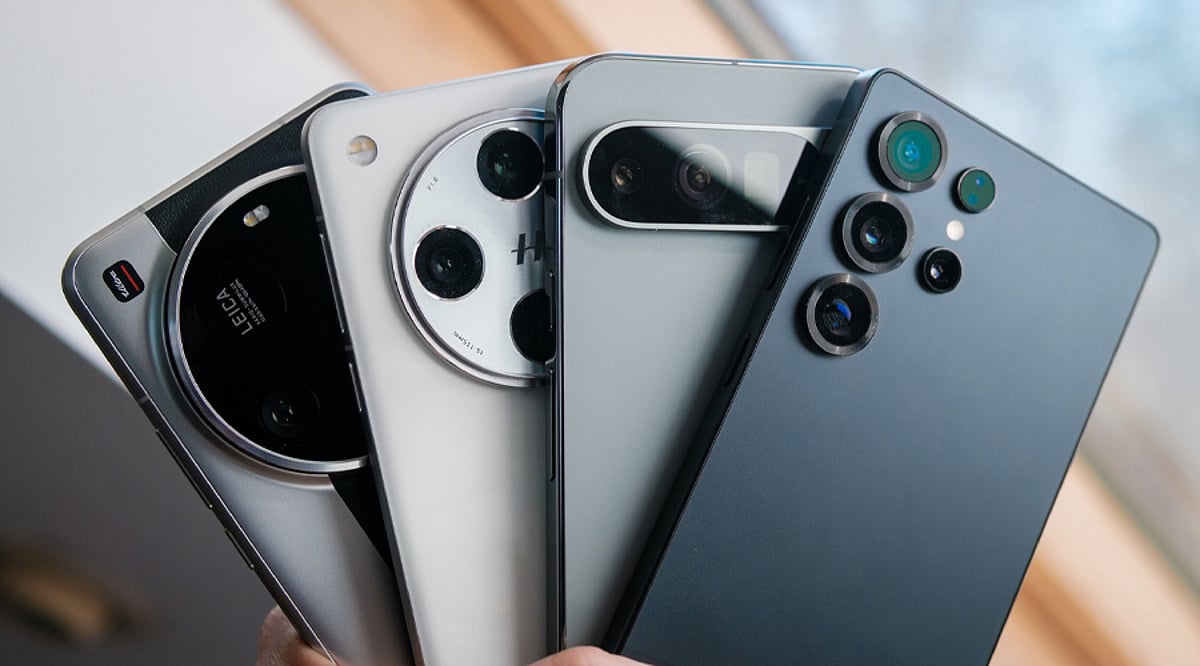
    Smartphone cameras have evolved to the point where they can rival traditional DSLRs in many scenarios. Here are the best camera phones for DSLR-like photography, each offering unique strengths for enthusiasts and professionals alike.

    iPhone 17 Pro Max

    The iPhone 17 Pro Max delivers a versatile camera setup with three 48MP rear cameras. Its 4x telephoto and 8x optical-quality zoom help capture detailed portraits and distant subjects. Strong low-light performance, natural colors, ProRAW support, and advanced video tools make it a strong DSLR-like choice.

    Samsung Galaxy S26 Ultra

    The Galaxy S26 Ultra combines a 200MP main camera with 50MP ultra-wide and telephoto cameras. Its powerful zoom system makes it useful for wildlife, travel, portraits, and distant subjects. Samsung’s ProVisual Engine also helps improve detail and night photography, giving users plenty of creative control.

    Google Pixel 11 Pro XL

    The Pixel 11 Pro XL focuses on computational photography to produce detailed and balanced images. Its triple-camera system includes a 50MP main camera, 48MP ultra-wide, and 48MP 5x telephoto. Features such as Night Sight, Pro controls, portrait tools, and AI-powered editing make photography easier for everyday users.

    Vivo X300 Pro

    The Vivo X300 Pro is designed for photography lovers who enjoy portraits and telephoto shots. Its 50MP camera system delivers strong detail, while the dedicated telephoto camera helps create better subject separation. It is also known for sharp daylight images and impressive low-light performance, making it suitable for varied shooting conditions.

    OPPO Find X9 Pro

    The OPPO Find X9 Pro offers a camera setup aimed at users who want sharp photos with strong portrait results. Its telephoto camera helps capture distant subjects while creating natural-looking background separation. Strong low-light performance and a high-capacity battery also make it a practical option for travel photography.

    Xiaomi 17 Ultra

    The Xiaomi 17 Ultra takes smartphone photography closer to traditional camera hardware with its large 1-inch main sensor. Its continuous-zoom telephoto camera is designed to maintain detail across different focal lengths. The combination makes it particularly interesting for photographers who want strong daylight shots, accurate colors, and flexible zoom.

    Samsung Galaxy Z Fold 8 Ultra

    The Galaxy Z Fold 8 Ultra brings high-end photography to a foldable design. Its improved camera hardware makes it a flexible option for users who also want a large screen for editing images. The combination of a big display and capable cameras makes it useful for creators working on photos while traveling.

  • Master Alexa Music Commands: 15+ Essential Tricks for Playback, Discovery, and Control

    Master Alexa Music Commands: 15+ Essential Tricks for Playback, Discovery, and Control

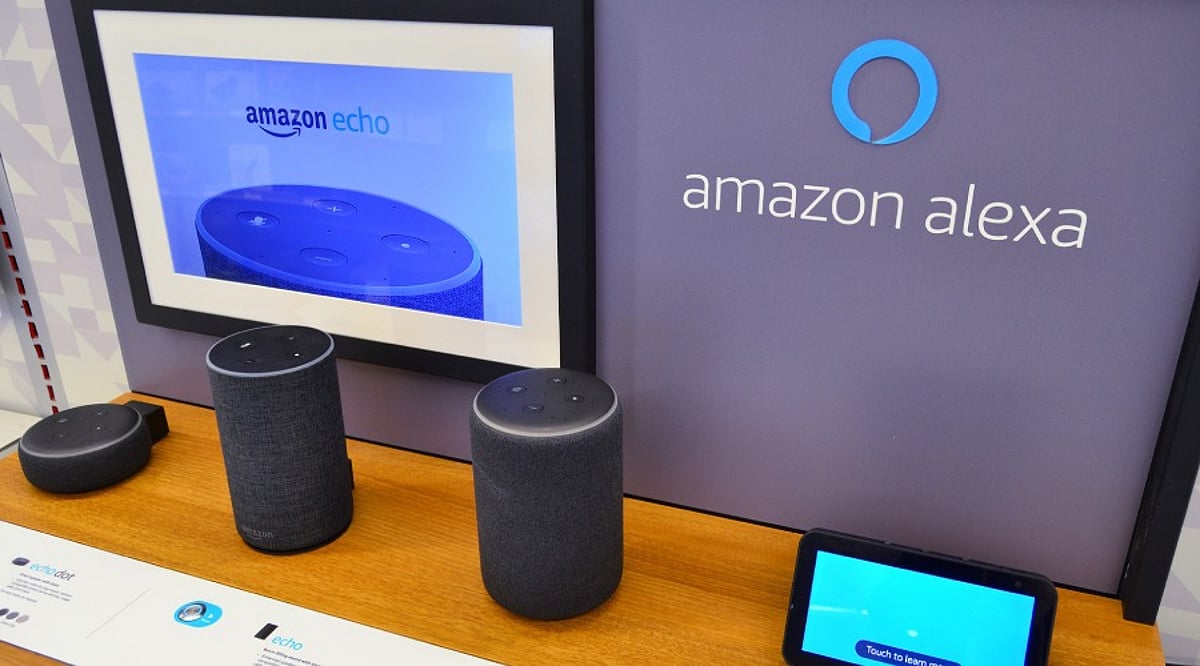
    Amazon Alexa can do much more than play a song when you ask for it. Depending on your device, music service, and available features, Alexa supports commands for genres, artists, albums, playlists, shuffle, repeat, music alarms, and much more. With Alexa+, you also gain conversational music recommendations and AI-generated playlists. Whether you’re a casual listener or a power user, these commands make music control effortless.

    Play Music by Genre, Artist, or Playlist

    You don’t need an exact song title to start listening. Alexa can handle requests by track, album, artist, genre, playlist, or station. Try these commands:

    • “Alexa, play pop music.”
    • “Alexa, play songs by [artist].”
    • “Alexa, play [album name].”
    • “Alexa, play my .”
    • “Alexa, play the latest songs.”

    You can also direct playback to a specific room or device: “Alexa, play songs by Lady Gaga in the kitchen.”

    Shuffle, Repeat, and Loop Songs

    Take full control of your queue with these playback commands:

    • “Alexa, shuffle.” – Randomizes the queue order.
    • “Alexa, repeat.” – Repeats the current song.
    • “Alexa, loop.” – Repeats the entire queue.
    • “Alexa, next.”
    • “Alexa, previous.”
    • “Alexa, pause.”
    • “Alexa, resume.”
    • “Alexa, stop.”

    Availability of these controls depends on the music service you’re using.

    Create and Manage Playlists with Alexa+

    Alexa+ introduces conversational playlist creation. Ask for an AI-generated playlist based on a favorite song:

    “Alexa, I love [song] by [artist]. Create a playlist with similar songs.”

    You can also describe a mood or setting:

    “Alexa, create a playlist with music from Parisian cafes.”

    Additional commands allow you to create an empty playlist, save the current queue, or save recent listening history as a new playlist. Each AI playlist can contain up to 50 songs.

    Add Songs to Existing Playlists

    Easily add songs without opening the app:

    • “Alexa, add what’s playing to my .”
    • “Alexa, add [song] by [artist] to my .”

    Alexa may suggest a playlist name and ask for confirmation before saving. Note that only songs can be added to Amazon Music playlists—no stations, audiobooks, or podcasts.

    Find Music Through Natural Requests

    With Alexa+, you can make detailed requests using natural language:

    • “Alexa, play some nineties dance songs produced in [country/city].”
    • “Alexa, play deep cuts from [artist] from the 2000s.”

    You can also continue a conversation—ask about a song, get an answer, then tell Alexa to play it. Alexa+ can recommend artists and let you choose.

    Set a Music Alarm

    Wake up to your favorite tunes:

    “Alexa, set an alarm for weekdays at 7 AM with music by Pearl Jam.”

    Choose recurring patterns like Mondays, weekdays, or weekends.

    Control Music Across Devices

    When you have multiple Alexa devices, specify where you want playback:

    “Alexa, play [song] in the living room.”

    Direct music to a specific area without starting on the device that hears your command.

    Key Commands at a Glance

    Alexa’s music controls go far beyond play and pause. You can search by artist or genre, control queues, create and manage playlists, request recommendations, direct playback to another device, and even wake up to music. Alexa+ expands these options with conversational recommendations and AI-generated playlists. Feature availability varies by device, music service, and region, so some commands may not work in every setup.

    Frequently Asked Questions

    • What music commands can Alexa understand? Alexa understands commands to play songs, artists, genres, playlists, and albums; control playback; set alarms; and direct music between devices.
    • Can Alexa create music playlists? Alexa+ can create AI-generated playlists based on favorite songs, similar tracks, moods, settings, and specific preferences.
    • How many songs can an Alexa+ playlist contain? Up to 50 songs from similar artists based on a user’s favorite track.
    • Can Alexa add songs to existing playlists? Yes, users can ask Alexa to add currently playing songs or specific tracks to a named playlist.
    • Can Alexa set a music alarm? Yes, Alexa can set recurring music alarms using specified artists or songs, with schedules like weekdays.
  • Nova Games Foundation: $100,000 Grants Aim to Empower Young Game Developers

    Nova Games Foundation: $100,000 Grants Aim to Empower Young Game Developers

    The Nova Games Foundation, launched by PlayStation architect Mark Cerny and The Game Awards creator Geoff Keighley, is set to provide a major boost to aspiring game designers. Each year, the foundation will select 20 young developers to receive $100,000 grants, mentorship from industry veterans, and the opportunity to secure additional funding up to $500,000 based on project milestones. Crucially, developers retain full ownership of their games and do not surrender any equity.

    How the Program Works

    Applications are expected to open in December, with the first fellows drawn from the 2026 and 2027 graduating classes of 13 partner game design programs across eight countries. Participating institutions include New York University, the University of Southern California, Abertay University (Scotland), Cnam-Enjmin (France), TH Köln (Germany), and RMIT (Australia).

    The foundation emphasizes that it is a philanthropic initiative, so it will not take any share of the games created. This gives young creators full creative control, allowing them to make decisions about story, design, and release without external pressure from publishers or investors.

    Mentorship and Industry Connections

    Beyond funding, the program offers mentorship from well-known game developers. Josef Fares, creator of It Takes Two and Split Fiction, has already joined as a donor and mentor. Fellows will also receive help connecting with publishers and promoting their games, while retaining the freedom to choose which partners to work with.

    Cerny described the foundation as a way to give back to the game industry, while Keighley cited scholarship and grant programs as inspiration. The goal is not merely to find the next blockbuster title, but to support projects with creative, social, and artistic value.

    Why $100,000 Matters for Indie Developers

    For a young developer, $100,000 can cover essential costs like hiring a programmer, artist, or writer, as well as software, testing, music, and other expenses. More importantly, it provides time to focus on development without the constant pressure of securing funds.

    The 2025 GDC State of the Game Industry report found that 56% of developers used personal savings to fund their games. Many creators deplete their savings before knowing if their project will succeed. The Nova grant could help build a prototype or early version, making it easier to attract further investment later.

    The lack of equity requirement is another significant advantage. Developers can take creative risks without fear of losing control. However, the program is limited—only 20 developers are selected annually, and the first cohort is restricted to partner universities, leaving out many talented creators outside those programs.

    Broader Impact on the Industry

    The Nova Games Foundation arrives at a time when indie developers face increasing challenges. While the grant alone may not cover full development, it addresses basic financial hurdles. The additional funding for promising projects could extend development timelines significantly.

    The true test will come in the years ahead. If Nova fellows go on to create successful games, launch studios, and inspire others, the foundation could have a lasting impact far beyond its annual grants. It may also encourage more industry leaders to invest in young talent.

    Game development thrives on fresh ideas and new voices. The Nova Games Foundation is giving young developers a real chance to bring their visions to life.

    FAQs

    What is the Nova Games Foundation?

    It is a philanthropic initiative by Mark Cerny and Geoff Keighley to support young game designers with funding, mentorship, and industry guidance.

    How much funding will Nova Games Foundation provide?

    Each selected fellow receives a $100,000 grant, and about one-quarter may receive up to an additional $500,000 based on progress.

    Will Nova Games Foundation take ownership of the games?

    No. The foundation does not take equity or ownership, giving developers full control over their projects.

    Who can apply for the grants?

    The first group comes from the 2026 and 2027 graduating classes of 13 partner game design programs across eight countries. Applications open in December.

    How could Nova Games Foundation help indie developers?

    The funding covers development costs, while mentorship and industry connections help developers advance their games.

  • Leading Chipmakers Race to Dominate Advanced Semiconductor Manufacturing

    Leading Chipmakers Race to Dominate Advanced Semiconductor Manufacturing

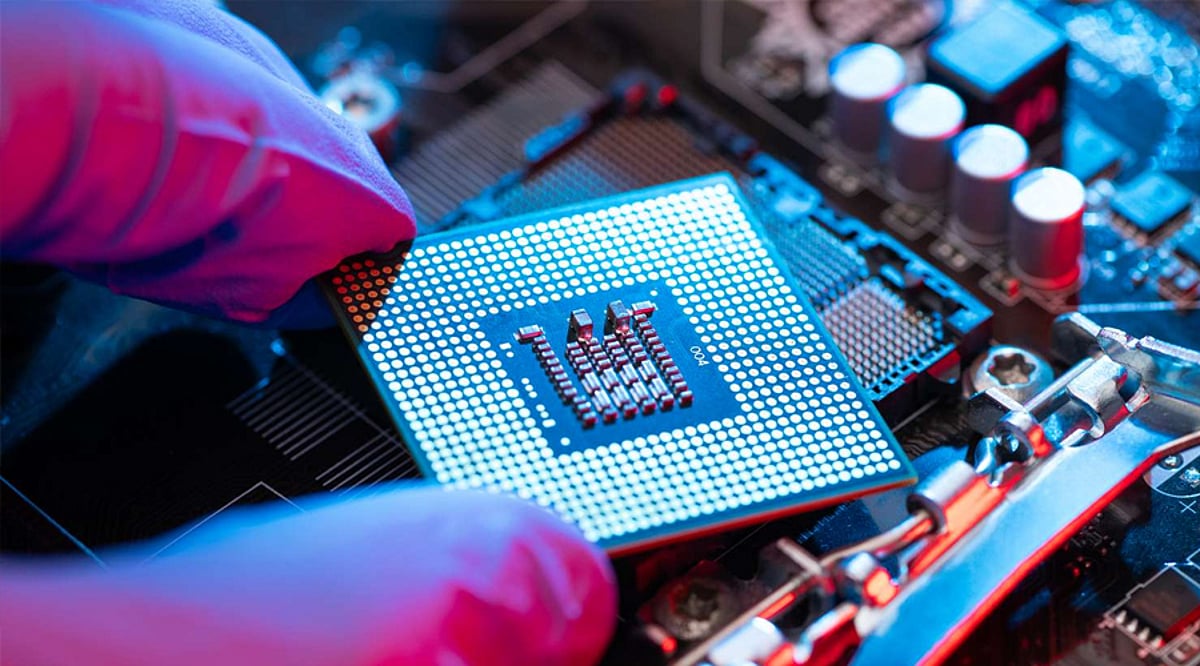
    The race for the world’s most advanced chips is led by TSMC, Samsung, and Intel. TSMC currently holds the strongest position in leading-edge manufacturing, while Samsung and Intel are investing heavily to close the gap and secure more advanced chip orders.

    TSMC remains the leader in advanced chip manufacturing. Its 2nm process entered high-volume production in the fourth quarter of 2025, while its A16 technology is planned for volume production in the second half of 2026.

    Samsung Foundry is challenging TSMC with 2nm technology and gate-all-around transistor designs. The company began planning 2nm mass production for mobile chips in 2025 and aims to expand the process to high-performance computing and automotive applications.

    Intel is taking a different route with its 18A process and RibbonFET technology. Intel 18A entered production in 2025, while High-NA EUV is already being used on selected 18A layers for high-volume products, giving Intel an important technology milestone.

    NVIDIA and AMD are major chip designers rather than foundries. NVIDIA leads the AI GPU market, while AMD competes across AI accelerators, CPUs, and GPUs. Both depend on advanced manufacturing partners to turn their chip designs into physical products.

    SK hynix and Micron are also key players in the AI chip race through high-bandwidth memory. HBM supplies the huge amounts of data needed by modern AI processors, making memory technology as important as advanced processors for AI infrastructure.

    ASML sits at the heart of the chip race by supplying the EUV lithography systems used to manufacture leading-edge chips. Its High-NA EUV technology offers higher-resolution patterning and is designed to support future 2nm-class and more advanced manufacturing.

  • Canva AI 2.0 Debuts Editable AI Designs, Memory Library, and Six Intelligent Workflows

    Canva AI 2.0 Debuts Editable AI Designs, Memory Library, and Six Intelligent Workflows

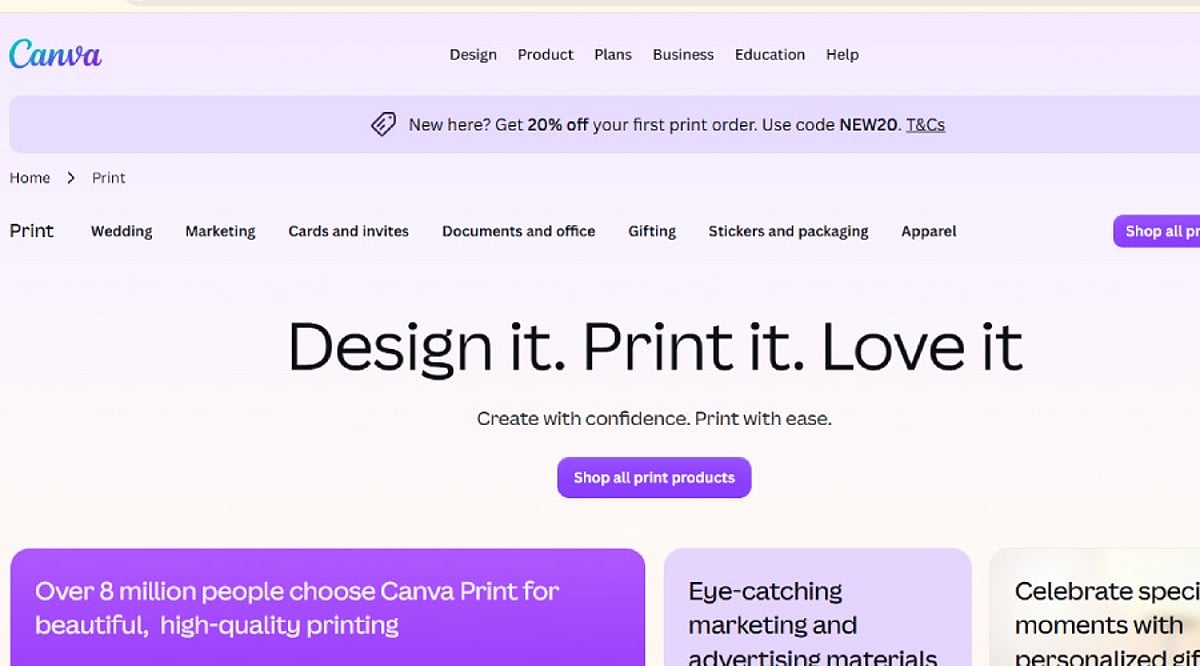
    Canva has launched Canva AI 2.0, calling it the company’s most significant product evolution since its 2013 debut. The new AI system transforms Canva into a conversational, agentic platform that allows teams to move from an initial idea to complete, published work in a single environment. With over a quarter of a billion monthly users, Canva AI 2.0 enables users to start with an idea, goal, brief, rough sketch, or even an unfinished thought instead of beginning with a template or blank page.

    Fully Editable AI-Generated Designs

    The new system is powered by the Canva Design Model, described as the world’s first foundation model built to understand design structure, hierarchy, and complexity. Canva AI 2.0 generates fully layered and editable output from a single prompt. Every element—images, headlines, fonts—remains individually adjustable without affecting other parts of the design. The system stays involved throughout the creative process, understanding intent and handling complex requests while allowing users to edit manually as needed.

    Memory Library Learns User Preferences

    Canva AI 2.0 introduces the Memory Library, giving the system persistent memory. This feature lets Canva AI understand how users work, retain project context, and automatically apply their style. According to Canva, the more users create, the better the system understands their workflow, making suggestions increasingly useful over time.

    Four core capabilities power Canva AI 2.0:

    • Conversational design – create through natural interaction
    • Agentic orchestration – AI coordinates the full design engine to achieve requested outcomes
    • Layered object intelligence – outputs consist of individual editable objects
    • Memory Library – learns and retains user preferences and context

    Six New Intelligent Workflows

    Canva AI 2.0 introduces six new workflows that expand the platform’s capabilities:

    • Connectors – link Canva AI with Slack, Gmail, Google Drive, Google Calendar, Notion, Zoom, HubSpot, Microsoft, Atlassian, and Linear to create on-brand visual outputs from conversations and content
    • Scheduling – set tasks to run automatically in the background, including while offline
    • Web research – gather and structure information from across the web directly into designs as editable content
    • Brand Intelligence – apply fonts, colors, and styles from a connected brand template or description
    • Sheets AI – generate structured spreadsheets from descriptions (budget trackers, project timelines, content calendars) populated with real data
    • Canva Code 2.0 – create fully interactive experiences via conversational prompts, with responsive design and HTML importing

    Availability

    Canva AI 2.0 is currently available as a research preview, with general availability rolling out over the coming weeks. Users can access the platform via Canva’s official website on supported devices.

  • Real-World Asset Tokenization on Solana: Mechanisms and Market Impact

    Real-World Asset Tokenization on Solana: Mechanisms and Market Impact

    Real-world asset (RWA) tokenization transforms ownership or economic rights in traditional assets such as Treasury bills, investment funds, equities, or commodities into blockchain-based tokens. Solana is emerging as a key network for this market, leveraging low-cost settlement and token standards with built-in compliance controls.

    How Real Assets Are Represented On-Chain

    Tokenization begins when an issuer identifies an underlying asset—such as a share in a fund, a Treasury security, or an equity exposure held through a regulated structure. The issuer then creates blockchain tokens that represent defined rights to that asset. Solana’s current infrastructure relies on the Token-2022 program, which enables features like transfer restrictions, account freezing, permanent delegates, and confidential transfers. These controls are essential because regulated securities cannot always be transferred freely to any wallet.

    Compliance Enforced at the Token Level

    Solana supports transfer hooks and allowlists that verify a recipient’s eligibility before processing a transaction. Permissioned environments can also restrict markets to Know Your Customer (KYC)-verified participants. This model allows blockchain settlement to remain programmable while maintaining regulatory restrictions. According to Solana, tokenized-asset transactions can settle with sub-second finality and fees typically below USD 0.001.

    The RWA Market Reaches USD 7 Billion

    Solana’s official RWA portal currently indexes roughly USD 7 billion in tokenized value across 2,693 assets. Twenty-four-hour real-world asset volume recently reached approximately USD 290.6 million. Products include tokenized Treasuries, public-market funds, ETFs, commodities, and equities. Key institutional participants include Franklin Templeton, Ondo Finance, and Securitize-linked products.

    Tokenized Assets Enter DeFi

    The key advantage of tokenization over traditional electronic ownership is composability. A tokenized asset can move directly between wallets, exchanges, lending markets, and collateral systems. Jupiter routes tokenized public-market assets into swaps and portfolio flows, while Kamino connects certain RWA exposure with lending and collateral markets. Raydium provides secondary-market liquidity for tokenized equities. Solana also supports delivery-versus-payment (DvP), allowing a tokenized asset and payment token to be exchanged atomically in a single transaction.

    Key Considerations

    Tokenization does not automatically make an illiquid asset liquid. The legal claim, issuer quality, custody, and redemption process remain critical. However, Solana can reduce the operational friction involved in issuing, transferring, and trading regulated assets. The bigger question is whether its USD 7 billion RWA ecosystem will develop deep secondary-market liquidity and attract institutional participation. If that happens, tokenization could move Solana beyond crypto-native trading and toward infrastructure for always-open capital markets.

    Frequently Asked Questions

    1. What is real-world asset tokenization on Solana?

    It involves creating blockchain-based tokens that represent ownership or economic rights in traditional assets such as Treasuries, funds, equities, or commodities. These tokens can be transferred and used on Solana.

    2. What role does Token-2022 play in Solana tokenization?

    Token-2022 provides issuers with additional controls, such as transfer restrictions, account freezing, permanent delegates, and confidential transfers. These features make tokenized assets more suitable for regulated financial products.

    3. How does Solana support compliance for tokenized assets?

    Solana uses transfer hooks, allowlists, and permissioned environments to restrict transactions to eligible or KYC-verified participants, allowing regulatory controls to operate alongside blockchain settlement.

    4. How large is Solana’s RWA market?

    As of the latest data, roughly USD 7 billion in tokenized value exists across about 2,686 assets, with recent 24-hour RWA trading volume around USD 290.6 million.

    5. Can tokenized assets on Solana be used in DeFi?

    Yes. Tokenized assets can move into swaps, lending markets, and collateral systems through platforms such as Jupiter, Kamino, and Raydium, depending on the asset’s structure and permissions.

  • Samsung Galaxy Tab S10+ Gets Rs. 17,000 Festive Discount in India – Wi-Fi Model Now at Rs. 88,999

    Samsung Galaxy Tab S10+ Gets Rs. 17,000 Festive Discount in India – Wi-Fi Model Now at Rs. 88,999

    Samsung has slashed the price of the Galaxy Tab S10+ in India as part of a festive promotion. The discount of Rs. 17,000 applies to both Wi-Fi and 5G variants, making the premium Android tablet more accessible to buyers.

    Discounted Pricing and Availability

    The Wi-Fi model with 12GB RAM and 256GB storage now costs Rs. 88,999, down from Rs. 1,05,999. The 5G variant is available at Rs. 1,03,999, reduced from Rs. 1,20,999. Samsung also offers no-cost EMI options: six-month bank EMI starting at Rs. 14,833 per month for the Wi-Fi model, and NBFC financing from Rs. 7,417 per month. Samsung Finance+ provides EMI starting at Rs. 6,877 with a 15% down payment.

    Display and Performance

    The Galaxy Tab S10+ features a 12.4-inch Dynamic AMOLED 2X display with 2800 x 1752 resolution and a 120Hz refresh rate. An anti-reflective coating enhances visibility in various lighting conditions. The tablet is powered by MediaTek’s Dimensity 9300+ processor paired with 12GB RAM and 256GB internal storage, expandable via microSD up to 1.5TB. It runs Android with Samsung’s Galaxy AI features for productivity and creativity.

    Cameras, Audio, and Battery

    The rear camera setup includes a 13MP primary and an 8MP ultra-wide lens. A 12MP ultra-wide front camera handles selfies and video calls. Four speakers deliver immersive audio. A 10,090mAh battery supports 45W fast charging, and the tablet carries an IP68 dust and water resistance rating. The S Pen is included in the box.

    Why This Deal Matters

    The discounted price makes the Galaxy Tab S10+ a strong contender in the premium tablet segment. Its large AMOLED display, powerful processor, and included S Pen appeal to students, professionals, and creatives. However, as a 2024 model, buyers should compare it with newer tablets to ensure the discount offers sufficient value.

    Is It Worth Buying?

    At Rs. 88,999, the Wi-Fi variant provides excellent value for those who prioritize display quality and performance. The 5G model costs Rs. 15,000 more, suitable for users needing mobile connectivity. The festive offer is available for a limited period, and prices may change without notice.

  • GPT-6 Astra vs Claude: 7 Key Differences You Need to Know

    GPT-6 Astra vs Claude: 7 Key Differences You Need to Know

    The AI race has entered an intense new phase as OpenAI’s GPT-6 Astra goes head-to-head with Anthropic’s Claude models. Here are seven crucial aspects that make this comparison worth following.

    1. GPT-6 Astra – OpenAI’s flagship model excels in complex reasoning, coding, computer use, research, and professional work, boasting a 1.05-million-token context window.

    2. Claude – Anthropic’s Claude family remains a major rival in advanced reasoning, coding, writing, and professional workflows, designed for demanding knowledge-work tasks.

    3. Computer Use – Astra places heavy emphasis on directly operating computers, from filling forms and updating records to navigating software and conducting online research.

    4. Coding Power – GPT-6 Astra is built to handle complex software engineering, debugging, and multi-step development tasks, while Claude remains a strong competitor for coding workflows.

    5. Professional Work – Astra can create and work with documents, spreadsheets, and presentations while following templates, formatting requirements, and business context.

    6. Research and Science – OpenAI states that Astra delivers major advances in scientific reasoning and can work directly with specialized software to inspect data and explore research results.

    7. Cybersecurity – Astra is OpenAI’s first model to reach the Critical level for cybersecurity capability, highlighting both its defensive potential and the need for stronger safeguards. Additionally, OpenAI reports that Astra can complete demanding computer-use tasks faster than previous models, with benchmark results showing strong performance against several Claude variants.