Author: vitorcherulli

  • The Evolution of Digital Work: From Chatbots to AI Employees

    The Evolution of Digital Work: From Chatbots to AI Employees

    Artificial intelligence is rapidly reshaping the workplace, moving beyond simple chatbots to fully autonomous digital employees. This transformation is unfolding in stages, each building on the last to create a future where humans and AI collaborate seamlessly.

    AI Chatbots

    AI chatbots handle routine conversations, answer questions and provide information, helping businesses automate customer support while reducing workloads for human employees.

    AI Copilots

    AI copilots assist professionals with writing, coding, analysis and research, improving productivity while keeping humans responsible for decisions, creativity and oversight.

    AI Agents

    AI agents can plan tasks, use software tools and complete multistep workflows, moving artificial intelligence beyond simple question-and-answer interactions.

    Autonomous Workflows

    AI-powered workflows connect multiple applications and processes, allowing systems to automatically manage repetitive tasks such as scheduling, reporting, documentation and data processing.

    AI Employees

    AI employees represent a broader shift toward digital workers capable of handling defined responsibilities continuously, consistently and with limited human intervention.

    Human-AI Collaboration

    Future workplaces will increasingly combine human judgement with AI execution, allowing employees to focus on strategy, relationships, creativity and complex problem-solving.

    Business Automation

    Companies can use AI workers to automate operational processes, potentially reducing costs, accelerating execution and allowing teams to concentrate on higher-value responsibilities.

    Workplace Transformation

    As AI capabilities expand, job roles and workflows are likely to change, creating new responsibilities while reducing demand for repetitive digital tasks.

    Skills Evolution

    Workers will increasingly need skills in AI collaboration, critical thinking, problem-solving and technology management as digital employees become common workplace tools.

  • NYT Mini Crossword Answers for September 8, 2026: Hints and Solutions

    NYT Mini Crossword Answers for September 8, 2026: Hints and Solutions

    Overview

    The New York Times Mini Crossword for Tuesday, September 8, 2026, offers a compact five-by-five grid that blends tech, golf, and 70s pop culture. Ten clues total—five Across and five Down—keep the solve quick and light, though a few answers like ALEXA, BOGEY, and AXEL may require a second look. The puzzle resets nightly at 10 p.m. Eastern.

    Hints (Spoiler-Free)

    Across Hints

    • 1A: National symbol; starts with “F.”
    • 5A: Wake word for a popular smart speaker; ends with “A.”
    • 6A: Golf scoring term; ends with “Y.”
    • 7A: Kitchen instruction for pasta water; starts with “B.”
    • 8A: Home decor; ends with “T.”

    Down Hints

    • 1D: Building feature; ends with “R.”
    • 2D: Casual phrase meaning authentic; ends with “T.”
    • 3D: Skating move; starts with “A.”
    • 4D: Blended word tied to neighborhoods; ends with “Y.”
    • 5D: Legendary band; starts with “A.”

    Solving Tips

    Tackle short clues first—three- and four-letter answers narrow the field quickly. Cross-check letters between Across and Down before committing. Music and pop culture clues often unlock neighboring boxes, so prioritize them early. Today’s puzzle rewards recognition of brand names and casual slang over formal vocabulary.

    Spoiler Alert: Full Answers

    Across Answers

    1. 1A: The Stars and Stripes, e.g. → FLAG
    2. 5A: Wake word for an Amazon device → ALEXA
    3. 6A: +1 score in golf → BOGEY
    4. 7A: Prepare water for pasta → BOIL
    5. 8A: Some wall decorations → ART

    Down Answers

    1. 1D: Elevator selection → FLOOR
    2. 2D: Not phony, informally → LEGIT
    3. 3D: Figure skating jump → AXEL
    4. 4D: Half of a portmanteau combined with “-borhood” → GAY
    5. 5D: “Dancing Queen” band → ABBA

    Why Today’s Puzzle Feels Balanced

    Tuesday’s grid mixes categories well—tech, sports, food prep, and music trivia each get a moment. Nothing requires specialist knowledge, though ALEXA and AXEL might trip up players unfamiliar with brand names or skating terms. Difficulty stays at a gentle mid-week level, a slight step up from Monday’s usual ease.

    How the Mini Crossword Works

    The Mini uses a compact five-by-five grid with ten total clues split evenly between Across and Down. It resets daily at 10 p.m. Eastern, earlier than most other NYT Games. Speed matters for competitive solvers tracking personal best times.

    More NYT Games to Try

    After finishing the Mini, try Wordle, Connections, Connections: Sports Edition, and Strands. Each tests different skills—vocabulary guessing, pattern recognition, and more. Another fresh Mini arrives tomorrow with ten brand-new clues.

  • Solve NYT Connections Puzzle #1185: September 8, 2026 Hints and Answers

    Solve NYT Connections Puzzle #1185: September 8, 2026 Hints and Answers

    The New York Times Connections puzzle for September 8, 2026 (Puzzle #1185) challenges players to uncover four hidden groups involving classic American performance cars, mime costume features, words that pair with ‘heart,’ and candy bars with an extra letter. Below, we provide color-coded hints and the full solution to help you master today’s game.

    How NYT Connections Works

    Connections is a daily word game that presents 16 seemingly random words. The goal is to sort them into four groups of four based on a hidden connection. Groups are color-coded by difficulty: yellow (easiest), green or blue (medium), and purple (hardest). Players have only four mistakes before the game ends.

    Today’s 16 Words (September 8, 2026)

    Here are the words you need to solve: GLOVES, ARTICHOKE, MUSTANG, SKORT, TWIXT, VIPER, BERET, PURPLE, SACRED, TAKE TO, DOVES, CORVETTE, FSTRIPES, SUSPENDERS, IREBIRD, MARSH.

    Color-Coded Hints

    Use these clues to find each group without spoiling the answers:

    • Yellow Group: Think of iconic American cars known for performance.
    • Green Group: These are items of clothing or accessories worn by mimes.
    • Blue Group: Each word can be placed before ‘heart’ to form a common phrase.
    • Purple Group: These are candy bar names with one extra letter added.

    Complete Answers for Puzzle #1185

    If you’re ready for the solutions, here are the four groups:

    • Yellow – CLASSIC AMERICAN PERFORMANCE CARS: CORVETTE, FIREBIRD, MUSTANG, VIPER
    • Blue – FEATURES OF A MIME COSTUME: BERET, GLOVES, STRIPES, SUSPENDERS
    • Green – ___ HEART: ARTICHOKE, PURPLE, SACRED, TAKE TO
    • Purple – CANDY BARS PLUS A LETTER: DOVES, MARSH, SKORT, TWIXT

    Final Thoughts

    Today’s puzzle strikes a nice balance between straightforward categories and clever wordplay. While the yellow group is easy to spot, the other groups require a bit of lateral thinking. The combination of car names, mime attire, heart-related phrases, and mangled candy bars makes for an entertaining challenge that keeps Connections a favorite among puzzle enthusiasts.

  • 7 Key Semiconductor Manufacturing Trends Driving the Industry in 2026

    7 Key Semiconductor Manufacturing Trends Driving the Industry in 2026

    Semiconductor manufacturing is entering a transformative era, driven by soaring demand for AI and the need for more powerful, efficient chips. In 2026, the industry is moving beyond traditional transistor scaling to embrace a broader set of innovations. Here are the seven key trends reshaping chip production.

    1. 2nm Chips and GAA Transistors

    Chipmakers are advancing toward 2nm-class process technology with gate-all-around (GAA) transistors. These designs deliver higher performance and better power efficiency, but they also increase manufacturing complexity significantly.

    2. Advanced Packaging and Chiplets

    As shrinking individual dies becomes prohibitively expensive, chiplets and 2.5D/3D packaging are gaining traction. By integrating multiple chip components into a single package, manufacturers achieve higher performance and flexibility without relying solely on node shrinks.

    3. High-Bandwidth Memory for AI

    AI workloads demand enormous amounts of fast memory. High-bandwidth memory (HBM) places stacked memory close to powerful processors, enabling faster data movement and reducing processing bottlenecks in AI systems.

    4. Silicon Photonics and Optical Data

    Electrical connections face growing bandwidth and power challenges. Silicon photonics uses light to transmit data at high speeds, making it a critical technology for future AI data centers, networking, and high-performance computing.

    5. SiC and GaN Take on New Roles

    Silicon carbide (SiC) and gallium nitride (GaN) can handle high voltage, heat, and power demands. These materials are becoming essential in electric vehicles, fast chargers, renewable energy systems, and advanced data-center infrastructure.

    6. AI-Powered Smart Factories

    AI is moving inside semiconductor fabs. Machine learning monitors equipment, detects defects, improves yields, predicts maintenance needs, and optimizes production processes in real time, making factories smarter and more efficient.

    7. Chip Supply Chains Are Going Regional

    Geopolitical tensions and supply risks are pushing companies and governments to diversify semiconductor production. New fabs and packaging capacity are being developed across multiple regions to reduce dependence on concentrated manufacturing hubs.

    The semiconductor race is no longer solely about making transistors smaller. Advanced packaging, memory, new materials, optical connectivity, AI-driven production, and regional manufacturing are becoming equally important for the industry’s future.

  • Budget TV Buying Guide: 5 Critical Checks to Avoid Regret

    Budget TV Buying Guide: 5 Critical Checks to Avoid Regret

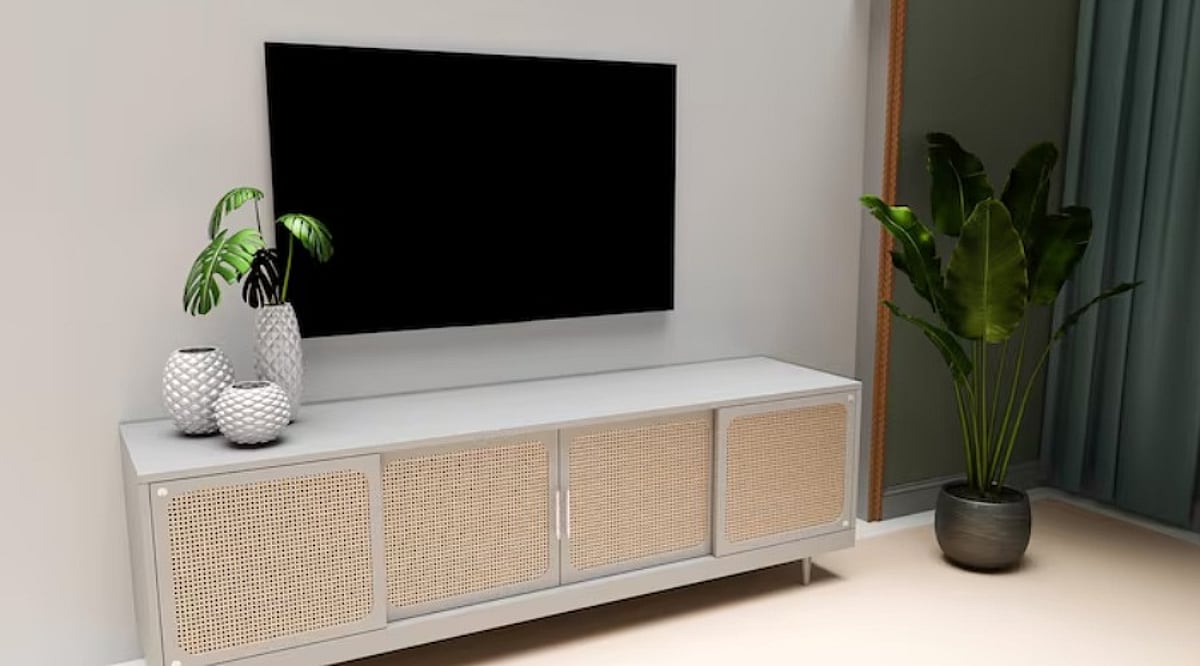
    Televisions on the showroom floor are designed to impress. Bright lighting, vivid picture modes, and high-detail demo clips can make almost any screen look sharp. But the real test comes when you bring that budget TV home and watch it under ordinary lighting with everyday content. Hidden compromises can turn a great deal into a source of frustration. Here are five critical checks to make before you buy.

    1. Picture Quality in Real-World Lighting

    Budget TVs often cut corners on brightness and color accuracy to keep costs down. A screen that looks bold in the store can appear pale or grey in a naturally lit room, especially if sunlight hits the screen directly.

    • Colors may look flat or washed out under normal room lighting
    • Local dimming, if present, is basic, so dark scenes lose detail
    • HDR support might be more marketing than substance—without proper backlighting, HDR content can look dimmer than standard content

    What to do: Ask to see the TV with the picture mode set to Standard or Normal, not the vivid store demo mode. If you watch mostly in a bright room, this test is essential.

    2. Sound Quality: The Hidden Weakness

    TV cabinets have become thinner, leaving less room for decent speakers. This is especially true on budget models. Expect thin sound, weak bass, and dialogue that gets buried in action scenes or noisy backgrounds.

    • Dialogue can be unclear during scenes with background music or effects
    • Bass response is often minimal or absent
    • Hard floors and bare walls can make the problem worse

    What to do: Listen to the built-in speakers in the store. If they sound weak, budget for a soundbar—a cost you might not have planned for.

    3. Ports and Refresh Rates: Check Before You Connect

    Most households connect more than just a cable box. Gaming consoles, streaming sticks, and soundbars all need HDMI ports. But not all HDMI ports are created equal.

    • Check the number of HDMI ports—three is a practical minimum
    • Look for HDMI ARC or eARC for soundbar connectivity
    • Refresh rate matters: 60Hz is fine for casual viewing, but 120Hz is better for sports and gaming

    What to do: List every device you plan to connect. Make sure the TV has enough ports and the right specs for your needs.

    4. Smart TV Performance: Speed Matters

    Two smart TVs can list the same apps but feel completely different in use. Budget models often pair a basic processor with an aging operating system, leading to slow menus and laggy app switching.

    • Menus and apps take longer to open
    • Software updates are infrequent, leaving apps and security outdated
    • The interface may feel dated within a year or two

    What to do: Test the actual interface in the store. Don’t just read the app list on the box—navigate menus, open a few apps, and see how responsive it feels.

    5. Warranty and After-Sales Support

    A TV purchase doesn’t end at the checkout. What happens if the panel fails six months later? The warranty terms and service network matter just as much as the specs.

    • Ask what the warranty actually covers—panel coverage and general coverage are sometimes separate
    • Check if the manufacturer has service centers nearby, not just in major cities
    • Know your consumer rights—many countries give you legal protection beyond the manufacturer’s warranty

    What to do: Read the warranty carefully. If you’re offered an extended warranty, compare it with your legal rights—some benefits may already be yours by law.

    Final Thoughts

    Budget TVs can be a great value for casual viewing, live TV, and streaming. The key is to know what you’re giving up. Test the picture in normal mode, check the ports against your devices, listen to the speakers, and ask about after-sales support. A few extra minutes of research now can save you years of regret.

  • iQOO Z11xa 5G Debuts in India: 7,200mAh Battery and Dimensity 7400-Turbo at ₹28,999

    iQOO Z11xa 5G Debuts in India: 7,200mAh Battery and Dimensity 7400-Turbo at ₹28,999

    iQOO has expanded its Z-series portfolio in India with the launch of the iQOO Z11xa 5G. The new smartphone brings a massive 7,200mAh battery, a 120Hz display, and the MediaTek Dimensity 7400-Turbo chipset, positioning it as a strong contender in the mid-range segment.

    The iQOO Z11xa 5G is priced at ₹28,999 for the sole 8GB RAM + 128GB storage variant. However, early buyers can avail of a ₹1,500 instant discount when paying with select ICICI Bank or HDFC Bank credit cards via iQOO.com. Additionally, the company is offering up to six months of no-cost EMI, effectively bringing the price down to ₹27,499.

    The device comes in Titan Black and Prismatic Green color options. The first sale is scheduled for September 14 at noon, and it will be available through Amazon.in, iQOO.com, select vivo exclusive stores, and other retail partners.

    Display and Performance: The iQOO Z11xa 5G sports a 6.76-inch FHD+ LCD with a resolution of 2344 x 1080 pixels and a refresh rate of up to 120Hz. The screen offers up to 1,200 nits of peak brightness in high-brightness mode and carries TÜV Rheinland Low Blue Light certification along with an Eye Comfort system for reduced eye strain.

    Under the hood, the phone is powered by the 4nm MediaTek Dimensity 7400-Turbo chipset, paired with 8GB of LPDDR4X RAM and 128GB of UFS 2.2 storage. Users can also expand RAM virtually by up to 8GB, thanks to the extended RAM feature.

    Battery and Charging: The highlight here is the 7,200mAh battery with 44W FlashCharge support. iQOO claims up to 40 hours of video playback, 15.4 hours of gaming, and 10.7 hours of continuous live streaming under typical usage conditions. The battery can charge from 1% to 50% in just 43 minutes and reach full capacity in 91 minutes.

    Camera: For photography, the iQOO Z11xa 5G features a dual rear camera setup, including a 50MP Sony IMX852 primary sensor and a 2MP bokeh lens. On the front, there’s a 32MP selfie camera. Both the front and rear cameras support 4K video recording at 30fps with electronic image stabilization (EIS).

    Software and Durability: The smartphone runs on OriginOS 6, based on Android 16. iQOO has committed to two years of OS upgrades and four years of security updates. The device also boasts IP68 and IP69 ratings for dust and water resistance, along with military-grade durability. Production will take place at vivo’s Greater Noida facility as part of the Make in India initiative.

    With its robust battery, capable chipset, and competitive pricing, the iQOO Z11xa 5G looks to make a mark in the Indian smartphone market.

  • Sony Pivots PS5 Strategy: From Hardware Sales to Recurring Revenue

    Sony Pivots PS5 Strategy: From Hardware Sales to Recurring Revenue

    Sony is reshaping its PlayStation 5 strategy as the console enters the latter half of its lifecycle. Rather than aggressively pushing hardware sales, the company is now focusing on monetizing its massive existing user base through subscriptions, digital games, and services.

    Speaking about the shift, Sony CEO Hiroki Totoki confirmed that the company no longer needs to prioritize selling additional PS5 consoles. This move reflects a broader emphasis on recurring revenue streams, including software sales, PlayStation Plus subscriptions, and digital content.

    PS5 Builds a Large User Base

    The PS5 has already established a substantial global footprint. As of June 30, 2026, Sony reported that the console had sold over 95 million units worldwide, with approximately 125 million monthly active users across the PlayStation ecosystem.

    With such a large installed base, Sony sees an opportunity to generate more revenue from existing players instead of relying solely on new console purchases. Services like PlayStation Plus, digital game sales, and additional content are becoming increasingly central to the company’s strategy.

    Roadmap Ahead

    Sony’s figures show that the PS5 generation has delivered strong financial results, described as the most profitable PlayStation generation to date. Reportedly, the platform generated more than $136 billion in sales and $13 billion in operational profit.

    The shift also mirrors the rapid transition from physical to digital game purchases. During the fiscal year ending March 2026, digital downloads accounted for 78% of full-game unit purchases.

    This strategic pivot positions Sony to capitalize on recurring revenue as the PS5 matures, ensuring long-term profitability beyond hardware sales.

  • ITAT Bangalore Rules Net Loss on Online Gaming Not Taxable; Overturns Rs 2.33 Crore Addition

    ITAT Bangalore Rules Net Loss on Online Gaming Not Taxable; Overturns Rs 2.33 Crore Addition

    In a significant ruling for India’s online gaming community, the Income Tax Appellate Tribunal (ITAT) in Bengaluru has provided relief to an online gamer who faced a hefty tax demand despite incurring a net loss. The tribunal’s decision clarifies that tax on winnings from online real-money gaming should be levied on the net amount credited after accounting for the sums spent on gameplay.

    The case involved Channappa, a resident of Bengaluru, who deposited a total of Rs 2.61 crore into online rummy and poker platforms. Over the course of his play, he suffered a net loss of approximately Rs 28 lakh. However, the tax department treated the entire Rs 2.33 crore credited to his gaming accounts as taxable winnings, leading to a demand under the Income Tax Act.

    Upon appeal, the ITAT Bangalore bench, in its order dated July 23, 2026, observed that the assessing officer had not fully considered the amounts Channappa had spent on buying into games. The tribunal noted that the records from the gaming platforms—Rummyculture and Gamezy, operated by Gameskraft Technologies—showed total buy-ins of Rs 2.61 crore against gross winnings of Rs 2.33 crore, resulting in a net loss. Consequently, the tribunal ordered the deletion of the entire Rs 2.33 crore tax addition.

    The tribunal also examined the applicability of Section 115BB, which provides for a flat tax rate on winnings from lotteries, card games, and similar activities, and Section 194B, which deals with tax deduction at source. In this case, no TDS had been deducted on any net winnings. The bench clarified that the earlier provisions applied, as the Finance Act, 2023 (which introduced Sections 115BBJ and 194BA for online gaming) was not in effect during the relevant assessment year.

    This ruling underscores a critical principle for online gamers and tax authorities alike: the mere movement of money through a gaming account does not automatically constitute taxable income. The final tax liability depends on the net result—the difference between winnings and the amounts staked. The decision serves as a precedent for future disputes involving online gaming and taxation, offering clarity in an evolving digital economy.

  • NVIDIA CEO Jensen Huang: OpenAI GPT-6 Astra Marks the Arrival of AGI

    NVIDIA CEO Jensen Huang: OpenAI GPT-6 Astra Marks the Arrival of AGI

    NVIDIA CEO Jensen Huang has declared that artificial general intelligence (AGI) has officially arrived, attributing the milestone to OpenAI’s newly launched GPT-6 Astra model. In a post on X (formerly Twitter) on September 6, Huang congratulated OpenAI and noted that the journey from ChatGPT to o1 to Astra took just four years. He emphasized that Astra was trained using more than 100,000 NVIDIA Grace Blackwell NVLink72 systems, with an additional 400,000 GPUs expected to come online soon. Huang initially posted a figure of 300,000 systems before deleting and correcting it to the smaller number.

    OpenAI launched GPT-6 Astra on September 3, describing it as its most capable and aligned model to date. The company claims Astra achieves state-of-the-art performance on benchmarks such as FrontierMath Tier 4, ARC-AGI-3, and TerminalBench-4.0, and scored 100 percent on ExploitBench. The model is designed to handle a wide range of tasks, including computer use, software engineering, cybersecurity, and scientific research. OpenAI President Greg Brockman had already framed the launch as the beginning of the AGI era, and Huang’s endorsement added external weight to that claim.

    However, the AGI label remains contentious. There is no universally accepted definition of AGI across the industry. OpenAI itself defines it as a highly autonomous system that outperforms humans at most economically valuable work. Many researchers argue that Astra still requires task-specific guidance in several areas and has not been independently verified to match human-level reasoning across all domains. Huang’s declaration has drawn pushback from AI researchers who view it as more of a marketing statement than a technical milestone, especially given NVIDIA’s financial stake in large-scale AI training runs. The debate over what truly constitutes AGI is likely to intensify as more labs release models with similar claims.

  • OnePlus N6 Lite India Launch Expected by September-End: Price, Specs, and More

    OnePlus N6 Lite India Launch Expected by September-End: Price, Specs, and More

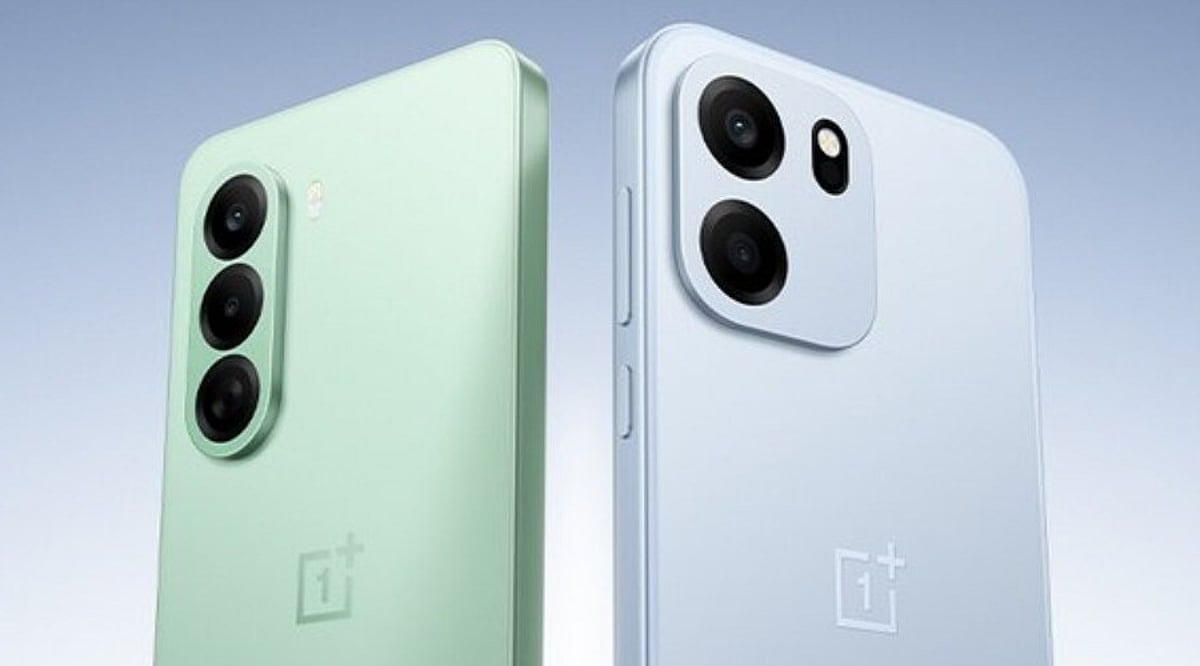
    OnePlus is reportedly gearing up to introduce the N6 Lite in India by the end of September, positioning it as a more affordable addition to its N series lineup. While the company has yet to officially confirm the launch date or specifications, early reports from tipsters offer a glimpse into what buyers might expect.

    Expected Price and Availability

    The OnePlus N6 Lite is tipped to start at around Rs. 18,999 in India. However, this is not an official figure, and the final price could vary when the device is formally announced. There is currently no confirmed release date for the Indian market.

    Performance and Display

    Under the hood, the smartphone is expected to be powered by the MediaTek Dimensity 6360 Max chipset, paired with 4 GB of RAM and 128 GB of internal storage. It is likely to run on Android 16 out of the box, offering a modern software experience. The device is also expected to feature a 6.80-inch display with a 120 Hz refresh rate, ensuring smooth scrolling and an immersive viewing experience.

    Battery and Cameras

    One of the standout features could be a substantial 7,000 mAh battery, which would significantly extend usage time between charges. For photography, the rear setup is expected to include a 13 MP main camera, while a 5 MP front-facing camera would handle selfies and video calls.

    What to Expect Next

    As with any unannounced device, specifications and pricing are subject to change. OnePlus has not disclosed further details about the N6 Lite, and enthusiasts will need to wait for an official announcement to get the full picture. In the meantime, the device appears to be a promising option for those seeking a budget-friendly OnePlus smartphone.