Author: vitorcherulli

  • Microsoft Leak Reveals Xbox 360 Games Headed to PC by 2028

    Microsoft Leak Reveals Xbox 360 Games Headed to PC by 2028

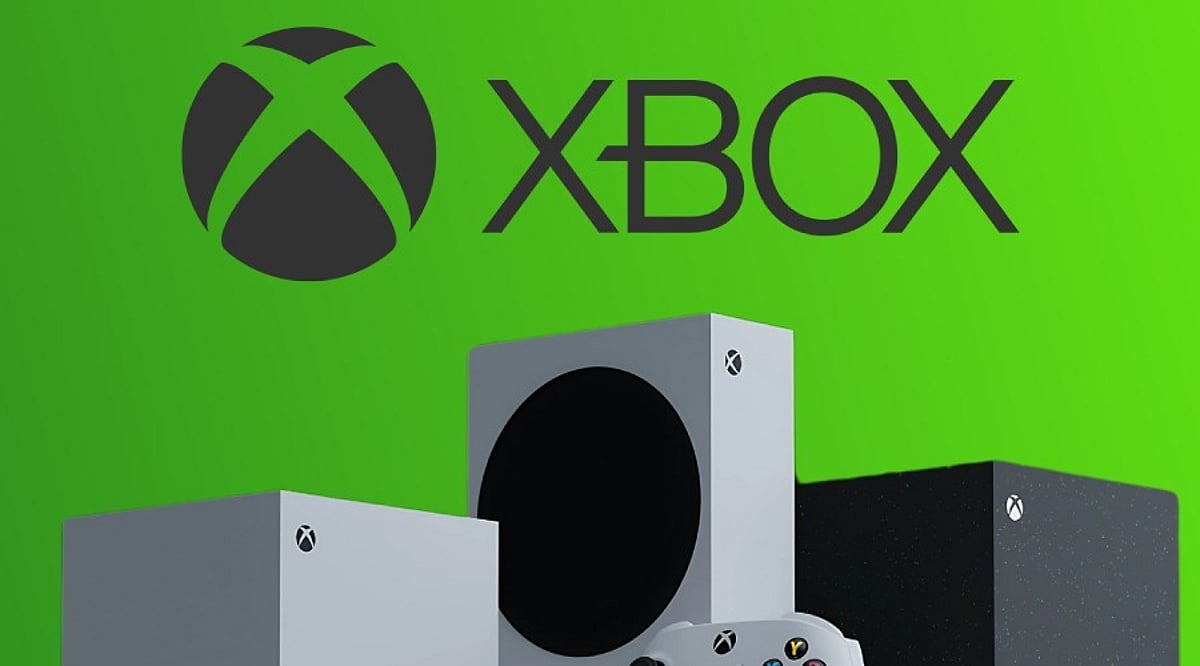
    Microsoft is reportedly preparing to bring Xbox 360 games to Windows PCs as part of a broader backward compatibility expansion, according to leaked documents that have surfaced from multiple publications. The move would allow gamers to revisit one of Xbox’s most celebrated game libraries without needing a console.

    While Microsoft has not made an official announcement, a leaked roadmap suggests the company is working on a major backward compatibility program that would let developers bring Xbox 360 titles to PCs, future Xbox consoles (including the rumored Project Helix device), and upcoming handhelds. The rollout is expected to begin in 2027 and wrap up by 2028.

    In addition, the roadmap outlines a disc-to-digital feature for Xbox One and Xbox Series X owners. This system would allow players to convert eligible physical game discs into digital licenses linked to both the disc and their Microsoft account, offering greater flexibility for accessing older purchases across multiple devices.

    Microsoft has steadily expanded Xbox games across Windows PCs, cloud gaming, and handheld devices. Bringing Xbox 360 titles to these platforms would strengthen game preservation while giving players more options to enjoy their classic favorites.

    Until Microsoft makes a public announcement, gamers should treat the reported features, launch windows, and supported titles as unconfirmed. Even so, the leak offers the clearest indication yet that Microsoft’s backward compatibility ambitions extend well beyond today’s Xbox consoles, signaling a future where Xbox 360 classics are accessible on virtually any screen.

  • DOGE Price Analysis: Dogecoin Steadies Near Key Support as Derivatives Turn Optimistic

    DOGE Price Analysis: Dogecoin Steadies Near Key Support as Derivatives Turn Optimistic

    DOGE Price Stabilizes After Weekly Decline

    Dogecoin (DOGE) held near the $0.070 support level on Tuesday after posting a 3.5% decline last week. While the broader technical structure remains bearish, improving derivatives data and bullish momentum divergences suggest selling pressure may be easing.

    DOGE continued to trade below its 50-day, 100-day, and 200-day exponential moving averages (EMAs), which sit at $0.075, $0.083, and $0.100, respectively. The price action has left traders watching for a decisive break above or below the current range.

    Gokhshtein Defends Established Meme Coins

    Cryptocurrency commentator David Gokhshtein pushed back on Monday against traders hunting for the next Dogecoin or Shiba Inu while ignoring the market’s leading meme assets. In a post on X, Gokhshtein said some traders were “disrespecting” DOGE, SHIB, and PEPE in their search for another token with similar upside potential.

    According to Gokhshtein, the meme coin sector will only rally when its largest names gain traction. He also noted that some market participants may want DOGE and SHIB to fail without understanding the potential ripple effects on other projects.

    Meme Coin Market Faces Persistent Selling Pressure

    SHIB and PEPE have outperformed the broader cryptocurrency market recently. Over the past month, the total crypto market capitalization fell 4.61%, while Dogecoin has not matched the relative strength seen in other major meme coins. The MarketVector Meme Coin Index is down nearly 40% year to date and slipped 2.64% in the past month.

    The index carries heavy exposure to DOGE and SHIB and is calculated as a dollar-based index rather than a tradable stock or exchange-traded fund. Data from CryptoQuant also shows $1.21 billion in cumulative net meme coin selling pressure on Binance since Bitcoin reached its latest all-time high last October.

    Derivatives Data Points to Possible Stabilization

    CoinGlass data shows Dogecoin’s long-to-short ratio at 1.25 on Tuesday, its highest reading in over a month. A ratio above 1.0 means long positions outnumber short positions, indicating that more traders are positioning for a price increase.

    Dogecoin’s funding rate also turned positive on July 24 and reached 0.0074% on Tuesday. Positive funding implies long traders are paying short traders, which is often viewed as a sign of bullish sentiment.

    Technical Indicators Show Bullish Divergence

    The daily Relative Strength Index (RSI) formed a higher low while DOGE posted a lower price low on August 1. This bullish divergence points to weaker downside momentum. The Awesome Oscillator displayed a similar pattern, with recent lows rising even as Dogecoin’s price stayed near support.

    Key Levels to Watch

    Immediate support sits at $0.070, followed by the yearly low at $0.067. A daily close below those levels could expose $0.065. On the upside, initial resistance is at $0.075, followed by $0.080 and $0.083. Higher barriers remain at $0.088, $0.100, and $0.102.

  • GTA 6 Trailer 3: Why Fans Think Rockstar’s Next Reveal Lands on August 4

    GTA 6 Trailer 3: Why Fans Think Rockstar’s Next Reveal Lands on August 4

    GTA 6 fans are once again decoding Rockstar Games’ silence, convinced that Trailer 3 could drop on August 4. The latest theory stems from what players believe are hidden hints tucked into earlier trailers and official promotional material.

    With Rockstar staying quiet, speculation has been building for months. Now a fresh wave of excitement is sweeping through social media and gaming forums after fans spotted what look like deliberate clues — numbers, signs, and background details — all seemingly pointing to August 4.

    Why August 4?

    The theory centers on a scene spotted in older GTA 6 trailers and official screenshots. According to players, subtle background details form a pattern that points directly to the date. Some fans are convinced Rockstar has been planting these clues for months.

    The speculation gained further momentum because earlier reports suggested the studio could share new GTA 6 gameplay sometime in August. However, Rockstar has neither confirmed nor denied the claims, so fans should treat these theories with caution.

    Rockstar’s Silent Approach

    Rockstar rarely responds to leaks or fan speculation. The company tends to stay quiet until it is ready to make an official announcement — a pattern seen before the launches of GTA 5 and Red Dead Redemption 2.

    In both cases, long stretches of silence were followed by major trailer reveals that captured global attention. By limiting communication, Rockstar keeps the community guessing, turning every rumor into buzz and every official update into a headline event.

    What Happens Next?

    Right now, there is no confirmed release date for GTA 6 Trailer 3. The August 4 date is based purely on fan theories, and Rockstar has not endorsed any of them. Still, with the game moving closer to launch, many players believe another trailer is inevitable.

    Until Rockstar breaks its silence, the countdown continues and the guessing game goes on.

  • Trump Calls Out Exxon and Chevron for Record Profits, Demands Lower Gas Prices

    Trump Calls Out Exxon and Chevron for Record Profits, Demands Lower Gas Prices

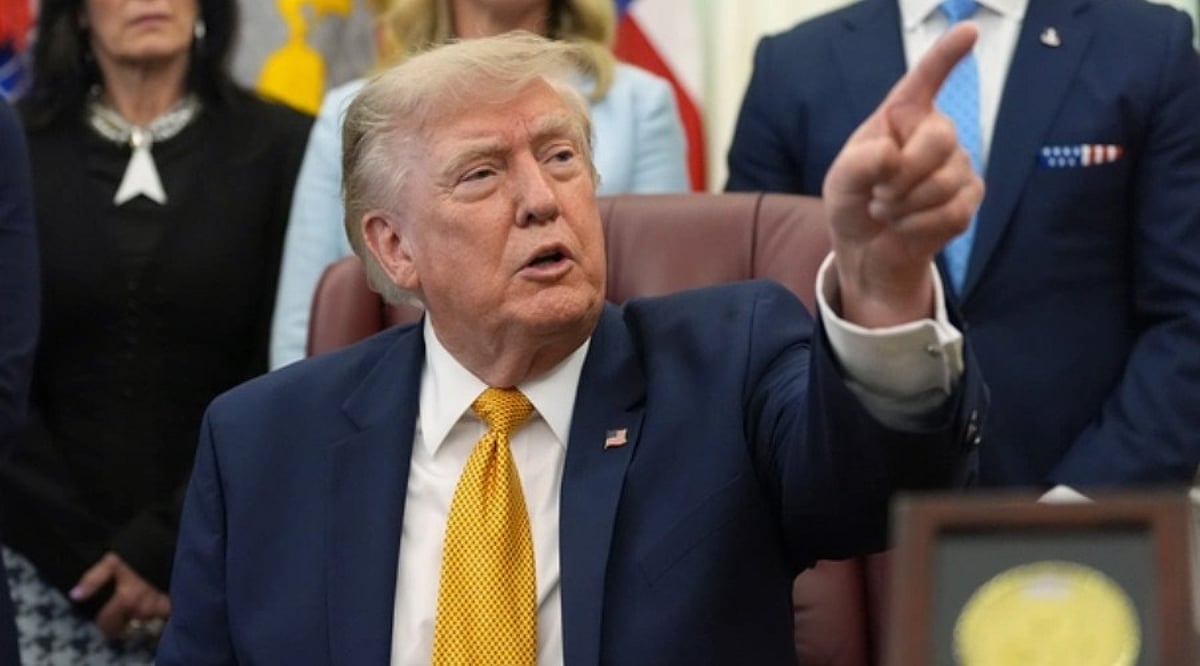
    President Donald Trump has publicly criticized Exxon Mobil and Chevron after the oil giants reported combined second-quarter profits of approximately $26.5 billion. Trump argued that the companies are profiting excessively from supply shortages and urged them to reduce retail fuel prices for American consumers.

    Speaking at the White House on Monday, Trump said both companies were benefiting from supply disruptions while Americans continued to face high gasoline prices. His remarks come as his administration faces mounting pressure to address fuel costs ahead of the midterm elections.

    “Based on a shortage, they’re making too much money,” Trump told reporters. “I don’t like it, and I should be the last one to say because I’m a big free enterprise guy — nobody bigger.”

    The president specifically named Exxon Mobil and Chevron, calling on them to cut prices at the pump. “Chevron, too much money. Exxon Mobil, too much, too much money. They ought to give some of that back to the public, and they better cut the retail price, the consumer price,” Trump said.

    Exxon Mobil reported second-quarter earnings of $14.5 billion, more than double its profit from the same period a year earlier. Chevron posted $12.1 billion in earnings, nearly five times its year-ago result. Both companies benefited from higher crude prices and stronger refining margins amid Middle East tensions and supply chain concerns.

    Oil Companies Defend Market Conditions

    Industry representatives pushed back against claims that individual oil producers are responsible for elevated gasoline prices. The American Petroleum Institute (API) said fuel prices reflect global supply and demand conditions, along with uncertainty surrounding key shipping routes.

    Andrea Woods, an API spokesperson, stated that higher prices were “driven by global supply, demand and continued uncertainty around the Strait of Hormuz and other critical shipping lanes—not by any one company.”

    Retail gasoline prices are generally determined by independent fuel station operators rather than directly by major oil producers. Distribution costs, taxes, crude prices, and refining margins also influence consumer prices.

    Exxon and Chevron executives warned during earnings calls that limited refining capacity could keep gasoline prices elevated through the autumn. The average US gasoline price has remained near $4.10 per gallon, compared with below $3 before the United States and Israel launched strikes against Iran in February.

    Trump Renews Pressure on Energy Firms

    Trump has increased scrutiny of major oil companies in recent months. In late June, he ordered the Justice Department to investigate whether large producers failed to reduce gasoline prices quickly enough after crude prices declined.

    Trump also criticized Chevron CEO Mike Wirth in a social media post, claiming the executive failed to recognize his administration’s role in supporting the energy sector. He reiterated that oil companies should immediately lower consumer fuel prices, including retail gasoline costs.

    The comments follow a period of strong earnings for US energy companies, supported by higher oil prices during Middle East tensions. Chevron also reported record US production and a 20% increase in global output.

    Oil markets have recently shown volatility as traders monitor diplomatic developments involving Iran and possible changes to supply conditions. Lower crude prices could reduce pressure on gasoline markets if disruptions ease. Trump has argued fuel prices will decline if tensions in the region decrease, while industry officials maintain that broader market forces determine costs at the pump.

  • Angel Investor Jason Calacanis Praises Solana and Bittensor as SOL Holds Key Support Level

    Angel Investor Jason Calacanis Praises Solana and Bittensor as SOL Holds Key Support Level

    Prominent angel investor Jason Calacanis has renewed his criticism of Bitcoin while praising Solana and Bittensor as projects that deliver usable products. His remarks came as SOL traded near $74 within a key weekly demand zone, with traders watching to see if support holds and whether the price can break its short-term downtrend.

    Calacanis Shifts from Solana Skepticism

    Calacanis said he would advise his brother to sell half of any Bitcoin holdings and redirect the proceeds into “productive projects” such as Solana and Bittensor. He noted that both networks are delivering new products rather than relying solely on future promises, marking a clear shift from his earlier public stance on Solana.

    In late 2024, Calacanis said he had never owned SOL and questioned whether the network offered meaningful applications beyond market speculation. He repeated that position through early 2025 while stating he owned only Bitcoin. More recently, he has pointed to entrepreneurs building on TAO and SOL, though he has not disclosed any investment in either token or any direct relationship between Solana Labs and his venture firm.

    Bitcoin Strategy Criticism Remains

    Calacanis still describes himself as a longtime Bitcoin holder, but he has repeatedly criticized Strategy (formerly MicroStrategy) co-founder Michael Saylor. He argues that Strategy has grown too influential within the Bitcoin market and distorted the broader narrative. Calacanis urges investors to buy Bitcoin directly instead of gaining exposure through Strategy shares, saying the company’s financing model creates risks that direct ownership avoids.

    He has stated he would never buy Strategy stock, even after a steep price decline, and rejected any taxpayer-funded rescue if the company faced serious financial trouble. His criticism focuses on Strategy’s financing structure rather than Bitcoin ownership itself.

    SOL Holds Weekly Demand Near $74

    Solana is trading inside a broad weekly demand zone stretching from about $64 to $75. Buyers have responded several times within that range, making the region central to the current Solana price outlook. SOL recently slipped below a previous low near $68 before recovering above it, a move that may represent a liquidity sweep.

    However, the 12-hour chart structure continues to show lower highs and a descending trendline. A decisive move above the $80 to $84 resistance area could open a path toward $92.91, then approach a market-structure level near $98. On the downside, $68.44 remains the nearest important support. A weekly close below that level could expose the lower demand area near $64, weakening the immediate bullish setup.

    Until SOL clears the descending trendline and completes a successful retest, a move toward $90 remains conditional. Another decline may also help traders assess whether the market has formed a bottom resembling Solana’s 2022 price structure.

    Conclusion

    Calacanis has shifted from questioning Solana’s utility to describing SOL and TAO as productive networks, while maintaining his criticism of Bitcoin-linked Strategy shares. For traders, SOL’s next signal depends on holding $68.44 and breaking $80–$84 before the projected move toward $90 gains confirmation.

  • Jio Independence Day Offer: Rs. 6,000 Discount on 100Mbps Broadband Plan

    Jio Independence Day Offer: Rs. 6,000 Discount on 100Mbps Broadband Plan

    Reliance Jio has introduced a special Independence Day offer for its home broadband customers in India. The Jio Freedom Pack provides a Rs. 6,000 discount on the regular price of its 100Mbps broadband plan, bringing the cost down to Rs. 10,000 for 15 months. This effectively reduces the monthly outlay from approximately Rs. 1,066 to just Rs. 666.

    Jio Freedom Pack Benefits

    The 100Mbps plan includes unlimited voice calling for the entire validity period. Subscribers also gain access to over 1,000 live TV channels via Jio’s home entertainment services, along with 15-month subscriptions to more than 12 OTT apps such as JioHotstar, SonyLIV, ZEE5, and others. Some reports indicate that a set-top box may also be included.

    Availability and Eligibility

    The offer is available through Jio’s website and the MyJio app, though availability may vary by account. Since Jio has not clearly defined eligibility criteria, customers are advised to check the offer in the MyJio app before making a payment. The long validity period makes this pack ideal for households planning to maintain the same broadband connection for over a year.

    This Independence Day deal targets both JioFiber and JioAirFiber customers seeking long-term broadband solutions. For the latest updates, join Jio’s WhatsApp channel.

  • India’s Proposed Tax Extension Through 2041 Could Boost Apple’s Manufacturing Expansion

    India’s Proposed Tax Extension Through 2041 Could Boost Apple’s Manufacturing Expansion

    India is considering a significant extension of tax exemptions for foreign electronics companies, a move that could substantially benefit Apple as it ramps up iPhone production in the country. The proposed amendment to tax laws would push the current incentives’ expiration date from 2031 to March 31, 2041, offering long-term fiscal certainty for global manufacturers.

    If approved by both houses of Parliament, the measure would extend tax breaks for foreign companies supplying machinery and components to contract manufacturers. This aligns with India’s broader strategy to solidify its position as a global electronics manufacturing hub, particularly under the ‘Make in India’ initiative.

    Apple Poised to Gain from Extended Tax Relief

    According to reports, Apple stands to benefit the most from this proposal. The tech giant had been seeking clarity on India’s tax regime concerning the supply of expensive equipment to its contractors, as ambiguity exposed it to higher tax risks. Under the proposed reforms, foreign firms supplying equipment used in manufacturing phones, tablets, laptops, wearables, and hearing aids would continue to enjoy tax exemptions until 2041.

    The draft also extends tax relief on income derived from storing and supplying electronic components through customs-bonded facilities, encouraging export-oriented manufacturing.

    India’s Electronics Manufacturing Strategy

    This tax extension is part of the government’s efforts to attract global manufacturers and reduce dependence on China. Apple’s manufacturing footprint in India has grown rapidly, with Counterpoint Research projecting that India will produce 26% of the world’s iPhones in 2026, up from just 6% four years ago. Industry experts believe the extended incentives could prompt more multinational electronics companies to invest in local production facilities and strengthen supplier networks.

    “The proposed tax changes will enable foreign companies to store and transfer critical equipment and components in India for their contract manufacturers, helping mitigate supply chain disruptions arising from trade uncertainties while providing greater tax certainty,” said Riaz Thingna, a partner at Grant Thornton Bharat.

    Wider Business Reforms in the Pipeline

    Beyond electronics, the proposed bills aim to improve India’s overall investment climate. For instance, foreign companies using data centers in India to serve global clients would no longer be required to own those facilities, but could lease them instead. Additionally, the bills recommend a 15-year tax exemption for foreign diamond miners and dealers operating through designated trading zones. Analysts say these measures are designed to enhance ease of doing business and provide long-term policy certainty for international investors.

    All these changes are subject to parliamentary approval and would take effect only after the bills are passed.

  • Amazon Hits $3 Trillion Market Cap as AI Fuels AWS Revenue Surge

    Amazon Hits $3 Trillion Market Cap as AI Fuels AWS Revenue Surge

    Amazon’s market capitalization crossed the $3 trillion threshold for the first time on August 3, 2026, following a strong second-quarter earnings report that highlighted the company’s accelerating cloud growth driven by artificial intelligence demand.

    The e-commerce and cloud computing giant’s stock gained approximately 5% to reach a record near $285, pushing its 2026 gains above 23%. The rally came after Amazon reported its fastest cloud growth in more than four years, with Amazon Web Services (AWS) revenue surging 37% year-over-year to $42.2 billion—well above the market estimate of $40.5 billion.

    Amazon became the fifth company to achieve a $3 trillion market capitalization, joining Apple, Microsoft, Alphabet, and NVIDIA. NVIDIA still holds the highest market value, near $5 trillion. Amazon first reached a $2 trillion valuation in June 2024, adding another trillion dollars in just over two years as cloud sales, advertising revenue, and retail activity expanded.

    AWS Revenue Beats Forecasts

    AWS generated $42.2 billion in second-quarter revenue, up 37% from the same period last year. The result exceeded market expectations and marked AWS’s strongest growth rate in 18 quarters. Analysts had expected about $40.5 billion, leaving the cloud unit nearly $1.7 billion above the consensus forecast.

    Total Amazon revenue reached approximately $200.6 billion, rising 20% from the previous year and surpassing Wall Street forecasts near $197 billion. The AWS contract backlog increased to $496 billion from $364 billion in the previous quarter, signaling strong future demand.

    Artificial intelligence workloads drove more demand for computing power, storage, and chips. Amazon said its AI and chip businesses each passed annual revenue run rates of $25 billion. AWS has also expanded agreements with OpenAI, Anthropic, Meta, and other corporate customers.

    Outside cloud services, Amazon reported strong growth. Advertising revenue increased 26% to $19.8 billion. The retail business also benefited from Prime Day sales and faster delivery services across more locations.

    Amazon Raises 2026 Spending Plan

    Amazon raised its 2026 capital expenditure forecast to $220 billion from $200 billion. Chief Executive Andy Jassy linked the increase partly to higher memory prices and continued investment in data centers, chips, and AI systems.

    “We will still not have enough capacity to meet all the demand we have in 2026,” Jassy said, adding that demand already booked for 2028 was ‘striking,’ pointing to long-term customer commitments.

    However, the higher spending affected cash flow. Amazon reported negative free cash flow of $7.6 billion, compared with positive free cash flow of $18.2 billion one year earlier. The company spent $54.2 billion on property and equipment during the quarter.

    Amazon’s results arrived during a broad review of technology spending. Microsoft also reported strong Azure growth, while Google Cloud posted faster sales growth. Investors focused on whether rising cloud revenue could keep pace with spending on servers, chips, and data centers.

    Amazon’s $3 trillion valuation placed the company among a small group of technology firms that have reached the level. Its latest market value followed stronger AWS growth, higher company revenue, and a larger infrastructure budget for 2026.

  • iQOO 15R Review: Full Specifications, Pros, Cons, and Price

    iQOO 15R Review: Full Specifications, Pros, Cons, and Price

    The iQOO 15R is a flagship smartphone that delivers a powerful central processing unit, extended battery life, and a bright AMOLED display. Designed for gamers and power users, the device offers fast performance and long-lasting battery, though its camera system and thermal management present minor drawbacks. Overall, the iQOO 15R provides excellent value at an affordable price point.

    General Specifications

    Here are the key specifications of the iQOO 15R:

    • Display: AMOLED screen with vivid colors
    • Processor: High-performance CPU
    • Battery: Extended capacity for all-day use
    • Camera: Capable system with minor limitations
    • Build: Premium flagship design

    Pros and Cons

    Pros:

    • Powerful performance for gaming and multitasking
    • Long battery life
    • Stunning AMOLED display
    • Affordable price for a flagship

    Cons:

    • Camera system could be improved
    • Thermal management can be better under heavy load

    Price

    The iQOO 15R is competitively priced. Check availability on popular platforms: