Author: vitorcherulli

  • How Self-Learning AI Models Improve Without Retraining

    How Self-Learning AI Models Improve Without Retraining

    Self-learning AI models are transforming the landscape of artificial intelligence by enabling systems to enhance their performance after deployment without the need for full retraining. Instead of constantly updating model weights, these models leverage context, memory, and feedback mechanisms to adapt in real time.

    Key Techniques Behind Self-Learning AI

    In-Context Learning

    In-context learning allows AI to learn from prompts and examples during a conversation. The model adapts instantly, but its core parameters remain unchanged. This makes it highly flexible for dynamic interactions.

    External Memory

    External memory systems store user feedback, documents, and past interactions in vector databases. AI retrieves this information when needed, eliminating the need to relearn everything from scratch. This approach is efficient and scalable.

    Continual Learning

    Continual learning enables AI to absorb new knowledge over time while reducing the need for retraining from scratch. This makes updates faster and more efficient, allowing models to stay current with evolving data.

    Runtime Feedback Loops

    Runtime feedback loops improve responses by ranking better answers, incorporating user corrections, and adapting workflows without changing the model’s original weights. This ensures continuous improvement without costly retraining cycles.

    Applications and Benefits

    These techniques keep AI current in fast-changing fields like finance, cybersecurity, healthcare, and customer support. They also lower computing costs by minimizing the need for frequent retraining.

    Challenges to Consider

    Self-learning AI is not perfect. Poor-quality feedback, memory errors, and shifting data can introduce bias or reduce reliability if updates are not carefully monitored. Proper oversight is essential to maintain accuracy and fairness.

    The Future of AI Adaptation

    The future of AI is shifting from retraining models to building adaptive systems powered by context, memory, continual learning, and intelligent feedback loops. Popular AI systems already use runtime adaptation, conversation history, retrieval tools, and memory systems to deliver smarter responses without constant retraining.

  • Wordle #1870 Hints and Answer for August 2, 2026: Solve Today’s PENAL Puzzle

    Wordle #1870 Hints and Answer for August 2, 2026: Solve Today’s PENAL Puzzle

    The New York Times released Wordle #1870 for Sunday, August 2, 2026, giving puzzle lovers a fresh five-letter challenge. Today’s word is a formal adjective related to law and punishment, making it trickier than many recent puzzles. Use these spoiler-free hints and strategies to keep your streak alive before revealing the answer.

    Today’s Wordle Hints for August 2 (Puzzle #1870)

    These clues provide guidance without giving away the solution:

    • The word contains five letters.
    • It has two vowels.
    • The word starts with a consonant.
    • There are no repeated letters.
    • The word ends with the letters “AL.”
    • It relates to punishment, law, or legal matters.
    • It is commonly used as an adjective.

    Wordle Tips to Improve Your Score

    Start with a word that includes common vowels and frequently used consonants. This quickly reveals useful letters. Pay close attention to green and yellow tiles after every guess rather than guessing randomly. Removing impossible letters early helps narrow down the list of possible answers. Today’s puzzle especially rewards careful thinking because the solution belongs to a category of words many players do not use every day.

    Spoiler Alert: The Answer to Wordle #1870

    Warning: The answer appears below.

    The answer to Wordle #1870 for Sunday, August 2, 2026, is PENAL.

    The word means relating to punishment, criminal law, or legal penalties. It appears frequently in legal writing and formal documents but rarely in casual conversations. That uncommon usage explains why today’s puzzle may have felt more difficult than expected. Many players may have reached similar endings like -AL before finding the correct solution. Words such as PEDAL, PETAL, PANEL, or RENAL could easily lead guesses in the wrong direction before the right answer finally appeared.

    Why Today’s Puzzle Felt Tricky

    Several recent Wordle puzzles have featured familiar everyday words. Today’s answer breaks that pattern by using a formal adjective. Even experienced players can struggle if legal vocabulary is not part of their regular reading. The puzzle also avoids repeated letters, removing one common clue that often helps narrow down the answer. Instead, success depends on identifying the correct meaning and matching it with the available letters.

    How Wordle Works

    Wordle remains one of the most popular daily word games because of its simple format. Every puzzle contains one hidden five-letter word, and players receive six chances to solve it. After each guess: green tiles show a correct letter in the correct position; yellow tiles indicate a correct letter placed in the wrong spot; gray tiles show letters that do not appear in the answer. A strong opening word with balanced vowels and consonants often gives players the best chance of solving the puzzle quickly.

    More NYT Games to Try

    After completing Wordle, many players continue with other New York Times games, including Connections, Connections: Sports Edition, Strands, and the Mini Crossword. Each puzzle offers a different type of challenge, making the daily collection a favorite among word game fans. Another fresh Wordle puzzle will arrive tomorrow with a completely new five-letter mystery.

  • Bitquery Co-Founder Accused of Stealing $5M, Deleting 194 Financial Records

    Bitquery Co-Founder Accused of Stealing $5M, Deleting 194 Financial Records

    Bitquery, a cryptocurrency data provider, has filed a lawsuit against its co-founder Dionysios “Dean” Karakitsos, alleging he stole over $5 million from the company and deleted 194 financial records before resigning in October 2025. The lawsuit was filed in Manhattan Supreme Court in June 2026.

    According to the complaint, Karakitsos controlled the company’s accounts and allegedly transferred funds to accounts linked to himself and associates. The company claims that before his resignation, he deleted 194 expense and bill records from QuickBooks, which contained evidence of the transfers. Other entries were reportedly altered to conceal the transactions.

    Bitquery is seeking at least $5 million in damages, additional compensation, and access to its banking credentials, which Karakitsos has not returned. The company has since appointed co-founder Aleksey Studnev as its new CEO.

    The allegations reportedly date back to around 2022, after investors put approximately $8 million into Bitquery. Karakitsos allegedly told investors the company held between $5 million and $6 million in bank accounts, but Bitquery claims its actual revenue was near $2 million during 2024 and 2025, with operating costs close to that figure.

    Karakitsos has denied the allegations and plans to defend himself in court. “I strongly disagree with the allegations and intend to respond through the legal process,” he said. The case remains a civil lawsuit, and no criminal charges have been filed.

    The dispute highlights concerns about financial controls in startups where a single executive has broad access to company funds and records.

  • Tim Cook’s 2020 Warning on Facebook Tracking Paved the Way for Apple’s App Tracking Transparency

    Tim Cook’s 2020 Warning on Facebook Tracking Paved the Way for Apple’s App Tracking Transparency

    In December 2020, Apple CEO Tim Cook issued a stark warning to iPhone users regarding Facebook’s ability to track their activity across apps and websites. The warning came as Facebook criticized Apple’s upcoming privacy rules, which would require apps to request user permission before collecting data across other companies’ services.

    Cook took to Twitter (now X) to defend Apple’s privacy-first approach, stating: “We believe users should have the choice over the data that is being collected about them and how it’s used. Facebook can continue to track users across apps and websites as before; App Tracking Transparency in iOS 14 will just require that they ask for your permission first.”

    Apple later introduced App Tracking Transparency (ATT) with the release of iOS 14.5 in April 2021. This feature fundamentally changed how apps collect data for advertising and measurement across external services. Apps must now display a tracking permission prompt before accessing the device’s advertising identifier or using other covered tracking methods. Users who select “Ask App Not to Track” prevent the app from accessing the identifier, and they can later adjust their preferences in iPhone privacy settings.

    The policy ignited a major conflict between Apple and Meta, Facebook’s parent company. Meta argued that Apple’s rules could harm businesses relying on personalized advertising, later estimating a roughly $10 billion financial impact from the privacy changes.

    Cook’s 2020 statement became a pivotal moment in Apple’s broader privacy campaign. While Apple framed tracking permission as a matter of user choice, Meta viewed it as a threat to targeted advertising. The debate continues to shape mobile advertising privacy regulations worldwide.

  • How Tim Cook’s 2020 Warning About Facebook Tracking Changed iPhone Privacy

    How Tim Cook’s 2020 Warning About Facebook Tracking Changed iPhone Privacy

    In December 2020, Apple CEO Tim Cook issued a stark warning to iPhone users about Facebook’s ability to track their activity across apps and websites. The warning came as Facebook publicly criticized Apple’s planned privacy rules for iPhones, setting the stage for a major clash between the two tech giants.

    Cook explained that Apple’s upcoming App Tracking Transparency system would not completely stop tracking. Instead, it would require apps to ask for explicit permission before tracking users across other companies’ apps and websites. He shared his message on Twitter (now X), writing: “We believe users should have the choice over the data that is being collected about them and how it’s used. Facebook can continue to track users across apps and websites as before; App Tracking Transparency in iOS 14 will just require that they ask for your permission first.”

    Apple delivered on that promise with the release of iOS 14.5 in April 2021. The App Tracking Transparency feature fundamentally changed how apps collect data for advertising and measurement. Apps now must display a tracking permission request before accessing the device’s advertising identifier or using other covered tracking methods. Users who select “Ask App Not to Track” prevent the app from accessing that identifier, and permissions can be adjusted later through iPhone privacy settings.

    The policy sparked a fierce dispute between Apple and Meta, Facebook’s parent company. Meta argued that the rules would hurt businesses reliant on personalized advertising, later estimating a roughly $10 billion impact on its revenue from Apple’s privacy changes. Cook’s 2020 statement became a defining moment in Apple’s broader privacy campaign, framing tracking permission as a user choice while Meta viewed it as a threat to targeted advertising. The debate continues to shape mobile advertising privacy rules worldwide.

  • Amazon Refocuses AI Efforts: Cuts Nova Models, Bolsters Frontier Research After AGI Lab Closure

    Amazon Refocuses AI Efforts: Cuts Nova Models, Bolsters Frontier Research After AGI Lab Closure

    Amazon is reshaping its artificial intelligence strategy following a series of layoffs in its AGI division and the shutdown of its AGI Lab in July 2026. The tech giant is scaling back development on several Nova models and reallocating staff and computing resources toward frontier AI research and new foundation models.

    The company is reducing the number of major AI projects to better compete with leading AI firms while continuing to serve enterprise customers. This strategic shift also brings AI engineering and computing resources under tighter leadership.

    The moves come after Amazon laid off employees in its AGI unit and closed its San Francisco AGI Lab, which was formed in 2024 after acquiring talent from AI startup Adept. According to Business Insider, Amazon has begun winding down several Nova models, including Premier, Omni, Reel, and Canvas.

    Amazon will continue to support some Nova products for existing customers, though development pace will slow. Models that remain active in the portfolio include Nova 2 Lite, Nova 2 Sonic, Nova Forge, and Nova Act. Nova Forge helps customers customize models, while Nova Act focuses on AI agents.

    Greater emphasis is now placed on Frontier Model Research, led by renowned AI researcher Pieter Abbeel. The team is developing a new foundation model that could debut at Amazon’s re:Invent event later this year.

    An Amazon spokesperson told Reuters, “We’re sharpening our focus on the initiatives that matter most for customers, so we can move faster on what counts.”

    The company also defended its continued AI investment while explaining the model changes. Amazon told sources, “We’re continuing to invest in and support the Nova models our customers rely on today … We’re also investing in the next generation of frontier model research.”

    This shift signals Amazon moving from a broad AI portfolio toward fewer, bigger bets. The company now faces pressure to demonstrate stronger results from its frontier AI efforts.

  • Best Smartwatch Discounts This Weekend: Samsung, Garmin & Noise Deals Up to 74% Off

    Best Smartwatch Discounts This Weekend: Samsung, Garmin & Noise Deals Up to 74% Off

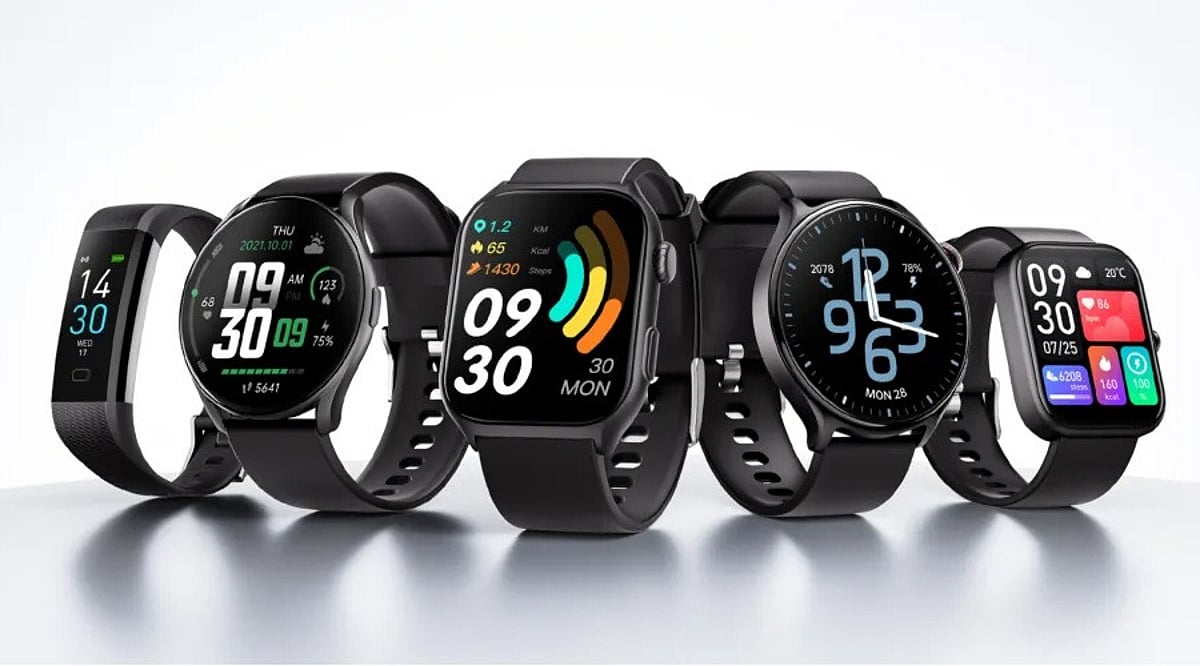
    Weekend smartwatch deals offer significant savings across premium and budget models, but not every discount represents good value. This guide highlights verified offers, explains how to identify genuine bargains, and compares top picks by use case. It also shares practical tips to help shoppers choose the right smartwatch confidently.

    Why Weekend Sales Matter

    Weekend deals are often the best time to buy a smartwatch, as retailers discount current inventory to make room for new stock. Popular models sell out quickly, so monitor prices and availability before making a purchase.

    How to Spot a True Discount

    Large percentage discounts aren’t always genuine. Check the product’s original launch price rather than focusing only on the displayed discount. Prioritize battery life, display quality, software support, and compatibility with your smartphone (iPhone or Android).

    Top Smartwatch Deals This Weekend

    Samsung Galaxy Watch7 44mm BT

    With the Watch8 and Watch9 series already on Flipkart, retailers are clearing Watch7 stock at sharp discounts. It remains the best Wear OS choice for Android users, featuring a 3nm processor and dual-frequency GPS. The trade-off is shorter battery life compared to Garmin’s fitness watches.

    Price: ₹19,999 (MRP ₹35,999 – 44% off)

    Samsung Galaxy Watch Ultra LTE 47mm

    The newer Watch Ultra2 has taken over as Samsung’s flagship rugged model, so the original Ultra LTE sees a steady markdown. Its titanium case and rugged build suit outdoor and fitness use. Limited stock available.

    Price: ₹49,999 (MRP ₹69,999 – 29% off)

    Garmin Vivoactive 5

    Garmin discounts the Vivoactive line during weekend sales to compete with Wear OS pricing. Ideal for athletes and outdoor users who need Garmin’s training tools and multi-day battery life. The trade-off is a smaller third-party app ecosystem.

    Price: ₹24,990 (MRP ₹36,599 – 32% off)

    Samsung Galaxy Watch FE 40mm BT

    This entry-tier Galaxy Watch is heavily discounted now that the Watch7 and Watch8 sit above it. It retains Sapphire Crystal glass, sleep coaching, and fall detection at nearly half the price of the Watch7. The black strap is currently out of stock, but other colors are available.

    Price: ₹12,999 (MRP ₹29,999 – 57% off)

    Noise ColorFit Pro 2

    An older model with the steepest discount on this list (74% off) to clear stock. It covers heart rate, sleep, and step tracking but lacks Bluetooth calling and third-party app support.

    Price: ₹1,299 (MRP ₹4,999 – 74% off)

    Common Buying Mistakes to Avoid

    Don’t chase the biggest percentage without checking the model generation. Some flagship watches, like the Apple Watch Series 10, may show no active markdown even during sale periods. Compare across platforms to find better value. Check strap size and connectivity variant (BT vs LTE) as they change price by thousands. Also, consider software update support – a watch with weak updates may cost more in the long run.

    Final Thoughts

    Weekend sales reward buyers who compare before checkout. The steepest discount isn’t always the smartest purchase. Match battery life, platform, and update support to your daily use – these factors matter long after the sale banner disappears.

    FAQs

    1. What are the best smartwatch deals available this weekend? Deals vary by retailer, but weekend sales often feature discounts on Samsung, Garmin, Noise, and other brands. Compare prices across trusted sellers for the best value.
    2. How can I tell if a smartwatch discount is genuine? Check the product’s price history, compare offers from multiple retailers, and verify the discount is based on the original retail price. Ensure the watch is a current or well-supported model, not outdated clearance stock.
    3. Should I buy a smartwatch during a weekend sale or wait for a bigger event? Weekend sales can offer excellent savings, especially on current- and last-generation models. If the watch meets your needs at a meaningful discount from a reputable seller, it’s a good time to buy.
    4. What features should I compare before buying a smartwatch? Look for compatibility with your smartphone, battery life, display quality, health and fitness tracking, GPS, Bluetooth calling, app support, water resistance, and software update commitment. These matter more than the discount percentage.
    5. Are budget smartwatch deals worth buying? Yes, if you primarily need notifications, activity tracking, heart rate monitoring, and basic smart features. Compare battery life, build quality, and software support to ensure long-term value.
  • Top Weekend Printer Deals: Wireless, All-in-One, and EcoTank Models for Home and Office

    Top Weekend Printer Deals: Wireless, All-in-One, and EcoTank Models for Home and Office

    Weekend sales are one of the best times to buy a printer, especially if you’ve been waiting for discounts on wireless, all-in-one, or EcoTank models. Retailers often discount these popular printer types during weekend promotions, making it a good time to upgrade your home or office setup while reducing long-term printing costs. However, the best deal isn’t always the lowest price—it’s the printer that matches your printing needs while keeping operating costs low.

    Why This Weekend’s Printer Deals Matter

    Weekend promotions often include discounts on popular printer models as retailers refresh inventory or run seasonal offers. Wireless and all-in-one printers are frequently discounted alongside cartridge-free ink tank models that offer lower running costs. Since prices and stock change quickly, always check the retailer’s current listing before purchasing.

    How to Spot a Good Printer Deal

    A lower price is only one part of the decision. Consider the printer type, ink or toner cost per page, print speed, wireless connectivity, automatic duplex printing, paper capacity, and whether you need scanning and copying. If you’re shopping for a home office printer or comparing wireless all-in-one printer options, an ink tank printer usually costs more upfront but significantly reduces long-term ink expenses, making it a better value if you print often. These same factors apply whether you’re browsing a printer sale, home printer deals, or office printer deals specifically.

    Best Printer Deals This Weekend

    Canon PIXMA TS3722 Wireless All-in-One

    Price: $39 (Was $53). One of the most affordable wireless all-in-one printers available this weekend. Prints, scans, and copies over Wi-Fi. A solid fit for light home use or students. It uses standard ink cartridges, so per-page costs run higher than tank-based models if you print in volume.

    BUY NOW

    Canon MegaTank PIXMA G3272

    Price: $159 (Was $194) — ✅ confirmed live at time of research. A strong choice for frequent printers. The refillable MegaTank system dramatically lowers ink costs over time, while still offering wireless printing, scanning, and copying. Higher upfront cost, but the lowest cost-per-page on this list.

    BUY NOW

    Epson EcoTank ET-4800

    Price: $199.99 (Was $299.99). Best suited to home offices and small businesses. Cartridge-free EcoTank system, plus scanning, copying, fax, an automatic document feeder, and Ethernet in addition to Wi-Fi. Highest upfront price here, but the strongest long-term savings if you print regularly.

    BUY NOW

    Brother INKvestment MFC-J1355DW

    Price: $149.99. Built for consistent, regular use. Automatic duplex printing, an automatic document feeder, wireless connectivity, and larger-capacity cartridges that need replacing less often than standard cartridges make for a middle ground between cartridge and tank systems.

    BUY NOW

    HP DeskJet 2942 Wireless All-in-One

    Price: $49 — ✅ confirmed live at time of research. A budget pick for occasional home printing. Supports wireless printing, scanning, and copying. Fine for students or light use, but frequent printers should lean toward an ink tank model instead to avoid higher per-page costs.

    BUY NOW

    Comparison Table

    Note: Confirm manufacturer-listed print speed (ppm) and paper tray capacity on the product page if these matter for your use case. They vary by model and aren’t reflected in the table above.

    Common Buying Mistakes to Avoid

    The most common mistake is focusing only on the sticker price. A cheap cartridge printer can end up costing more over a year or two than a pricier EcoTank or MegaTank model, simply because ink cartridges cost more per page. The second most common mistake is buying a single-function printer when you actually need scanning or copying too. If you print often, prioritize automatic duplex printing and a refillable ink system. Together they cut both paper and ink costs. When comparing deals, look at total cost of ownership, not just what’s on the price tag.

    Final Thoughts

    Weekend printer deals can deliver real savings when you look past the discount percentage. The right combination of print quality, connectivity, running costs, and features will matter more than the sale price long after the weekend ends.

    Also Read: Best Epson Printers Under Rs. 20000 in India 2026
    Also Read: Best Printer Buying Guide 2026: How to Choose the Right Printer in 2026

    FAQs

    1. What are the best printer deals available this weekend?

    Weekend printer deals often include discounts on wireless, all-in-one, and EcoTank models from brands like Canon, Epson, Brother, and HP. The best choice depends on your printing needs, budget, and preferred features.

    2. Is an EcoTank printer worth buying?

    Yes. EcoTank printers cost more upfront but use refillable ink tanks that significantly reduce the cost per page, making them a great option for frequent home or office printing.

    3. Should I choose a wireless all-in-one printer?

    A wireless all-in-one printer is a practical choice if you need to print, scan, and copy from multiple devices. It offers added convenience for homes, students, and small offices.

    4. What should I compare before buying a printer?

    Compare print quality, running costs, print speed, wireless connectivity, automatic duplex printing, paper capacity, and whether the printer supports scanning and copying. These factors are often more important than the discount percentage.

    5. Are budget printer deals a good value?

    Budget printers are suitable for occasional printing and basic home use. However, if you print frequently, investing in an EcoTank or MegaTank printer can save more money over time through lower ink costs.


  • Quantum Computing vs. Blockchain: Separating Cryptography Myths from Real-World Risks

    Quantum Computing vs. Blockchain: Separating Cryptography Myths from Real-World Risks

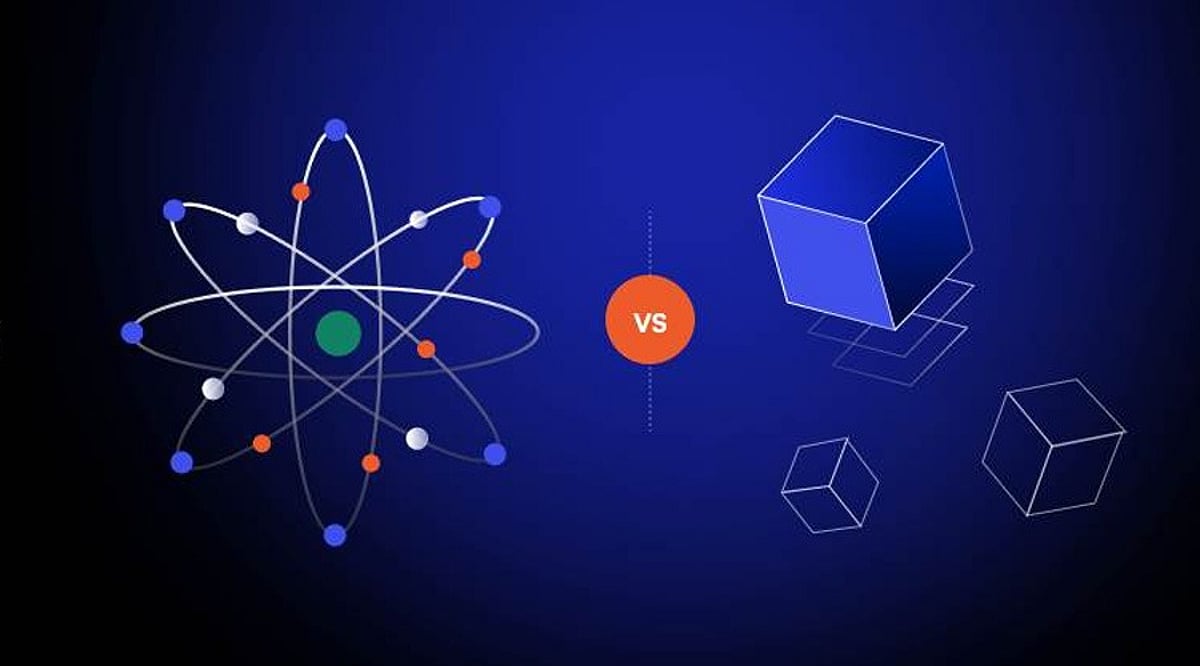
    Quantum computing does not pose an immediate threat to blockchain, but it does challenge the cryptography behind digital signatures and wallets. The industry is already preparing with post-quantum cryptography and migration strategies. Understanding the real risks helps separate technical reality from common misconceptions.

    How Blockchain Security Works

    Blockchain security relies on cryptographic algorithms, consensus rules, a distributed network, and incentive structures. Quantum computing only affects cryptography, not consensus or network integrity. The real quantum risk is concentrated in the cryptographic layer that secures digital signatures and wallet control.

    Shor’s vs. Grover’s Algorithm

    Two quantum algorithms drive this conversation, but they are not equally significant. Shor’s algorithm can theoretically break elliptic curve cryptography, allowing attackers to derive private keys from exposed public keys. This would enable forged signatures and fraudulent transactions. In many networks, public keys remain hidden until a transaction is signed, limiting exposure for unused addresses. Grover’s algorithm accelerates brute-force searches against hash functions, but its impact is modest and can be offset by longer hash outputs. Treating these two threats as identical is a common mistake.

    Is Blockchain at Risk Today?

    No existing quantum computer is capable of running Shor’s algorithm at the scale needed to threaten current signatures. Researchers refer to a “cryptographically relevant quantum computer” (CRQC) as the threshold, and current hardware remains far short due to error rates and qubit instability. The migration conversation is urgent because building and testing replacement cryptography takes years. Waiting for a CRQC to appear would leave networks exposed during the transition.

    Where Quantum Risk Exists

    Quantum risk is not evenly distributed across a blockchain network. It is concentrated in identity and authorization—specifically the cryptographic algorithms used for digital signatures and wallet security. Consensus mechanisms and ledger validation remain unaffected.

    Post-Quantum Blockchain Upgrades

    The response is already underway. NIST finalized its first set of post-quantum cryptography (PQC) standards in 2024, giving developers real building blocks. Blockchain researchers are testing quantum-resistant signature schemes, and some projects have begun hybrid migrations that layer new cryptography alongside existing systems. This phased approach enables upgrades without breaking compatibility. Enterprise blockchain applications—such as supply chain tracking and identity systems—face the same cryptographic exposure as cryptocurrency wallets.

    What This Means for Users

    Investors should evaluate a project’s readiness for post-quantum migration alongside traditional metrics. Projects actively testing quantum-resistant signatures signal stronger planning. Builders should monitor signature scheme upgrades and wallet compatibility. Crypto asset holders do not need to act today; the transition will likely happen gradually through wallet updates. Exchanges and custodians will probably lead the shift, rolling out new signature standards before individual users notice changes.

    Final Thoughts

    The quantum threat to blockchain is real, specific, and manageable. It sits almost entirely in the cryptographic layer, driven by Shor’s algorithm. The industry has years of runway before a CRQC becomes a practical concern. Post-quantum cryptography is not a hypothetical defense—it is standardized, tested, and already being integrated into next-generation blockchain infrastructure.

    Frequently Asked Questions

    1. Will quantum computing break blockchain?
    Not immediately. It threatens certain cryptographic algorithms used for digital signatures. Most experts expect networks to transition to PQC before CRQCs become widely available.

    2. What is the biggest quantum threat to blockchain?
    The greatest risk is to public-key cryptography, especially elliptic curve cryptography (ECC), which secures wallets and verifies transactions. Consensus mechanisms are not directly broken.

    3. What is post-quantum cryptography?
    PQC refers to algorithms designed to resist attacks from both classical and quantum computers. It is the leading strategy for protecting blockchain and other digital systems against future quantum threats.

    4. Are today’s blockchains already preparing?
    Yes. Many projects, researchers, and standards organizations are exploring quantum-resistant signature schemes, hybrid approaches, and migration strategies.

    5. Should investors and developers worry now?
    No immediate panic is needed, but preparation is important. Investors should follow projects with clear upgrade plans; developers should design adaptable systems and monitor PQC advances.

  • Free Fire MAX Redeem Codes (August 2, 2026): Claim Free Diamonds, Skins & Gold

    Free Fire MAX Redeem Codes (August 2, 2026): Claim Free Diamonds, Skins & Gold

    Garena has released a fresh batch of Free Fire MAX redeem codes for August 2, 2026, giving players another chance to earn free diamonds, gold, weapon skins, bundles, and emotes. These codes are available for a limited time only and will stop working once the redemption limit is reached.

    Each code can be used once per account, and rewards are delivered directly to the in-game mailbox. Redemption is handled through the official Garena Free Fire MAX rewards website after signing in with a linked account (Facebook, Google, VK, Apple ID, Huawei ID, or X). Delivery may take up to 24 hours during peak periods.

    The following codes are active today:

    • 4N8M2XL9R1G3H8Y
    • C4TN6VKQ9FF6YH3B
    • FD7VTB1RK7C5ZL8Y
    • T4ST1ZTBZBRP9BR4
    • 3FMAPYEZZUPQ7X5N
    • MJ64VS9QK2L6VP3M
    • RFFR4G3HM5YJN6KW
    • MFJVMQQYGFZ5X1C7
    • V9B2NFT4E9Y5U1I3
    • OFP9O1I5U3Y2TFM6
    • N1B8V3C4XFA3S7D5
    • F1G9HFK3J9H5G1F7
    • DFU1I5O3P7A9SF7F
    • 9A3B2K6G8FE2R8T6
    • Y4U1IP

    Redeem early to secure your rewards — each code has a fixed number of claims before it expires. Daily reward campaigns remain a major attraction in Free Fire MAX, with Garena regularly introducing new codes alongside events, tournaments, and seasonal content. These limited-time rewards help free-to-play players unlock premium cosmetics and gameplay items without spending diamonds.

    Players following the latest Free Fire MAX redeem codes can maximize every reward opportunity before each claim window closes. Stay tuned for more updates and future code drops.