Author: vitorcherulli

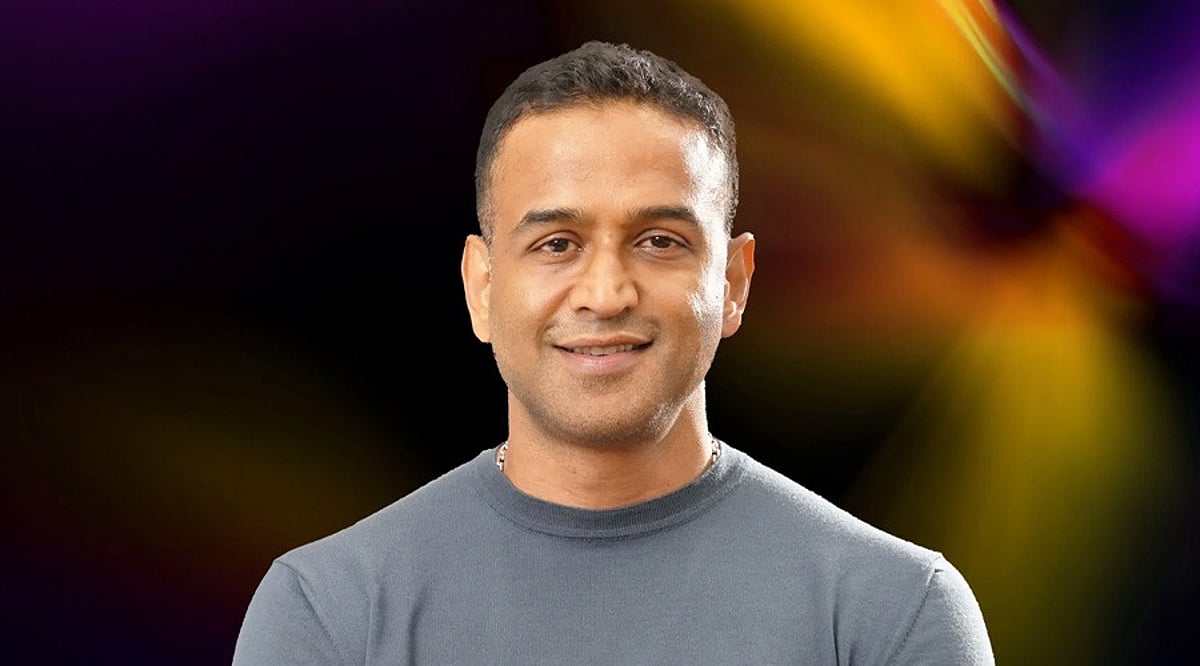
  • Adolfo Hernandez: Driving AI-Powered Transformation at Capita

    Adolfo Hernandez: Driving AI-Powered Transformation at Capita

    Adolfo Hernandez is a prominent global business executive and technology leader currently serving as the Group CEO of Capita Plc. With a career spanning software, cloud computing, telecommunications, and enterprise services, he has held leadership roles at major organizations including Amazon Web Services, SDL, Acision, and Alcatel-Lucent. Known for his focus on digital transformation, innovation, and AI adoption, Hernandez has consistently delivered sustainable business growth across international markets.

    Early Life and Education

    Hernandez pursued advanced business and leadership education to build a strong executive foundation. He completed the Senior Executive Programme at London Business School in 2002 and earned a Senior MBA in Strategic Management from IDE-CESEM Business School between 1994 and 1996. His academic background equipped him with strategic leadership, management, innovation, and international business operations expertise.

    Professional Career

    Hernandez began his executive career at Alcatel-Lucent, later becoming CEO of Acision and then CEO of SDL, where he led successful transformation initiatives. From 2021 to 2024, he served as Vice President of the Global Telco Business Unit at Amazon Web Services, driving telecom growth. Since January 2024, he has been Group CEO of Capita, championing AI-driven business renewal and public sector innovation.

    AI-Driven Business Transformation at Capita

    Under Hernandez’s leadership, Capita is leveraging AI to modernize public services and enhance operational efficiency. Key initiatives include:

    • AI Innovation: Capita applies generative and agentic AI to streamline government processes, automate complex workflows, and deliver faster, smarter citizen services.
    • AI Learning: The company integrates generative AI into workforce development, offering personalized learning and accelerating skills transformation.
    • Intelligent Operations: Combining AI, automation, and human expertise, Capita redesigns business processes to improve efficiency and customer experiences.
    • Smart Performance: AI-powered analytics and coaching enhance frontline operations, productivity, and customer engagement.
    • Responsible Intelligence: Capita promotes trusted AI through transparent governance, human oversight, and secure automation.
    • Visionary Leadership: Hernandez drives enterprise-wide AI adoption, aligning innovation with governance and operational excellence for long-term value.

    Business Achievements

    Hernandez has delivered meaningful turnarounds and shareholder value throughout his career. He guided SDL through a successful merger with RWS, reshaped Acision into a high-growth software company, and expanded AWS telecom partnerships globally. At Capita, he is advancing AI initiatives like the AI Catalyst Stack, supporting digital public services and enterprise innovation.

    Controversies

    Adolfo Hernandez has no major public controversies. His career is defined by business transformation, AI-driven innovation, and digital modernization across leading global organizations.

  • Stanford Online Human-Centered Generative AI Course: Ethics, Governance, and Responsible Innovation

    Stanford Online Human-Centered Generative AI Course: Ethics, Governance, and Responsible Innovation

    Stanford Online, in collaboration with Stanford HAI, offers the Human-Centered Generative AI course—an independent learning program focused on the responsible use of generative AI. Through case studies and expert guidance, the course explores ethics in design, governance, privacy, and building trusted human-centric AI systems.

    What You’ll Learn

    • Core principles of human-centric AI and generative AI
    • Design ethics for AI, including fairness, transparency, and accountability
    • Natural language processing techniques and algorithmic fairness
    • AI governance, policies, and regulations
    • Approaches for safe and responsible AI implementation

    Accessibility and Value

    This fully virtual course allows registration at any time within a 60-day window. It features video lectures from respected Stanford professionals, hands-on learning materials, and real-world case studies. Upon completion, participants receive a certificate of completion.

    Comprehensive Curriculum

    • Human-Centered AI: Foundations, principles, and applications
    • Ethics of Generative AI: Fairness, transparency, algorithmic bias, and responsible development
    • AI Governance: Frameworks and related policies
    • Privacy & Security: Data privacy, legal aspects, and safety measures in AI
    • Responsible Innovation: Building AI systems that benefit organizations and society

    Eligibility Criteria

    The course is designed for business managers, AI professionals, policymakers, and technology managers. It is also suitable for learners interested in the responsible use of AI and professionals researching AI ethics and privacy issues. No specific background in computer science is required.

    What Makes This Program Stand Out

    Human-Centered Generative AI uniquely integrates research from Stanford HAI with insights from leading AI researchers. Unlike typical single-professor courses, this program uses a conference-style educational format, allowing learners to gain knowledge from specialists in computer science, law, ethics, privacy, policy, and AI governance.

    Final Thoughts

    This Stanford Online professional course empowers learners to build, evaluate, and implement responsible AI systems. Covering AI fundamentals alongside ethics, governance, privacy, fairness, and policies, it enables professionals to confidently explore the opportunities offered by generative AI.

  • How Sameer Nigam Built PhonePe Into India’s Digital Finance Powerhouse

    How Sameer Nigam Built PhonePe Into India’s Digital Finance Powerhouse

    As India surged ahead in adopting digital payments at an unprecedented scale, a handful of entrepreneurs worked quietly behind the scenes to drive that transformation. One key figure is Sameer Nigam, founder and CEO of PhonePe, who turned a fledgling idea into one of the nation’s biggest fintech success stories.

    From a simple payment app to a comprehensive digital solution for millions of Indian consumers, PhonePe’s evolution reflects Nigam’s unwavering vision. His journey from engineer to entrepreneur is a blend of technical expertise and business acumen. With a computer science degree from the University of Mumbai and the University of Arizona, plus an MBA from Wharton, Nigam honed his skills at Shopzilla in the US before co-founding Mime360, a digital content distribution company later acquired by Flipkart. That acquisition introduced him to India’s booming e-commerce scene, where he held leadership roles in engineering and marketing.

    During those years, as India underwent digital transformation, Nigam spotted a critical gap in payment systems. In 2015, he co-founded PhonePe with Rahul Chari and Burzin Engineer. At a time when the Unified Payments Interface (UPI) was still nascent, the founders bet on its future rather than building a digital wallet. That bet paid off spectacularly. The 2016 demonetization campaign accelerated India’s shift to digital payments, and PhonePe surged ahead with its intuitive interface, fast bank integration, and easy onboarding for first-time digital users.

    Today, PhonePe is far more than a payments app. It offers insurance, mutual funds, lending, stock investments, merchant solutions, and app discovery. Nigam’s leadership philosophy centers on trust. Instead of aggressive marketing, he focused on building reliable technology capable of handling massive transaction volumes without hiccups. This engineering-first approach helped PhonePe thrive within India’s rapidly evolving digital payment ecosystem.

    Nigam also understood India’s diverse consumer base. By simplifying services and offering them in multiple languages, PhonePe reached users in metropolitan, suburban, and rural areas. For many Indians, the app was their first experience with digital financial services.

    Beyond payments, Nigam envisioned a complete digital ecosystem. Under his guidance, PhonePe expanded into wealth management, insurance distribution, lending, and merchant services. The launch of the Indus Appstore marked its entry into digital commerce, signaling ambitions far beyond fintech. This diversification is central to Nigam’s strategy of building a multi-product platform.

    Colleagues describe Nigam as a leader who prioritizes product-centricity and experimentation. His engineering mindset fosters a culture of innovation. Rather than chasing media hype, he lets the company’s products and performance speak for themselves, earning him recognition as a key fintech opinion-maker in India.

    As India moves deeper into the digital era, Nigam’s influence extends beyond PhonePe’s growth metrics. He has made digital payments a routine practice for small businesses and consumers alike. The future of India’s fintech industry may involve artificial intelligence, embedded finance, digital commerce, and greater financial accessibility. Given PhonePe’s trajectory, Nigam intends to be at the forefront of that evolution.

    This is not just an entrepreneurial success story; it is a story of reshaping an entire nation’s relationship with finance. Sameer Nigam has cemented his place as one of the architects of India’s digital financial revolution.

  • 7 Simple Steps to Find and Delete All Unread Emails in 2026

    7 Simple Steps to Find and Delete All Unread Emails in 2026

    Managing an overflowing inbox can be overwhelming, but clearing all unread emails doesn’t have to be complicated. Whether you use Gmail, Outlook, or another email service, these simple tips will help you locate and remove unread messages quickly in 2026.

    Use the Unread Filter

    Most email services include a built-in unread filter that instantly shows every unread message in your inbox. Open Gmail, Outlook, or another email app, select the unread filter, and review only messages you have not opened. This is the quickest way to locate unread emails without scrolling through thousands of messages.

    Search for Unread Emails

    If you cannot find the unread filter, use the search bar instead. In Gmail, type is:unread to display all unread emails. Outlook also supports similar search options for unread messages. Search tools help you locate unread emails across folders, making inbox management faster and much more accurate.

    Sort Emails by Status

    Many email apps let you sort messages by unread status. This groups unread emails together, making them easy to spot. You can then read, delete, archive, or move them in batches. Sorting is especially useful for people who receive hundreds of emails every week from different senders.

    Select and Mark Emails in Bulk

    After finding unread emails, you can select multiple messages at once. Use the select-all option or choose specific emails before marking them as read. This saves time compared to opening every message individually. Bulk actions are available in Gmail, Outlook, Yahoo Mail, and many other email services.

    Delete or Archive Unwanted Messages

    Not every unread email needs your attention. Remove promotional emails, newsletters, and spam that no longer matter. Archive important emails that you may need later without keeping them in your main inbox. Regular cleanup keeps your mailbox organized and reduces unnecessary clutter over time.

    Create Rules and Filters

    Set up automatic filters to keep future emails under control. Move newsletters into separate folders, label work emails, or send promotional messages directly to archives. Smart filters reduce inbox clutter, making it much easier to find important unread emails whenever they arrive in your mailbox.

    Keep Your Inbox Clean Regularly

    Inbox cleanup should become a regular habit instead of a one-time task. Spend a few minutes each week checking unread emails, deleting junk, and organizing important messages. A clean inbox saves time, improves productivity, and helps you avoid missing important emails from work, family, or financial services.

    Join our WhatsApp Channel to get the latest news, exclusives and videos on WhatsApp.

  • Starbucks App Review: Streamlined Mobile Ordering and Rewards Program

    Starbucks App Review: Streamlined Mobile Ordering and Rewards Program

    The Starbucks mobile app simplifies coffee and food ordering, letting users pre-order, customize drinks, pay contactlessly, and manage Starbucks Rewards. With a user-friendly interface and personalized offers, the app enhances the overall Starbucks experience. Here’s our full review.

    General Information

    • Founded: 1971
    • Platform Support: Web, Android, iOS
    • Category: Food & Drink
    • Download: Available on official app stores

    Main Features of Starbucks App

    • Pre-order coffee, drinks, and food for fast pickup
    • Personalize drinks with preferred preparation choices
    • Collect and redeem Starbucks Rewards with a free membership
    • Make secure payments without cash using the app
    • Find nearest Starbucks locations and store details
    • Receive special offers tailored to your membership activity

    Benefits of Starbucks App

    • Save time with mobile order and pickup services
    • Easily track and redeem reward points
    • Personalized offers based on your activity
    • Secure and contactless payments
    • Locate nearest Starbucks stores quickly
    • Hassle-free ordering process

    Challenges of Starbucks App

    • Menu options vary by store location
    • Extended wait times during peak hours
    • Specialized beverages may take longer to prepare
    • Higher prices compared to many other coffee shops
    • Some benefits differ by country or region

    Subscription Information

    The Starbucks mobile app is free to download with no subscription charges. Users can purchase food and drinks through the app. The Starbucks Rewards program offers free membership, providing Stars and rewards on purchases.

    Support Options

    • Help Center and Learning Resources: FAQs, Starbucks Rewards info, account management, store details, and ordering assistance.
    • Customer Support: Assistance with orders, payments, Starbucks Rewards, gift cards, account issues, and general service.

    Conclusion

    The Starbucks app delivers a fast, convenient way to order, collect rewards, and pay without cash. Its intuitive interface, mobile ordering, customized rewards, and store locator make it an excellent tool for regular Starbucks customers. While availability and wait times vary by location, the app remains highly effective overall.

    Rating: 4 / 5

  • Nithin Kamath: How Zerodha’s Founder Democratized Stock Investing in India

    Nithin Kamath: How Zerodha’s Founder Democratized Stock Investing in India

    India’s investing landscape has undergone a remarkable transformation over the past decade. Millions of first-time investors now buy stocks, invest in mutual funds, and manage their portfolios through digital platforms. At the center of this shift is Nithin Kamath, an entrepreneur who challenged traditional brokerage practices and made investing more accessible for ordinary Indians.

    At the time of its founding by Nithin Kamath in 2010, stock trading was perceived as an elaborate, costly, and complex process. This situation deterred many retail investors from entering the trading arena. Kamath quickly identified these factors as problems for traders and made simplification, transparency, and accessibility one of his top priorities.

    Unlike most startup founders, Kamath chose not to seek outside investment but to focus on making his business profitable, trustworthy, and long-term successful. Thanks to this strategy, Zerodha has become the largest stockbroker in India in recent years, catering to the interests of millions of people.

    A Passion for Markets Started Early

    Born in Karnataka, Nithin Kamath developed an early fascination with the stock market. Even before he became an entrepreneur, he was involved in trading and gained valuable insight into how financial markets function. The practical knowledge he gained helped him understand the difficulties retail traders face and motivated him to make a difference in their investment experience. As against following a traditional corporate career path, Kamath chose to solve some of the problems in the brokerage sector.

    Building Zerodha Without External Funding

    Zerodha was started by Nithin Kamath along with his brother, Nikhil Kamath, in 2010. It pioneered a discount brokerage model that offered lower trading charges than regular brokers. There has been something that has been quite distinguishing about Zerodha, and that is the growth strategy of the company. The company has remained bootstrapped, without taking any venture capital funding. It has chosen to make its business profitable by building customer trust and using technology to grow organically. Today, Zerodha serves millions of customers in India and is known as one of the most prestigious brokerage platforms in the country.

    Making Investing More Accessible

    Kamath has been vocal about lowering the barriers for novice investors. The simple user interface, low-cost structure, and educational tools of Zerodha have motivated many youngsters in India to start investing. The organization has launched another initiative called ‘Varsity’, an educational tool that explains investment terms such as stocks, technical analysis, options, mutual funds, and personal finance. Varsity has turned into one of the best educational tools for retail investors in India over time. Another important decision by Zerodha is to keep direct mutual fund investments on the Coin platform free of cost.

    Supporting India’s Startup Ecosystem

    Kamath’s business ventures extend beyond stockbroking. In 2016, Zerodha created Rainmatter, which invests in startups in fintech, health, climate, media, and deep technologies. Rather than being solely profit-driven, Rainmatter offers financing, mentoring, industry networking opportunities, and more support to startups. According to Kamath, Rainmatter has invested over Rs. 1,500 crore into 160+ startups. Zerodha has also pledged 10% of its profits to be used to invest in startups and 10% for social causes via the Rainmatter Foundation.

    Leadership Built Around Long-Term Thinking

    One of Kamath’s characteristics is his lack of interest in aggressive expansion techniques. He has always maintained that fostering a good working environment must be actively pursued, not achieved through expansion alone. Zerodha has developed a system in which customer satisfaction, employee welfare, and prudent decision-making are prioritized over high revenue targets. According to Kamath, resilience is attained when employees learn from their mistakes while maintaining high standards of service.

    A Strong Voice on Financial Awareness

    In addition to managing Zerodha, Kamath actively blogs on investing and entrepreneurship and engages with followers on social media on market regulations and investment education. In particular, he often tells investors to adopt a long-term view, maintain investment diversity, and avoid letting emotions interfere when markets are fluctuating. In terms of communication style, Kamath tries to simplify complicated financial matters. Kamath has never shied away from discussing the dangers of derivatives and has encouraged responsible investing.

    Health Issues and Business Looking Beyond

    In early 2024, Kamath confessed to having undergone a mild stroke. He admitted that, in his life, physical fitness, stress management, and getting proper rest became even more important after the incident. Ever since, Kamath has continued talking about physical fitness and health at work. At Zerodha, several employee wellness programs have been launched in line with Kamath’s philosophy. Kamath’s involvement with the Rainmatter Foundation illustrates the increasing inclination of Kamath towards sustainability and social responsibility. The Rainmatter Foundation engages in activities related to climate change action, biodiversity conservation, ecology and ecological restoration, and the creation of sustainable livelihoods. Kamath has stated that, besides being profitable, companies must also play a role in addressing the bigger challenges faced by society.

    A Lasting Impact on India’s Financial Landscape

    Kamath’s impact is not limited to Zerodha alone. His thoughts have made investments easier for people to understand, helped in developing financial literacy among individuals, and motivated many entrepreneurs to start their business ventures profitably without relying on outside investment. Whether through questioning the conventional way of doing things in brokerage services, promoting startups, or environmental causes, Kamath has always been about building something valuable over the long term. It can be seen from his story that innovations need not necessarily come from growth. Rational thinking, proper execution, and dedication to the customer can result in one of the most respectable financial technology companies in India.


  • Bitcoin Price Analysis: BTC Tests $64K Resistance Amid Bearish Signals and ETF Inflows

    Bitcoin Price Analysis: BTC Tests $64K Resistance Amid Bearish Signals and ETF Inflows

    Bitcoin (BTC) is showing a mild recovery on Friday, bouncing off its long-term support area above $65,400 after a prolonged decline. The cryptocurrency continues to draw support from sustained inflows into US spot Bitcoin exchange-traded funds (ETFs), which have now extended into a third consecutive week of net inflows. However, rising geopolitical tensions, higher crude oil prices, and renewed inflation fears are capping upside momentum.

    ETF Inflows Remain Steady

    Institutional demand remains positive despite the challenging macroeconomic backdrop. According to SoSoValue data, US spot Bitcoin ETFs recorded net inflows of $273.87 million by Thursday. If Friday’s figures remain positive, it will mark the third straight week of net inflows. While the pace is moderate compared to the heavy outflows seen between mid-May and early July, the consistent buying suggests institutional investors are gradually returning to the market. Continued ETF inflows could provide a crucial buffer against downside risks if geopolitical uncertainty persists.

    Regulatory Progress: CLARITY Act Gains Traction

    On the regulatory front, US Senate Republicans have released a draft of the Digital Asset Market Clarity (CLARITY) Act, which appears to be the final version. The bill could be fast-tracked before the summer recess of Congress, potentially providing much-needed market structure for cryptocurrencies. The new draft includes stricter ethics rules that would ban the President, high-ranking officials, and their spouses from issuing or sponsoring digital assets during their tenure. Officials would also be required to sell qualifying crypto assets or place them in blind trusts, with enforcement handled by the Department of Justice through civil suits.

    With lawmakers expected to turn their attention to the November mid-term elections after the summer break, early August may be the last realistic window for the legislation to advance. If enacted, the CLARITY Act could be a game-changer for Bitcoin, offering regulatory clarity that boosts investor trust and adoption.

    Technical Outlook: Key Levels to Watch

    Bitcoin is trading near $63,800 on Friday, below its 50-day Exponential Moving Average (EMA) at $64,847. The weekly close is shaping up to be bearish. The path of least resistance points toward the psychological support at $60,000, followed by the June 25 low of $58,115.

    The Relative Strength Index (RSI) has dropped to 48, indicating that bearish momentum is regaining strength as it falls below the neutral 50 level. Meanwhile, the Moving Average Convergence Divergence (MACD) has made a bearish cross this week, further suggesting that selling pressure could continue.

    On the upside, the 50-day EMA at $64,847 remains a critical resistance level. A bullish close above this line could revive recovery efforts, targeting the $70,000 round figure and then the 200-day EMA near $73,040.

    Frequently Asked Questions

    1. Why is Bitcoin struggling to extend its recovery?

    Bitcoin’s rebound is being limited by rising geopolitical tensions, higher crude oil prices, and renewed inflation concerns. These factors have reduced demand for riskier assets and kept BTC below its key moving averages.

    2. What do the latest Bitcoin ETF inflows indicate?

    According to SoSoValue, US spot Bitcoin ETFs recorded $273.87 million in net inflows by Thursday. Continued positive flows could mark a third consecutive week of inflows and provide support against further downside.

    3. How could the CLARITY Act affect Bitcoin?

    The CLARITY Act could establish clearer rules for the US digital asset market. Greater regulatory certainty may improve institutional confidence, encourage adoption, and reduce legal uncertainty across the cryptocurrency sector.

    4. What are Bitcoin’s key support levels?

    The first major downside target is the psychological $60,000 level. A break below it could expose Bitcoin to the June 25 low near $58,115, where buyers may attempt to defend the market.

    5. What resistance must Bitcoin overcome to turn bullish?

    Bitcoin must reclaim the 50-day EMA at $64,847 to strengthen its recovery. A sustained close above this level could open the way toward $70,000, followed by the 200-day EMA near $73,040.

  • Ethereum to GBP Conversion: A Simple Step-by-Step Guide for 2026

    Ethereum to GBP Conversion: A Simple Step-by-Step Guide for 2026

    Want to exchange Ethereum for British Pounds? Follow this beginner-friendly guide to trade confidently in 2026. Learn the essential steps before making your first transaction. Smart trading starts with understanding the basics.

    Choose a Trusted Crypto Exchange

    Select a regulated cryptocurrency exchange that supports ETH to GBP conversions. Compare fees, security features, and withdrawal options carefully. A trusted platform helps protect your funds. Always verify account security before trading.

    Complete Identity Verification

    Most exchanges require Know Your Customer (KYC) verification before withdrawals. Upload valid identification documents and complete the process. Verification improves account security and regulatory compliance. It also unlocks higher transaction limits.

    Transfer Your Ethereum

    Send Ethereum from your crypto wallet to your exchange wallet. Double-check the wallet address before confirming the transfer. Blockchain transactions cannot usually be reversed. Wait until the network confirms your deposit.

    Sell ETH for GBP

    Choose the ETH/GBP trading pair on the exchange. Review the current market price before placing your order. You can use either a market order or a limit order. Confirm the trade after reviewing all details.

    Withdraw Your Money

    After selling Ethereum, transfer your GBP balance to your linked UK bank account. Check withdrawal fees and estimated processing times. Most regulated exchanges provide secure bank transfers. Keep records of every transaction.

    Trade Safely Every Time

    Monitor Ethereum’s price before selling to maximize returns. Enable two-factor authentication for stronger account protection. Stay informed about market trends and tax rules. Careful planning helps make crypto trading safer and more profitable.

  • NYT Strands Puzzle #880: Hints and Answers for July 31, 2026

    NYT Strands Puzzle #880: Hints and Answers for July 31, 2026

    The NYT Strands puzzle for July 31, 2026, revolves around a clever animal-inspired theme that becomes easier to recognize as more words are uncovered. Today’s challenge focuses on traits commonly associated with the lion, encouraging players to connect descriptive words before identifying the spangram.

    If you need a helping hand, this guide includes spoiler-free hints, the complete answer list, and today’s spangram to help you solve the puzzle.

    Theme Explanation

    Today’s NYT Strands theme is “Summer sign”. It sounds like it’s about weather or nature, but that’s not the case. This puzzle is all about a specific animal from a jungle kingdom — the lion, considered the king of the jungle. All non-spangram words relate to features a lion generally has. Most words are easy to identify, though a few may be trickier depending on familiarity with lion characteristics. The solution offers complete satisfaction since the theme remains consistent from start to finish.

    Hints for July 31

    Here are the clues for each word in today’s puzzle:

    • First word: a four-letter word starting with BO
    • Second word: a five-letter word starting with BO
    • Third word: a five-letter word starting with LO
    • Fourth word: an eight-letter word starting with CH
    • Fifth word: an eight-letter word starting with DR
    • Sixth word: an eight-letter word starting with GE

    Answers for July 31

    The non-spangram answers for the July 31 NYT Strands puzzle are:

    • BOLD
    • BOSSY
    • LOYAL
    • CHARMING
    • DRAMATIC
    • GENEROUS

    Each answer perfectly fits a lion’s behavior and appearance.

    Spangram Explained

    Today’s spangram is LEOTHELION. It stretches across the grid, connecting two opposite sides, and can change direction as it winds through adjacent letters.

    Check out the image below to learn how to make the sets of today’s puzzle:

    (Image placeholder: puzzle grid layout)

    Today’s puzzle provides a simple yet enjoyable challenge featuring terms that describe one of the most royal animals in the world. The NYT Strands puzzle combines entertaining wordplay with established categories to produce daily puzzles that provide satisfying gameplay to all players.

  • Beijing’s $9 Billion Market Intervention: How Davis Park Management Interprets the Policy Floor

    Beijing’s $9 Billion Market Intervention: How Davis Park Management Interprets the Policy Floor

    Two central government conglomerates have channeled approximately US$9 billion into onshore equities in recent sessions, a move that Davis Park Management views as Beijing’s most deliberate market defense to date. China Reform Holdings Corporation, through its subsidiary Guoxin Investment, deployed over US$7.5 billion, drawing on the central bank’s special re-lending facility and proprietary capital. China Chengtong Holdings Group contributed close to US$1.5 billion, focusing on state capital assets, centrally administered enterprises, and exchange-traded funds, signaling an intention to continue accumulating.

    The purchases come amid turbulence in the Shanghai Composite Index and are part of what market participants call the “national team”—government-affiliated investors mobilized during stress. Central Huijin Investment, a subsidiary of China Investment Corporation, the National Council for Social Security Fund, and China Securities Finance collectively hold nearly US$600 billion in A-shares, roughly 4% of total market value, with about 80% in bank shares. The national team first emerged over a decade ago during a market rout that saw the Shanghai benchmark lose 30% in three weeks.

    Michael Sheldon, Director of Private Equity at Davis Park Management, describes the coordinated buying as “a deliberate marker of where the policy floor now sits, not a one-off rescue.” This distinction shapes entry criteria and position sizing across the market. While state support offers temporary structural cover, durable recovery remains contingent on fundamental improvement and the broader geopolitical backdrop.

    After a rout that erased US$1.5 trillion in market value over two weeks, the China Securities Regulatory Commission convened participants to weigh stability proposals. Chairman Wu Qing committed to curbing capital-market risk, tightening oversight, and broadening channels for long-term capital. Supporting activity is already visible: 2,153 companies executed buybacks totaling US$24.9 billion over the past year, led by Hikvision at US$453 million. A refinancing program lets financial institutions lend against such repurchases at a financing ratio reaching 90%.

    State-owned enterprises are directing capital into strategic sectors including artificial intelligence, nuclear power, aerospace, and electric vehicles. Private equity and venture funds have committed US$705 billion across more than 100,000 projects, with nearly 90% of companies on the sci-tech innovation board receiving such backing before listing. Sheldon points to the interlocking of public and private money as “an architecture of support, not a run of isolated rescues.”

    Beijing is steering capital away from property and infrastructure toward innovation-driven industry. The fifteenth Five-Year Plan prioritizes technological self-sufficiency, with semiconductors and artificial intelligence carrying particular weight. Semiconductor Manufacturing International now plans to raise US$3 billion on Shanghai’s Star Market in what would be the platform’s largest offering, after state investors separately directed US$2.2 billion toward its Shanghai expansion.

    Analysts place the market’s price-to-earnings ratio at 15x to 17x over the coming year, implying potential upside of 10% to 20% in broad Chinese equities should earnings recover. Total A-share market capitalization exceeds US$16.5 trillion, and authorities have widened counter-cyclical tools to reinforce internal stability over the next five years.

    For Davis Park Management, the episode frames a critical question about capital’s role: state buying sets policy-floor conditions that inform where selective deployment is most clearly defined. For private managers, reading the review rhythm and deployment authority of state capital remains the precondition for judging where those conditions genuinely hold.