Author: vitorcherulli

  • Oppo Find X8 Pro Gets Rs. 10,000 Discount: Best Deals on Flipkart and Amazon

    Oppo Find X8 Pro Gets Rs. 10,000 Discount: Best Deals on Flipkart and Amazon

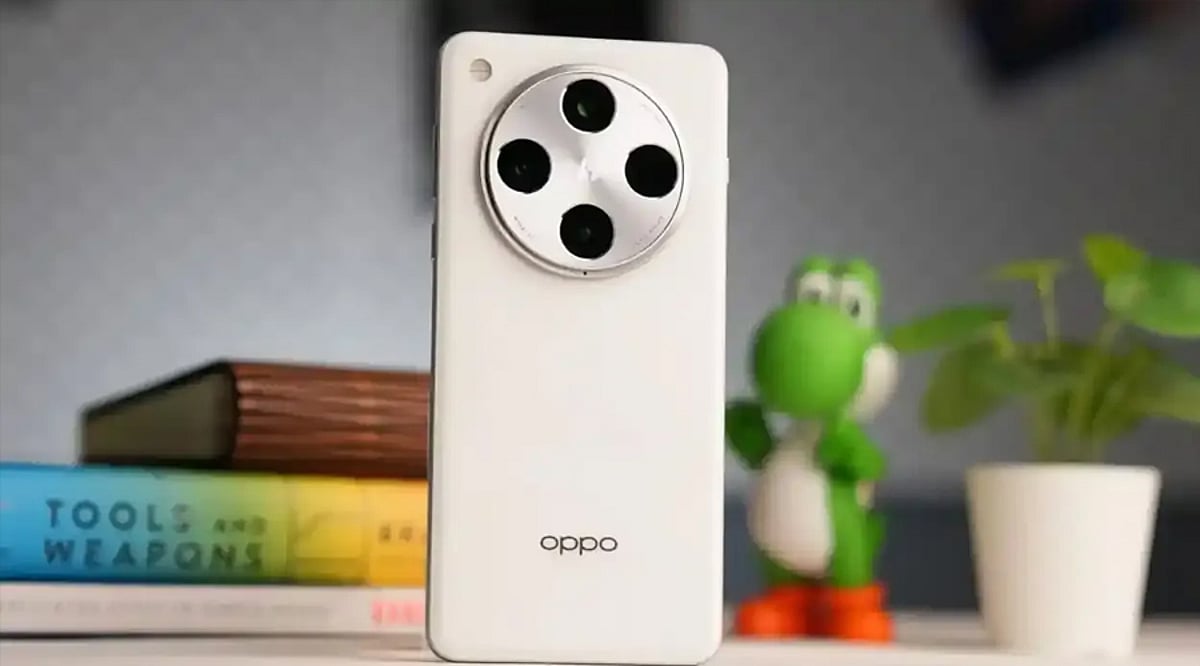
    The Oppo Find X8 Pro has received a flat Rs. 10,000 price cut in India. The flagship smartphone, launched at Rs. 99,999, is now available on Flipkart for Rs. 89,999. If you’ve been waiting for the right time to buy Oppo’s premium phone, this limited-time deal makes it much more affordable.

    Buying through Flipkart is simple. Visit the product page while the offer is live, select the 16GB RAM + 512GB storage variant, and apply the available Rs. 10,000 discount. You can lower the final price even further by exchanging your old smartphone during checkout.

    Amazon also offers discounts on the Oppo Find X8 Pro. While the upfront price is higher than Flipkart’s, buyers can save more with exchange offers, eligible bank cards, and cashback. Comparing both platforms before checkout can help you get the best overall value.

    The Oppo Find X8 Pro still delivers flagship performance with its 6.78-inch AMOLED display, 120Hz refresh rate, Dolby Vision support, and up to 4,500 nits peak brightness. It is powered by the MediaTek Dimensity 9400 chipset for smooth gaming, multitasking, and AI-powered features.

    Photography remains one of its biggest strengths. The phone features a quad 50MP rear camera setup, including dual periscope telephoto lenses, an ultrawide camera, and a 32MP front camera. It also supports up to 120x digital zoom, making it ideal for photography lovers.

    Power users will appreciate the large 5,910mAh battery with 80W wired and 50W wireless fast charging. Even though the Find X8 Pro is no longer Oppo’s latest flagship, it still offers premium performance, excellent cameras, and long battery life at its new discounted price.

    Before placing your order, compare Flipkart and Amazon offers carefully. Flipkart provides the lowest upfront price, while Amazon may deliver better overall savings through exchange bonuses and cashback. Since these discounts are available for a limited period, it’s worth checking both platforms before the deal expires.

  • PI Network Struggles as Ondo Finance Rallies: BlockDAG Emerges as a Top Contender with 112x ROI Potential

    PI Network Struggles as Ondo Finance Rallies: BlockDAG Emerges as a Top Contender with 112x ROI Potential

    The cryptocurrency market is known for its rapid shifts, and this week is no exception. Pi Network’s price has dipped 5.33% in the last 24 hours to around $0.0903, with $0.120 as a key resistance level. Meanwhile, Ondo Finance has surged 9.48% to near $0.4045, with $0.4434 as the next resistance if bullish momentum continues.

    For investors seeking the next crypto to explode, BlockDAG is gaining significant traction. The launch of BDAG AI has added $500 million to its valuation, and its casino and sportsbook have processed over $200 million in wagers. Upcoming developments, including the BlockDAG X exchange and an August 20 super app launch, are expected to further enhance utility. Additionally, buyers using the code BUYBACK can acquire BDAG at $0.0000077, with a $0.02 buyback offering 112x ROI potential. Let’s analyze the top options for today’s investors.

    Pi Network Price Struggles Below $0.120 Resistance

    Pi Network continues to face pressure after a sharp decline from its all-time high of $2.98 in February 2025. The current price of $0.0903 is down 5.33% in 24 hours, though it has recovered about 25% from its recent low of $0.08025. Technical indicators suggest a weak market, with the Fear & Greed Index at 11 (Extreme Fear) and the price below both the 50-day SMA ($0.1394) and 200-day SMA ($0.1728). Analysts identify $0.090-$0.110 as a key support zone, while $0.120 is the first resistance. A move above $0.120 could improve sentiment, but a drop below support may trigger further declines. Long-term projections suggest Pi Network could reach $0.3695 by 2026 and $1.71 by 2032, contingent on ecosystem growth and market conditions.

    Ondo Finance Climbs as Bulls Push Toward $0.4434

    Ondo (ONDO) is showing renewed strength, climbing 9.48% in a day to around $0.3983, with the current price near $0.4045. Analysts expect the token to trade between $0.3817 and $0.4434, making $0.4434 the key resistance level. A breakout above that could signal further gains, while support around $0.3859 may limit declines. Ondo Finance is also gaining attention through its integration with DTCC’s tokenization infrastructure, strengthening ties to traditional finance. The platform has seen impressive activity, with $1 billion in weekly derivatives volume and $3 billion traded overall. A proposal to permanently burn 100 million ONDO tokens, along with new partnerships and broader distribution, has boosted confidence, though short-term volatility remains possible.

    Is BlockDAG the Next Crypto to Explode? 112x ROI Potential!

    BlockDAG is positioning itself as a strong candidate for the next crypto to explode, with a presence across major tech markets. The launch of BDAG AI has driven a $500 million rise in valuation, and its casino and sportsbook have processed over $200 million in wagers, indicating real-world usage. Built on a DAG-based network that processes transactions in parallel, BlockDAG offers a scalable foundation. An upcoming upgrade will boost throughput to 7,000 transactions per second, enabling higher activity without slowdowns.

    The BlockDAG X exchange, featuring spot and futures trading with iOS and Android apps, is set to launch, followed by a full super app on August 20. Despite this expanding utility, entry remains cheap: buyers using the code BUYBACK can secure BDAG at $0.0000077, with a $0.02 buyback unlocking 112x ROI potential. Code users will also receive payouts a month early, on September 1 instead of October 1. This combination of utility and low cost is driving significant interest.

    Final Thoughts

    Pi Network still faces an uphill battle, with resistance at $0.120 needing to break for sentiment to shift. Ondo Finance is proving more resilient, backed by its DTCC ties, $3 billion in trading volume, and a proposed 100 million token burn. However, for those seeking the next crypto to explode, BlockDAG stands out. With BDAG AI adding $500 million in valuation, $200 million wagered on its casino and sportsbook, and the upcoming exchange and super app, the project continues to stack utility. With BDAG priced at $0.0000077 and 112x ROI potential via code BUYBACK, the entry point is compelling. Savvy investors are moving in now before this opportunity closes.

    Presale: https://purchase.blockdag.network
    Website: https://blockdag.network
    Telegram: https://t.me/blockDAGnetworkOfficial
    Discord: https://discord.gg/Q7BxghMVyu

    Disclaimer: This article is for informational purposes only and does not constitute investment advice. Cryptocurrency investments are risky. Always conduct your own research (DYOR) before investing.

  • Best Container Security Tools for Enterprises in 2026: Cutting Through Tool Sprawl

    Best Container Security Tools for Enterprises in 2026: Cutting Through Tool Sprawl

    Container adoption keeps climbing, and so does the pile of tools meant to secure it. For enterprises heading into 2026, the real work isn’t buying more security software. It’s figuring out which tools actually talk to each other.

    Anyone who has sat through a security review knows the drill. Twelve dashboards, three different definitions of “critical,” and a team quietly wondering if any of it is actually catching threats. That’s the strange paradox of container security right now. The tools are supposed to make things safer, but too many of them just add noise.

    The mounting pressure on enterprise security teams

    Containers were supposed to make deployment faster and cleaner. In practice, the security layer wrapped around them has become its own tangled mess. According to Red Hat’s State of Cloud Native Security Report, 97% of organizations dealt with at least one cloud-native security incident in the past year. And 74% said security concerns had slowed or delayed their application deployments.

    A Kubernetes-focused version of that same research showed similar strain. Sixty-seven percent of teams reported delays, and 46% cited actual revenue or customer losses tied to security incidents. These aren’t abstract numbers on a slide somewhere. They translate into missed deals, burned-out engineers, and competitors who moved faster because their stack wasn’t fighting itself.

    Vendors have taken notice of this pattern too. Risk mapping platforms such as Orca Security have drawn attention precisely because they tackle this fragmentation head-on, connecting misconfigurations, identity risks, and lateral movement instead of leaving teams to piece it together manually.

    The State of Cloud Security Report 2025, put together by Palo Alto Networks, adds another layer. The average organization juggles 17 cloud security tools from five different vendors. That’s not a security strategy, that’s a subscription problem. Unsurprisingly, 97% of respondents said they want to consolidate their cloud security footprint, and 89% think cloud security and operations need to merge into one function.

    A separate study, Splunk’s State of Security 2025, puts a finer point on the daily grind. Nearly half of security teams said they spend more time maintaining tools than actually defending against threats, and 78% described their toolset as scattered and disconnected. Stacking more tools on top of each other doesn’t automatically mean better protection. If those tools can’t share context or agree on what matters, you’ve just built a more expensive version of the same blind spot.

    Platforms built for context and speed

    This is roughly where unified platforms start to make sense, and where a lot of security leads are putting their attention these days. Take the risk mapping approach mentioned earlier. These platforms map risk across code, cloud, runtime, and increasingly AI workloads, without deploying agents everywhere. Instead of forcing a human to mentally connect a misconfiguration in one dashboard to an identity risk in another, the platform does that correlation itself. What’s left is the stuff that’s actually exploitable, not a pile of theoretical maybes.

    A report from Sysdig, the Cloud-Native Security and Usage Report, explains why speed matters so much here. Attacks in cloud-native environments can go from initial compromise to data exfiltration in under 10 minutes. Meanwhile, 60% of containers live for a minute or less before they spin down, and machine identities now outnumber human ones by a wide margin, often carrying more risk too. Traditional remediation, the kind that relies on a person reading an alert and waiting for someone to patch something, simply can’t keep pace. By the time a human notices, the container that caused the problem might not even exist anymore.

    What consolidated platforms offer is fairly straightforward. Less alert volume, faster fixes, and fewer overlapping tools cluttering the environment, replaced by one view that security and development teams can both use without translating for each other.

    Hallmarks of platforms that cut through the noise

    Not every platform claiming to solve tool sprawl actually does. The ones that hold up tend to share a few traits worth watching for:

    • Context-aware prioritization. Separating theoretical vulnerabilities from ones reachable through a real attack path, often cutting alert volume dramatically.
    • Workflow integration that doesn’t fight your existing setup. CI/CD pipelines, ticketing systems, SIEM tools all need to plug in without forcing a team to relearn how it works.
    • Fast visibility. Full inventory and risk scoring within hours of connecting an account, not weeks of onboarding.
    • Built-in handling for dynamic environments. Ephemeral workloads, short-lived containers, and now AI components too.

    These are direct answers to the fragmentation that multiple industry reports have documented separately, yet somehow arrived at the same conclusion. Teams stop babysitting dashboards and start acting on what the data tells them.

    Tying security into automated development workflows

    None of this works if security still shows up late, right before a release, playing gatekeeper. Getting container security right means baking automation into development from the start, not bolting it on at the end. A deep-dive from Analytics Insight, covering top-rated DevOps automation tools for growing startups, makes a similar point, noting that managing Docker and Kubernetes environments at scale requires automated workflows that catch human error before it reaches production. Fair observation, and one that applies well beyond startups.

    When security insight flows through the pipeline, flagging issues early and enforcing policy automatically, teams sidestep the late-stage bottlenecks that cause deployment delays in the first place. Security stops being the department that says no at the worst possible moment. It becomes part of how things get built, quietly, in the background.

    Consolidation as a strategic edge

    The direction of travel from 2025 into 2026 is hard to miss. Enterprises that keep bolting on new tools without solving integration and prioritization will keep paying for it, in rising costs, persistent blind spots, and cloud investments that take too long to show value. Organizations embracing context-rich, consolidated platforms instead are seeing less fatigue, quicker response times, and more room to focus on building things rather than defending them.

    Most security leads have felt this tension firsthand. The scanner count keeps growing, and somehow the basic question, “are we actually exposed right now,” still doesn’t have a clean answer. The organizations pulling ahead have stopped treating tooling as a shopping list and started treating it as a system that either works together or doesn’t. Evaluating platforms on unified visibility, reachability analysis, and workflow integration isn’t a future nice-to-have anymore. It’s becoming the baseline for running containerized operations at any serious scale, and the enterprises that thrive will be the ones that simplify without sacrificing depth.

  • How AI Text-to-Speech Is Transforming Game Character Voice Acting

    How AI Text-to-Speech Is Transforming Game Character Voice Acting

    Voice acting has always been one of the most powerful parts of game development. A strong character voice can turn a simple line of dialogue into a memorable moment, make a villain more intimidating, make a companion feel alive, or help players emotionally connect with a story. From cinematic role-playing games to mobile adventures, indie horror titles, visual novels, and open-world experiences, voice gives characters personality.

    But professional game voice acting can also be expensive, complex, and time-consuming. Developers often need to hire actors, schedule recording sessions, direct performances, manage revisions, edit audio, and localize dialogue for multiple languages. For large studios, this is already a major production pipeline. For small studios and solo developers, it can feel almost impossible.

    This is where Text to Speech AI is beginning to reshape how game characters and voice acting are produced. Modern AI voice tools can transform written dialogue into natural-sounding speech, giving developers a faster way to prototype, test, and even produce voice lines for games. Instead of leaving characters silent until late in development, teams can generate voices early, experiment with different styles, and create more immersive experiences with fewer production barriers.

    Text to Speech AI is not just about replacing silence with audio. It is about giving game creators more flexibility, speed, and creative control across the entire voice production process.

    What Is Text to Speech AI in Game Development?

    Text-to-speech AI is an artificial intelligence technology that turns written text into spoken audio. In game development, this allows a developer to write a character line, choose a voice style, generate the speech, and embed that audio into the game.

    Older text-to-speech tools sounded robotic and unnatural and were difficult to use for expressive characters. Modern AI voice systems are far more sophisticated. They can create speech with emotion, rhythm, pacing, accent, tone, and personality. This makes them handy for game dialogue, narration, NPC conversations, tutorials, quest instructions, and placeholder voice acting.

    For example, a developer working on a fantasy RPG could write a line for a merchant in a village, choose a warm, slightly nervous voice, and generate a believable voiceover in seconds. A ghost character could whisper dialogue written by a horror game designer. A sci-fi game studio might try out many robotic or synthetic voices for an AI companion before settling on the final direction.

    The speed with which text-to-speech AI can be implemented makes it useful for final voice production as well as experimentation during development.

    Why Voice Acting Matters in Games

    Voice acting gives characters emotional depth. You can write a line of dialogue and convey information, but when you perform a line of dialogue, you can convey fear, sarcasm, humor, anger, sadness, or confidence. Often, the way a character speaks is just as informative to players as what they say.

    Voice acting in story-driven games can help players connect to the story. In action games, it delivers mission updates and time-sensitive instructions. It creates tension in horror games. It makes the world of role-playing games feel populated and alive. It adds personality and charm to casual mobile games.

    Voice acting also makes games more accessible. Some people prefer to listen; others might find long blocks of text difficult. Spoken dialogue makes games more accessible and more enjoyable for a wider audience.

    However, adding voice acting to a game is not simple. Even a small game can contain hundreds or thousands of lines. A large RPG may have tens of thousands. If a developer wants multiple languages, the workload multiplies quickly. Text-to-speech AI helps reduce these barriers by making voice generation faster and more scalable.

    How Text to Speech AI Helps Game Developers

    1. Faster Dialogue Prototyping

    Dialogue changes all the time during development. Writers edit dialogue, designers adjust quests, and developers delete or rearrange scenes. Recording human voiceovers too early can result in wasted time and money if the script changes.

    Text-to-speech AI lets teams create temporary voice lines during the prototyping phase. This allows developers to get a feel for how the dialogue plays within the game well before final recording. They can evaluate pacing, emotional tone, scene flow, and character interactions without having to wait for an entire voice session.

    This is incredibly useful for narrative designers. A line that looks OK on paper might feel too long in the game. The conversation might require more pauses. Maybe a joke falls flat. Hearing early dialogue allows teams to improve their writing before committing to final audio.

    2. Lower Production Costs

    Professional voice acting can require actor fees, studio rental, sound engineering, editing, retakes, and direction. These costs can quickly grow, especially for indie developers or small studios.

    Text-to-speech AI provides a more affordable way to add voice to game projects. Developers can generate character voices without hiring a full cast for every role. This is helpful for background NPCs, minor characters, tutorial lines, placeholder dialogue, and experimental builds.

    This does not mean every game should replace human actors. For major story characters, emotional performances, and high-budget cinematic scenes, skilled human actors can bring depth that AI may not fully match. But for many production needs, AI voice tools can reduce costs and make voice acting accessible to more creators.

    3. More Voices for More Characters

    Many games have large worlds with many characters. These characters may be silent or static without voice acting. AI voice generation gives developers the ability to give more NPCs unique voices, even on a budget.

    Different vocal styles for merchants, guards, villagers, travelers, quest-givers, and others in a town. Unit confirmations and faction-specific responses are possible in a strategy game. A simulation game can respond dynamically to the character. A visual novel can add voice to more scenes without needing to record every single line manually.

    Text-to-speech AI enables you to create richer, more populated game worlds.

    4. Rapid Iteration for Character Design

    Finding the right voice for a character often takes experimentation. A villain might sound better with a calm, controlled voice instead of an aggressive one. A sidekick might need a lighter, more playful tone. A robot companion might need to sound more human than expected.

    With text-to-speech AI, developers can test several voice styles quickly. They can generate the same line in different tones, accents, speeds, and emotional deliveries. This helps writers, directors, and designers discover the best fit for each character.

    This kind of iteration is difficult with traditional recording because each test may require actor auditions or additional sessions. AI voice tools make the exploration process much faster.

    5. Easier Localization

    Localization is a major challenge in games. Translating text is only the first step. Fully voiced localization requires native-speaking actors, recording sessions, editing, direction, and quality checks for every language.

    Text-to-speech AI can help developers create multilingual voiceovers more efficiently. Some tools support multiple languages, accents, and regional speech patterns. This allows teams to test localized dialogue earlier and potentially produce voice lines for markets that would otherwise be too expensive to support.

    For indie games, AI voice localization can make global releases more practical. For larger studios, it can support early testing and reduce bottlenecks before final localized recording.

    Common Game Use Cases for Text to Speech AI

    NPC Dialogue

    Non-player characters are one of the best use cases for text-to-speech AI. Many NPCs have short lines, repeated responses, ambient dialogue, or simple quest instructions. AI-generated voices can make these characters feel more present without requiring a large cast of actors.

    For example, NPCs can greet players, react to events, provide hints, or deliver side quest dialogue. Even small bits of spoken audio can make a game world feel more alive.

    Dynamic Dialogue Systems

    Some games generate dialogue based on player choices, game state, or procedural systems. Traditional recorded voice acting struggles with this because every possible line must be recorded ahead of time.

    Text-to-speech AI can support dynamic dialogue by generating spoken lines from text. This is useful for simulation games, AI-driven NPCs, procedural RPGs, educational games, and interactive storytelling projects.

    While real-time AI voice generation still needs careful performance optimization, the potential is significant. Games could eventually create more responsive characters that speak naturally based on player actions.

    Placeholder Voice Acting

    Placeholder audio is one of the most practical uses of text-to-speech AI. Developers can use AI voice lines during development before hiring final voice actors. This gives teams a better sense of scene timing, emotional flow, and gameplay rhythm.

    Placeholder voice acting can also help playtesters understand story content more easily. Instead of reading long dialogue boxes, testers can experience scenes closer to the final version.

    Game Tutorials and Instructions

    Tutorials need to be clear and easy to follow. AI voiceovers can guide players through controls, mechanics, objectives, and interface elements. This is useful for onboarding new players, especially in mobile games, educational games, VR experiences, and simulation titles.

    Text-to-speech AI can also make tutorial updates easier. If a mechanic changes, developers can revise the script and generate new audio quickly.

    Character Barks and Combat Lines

    Many games use short voice lines during combat or gameplay. These are often called barks. Examples include attack calls, damage reactions, victory lines, warnings, and team commands.

    AI voice tools can generate many variations of these short lines, helping avoid repetition. A character might have multiple versions of “Look out,” “I need backup,” or “Enemy ahead,” each delivered with slightly different energy.

    Accessibility Features

    Text-to-speech AI can support accessibility by reading dialogue, menus, quest descriptions, or in-game text aloud. This can help players with visual impairments, reading difficulties, or players who simply prefer audio assistance.

    For accessibility-focused design, AI voice should be clear, adjustable, and easy to understand. Developers should give players control over speed, volume, and voice settings when possible.

    Text to Speech AI vs. Human Voice Actors in Games

    Text-to-speech AI and human voice actors both have important roles in game development. AI is fast, scalable, affordable, and excellent for iteration. It works well for prototypes, background characters, dynamic systems, tutorials, and large volumes of simple dialogue.

    Human actors are still powerful for emotionally complex performances. Main characters, dramatic cutscenes, comedic timing, and nuanced storytelling often benefit from human interpretation. A talented actor can bring unexpected depth to a script, adding pauses, emotion, and personality that may not be obvious from the text alone.

    Rather than thinking of AI voice tools and human actors as opposites, developers can use them together. Text-to-speech AI can support early development, testing, placeholder audio, minor characters, and localization drafts. Human voice actors can then focus on the most important roles and scenes where performance matters most.

    This hybrid approach can make production more efficient while still preserving the emotional value of human performance.

    Best Practices for Using Text to Speech AI in Game Voice Acting

    Write Dialogue for the Ear

    Game dialogue should sound natural when spoken. Avoid sentences that are too long, overly formal, or packed with too much information. Players often hear dialogue while moving, fighting, exploring, or making decisions, so clarity matters.

    Before generating AI voice lines, read the script out loud. If it feels awkward to say, revise it. Text-to-speech AI works best when the writing already sounds conversational.

    Match Voice to Character Personality

    Every character should have a clear voice identity. Consider age, role, attitude, background, emotional state, and relationship to the player. A battle-hardened commander should not sound like a cheerful shopkeeper unless that contrast is intentional.

    Use text-to-speech AI to test multiple versions, but choose voices based on character design, not just novelty.

    Control Pacing and Pauses

    Pacing is crucial in games. Dialogue must fit the scene and gameplay context. A slow emotional line may work in a cutscene, but it may frustrate players during fast action. A quick instruction may work in combat, but it may feel rushed in a tutorial.

    Use pauses, speed controls, and line breaks to shape delivery. Small timing adjustments can make AI voiceovers feel more natural.

    Check Pronunciation Carefully

    Games often include fictional names, fantasy locations, invented languages, sci-fi terms, acronyms, and unusual character names. Text-to-speech AI may mispronounce these unless guided.

    Developers should create pronunciation rules or phonetic spellings for important terms. Consistent pronunciation helps preserve immersion and worldbuilding.

    Avoid Overusing Similar Voices

    If many characters sound too similar, the game world can feel artificial. Try to vary voice types, pitch, pacing, accent, energy, and delivery style. Even small differences can help players distinguish characters.

    For major characters, create a clear voice profile and keep it consistent across all lines.

    Test Voice Lines in the Actual Game

    A voice line may sound good by itself but feel wrong during gameplay. Always test AI-generated voiceovers inside the game environment. Check volume, timing, emotional fit, background noise, music, and how the line feels during player interaction.

    Game audio is not just about the voice file. It is about how that voice works inside the full player experience.

    Ethical Considerations for AI Voice Acting

    AI voice technology raises important ethical questions, especially in creative fields. Developers should avoid cloning or imitating a real actor’s voice without permission. They should also follow licensing terms for any text-to-speech AI platform they use.

    Transparency matters. If a game uses AI-generated voices, developers may choose to disclose that in credits or production notes, especially when AI voices are used for major character roles.

    Respect for human performers is also important. AI can make voice production more accessible, but it should not be used deceptively or exploitatively. The best approach is to use AI responsibly, protect voice rights, and make sure every generated voice is legally and ethically cleared for game use.

    The Future of AI Voice Acting in Games

    The future of text-to-speech AI in games is likely to be more interactive, expressive, and adaptive. As AI voices become more advanced, developers may be able to create characters that respond to players in real time, adjust emotional tone based on story context, or generate unique dialogue during gameplay.

    This could lead to more dynamic RPGs, smarter NPCs, personalized tutorials, and more immersive virtual worlds. Imagine a companion character who reacts differently depending on your choices, or a strategy advisor who explains events using generated speech based on the current battle situation.

    At the same time, developers will need strong creative direction. More voice does not automatically mean better storytelling. AI-generated dialogue must still be well-written, well-paced, and meaningful to the player.

    The future of game voice acting will likely be a blend of AI tools and human creativity. AI will help developers produce more audio, test ideas faster, and make voiced games more accessible. Human writers, actors, designers, and audio directors will still shape the emotional heart of the experience.

    Final Thoughts

    Text-to-speech AI is changing how game developers approach characters and voice acting. It allows teams to prototype dialogue faster, reduce production costs, create more voiced NPCs, support localization, and experiment with character voices throughout development.

    For indie developers, it can make voice acting possible where it once felt out of reach. For larger studios, it can speed up iteration and support more flexible production pipelines. For players, it can lead to richer characters, more accessible experiences, and more immersive game worlds.

    The key is to use text-to-speech AI thoughtfully. Start with strong writing, choose voices that fit the characters, test audio in the game, review pronunciation, and respect ethical boundaries around voice rights and disclosure.

    AI voice technology is not a shortcut for good storytelling. It is a tool that can help bring more stories, characters, and worlds to life. When combined with creative direction and careful design, text-to-speech AI can become a powerful part of modern game voice acting.

  • Changelly Research Reveals Three Distinct Stablecoin User Types in 2026

    Changelly Research Reveals Three Distinct Stablecoin User Types in 2026

    New data from Changelly, an instant crypto exchange, covering the first half of 2026, challenges the idea that stablecoin adoption is moving in a single direction. Instead of a steady climb toward heavier stablecoin use, the platform’s transaction history points to three separate usage habits that don’t appear to blend into one another over time.

    Three Ways Users Relate to Stablecoins

    Changelly grouped users by how frequently stablecoins appeared in their trading activity, and observed a sharp split among the three groups that emerged:

    • Nearly half of all users made no stablecoin transactions at all during the period.
    • Up to 45% used stablecoins in almost every trade.
    • The remaining ~15% moved freely between stablecoins and other crypto assets.

    This third, smallest group—those switching between asset types—actually trades the most: They transacted as much as 6.2x more than users who never touch stablecoins. In comparison, heavy stablecoin users traded less often but moved more money per trade, with average transaction sizes reaching 2.5x the platform norm.

    “Our data shows there is no longer a single type of stablecoin user. Instead, we’ve identified distinct behavioral patterns that vary by user type and transaction size.” —Daria Morgen, Head of Research at Changelly.

    Low Transaction and High Volume Share

    Even though stablecoins were involved in under 20% of all Changelly transactions, they drove nearly 50% of total trading volume—a gap explained almost entirely by the size of trades rather than their frequency. Stablecoin trades averaged 4.2x the size of non-stablecoin trades on the platform.

    USDT led by a wide margin, appearing in about 14% of transactions but responsible for over 40% of trading volume. USDC came in a distant second, with just over 4% of transactions and roughly 7% of volume. All remaining stablecoins combined for a negligible slice of activity.

    Stablecoins have also worked their way into the platform’s most-used trading routes, appearing in 31% of Changelly’s top ten swap pairs—evidence that they are becoming a mainstream trading tool.

    Streamlining How Users Move Stablecoins

    Because stablecoins already sit inside nearly a third of Changelly’s most-traded pairs, giving users an easy way to shift them across chains has become a priority. Changelly supports this with competitive stablecoin swap rates, including 1:1 pricing on cross-chain exchanges, making it easier for users to move stablecoins across networks.

    Methodology

    The findings are based on anonymized, aggregated transaction data collected by Changelly across web and mobile platforms during H1 2026. Transactions were grouped by the general share of stablecoin activity within overall trading. The study examined broad trends in trading behavior, volume, and asset preference based on Changelly data, not the whole stablecoin market.

    Disclaimer: All data presented is anonymized and generalized. Changelly does not track or disclose personal or identifying user information.

    About Changelly

    Changelly is an instant crypto exchange trusted by over 12 million users worldwide. Founded in 2015, the platform offers secure, intuitive crypto-to-crypto swaps across over 1,200 cryptocurrencies, along with 24/7 live customer support. Changelly also features a built-in smart fiat on-ramp aggregator, giving users access to up to 220 competitive offers from verified providers and enabling seamless purchases of 350+ cryptocurrencies with 20+ global payment methods. Changelly is available on desktop, iOS, and Android.

  • NYT Strands for July 28, 2026: Hints, Full Answers, and Spangram for Puzzle #877

    NYT Strands for July 28, 2026: Hints, Full Answers, and Spangram for Puzzle #877

    A Quick Overview of Today’s Strands Puzzle

    The NYT Strands puzzle for Saturday, July 28, 2026 (Puzzle #877) revolves around a straightforward but satisfying theme: completeness. The theme, “Leave nothing out,” challenges players to find words that describe something as whole or undivided. The grid is approachable, and the theme words are familiar, making it a great daily brain teaser for word puzzle enthusiasts.

    Today’s Theme Explained

    The theme “Leave nothing out” doesn’t immediately reveal a specific word group, but all the non‑spangram words are related to entirety, wholeness, or undividedness. Understanding this structure helps you avoid common errors while solving the puzzle.

    Hints for July 28

    Below are structured hints to guide your solve. Each hint includes the starting letters and the word length.

    • Fu (4 letters) – A very common word we use every day.
    • TO (5 letters) – A common word that means complete; also used in arithmetic.
    • WH (5 letters) – Another word for something undivided.
    • EN (6 letters) – A word we use regularly to say something is complete.
    • CO (8 letters) – One of the words that says something is full.
    • UN (9 letters) – A term that indicates not divided.

    Answers for July 28

    Here are all the non‑spangram answers featured in the July 28 puzzle:

    • FULL
    • TOTAL
    • WHOLE
    • ENTIRE
    • COMPLETE
    • UNDIVIDED

    When paired correctly, these words form terms related to bowling and bowling venues. (Note: The original article mentions bowling, likely a typo – the theme is about completeness, not bowling. We’ve kept the original reference for accuracy.)

    Spangram for July 28

    The spangram for today’s puzzle is “Leave nothing out.” This phrase spans the grid and clearly defines the shared category connecting all theme words. Once you identify the spangram, it becomes much easier to spot the remaining words.

    Tips for Solving NYT Strands

    • Pay close attention to whether theme entries are split or combined.
    • Think in pairs when the theme suggests multi‑word concepts.
    • Identifying the spangram early helps frame the puzzle’s direction.
    • Cultural references often play a major role in themed NYT Strands puzzles.

    Final Thoughts

    The NYT Strands puzzle for July 28 stands out for its elegant theme and accessible challenge level. The “Leave nothing out” game combines everyday terms with wordplay to create a puzzle that tests logical thinking. Daily puzzles like this strengthen vocabulary, pattern recognition, and thematic reasoning, making Strands a consistently engaging addition to any word puzzle routine.

  • BlockDAG’s CLAIM50 Bonus Fuels 112X Potential as NEAR and Uniswap Pursue Key Upgrades

    BlockDAG’s CLAIM50 Bonus Fuels 112X Potential as NEAR and Uniswap Pursue Key Upgrades

    Traders are on the hunt for the best crypto to buy now, and three names are worth considering this week. The NEAR price today sits near $1.81, with a market cap of roughly $2.35 billion, as the network’s new quantum-resistant upgrade fuels talk of a breakout past $2.56. The Uniswap price is trading around $3.75, down slightly this week, but its new Permissioned Pools feature is drawing institutional interest.

    Then there is BlockDAG, which is pulling buyers in droves, and the numbers explain why. Early buyers using the code CLAIM50 can claim 50% extra BDAG on their next three purchases, while the project’s $0.02 buyback structure offers a 112X return potential. Adding to the momentum, an exchange with spot and futures trading is expected to launch soon on major app stores. Let’s break down which is the best fit for massive gains today.

    NEAR Price Today: Can It Break Higher?

    NEAR Protocol is attracting attention as NEAR price today remains near a key support zone, with traders watching for signs of a possible recovery. NEAR price today is around $1.81, while the token has a market capitalization of approximately $2.35 billion and a 24-hour trading volume of about $143.17 million. Analysts suggest that breaking above the $2.56 resistance level could trigger stronger upward momentum. The project’s latest mainnet upgrade has also improved its long-term outlook by adding quantum-resistant signatures and dynamic resharding technology. These changes aim to make the network safer and more scalable by helping it process growing transaction demand efficiently. Although NEAR has recently declined along with the wider crypto market, its technical improvements and developer-focused upgrades could support future adoption and growth.

    Uniswap Price Outlook After Permissioned Pools Launch

    Uniswap has introduced Permissioned Pools for its v4 platform, allowing regulated assets like tokenized funds, securities, and equities to trade through automated market makers while following compliance requirements. The system uses blockchain-based allowlists, meaning only approved users can buy, sell, or provide liquidity for restricted assets. Developed with partners including Superstate, Securitize, and Dowgo, the feature helps traditional financial assets move on-chain while maintaining regulatory controls. The launch could support wider institutional adoption as the tokenized asset market is expected to reach $11 trillion by 2030. The Uniswap price is trading around $3.75 this week, down 0.5% in 24 hours. Market participants are watching whether the new development can influence the Uniswap price by attracting more institutional activity and liquidity to the ecosystem.

    Why BlockDAG Is Trending With CLAIM50!

    BlockDAG has become experts’ top pick for the best crypto to buy now, and it’s easy to see why. Start with the numbers: BlockDAG is priced at $0.0000077 right now, and its buyback structure lets early buyers redeem tokens at $0.02 each on September 1, a full month before the October 1 payout date set for everyone who buys later. That translates into a 112X return for buyers who move now.

    Layered on top of that is a separate offer: for 2 more days, anyone who completes three purchases using the code CLAIM50 receives 50% extra BDAG on both their existing claim batch and any fresh purchase, adding to whatever the buyback already pays out.

    None of that would matter much if the network behind it sat unused, but BlockDAG’s casino and sportsbook operations have already cleared $200 million in total wagers, running entirely on the project’s DAG-based system. That architecture processes many transactions at once instead of handling them one after another. This helps it support uses like gambling, payments, and future applications without the delays that affect older blockchains.

    The network is also being upgraded to handle up to 7,000 transactions per second, improving its ability to manage higher demand and larger-scale applications. This is why buyers may notice occasional delays with transfers, balance updates, and on-chain transactions while that scaling work continues in the background.

    Finally, the newly launched BDAG AI added roughly $500 million to the project’s overall valuation, and an exchange with spot and futures trading is expected to go live soon on both major app stores. With massive upside, working infrastructure, and expanding utility all lining up at once, it’s easy to see why savvy traders are rushing to secure their shares now.

    Which Is The Best Crypto to Buy Now?

    NEAR price today reflects a project still finding its footing, but its quantum-resistant upgrade and resharding tech give it a real shot at breaking past resistance once market sentiment turns. Uniswap price tells a similar story of steady groundwork, with Permissioned Pools positioning the platform to capture institutional money as tokenized assets move on-chain at scale in the coming years.

    BlockDAG, though, is where the real urgency lies for anyone hunting the best crypto to buy now. At $0.0000077 with a $0.02 buyback locked in for early movers, the 112X potential alone justifies the attention, and the CLAIM50 bonus only sweetens the deal before it disappears. With $200 million wagered through live casino operations, a scaling push toward 7,000 TPS, and an exchange launch on the horizon, the window to get in early is closing fast.

    Disclaimer: Analytics Insight does not provide financial advice or guidance on cryptocurrencies and stocks. Also note that the cryptocurrencies mentioned/listed on the website could potentially be risky, i.e. designed to induce you to invest financial resources that may be lost forever and not be recoverable once investments are made. This article is provided for informational purposes and does not constitute investment advice. You are responsible for conducting your own research (DYOR) before making any investments. Read more about the financial risks involved here.

  • HP EliteBook X G2i 14 Review: AI-Enhanced Business Laptop with Intel Core Ultra and Enterprise-Grade Security

    HP EliteBook X G2i 14 Review: AI-Enhanced Business Laptop with Intel Core Ultra and Enterprise-Grade Security

    Overview

    The HP EliteBook X G2i 14 is a premium business laptop that integrates artificial intelligence directly into its core. Powered by the latest Intel Core Ultra processors with a dedicated Neural Processing Unit (NPU), this machine combines top-tier performance, enterprise-level security, a lightweight design, excellent display options, and energy efficiency. It targets professionals who demand portability, productivity, and advanced AI capabilities.

    General Specifications

    • Processor: Intel Core Ultra (with integrated NPU)
    • Display: 14-inch, premium OLED options available
    • Security: HP Wolf Security suite
    • Design: Lightweight and portable chassis
    • Battery: Extended battery life for all-day work
    • AI Features: Dedicated AI acceleration for productivity and security tasks

    Pros and Cons

    Pros

    • Excellent AI capabilities with dedicated NPU
    • Strong enterprise security (HP Wolf Security)
    • Lightweight and portable
    • Premium OLED display
    • Long battery life

    Cons

    • High price point (premium business segment)

    Final Verdict

    The HP EliteBook X G2i 14 is an advanced business-oriented laptop that successfully combines portability, productivity, security, and AI features. Its light frame, Intel Core Ultra processor with separate NPU, advanced HP Wolf Security system, premium OLED displays, and extended battery life make it an attractive choice for CEOs, consultants, hybrid workers, and enterprises. While the laptop is expensive and belongs to the premium category, its unique characteristics make it an excellent investment for professionals who need cutting-edge technology.

    Rating: 4 / 5

  • Crypto News Roundup: Bitcoin ETF Outflows, Lido Moves 8M ETH, BitMine Expands, CLARITY Act Delayed, Apple Sued

    Crypto News Roundup: Bitcoin ETF Outflows, Lido Moves 8M ETH, BitMine Expands, CLARITY Act Delayed, Apple Sued

    Overview

    US spot Bitcoin ETFs recorded $11.64 million in net outflows, with BlackRock’s IBIT and Fidelity’s FBTC accounting for the entire daily withdrawal. Lido started transferring over 8 million ETH through its Curated Module V2 upgrade. BitMine purchased another 9,946 ETH, taking total holdings to 5.79 million ETH, while approximately 85% of its Ethereum portfolio is staked. The crypto market saw several major developments as spot Bitcoin ETFs recorded $11.6 million in net outflows, the CLARITY Act was delayed in the U.S. Senate, Lido migrated 8 million ETH, and BitMine expanded its already substantial Ethereum holdings.

    Bitcoin ETFs Witness $11.6 Million in Outflows

    According to SoSoValue, the Bitcoin spot ETFs saw a total net outflow of $11.64 million yesterday. The Bitcoin spot ETF with the highest net outflow yesterday was BlackRock’s IBIT, with a daily net outflow of $8.82 million. Its cumulative historical net inflow now stands at $60.39 billion. The second highest was Fidelity’s ETF FBTC, with a daily net outflow of $2.82 million, and the total historical net inflow of FBTC currently stands at $10 billion. The total net asset value of Bitcoin Spot ETFs is $78.71 billion, with an ETF net asset ratio of 6.04%. The historical cumulative net inflow has reached $51.37 billion.

    Lido Moves 8 Million ETH

    Lido started moving more than 8 million ETH, worth around $16 billion, onto a new set of validators on 27 July 2026. The migration runs through the protocol’s Curated Module V2 upgrade, which the Lido DAO ratified on 23 July 2026. Lido is the largest liquid staking protocol on Ethereum, where users deposit ether and receive a tradable staking token in return. The Curated Module handles more than 90% of the ether staked through Lido. The upgrade moves validators from the older 0x01 withdrawal standard to the newer 0x02 standard. A single 0x02 validator can hold up to 2,048 ETH, far above the previous limit of 32 ETH.

    CLARITY Act Shelved Until September

    Majority Leader John Thune told reporters he does not expect the Digital Asset Market CLARITY Act to reach a floor vote before the Senate’s summer recess begins around August 7. He reasons that the chamber is first working through federal nominations, then a Russia sanctions bill, a piece of legislation now dedicated to the memory of Senator Lindsey Graham, who died Monday. Graham’s funeral will occupy the Senate floor Tuesday and Wednesday. The sequencing matters because the Senate’s closure process handles one bill at a time. Moving nominations, then Russia sanctions, then clearing the procedural steps for each, uses up days the chamber does not have before recess. “The leadership would have to see where the votes are,” Thune said.

    Apple Faces $1.8 Million Fake Crypto App Lawsuit

    James Ramirez, Christopher Ellis and Jalen Delgado filed the 54-page complaint on July 24 in the US District Court for the Northern District of California. The allegations have not been tested in court, and Apple has not yet filed a public response in the case. The public docket identifies the action as Ramirez et al. v. Apple Inc., case 5:26-cv-07713. It currently shows the complaint, a civil cover sheet and an unexecuted summons filing. The complaint says Delgado downloaded a spoof application around May 1, 2025, and lost about $120,000. Ramirez allegedly downloaded another on July 25 and lost 7.4 BTC, valued at around $875,000. Ellis allegedly lost about $840,000 after using the app around August 3. Each user says the software requested a wallet seed phrase before transferring Bitcoin to attacker-controlled addresses.

    BitMine Adds 9,946 ETH

    According to an official announcement, on July 27, BitMine increased its ETH holdings by 9,946 ETH and simultaneously repurchased 6.1 million common shares. BitMine’s total Ethereum holdings reached 5,787,414 ETH, accounting for approximately 4.8% of the total ETH supply. Currently, BitMine holds a total value of approximately $11.8 billion in cryptocurrencies, cash, and other investment assets, including $268 million in cash and marketable securities, 208 BTC, $180 million in equity assets from Beast Industries, and a $61 million investment in Eightco Holdings (ORBS). The amount of ETH staked is 4,917,189, accounting for 85% of the total holdings, with a value of approximately $9.6 billion and an annualized staking yield of about $254 million.

    FAQs

    How much did Bitcoin spot ETFs lose in daily outflows?

    According to SoSoValue, US spot Bitcoin ETFs recorded a combined net outflow of $11.64 million. BlackRock’s IBIT accounted for $8.82 million, while Fidelity’s FBTC saw $2.82 million leave the fund.

    Why is Lido moving more than 8 million ETH?

    Lido is migrating ETH under its Curated Module V2 upgrade to reduce network load and improve validator efficiency. The transition replaces the older 0x01 withdrawal standard with the newer 0x02 format.

    How much Ethereum does BitMine currently hold?

    BitMine’s Ethereum holdings reached 5,787,414 ETH after it added another 9,946 ETH. According to the announcement, this represents approximately 4.8% of Ethereum’s total supply.

    Why has the CLARITY Act vote been delayed?

    Senate Majority Leader John Thune indicated that other legislative priorities and procedural requirements would consume the remaining time before the summer recess. The bill is therefore unlikely to receive a floor vote before September.

    What is the lawsuit against Apple about?

    Three plaintiffs allege that fraudulent crypto applications downloaded through Apple’s platform stole wallet credentials and digital assets. The complaint seeks damages linked to reported combined losses of around $1.8 million.

    Disclaimer: This article is provided for informational purposes and does not constitute investment advice. You are responsible for conducting your own research (DYOR) before making any investments. Cryptocurrencies are risky and may lead to financial loss.

  • Vivo T5e Debuts in India: Pricing, Full Specifications, and Availability Details

    Vivo T5e Debuts in India: Pricing, Full Specifications, and Availability Details

    Vivo T5e Arrives in India

    Vivo has expanded its T-series lineup with the launch of the Vivo T5e in India. The smartphone targets users looking for premium features without paying flagship prices. It offers a modern design, a smooth display, and capable hardware. Here’s everything you need to know about the new device.

    Display & Design

    The Vivo T5e features a large AMOLED display with a high refresh rate for smoother scrolling and gaming. Slim bezels give it a premium appearance. The phone is available in stylish color options. It is designed to offer a comfortable in-hand experience for daily use.

    Performance

    Powered by a capable MediaTek processor, the Vivo T5e is built for multitasking and gaming. The chipset is paired with ample RAM for smooth performance. Storage options provide enough room for apps and media. The device runs the latest version of Funtouch OS based on Android.

    Cameras

    The smartphone comes with a dual rear camera setup for capturing detailed photos. AI-powered imaging features enhance portraits and low-light photography. The front-facing camera is suitable for selfies and video calls. Multiple camera modes add creative flexibility.

    Battery & Charging

    A large battery ensures all-day usage on a single charge. Fast charging support minimizes downtime and quickly powers up the device. Battery optimization features improve efficiency during extended use. It is suitable for work, entertainment, and gaming.

    Price & Availability

    The Vivo T5e has been launched in multiple RAM and storage variants. It will be available through Flipkart, Vivo’s official online store, and retail outlets across India. Launch offers include bank discounts and exchange benefits. Buyers can choose from attractive color options.

    Should You Buy It?

    The Vivo T5e offers an attractive combination of design, display, performance, and battery life. It is aimed at users upgrading from entry-level or older mid-range smartphones. Competitive pricing makes it a strong contender in its segment. Buyers looking for value may find it worth considering.