Author: vitorcherulli

  • ZENO 100 Pro Smartphone and Powerbanks Launched: Affordable Durability and Fast Charging

    ZENO 100 Pro Smartphone and Powerbanks Launched: Affordable Durability and Fast Charging

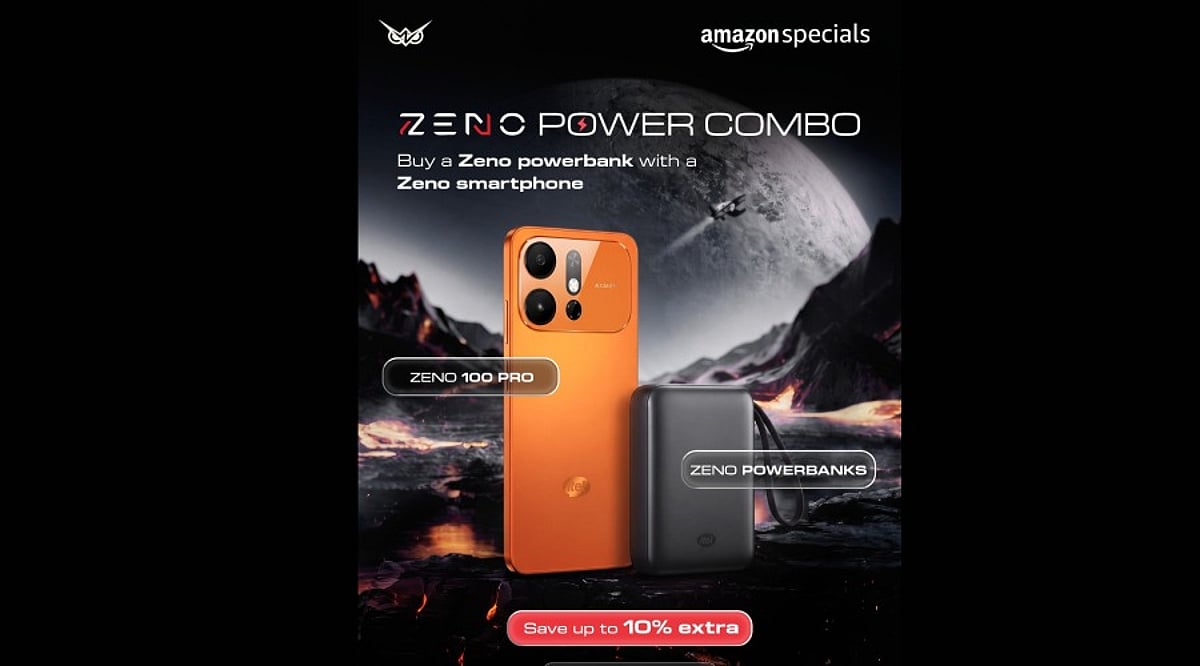
    ZENO, a brand under itel, has announced the launch of its powerful combo: the ZENO 100 Pro smartphone and ZENO powerbanks. The ZENO 100 Pro is being touted as the segment’s most affordable smartphone, equipped with military-grade durability (MIL-STD-810H certification) and Ultralink technology for connectivity even in areas without network coverage.

    The smartphone features a 6.6-inch 90Hz HD+ display with DTS-powered sound, a dynamic bar for notifications, and an IR blaster for remote control of appliances. It runs on Android 15 Go with an octa-core Unisoc T7100 processor, offers 3+5GB RAM and 64GB ROM, and includes a 5000mAh battery with 10W charging. Available in Comet Orange, Cloud White, and Black, it is priced at just Rs. 8,599 on Amazon.

    Alongside the phone, ZENO introduced two powerbanks: a 20,000mAh model with 45W fast charging (PD 3.0, QC 3.0, Apple 2.4A), dual output ports, and a digital display, priced at Rs. 2,069 (with an additional 10% discount). The 10,000mAh powerbank features 22.5W fast charging, a twisted lanyard lock cable, and a compact 176g design, available at Rs. 1,299.

    Mr. Arijeet Talapatra, CEO of itel India, stated, “The ZENO Series is a cult in itself – a statement that trendy things can be affordable. Built to complement the hustle of Gen Zs, the all-new ZENO products bring the perfect fusion of design and affordability.”

    Now available on Amazon, the ZENO 100 Pro and powerbanks offer a compelling package for budget-conscious consumers seeking durability and performance.

  • DroiClaw: The AI-Native OS Redefining the Agentic Era

    DroiClaw: The AI-Native OS Redefining the Agentic Era

    Artificial intelligence is undeniably transforming smart devices, but many of today’s products still treat AI as an add-on. A new generation of software is taking a different approach by embedding AI into the operating system itself. This emerging AI-native OS model aims to make interactions more natural, personalized, and proactive.

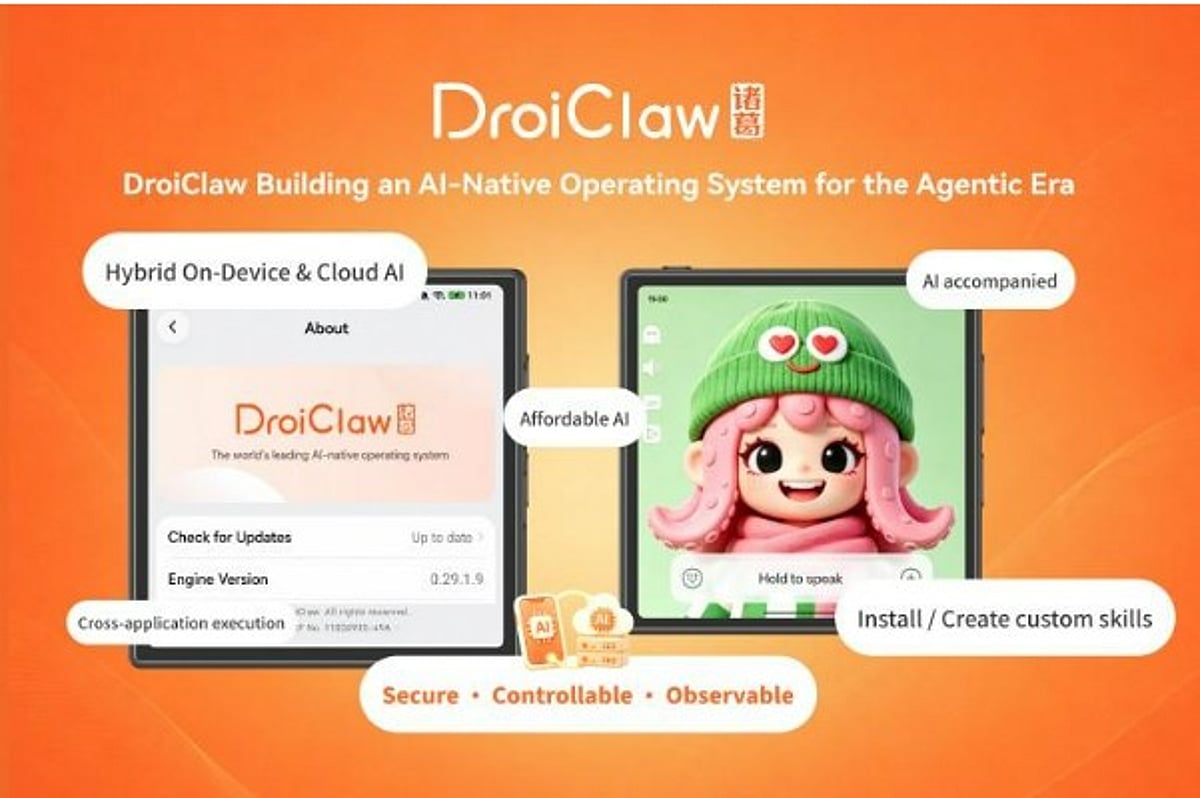
    Shanghai Droi Technology has introduced DroiClaw, an AI-native operating system built for next-generation smart terminals. Rather than being merely an AI assistant or chatbot, DroiClaw is designed with AI at the foundation of its architecture.

    What Makes an Operating System AI-Native?

    Traditional operating systems revolve around applications, with AI typically added as a separate assistant or productivity feature. In contrast, an AI-native operating system integrates AI into the core of its framework. This influences how users interact with devices at a fundamental level—from how models are selected to the way tasks are processed.

    DroiClaw uses multimodal large-model and AI technologies to support interactions through voice, text, images, documents, video, and natural-language commands. It also enables personalized AI avatars with customizable voices, personalities, memories, and skills. By embedding intelligence throughout the operating system, DroiClaw delivers a seamless experience across communication, work, travel, and everyday productivity.

    From Apps to an Agentic OS

    One of DroiClaw’s key goals is to build an app-free agentic OS ecosystem, where users no longer need to switch between multiple applications. The operating system is designed to understand a user’s intent and coordinate tasks across services through AI agents.

    Users can describe what they want in natural language while AI agents break requests into subtasks, call necessary system functions, and complete authorized operations with fewer manual steps. While the vision is not to eliminate apps overnight, this approach allows many routine interactions to become intent-driven rather than app-driven.

    DroiClaw includes a skill library where users can install and create AI skills for specific workflows. Features like AI-assisted writing, translation, meeting transcription, file analysis, and intelligent task automation demonstrate how AI agents can simplify routine activities without requiring users to navigate multiple interfaces.

    Hybrid On-Device and Cloud AI

    DroiClaw combines lightweight on-device AI models with cloud-based large models to support different usage scenarios. Under normal conditions, users primarily access cloud-based large models, which provide advanced capabilities such as multimodal interactions, AIGC, complex reasoning, content generation, and skill execution. On-device models serve as a fallback when network access is unavailable or cloud service credits are exhausted, automatically switching to a local model for basic question-and-answer tasks.

    The OS also supports multiple AI models rather than locking users into a single provider. This open approach allows partners to tailor AI capabilities for industry-specific applications.

    A Secure, Controllable, and Observable Agent Ecosystem

    Transparency and user control become essential as AI agents become capable of carrying out complex tasks. DroiClaw establishes a secure, controllable, and observable AI agent ecosystem, emphasizing user authorization for sensitive operations, permission management, intelligent task scheduling, and layered data protection. Users gain greater visibility into how AI agents perform automated actions, and privacy-sensitive information can be processed locally where appropriate. These capabilities help build trust as AI evolves toward actively completing tasks on users’ behalf.

    Affordable AI and an Open Ecosystem

    Beyond technological innovation, DroiClaw reflects a broader shift toward AI democratization. The first smartphones preloaded with DroiClaw—launched with Coolpad and Philips in June 2026—are priced at around RMB 1,099, bringing advanced AI capabilities to more affordable smart devices. The OS is built as an open ecosystem, supporting multiple hardware platforms and service providers.

    Final Thoughts

    Shanghai Droi Technology, founded in 2008, has extensive experience in developing operating systems and mobile ecosystem services. Its FreemeOS platform has been installed on more than 200 million devices across dozens of countries and regions, with support from more than 1,000 hardware and software ecosystem partners. DroiClaw builds on that experience to envision the next generation of intelligent computing—combining an AI-native OS architecture, an app-free agentic OS ecosystem, hybrid on-device and cloud AI, and a secure, controllable, and observable AI agent ecosystem. As smart terminals evolve beyond traditional app-based operating systems, DroiClaw makes advanced AI more accessible through an open ecosystem and affordable devices.

  • Android 17 Eases iPhone-to-Android Switching with Expanded Data Transfer

    Android 17 Eases iPhone-to-Android Switching with Expanded Data Transfer

    Google has started rolling out Android 17, bringing a major improvement for iPhone users considering a switch to Android. The updated Android Switch feature now enables users to transfer a broader range of personal data during initial phone setup without the need for additional apps.

    The update is currently available on supported Pixel phones and Samsung Galaxy Z Flip 8 and Galaxy Z Fold 8 devices. Google has confirmed that more Android phones will receive the feature in the coming months.

    Previously limited to photos and contacts, the new transfer tool now supports moving Google Account details, passwords, passkeys, Wi-Fi settings, eSIM information, messages, call history, alarms, notes, files, and some app data wirelessly. Users simply scan a QR code to connect both phones and select the data they want to transfer.

    “We worked with Apple to overhaul the iOS to Android transfer process to ensure your data moves with you,” Google stated. The company added that messages, passwords, favorite apps, home screen layout, and eSIM details can now move directly to a new Android phone.

    The transfer occurs during new Android device setup. After selecting the option to copy data from an iPhone or iPad, the Android phone generates a QR code. Scanning the code connects both devices and begins the wireless transfer. Google recommends keeping both phones connected to Wi-Fi, charging them beforehand, and ensuring sufficient storage on the new phone.

    Some data still requires separate handling. iCloud-only photos, Safari bookmarks, Apple Health data, and paid iPhone apps do not transfer automatically. However, Android 17 also facilitates moving WhatsApp chats, switching from iMessage to Google Messages, and transferring iCloud Photos to Google Photos, making the overall switching process significantly smoother.

  • 10 Revolutionary Capabilities of Liquid Robots Transforming Science and Medicine

    10 Revolutionary Capabilities of Liquid Robots Transforming Science and Medicine

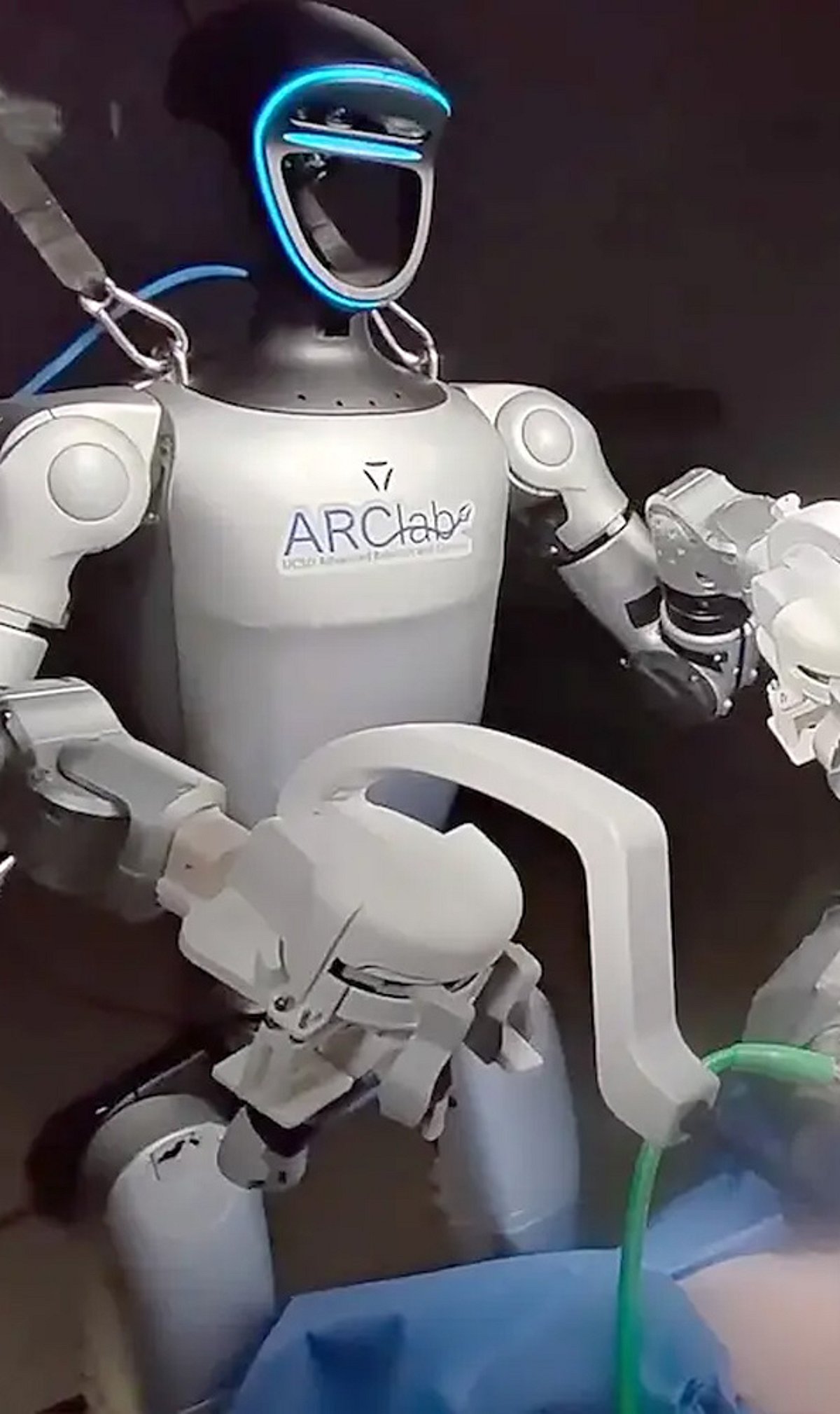
    Imagine a robot that can squeeze through a crack under a door, reform itself after being cut in half, and deliver medicine precisely to a tumor inside your body. This isn’t science fiction—it’s the emerging field of liquid robotics. Using materials like ferrofluids, liquid metals, and hydrogels, researchers are creating flexible, adaptive machines that defy traditional mechanical limitations. Here are ten astonishing things these liquid robots can already do or are being developed to accomplish.

    1. Shape-Shifting for Confined Spaces

    Liquid robots can alter their shape to squeeze through tiny openings and navigate complex, cluttered environments. This ability makes them ideal for search-and-rescue operations, pipe inspections, and medical procedures requiring navigation through narrow blood vessels.

    2. Targeted Drug Delivery

    Scientists are designing liquid robots that carry therapeutic payloads directly to diseased organs or tumors. By controlling their movement with magnetic fields or chemical gradients, these robots could dramatically improve treatment precision while minimizing systemic side effects.

    3. Minimally Invasive Surgery

    Tiny liquid robots could assist surgeons in performing delicate procedures inside the human body with unprecedented flexibility. They might deliver tools, clear blockages, or even perform micro-suturing through natural openings, reducing the need for invasive incisions.

    4. Self-Healing Capabilities

    Unlike conventional machines that break when damaged, liquid robots can merge back together after being cut or separated. Their ability to re-form and continue functioning without manual intervention promises greater durability in harsh environments.

    5. Adaptive Obstacle Navigation

    The flexible, deformable nature of liquid robots allows them to flow around barriers, through narrow gaps, and along uneven surfaces. This gives them a mobility advantage over rigid robots in environments like disaster rubble or industrial piping.

    6. Safe Hazardous Inspections

    Liquid robots can be deployed into radioactive zones, chemical plants, or disaster areas where human presence is dangerous. They can sample toxic materials, measure radiation levels, or assess structural integrity without risking human lives.

    7. Environmental Cleanup

    Researchers envision liquid robots that absorb oil spills, heavy metals, or microplastics from water and soil. Their ability to navigate hard-to-reach ecosystems—such as marshes, coral reefs, or groundwater—makes them powerful tools for environmental restoration.

    8. Precision Micro Manufacturing

    Liquid robots can manipulate and assemble microscopic components with exceptional accuracy. This capability could revolutionize semiconductor fabrication, medical device production, and the assembly of next-generation electronics at scales impossible for human hands or traditional machines.

    9. Extreme Environment Adaptation

    Because liquid robots can operate in extreme temperatures, pressures, and corrosive conditions, they are being explored for use in deep-sea exploration and volcanic monitoring. Their resilience opens new frontiers for scientific discovery.

    10. Space Exploration

    Future planetary missions may deploy liquid robots that reconfigure themselves to navigate rocky terrain, enter caves, or withstand temperature swings on Mars or the Moon. Their versatility could make exploration safer and more efficient, gathering samples from places traditional rovers cannot reach.

    Liquid robots are still largely in the research phase, but their potential spans healthcare, manufacturing, environmental remediation, and space travel. As material science and control systems advance, these remarkable machines will likely become a staple of the technological landscape.

  • How to Launch a Career in Quantum Computing as Job Opportunities Surge

    How to Launch a Career in Quantum Computing as Job Opportunities Surge

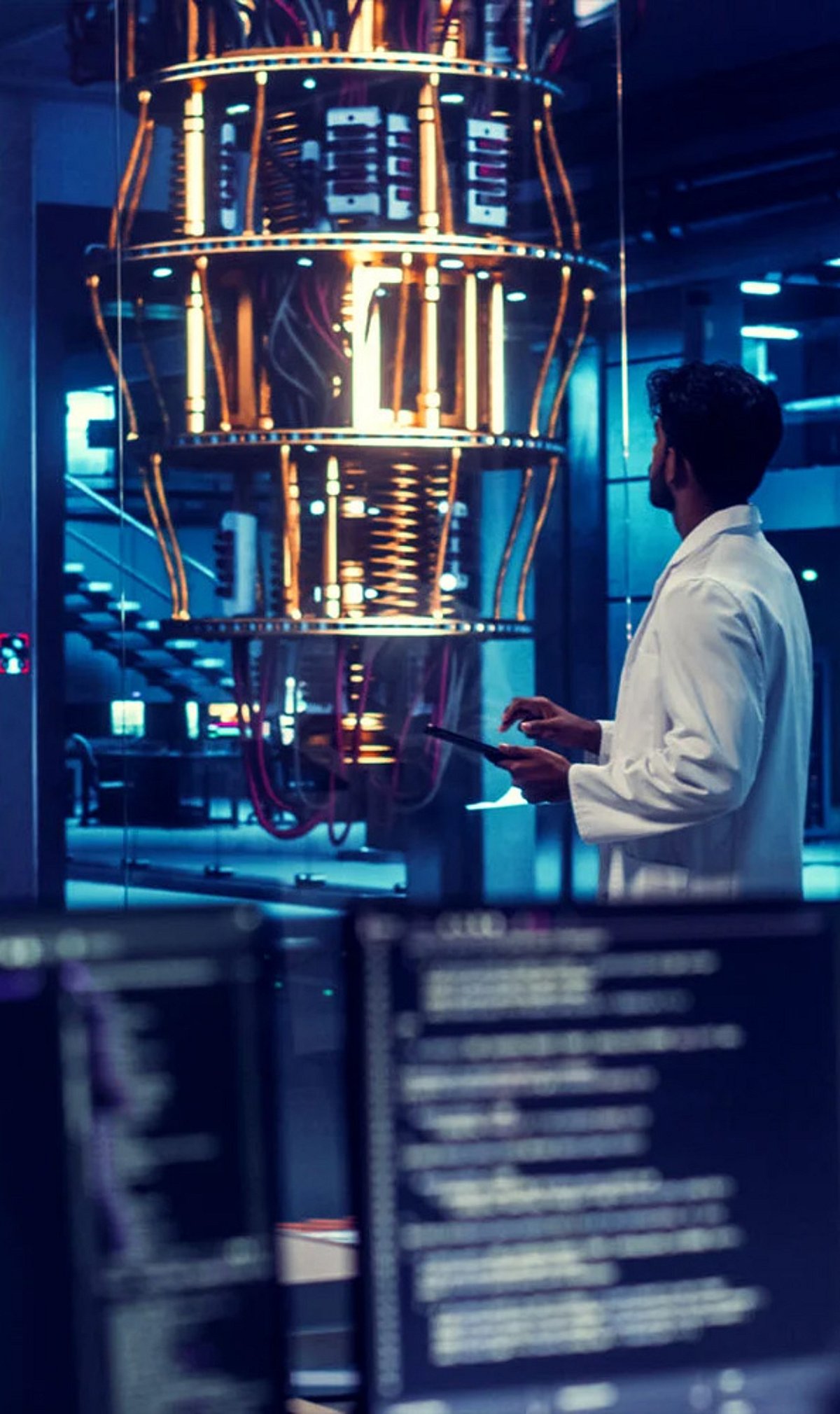
    Quantum computing is one of the fastest-growing fields in technology, with increasing investments across healthcare, finance, cybersecurity, manufacturing, and pharmaceuticals driving strong demand for skilled professionals. Whether you’re a software developer, hardware engineer, or mathematician, there are multiple pathways to enter this exciting domain.

    Quantum Software Development

    Learn quantum programming languages like Qiskit and Cirq to build algorithms for emerging quantum computers. These skills are essential for developing applications across multiple industries successfully.

    Quantum Hardware Engineering

    Design and improve quantum processors, cryogenic systems, and superconducting circuits that power next-generation quantum computing technologies and research innovations.

    Quantum Algorithms Research

    Develop algorithms that solve complex optimization, simulation, and cryptography problems faster than classical computers in specialized computing environments.

    Mathematics and Physics Foundation

    Build strong knowledge of linear algebra, probability, quantum mechanics, and computer science to understand core quantum computing principles effectively.

    Hands-On Quantum Platforms

    Practice on cloud-based quantum systems using platforms from leading technology companies to gain practical experience with real quantum hardware remotely.

    Quantum Computing Certifications

    Complete recognized quantum computing courses and certifications to validate technical expertise and improve employability in the growing quantum technology industry.

    Programming Skills Development

    Master Python alongside quantum frameworks to create, test, and optimize quantum applications while strengthening overall software engineering capabilities effectively.

    Industry Collaboration Opportunities

    Participate in hackathons, research projects, internships, and open-source communities to build practical experience and expand professional quantum computing networks.

    Future Career Prospects

    Growing investments across healthcare, finance, cybersecurity, manufacturing, and pharmaceuticals continue creating strong demand for skilled quantum computing professionals worldwide.

  • Best Indian Web Development Companies for 2026: Trusted by Businesses

    Best Indian Web Development Companies for 2026: Trusted by Businesses

    Introduction

    As businesses increasingly move online, choosing the right web development partner is critical. India has emerged as a global hub for web development, offering a blend of technical expertise, scalability, and cost-effectiveness. Here are the top Indian web development companies that businesses trust in 2026.

    1. TCS: Enterprise-Grade Web Development

    TCS delivers secure, scalable digital platforms for large enterprises requiring complex integrations, cloud capabilities, and long-term technology support.

    2. Infosys: AI-Powered Digital Experiences

    Infosys combines web development with artificial intelligence, cloud computing, automation, and digital transformation for modern enterprise applications.

    3. HCLTech: Complex Technology Ecosystems

    HCLTech builds enterprise web platforms integrated with backend systems, cloud infrastructure, cybersecurity frameworks, and advanced digital engineering capabilities.

    4. Tech Mahindra: Industry-Focused Solutions

    Tech Mahindra develops customized web solutions for telecommunications, manufacturing, healthcare, banking, and businesses undergoing large-scale digital transformation.

    5. Aalpha Information Systems: Custom Development

    Aalpha provides full-stack development, e-commerce platforms, custom software, and mobile applications for businesses seeking flexible technology partnerships.

    6. Emizen Tech: E-commerce Expertise

    Emizen Tech focuses on web development, e-commerce platforms, custom software, and digital solutions designed for businesses across multiple industries.

    7. IndiaNIC: Digital Product Development

    IndiaNIC helps businesses create custom websites, web applications, software products, and digital platforms tailored to specific operational requirements.

    8. Hidden Brains: Enterprise Digital Transformation

    Hidden Brains offers web applications, enterprise software, cloud solutions, and emerging technologies for organizations pursuing long-term digital innovation.

    9. Acodez IT Solutions: Design And Development

    Acodez combines responsive web design, development, e-commerce capabilities, and digital solutions to help businesses build engaging online experiences.

  • AI’s Quiet Revolution: Transforming Banking and Finance for the Better

    AI’s Quiet Revolution: Transforming Banking and Finance for the Better

    Artificial intelligence is quietly revolutionizing the banking industry, making financial services faster, smarter, and more personalized for millions of customers around the world. From 24/7 customer support to real-time fraud detection, AI is becoming an invisible but essential part of modern finance.

    Banks are increasingly deploying AI-powered virtual assistants to handle customer inquiries, process routine requests, and provide round-the-clock support with greater accuracy than ever before. These systems learn from each interaction, improving their responses over time.

    Behind the scenes, advanced AI algorithms analyze millions of transactions in real time, flagging suspicious activity before it leads to major losses. This proactive fraud detection helps protect both customers and financial institutions.

    Loan approvals, once a slow and paper-heavy process, are now being accelerated by AI models that evaluate financial data, credit history, and risk factors in seconds. This speeds up access to credit for consumers and small businesses alike.

    Personalization is another key area where AI is making a difference. Banks use AI to deliver tailored financial advice, spending insights, and product recommendations based on individual customer behavior and preferences.

    New AI agents are beginning to automate routine banking operations, reducing manual workloads and boosting efficiency across the board. Yet financial institutions continue to invest in strong governance, cybersecurity, and human oversight to ensure responsible AI adoption.

    Experts predict that AI will increasingly support customer service, compliance, fraud prevention, and strategic decision-making throughout the banking sector. As the technology advances, the future of banking promises to be faster, safer, and more efficient—all while delivering superior customer experiences.

  • eSIM vs. Physical SIM: Key Differences and How to Decide

    eSIM vs. Physical SIM: Key Differences and How to Decide

    With more smartphones supporting eSIM technology, many users are questioning whether to make the switch from traditional physical SIM cards. Both options have distinct advantages, and the right choice depends on your lifestyle, device compatibility, and personal preferences.

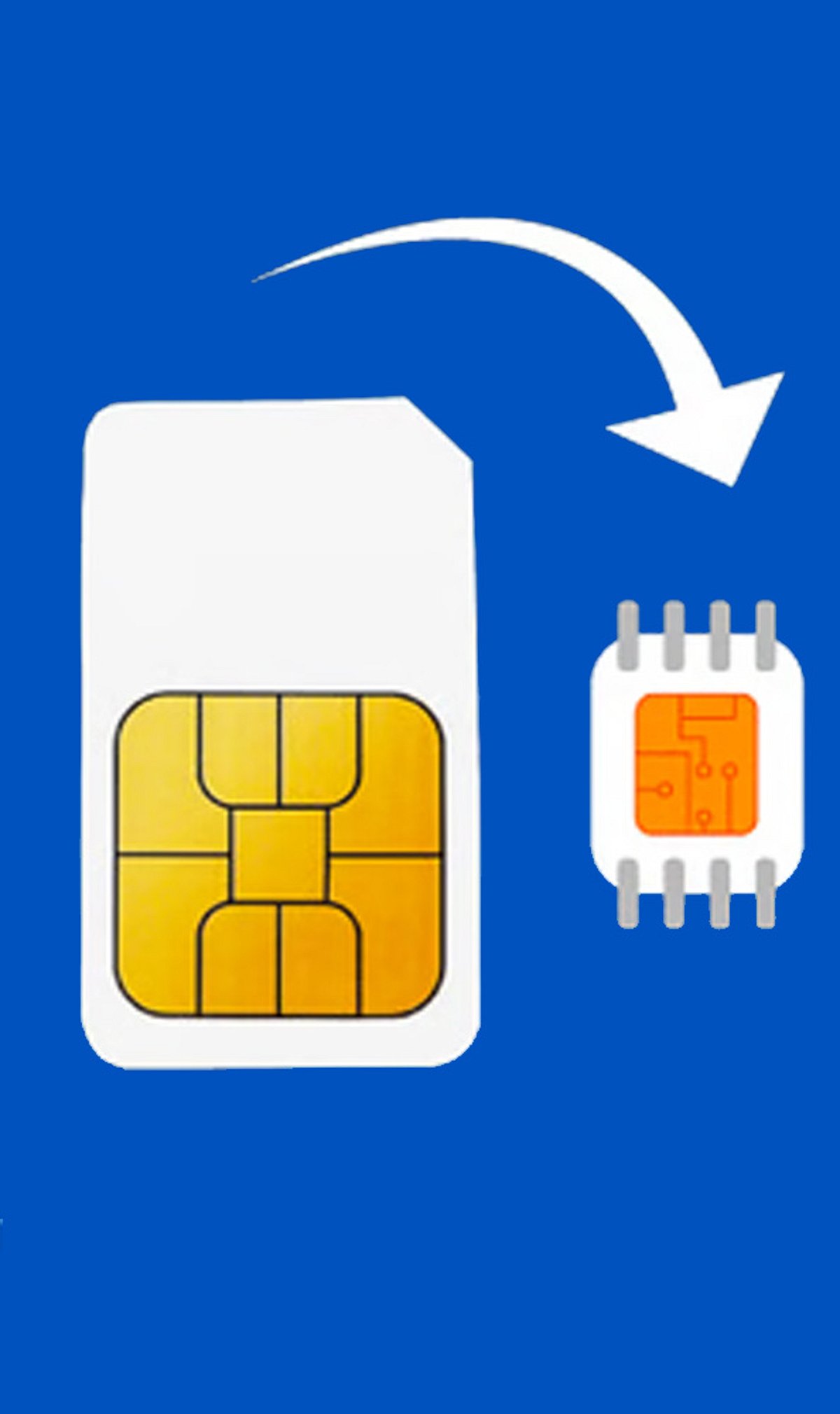
    A physical SIM is a removable card that can be easily transferred between compatible devices without additional setup. In contrast, an eSIM is embedded directly into the phone, allowing users to activate a mobile plan digitally without inserting a physical card.

    Frequent travelers often benefit from eSIM because they can quickly switch between carriers and international data plans without changing SIM cards. Many modern flagship smartphones also support dual SIM functionality using a combination of eSIM and physical SIM, offering greater flexibility.

    However, for users who rely heavily on banking OTPs and need to switch devices quickly, physical SIM cards may still provide a simpler recovery experience in some situations. Additionally, eSIM technology reduces the risk of losing or damaging a removable SIM card while saving internal device space.

    Before switching, it is essential to confirm that both your smartphone and mobile carrier fully support eSIM activation and transfer features. Ultimately, whether you choose eSIM or a physical SIM depends on your travel habits, security needs, device compatibility, and personal preferences.

  • Sony Files Patent for Advanced Cooling System, Fueling PlayStation 6 Speculation

    Sony Files Patent for Advanced Cooling System, Fueling PlayStation 6 Speculation

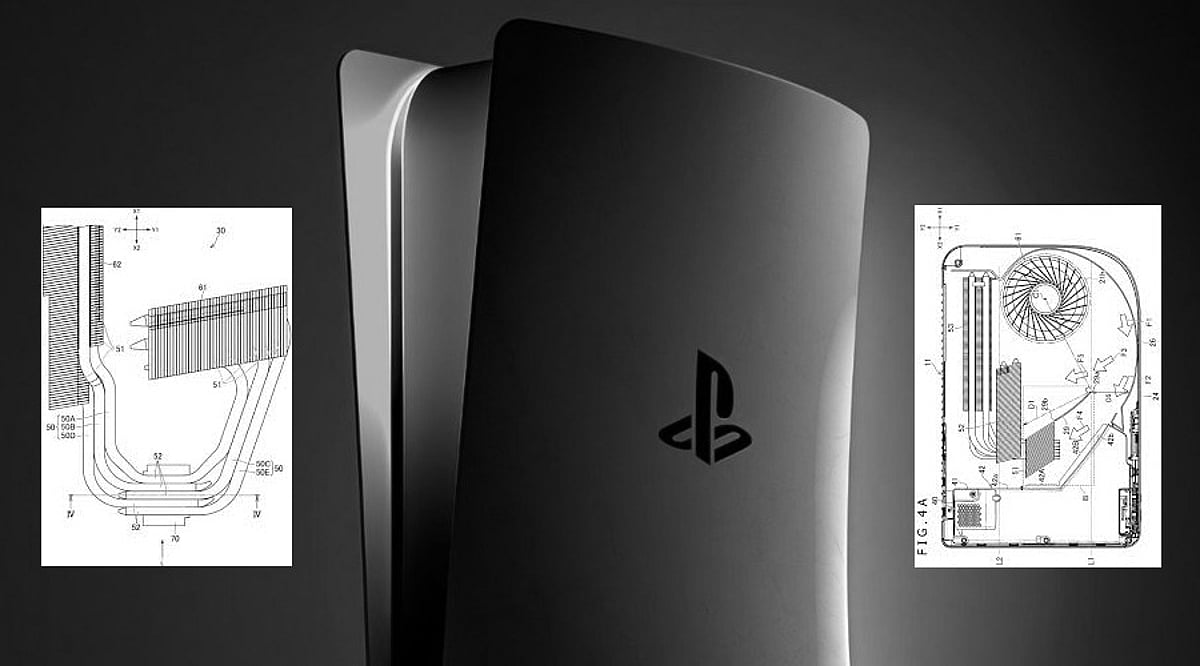
    A newly uncovered Sony patent has sparked fresh speculation about the next-generation PlayStation console, often referred to as the PlayStation 6. The patent details an innovative heat pipe cooling design that could significantly improve thermal management in gaming hardware.

    While Sony has not officially confirmed that the technology is destined for the PlayStation 6, the filing has drawn attention for its focus on a critical aspect of console performance: keeping internal components cool during intense gaming sessions.

    Redesigned Heat Pipe System

    This patent describes a new type of heat pipe that transfers heat more efficiently from the processor. Like conventional heat pipes, it uses a sealed fluid that evaporates when heated and condenses after releasing heat. Sony’s design incorporates changes to the internal structure that improve the transfer of cooling fluid, ensuring the system remains effective whether the console is used in vertical or horizontal orientation.

    Why Cooling Matters for Next-Gen Consoles

    Modern consoles require robust cooling due to their powerful processors and increasing performance demands. The PlayStation 5 currently uses a custom AMD processor cooled with liquid metal. This latest patent suggests Sony is exploring new ways to enhance cooling as hardware demands continue to rise.

    Patent ≠ Product Announcement

    While the patent has excited PlayStation enthusiasts, it should not be taken as a definitive sign that this design will appear in the final PlayStation 6. It is common for tech companies to file patents for innovations that may never reach the market. However, the patent does offer a glimpse into Sony’s research direction, especially as thermal management becomes increasingly critical with higher performance and graphics requirements.

    Until Sony makes an official announcement, this patent provides an early look at possible future innovations.

  • Eternal Q1 FY27: Profit Slips 47% Sequentially as Blinkit Drives Record Revenue Growth

    Eternal Q1 FY27: Profit Slips 47% Sequentially as Blinkit Drives Record Revenue Growth

    Eternal, the parent company of Zomato, Blinkit, Hyperpure, and District, reported its financial results for the quarter ended June 30, 2026. Despite a surge in revenue driven by its quick commerce arm Blinkit, the company’s consolidated net profit fell 47.1% sequentially to ₹92 crore, compared to ₹174 crore in the same quarter last year. The decline was attributed to continued investments in business expansion, particularly in Blinkit.

    Revenue Surge Fueled by Blinkit and Model Change

    Revenue from operations soared to ₹20,211 crore, up from ₹7,167 crore in the prior-year period. Eternal attributed this increase primarily to the shift to a first-party (1P) operating model, which recognizes the full value of goods sold as revenue. Consolidated adjusted revenue grew 173% year-on-year to ₹20,648 crore, while adjusted EBITDA more than doubled to ₹555 crore.

    The B2C segment’s net order value (NOV) rose 54% YoY to ₹31,120 crore, underpinned by strong demand in food delivery, quick commerce, and the going-out business.

    Blinkit Continues to Lead Growth

    Blinkit remained Eternal’s fastest-growing business, with NOV climbing 86% YoY to ₹17,132 crore. The quick commerce platform posted an adjusted EBITDA profit of ₹102 crore, marking its fifth consecutive quarter of margin improvement. Blinkit expanded its store network by 200 net new stores, reaching 2,443 locations, and focused on assortment expansion, geographic coverage, and demand densification.

    Deepinder Goyal, Founder of Eternal, commented: “If we’re doing our job well, growth and margins should compound together – because growth in this business comes from making the platform more useful to more people, which drives frequency, which drives density, which drives efficiency. The flywheel doesn’t ask you to choose.”

    Food Delivery and Other Segments Hold Steady

    Eternal’s food delivery business also maintained momentum, with NOV crossing ₹10,769 crore, up over 20% YoY. The segment reported an adjusted EBITDA profit of ₹606 crore, with margins improving to 5.6%. The going-out platform, District, achieved 60% YoY revenue growth to ₹3,218 crore, while Hyperpure posted revenue of ₹1,034 crore, a 27% increase on a like-for-like basis.

    Additionally, Eternal entered into a Business Transfer Agreement with its wholly owned subsidiary Carthero Technologies Private Limited to transfer the business under the brand name ‘Nugget by Zomato’ as part of an internal restructuring to streamline operations.