Author: vitorcherulli

  • Morning Routines That Drive Success: Habits of India’s Top CEOs

    Morning Routines That Drive Success: Habits of India’s Top CEOs

    Wake Up Early

    Many successful CEOs begin their day before sunrise, creating uninterrupted time for planning, learning, and personal development activities.

    Exercise Regularly

    Morning workouts improve energy, mental clarity, and resilience, helping leaders handle demanding schedules and high-pressure business decisions confidently.

    Practice Mindfulness

    Meditation, breathing exercises, or quiet reflection help reduce stress, improve focus, and prepare CEOs for challenging meetings ahead.

    Read Daily

    Top executives dedicate time to books, industry news, and global trends, staying informed before making important business decisions.

    Plan Priorities

    Successful leaders identify key tasks every morning, ensuring critical work receives attention before distractions begin throughout the busy day.

    Eat a Healthy Breakfast

    A balanced morning meal fuels concentration, sustained energy, and better decision-making during long hours of meetings and strategy sessions.

    Avoid Digital Distractions

    Many CEOs delay checking emails or social media, protecting valuable morning hours for focused thinking and planning instead.

    Review Long-Term Goals

    Daily reflection on personal and business objectives keeps leaders aligned with strategic priorities and long-term organizational vision consistently.

    Learn Something New

    Whether listening to podcasts or exploring emerging technologies, continuous learning keeps CEOs adaptable in rapidly changing business environments.

  • San Francisco Demands Apple and Google Remove AI Deepfake Nudify Apps from Stores

    San Francisco Demands Apple and Google Remove AI Deepfake Nudify Apps from Stores

    San Francisco has taken legal action against Apple and Google, demanding the removal of AI-powered ‘nudify’ apps from their app stores. The city alleges these apps enable users to create non-consensual intimate deepfake images, violating California law.

    In cease-and-desist notices sent to both companies, San Francisco City Attorney David Chiu accused Apple and Google of continuing to host dozens of such apps and processing payments for them despite the risks. The city warned that further legal action could follow if the companies fail to comply.

    ‘Nudify’ apps use artificial intelligence to generate fake nude images by digitally removing clothing from photographs. Authorities say the technology is increasingly used to target women and girls without their consent. The notices argue that Apple and Google are facilitating the distribution and monetization of software that enables non-consensual intimate deepfakes.

    The city has asked both companies to remove the apps, cut ties with their developers, and strengthen measures to prevent similar apps from appearing on their platforms. David Chiu stated that companies should not profit from software that enables digital exploitation.

    While AI technology has made image editing easy, it has also made it simple to create highly realistic fake images that can harm victims. According to San Francisco officials, investigations revealed that some nudify apps were still in use despite app store policies against abusive, exploitative, and sexually explicit material.

    This case adds to mounting pressure on major technology companies to take greater responsibility for AI-powered apps distributed through their marketplaces. Google stated that it removed hundreds of nudify apps and restricted related search terms. Apple had not publicly responded to the legal notices at the time of reporting.

    The move marks one of the strongest attempts by a U.S. city to hold app store operators accountable for hosting AI tools capable of generating non-consensual intimate deepfakes. It also signals growing regulatory pressure on technology platforms as AI-powered applications become more widely available.

  • Bond Investing by Age: Strategies for Your 30s, 40s, 50s, and Beyond

    Bond Investing by Age: Strategies for Your 30s, 40s, 50s, and Beyond

    A bond investment strategy should not stay the same throughout your life. As your income, responsibilities, and financial goals change, the way you invest in bonds should change too. In your 30s, bonds can help bring stability to a portfolio that is largely focused on growth. By the time you retire, they often become a dependable source of regular income. Financial experts say the key is to make sure your bond investments match the stage of life you’re in.

    In Your 30s: Build Wealth, Stay Balanced

    For most people in their 30s, the focus is on building long-term wealth. Equities may drive growth, but bonds help reduce volatility and add stability to the portfolio. Experts suggest reinvesting the interest earned from bonds instead of spending it. For example, an investment of $5,000 at an illustrative yield of 9% can generate around $450 annually before tax. Reinvesting that income can gradually increase both your investment corpus and future returns. They also recommend avoiding the temptation to put all your money into a single high-yield bond. Spreading investments across bonds with different maturities and choosing issuers with strong repayment records can help lower risk.

    In Your 40s: Invest with Upcoming Goals in Mind

    By your 40s, financial priorities usually become more defined. Children’s education, home renovations, or other planned expenses often take center stage. This is where bonds can provide certainty. Experts recommend choosing bond maturities that line up with when you’ll need the money. If a major expense is expected in three or four years, investing in bonds maturing around the same time can reduce the need to rely on market conditions. Holding a mix of short-, medium-, and long-term bonds can also improve diversification.

    In Your 50s: Start Building Retirement Income

    As retirement draws closer, preserving capital becomes as important as growing it. Many financial planners recommend creating a bond ladder by investing in bonds that mature at different intervals. This provides regular access to funds while reducing interest-rate risk. For example, assuming that an investor holds $500,000 in bond investments at an assumed average interest rate of 8.5%, they could earn close to $42,500 annually or about $3,540 monthly, even without taking into account tax implications. A fixed-income portfolio for retirement could include government bonds, highly rated corporate bonds, fixed deposits, and other fixed-income instruments according to personal risk appetites.

    After Retirement: Bonds Help with Your Cash Needs

    Post-retirement, bonds usually serve the purpose of regular income generation to cover daily expenses, healthcare costs, insurance premiums, and more. However, experts caution against putting the entire retirement corpus into one asset class. A balanced portfolio should include liquid funds to cover about a year’s expenses, bonds that generate regular payouts over several years, and some equity exposure to help keep pace with inflation. The right bond strategy is not about chasing the highest returns. It is about making your investments work for your financial needs at every stage of life.

  • Top Smartwatches Under Rs. 25,000: Style, Performance, and Battery Life Compared

    Top Smartwatches Under Rs. 25,000: Style, Performance, and Battery Life Compared

    Finding a good smartwatch under Rs. 25,000 is easier than ever. Whether you want Google apps, advanced fitness tracking, or long battery life, this price range has strong options across multiple platforms. Here are the models that stand out for different types of users.

    Smartwatches under Rs. 25,000 now offer a wide range of choices, from full Wear OS devices with Google apps to fitness-focused platforms that prioritize battery life and health tracking. Buyers can choose between productivity features, advanced sports tracking, premium AMOLED displays, long battery life, or stylish everyday designs based on their needs instead of settling for one-size-fits-all devices. Models from Samsung, OnePlus, Garmin, Amazfit, Titan, and Noise each balance software, performance, battery life, and design differently, making the platform and intended use more important than specifications alone.

    Before You Buy

    Start with what matters most. Anyone who wants Google apps, Play Store access, and full notifications should go with Wear OS, though it means charging more often. Garmin and Zepp OS trade a smaller app selection for longer battery life and stronger fitness tracking. Titan and Noise keep prices low by skipping built-in GPS and app stores, which makes them a better fit for everyday use than for serious training. iPhone owners should note that most Wear OS watches work best on Android, and some features may not work as well on iOS.

    Samsung Galaxy Watch FE

    The Galaxy Watch FE is the easiest way into Wear OS at this price. It runs the full platform with a 1.2-inch Super AMOLED screen, NFC for tap-to-pay, and regular Wi-Fi and Bluetooth. The catch is battery life — expect about a day of use, not the multi-day numbers that cheaper watches claim. It sells for around Rs. 12,999, roughly half its launch price.

    Best for: Samsung phone owners who want the full software experience without paying flagship prices.

    OnePlus Watch 2R

    The Watch 2R addresses Wear OS’s battery issue with smarter hardware. A Snapdragon W5 chip runs the main system, while a second, smaller chip handles step counts and heart rate in the background, only waking the full system when needed. This is how it reaches up to 100 hours in Smart Mode and 12 days in Power Saver Mode. It has a 1.43-inch AMOLED display, GPS built for sharper outdoor tracking, and fast charging that fills the battery in about an hour. It’s priced near Rs. 17,999, often lower during sales.

    Best for: Android users who want Wear OS without charging it every single night.

    Garmin Vivoactive 5

    The Vivoactive 5 skips Wear OS altogether, and that’s exactly why it lasts 11 days on a charge while still having a decent AMOLED screen. Its sensor feeds Garmin’s health tools: energy tracking, sleep stages, stress scores, and over 30 sports apps with real GPS, not phone guesswork. It also supports Garmin Pay, though not many Indian banks are on board yet. Price ranges from Rs. 18,999 to Rs. 24,990 depending on the color.

    Best for: Runners and swimmers who want real training data and don’t need a big app store.

    Amazfit Balance 2

    The Balance 2 skips Wear OS too, running its own software built for the outdoors. It has a bright sapphire display, water resistance rated for diving down to 45 meters, and offline maps for over 40,000 golf courses. Battery life reaches 21 days. Next to the Vivoactive 5, it leans more into outdoor and adventure use, while Garmin still wins on training detail. Price sits close to Rs. 24,999.

    Best for: Divers, golfers, and anyone who wants a rugged outdoor watch, not just a notification screen.

    Titan Smart 3

    The Smart 3 drops GPS and app support to keep the price low, and it still feels solid. It has an always-on AMOLED screen, calling support, over 110 sports modes tracked through your phone, and fast charging that adds a day of battery in ten minutes. The price runs from Rs. 5,000 to Rs. 12,000.

    Best for: First-time buyers who want AMOLED and calling without the Wear OS price tag.

    NoiseFit Halo 3

    The Halo 3 goes for looks over specs, shaped like a classic dress watch with metal, leather, and silicone strap options. Its best feature is Noise AI Pro, which handles voice notes, daily briefings, and QR tickets. Like the Titan, it skips GPS and apps. Price ranges from Rs. 4,499 to Rs. 7,999.

    Best for: Buyers who want a watch that looks traditional first, smart second.

    How They Compare

    Matching the Watch to the Buyer: Anyone on Android who wants Google apps and full notifications gets the most out of Samsung. If daily charging is a dealbreaker but Wear OS still matters, OnePlus is the better pick. Runners and swimmers who care about training data more than apps will find Garmin’s battery and sensor accuracy hard to beat. Divers, golfers, and anyone who spends time outdoors get more from Amazfit’s offline maps and dive certification. Budget-conscious first-time buyers get AMOLED and calling from Titan without paying Wear OS prices, and anyone who cares about looks over specs will find Noise’s dress watch design and AI features a rare combination at this price.

    Software support tends to follow the same lines. Samsung and OnePlus, running Wear OS, usually get clearer update commitments over time. Titan and Noise, on the other hand, typically ship with a fixed set of features and get maintenance updates rather than real upgrades. This gap matters more the longer someone plans to keep the watch.

    Final Thought

    Three years ago, a smartwatch under Rs. 25,000 meant picking one flaw to live with: bad battery, weak software, or a design that looked like every other watch on the shelf. Now it means choosing which trade-off works for you. This shift says more about how far this market has come than any single watch on this list.

    FAQs

    1. Which is the best smartwatch under Rs. 25,000 in India? The best smartwatch depends on your needs. Samsung Galaxy Watch FE is ideal for Wear OS users. OnePlus Watch 2R offers excellent battery life with Wear OS, while the Garmin Vivoactive 5 is better for fitness tracking.
    2. Is Wear OS better than Garmin OS or Zepp OS? Wear OS offers Google apps, Play Store access, and richer smartwatch features. Garmin OS and Zepp OS focus more on battery life, health tracking, and sports performance than third-party apps.
    3. Which smartwatch under Rs. 25,000 offers the longest battery life? Among these options, the Amazfit Balance 2 offers up to 21 days of battery life. The Garmin Vivoactive 5 lasts up to 11 days, while the OnePlus Watch 2R can deliver up to 12 days in Power Saver Mode.
    4. Are smartwatches under Rs. 25,000 compatible with iPhones? Most smartwatches support iPhones, but Wear OS models typically provide the best experience with Android devices. Some features, such as replies to notifications and certain apps, may be limited on iOS.
    5. What should I consider before buying a smartwatch under Rs. 25,000? Choose based on your priorities. Wear OS is best for productivity and Google apps. Garmin and Amazfit suit fitness enthusiasts with longer battery life, while Titan and Noise are ideal for everyday use with essential smartwatch features at lower prices.
  • Free Fire MAX Redeem Codes for July 19, 2026: Unlock Rare Skins, Bundles, and Diamonds

    Free Fire MAX Redeem Codes for July 19, 2026: Unlock Rare Skins, Bundles, and Diamonds

    Free Fire MAX players can grab valuable in-game rewards today with the latest redeem codes for July 19, 2026. These codes unlock rare weapon skins, character bundles, emotes, diamonds, and other exclusive items at no cost.

    To claim your rewards, visit the official Garena Rewards Redemption website and log in with your linked account (Facebook, Google, Apple ID, X, or VK). Enter a valid code and confirm. Rewards will be delivered to your in-game mailbox within 24 hours. Note that guest accounts are not eligible.

    Active Redeem Codes for July 19, 2026

    Use the following codes before they expire:

    • FPSTQ7MXNPY54N8M2XL9R1G3FK3J9H5G1F7D6KWMFJVMQQYGH8YC4TN6VKQ9FF6YH3BFD7VTFE2R8T6Y4U1IB1RK7C5ZL8YT4ST1ZTBZBRP9BR43FMAPYEZZF7F9A3B2K6G8UPQ7X5NMJ64VS9QK2L6VP3MRFFR4G3HM5YJN

    How to Redeem Codes

    1. Go to the Garena Rewards Redemption website.
    2. Log in with your linked account (Facebook, Google, Apple ID, X, or VK).
    3. Enter the code in the provided field.
    4. Click ‘Confirm’ to submit.
    5. Check your in-game mailbox within 24 hours for the rewards.

    In addition to redeem codes, participate in daily missions, limited-time events, and seasonal challenges to earn more rewards and level up faster. Stay ahead by checking for new codes daily.

  • Double-Door vs. Side-by-Side Refrigerators: Which Layout Suits Your Home Best?

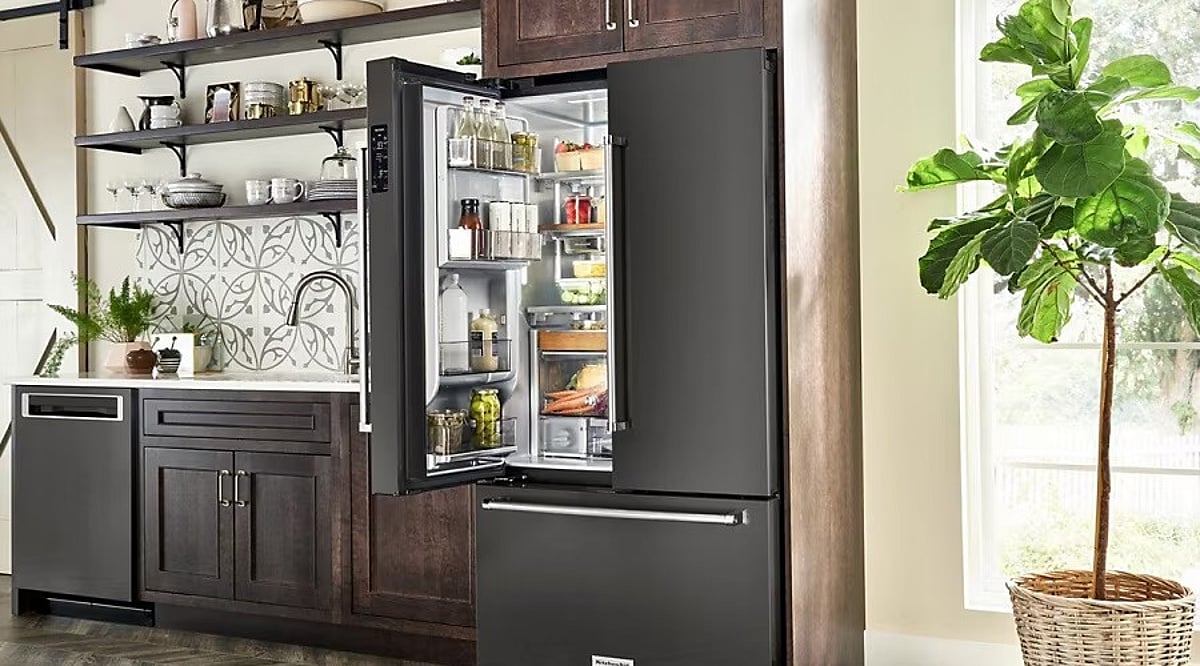
    Double-Door vs. Side-by-Side Refrigerators: Which Layout Suits Your Home Best?

    Double-door and side-by-side refrigerators may look similar, but they are built for different priorities. From storage flexibility to energy use and convenience, each has distinct strengths. Comparing them side by side helps identify the better choice for your household.

    What Each Layout Actually Offers

    A double-door refrigerator puts most of its space toward fresh food, with the freezer sitting above or in its own section. A side-by-side splits the interior vertically instead, giving the fridge and freezer sections of approximately equal width. This layout makes both frozen and chilled items easier to reach, but it also hands over a bigger share of total space to the freezer. Therefore, a 500 to 550 liter side-by-side can end up with fresh food space no bigger than a smaller double-door model. For households that cook fresh food every day, the double-door often turns out to be the more practical pick.

    The Energy Question Most Articles Get Wrong

    Most comparison articles claim double-door models simply use less power. This claim does not hold up. Energy consumption depends on the BEE star rating and whether the compressor is inverter-based, not on the number of doors. A 5-star inverter refrigerator can use less than half the electricity of a 1-star model, regardless of layout.

    Side-by-side units do tend to land in lower star-rating bands on average. This pattern comes from their larger typical capacity and added features like water and ice dispensers, both of which draw extra power. The honest takeaway is not that double-door beats side-by-side on electricity. It is that the star label decides the outcome, not the door style.

    Making the Right Call

    A compact kitchen, daily fresh cooking, and a lower running cost point toward double doors. Ample clearance, heavy frozen storage, and eye-level access for both sections point toward side-by-side.

    Family size offers a useful shortcut too. Two to four member households usually manage well with a double-door model. Larger households of five or more, especially those that rely on frozen storage, tend to get more practical value from a side-by-side.

    Five Details that Decide the Purchase

    1. Fresh to frozen ratio: Frequent fresh shopping favors a double door even with a smaller total capacity.
    2. Kitchen clearance: Side-by-side doors need real swing room on both sides, along with sufficient cabinet width and ventilation space. Measuring the aisle before the showroom visit avoids a costly mismatch.
    3. Star rating settles energy: Comparing door types for efficiency misses the point. The kWh per year figure on the BEE label gives a direct, model-to-model answer.
    4. Wide items need wide shelves: Pizza boxes, large tiffins, and party trays sit more easily on a double door’s broader shelving than on a side-by-side’s narrower columns.
    5. Dispensers add convenience and cost: Built-in water and ice dispensers raise both the purchase price and the power draw. Filter replacements and dispenser upkeep add further ownership cost over time.

    Final Thoughts

    Refrigerator shopping in India still leans on showroom instinct more than spec sheets. The layout that looks more premium is not always the one that fits a kitchen’s real routine. As BEE ratings tighten and inverter compressors become standard across price bands, the gap between double-door and side-by-side will likely come down to usable space and household habits rather than badge value on the door.

  • 5 Best LG Washing Machines Under Rs. 40000: Front-Load vs Top-Load Guide (2026)

    5 Best LG Washing Machines Under Rs. 40000: Front-Load vs Top-Load Guide (2026)

    Finding the best LG washing machine under Rs. 40,000 is easier when you focus on capacity, wash quality, and long-term efficiency instead of specifications alone. LG offers reliable front-load and top-load models across this price range. Comparing their strengths helps you choose the right machine for your home.

    LG’s sub-Rs. 40,000 lineup now includes both steam-enabled front-load models and high-capacity top-load machines, giving buyers more practical choices within the same budget. Front-load models emphasize fabric care, water efficiency, and higher spin speeds, while top-load models prioritize larger capacities and easier handling of bulky laundry. Each recommended model stands out for a distinct strength, whether it is everyday washing, large-family capacity, value for money, or advanced smart washing technology.

    A 12 kg top-load machine and a steam-enabled front-loader now sit in the same price band under Rs 40,000, which changes how the choice should be made. Specifications alone rarely settle the question. What matters more is matching a machine to the laundry a household actually generates each week. LG holds a strong position in this bracket through its Direct Drive motor line, a wide service network across India, and steady software support through the ThinQ app. Five models stand out here, each for a distinct reason, checked against live Amazon India listings before inclusion.

    Front-Load vs Top-Load: The Real Difference

    Front-load machines tumble clothes through a shallow pool of water instead of agitating them in a full tub. This motion is gentler on fabric and uses less water per cycle, which is why LG’s front-load lineup in this range leans on steam and allergen-care features. These machines also spin at up to 1200 RPM, well above most top-load models, so clothes come out drier and need less time to hang.

    Top-load machines fill the drum fully and move clothes with a pulsator. This handles bulky loads like blankets more efficiently but places more mechanical stress on delicate fabric across repeated washes.

    Quick Comparison of the Top LG Washing Machines Under Rs. 40000

    LG FHB1209Z4W: Best Overall Front-Load

    This 9 kg front-loader pairs an inverter direct-drive motor with a 6 Motion wash system, varying drum rotation patterns through a cycle instead of running one fixed motion. That reduces fabric friction while still clearing ground-in dirt. It spins at up to 1200 RPM and adds Wi-Fi control through ThinQ, along with a steam function aimed at allergen removal. Warranty covers 2 years on the product and 10 years on the motor. This is the strongest all-round front-load pick available at this budget.

    BUY NOW

    LG FHB1208Z4M: Best 8 kg Front-Load for Smaller Households

    The wash technology here nearly matches the FHB1209Z4W, scaled down to 8 kg, with the same 1200 RPM spin and warranty terms. The in-built heater and steam wash carry over, but the smaller drum runs faster cycles on regular loads. Three- to four-member households gain the same fabric care without paying for capacity that goes unused.

    BUY NOW

    LG T12SJMB1Z: Best for Large or Joint Families

    At 12 kg, this is the highest capacity available under Rs 40,000 across either load type. The TurboDrum and Punch+3 pulsator combination clears large, heavy loads without a repeat cycle. Eight wash programs cover everything from wool to tub cleaning. Bedding, curtains, and households of six or more are where this model earns its price.

    BUY NOW

    LG T90AJMB1Z: Best Value Top-Load

    Priced well under budget at Rs 25,990, this 9 kg top-load model leaves room to spend elsewhere on installation or accessories. It still carries a 5-star rating and a Smart Inverter motor running at 740 RPM, with Auto Tub Clean running after every wash. Stock has run low on Amazon at points, so availability is worth checking before purchase.

    BUY NOW

    LG THD10SWM: Best Smart Top-Load

    A 10 kg top-load model carrying genuine AI Direct Drive and an in-built heater, built for buyers who want top-load convenience without giving up steam wash or app control. The 6 Motion Direct Drive tech here is normally reserved for front-load machines and brought into a top-load body to cut vibration and noise.

    BUY NOW

    Matching the Machine to the Household

    • Daily Wear and Mixed Fabrics: FHB1209Z4W and FHB1208Z4M both deliver strong fabric care and cleaning performance. The choice between them comes down to household size rather than wash quality.
    • Bulk Laundry and Large Families: T12SJMB1Z offers the highest capacity in this price range, well suited for bedding, curtains, and frequent heavy loads.
    • Best Value Under Budget: T90AJMB1Z holds a 9 kg capacity and the essential features most households need, while staying well below Rs 30,000.
    • Best Smart Top-Load Option: THD10SWM pairs top-load convenience with wash technology and connected features usually reserved for front-load machines.
    • For Frequent Laundry Schedules: Lower electricity draw and quieter motor operation matter more over time than one extra kilogram of drum capacity.

    Final Thoughts

    Washing machine shopping under Rs 40,000 used to mean choosing between a decent front-load and an oversized top-load with no middle ground. This gap has narrowed. LG’s current range under this price point now offers steam hygiene, app control, and higher spin speeds across both formats. So the deciding factor has shifted from load type to actual laundry habits. As inverter tech and drum engineering keep converging across categories, the next real differentiator in this segment will likely be energy consumption per cycle rather than capacity or price.

    FAQs

    Which LG washing machine under Rs. 40000 is best for a family of four?

    An 8 kg or 9 kg LG washing machine is generally the best choice for a family of four. Front-load models offer better fabric care and stain removal, while top-load models provide greater convenience and faster wash cycles.

    Are LG front-load washing machines better than top-load models?

    LG front-load washing machines typically deliver better cleaning performance, use less water, and are gentler on fabrics. Top-load models, however, are easier to load, complete wash cycles faster, and often provide larger capacities within the same budget.

    Is an inverter motor worth paying extra for in an LG washing machine?

    Yes. LG’s inverter motors consume less electricity, operate more quietly, and reduce vibration compared to conventional motors. They also contribute to better long-term reliability and lower operating costs.

    What features should I prioritize in an LG washing machine under Rs. 40000?

    Focus on the right capacity, load type, inverter technology, energy rating, and essential wash programs first. Features like Steam Wash, AI Direct Drive, Smart Diagnosis, and Wi-Fi connectivity are valuable additions if they fit your budget.

    How much washing machine capacity do I need for my home?

    A 6–7 kg machine is suitable for couples or small families, 8–9 kg works well for most families of three to five members, while 10–12 kg models are ideal for large or joint families with frequent laundry loads.

  • 7 Best HEPA Air Purifiers in India for 2026: Expert Picks & Buying Guide

    7 Best HEPA Air Purifiers in India for 2026: Expert Picks & Buying Guide

    The biggest air quality problem in Indian homes rarely gets noticed. Windows stay shut for hours, sometimes days, yet PM2.5 and fine dust keep floating around the room, settling on shelves, drifting back into the air with every fan turn. Ventilation alone cannot fix this. Filtration has to do the real work, and among filtration types, True HEPA H13 remains the one that actually removes particles this small consistently and without gaps.

    Why HEPA H13 Sets the Standard

    A true HEPA H13 filter traps at least 99.95% of particles down to 0.3 microns, tested under EN1822 and ISO 29463. That covers most of the PM2.5, dust, and pollen floating around Indian homes. Watch out for anything labelled HEPA-type. It sounds similar but has no real filtration standard behind it, so performance can vary a lot.

    Two numbers matter more than the rest: CADR and room coverage. CADR, or Clean Air Delivery Rate, shows how fast a purifier actually cleans the air. A high CADR only helps when it suits the room size. Buy too big, and the extra power goes to waste. Buy too small, and the air takes longer to clear.

    The cost doesn’t end at the purchase. Filters often turn into a real expense over time. Before buying, it’s worth checking how often they need replacing, what they cost, and whether they’re easy to find.

    Seven HEPA Purifiers Worth Considering

    Dyson Purifier Cool TP07

    Dyson does not publish AHAM CADR ratings. Instead, purification gets tested through its own POLAR methodology across an 81-cubic-meter room, a method the brand argues reflects better airflow than a chamber test. The TP07 uses a fully sealed HEPA H13 filter, classified under EN1822 and ISO 29463, so pollutants captured inside stay inside rather than leaking through gaps elsewhere in the machine. It also cools the room and connects to the MyDyson app for scheduling and live air quality data. This unit fits buyers who want sensors, build quality, and design polish alongside filtration.

    Coway Airmega 150

    Coway trades smart features for filter longevity. The True HEPA H13 filter lasts up to 8,500 hours, close to two years under typical use, well past the 6- to 12-month cycle most competitors need. Coverage runs to 355 sq ft, suited to a medium bedroom or study, and the unit needs almost no ongoing attention once installed. Reliability wins out over app control here.

    Honeywell Air Touch V3

    The V3 covers 465 sq ft through a 3-stage True HEPA H13 system, backed by wide India-based service support, a factor that carries real weight once something goes wrong with an imported brand. It sits mid-range within Honeywell’s lineup, ahead of the V1 and V2 on coverage but without the WiFi and voice control found on the V5. Dependable filtration without smart-home extras sums up its appeal.

    Qubo R700

    A CADR of 460 m³/h and coverage up to 700 sq ft make the R700 suited to large living rooms and open-plan spaces. Its 4-layer filtration includes True HEPA H13 and a nano-silver coating, paired with an app running QSensAI mode, which adjusts fan speed automatically as pollution levels change. Against the Dyson, it delivers a far higher CADR for roughly half the price, though it skips the sealed-filter design and cooling function.

    Philips AC0920

    Built for bedroom use, this compact unit runs a CADR of 250 m³/h across 300 sq ft, with a real-time AQI display and a 20.5 dB sleep mode quieter than most fans. The filter costs Rs. 2,370 and lasts about a year. Philips positions this as a personal purifier rather than a whole-room solution, and that focus shows in its quiet, compact build.

    Eureka Forbes Air Purifier 355

    The strongest India-specific pick on this list, backed by a wide service network from a brand operating in the country for over four decades. Its CADR of 355 m³/h carries AHAM testing, and 480 sq ft coverage suits most Indian living rooms and larger bedrooms. Where Qubo leans on smart features, Eureka Forbes leans on local after-sales support, a real advantage when filters need replacing during peak pollution season.

    Levoit Core Mini

    At 183 sq ft coverage, this functions as a desk or personal-space unit rather than a full-room purifier and works well as an air purifier for allergies in tight settings like a study or hostel room. A 7W motor keeps it running as quietly as 25 dB, and an aroma pad for essential oils sets it apart from every other unit on this list. It fills a gap none of the larger purifiers can: a small, quiet, affordable option for a desk, dorm, or child’s corner.

    Matching the Purifier to the Room

    The room decides the purifier, not the brand name. A 700 sq ft living room calls for the Qubo R700 or Eureka Forbes 355, not the Levoit Core Mini. A bedroom under 300 sq ft suits the Philips AC0920 or Coway Airmega 150 well.

    Filter cost concerns point toward the Coway, whose 8,500-hour filter life outlasts everything else on this list by a wide margin. After-sales support concerns point toward Eureka Forbes and Honeywell, both running India-based service networks that imported brands cannot easily match.

    Common Buying Mistakes

    • Choosing by price alone, without checking CADR against room size
    • Ignoring filter replacement cost until the first change comes due
    • Picking ‘HEPA-type’ over certified True HEPA H13
    • Oversizing or undersizing the purifier for its intended room
    • Skipping pre-filter cleaning: a wash or vacuum every two to four weeks protects airflow and extends HEPA filter life
    • Expecting one purifier to clean an entire home instead of the single room it is rated for

    Final Thoughts

    Air purifier shopping in India is shifting from a luxury decision to a routine one, as pollution seasons stretch longer each year and city air quality data becomes harder to ignore. The purifiers that will matter most going forward are not the ones with the flashiest displays but the ones with transparent CADR figures, honest filter costs, and service networks built for Indian conditions. That shift already favors brands willing to publish real numbers over marketing claims.

    FAQs

    1. What is the best air purifier with a HEPA filter in India?

    The best air purifier depends on your room size, budget, and air quality needs. Look for a model with a True HEPA or HEPA H13 filter, suitable CADR, and coverage that matches your room.

    2. Is a True HEPA filter better than a HEPA-type filter?

    Yes. A True HEPA filter is designed to capture at least 99.97% of particles measuring 0.3 microns, making it more effective against PM2.5, dust, pollen, and allergens than HEPA-type filters.

    3. How do I choose the right air purifier for my room?

    Match the purifier’s recommended coverage area and CADR to your room size. A unit with adequate airflow cleans the air more efficiently and maintains better indoor air quality.

    4. How often should HEPA filters be replaced in India?

    Most HEPA filters last between 6 and 12 months, depending on usage and local pollution levels. Homes in cities with higher PM2.5 and dust may require more frequent filter replacements.

    5. Can an air purifier help with allergies and asthma?

    Yes. A True HEPA air purifier can reduce airborne allergens such as dust, pollen, and pet dander, helping improve indoor air quality. It should complement, not replace, medical advice or prescribed treatment for allergies or asthma.

  • Nvidia Partners with Japanese Robotics Firms to Accelerate AI-Powered Automation

    Nvidia Partners with Japanese Robotics Firms to Accelerate AI-Powered Automation

    Nvidia is deepening its commitment to robotics by partnering with leading Japanese companies to develop advanced AI-powered machines. This collaboration targets the creation of next-generation factory robots, AI-powered humanoids, and digital twin simulations that streamline development and testing.

    Japan’s longstanding leadership in robotics, combined with Nvidia’s powerful GPU computing platforms, positions the partnership to drive a new wave of industrial automation. The goal is to improve productivity and efficiency in manufacturing through smarter, AI-driven systems.

    Beyond factories, the technology could extend to healthcare, logistics, and service robots, enabling more intelligent and autonomous operations. The move reflects the global race to invest in intelligent automation, with Nvidia providing the computational backbone for training and deploying robotics AI models.

    This strategic partnership underscores how Japan is strengthening its role in global AI development, leveraging digital twins and advanced simulations to accelerate innovation. The collaboration is expected to have a significant impact on the future of robotics and AI across multiple industries.

  • Top 10 Premium Soundbars of 2026: Expert-Tested Dolby Atmos Models for Every Budget

    Top 10 Premium Soundbars of 2026: Expert-Tested Dolby Atmos Models for Every Budget

    A great picture deserves equally great sound. Premium soundbars now deliver cinematic Dolby Atmos audio without the complexity of a traditional home theater system. This guide compares the 10 best premium soundbars based on sound quality, features, and overall value.

    Channel count alone does not decide sound quality. A 5.1.2 soundbar with real up-firing drivers can outperform an 11.1.4 system that relies on virtual processing. Complete packages like the Samsung HW-Q990F include rear speakers and a subwoofer in one box, while standalone bars like the Sonos Arc Ultra use Sound Motion and virtualization to create the same effect. Ecosystem fit matters as much as specs. A soundbar built for Samsung TVs or Sonos multi-room audio unlocks extra features that vanish the moment it pairs with a different brand.

    A soundbar’s spec sheet promises immersion. What actually delivers it comes down to something spec sheets rarely explain: whether the height and surround effects come from real drivers placed around a room or from processing that fakes the same illusion from a single box. This guide ranks ten premium Dolby Atmos soundbars using verified specs, published pricing, and findings from established test labs, including RTINGS, What Hi-Fi, and Audio Advice.

    How This Ranking Works

    • Driver Setup: Physical drivers vs virtualization for height and surround
    • Value: Price weighed against what ships in the box
    • Reviews: Consensus across independent labs
    • Samsung Ranks First: Bundles subwoofer, rear speakers, Atmos, DTS:X, and calibration in one purchase
    • KEF Ranks Third: Driver quality outweighs channel count for music fans

    Real Drivers vs Virtual Surround

    Dolby Atmos on a soundbar can mean two different things. Some bars, like the Samsung HW-Q990F, ship with physical rear speakers and up-firing drivers that bounce sound off the ceiling, creating genuine directional audio. Others, like the Sonos Arc Ultra, pack angled drivers and processing into a single bar to simulate that same spatial effect. Sonos leans more on virtualization than Samsung’s physical rear speakers. It builds a convincing soundstage but does not match the same behind-the-listener precision during dense action scenes, a distinction reviewers, including What Hi-Fi, have noted when comparing the two directly. Physical rear channels tend to win for movies with genuine 360-degree sound design, while single-bar virtualization wins on simplicity, since there is nothing to place behind the couch.

    Premium Soundbars Compared

    Quick Picks

    • Best Overall: Samsung HW-Q990F
    • Best for Music: KEF XIO
    • Best Single Bar: Sonos Arc Ultra
    • Best Value: JBL Bar 1000MK2
    • Best for Samsung TVs: Samsung HW-Q990F
    • Best for Sony TVs: Sony BRAVIA Theater Bar 9
    • Best for LG TVs: LG S95TR

    Samsung HW-Q990F

    This soundbar delivers true Dolby Atmos, complete with wireless rear speakers and a subwoofer in the box. AI dialogue enhancement and automatic room calibration make it the strongest all-in-one premium home theater package for movies, gaming, and everyday TV. Buy Now

    Sonos Arc Ultra

    The Sonos Arc Ultra packs immersive Dolby Atmos into a single sleek bar, using Sound Motion technology to fill a room without extra units. It fits well in apartments and modern living rooms and works best for anyone already tied into the Sonos multi-room system. Buy Now

    KEF XIO

    The KEF XIO brings real hi-fi engineering into a Dolby Atmos soundbar, pairing a detailed soundstage with deep, controlled bass. It suits listeners who want strong music performance alongside movie sound, all from one premium unit. Buy Now

    Sony BRAVIA Theater Bar 9

    Sony’s BRAVIA Theater Bar 9 builds immersive sound through 360 Spatial Sound Mapping and supports both Dolby Atmos and DTS:X. It pairs naturally with Sony BRAVIA TVs, making it a strong pick for a cinematic setup at home. Buy Now

    JBL Bar 1000MK2

    This model comes with detachable wireless rear speakers and a powerful 10-inch subwoofer, all with full Dolby Atmos support. It offers strong surround performance at a price well below that of many flagship competitors. Buy Now

    Sennheiser AMBEO Soundbar Max

    The Sennheiser AMBEO Soundbar Max creates wide, room-filling sound from a single premium enclosure, with no rear speakers needed. It stands out as a clean, powerful option for anyone who wants big sound without extra hardware. Buy Now

    Bose Smart Ultra Soundbar

    This soundbar blends Dolby Atmos, TrueSpace processing, and ADAPTiQ room calibration for clear dialogue and balanced sound throughout a room. It works well for anyone who wants easy setup along with room to expand later. Buy Now

    Harman Kardon Enchant 1100

    The Harman Kardon Enchant 1100 packs premium Dolby Atmos sound into a compact design built for smaller spaces. Rich, balanced audio across movies and music makes it a solid upgrade for small to medium living rooms. Buy Now

    Bluesound Pulse Cinema

    This soundbar pairs immersive Dolby Atmos with high-resolution music streaming through the BluOS platform. Flexible connections and refined sound quality make it a strong fit for anyone building a premium home entertainment setup. Buy Now

    LG S95TR

    The LG S95TR runs a full 9.1.5-channel Dolby Atmos system with wireless rear speakers and WOW Orchestra support for matching LG TVs. It stands out as a strong option for immersive movie nights and next-gen gaming setups. Buy Now

    What to Check Before Buying

    • Room Size: Samsung suits larger rooms; Sonos or Sennheiser fits small apartments
    • Ceiling: Flat, 7 to 12 feet high, works best for up-firing drivers
    • TV Brand Match: Unlocks extras like Q-Symphony or WOW Orchestra
    • HDMI: Look for 2.1 with eARC for gaming
    • Streaming: Confirm the subscription tier actually supports Atmos

    Final Thoughts

    The premium soundbar category is splitting into two clear camps: complete physical surround systems and increasingly convincing single-bar virtualization. As processing keeps improving, the gap between the two will keep narrowing. For now, the choice still comes down to how much true directional sound matters, how well a bar fits an existing TV ecosystem, and whether room layout favors immersion over a cleaner, wire-free setup.

    Also Read: Best AirPlay-Compatible Soundbars in 2026 for Premium Audio

    You May Also Like: How to Choose the Best Home Theatre System for Your Home in 2026, Best Home Theater Systems to Buy This Weekend, Most Recommended Home Theater Systems for Cinephiles in 2026

    FAQs

    1. Which is the best premium soundbar to buy in 2026? The best premium soundbar depends on your needs. The Samsung HW-Q990F is ideal for a complete Dolby Atmos home theater setup, while the Sonos Arc Ultra and KEF XIO are excellent choices for premium audio and music performance.
    2. Are premium soundbars worth the extra cost? Yes. Premium soundbars offer better audio quality, Dolby Atmos support, improved dialogue clarity, deeper bass, and advanced features like room calibration and wireless surround speakers compared to budget models.
    3. Do I need rear speakers for Dolby Atmos? No, but they improve the experience. Soundbars with dedicated rear speakers deliver more accurate surround effects, while standalone Dolby Atmos soundbars use virtualization to create immersive audio without additional speakers.
    4. Can a premium soundbar replace a traditional home theater system? For most users, yes. High-end soundbars with Dolby Atmos, wireless subwoofers, and rear speakers provide cinematic sound while taking up less space and requiring much simpler installation than an AV receiver setup.
    5. What should I consider before buying a premium soundbar? Look for Dolby Atmos support, channel configuration, HDMI eARC connectivity, room size compatibility, wireless subwoofer availability, streaming features, and compatibility with your TV ecosystem to get the best performance.