Author: vitorcherulli

  • Top Affordable Power Banks with Fast Charging in 2026

    Top Affordable Power Banks with Fast Charging in 2026

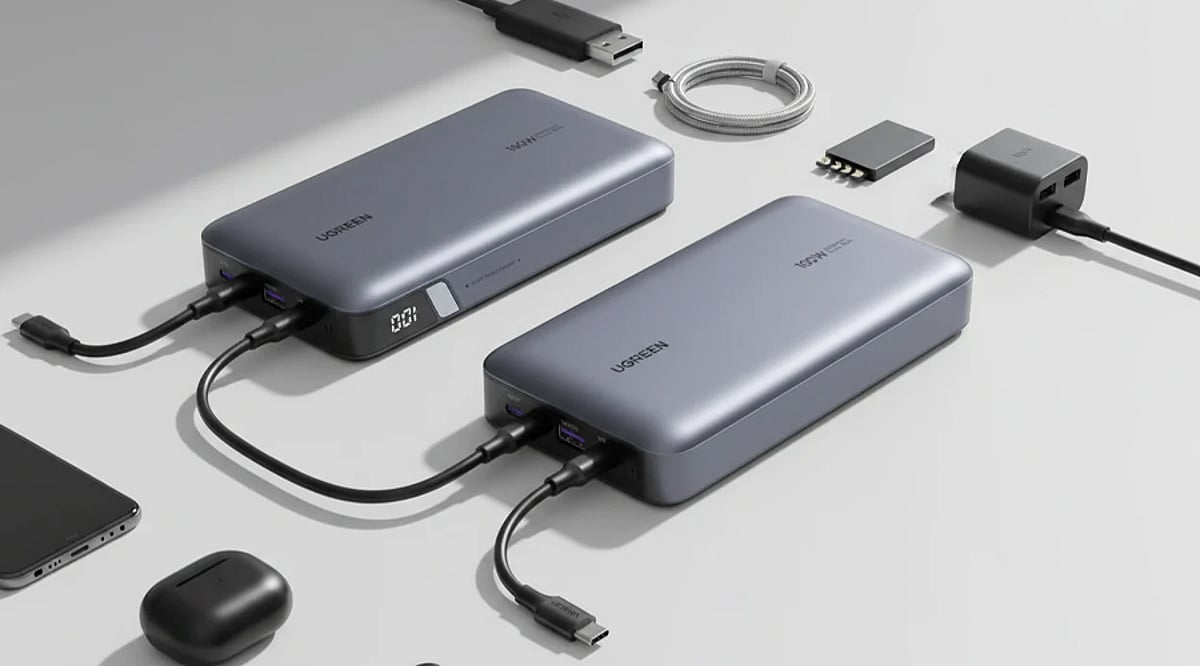
    Power banks have become everyday essentials as smartphones, tablets, and wearables demand more battery life. A fast-charging power bank reduces charging time while keeping your devices powered during travel, work, or emergencies. In 2026, affordable models offer USB-C Power Delivery, higher wattage, and reliable safety features without stretching your budget.

    Xiaomi 4i 20000mAh 33W – Best Overall

    The Xiaomi 4i stands out as the best budget choice thanks to its 20,000mAh capacity and 33W fast charging. It supports USB-C Power Delivery for Android phones, iPhones, and tablets. The sturdy metal body, multiple safety protections, and ability to recharge devices several times make it an excellent value-for-money option.

    URBN and Ambrane Deliver Great Value

    The URBN 20,000mAh 35W Turbo Power Bank offers one of the fastest charging speeds in its price range. Meanwhile, the Ambrane MiniCharge 20 provides dependable 22.5W charging, a compact design, and multiple output ports. Both models are ideal for users seeking reliable performance at an affordable price.

    boAt and Xiaomi Pocket Pro for Everyday Use

    The boAt EnergyShroom PB401 combines a large 20,000mAh battery with 22.5W fast charging, making it suitable for daily commuters. Those who prioritize portability should consider the Xiaomi Pocket Power Bank Pro, which delivers 33W charging in a compact 10,000mAh design that easily fits into pockets or bags.

    Features That Matter Most

    When buying a budget power bank, prioritize USB-C input and output, Power Delivery support, and fast charging of at least 22.5W. Choose trusted brands that include overcharge, overheating, and short-circuit protection. Multiple charging ports and LED battery indicators also improve convenience for everyday users.

    Which Capacity Should You Choose?

    A 10,000mAh power bank is lightweight and ideal for one or two phone charges, making it perfect for daily commuting. A 20,000mAh model offers multiple recharges for smartphones and can also power tablets or accessories, making it better suited for travel, remote work, and extended outdoor use.

    Final Verdict

    Budget power banks in 2026 deliver impressive fast-charging performance without premium pricing. The Xiaomi 4i remains the best overall choice, while URBN excels in charging speed and Ambrane offers dependable everyday value. Select a model based on your charging needs, portability preferences, and the number of devices you carry.

  • Indian Stock Market Update: Nifty 50 Holds Above 24,000, Sensex Targets 77,800 as Global Volatility Persists

    Indian Stock Market Update: Nifty 50 Holds Above 24,000, Sensex Targets 77,800 as Global Volatility Persists

    The Indian stock markets are expected to open lower amid weak global cues, as the ongoing US-Iran conflict continues to weigh on risk sentiment. GIFT Nifty also indicates a gap-down start, trading at 24,056 with a discount of 187 points from its previous Nifty futures close.

    On Monday, the Sensex gained 47.01 points or 0.06% to settle at 77,616.40, while the Nifty 50 rose 4.10 points or 0.02% to finish at 24,211. The broader markets, Nifty Midcap 100 and Nifty Smallcap 100, ended on a flat note. The Indian rupee opened 32 paise lower at Rs. 95.94 per dollar on Tuesday against Monday’s close of Rs. 95.62.

    Sensex Outlook

    Technically, the Sensex formed a bullish candle on the daily chart and recovered its morning losses.

    “The 77,000 would act as a key support zone for short-term traders. As long as the market trades above this level, the uptrend wave is likely to continue. On the higher side, 77,800 would act as an immediate resistance for day traders. If the market successfully breaks that level, the rally could continue till 78,000-78,500. On the flip side, below 77,000, the uptrend would become vulnerable. Below this level, traders may prefer to exit their long positions,” said Shrikant Chouhan, Head of Equity Research at Kotak Securities.

    Nifty 50 Outlook

    Nifty 50 formed a small bullish candle on the daily chart, reflecting continued buying interest at lower levels.

    With weekly expiry today, traders should be prepared for heightened volatility and sharp intraday swings as derivatives positions are adjusted throughout the session. Right now, 24,000 is the ultimate floor. Slipping below this point will likely trigger a deeper slide and ruin the near-term chart setup. On the flip side, any bounce faces a heavy ceiling in the 24,200 to 24,300 zone. Because global headlines are running the show, upcoming expiry-day hedging could easily whip up extra wild price swings. Traders should avoid aggressive positions at the open and focus on disciplined, level-based execution. Expect volatility to remain elevated throughout the day, especially around key support and resistance levels.

    Bank Nifty Outlook

    On Monday, Bank Nifty rose 5.55 points or 0.15% to close at 58,131.45, forming a bullish candle on the daily chart, indicating buying interest at lower levels.

    It has been consolidating within the 56,500-58,500 range over the last four weeks, indicating a healthy pause after the previous up move. On the upside, 58,700 remains the immediate hurdle, said Bajaj Broking Research. “Failure to move above 58,700 will signal extension of last 4 weeks consolidation. On the downside, 57,400-57,500 is expected to act as the immediate support, coinciding with Thursday’s gap-up zone and Monday’s low. The major support is placed at 56,500, where the 20-week and 50-week EMAs converge along with the previous week’s low, making it a strong demand zone,” the brokerage added.

    Disclaimer: Analytics Insight does not provide financial advice or guidance on cryptocurrencies and stocks. This article is provided for informational purposes and does not constitute investment advice. You are responsible for conducting your own research (DYOR) before making any investments.

  • MCX Gold Rises 0.54% to ₹1,41,066 as Brent Crude Gains and US Inflation Data Awaited

    MCX Gold Rises 0.54% to ₹1,41,066 as Brent Crude Gains and US Inflation Data Awaited

    Gold traded higher on MCX on July 14, following gains in global bullion prices as investors bought at lower levels. August gold futures rose 0.54% to ₹1,41,066. September silver futures advanced 0.64% to ₹2,19,109. Meanwhile, Brent crude futures rose 1.69% to $84.71 per barrel, and US West Texas Intermediate (WTI) advanced 1.92% to $79.64 per barrel.

    According to the CME FedWatch Tool, traders now expect a 76% chance of a September rate hike by the Fed, up from 57% last week.

    Domestic Gold Prices
    24K gold fell by ₹11 to ₹1,42,800 per 10 grams, while 22K gold declined by ₹10 to ₹1,30,900. By city, Mumbai and Kolkata mirrored prices at ₹1,42,800, Delhi at ₹1,42,950, and Chennai at ₹1,43,460.

    US Gold Prices
    US gold rose on Tuesday after hitting a two-week low earlier in the session, as markets awaited key US inflation data amid escalating US-Iran tensions driving oil prices higher. Spot gold was up 0.3% at $4,013.93 per ounce. US gold futures for August delivery gained 0.4% at $4,020.80. Spot silver inched 0.1% lower to $57.60 per ounce, having earlier touched a two-week low. Platinum fell 0.5% to $1,597.52, and palladium rose 0.6% to $1,254.82.

    Key Levels to Watch
    “You have a situation where the markets probably don’t want to commit. They have a big batch of event risks in front of them. There’s, of course, the Warsh testimony and then the CPI print, so there’s a lot for people to look at in addition to the headlines out of the Middle East,” said Ilya Spivak, head of global macro at Tastylive.

    Internationally, gold price has support at $3,955–$3,910 and resistance at $4,040–$4,085 per troy ounce. Silver has support at $56–$54.40 and resistance at $59.10–$60.60 per troy ounce.

    On MCX, gold price may find support at ₹1,39,100–₹1,37,700 and resistance at ₹1,41,400–₹1,42,200. MCX silver has support at ₹2,16,000–₹2,12,400 and resistance at ₹2,20,000–₹2,22,500.

  • Tech News Roundup: China’s 3D AI Chip, ONGC Recruitment, Binance Anniversary, and More

    Tech News Roundup: China’s 3D AI Chip, ONGC Recruitment, Binance Anniversary, and More

    Today’s Top Tech Stories

    Welcome to your quick tech briefing. Here are the most important updates from the worlds of AI, startups, careers, developer tools, and cryptocurrency.

    Chinese Startup Unveils 3D AI Chip Roadmap

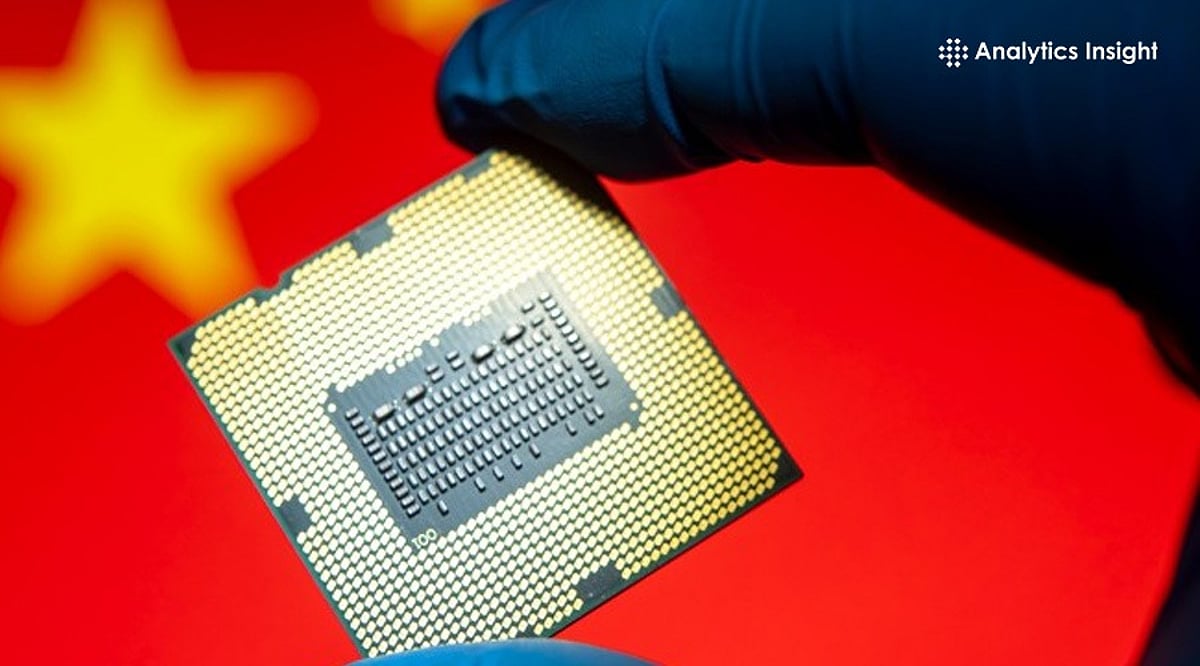
    Dongfang Suanxin, a Chinese startup, has announced a new 3D AI chip roadmap designed to challenge Nvidia. By leveraging software-driven design and 3D memory stacking, the company aims to reduce reliance on advanced chipmaking tools that are restricted by US export controls.

    Ex-Netflix Founders Raise €7.2M for Payment Startup

    Amsterdam-based Nopan has secured €7.2 million to enhance the reliability of bank and wallet payments across Europe. Founded by two former Netflix payment experts, the startup helps merchants improve payment success rates and plans to expand its technology and European market presence.

    ONGC Graduate Trainee Recruitment 2026

    ONGC has released notification for Graduate Trainee Recruitment 2026, inviting applications from engineering and geoscience candidates. Online applications open July 17. Selection will be based on GATE 2026 scores, qualifications, and interviews. Details on salary and eligibility are available.

    Essential Git and Linux Skills for AI Learners

    A new guide highlights the importance of Git, Linux, Python, Conda, Docker, Jupyter, CUDA, and SSH for AI and data science professionals. Mastering these commands can help manage code, files, projects, and systems more efficiently, reduce errors, and improve collaboration.

    Binance Celebrates Ninth Anniversary with Strong Growth

    Binance marked its ninth anniversary, reporting that nearly half of all crypto holders use the exchange. The company announced a record $156 trillion in all-time trading volume and outlined its long-term vision to expand beyond crypto into broader financial services.

    Stay tuned for more updates on these stories throughout the day.

  • Bitcoin Holds Near $62,700 as Hormuz Tensions Lift Oil Prices, Zcash Prepares for Ironwood Upgrade

    Bitcoin Holds Near $62,700 as Hormuz Tensions Lift Oil Prices, Zcash Prepares for Ironwood Upgrade

    Bitcoin is trading in a tight band this week as geopolitical headlines take center stage. Oil prices surged after Washington signaled a renewed blockade on Iranian shipping through the Strait of Hormuz. Traders are staying cautious ahead of today’s inflation data.

    Most major tokens slipped modestly through the session, though the moves stayed shallow. Bitcoin held its footing near $62,700, and stablecoins barely budged. Attention now shifts to the CPI print and Fed Chair Kevin Warsh’s testimony for the next directional cue.

    Bitcoin Price Today

    Bitcoin trades near $62,736.94, down 0.04% over the past 24 hours. The figure reflects CoinMarketCap data tracked through today’s session. Price action remains sensitive to oil headlines and positioning ahead of today’s CPI release.

    Mudrex: Long-Term Holders Keep Accumulating

    Giving the market view, Akshat Siddhant, Lead Quant Analyst at Mudrex, said, “Bitcoin is consolidating around the $62,500 zone as renewed US-Iran tensions and concerns over the Strait of Hormuz pushed oil prices higher and revived inflation fears.” He further mentioned that “markets are now focused on today’s US CPI report and Fed Chair Kevin Warsh’s testimony, both of which could shape expectations for interest rates. However, on-chain data shows long-term holders accumulating 5,912 BTC in just two days, signalling continued conviction. Bitcoin needs to reclaim $64,000 to strengthen momentum, while $60,000 remains the key support level.”

    ETF Flows Still Inconsistent

    Vikram Subburaj, CEO of Giottus, placed Bitcoin near $62,450, down about 1.6% on the day as investors turned cautious ahead of inflation data. He noted a $239 million net ETF outflow on July 13, following modest inflows the week before. Immediate support sits near $62,000, with resistance between $63,500 and $65,000. He advised staggered entries and limited leverage until the Fed outlook clears.

    Risk-Off Setup Persists

    Riya Sehgal, Research Analyst at Delta Exchange, shared the market view, noting that global markets have shifted into an inflation-led risk-off phase after oil prices jumped amid renewed tensions in the Strait of Hormuz. Rising yields and dollar strength have pressured both gold and crypto. Bitcoin remains range-bound between $61,200 and $64,000, with a break above $64,000 opening a path toward $65,600. Ethereum continues showing relative strength, with $1,850 as its next resistance test.

    Stablecoin Supply Dips

    According to the CoinSwitch Markets Desk, “BTC slipped below $62,000 as renewed US-Iran tensions weighed on sentiment, though it closed last week above its 200-week moving average. Stablecoin supply has declined slightly, suggesting some capital rotated back into fiat. The desk views this as a temporary correction rather than a structural liquidity problem, with this week’s CPI data as the next key trigger.”

    Institutional Confidence Holds Firm

    Meanwhile, Nischal Shetty, founder of WazirX, also said that Bitcoin briefly slipped below $62,500 as rising tensions in the Middle East pushed oil higher and triggered broader risk-off flows. Despite the dip, spot Bitcoin and Ether ETFs both logged net inflows last week, ending multi-week outflow streaks. He added that XRP traders should watch the $1.03 to $1.05 support zone, while Solana’s $73 to $75 range could draw early recovery attempts.

    Crypto Prices Today: Top 10 Coins at a Glance

    Here is a look at the top crypto prices today, based on CoinMarketCap data as of July 14.

    Biggest Decliners: HYPE, TRX, SOL

    Hyperliquid led today’s losses, down 2.69% after a strong run over recent weeks. TRON followed with a 1.73% dip, while Solana slipped 1.39% amid broader profit-taking.

    Steadiest Performers: USDC, USDT, DOGE

    USDC stayed flat, holding tight to its dollar peg through the session. Tether edged up slightly, while Dogecoin held close to unchanged, down just 0.17%.

    Crypto News Today Driving Market Sentiment

    Bitcoin and Ether ETFs End Eight-Week Outflow Streak

    US spot Bitcoin ETFs pulled in $197.4 million in net inflows last week, snapping an eight-week run of redemptions. BlackRock’s IBIT led the recovery with $291.9 million in fresh capital. Spot Ether ETFs added $84.42 million over the same period, also ending eight straight weeks of outflows. Analysts note it is still early to call this a durable trend given seasonal patterns ahead.

    Oil Surges as Iran-US Tensions Reignite Over Hormuz

    Oil prices jumped sharply after Washington signaled a renewed blockade on Iranian shipping through the Strait of Hormuz. The waterway carries close to a fifth of the global oil supply. The spike revived inflation worries just as markets await today’s CPI print. Equity futures weakened, and the dollar firmed, adding pressure on risk assets heading into the session.

    Clarity Act Remains Stalled as August Deadline Approaches

    The Digital Asset Market Clarity Act remains parked on the Senate calendar with no floor vote scheduled. Disputes over ethics provisions and stablecoin yield continue blocking the votes needed for passage. The Senate returned from recess on July 13, leaving roughly three working weeks before the August break. A miss this summer would likely push the bill into the tougher midterm-election calendar.

    Zcash Stays in Focus Ahead of Ironwood Upgrade

    Zcash has drawn steady attention as traders position ahead of the July 28 Ironwood network upgrade. The update targets a shielded-pool vulnerability flagged earlier this year. Rising open interest and improving sentiment have supported the token in recent sessions. Traders are watching whether it can hold above key support while the broader market stays choppy.

    Investor and Market Outlook

    Bitcoin holds near $62,700 as traders weigh oil-driven risk aversion against improving ETF demand. A close above $64,000 would strengthen the case for a retest of $65,500, while a slip under $61,600 risks exposing $60,000. Ethereum trades near $1,787, with $1,850 acting as the next resistance test. Most major tokens stayed within a narrow range today, reflecting a cautious rather than a fearful mood.

    Today’s CPI report and Fed Chair Kevin Warsh’s testimony are the key catalysts ahead. A softer inflation print would likely support risk assets, while a hot reading could revive rate-hike bets and pressure crypto further. The Clarity Act’s stalled path in the Senate keeps a layer of regulatory uncertainty over the medium-term outlook.

    FAQs

    What is the Bitcoin price today?

    Bitcoin trades near $62,736.94, down 0.04% over the past 24 hours. The $62,000 zone remains key support for traders, with $64,000 acting as the next resistance level to watch through the CPI-driven session.

    Why did oil prices spike today?

    Oil jumped after Washington signaled a renewed blockade on Iranian shipping through the Strait of Hormuz. The move revived inflation concerns ahead of today’s CPI data, adding pressure across equities, crypto, and broader risk assets.

    What is happening with the Clarity Act?

    The Clarity Act remains stuck in the Senate with no floor vote scheduled yet. Disputes over ethics rules and stablecoin provisions continue blocking the votes needed before the August recess begins, leaving passage uncertain this year.

    Why is Zcash drawing attention right now?

    Traders are positioning ahead of Zcash’s July 28 Ironwood upgrade, which addresses a shielded-pool vulnerability flagged earlier this year. Rising open interest and improving sentiment have kept the token active through recent sessions.

    What should investors watch this week?

    Investors should track today’s CPI report, Fed Chair Kevin Warsh’s testimony, ETF flow trends, and any fresh developments around the Strait of Hormuz, since all four are likely to steer near-term crypto price action.

  • Understanding Ambient Intelligence: How It Works and Why It Matters

    Understanding Ambient Intelligence: How It Works and Why It Matters

    What Is Ambient Intelligence?

    Ambient Intelligence (AmI) refers to environments embedded with artificial intelligence, sensors, connected devices, and automation that can understand people’s needs and respond proactively. Instead of requiring constant manual input, these systems quietly adapt lighting, temperature, security, entertainment, and digital services, creating seamless, personalized experiences in homes, offices, hospitals, and public spaces.

    The Technologies Behind Ambient Intelligence

    Ambient Intelligence combines AI, the Internet of Things (IoT), edge computing, cloud services, computer vision, and voice recognition. Smart sensors continuously collect environmental data, while AI analyzes patterns to make real-time decisions. Together, these technologies allow devices to communicate with one another, automate routine tasks, and provide intelligent assistance with minimal human intervention.

    How Smart Homes Use Ambient Intelligence

    Modern smart homes showcase Ambient Intelligence through connected lighting, climate control, appliances, and security systems. AI can learn daily routines, automatically adjust room temperatures, optimize energy consumption, recognize household members, and even detect unusual activity. The goal is to improve comfort, convenience, safety, and efficiency without requiring users to constantly manage individual devices.

    Ambient Intelligence in Healthcare

    Healthcare is rapidly adopting Ambient Intelligence to improve patient care and operational efficiency. AI-powered monitoring systems can track vital signs, detect falls, remind patients to take medications, and alert caregivers during emergencies. Hospitals also use intelligent environments to optimize workflows, reduce response times, and support healthcare professionals with real-time insights and predictive analytics.

    Transforming Workplaces and Cities

    Businesses and smart cities are integrating Ambient Intelligence to enhance productivity and sustainability. Intelligent offices automatically manage lighting, meeting rooms, and air quality based on occupancy. In urban environments, AI-powered traffic systems, connected infrastructure, and smart public services help reduce congestion, improve energy efficiency, and deliver more responsive experiences for residents and visitors alike.

    Privacy and Security Challenges

    As Ambient Intelligence relies heavily on continuous data collection, privacy and cybersecurity remain major concerns. Organizations must protect sensitive personal information, secure connected devices from cyberattacks, and ensure transparent data practices. Responsible AI development, strong encryption, user consent, and regulatory compliance will be essential for building public trust in intelligent environments.

    The Future of Ambient Intelligence

    With advances in generative AI, edge AI, and increasingly capable sensors, Ambient Intelligence is expected to become even more intuitive over the coming years. Future systems will better anticipate user needs, reduce energy consumption, support aging populations, and create highly personalized experiences, making intelligent environments an increasingly important part of everyday life.

  • Foreign Investors Pour $2.6 Billion into Indian Stocks: What’s Driving the July 2026 Rally?

    Foreign Investors Pour $2.6 Billion into Indian Stocks: What’s Driving the July 2026 Rally?

    After months of sustained selling, foreign investors have made a strong comeback to the Indian stock market in July 2026. This reversal has injected fresh optimism and lifted overall market sentiment. During the first ten days of July, Foreign Portfolio Investors (FPIs) invested approximately Rs. 24,662 crore ($2.6 billion) into Indian equities, marking one of the most aggressive buying phases in recent months.

    Market experts believe this is not a fleeting trend but the result of several converging factors. Attractive valuations, supportive government policies, a stable macroeconomic environment, and expectations of robust corporate earnings have collectively restored confidence in Indian assets.

    Key Drivers Behind the FII Inflow

    • Better Valuations: The earlier market correction made quality large-cap stocks more affordable, especially in banking and financial services.
    • Policy Support: Tax reforms and liquidity measures by the government and the Reserve Bank of India have improved the investment climate for foreign capital.
    • Stable Rupee: The Indian rupee has remained relatively stable compared to other emerging market currencies, reducing currency risk for foreign investors.
    • Earnings Optimism: Anticipation of strong Q1 FY2027 corporate results is driving interest in sectors with steady growth.

    Banking Sector Leads the Charge

    The banking and financial services sector has been the primary beneficiary of the renewed FII buying. Large private banks and non-banking financial companies (NBFCs) have seen substantial inflows, supported by healthy credit demand and stable asset quality. Stocks in this segment have outperformed the broader market during recent trading sessions.

    What to Watch in the Rest of July

    If the current trend persists, banking and financial stocks could continue to lead gains. The Nifty 50 may test higher resistance levels as investor confidence improves. However, global factors such as interest rate expectations, crude oil price movements, and geopolitical developments remain key risks. The upcoming Q1 earnings season will be crucial; strong results could sustain the rally, while disappointments may trigger short-term corrections.

    Other sectors that could benefit from the FII flows include capital goods, infrastructure, select IT companies, and consumer-focused businesses with strong earnings visibility.

    Conclusion

    The return of foreign investors marks a significant shift in sentiment after months of outflows. While global uncertainties persist, the combination of domestic policy support, stable economic fundamentals, and improving earnings outlook has created a favorable environment for Indian equities. The trajectory for the remainder of July will depend on earnings reports, global events, and the pace of foreign investment. If the current momentum holds, the Indian stock market is poised for a sustained rally with support from both domestic and foreign players.

  • Iconic Gadgets That Shaped Their Era: From CRT TVs to Floppy Disks

    Iconic Gadgets That Shaped Their Era: From CRT TVs to Floppy Disks

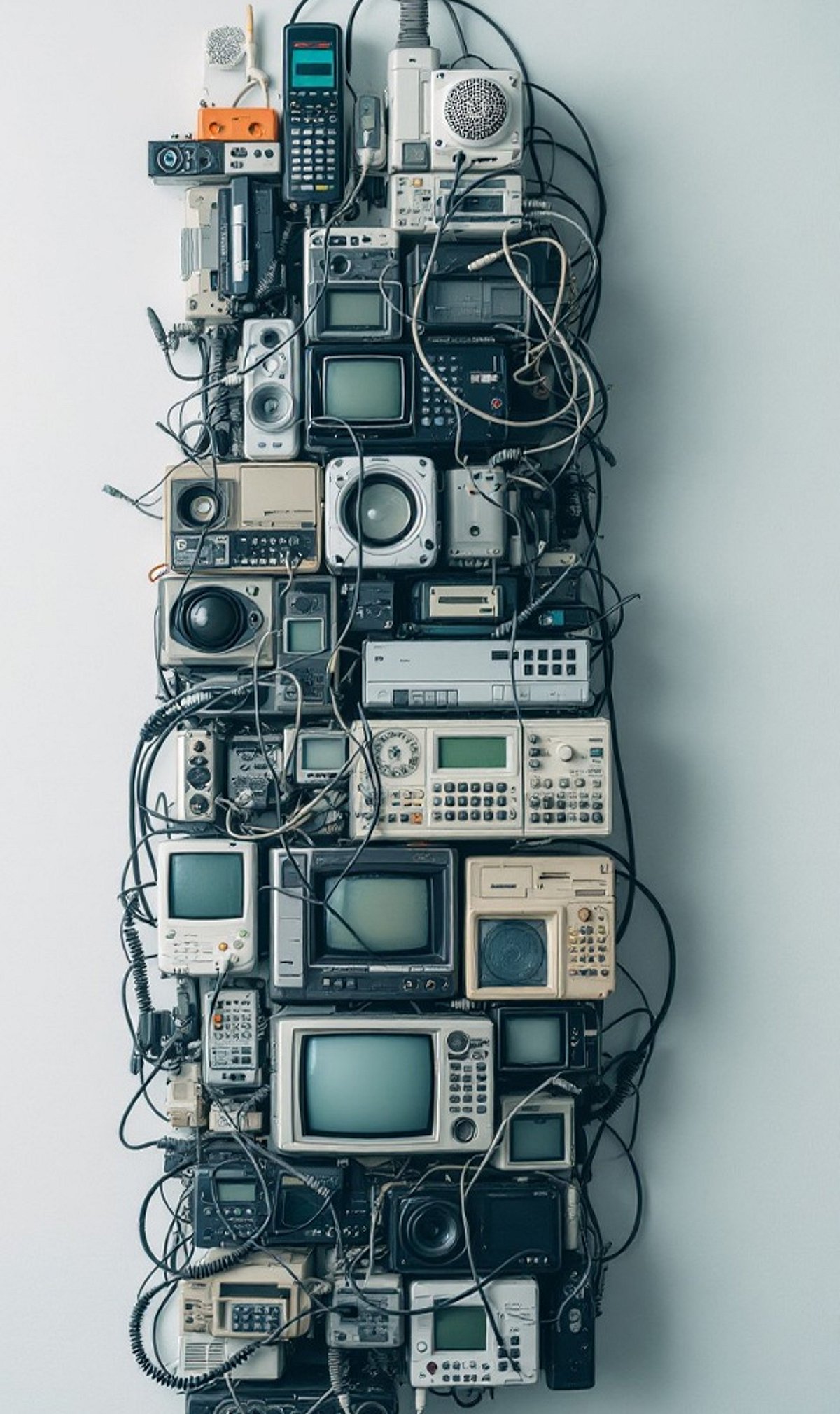
    Before the age of flat screens, streaming, and smartphones, a generation of pioneering electronics defined how people entertained themselves, communicated, and worked. These devices may seem primitive today, but each played a pivotal role in shaping modern technology. Here’s a look at the old-school electronics that defined an era.

    CRT Television

    With their bulky cathode-ray tubes, CRT televisions were the heart of family entertainment for decades. They brought news, shows, and movies into living rooms worldwide, serving as a communal hub until slim flat-screen displays revolutionized home viewing.

    Cassette Player

    The cassette player made portable music affordable and accessible. Users could record mixtapes, replay favorite songs, and share music with friends—a precursor to today’s streaming services.

    Walkman

    Sony’s Walkman transformed personal listening. Its compact size allowed people to enjoy private music during commutes, workouts, and travel, fundamentally changing how we consume audio on the go.

    VHS Player

    VHS players brought the cinema experience home. They enabled movie rentals, TV show recordings, and family video preservation, becoming a staple in millions of households around the globe.

    Pager

    Before mobile phones dominated, pagers provided instant text and numeric alerts. They were essential for professionals in healthcare, business, and emergency services, keeping people connected in real-time.

    Rotary Telephone

    With its distinctive circular dial, the rotary telephone was the standard for household communication for generations. It connected families and businesses before touch-tone landlines and smartphones took over.

    Floppy Disk

    The floppy disk was the primary portable storage medium for computer files and software. Despite limited capacity by today’s standards, it was indispensable for data transfer and backup in the early computing era.

    Dot Matrix Printer

    Using impact technology to print characters, dot matrix printers were workhorses for invoices, reports, and continuous stationery. They remained popular in business environments for decades due to their durability and multi-part printing.

    Portable Radio

    Portable radios kept people connected to live news, music, and sports wherever they went. Before digital streaming, these battery-powered devices were everyday companions for news updates and entertainment.

    These gadgets may be obsolete, but their influence lingers in the devices we use today. They laid the groundwork for the connected, on-demand world we now take for granted.

  • Essential Zero Trust Security Practices Every Business Leader Should Implement

    Essential Zero Trust Security Practices Every Business Leader Should Implement

    In today’s evolving threat landscape, traditional perimeter-based security models are no longer sufficient. Business leaders must adopt a zero trust security approach that assumes no user, device, or network is inherently trustworthy. Below are the core practices that every organization should implement to strengthen their defenses.

    Verify Every User Continuously

    Authenticate every employee, contractor, and device on a continuous basis, rather than relying solely on network location or past authentication. This ensures that trust is never assumed and access is always verified.

    Enable Multi-Factor Authentication

    Strengthen login security by requiring additional identity verification factors. Multi-factor authentication dramatically reduces the risk of unauthorized access from stolen passwords or compromised credentials.

    Apply Least Privilege Access

    Grant employees only the permissions they need to perform their jobs. Limiting access to sensitive systems minimizes exposure and reduces the potential for insider or external cyberattacks.

    Segment Networks

    Divide your business infrastructure into isolated zones. Network segmentation prevents attackers from moving laterally after gaining access to a single system, containing breaches and limiting damage.

    Monitor User Activity

    Continuously analyze user behavior to detect suspicious actions, unusual login patterns, and potential security breaches early. Proactive monitoring helps stop attacks before significant harm occurs.

    Secure Endpoints

    Protect laptops, smartphones, servers, and all connected devices with endpoint detection, antivirus solutions, and regular software updates. Endpoint security is a critical layer in a zero trust architecture.

    Encrypt Sensitive Data

    Safeguard confidential information both at rest and in transit. Encryption ensures that even if data is intercepted, it remains unreadable without the proper decryption credentials.

    Automate Threat Detection

    Deploy AI-powered monitoring tools to identify vulnerabilities, suspicious activities, and emerging cyber threats faster than manual processes. Automation accelerates response times and reduces human error.

    Regularly Review Access Rights

    Audit employee permissions frequently, removing outdated accounts and unnecessary privileges. Regular reviews maintain strong cybersecurity hygiene and prevent privilege creep.

    By embedding these zero trust practices into your security strategy, you can better protect your organization from modern cyber threats and build a resilient defense posture.

  • Decoding Common Symbols on Home Appliances: A Handy Guide

    Decoding Common Symbols on Home Appliances: A Handy Guide

    Home appliances come with a variety of symbols that can be confusing. Understanding these icons helps you use your devices more effectively and safely. Here is a breakdown of the most common symbols found on modern home electronics.

    Power Symbol

    The universal standby icon, typically a circle with a vertical line, indicates turning an appliance on or off. It is recognized across all modern electronic devices worldwide.

    Snowflake Symbol

    This symbol represents cooling or freezing functions. It is commonly found on refrigerators, air conditioners, and freezers for temperature control operations.

    Water Droplet Symbol

    Depending on the appliance, the water droplet can indicate wash, rinse, humidity, or water-related functions. It is often seen on washing machines, dishwashers, and humidifiers.

    Fan Symbol

    The fan icon shows airflow or ventilation settings. You will find it on air conditioners, ovens, microwaves, and air purifiers for better performance and circulation.

    Lock Symbol

    This symbol indicates a child lock or safety lock activation. It prevents accidental operation and protects children from potentially hazardous appliance functions.

    Clock Symbol

    Representing timer settings, delayed starts, scheduled operations, or countdown features, this symbol is common on washing machines, ovens, and microwaves.

    Eco Mode Symbol

    Eco mode activates energy-saving operation, reducing electricity and water consumption while maintaining efficient appliance performance during everyday use.

    Steam Symbol

    This symbol signifies steam cleaning, sanitizing, wrinkle reduction, or moisture-assisted cooking depending on the appliance and selected operating mode.

    Warning Triangle

    The warning triangle alerts users to faults, overheating, maintenance requirements, or operational issues requiring immediate attention for safe appliance performance.

    Understanding these symbols can help you get the most out of your home appliances and ensure they operate safely and efficiently.