Author: vitorcherulli

  • Data Engineer vs. Software Engineer 2026: Choose Your Ideal Tech Career Path

    Data Engineer vs. Software Engineer 2026: Choose Your Ideal Tech Career Path

    Artificial intelligence, cloud computing, and big data have reshaped the tech landscape, creating strong demand for skilled engineers across industries. Two of the most appealing career directions are Data Engineer and Software Engineer. While they share some similarities, the roles differ significantly: data engineers focus on making data easily accessible and ensuring smooth data flow, while software engineers concentrate on building products, applications, and the systems that support them. Understanding the differences can help you map out your future career path.

    What Sets Data Engineers and Software Engineers Apart?

    At first glance, both positions involve coding, cloud technologies, and collaboration with technical teams. However, their core responsibilities diverge:

    • Data Engineer: Builds systems that collect, store, process, and deliver data. Key tasks include developing data pipelines, optimizing databases, and ensuring data quality for business intelligence and machine learning.
    • Software Engineer: Develops software products that solve real-world problems—whether for banking, e-commerce, or enterprise solutions. The output is a usable product that people interact with.

    In short, data engineers build the infrastructure for data, while software engineers create the products that use data.

    Side-by-Side Comparison

    Aspect Data Engineer Software Engineer
    Primary focus Data infrastructure, pipelines, and quality Product development, applications, and systems
    Key technologies SQL, Python, ETL, Apache Spark, cloud services, data warehousing Algorithms, system design, frameworks, APIs, version control, cloud deployment
    Typical deliverables Data pipelines, databases, analytics platforms Web apps, mobile apps, enterprise software
    Industry demand High in analytics, cloud, AI-driven firms High across all sectors (fintech, healthcare, games, e-commerce)
    Salary outlook Competitive, often slightly higher in AI-focused companies Strong, with many specialization opportunities

    Technical Skills for Success

    Both roles require programming and problem-solving abilities, but the technical skill sets differ:

    Data Engineer

    • SQL, Python, data modeling, ETL processes
    • Distributed computing (Apache Spark)
    • Cloud platforms (AWS, Azure, GCP)
    • Data warehousing and real-time data processing

    Software Engineer

    • Programming languages (Java, Python, JavaScript)
    • Algorithms, system design, software architecture
    • Front-end and back-end frameworks
    • APIs, version control, CI/CD, DevOps
    • AI-driven development skills (increasingly valuable)

    Career Opportunities and Salary Outlook

    Both careers rank among the best-paid tech jobs. Data engineer demand is rising as companies invest in analytics and cloud systems, needing clean, scalable data. Software engineering remains one of the most versatile tech careers, with roles in fintech, healthcare, gaming, e-commerce, and more. Specialization is common and often leads to higher pay.

    Which Career Matches Your Interests?

    The right choice depends on the type of work you find most rewarding. If you enjoy working with databases, cloud computing, and data management tools, data engineering is a strong fit. If you are passionate about creating applications and solving software problems, software engineering may suit you better.

    Final Verdict

    Both specializations promise good salaries, abundant job opportunities, and exposure to modern technologies. The two paths are increasingly converging due to the importance of AI and cloud technologies. Learning to code, understanding cloud fundamentals, and following AI trends will benefit you regardless of your chosen career in 2026.

    FAQs

    1. Which career pays more: Data Engineer or Software Engineer? Both offer competitive salaries; experienced data engineers often earn slightly more in AI-driven and cloud-focused companies.
    2. Is Data Engineering harder than Software Engineering? Neither is harder; each requires different technical skills and domain expertise.
    3. Can a Software Engineer become a Data Engineer? Yes. Learning SQL, databases, cloud platforms, ETL tools, and big data technologies enables a smooth transition.
    4. Which career has better future prospects in 2026? Both have excellent prospects, fueled by AI, cloud computing, digital transformation, and enterprise software innovation.
    5. Which career is better for beginners? Software Engineering offers broader entry-level opportunities; Data Engineering suits those passionate about databases, analytics, and cloud infrastructure.
  • Top Dividend Stocks: High-Yielding Indian Equities for Income Investors

    Top Dividend Stocks: High-Yielding Indian Equities for Income Investors

    Investors seeking consistent income often turn to stocks with high dividend yields. The Indian market offers several companies that have a track record of generous payouts, supported by strong cash flows and stable operations. Below is a curated list of top dividend-yielding stocks from India that provide attractive returns for long-term income-focused shareholders.

    Coal India

    Coal India consistently delivers high dividend payouts backed by robust cash flows, making it a preferred income stock for long-term investors.

    Indian Oil Corporation

    Indian Oil Corporation offers attractive dividend yields supported by healthy earnings and government ownership, despite fluctuations in global energy markets.

    Oil and Natural Gas Corporation (ONGC)

    ONGC generates robust cash flows from its energy operations, enabling regular dividends and appealing returns for income-focused shareholders.

    REC Limited

    REC Limited pays strong dividends backed by stable lending operations, infrastructure financing growth, and healthy profitability across India’s expanding power sector.

    Power Finance Corporation (PFC)

    PFC rewards shareholders with generous dividends supported by strong loan growth, government backing, and steady infrastructure financing demand nationwide.

    NMDC Limited

    NMDC, a mining giant, is known for healthy profits and regular dividend distributions, benefiting investors seeking consistent income alongside long-term capital appreciation.

    Hindustan Zinc

    Hindustan Zinc’s strong cash reserves and profitable operations allow generous dividend payouts, making it among India’s highest-yielding listed companies.

    Bharat Petroleum Corporation (BPCL)

    BPCL delivers attractive dividend yields through stable refining operations, marketing business growth, and consistent shareholder return policies.

    SJVN Limited

    SJVN, a hydropower company, offers reliable dividend payouts supported by government ownership, expanding renewable projects, and predictable long-term revenue generation.

    These stocks combine reliable income with the potential for capital appreciation, making them suitable for investors prioritizing dividends. For more updates, consider joining our WhatsApp channel for the latest news and exclusives.

  • Top NAS Devices for Security Camera Systems: 2026 Guide and Key Features

    Top NAS Devices for Security Camera Systems: 2026 Guide and Key Features

    Network Attached Storage (NAS) has become an essential component for modern security camera systems, enabling centralized storage, remote access, and scalable data management. This guide covers the best NAS devices for surveillance, key features to look for, and how to choose the right system for your needs.

    What is a NAS System?

    NAS stores and retrieves data from a single network location, allowing multiple users to access it simultaneously. For security cameras, NAS records video continuously and makes footage available on demand. Its expandable storage makes it suitable for both small homes and large businesses.

    NAS vs. DVR vs. NVR: Key Differences

    Security camera storage generally falls into three categories: NAS, DVR, and NVR. NAS stands out for its device integration and larger storage expansion capabilities compared to traditional DVR and NVR setups.

    Cloud-Connected NAS and Hybrid Models

    Modern surveillance systems often combine NAS with cloud connectivity. Hybrid NAS offers remote access to live and recorded footage, data redundancy through cloud backup, and reduced risk of hardware failure. This combination supports uninterrupted surveillance and secure long-term storage.

    Key Features to Look For

    • High storage capacity with expansion options
    • Support for multiple camera streams
    • Continuous recording capability
    • RAID support for data protection
    • Remote access and mobile viewing
    • Integration with IP camera systems
    • Encryption and cybersecurity protections

    Best NAS Devices for Security Camera Systems

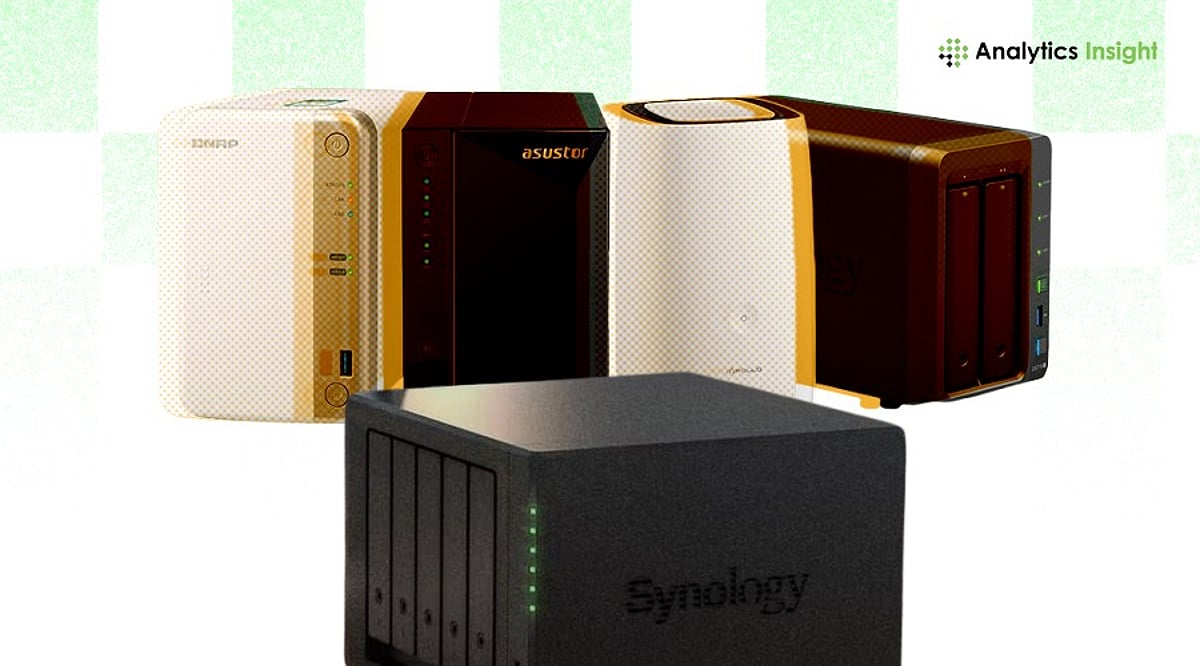
    Synology DiskStation DS923+

    Ideal for small businesses and professionals, the DS923+ supports multiple IP cameras with strong performance for constant recording. It offers expandable storage and solid surveillance software.

    Synology DiskStation DS224+

    A great choice for home security, the DS224+ is easy to use and handles multiple video streams while maintaining energy efficiency and reliable recording.

    QNAP TS-464

    Designed for small-to-medium businesses, the TS-464 features robust processing and network connectivity, supporting HD and 4K camera streams. RAID storage enhances data security.

    Asustor Lockerstor 4 Gen2 (AS6704T)

    This NAS handles multiple cameras simultaneously with dual network ports, providing stability for continuous HD surveillance.

    TerraMaster F4-425

    A value-oriented option for growing companies, the F4-425 offers good performance at an affordable price, with RAID support for data security.

    Benefits of NAS in Security Camera Systems

    NAS centralizes all camera recordings, making footage easily accessible. As surveillance needs grow, NAS allows storage expansion without replacing the entire system.

    Technical Considerations

    Before choosing a NAS, evaluate the number of cameras, resolution, and network bandwidth. Look for RAID redundancy to prevent data loss, energy efficiency, and compatibility with existing surveillance hardware and software.

    Final Thoughts

    NAS technology continues to evolve to meet increasing surveillance demands. Hybrid and cloud-enabled NAS are shaping the future of video storage by merging local performance with remote access capabilities.

    FAQs

    What is the best NAS for security camera systems?

    Top models include Synology DS923+, QNAP TS-464, and Asustor Lockerstor 4 Gen2, offering multi-camera support, RAID, remote access, and hybrid cloud integration.

    How much storage is required for a security camera NAS?

    Storage depends on camera resolution. A single 4K camera can use 300–500 GB per month. Multi-camera systems need several terabytes, so an expandable NAS with RAID is recommended.

    Can NAS replace NVR for CCTV systems?

    Yes, NAS can replace NVR in IP camera setups, offering more flexibility, scalability, and centralized control, along with hybrid cloud backup.

    Is cloud integration necessary with NAS for security cameras?

    Not mandatory, but hybrid NAS with cloud backup improves safety and accessibility, protecting against hardware failure or on-site damage.

    Which NAS features matter most for surveillance?

    Key features include multi-camera support, RAID, high network speed, 24/7 recording, and strong encryption. Remote mobile access and AI-based video management further enhance performance.

  • Top 7 Waterproof Bluetooth Neckbands for Running, Gym, and Outdoor Workouts in 2026

    Top 7 Waterproof Bluetooth Neckbands for Running, Gym, and Outdoor Workouts in 2026

    Runners, cyclists, and gym-goers know the struggle of finding audio gear that can withstand sweat, rain, and constant movement. Waterproof Bluetooth neckbands are purpose-built for these conditions, offering a secure fit, long battery life, and reliable protection against the elements without the bulk of over-ear headphones.

    We’ve rounded up the best waterproof Bluetooth neckbands available right now, comparing their IP ratings, battery life, comfort, and audio quality to help you find the perfect fitness companion.

    Best Waterproof Bluetooth Neckbands

    1. OnePlus Bullets Wireless Z3

    The OnePlus Bullets Wireless Z3 features an IP55 rating, making it resistant to sweat and light rain during intense workouts or outdoor sessions. Its lightweight design and secure fit ensure it stays in place even during running.

    2. Realme Buds Wireless 5 Lite

    With IP55 certification and up to 35 hours of battery life, the Realme Buds Wireless 5 Lite is a solid choice for fitness enthusiasts. Large dynamic drivers deliver energetic sound, while the soft neckband provides all-day comfort. Fast charging adds extra convenience.

    3. boAt Rockerz 255 Max

    An IPX5 rating protects against sweat and light rain, and the battery lasts an impressive 60 hours. Quick charging gives hours of playback from just a few minutes of charging.

    4. Sony WI-C100

    Sony’s WI-C100 focuses on comfort and reliability with an IPX4 water-resistance rating. Up to 25 hours of battery life, high-fidelity tuning via the Sony companion app, and a balanced sound signature make it ideal for walks, travel, and moderate exercise.

    5. CMF Neckband Pro

    The CMF Neckband Pro stands out with its IP55 rating, active noise cancellation, and up to 37 hours of battery life (with ANC off). An ergonomic design ensures comfort during workouts, and fast charging minimizes downtime.

    6. JBL Tune 215BT

    JBL’s Tune 215BT delivers the signature JBL sound in a lightweight neckband. With an IPX4 splash-proof rating, it works well for moderate exercise and travel. Battery life is around 16 hours, and the ergonomic earbuds provide a comfortable fit.

    7. Noise Airwave Max Neckband

    The Noise Airwave Max offers an IPX5 rating and a massive 50-hour battery life. A low-latency mode keeps audio in sync during gaming and video, while dynamic drivers produce a bass-heavy sound. The lightweight frame and magnetic earbuds add convenience for cycling, hiking, and daily commutes.

    Quick Comparison

    The best waterproof neckbands are designed to keep up with your active lifestyle. When choosing, consider your primary activities, required battery life, and water resistance level.

    How to Choose a Waterproof Bluetooth Neckband

    • IP Rating: IPX5 handles sweat and light rain; IP67 offers dust and deeper water protection.
    • Battery Life: Look for 25 hours or more; fast charging is a valuable bonus.
    • Bluetooth Version: Bluetooth 5.3 or later ensures stable connection and better efficiency.
    • Low Latency: Important for gamers and video streamers.
    • Audio Codecs: Better codecs improve music quality.
    • Comfort & Fit: Lightweight design and soft ear tips are essential for long sessions.
    • Value: Compare features against price – don’t assume the most expensive option is best.

    FAQs

    1. Which IP rating is best for a waterproof Bluetooth neckband?

    For most workouts, IPX5 or IP55 offers reliable protection against sweat and rain. Frequent outdoor users should consider IP67-rated neckbands for improved dust resistance and durability.

    2. Are Bluetooth neckbands suitable for running?

    Yes. Neckbands provide a secure fit, stable Bluetooth connectivity, lightweight comfort, and long battery life, making them ideal for running, jogging, and other outdoor fitness activities.

    3. How much battery life should a sports neckband offer?

    A sports neckband should ideally deliver at least 25 to 30 hours of playback. Longer battery life and fast charging reduce interruptions during workouts and travel.

    4. Is fast charging important in Bluetooth neckbands?

    Yes. Fast charging allows you to gain several hours of playback in just minutes, which is convenient before workouts or commutes.

    5. What should buyers prioritize besides waterproofing?

    Also consider comfort, weight, Bluetooth version, microphone quality, audio tuning, codec support, low-latency performance, battery life, and overall price-to-performance.

  • Top Identity and Authentication Platforms for AI Agents and MCP Servers in 2026

    Top Identity and Authentication Platforms for AI Agents and MCP Servers in 2026

    AI tools today do far more than answer questions. They build business apps from natural language prompts, work directly with company data, and complete tasks on behalf of users. As these systems take on more responsibility, they also demand stronger security.

    This is where identity and authentication platforms come in. They make sure the right people and AI agents get access to the right tools and data. They also save developers weeks of work by handling login and access systems that would otherwise need to be built from scratch.

    Every platform brings its own strengths to the table. Some focus on enterprise logins, others help AI agents connect safely with business tools. Here are some of the best platforms our team found worth exploring.

    WorkOS

    Services: Enterprise SSO, Directory Sync, User Management, Multi-Factor Authentication, Audit Logs

    WorkOS is built for companies that need secure login systems. It helps developers add enterprise sign-in, user management, and access control without spending months building these features. The platform also supports directory sync and multi-factor authentication. It is a great choice for businesses creating AI products for enterprise customers.

    Auth0

    Services: Authentication, Authorization, Single Sign-On, Passwordless Login, Identity Management

    Auth0 has been one of the most trusted names in identity management for years. It offers different ways for users to sign in while keeping accounts secure. Developers can quickly add login features without making the process difficult for users. It works well for both small projects and large business applications.

    Composio

    Services: AI Tool Integration, Secure API Connections, Authentication Management, MCP Integration

    Composio is designed for AI agents that need to connect with different software tools. Instead of creating separate login systems for each service, developers can manage everything through a single platform. This makes it easier to connect AI assistants with workplace apps while keeping user accounts protected.

    Arcade

    Services: Secure Authentication, AI Agent Authorization, API Access Control, Developer Tools

    Arcade focuses on helping AI agents access online services safely. It gives developers simple tools to manage permissions and control API access. This helps prevent AI systems from accessing information they should not use. The platform is useful for teams building modern AI applications.

    Microsoft Azure Foundry

    Services: AI Development, Identity Integration, Cloud Security, Model Deployment, Enterprise AI Services

    Microsoft Azure Foundry brings together AI development and Microsoft’s cloud security tools. Developers can build AI applications while using trusted identity services already available in the Microsoft ecosystem. It is a practical option for businesses that already rely on Microsoft products for their daily work.

    TrueFoundry

    Services: AI Deployment, User Access Management, Infrastructure Security, Model Management, Team Collaboration

    TrueFoundry helps teams build, manage, and deploy AI applications. It also provides user management and permission controls, ensuring that only approved users can access projects. The platform works well for companies that run AI systems across different teams and are looking for a simple way to manage access.

    Our Recommendation

    Every platform on this list has something useful to offer, but two stand out for different reasons. WorkOS is an excellent choice for companies building AI software for business customers. Enterprise login, user management, and security features are already available, which saves both time and development effort.

    Auth0 remains one of the safest all-round options. It is easy to set up, supports different login methods, and works well whether you are building a startup product or a large business platform. If you need one platform that covers most identity needs, Auth0 is hard to overlook.

    Why Identity Matters More Than Ever

    AI agents are getting access to more business systems every year. They can read files, connect with company software, and perform tasks automatically. That also means they can reach valuable information if security is not handled properly.

    A good identity platform helps avoid these problems. It checks users, controls permissions, and ensures AI systems use only the information they are allowed to access. As AI becomes a bigger part of everyday work, strong identity management will become just as important as the AI itself.

    Final Thoughts: Better Security Leads to Better AI

    Building a smart AI application is only one part of the process. Keeping it safe is just as important. A good identity platform protects users, reduces security risks, and helps developers build applications people can trust.

    WorkOS, Auth0, Composio, Arcade, Microsoft Azure Foundry, and TrueFoundry all bring something different to the table. Some focus on enterprise customers, while others make AI integrations easier. The best choice depends on the type of application you are building and the people who will use it.

  • Behind Every UPI App: The Sponsor Banks Ensuring Fast and Reliable Payments

    Behind Every UPI App: The Sponsor Banks Ensuring Fast and Reliable Payments

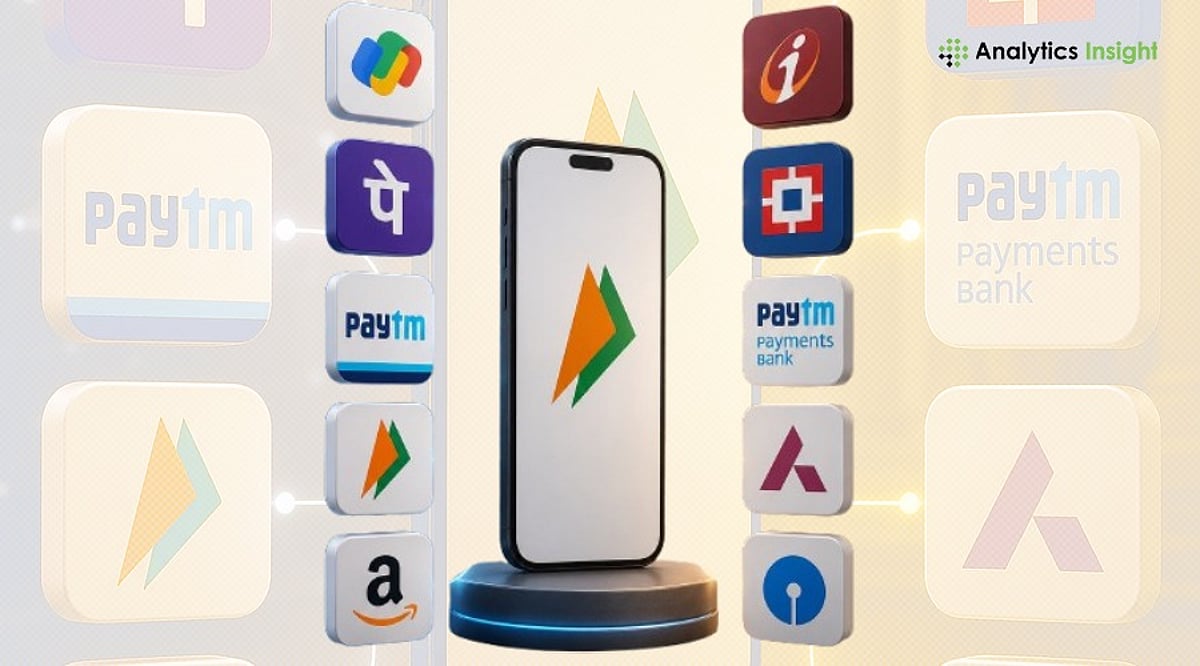
    India’s digital payment revolution runs on a simple interface that millions open daily, yet the banking infrastructure behind it remains largely invisible. Every transaction through apps like PhonePe, Google Pay, and Paytm passes through a sponsor bank before reaching the National Payments Corporation of India (NPCI) settlement system. This partnership defines transaction speed, dispute resolution, and overall reliability.

    What Is a Sponsor Bank?

    UPI apps—technically third-party application providers—do not hold banking licenses. They rely on regulated banks called Payment Service Provider (PSP) banks or sponsor banks to authenticate transactions, connect to NPCI’s core network, and settle funds. Without such a tie-up, no UPI app can process a single payment.

    The importance of sponsor banks became starkly visible in 2020 when the Reserve Bank of India placed a moratorium on Yes Bank, which then supported about 20 of the 32 third-party UPI apps. The disruption forced many apps to adopt multi-bank partnerships—a practice now standard across the industry.

    Which Banks Sponsor India’s Top UPI Apps?

    UPI App Sponsor Banks
    PhonePe Yes Bank, ICICI Bank, Axis Bank
    Google Pay Axis Bank, ICICI Bank, HDFC Bank, State Bank of India
    Paytm Axis Bank, HDFC Bank, SBI, Yes Bank

    PhonePe originally launched with Yes Bank as its sole partner in 2016. After the 2020 crisis, it added ICICI Bank and Axis Bank, distributing transaction load across three institutions. Google Pay entered with Axis Bank and gradually expanded to include ICICI Bank, HDFC Bank, and SBI, ensuring high success rates even during peak volumes.

    Paytm underwent the most significant restructuring. After the RBI restricted Paytm Payments Bank from onboarding new customers in early 2024, NPCI approved a multi-bank model. Axis Bank, HDFC Bank, SBI, and Yes Bank now jointly handle its UPI traffic, with user handles like @ptaxis and @ptsbi.

    How Sponsor Banks Work in the UPI Ecosystem

    A sponsor bank performs several critical functions that a UPI app cannot legally do alone:

    • Issuing and managing the Virtual Payment Address (VPA) handle
    • Authenticating the user’s linked bank account via NPCI’s mapper system
    • Routing payment requests to the beneficiary bank in real time
    • Settling funds between payer and payee banks
    • Handling regulatory compliance and dispute escalation

    When a payment fails, the sponsor bank is the first point of technical accountability, though the app remains the customer’s primary support contact. Apps with a single sponsor bank face greater risk during outages; those with multiple partners recover faster.

    Why Multiple Sponsor Banks Matter

    NPCI enforces a volume cap that restricts any single third-party app to 30% of total UPI transaction volume. This rule, expected to take fuller effect by year’s end, pushes apps and sponsor banks toward diversification. Benefits include:

    • For users: Clearer path for dispute escalation
    • For businesses: Better reliability when evaluating payment integrations
    • For regulators: Reduced systemic risk if one sponsor bank faces trouble
    • For developers: Ability to plan redundancy before launching new UPI products

    Final Thoughts

    The sponsor bank model forms the structural foundation of every UPI transaction in India. From PhonePe’s early reliance on Yes Bank to Paytm’s pivot to a four-bank arrangement, the pattern is clear: diversification protects both the app and the user from single-point failures. As UPI expands globally and transaction volumes continue climbing, strong banking partnerships will become even more critical to maintaining the seamless experience users expect.

    Frequently Asked Questions

    What is a sponsor bank in the UPI ecosystem?

    A sponsor bank (PSP bank) connects a third-party UPI app to NPCI’s network and handles authentication, routing, and settlement for every transaction.

    Which bank sponsors PhonePe?

    PhonePe operates through three sponsor banks: Yes Bank, Axis Bank, and ICICI Bank—a structure adopted after the 2020 Yes Bank moratorium.

    Why did Paytm switch to multiple sponsor banks?

    After regulatory restrictions on Paytm Payments Bank in 2024, NPCI approved a multi-bank model using Axis Bank, HDFC Bank, SBI, and Yes Bank to keep its UPI services uninterrupted.

    Does BHIM need a sponsor bank?

    BHIM operates as a direct extension of NPCI and does not require a separate sponsor bank, unlike third-party apps such as PhonePe and Google Pay.

    Why do UPI apps prefer multiple sponsor banks?

    Multiple sponsor banks reduce dependency risk, distribute transaction load, and help apps maintain uptime even if one partner bank faces technical or regulatory disruption.

  • Best Digital Marketing Jobs in India 2026: Roles, Salaries & Career Outlook

    Best Digital Marketing Jobs in India 2026: Roles, Salaries & Career Outlook

    Overview

    Digital marketing is among India’s fastest-growing career fields, with businesses across industries investing heavily in online advertising, customer engagement, and performance-driven strategies. Professionals skilled in SEO, PPC, social media, content marketing, and analytics enjoy strong demand and competitive salaries. This article explores the top digital marketing roles, salary expectations, and future prospects for 2026.

    Digital Marketing Salary in India: Key Insights

    Salaries vary widely depending on geography, specialization, experience, and company size. Entry-level professionals typically earn between ₹3 LPA and ₹6 LPA, while experienced marketers can command ₹25 LPA to ₹60 LPA or more. High-growth sectors like e-commerce, SaaS, fintech, education, and retail are driving demand for qualified digital marketers.

    Top 6 Digital Marketing Careers in India (2026)

    1. Digital Marketing Executive

    Manages email campaigns, updates website content, monitors campaign performance, and supports SEO and social media initiatives. Ideal for freshers seeking hands-on experience across multiple digital channels.

    2. SEO Specialist/Analyst

    Focuses on improving search engine rankings through content optimization, keyword research, technical fixes, and backlink building. With experience, SEO specialists manage large websites and develop comprehensive strategies to drive organic traffic.

    3. PPC Specialist

    Oversees paid advertising on platforms like Google Ads and Meta Ads. Responsibilities include campaign creation, budget optimization, and performance tracking to maximize ROI. Best suited for those who enjoy testing and refining ad strategies.

    4. Social Media Manager

    Builds and maintains brand presence on Instagram, LinkedIn, Facebook, X, and YouTube. Develops content strategies, manages posting schedules, and analyzes engagement to grow audience and customer loyalty.

    5. Growth Marketing Manager

    Drives customer acquisition, retention, and revenue growth using SEO, advertising, email marketing, automation, and A/B testing. Requires strong analytical and strategic skills to identify and scale effective growth channels.

    6. Head of Digital Marketing

    Leads the entire digital marketing strategy, overseeing teams, budgets, branding, performance marketing, and client acquisition. A senior leadership role focused on driving business growth through integrated digital efforts.

    Future Outlook for Digital Marketing in India

    As companies continue prioritizing online platforms for marketing and customer engagement, the demand for skilled digital marketers will only increase. The rise of data-driven strategies means professionals who combine creative thinking with analytics will be highly sought after. Mobile internet usage, e-commerce growth, and social media expansion will fuel new job opportunities.

    FAQs

    What is the average salary of a digital marketer in India in 2026?

    Entry-level: ₹3–6 LPA; experienced: ₹25–60 LPA or more, depending on specialization and experience.

    Which digital marketing role offers the highest salary?

    Head of Digital Marketing is among the top-paying roles, followed by Growth Marketing Manager and Digital Marketing Manager, especially in large firms and high-growth startups.

    Which digital marketing skills are most in demand?

    SEO, PPC advertising, social media marketing, content marketing, Google Analytics, email marketing, marketing automation, and data analysis are highly sought after in 2026.

    Is digital marketing a good career option in India?

    Yes. It offers strong growth, attractive salaries, and opportunities across industries as businesses increase their online marketing investments.

    Can freshers start a career in digital marketing?

    Yes. Freshers can begin as Digital Marketing Executives or SEO Analysts, gain practical experience, build specialized skills, and advance to senior roles over time.

  • The Practical Habits That Turn Managers Into Exceptional Leaders

    The Practical Habits That Turn Managers Into Exceptional Leaders

    Great leadership is built through consistent actions rather than authority alone. By fostering trust, encouraging clear communication, empowering teams, and developing sound judgment, managers can transition into effective leaders who inspire growth, improve decision-making, and create resilient, high-performing organizations.

    Leadership Starts with Letting Go of Control

    Most new leaders struggle with the same instinct: the urge to stay close to every decision. It worked when they were individual contributors, however, it breaks down the moment a team grows beyond what one person can personally oversee. Senior executives often describe this as the hardest internal shift to make: trusting a team to arrive at a good decision even if it isn’t the exact decision the leader would have made. The leaders who scale well learn to intervene on outcomes, not on process, and to reserve their attention for the decisions that genuinely need it.

    Clarity is a Leadership Skill, Not a Personality Trait

    Ambiguity is expensive. Teams that don’t know what matters most end up spreading effort thin across too many priorities, and the resulting drop in output is often mistaken for a motivation problem when it’s actually a clarity problem. Effective leaders repeat priorities more often than feels necessary, because what sounds redundant to the person saying it usually lands as reinforcement to the people hearing it. A team that can state its top priority without hesitation is usually being led by someone who has said it out loud, consistently, for weeks.

    Great Leaders Build Judgment, Not Just Output

    A manager measures a team by what gets shipped. A leader measures a team by how well it makes decisions when no one is watching. This distinction matters because leaders cannot scale by staying in every room; they scale by building people who can make the same calls the leader would make, even in their absence. That means investing time in explaining the reasoning behind decisions, not just the decisions themselves, so the thinking becomes transferable rather than dependent on one person.

    Feedback is a System, Not an Event

    Annual reviews and occasional praise are not a substitute for a real feedback culture. The leaders who develop strong teams treat feedback as a routine, not a formality, addressing small issues while they’re still small, and being specific enough that the person receiving it knows exactly what to repeat or change. This requires a level of directness that many new leaders find uncomfortable at first, particularly when it involves someone they consider a friend or a strong performer overall. Avoiding that discomfort tends to cost more in the long run than confronting it early.

    Self-Awareness Separates Good Leaders from Great Ones

    Executives who have led through both growth and crisis often point to the same trait as the one that predicts long-term success: the ability to recognize one’s own blind spots before they become team-wide problems. This includes knowing when a leader’s strength—decisiveness, optimism, attention to detail—has tipped into a liability, such as decisiveness turning into impatience or optimism into denial. Leaders who actively seek out dissenting opinions, rather than surrounding themselves with agreement, tend to catch these blind spots earlier.

    The Best Teams are not Afraid to Speak

    Have you ever sat in a meeting where nobody wanted to say what they were really thinking? That is usually a warning sign. Strong teams are different. People ask questions. They challenge ideas. They share concerns early. This happens because the leader has created an environment where people feel comfortable speaking honestly. Employees should not feel that every mistake will be used against them. When people feel safe sharing ideas, better decisions follow. Many business problems could have been avoided if someone had felt comfortable speaking up sooner.

    Consistency Builds Trust that Titles Cannot

    None of the traits above matter if they show up inconsistently. Teams calibrate their trust in a leader based on patterns, not individual moments—how that person behaves under pressure, in ambiguity, and when a decision doesn’t go their way. A leader who is fair on good days and reactive on bad ones will be remembered for the bad days. The managers who successfully leap into leadership are usually the ones who treat consistency itself as the discipline worth practicing, long before they have the title to prove it.

    Why This Matters

    Leadership directly influences employee engagement, business performance, and organizational culture. Managers who develop strong leadership skills create teams that are more productive, adaptable, and motivated, enabling organizations to navigate change, solve problems effectively, and achieve sustainable long-term success.

    FAQs

    What makes a great leader?

    A great leader inspires trust, communicates clearly, empowers others, and makes thoughtful decisions. Rather than controlling every task, effective leaders develop people, encourage collaboration, and create an environment where employees feel confident, valued, and motivated to perform at their best.

    What is the difference between a manager and a leader?

    Managers primarily focus on planning, organizing, and delivering results, while leaders inspire people, build trust, and shape long-term direction. A strong leader develops future leaders, encourages innovation, and helps teams grow beyond simply completing assigned tasks.

    Why is communication important in leadership?

    Clear communication ensures everyone understands goals, expectations, and priorities. Leaders who communicate consistently reduce confusion, improve teamwork, strengthen accountability, and help employees stay aligned with organizational objectives, resulting in better performance and stronger workplace relationships.

    How can managers develop leadership skills?

    Managers can strengthen leadership skills by practicing active listening, seeking feedback, improving decision-making, mentoring employees, communicating openly, and learning from experienced leaders. Consistent self-improvement and real-world experience are essential for becoming a confident and effective leader.

    How does feedback improve team performance?

    Regular, constructive feedback helps employees understand their strengths and areas for improvement. Timely guidance prevents small issues from becoming larger problems, encourages continuous learning, improves engagement, and creates a culture focused on growth and accountability.

  • Dogecoin Price Analysis July 2026: Historical Trends Signal Key Support at $0.072

    Dogecoin Price Analysis July 2026: Historical Trends Signal Key Support at $0.072

    Dogecoin (DOGE) is trading near $0.074 as July 2026 begins, following a sharp correction earlier this year. The meme coin now sits at a critical juncture, with traders closely watching the $0.072 support level to determine its next move. Historical trends suggest DOGE’s performance in July will largely depend on the broader cryptocurrency market, particularly Bitcoin’s trajectory.

    Historical July Trends for Dogecoin

    July has historically been an unpredictable month for Dogecoin. Unlike cryptocurrencies driven by project-specific updates, DOGE tends to follow the overall market sentiment. During the 2021 rally, the coin soared after Elon Musk’s public support, but subsequent years have shown a different pattern.

    Over the past five Julys, Dogecoin has closely tracked Bitcoin. When Bitcoin performed well in the third quarter, DOGE often delivered gains of 10% to 35%. Conversely, during weak market conditions, Dogecoin remained flat or declined further. This pattern indicates that July 2026’s outcome hinges on the wider crypto market.

    Technical Indicators Show Weakness

    Current technical data reveals Dogecoin under pressure. The coin has dropped below several key moving averages, signaling seller control. The most critical support level is $0.0720. A break below this floor could trigger further selling toward $0.06 to $0.065. On the upside, resistance sits near $0.09, with a potential target of $0.117 if buying pressure returns.

    Market Sentiment and Key Factors

    Investor confidence remains low, with sentiment trackers showing ‘Extreme Fear’ across the crypto market. Dogecoin, heavily reliant on retail investors, is particularly sensitive to this mood. Several factors could shift the outlook:

    • Broader market recovery: A Bitcoin rebound could lift DOGE.
    • Developer updates: Ongoing improvements to payment systems and wallet upgrades may strengthen Dogecoin’s utility.
    • Elon Musk’s influence: Any public comment from Musk could quickly move the price.

    Price Scenarios for July 2026

    Based on historical trends and current conditions, three scenarios are possible:

    • Bearish: If $0.072 support breaks, DOGE could fall to $0.06–$0.065.
    • Neutral: Sideways trading between $0.07 and $0.085 if market conditions remain quiet.
    • Bullish: A market upturn could push DOGE above $0.09 toward $0.11–$0.12.

    Final Outlook

    Technical signals remain weak, and sentiment is poor. However, if Dogecoin holds above $0.07, recovery potential exists. July will be a decisive month for investors. A stronger crypto market could enable DOGE to recover, while continued weakness may bring further downside in the second half of 2026.

    Frequently Asked Questions

    What is Dogecoin’s current price in July 2026?

    Dogecoin trades near $0.074, fluctuating between $0.071 and $0.075 after steep drops earlier this year.

    Why is Dogecoin under pressure?

    DOGE faces ‘Extreme Fear’ in the market, low retail confidence, and selling pressure that dragged it below key moving averages.

    What is the most important support level for DOGE?

    The critical support zone is $0.072. Breaking below could lead to a drop toward $0.06–$0.065.

    Can Dogecoin rise this month?

    Yes, if Bitcoin rebounds. A bullish reversal could help DOGE clear $0.09 resistance and reach $0.11–$0.12.

    What price target do analysts expect for 2026?

    If market conditions improve, analysts forecast Dogecoin could recover toward $0.10.

  • XRP Price Outlook for July 2026: Key Levels, ETF Inflows, and Regulatory Hurdles

    XRP Price Outlook for July 2026: Key Levels, ETF Inflows, and Regulatory Hurdles

    July 2026 has become a pivotal month for XRP as the cryptocurrency attempts to recover from a sharp June decline. Currently trading between $1.04 and $1.09, XRP is holding above the critical $1.00 support level. Market analysts are closely watching whether the token can break resistance at $1.10 to open a path toward $1.40–$1.60.

    June Correction and Market Pressure

    June was a difficult month for XRP holders. The token fell from around $1.30 to nearly $1.04, a 22% loss, and now sits about 70% below its 2025 peak near $3.65. Historically, July has been a positive month for XRP, with average gains close to 10%, offering some hope for a recovery if sentiment improves.

    Institutional Demand Remains Strong

    Despite the price drop, institutional investors continue to pour money into XRP-focused exchange-traded funds. XRP spot ETFs have recorded eight consecutive weeks of positive inflows, totaling approximately $1.47 billion. This sustained institutional buying signals confidence in XRP’s long-term value, even amid short-term weakness.

    Whale Accumulation and Network Activity

    On-chain data reveals that large XRP holders, or whales, have been quietly accumulating. Exchange outflows jumped nearly 200% in late June, indicating that investors are moving tokens to private wallets rather than selling. Additionally, new wallet creation has hit a three-month high, suggesting fresh market interest. Lower exchange supply often supports price recovery when demand rises.

    Regulatory Developments in Focus

    The proposed CLARITY Act in the United States could be a game-changer for XRP. This legislation aims to provide clear legal treatment for digital assets, including XRP. A positive outcome would boost institutional confidence and attract capital, while delays or negative decisions could trigger volatility. Regulatory uncertainty has long weighed on XRP, making this month’s developments crucial.

    Technical Levels to Watch

    The immediate support floor is $1.00; losing this level could lead to a decline toward $0.93 or even $0.80. On the upside, breaking above $1.10 is the first hurdle, followed by $1.25. If bullish momentum returns, analysts see potential for a move to $1.50.

    Price Scenarios for July 2026

    • Neutral: XRP trades in the $1.00–$1.20 range without a strong catalyst.
    • Bearish: A break below $1.00 could push the token to $0.85–$0.90.
    • Bullish: Successful breakout above $1.10 could lead to $1.40–$1.60.

    Broader forecasts still suggest XRP could finish 2026 between $2.00 and $2.80 if the crypto market recovers in the second half of the year.

    Final Outlook

    July 2026 is a make-or-break month for XRP. While retail fear lingers after June’s drop, relentless institutional ETF inflows and aggressive whale accumulation indicate that major players are betting on a rebound, especially with potential regulatory clarity from the CLARITY Act. The next few weeks will determine whether XRP can rally or face further correction.