Author: vitorcherulli

  • Xiaomi Mijia Smart Clothes Dryer 3 Max: A Complete Look at Its Top Smart Features

    Xiaomi Mijia Smart Clothes Dryer 3 Max: A Complete Look at Its Top Smart Features

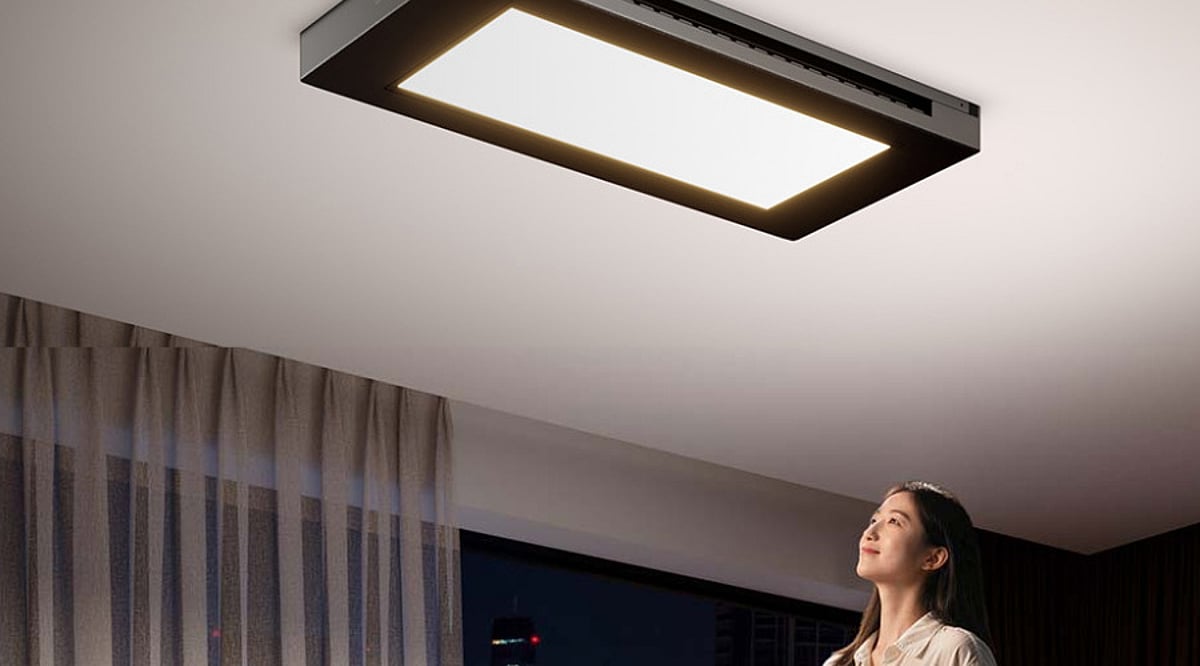
    Xiaomi’s Mijia Smart Clothes Dryer 3 Max transforms a routine household task into a high-tech experience. This ceiling-mounted system combines drying, lighting, and smart controls in one slim unit. It launched for crowdfunding in China at 2,399 yuan, while international availability remains unconfirmed.

    42-Inch Smart Light Panel

    The dryer doubles as a large ceiling light with a 42-inch integrated panel. Its colour temperature can be adjusted from 2,700K to 5,700K to suit different environments. Xiaomi also lists Ra95 colour rendering and RG0 certification, while presence sensing can automatically adjust the lighting.

    1,250W Hot-Air Drying

    Fast drying is one of the headline features of the Mijia 3 Max. Its 770mm air outlet delivers 1,250W of hot air, alongside a 10W natural airflow system. The design speeds up drying while keeping clothes arranged neatly overhead.

    Plasma-Based Sterilisation

    The system goes beyond simply blowing warm air onto clothes. It combines a drying net rated for 99% antibacterial effectiveness with plasma-release technology. Xiaomi positions this as a dual-effect sterilisation setup, adding a hygiene-focused layer to the dryer’s everyday laundry functions.

    Massive 45kg Load Capacity

    Heavy laundry is not a problem for this ceiling-mounted system. Xiaomi says the dryer can handle up to 45kg, while its 2.4-metre telescopic pole creates five hanging zones. It can accommodate around 80 pieces of clothing or two quilts simultaneously.

    Smart App Controls

    Users do not have to operate every function manually. The dryer can be controlled through a smartphone app, including its lifting height and timing. Scheduling also allows the rack to move down during the day and return upward automatically, making the system easier to manage.

    Slim Ceiling-Friendly Design

    Despite packing several functions into one appliance, the main body is only about 9cm thick. Its ceiling-mounted design keeps the drying system above the living space instead of occupying valuable floor area. That makes it particularly interesting for compact homes where every square metre matters.

    With its blend of drying power, integrated lighting, and smart automation, the Xiaomi Mijia Smart Clothes Dryer 3 Max represents a futuristic approach to home laundry.

  • LG September Audio Sale: Discounts on Soundbars, Portable Speakers & Dolby Atmos Earbuds (Sept 15–24)

    LG September Audio Sale: Discounts on Soundbars, Portable Speakers & Dolby Atmos Earbuds (Sept 15–24)

    LG’s audio lineup this September spans a flagship soundbar, three portable speakers, and Dolby Atmos earbuds, each built for a distinct use case. A separate TV and soundbar bundle running through October 4 can stack an extra $200 off a qualifying purchase. Buyers get the most value by matching product specs to their actual listening scenario rather than chasing a single discount.

    LG Audio Products to Check During the September Shopping Window

    Prices above are LG’s manufacturer list prices. Retail prices on LG.com and other stores shift during promotional periods, so check the live listing before buying.

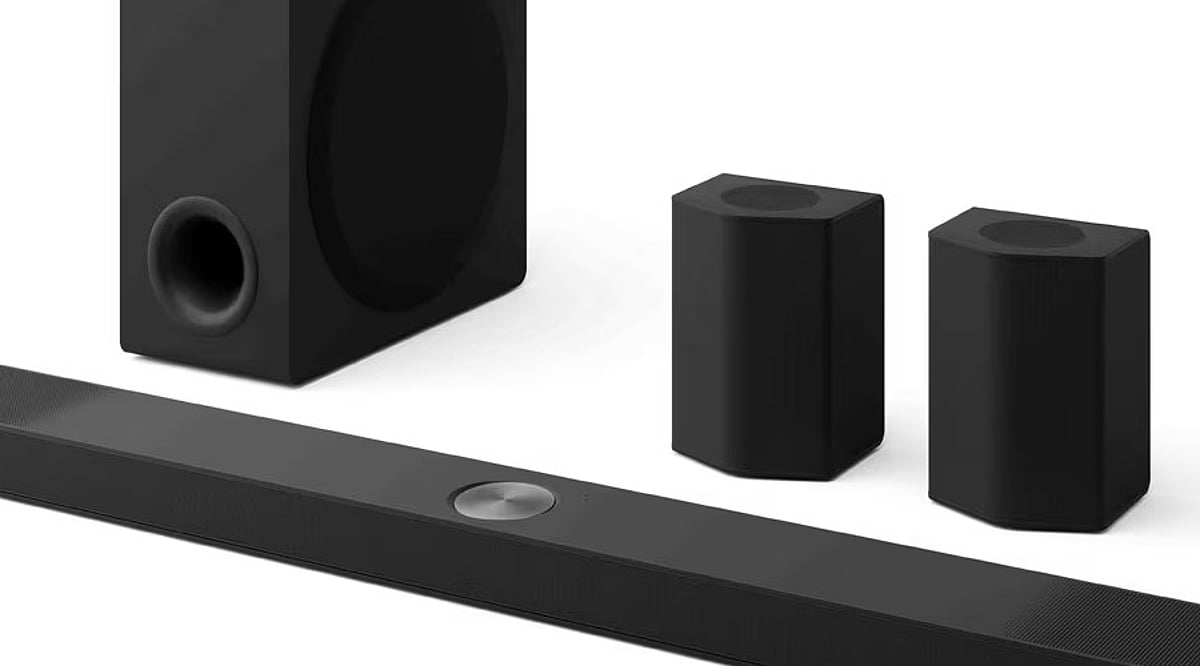
    The Flagship: LG S95AR

    The S95AR tops LG’s soundbar range. It packs 17 individual speakers into a 9.1.5-channel setup, with triple up-firing drivers built for Dolby Atmos height effects. That layout pushes sound above and around a room instead of only from the front. Paired with a compatible LG OLED or QNED TV, a feature called WOW Orchestra blends the TV’s own speakers with the soundbar. AI room calibration adjusts output based on the space it detects.

    Buy Now

    For Parties and Karaoke: xboom Stage 301

    Built with input from will.i.am, the Stage 301 looks and works like a stage monitor. A 6.5-inch woofer and dual midrange drivers give it real presence in a room, but the standout feature is the mic and guitar input, which turns the speaker into a small performance rig through LG’s app. The battery pops out and swaps for a spare, and the unit sits upright or tilts back depending on the setup.

    Buy Now

    Built for the Outdoors: xboom Bounce

    The Bounce takes a different approach. It carries an IP67 rating for dust and water resistance and has passed seven MIL-STD-810H durability tests, covering shock, immersion, and blowing dust. Battery life runs up to 30 hours, and the speaker doubles as a power bank in a pinch. TechRadar’s review noted its sound leans bass-forward next to similarly priced speakers from Sonos and JBL, a detail worth weighing for anyone who values balance over volume.

    Buy Now

    The Travel Pick: xboom Grab

    Smaller than the Bounce and shaped like a thick water bottle, the Grab uses a racetrack woofer and a 16mm dome tweeter from Peerless, along with an adjustable carrying strap. It shares the Bounce’s IP67 rating and durability testing, though its battery tops out around 20 hours instead of 30. Those numbers point to a clear role: a speaker built for a bag, not a full day outside.

    Buy Now

    Personal Listening: xboom Buds

    LG calls the xboom Buds the first Dolby Atmos wireless earbuds with adaptive head tracking. That claim comes from LG’s own marketing, so it reads as a brand statement rather than an independently confirmed fact. What can be verified: graphene drivers meant to cut distortion, three-mic active noise cancellation, and roughly 30 hours of battery life with a five-minute quick charge. Sync the Buds with an LG TV, and they become a private audio channel for late-night viewing.

    Buy Now

    A Deal Worth Knowing: TV and Soundbar Bundle

    Separate from the products above, LG is running a bundle offer. Buy a qualifying OLED or QNED TV alongside a qualifying soundbar in one order, and LG applies up to $200 off the soundbar’s price. Anyone shopping for a new TV should confirm which soundbar models, including the S95AR, are listed under the current bundle terms before finalizing an order.

    Buy Now

    Matching the Product to the Need

    Home theater buyers should focus on channel count, Atmos support, and rear speaker options rather than wattage alone. Portable buyers should compare IP rating, battery life, and size before price. Karaoke and party buyers need to confirm microphone or instrument input, since not every speaker offers it. A practical approach for anyone chasing a deal is comparing LG’s list price against the current selling price, then confirming exact dates and eligibility for any bundle in play.

    Final Thought

    LG’s audio lineup now stands on its own alongside its TV range. Five products here solve five different problems, from a living room built for movie night to a bag packed for a weekend trip. The goal isn’t finding the single biggest discount. It’s matching the actual listening needs to the product built for it, then checking the fine print before checkout.

  • Huawei Watch D3: 5 Standout Features of a Medically Certified Smartwatch

    Huawei Watch D3: 5 Standout Features of a Medically Certified Smartwatch

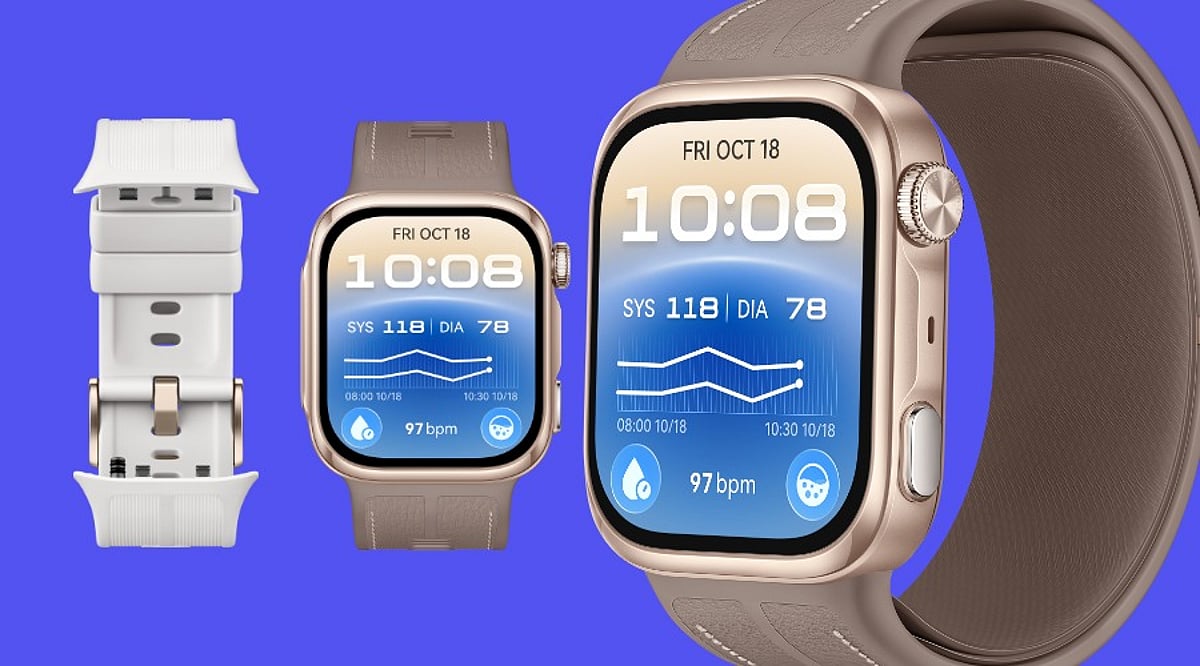
    The Huawei Watch D3, unveiled on September 2, 2026, at the ‘Chase the Wild’ event in Munich, is more than just another Android wearable. It sets a new benchmark by integrating a real mechanical airbag and micro-pump into its strap for blood pressure measurement, a move most smartwatches avoid. This medical-grade approach ensures CE-MDR certification and delivers accuracy that optical sensors can’t match.

    Here are five defining features that make the Watch D3 one of the most compelling health-focused wearables of the year, followed by a full specification breakdown.

    1. 24-Hour Ambulatory Blood Pressure Monitoring

    Unlike typical smartwatches that measure blood pressure on demand, the Watch D3 tracks it continuously throughout the day and night. This system, called ABPM (Ambulatory Blood Pressure Monitoring), inflates the built-in airbag at set intervals every 15 to 30 minutes. It aims for at least 20 daytime and 7 nighttime readings. A quieter pump at night helps avoid disturbing sleep.

    Continuous monitoring eliminates the ‘white coat syndrome’ distortion seen in single office readings and reveals crucial nighttime blood pressure drops that one-off measurements miss.

    2. Pre- and Post-Exercise Blood Pressure Checks

    The Watch D3 takes blood pressure before a workout and again within two minutes after completion. If pre-exercise numbers are too high, the watch alerts the user to hold off on intense activity that day. This mode supports running, walking, and cycling, both indoors and outdoors, acting as a built-in safety check for hypertension management.

    3. ECG and Pulse Wave Arrhythmia Analysis

    Heart rhythm monitoring uses two complementary systems. Pulse Wave Arrhythmia Analysis runs continuously in the background via the PPG sensor, scanning for atrial fibrillation. Beat-by-Beat ECG requires manual activation: users hold the side electrode for 30 seconds to generate a single-channel electrocardiogram. The ECG report exports as a PDF for easy sharing with doctors, and independent testers noted accurate, consistent recordings without false alerts.

    4. Health Glance and Long-Term Trend Reports

    Raw health data becomes meaningful with context. Health Glance compiles 11 biometric indicators—including blood pressure, heart rate, and SpO2—into a single summary in about 60 seconds. Together with Health Insights in the Huawei Health app, users can review weeks or months of trends. TruSleep 5.0 data also joins this dashboard, creating a unified view of daily wellness.

    5. Health Community and Environmental Alerts

    The Watch D3 extends health tracking beyond the wearer. Health Community shares real-time alerts with family members when blood pressure spikes, heart rate changes, or sleep disruptions occur—especially useful for monitoring aging parents remotely. The watch also warns users of environmental shifts like sudden temperature drops or high-altitude changes that could affect blood pressure readings.

    Specifications at a Glance

    Beyond health features, the Watch D3 improves on its predecessor with a slimmer profile and longer battery life. The case is 11.3mm thick (2mm thinner than the Watch D2), the display is a 1.92-inch screen with 3,000 nits peak brightness, and the device weighs just 40g without the strap. Battery life reaches up to 6 days under typical use, dropping to 1 day with continuous ABPM. Charging takes about 75 minutes wirelessly. Connectivity includes Bluetooth 6.0, NFC, and GPS, supporting Android 8.0+ and iOS 13.0+. Water resistance is rated IP68.

    The reduced thickness is particularly beneficial for overnight ABPM, as a bulkier case could catch on bedding and disrupt sleep without compromising the sensor hardware that underpins its medical claims.

    Final Verdict

    Huawei Watch D3 represents a genuine shift in what a smartwatch can responsibly measure. Its mechanical airbag system distinguishes it from every optical sensor on the market. For Android smartwatch buyers seeking real health insight, this feature set stands out. UK retail availability is already confirmed, with other markets to follow. One thing is certain: Huawei has raised the bar for wrist-worn health tracking.

    Frequently Asked Questions

    What makes the Huawei Watch D3 different from other smartwatches?

    It uses a mechanical airbag and micro-pump for real blood pressure readings, not optical estimates. This approach mirrors clinical monitors, offering medical-grade accuracy.

    Is the Huawei Watch D3 compatible with Android phones?

    Yes, it supports Android 8.0 or later, along with iOS 13.0 or later, via Bluetooth 6.0 and NFC.

    How long does the battery last on the Watch D3?

    Typical usage yields up to 6 days; with continuous ABPM, it drops to roughly 1 day.

    Can the Watch D3 detect irregular heartbeats?

    Yes, it runs Pulse Wave Arrhythmia Analysis continuously and offers Beat-by-Beat ECG for manual recordings.

    Does the Huawei Watch D3 hold any medical certification?

    Yes, it has CE-MDR certification under EU Medical Device Regulation and follows European Society of Hypertension guidelines.

  • Apple’s Gaming Push: iPhone Controllers on the Horizon

    Apple’s Gaming Push: iPhone Controllers on the Horizon

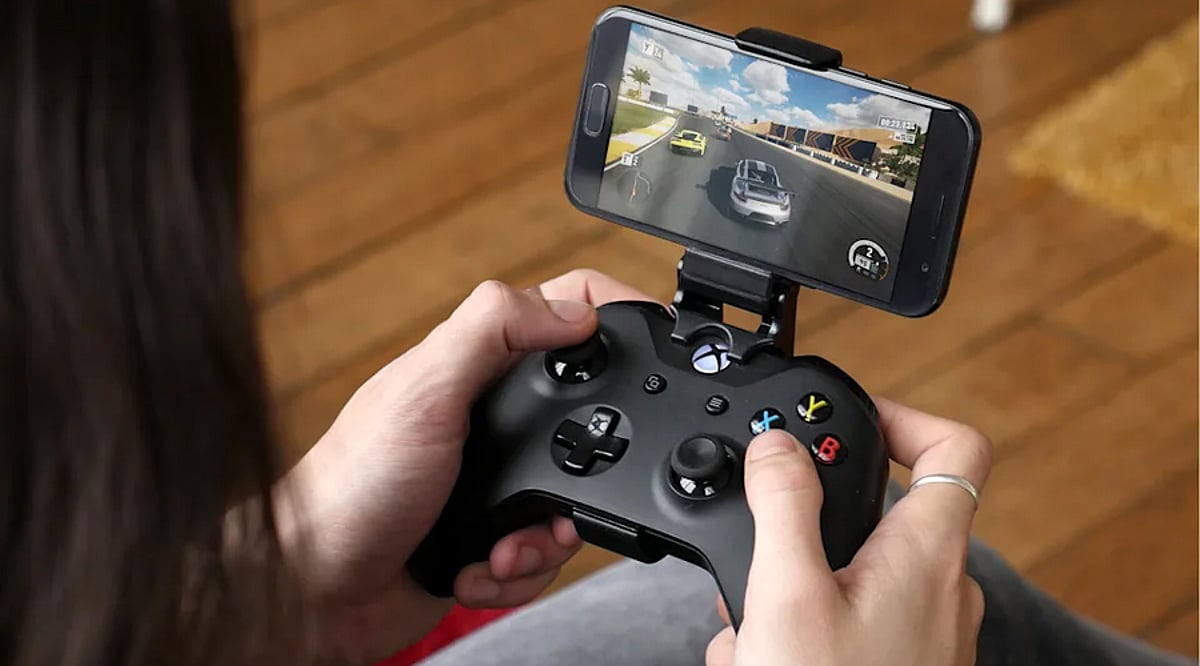
    Apple appears to be making a serious move into mobile gaming hardware. Reports indicate the company is developing two dedicated game controllers specifically designed for the iPhone. If true, this could add a first-party accessory layer to Apple’s existing gaming ecosystem, which already supports third-party controllers from Xbox, PlayStation, and others.

    Two Controller Designs in the Works

    According to references found in macOS code, Apple is working on two distinct controller models rather than a single universal design. While the exact specs remain under wraps, the controllers are reportedly intended for iPhone use. Apple has not officially announced either product, but the discovery points to a clear intention to enter the hardware side of gaming.

    The Beats Brand May Take the Spotlight

    Instead of carrying the Apple name, these controllers might launch under the Beats brand. That would give Apple a way to tap into gaming accessories with a lifestyle-oriented image that resonates with younger audiences. Beats already sells iPhone accessories like cases and USB-C cables, so a controller extension would be a natural fit.

    Dedicated Controls Could Elevate iPhone Gaming

    A first-party controller could make the iPhone more attractive for games that demand physical controls. Currently, Apple devices support a range of Bluetooth gamepads, but tighter integration between hardware, iOS, and compatible games could significantly improve the experience. This might encourage developers to craft more console-style titles for the platform.

    Two Models for Different Users

    Reports suggest the two controllers could target different segments of the market. One might be a simpler, wired option for casual gamers, while the other could offer wireless connectivity and motion sensors for a more immersive experience. Although details are unconfirmed, a dual approach would allow Apple to cater to both casual and serious mobile gamers.

    Building on Existing Controller Support

    Custom game controllers are not new to Apple devices. Compatible hardware already works across iPhone, iPad, Mac, Apple TV, and Vision Pro, with support for remappable buttons and custom settings. A first-party controller would deepen that integration, potentially offering features like automatic pairing, battery monitoring, and optimized input latency.

    Apple Arcade and the Services Ecosystem

    Apple’s gaming push is closely tied to its services strategy. A dedicated controller could make Apple Arcade and controller-supported App Store games more compelling on the iPhone. It might also inspire developers to design richer, more complex gaming experiences that take full advantage of Apple’s hardware and software ecosystem.

    While Apple has not confirmed these plans, the prospect of first-party gaming controllers is an exciting development for mobile gamers. With the potential to blend hardware and services seamlessly, Apple could be preparing to make iPhone gaming a more serious proposition than ever before.

  • EV Charging Times Explained: From Home Outlets to DC Fast Chargers

    EV Charging Times Explained: From Home Outlets to DC Fast Chargers

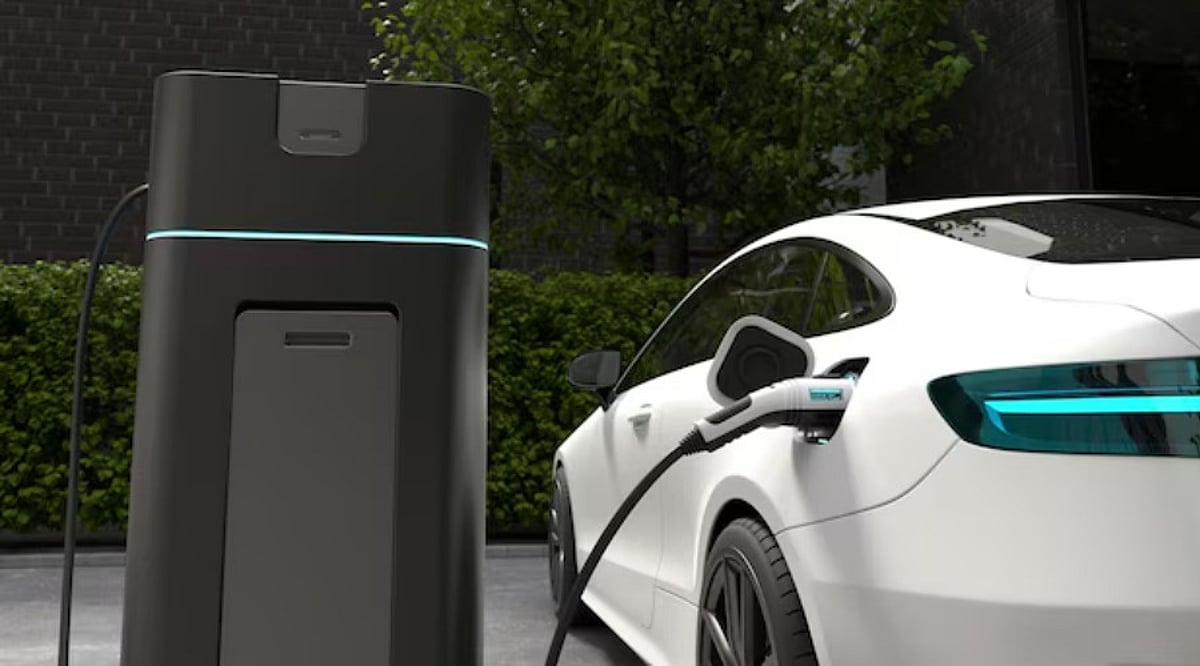
    How long it takes to charge an electric vehicle depends on several factors, including battery size, charger output, vehicle capability, temperature, and the battery’s starting charge level. Charging can take anywhere from several hours at home to less than an hour with a compatible fast charger. There’s no single answer that applies to every EV on the road.

    According to the Bureau of Energy Efficiency (BEE), most EVs can charge from 0% to 80% in roughly one to five hours with slow or moderate chargers. Fast charging can bring that time below one hour, but the exact duration depends on battery chemistry, charging hardware, and the car’s own charging system.

    Understanding Charging Power and EV Charger Types

    Charging power is measured in kilowatts (kW). In general, a higher kW rating means the charger can deliver energy faster. However, an EV may not be able to use the charger’s full output. The vehicle’s onboard charger and battery-management system determine how much power it can safely accept.

    AC slow and standard charging is the most common option for home use. In India, a standard 230V/15A household connection can deliver roughly 2.5 kW of AC charging output. AC fast charging uses higher-power equipment, with Type-2 AC systems specified at a minimum of 22 kW under the country’s charging infrastructure guidelines.

    DC fast charging bypasses the vehicle’s onboard charger. Instead of converting alternating current inside the car, the charging station sends direct current straight to the battery. BEE classifies common DC fast chargers at 50 kW or above, while newer high-power units can reach several hundred kilowatts.

    How Battery Size Affects Charging Time

    Battery capacity is measured in kilowatt-hours (kWh), which indicates how much energy the battery can store. A larger battery generally needs more electricity to reach the same percentage of charge, assuming identical charging conditions.

    For example, if two EVs are charging at the same effective rate of 7 kW, a 35-kWh battery would theoretically need about five hours to receive a full charge, while a 70-kWh battery would need about ten hours. In real-world driving, charging times vary due to energy losses, starting state of charge, and the charging curve the vehicle follows.

    The car’s maximum charging capability also plays a major role. A 100-kW charger won’t speed things up if the EV can only accept 50 kW. The battery-management system may also reduce power to manage temperature and protect battery health.

    How Long Does Home EV Charging Take?

    Home charging is generally slower than public DC fast charging, but it is often more convenient because the car can stay plugged in overnight. A standard household outlet offers the slowest option: according to BEE, a roughly 30-kWh EV battery can take around eight hours to reach 80% using a 15A slow or moderate charger.

    A dedicated home wallbox can provide significantly more power and reduce charging time, depending on the vehicle and the electrical connection. For many drivers, overnight charging is enough to prepare the car for the next day’s commute without a separate charging stop.

    How Fast Is DC Fast Charging?

    DC fast charging can dramatically reduce EV charging time. BEE cites the example of a 30-kWh electric car reaching 80% in less than one hour on a 50-kW fast charger. The U.S. Department of Energy says DC fast chargers can add roughly 100 to 200-plus miles of range in about 30 minutes, although results vary between vehicles and charger models.

    During road trips, charging from around 10% to 80% is often more practical than charging all the way to 100%. Charging power naturally drops as the battery approaches a higher state of charge, which means the final 20% can take noticeably longer than the earlier portion.

    Key Factors That Influence EV Charging Speed

    Several variables can change how long a charging session takes:

    • Battery capacity and starting state of charge
    • The vehicle’s maximum charging rate
    • The charger’s output and condition
    • Battery temperature and outdoor weather
    • Battery-management software and charging curve
    • Home electrical supply and other loads on the same circuit
    • Public station capacity and operating conditions

    Frequently Asked Questions About EV Charging Time

    1. How long does it take to charge an electric vehicle?
    Charging can take several hours at home or less than one hour with compatible DC fast chargers, depending on battery size and charger power.

    2. Is AC charging slower than DC charging?
    Yes. AC charging generally takes longer because electricity is converted inside the vehicle. DC fast charging sends direct current directly to the battery, which enables much faster speeds.

    3. Does a higher-kW charger always charge an EV faster?
    Usually, but only if the vehicle supports that charging power. The car’s charging limit determines how much electricity it can accept.

    4. Why does EV charging slow down after 80 percent?
    EVs reduce charging power as the battery approaches higher charge levels to manage heat and protect long-term battery health. This makes the final portion of the charging session slower.

    5. Is fast charging bad for an EV battery?
    Frequent high-power charging can increase battery heat and stress, but modern EVs use battery-management systems to regulate charging and protect performance over time.

  • Motorola’s 2026 Lineup: 7 Standout Phones Across Foldable, Premium, and Budget Tiers

    Motorola’s 2026 Lineup: 7 Standout Phones Across Foldable, Premium, and Budget Tiers

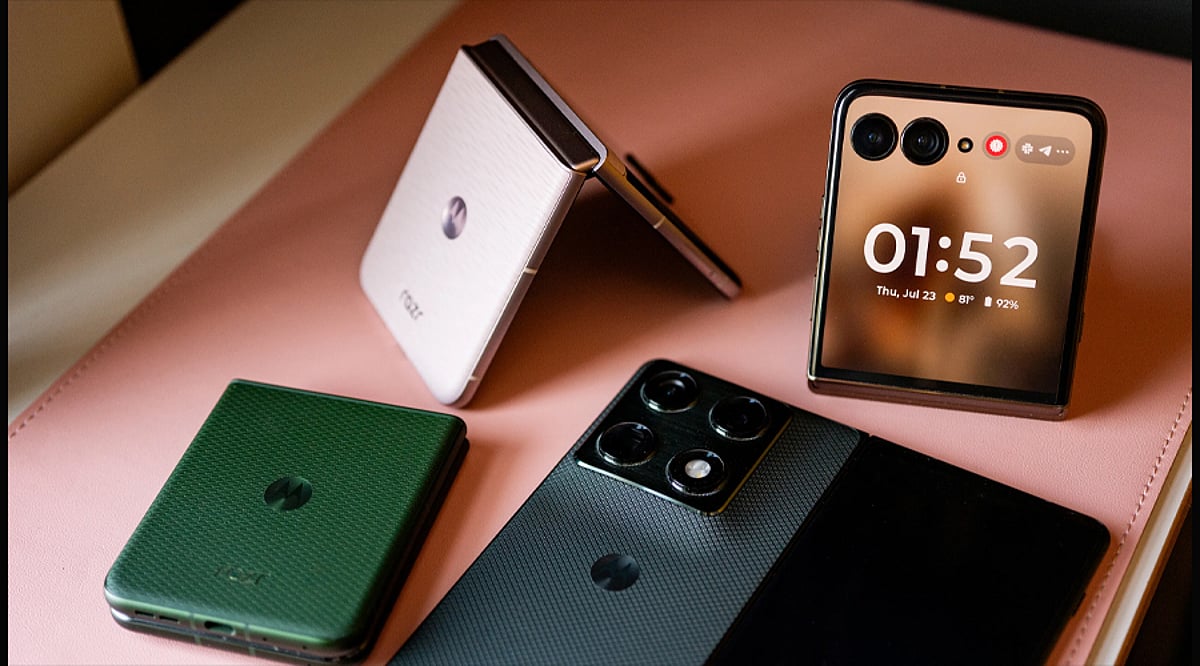
    Motorola has significantly expanded its smartphone portfolio for 2026, offering devices across premium, foldable, and budget segments. The iconic Razr series continues to lead the company’s foldable innovation, while the Edge and Moto G lines cater to mainstream and practical buyers. Here’s a closer look at seven models that define the brand’s current strategy.

    Motorola Razr Ultra

    The Razr Ultra sits at the top of Motorola’s foldable range, blending the nostalgic flip-phone form factor with cutting-edge hardware and a generously sized external display. This model is a key player in Motorola’s push to make foldables more mainstream.

    Motorola Razr

    The standard Razr brings the foldable experience to a broader audience. Its compact clamshell design is pocket-friendly when closed, yet reveals a full-fledged smartphone screen when opened. The 2026 iteration continues the modernization of the classic Razr identity.

    Motorola Edge 2026

    The Edge 2026 focuses on a balanced combination of design, camera capabilities, and battery endurance. It features an AI-powered Photo Enhancement Engine that enhances the entire camera system, along with Action Shot and Adaptive Stabilization for moving subjects and video. A 5,000mAh battery ensures all-day usage.

    Motorola Moto G Power 2026

    The Moto G Power 2026 prioritizes practical everyday features over flagship pricing. Its main selling point is exceptional battery life, making it an ideal choice for users who need dependable endurance without breaking the bank.

    Motorola Moto G Stylus 2026

    The Moto G Stylus 2026 adds pen-based functionality to Motorola’s accessible phone range. Designed for users who like to write, sketch, or interact with content using a built-in stylus, this model demonstrates Motorola’s continued experimentation with features beyond standard touch interaction.

    Motorola Edge Family

    The Edge series remains the bridge between mainstream and premium smartphones in Motorola’s catalog. Combining modern displays, capable processors, and AI-enhanced camera systems, the Edge 2026 strengthens imaging tools while keeping battery life and everyday usability at the forefront.

    These seven models showcase Motorola’s diverse approach to the 2026 smartphone market, from cutting-edge foldables to reliable budget options.

  • PS6 Could Cost $1,000: Rising Component Prices Fuel Price Speculation

    PS6 Could Cost $1,000: Rising Component Prices Fuel Price Speculation

    PlayStation 6 price rumors are intensifying as rising costs for memory, storage, and chips put pressure on Sony. A new estimate suggests the console could cost nearly $1,000 to build, sparking widespread discussion among gamers.

    Overview of the PS6 Rumors

    The PS6 is expected to deliver major leaps in graphics, ray tracing, memory, and AI-based features. However, Sony has not confirmed any official price, specifications, or launch date. A recent hardware leak estimates the cost of console parts at around $960, up from $760 just a few months ago.

    This figure represents only the estimated cost of hardware components. Sony must also account for shipping, marketing, retail costs, and other expenses. If the parts alone cost nearly $1,000, the final retail price could be even higher.

    PS6 Specs, Price, and Launch Rumors

    To date, Sony has only confirmed that it is working on a next-generation PlayStation console, without revealing further details. In May 2026, Sony stated it had not made decisions on timing or pricing. Current reports point to a possible 2028 launch, though earlier rumors suggested 2027 or early 2028.

    Rumored hardware includes a new AMD processor and graphics chip, faster memory, GDDR7 memory, and significantly improved ray tracing. AI-based image technology is also expected to play a larger role. These features would support increasingly demanding modern games, but they come at a cost.

    The parts cost estimate rose from about $760 to $960 in just a few months, primarily due to higher memory and storage prices. Sony could choose to sell the console below cost, or adjust hardware before launch.

    Why Could the PS6 Cost More?

    Memory is a major factor. The gaming industry competes with AI companies and data centers for high-performance memory chips, driving up prices. Sony has acknowledged that rising memory prices are a significant obstacle in console development.

    The PS6 may require more memory than the PS5 to handle larger game worlds, better textures, and advanced ray tracing. A new AMD processor built on a newer process, a larger SSD, and more powerful graphics hardware all contribute to higher costs.

    Sony faces a difficult choice: absorb some costs and sell at a lower price, cut features, or pass more of the cost to consumers.

    The PS6 Faces a Changing Console Market

    The biggest challenge may be the price tag. The PS6 must feel like a genuine upgrade from the PS5, with better graphics, faster performance, and new features, while remaining affordable enough for a broad audience.

    Current rumors are unconfirmed, but the reported $960 hardware cost is not baseless. If component costs remain high until launch, Sony may need to rethink its pricing strategy.

    FAQs

    Will the PlayStation 6 cost $1,000?

    There is no confirmed price. A recent hardware estimate puts parts cost at around $960, sparking speculation about a four-figure retail price.

    When will the PS6 launch?

    Sony has not announced a launch date. Current reports point to 2028, while earlier rumors suggested 2027 or early 2028.

    Why could the PS6 be more expensive?

    Higher memory and storage prices, more powerful chips, stronger graphics hardware, and increased production costs could all push up the final price.

    What PS6 features are rumored?

    Reports mention next-generation AMD hardware, faster memory, stronger ray tracing, and improved AI-based graphics. Sony has not confirmed these features.

    Does a $960 parts cost mean the PS6 will sell for $960?

    No. Parts cost does not include shipping, marketing, retail costs, and other expenses. Sony could also absorb some costs.

  • Daily Tech Digest: Bill Gates Issues AI Warning, Redmi Note 17 Pro Max Debuts, Apple’s India Struggle, China’s AI Alert, and Google Motion Assist

    Daily Tech Digest: Bill Gates Issues AI Warning, Redmi Note 17 Pro Max Debuts, Apple’s India Struggle, China’s AI Alert, and Google Motion Assist

    Today’s top tech stories cover a wide range of developments, from artificial intelligence warnings to new smartphone launches. Here’s a quick roundup of the most important headlines.

    Bill Gates’ AI Warning

    Microsoft co-founder Bill Gates has issued a fresh caution about the rapid advancement of artificial intelligence, urging policymakers and industry leaders to address potential risks before they escalate.

    Redmi Note 17 Pro Max 5G

    Xiaomi has unveiled the Redmi Note 17 Pro Max, a feature-packed 5G smartphone boasting upgraded specs, an improved camera system, and competitive pricing. The device is expected to shake up the mid-range market.

    Apple’s India Challenge

    Apple continues to face hurdles in expanding its footprint in India, from regulatory issues to supply chain complexities, as the company seeks to reduce reliance on China.

    China AI Alert

    Chinese authorities have issued a new alert regarding artificial intelligence, signaling tighter oversight and safety measures for AI applications within the country.

    Google Motion Assist

    Google has introduced Motion Assist, a new feature designed to help users with mobility challenges navigate devices more easily using gesture-based controls.

    Stay tuned for more updates on these stories and other tech news. Join our WhatsApp channel for exclusive content and real-time alerts.

  • From Finance to Philanthropy: Michael J. Sacks’ Enduring Civic Impact in Chicago

    From Finance to Philanthropy: Michael J. Sacks’ Enduring Civic Impact in Chicago

    Michael J. Sacks, chairman and CEO of GCM Grosvenor, has spent more than three decades building an international investment firm from Chicago. But his influence reaches far beyond the boardroom, extending into education, public safety, and cultural institutions across the city. On November 18, the Chicagoland Chamber of Commerce will recognize that broad civic record with the Daniel H. Burnham Award for Distinguished Leadership.

    Expanding Educational Opportunity for Chicago Students

    Education has been a central pillar of the Sacks family’s philanthropy, with a particular focus on opening doors for students from Chicago Public Schools. In 2021, Michael and Cari Sacks announced a $5 million gift to Northwestern University to establish endowed scholarships at the Kellogg School of Management and the Pritzker School of Law. The scholarships cover tuition, books, fees, and living expenses, helping to reduce the financial barriers that often stand between talented students and graduate study.

    That gift brought the couple’s total contributions to Northwestern’s “We Will” campaign to $13.3 million. At the time of the announcement, 89 students had received a Sacks Family Scholarship, including 41 graduates of Chicago Public Schools. Sacks, who earned both his law degree and MBA from Northwestern in 1988, also serves as a university trustee.

    Supporting New Approaches to Community Safety

    Sacks has also invested in efforts to strengthen public safety leadership. In 2022, he contributed $2.5 million to the University of Chicago Crime Lab to help launch its Community Safety Leadership Academies. The initiative brings together police department leaders and community-based violence intervention organizations to improve management skills, data use, and operational decision-making.

    By focusing on organizational leadership, the program reflects a belief that effective management is a critical part of reducing violence and building trust between communities and public safety institutions.

    A Presence Across Chicago’s Key Institutions

    Beyond individual gifts, Sacks has maintained leadership roles with several of the city’s most prominent organizations. He serves as a trustee of the Art Institute of Chicago and is a founding board member of the Obama Foundation, which is developing the Obama Presidential Center on Chicago’s South Side. His civic involvement also includes service with Intersect Illinois and eight years as vice chairman of World Business Chicago.

    Building a Global Firm from a Chicago Base

    Sacks joined GCM Grosvenor in 1990 and became its CEO in 1994. Under his leadership, the firm grew into a global asset management platform with approximately $97 billion in assets under management as of the second quarter of 2026. Although GCM Grosvenor now has offices across North America, Europe, Asia, and Australia, its headquarters remain in Chicago — a connection that has kept Sacks deeply engaged with the city’s business and civic communities.

    Recognition of a Long-Term Civic Commitment

    The Daniel H. Burnham Award, created in 1992, honors business leaders for both their economic influence and their civic contributions. Sacks will become the award’s 35th recipient at the 35th Annual Daniel H. Burnham Award Dinner, held Wednesday, November 18, 2026, at the Hyatt Regency Chicago, 151 E. Wacker Drive. The reception begins at 5:30 p.m., followed by dinner at 6:30 p.m.

    The honor highlights a career shaped by the belief that business success carries an expectation of giving back. From supporting Chicago students and public safety leaders to serving major cultural institutions and economic development organizations, Sacks has maintained a civic presence that matches the scale of his professional achievements.

  • Why Technical SEO Is the Foundation for AI-Driven Search Success

    Why Technical SEO Is the Foundation for AI-Driven Search Success

    Search visibility is often discussed as a content problem. Companies are told to publish more articles, target more keywords, and earn more backlinks. Those activities matter, but they cannot compensate for a website that search systems struggle to crawl, interpret, or index correctly.

    That is why technical search optimization is becoming less of a specialist task and more of a core digital infrastructure issue. The shift is especially important as search expands beyond traditional blue links into AI-generated answers, summaries, and recommendation systems.

    Search Visibility Begins Before Content Is Ranked

    Before a search engine can evaluate whether a page is useful, it must first discover the page, access it, understand its relationship to the rest of the site, and decide whether it belongs in the index. Problems at any of these stages can make strong content effectively invisible.

    A page may be well written but buried behind weak internal linking. A canonical tag may point to the wrong URL. A redirect chain may waste crawl resources. JavaScript may prevent important content from being rendered consistently. Duplicate pages may split ranking signals across several addresses.

    These are not cosmetic issues. They determine whether the information architecture of a website can be read as a coherent system.

    Crawlability and Indexing Are Different Problems

    One of the most common misunderstandings in SEO is treating crawlability and indexation as the same thing. A crawler being able to reach a page does not guarantee that the page will be indexed, and an indexed page does not guarantee that search engines understand which version should rank.

    Technical audits therefore need to ask several separate questions: Can the crawler reach the URL? Is the server returning the expected status code? Is indexing allowed? Is the canonical destination correct? Does the page offer enough unique value to justify inclusion? Is it internally linked from meaningful parts of the site?

    This is where structured, repeatable diagnostics become more useful than one-time fixes.

    Site Architecture Should Reflect Search Intent

    Technical SEO is often reduced to page speed, XML sitemaps, and error reports. Those are important, but architecture is just as critical.

    A website should make it clear which page serves each major search intent. A broad service page, a pricing page, a comparison page, and an educational guide may all cover related vocabulary, yet they answer different questions. If the architecture does not distinguish those roles, several URLs may compete with one another.

    Clear parent-child relationships, predictable URL patterns, deliberate internal links, and topic clusters help search systems understand both hierarchy and context. They also make the site easier for people to navigate.

    For companies reviewing whether their search foundation is working as intended, a technical SEO audit should examine crawlability, indexation, site structure, canonicalization, internal linking, structured data, and the relationship between search intent and page purpose rather than treating each issue in isolation.

    Canonicalization, Redirects and Duplicate Signals Matter More as Sites Grow

    Small websites can sometimes survive inconsistent URL rules because there are relatively few pages. As a site expands, however, duplicate paths, parameter URLs, outdated redirects, HTTP and HTTPS variants, and inconsistent trailing-slash behavior can create unnecessary ambiguity.

    Canonical tags are designed to indicate preferred versions, but they are not a substitute for clean architecture. If internal links repeatedly point to non-canonical URLs, or if redirects contradict canonical signals, the site sends mixed messages.

    A strong technical foundation aims for consistency: internal links, sitemaps, canonicals, redirects, and navigation should reinforce the same preferred URLs.

    Structured Data Helps Define Entities and Relationships

    Structured data does not guarantee rankings, but it can help machines interpret entities, page types, organizations, products, articles, and relationships more clearly.

    This matters in an environment where search systems increasingly summarize information rather than simply return a list of pages. Clear entity signals can make it easier to understand who published the content, what the content is about, and how it relates to the rest of the website.

    The practical lesson is not to add schema everywhere. It is to use appropriate structured data consistently and ensure that the markup reflects what is actually visible on the page.

    Performance Is a User Issue and a Search Issue

    Page performance is another area where technical and business goals overlap. Slow loading, unstable layouts, heavy scripts, and delayed interaction can reduce user satisfaction even if the content itself is valuable.

    Performance work should therefore focus on real bottlenecks rather than chasing a perfect score. Image delivery, script execution, caching, server response, font loading, and third-party tools should be reviewed according to their actual effect on users and crawling.

    Internal Links Are Part of the Technical System

    Internal linking is sometimes treated as a content-editing detail. In reality, it is one of the clearest ways to communicate site hierarchy and topical relationships.

    Important pages should not depend on search engines discovering them through a sitemap alone. They should receive contextual links from related pages, navigation paths, and topic hubs. Anchor text should describe the destination naturally, while the surrounding context should explain why the link is relevant.

    AI Search Raises the Value of Technical Clarity

    AI-driven search does not eliminate traditional SEO requirements. It increases the value of clear, machine-readable information.

    Generative systems still depend on discoverable sources, consistent entities, understandable content structures, and signals of trust. A website with fragmented architecture and contradictory metadata gives both search engines and AI systems a harder interpretation problem.

    This is why SEO, answer-oriented optimization, and generative search visibility should not be treated as unrelated projects. They share the same foundation: information must first be accessible, structured, and understandable.

    Audits Should Measure Outcomes, Not Just Errors

    A technical audit can easily produce hundreds of warnings. The challenge is deciding which ones matter.

    A missing meta description and an accidental noindex tag may both appear in an audit, but their business impact is not comparable. Teams should prioritize issues according to whether they block crawling, prevent indexing, weaken canonical signals, damage user experience, or create ambiguity around important commercial pages.

    The best technical SEO work is therefore not the work that generates the longest checklist. It is the work that removes the obstacles between a website’s information and the systems trying to understand it.

    Technical SEO Is a Long-Term Operating Discipline

    Websites change continuously. New pages are added, plugins are updated, migrations happen, redirects accumulate, and content teams create new sections. Technical health is therefore not a one-time launch task.

    For businesses that rely on organic discovery, technical SEO should be treated like infrastructure maintenance: monitored, tested, and improved as the site grows.

    Content may attract attention, and backlinks may build authority, but technical structure determines whether that value can be discovered, consolidated, and interpreted efficiently. In both traditional search and AI-driven discovery, that foundation is becoming more important, not less.