Category: Startups

  • Zepto’s Best-Selling Products in 2026: Key Categories and Opportunities for Quick-Commerce Sellers

    Zepto’s Best-Selling Products in 2026: Key Categories and Opportunities for Quick-Commerce Sellers

    In today’s fast-paced world, quick commerce has become a key part of everyday life. From Instamart to Zepto, several instant service providers are reshaping how consumers shop. India’s quick-commerce market continues to expand, and Zepto remains a leading platform driving this shift. Consumers now rely on instant delivery for everything from groceries to personal care essentials, creating new opportunities for sellers.

    Top Products on Zepto in 2026: Popular Categories

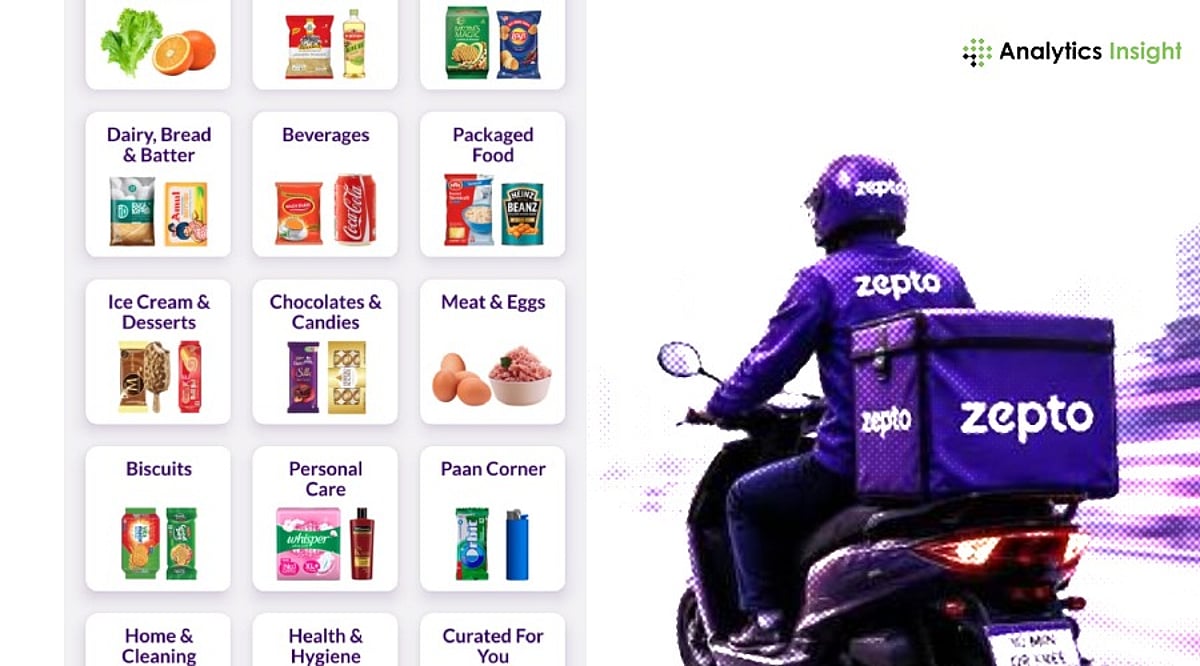
    Understanding consumer trends on Zepto can help D2C brands, grocers, retail stores, and entrepreneurs identify hot-selling product categories, plan inventories, and offer products that attract repeat purchases. Below are the best-selling product categories on Zepto in 2026.

    Fresh Fruits & Vegetables

    Fresh fruits and vegetables continue to be among the most popular products as consumers prefer having fresh produce delivered daily. Professionals, families, and seniors choose Zepto for the convenience of deliveries rather than going to the market themselves. Seasonal fruits, greens, and cooked vegetables show constant popularity, offering high inventory turnover.

    Dairy Products

    Milk, curd, butter, paneer, cheese, and yogurt are daily essentials purchased frequently. Since they require regular replenishment, dairy items generate many orders weekly. Students, working people, and families value fast deliveries, making dairy products among the most reliable and profitable quick-commerce items.

    Snacks & Namkeen

    Products such as chips, biscuits, namkeen, chocolates, cookies, and healthy snack packages continue to appeal to buyers. Evening snacking, work breaks, and weekend parties drive constant sales. Companies selling regional snacks and premium packaged food benefit from rising consumer interest, making snacks one of the most trending categories on Zepto.

    Instant Noodles & Ready-to-Eat Meals

    Busier lifestyles have increased consumption of instant noodles, pasta, frozen parathas, soup packets, and pre-cooked meals. Students, young adults, and singles often buy these items for easy cooking. With long shelf life and consistent demand, these products are top sellers on Zepto.

    Soft Drinks & Energy Drinks

    Carbonated beverages, fruit juices, packaged water, sports drinks, and energy drinks see consistent sales year-round, with seasonal spikes during summer, tournaments, and festivals. Buyers often include drinks with food orders, increasing basket value and helping sellers achieve healthy sales across many brands.

    Ice Cream & Frozen Food

    The popularity of ice creams, frozen treats, fries, nuggets, and frozen desserts has risen significantly. Instant delivery ensures products arrive in perfect condition. Working households prefer frozen foods for quick and convenient meal options.

    Personal Care & Hygiene Products

    Toothpaste, soaps, shampoos, deodorants, skincare products, sanitary pads, and grooming items enjoy high demand. Buyers often use Zepto to replenish stocks instead of visiting supermarkets, making this category among the most dependable best-sellers.

    Baby Care Essentials

    Parents frequently order diapers, wipes, baby food, lotions, and other infant care products, often urgently. Quick delivery is a major advantage in emergencies. With increasing reliance on quick commerce among young families, baby care generates steady sales and loyal customers.

    Cleaning & Household Supplies

    Household cleaning agents, detergents, dishwashing liquid, floor cleaners, garbage bags, tissues, and disinfectants always see demand. These items generate sales year-round. Bulk buying and reordering make this category lucrative for quick-commerce sellers.

    Pet Food & Pet Care Products

    The growing popularity of pets in India has boosted demand for pet food, treats, litter, grooming products, and other pet care items. Pet owners value the convenience of quick delivery when they unexpectedly run out of supplies.

    Best-Selling Products in Zepto: An Overview

    Quick commerce platforms have grown significantly. Consumer trends on Zepto are influenced by data, efficiency, and speed. From a retail analytics perspective, sellers need to use tools such as demand forecasting, real-time inventory management, SKU-level analytics, and consumer purchase history to identify the best products.

    Understanding buying patterns, repeat purchase cycles, and location-specific demand can improve assortment planning and pricing decisions. As quick commerce becomes increasingly data-driven, businesses that combine fast-moving products with analytics-led inventory management and personalized merchandising will be better positioned to improve conversions, retain customers, and scale profitably.

    FAQs

    1. What are the best-selling products on Zepto in 2026?

    Fresh fruits, vegetables, dairy products, snacks, ready-to-eat meals, beverages, frozen foods, personal care items, baby products, cleaning supplies, and pet care products consistently rank among Zepto’s best sellers.

    2. Why do grocery products perform well on Zepto?

    Grocery products are daily essentials with high purchase frequency. Customers value instant delivery for urgent needs, resulting in repeat orders, predictable demand, and strong inventory turnover throughout the year.

    3. Which product category offers the highest repeat purchases?

    Dairy products, fresh produce, personal care essentials, and household cleaning supplies generate the highest repeat purchases because consumers regularly replenish these items as part of everyday household shopping.

    4. How can sellers improve sales on Zepto?

    Sellers should maintain product availability, monitor demand trends, optimize inventory, use competitive pricing, and analyze customer purchasing patterns to improve visibility, conversions, and long-term sales performance on Zepto.

    5. Is Zepto suitable for D2C brands entering quick commerce?

    Yes. Zepto offers D2C brands access to urban consumers seeking instant delivery. Success depends on stocking fast-moving products, maintaining reliable supply, and leveraging data-driven demand forecasting and merchandising.

  • E3 Electric.Ai Launches India’s First AI-Powered Electric Scooter with Rs 100 Crore Funding

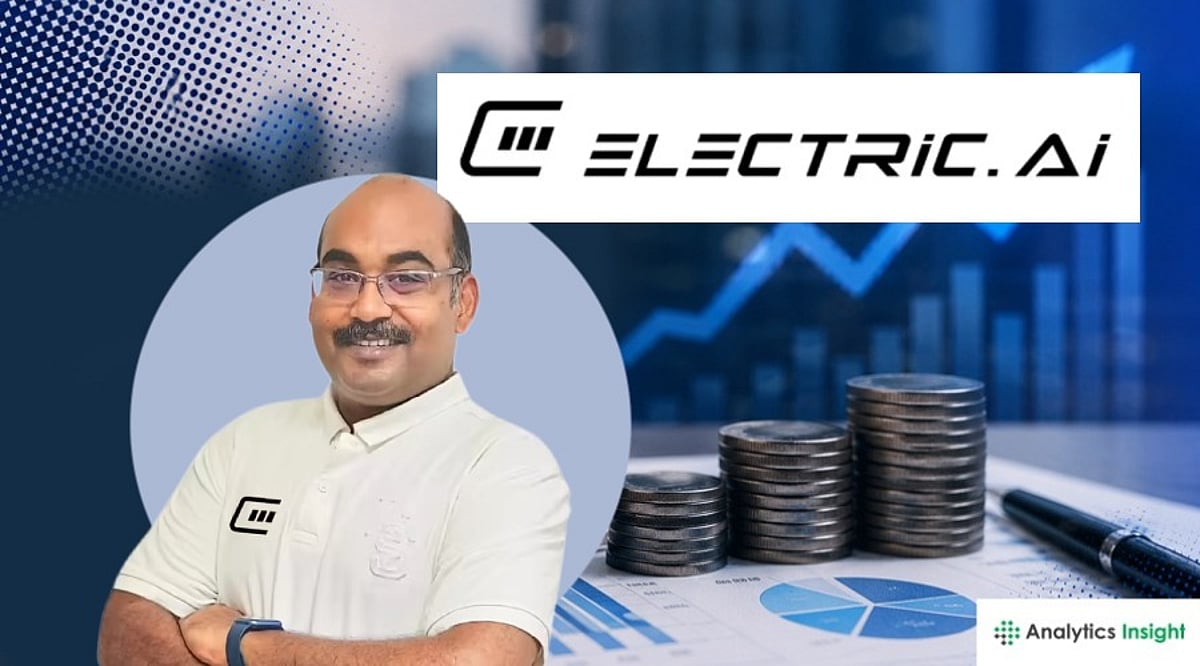
    E3 Electric.Ai Launches India’s First AI-Powered Electric Scooter with Rs 100 Crore Funding

    Bengaluru-based electric mobility startup E3 Electric.Ai has raised Rs 100 crore in Series A funding to launch what it claims is India’s first AI-powered electric scooter. The round was led by BluVenture Holdings, with Rs 75 crore in equity and Rs 25 crore in debt financing.

    The company will use the capital to develop its AI-driven scooter ecosystem, which includes 18+ patents, predictive safety features, and a modular vehicle platform designed for urban commuters.

    E3 TRION: AI Features and Safety

    The flagship model, E3 TRION, will launch first in Bengaluru before expanding to 90 cities across India, including Delhi. The scooter includes 10 smart AI features, such as:

    • Pre-ride health check: A 10-second diagnostic scan before every ride to detect potential issues.
    • Range-aware navigation: AI suggests the optimal route based on remaining battery charge to prevent unexpected stops.
    • Predictive maintenance: Alerts for battery health, motor performance, and other components.
    • Crash detection and SOS: If the system detects a rider fall, it sends alerts to emergency contacts via the E3 mobile app.
    • Roadside assistance: Integrated support for breakdowns.

    Modular Platform and Patent Portfolio

    E3 Electric.Ai has developed a modular chassis that can accommodate different scooter models, making it easier to upgrade batteries, motors, and controllers as technology evolves. The startup has filed over 18 patents covering battery systems, modular design, and AI-based safety technologies.

    Asset-Light Manufacturing Model

    Founded in 2024 by former TVS Motor EV executive P. Sanjeev, E3 Electric.Ai follows an asset-light strategy. Instead of building its own factories, the company partners with manufacturers and focuses its investment on software and AI development.

    Competitive Market Entry

    India’s electric two-wheeler market recorded around 1.81 lakh registrations in June 2026, showing strong demand. E3 Electric.Ai will compete with players like Ola Electric, Ather Energy, TVS Motor, and Bajaj Auto, betting that its AI-first approach will differentiate it in a crowded field.

    Bookings have not yet opened, but the company has launched a waitlist on its website to gauge customer interest ahead of the official launch.

  • AI Startup MyDecisive Raises $12M Seed Funding and Unveils Open-Source Observability Platform SmartHub

    AI Startup MyDecisive Raises $12M Seed Funding and Unveils Open-Source Observability Platform SmartHub

    AI DevOps startup MyDecisive has emerged from stealth with $12 million in seed funding and the launch of SmartHub, an open-source observability platform designed to help enterprises manage telemetry data more efficiently while reducing cloud costs.

    Founded by enterprise software veteran Ari Zilka, MyDecisive is taking a different approach in the crowded observability market. Instead of forwarding every log, metric, and trace to external monitoring platforms, SmartHub processes data closer to where applications run. This allows engineering teams to filter, secure, and route telemetry before it leaves their infrastructure.

    Open-Source Platform Targets Rising Observability Costs

    SmartHub is built on Kubernetes, OpenTelemetry, and Prometheus. It supports log processing, trace sampling, runtime controls, and automated workflows that help teams monitor applications without moving unnecessary data across cloud environments. As AI workloads grow, enterprises are generating more telemetry than ever. MyDecisive argues that processing data at the edge reduces storage requirements, lowers cloud spending, and speeds up operational decisions. The platform is fully open-source, allowing developers to deploy and customize it without being locked into a proprietary ecosystem.

    Octant Adds Enterprise Capabilities

    Alongside SmartHub, MyDecisive introduced Octant, its commercial platform for enterprise customers. Octant adds governance, security, automated runbooks, anomaly detection, and cloud auto-scaling on top of the open-source foundation. The company claims the combined platform can cut production operating costs by up to 90% and can be deployed within a day—estimates that have not been independently verified.

    Fresh Capital to Support Expansion

    Copper Sky Capital led the $12 million seed round. The funding will be used to expand product development and grow the company’s enterprise business. Zilka, who previously founded Terracotta and served as CTO at Hortonworks, emphasized that enterprises need platforms that can process operational data where it is created rather than sending everything to centralized observability tools.

    MyDecisive says its platform is already being used across sectors including financial services, healthcare, retail, and telecommunications. As enterprises expand AI deployments, the startup is positioning SmartHub as an open-source alternative for organizations looking to improve observability while keeping infrastructure costs under control.

  • Indian Brands Making Waves Globally in 2026: Tech, Auto, Fashion & More

    Indian Brands Making Waves Globally in 2026: Tech, Auto, Fashion & More

    Indian brands are expanding rapidly in 2026, building global recognition across technology, automobiles, fashion, food, and consumer industries. Companies like Tata Group continue strengthening their international presence through businesses in automobiles, technology services, steel, and consumer products.

    Reliance Industries is expanding its global footprint through digital services, retail, entertainment, and new energy investments. Indian technology companies are gaining worldwide attention by providing software solutions, cloud services, and artificial intelligence capabilities to global businesses.

    Automobile brands are reaching international customers with electric vehicles, affordable models, and advanced mobility solutions designed for changing markets. Indian fashion and lifestyle brands are entering global markets by combining traditional designs with modern products and international retail strategies.

    Food and beverage companies from India are growing overseas by introducing regional flavors and packaged products to new consumers. Indian startups are attracting global investors and expanding into areas such as fintech, health technology, artificial intelligence, and digital platforms.

    Government initiatives, manufacturing growth, and stronger global demand are helping Indian companies compete in international markets.

  • DeepSeek Weighs New Funding Round Weeks After Record $7 Billion Raise

    DeepSeek Weighs New Funding Round Weeks After Record $7 Billion Raise

    Chinese artificial intelligence startup DeepSeek is already exploring another funding round, barely a month after completing its first-ever external fundraising. The move underscores the soaring capital demands of the global AI race, where companies are spending aggressively on computing infrastructure and custom chips to stay ahead.

    According to a Financial Times report, DeepSeek has begun preliminary discussions with potential investors for a new funding round that could value the company at about $71 billion before the investment. If completed, the proposed valuation would mark a sharp rise from the roughly $52 billion post-money valuation it secured after raising nearly $7 billion in late May.

    The fresh capital is expected to support expansion plans, particularly the construction of proprietary data centers and the purchase of additional AI processors needed to power next-generation models and AI agents.

    New fundraising efforts can be viewed as a large amount of money needed to build the complex infrastructure that would enable the development of cutting-edge artificial intelligence technology. Due to increased competition, more money will be spent on building computational power, not only via third-party cloud infrastructure.

    DeepSeek also builds AI chips for the inference stage, which involves the reaction of already-trained models to user queries. The firm intends to reduce its dependence on foreign hardware, optimize performance, and lower costs. It was previously reported that DeepSeek used Huawei Ascend processors alongside its existing hardware.

    DeepSeek has quickly gained a reputation as one of the most-watched Chinese AI startups because of the attention and appreciation of V3 and R1 models both internationally and among experts in the field. This success raised doubts about China’s ability to compete with leading US-based AI companies and made the startup a representative of China’s AI developers.

    With the successful completion of the proposed fundraising, DeepSeek will have significantly more financial resources to invest in infrastructure construction and chip development in the competitive AI environment.

  • 5 Best College Degrees to Launch a Successful Entrepreneurial Career

    5 Best College Degrees to Launch a Successful Entrepreneurial Career

    Many people dream of starting their own business and turning an idea into a thriving company. While some entrepreneurs succeed without a college degree, a formal education can provide valuable knowledge and skills. The right degree program covers essential subjects like business, finance, technology, communication, and problem-solving—all of which help aspiring founders make informed decisions and avoid common pitfalls.

    However, education alone isn’t enough. Hard work, practical experience, creativity, and resilience are equally critical for entrepreneurial success. Below are the five best degrees that can help you build a strong foundation for launching and growing a company.

    1. Business Administration

    Business Administration offers the most comprehensive preparation for entrepreneurs, covering management, finance, leadership, marketing, and strategy. It’s a versatile degree that applies to nearly any industry.

    Top Programs:

    • Harvard University (USA) – Bachelor of Arts in Economics and MBA
    • Stanford University (USA) – Bachelor of Science in Management Science and Engineering and MBA
    • University of Pennsylvania – Wharton School (USA) – Bachelor of Science in Economics and MBA
    • Massachusetts Institute of Technology (MIT) – Sloan School of Management (USA) – MBA
    • London Business School (UK) – MBA and Master’s in Management

    2. Computer Science

    Computer Science provides the technical skills needed to build software, AI products, apps, SaaS platforms, and digital businesses. For tech-driven startups, this degree is a major advantage.

    Top Programs:

    • Massachusetts Institute of Technology (MIT) (USA) – Bachelor of Science in Computer Science and Engineering
    • Stanford University (USA) – Bachelor of Science in Computer Science and Master of Science in Computer Science
    • Carnegie Mellon University (USA) – Bachelor of Science in Computer Science
    • University of California, Berkeley (USA) – Bachelor of Arts and Bachelor of Science in Computer Science
    • University of Oxford (UK) – Bachelor of Computer Science

    3. Finance and Accounting

    Finance and Accounting teach budgeting, fundraising, taxation, investments, cash flow management, and business valuation. These skills are crucial for any entrepreneur who needs to manage money effectively.

    Top Programs:

    • University of Pennsylvania – Wharton School (USA) – Bachelor of Science in Finance
    • New York University – Stern School of Business (USA) – Bachelor of Science in Business with Finance concentration
    • London School of Economics and Political Science (UK) – BSc Finance
    • University of Chicago – Booth School of Business (USA) – MBA with Finance specialization
    • National University of Singapore (Singapore) – Bachelor of Business Administration with Finance specialization

    4. Marketing

    Marketing covers branding, digital marketing, customer behavior, advertising, sales strategy, and market research. Entrepreneurs who master these skills can attract and retain customers more effectively.

    Top Programs:

    • Northwestern University – Kellogg School of Management (USA) – MBA with Marketing major
    • University of Pennsylvania – Wharton School (USA) – Marketing major
    • University of Michigan – Ross School of Business (USA) – Bachelor of Business Administration with Marketing focus
    • HEC Paris (France) – Master in Marketing
    • ESADE Business School (Spain) – MSc in Marketing Management

    5. Engineering

    Engineering fosters innovation, product design, technical knowledge, and strong problem-solving skills. It’s ideal for entrepreneurs who want to create practical products and businesses.

    Top Programs:

    • Massachusetts Institute of Technology (MIT) (USA) – Bachelor of Science in Engineering
    • Stanford University (USA) – Bachelor of Science in Engineering
    • University of Cambridge (UK) – MEng Engineering
    • ETH Zurich (Switzerland) – Bachelor and Master of Science in Engineering
    • National University of Singapore (Singapore) – Bachelor of Engineering

    Choosing the Right Degree

    The best degree depends on the type of business you want to start. Business Administration offers a well-rounded foundation for any sector. Computer Science is perfect for high-tech startups. Finance suits businesses that require strong financial management. Marketing is valuable for customer-focused ventures, and Engineering drives innovation and product development.

    Many successful entrepreneurs combine knowledge from multiple disciplines. For today’s startups, blending technical skills with business and marketing expertise is often the winning formula. While education is important, pairing it with determination, practical experience, and a willingness to learn can significantly increase your chances of success.

    Frequently Asked Questions

    Which degree is best for becoming an entrepreneur?

    Business Administration is widely considered the best all-round degree since it covers management, finance, marketing, and leadership.

    Is a degree necessary to become a successful entrepreneur?

    No. Many successful entrepreneurs do not have a degree, but higher education can provide valuable knowledge and strong business skills.

    Which degree is best for technology startups?

    Computer Science is the top choice for entrepreneurs who want to build software, AI, SaaS, or digital businesses.

    Which universities are known for entrepreneurship education?

    Harvard University, Stanford University, MIT, the University of Pennsylvania (Wharton), and the University of Cambridge are among the world’s leading institutions.

    What skills matter most besides a degree?

    Leadership, problem-solving, financial management, communication, adaptability, creativity, persistence, and practical experience all play an important role in entrepreneurial success.

  • Indian Metros Lead the Deep-Tech Revolution: A City-by-City Breakdown

    Indian Metros Lead the Deep-Tech Revolution: A City-by-City Breakdown

    India is witnessing a remarkable transformation as several cities evolve into robust deep-tech innovation hubs. From artificial intelligence and robotics to semiconductors and aerospace, these urban centers are leveraging startups, research institutions, and government support to drive next-generation technology. Here’s a closer look at how each city is contributing to India’s deep-tech landscape.

    Bengaluru: The Silicon Valley of India

    Bengaluru remains India’s premier deep-tech hub, powering innovation in AI, robotics, aerospace, semiconductors, and enterprise software. The city’s vibrant startup ecosystem, world-class research institutions, and presence of global tech giants create a fertile ground for cutting-edge developments.

    Hyderabad: IT, Life Sciences, and Advanced Manufacturing

    Hyderabad combines world-class IT infrastructure with strengths in life sciences, AI research, and data centers. Government support and a focus on advanced manufacturing have accelerated deep-tech entrepreneurship in the city, making it a key player in India’s innovation story.

    Chennai: EVs, Semiconductors, and Industrial Automation

    Chennai strengthens India’s deep-tech capabilities through electric vehicles, semiconductor design and manufacturing, industrial automation, and engineering-driven tech startups. Its strong industrial base and research institutions support a thriving ecosystem.

    Pune: Engineering Excellence in Robotics and Automotive Tech

    Pune leverages its strong engineering ecosystem to foster robotics, automotive technology, AI, defense innovation, and manufacturing research. The city’s growing deep-tech startup communities are making a mark nationally.

    Delhi NCR: AI, Cybersecurity, Fintech, and Space Tech

    Delhi NCR attracts significant deep-tech investments across AI, cybersecurity, fintech, space technology, and enterprise innovation. A dense network of startups, incubators, universities, and venture capital firms fuels its growth.

    Ahmedabad: Semiconductor Initiatives and Industrial Development

    Ahmedabad is expanding its deep-tech ecosystem with semiconductor initiatives, advanced manufacturing, research collaborations, and startup incubation. Technology-focused industrial development is driving progress across multiple sectors.

    Kochi: Digital Infrastructure and Maritime Tech

    Kochi nurtures emerging deep-tech companies through digital infrastructure, startup incubators, AI innovation, and maritime technology research. Government-backed entrepreneurship initiatives are fostering a supportive environment in Kerala.

    Bhubaneswar: Engineering Talent and Electronics Manufacturing

    Bhubaneswar leverages its engineering talent, research institutions, and electronics manufacturing base to build capabilities in AI, semiconductors, and advanced digital technologies. Startup programs further bolster the local deep-tech scene.

    Collectively, these emerging innovation hubs are strengthening India’s research commercialization, skilled talent pool, venture funding, infrastructure, and global competitiveness across next-generation technology sectors. The deep-tech ecosystem in India is poised for exponential growth.

  • Top Technology Stacks Every SaaS Startup Should Consider for 2026

    Top Technology Stacks Every SaaS Startup Should Consider for 2026

    Choosing the right technology stack is critical for SaaS startups aiming to build scalable, high-performance applications. In 2026, the landscape continues to evolve, offering powerful tools that combine speed, flexibility, and intelligent features. Below are the essential technologies your startup should evaluate.

    Frontend: React and Next.js

    React paired with Next.js remains a leading frontend combination. It delivers outstanding performance, a scalable architecture, and excellent user experiences. Its built-in SEO support is crucial for SaaS platforms that rely on organic discovery.

    Backend: Node.js and Python with FastAPI

    Node.js provides a robust runtime for building real-time services, scalable APIs, and distributed applications using JavaScript end-to-end. For startups integrating artificial intelligence, Python with FastAPI offers a powerful backend stack that supports rapid API development, automation, analytics, and enterprise-grade solutions.

    Databases: PostgreSQL and MongoDB

    For relational data, PostgreSQL stands out as a reliable open-source database with strong security, advanced querying, and proven scalability for growing businesses. When handling unstructured or rapidly changing data, MongoDB provides a flexible NoSQL alternative that supports agile development and adaptable storage.

    Containerization and Orchestration: Docker and Kubernetes

    Docker and Kubernetes simplify deploying, scaling, and managing applications. These containerization technologies enable seamless cloud-native software delivery across multiple environments, reducing infrastructure complexity for engineering teams.

    Cloud Platform: AWS

    AWS remains a comprehensive cloud provider offering scalable computing, storage, databases, security, AI services, and global infrastructure. It supports startup growth efficiently, allowing teams to focus on product development rather than hardware management.

    CI/CD: GitHub Actions

    Automated continuous integration and deployment streamline software releases. GitHub Actions improves development productivity, reduces errors, and accelerates feature delivery, making it an essential tool for modern engineering workflows.

    Intelligence Layer: OpenAI APIs

    OpenAI APIs empower SaaS platforms with AI-driven capabilities such as intelligent chatbots, content generation, personalized user experiences, and advanced automation. Integrating these APIs can differentiate your product in a competitive market.

    Selecting the right mix of these technologies can set your startup on a path to success in 2026. Evaluate your specific needs, team expertise, and growth projections to build a stack that scales with you.

  • The Secrets Behind DoorDash’s Popularity: Flexible Schedules, Easy Pay, and Independence

    The Secrets Behind DoorDash’s Popularity: Flexible Schedules, Easy Pay, and Independence

    You Set Your Own Schedule

    There is no shift manager and no fixed roster. You open the app when you want to work and log off when you’re done. Free for a couple of hours after class? Dash. Want the weekend off? Take it. That flexibility is what draws most people in. The work fits around your life, not the other way around.

    Getting Started Is Simple

    You don’t need a fancy resume or a long interview process. If you have a smartphone, a reliable way to get around, and you meet the basic requirements, you can sign up and start delivering once you’re approved. Depending on your city, that could be a car, a scooter, or even a bicycle. Most people are surprised by how quickly they go from signing up to their first delivery.

    You Earn for the Work You Do

    Every delivery you complete earns you money, and customers can tip on top of that. Busy meal times, weekends, and local events usually bring more orders, so drivers who want to earn more can simply choose to be out when demand is high. You also see what an order offers before you accept it, which keeps you in control of your time.

    Get Paid on Your Terms

    You don’t have to wait for a monthly paycheck. Earnings are paid out regularly, and there are options for drivers who want faster access to their money. For a lot of people this is one of the most practical parts of the job. You work today and you’re not waiting long to see the results.

    Work on Your Own, but Never Alone

    Dashing is independent work, but you’re not left to figure everything out by yourself. The app walks you through each delivery, from where to pick up to where to drop off and what the customer has asked for. If something goes wrong during a delivery, support is there to help you sort it out.

    It’s More Than Just Dropping Off Food

    Plenty of drivers say the job teaches them things they didn’t expect. Better time management, sharper knowledge of their own city, and the confidence that comes from running your own show. Every delivery is something you manage from start to finish, and that adds up to real experience in working for yourself.

    Is It Right for You?

    If you like the idea of flexible work, being your own boss, and getting paid for the effort you put in, delivering with DoorDash is one of the easiest ways to try it. There’s no long-term commitment. You can dash as much or as little as you want and see for yourself whether it fits your life.

    For many people it starts as a side gig and turns into something they genuinely enjoy. The only way to find out is to head out for your first delivery.

    Disclaimer: Earning more on certain types of orders (ex. alcohol): Earn more per order as compared to restaurant orders. Actual earnings may differ and depend on factors like number of deliveries you accept and complete, time of day, location, and any costs. Hourly pay is calculated using average Dasher payouts while on a delivery (from the time you accept an order until the time you drop it off) over a 90 day period and includes compensation from tips, peak pay, and other incentives. Get paid instantly (DasherDirect): Subject to approval. Cash out daily (Fast Pay): Fees apply. Start dashing today: Subject to background check and availability. Dash anytime: Subject to availability.

  • Google Selects 20 AI-First Startups for India Accelerator 2026 Cohort

    Google Selects 20 AI-First Startups for India Accelerator 2026 Cohort

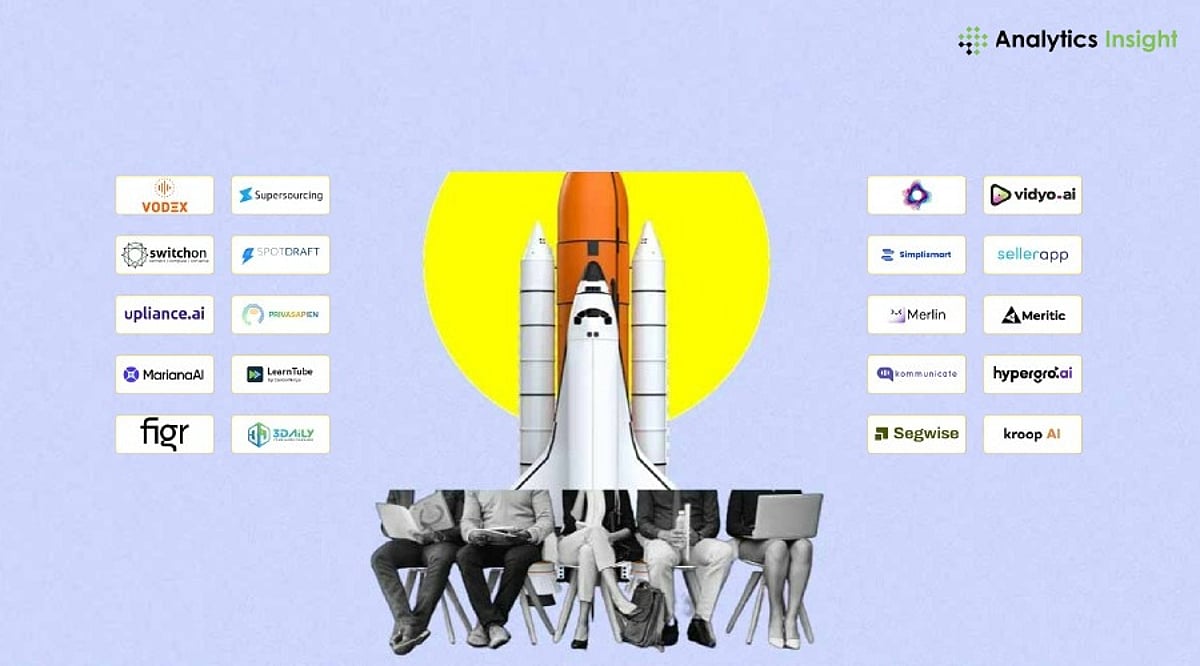
    Google has chosen 20 homegrown AI-first startups for the 2026 cohort of its Google for Startups Accelerator: India program. The tech giant selected these companies from more than 2,500 applications, highlighting the growing depth of India’s AI startup ecosystem.

    The selected startups recently completed an in-person bootcamp at Google’s Bengaluru campus. Over the next three months, Google will provide mentorship, AI tools, cloud resources, and technical guidance to help founders refine their products, strengthen infrastructure, and scale globally.

    A Cohort Built Around Applied AI Infrastructure

    This year’s selections lean heavily toward startups building AI infrastructure and vertical-specific tools rather than consumer apps. Several are tackling embedded and industrial AI: CraftifAI and H2Loop AI automate embedded software and firmware development for robotics, automotive, and semiconductor hardware, while Jidoka applies computer vision to manufacturing quality inspection.

    Others focus on enterprise workflows: Binocs automates financial due diligence, OnFinanceAI builds compliance and risk tools for banks and insurers, and TartanHQ handles identity verification and onboarding through AI-powered APIs. Healthtech and climate tech also feature prominently, with Aikenist building AI-accelerated radiology tools, FlexifyMe offering AI-guided chronic pain therapy, and Aurassure and Fitsol tackling environmental monitoring and carbon emissions tracking respectively.

    Notable Names and Their Backers

    A few startups in the cohort have already built visible track records. Adalat AI, incubated at MIT, applies speech transcription and workflow automation to reduce courtroom case backlogs. Dodo Payments, backed by Antler and 100Unicorns, is building global payment infrastructure for SaaS and AI companies across more than 150 countries. Pipeshift, which came out of Y Combinator’s Summer 2024 batch, focuses on low-latency inference infrastructure for open-source AI models, while Soundverse AI, featured on Shark Tank India, offers a generative AI music platform for prompt-based composition. Several others, including CraftifAI, H2Loop AI, and Binocs, have already raised institutional funding from investors such as Accel, Ankur Capital, and IvyCap Ventures.

    What the Accelerator Offers Founders

    Google India vice president and country manager Preeti Lobana said the program is designed to equip founders with Google’s full AI stack and deep technical mentorship. She framed it as a way to accelerate their path to enterprise scale while strengthening the technical capabilities that support the broader India AI Mission. Google first launched the accelerator in April 2024, and its 2025 cohort included companies such as Apptile, Knit, MyWonder, Phot.AI, and SparkyAI.

    What Comes Next for the Cohort

    Beyond mentorship, Google’s accelerator model typically emphasizes technical depth over generic startup coaching. Founders will stress-test their architecture and prepare for scaled, enterprise-grade deployment rather than simply polishing a pitch deck. With this cohort skewing heavily toward infrastructure-level AI tools serving manufacturing, financial services, and healthcare, the selections suggest Google is positioning the program as a pipeline for startups building the underlying technical layers of India’s AI economy, rather than consumer-facing AI products alone.