Tag: 2026 trends

  • How AI Art and Video Generators Are Reshaping Creative Production in 2026

    How AI Art and Video Generators Are Reshaping Creative Production in 2026

    The creative industry is undergoing a seismic shift. What was once a slow, resource-intensive domain of designers, photographers, and video editors has become a fast, AI-powered ecosystem where anyone can produce professional-quality visuals in minutes. The rise of AI art and video generators is not just changing how content is made—it is redefining who can create, how quickly content reaches audiences, and what businesses expect from creative production.

    In 2026, AI creative tools have moved from novelty to necessity. Industry reports indicate that over 34 million AI-generated images are created daily, and enterprise adoption of these tools has surged by more than 200 percent in the last 18 months. Platforms like ImagineArt have emerged as leaders, offering unified creative suites that combine image, video, ad, film, fashion, drama, and audio generation in one workspace.

    Why AI Art and Video Generators Are Leading the Revolution

    Traditional creative processes required weeks of coordination, thousands of dollars, and multiple experts. AI has compressed that timeline to hours, enabling a single person with the right platform and a prompt to produce what once demanded an entire team. Key drivers include exploding demand for visual content, rising production costs, faster client expectations, the rise of solo creators, enterprise personalization at scale, and the availability of advanced AI models to non-technical users.

    The Rise of Unified Creative Platforms

    Early AI creative tools focused on single-format outputs, leading to fragmentation and subscription overload. In 2026, leading platforms offer full creative suites. ImagineArt, for example, integrates multiple top AI models such as Nano Banana Pro, Imagen, Flux, Recraft, Kling, Seedance, and Runway, giving creators the power to choose the best engine for each task without switching platforms.

    ImagineArt’s Core Studios

    • AI Image Generator – for product visuals, social graphics, and brand imagery
    • AI Video Generator – for cinematic short-form and long-form video
    • AI Ads Studio – for high-converting ad creatives
    • AI Film Studio – for storyboards and short films
    • AI Fashion Studio – for lookbooks and editorial visuals
    • AI Drama Studio – for dialogue scenes and storytelling clips
    • AI Audio Studio – for voice cloning, text-to-speech, and music

    How AI Art Generators Change Visual Design

    AI art generators now serve as the backbone of modern visual design. Marketing teams, small businesses, and creators use them for product photography, social media graphics, ad creatives, brand identity variations, e-commerce banners, concept art, and personalized visuals. The business impact is clear: companies produce 10–20 times more visual content per month at a fraction of the cost.

    How AI Video Generators Transform Motion Content

    Video is the fastest-growing content format in 2026. AI video generators have made creation as fast as writing a prompt. ImagineArt’s AI video generator stands out by offering multi-model support with cinematic camera and lens simulations for ARRI, RED, Sony, Cooke, and Zeiss, enabling studio-grade output without a studio budget. It supports text-to-video and image-to-video generation, aspect ratio presets for all major platforms, and built-in voiceover, music, and captions.

    The Business Impact of AI Creative Tools

    Reported outcomes include 60–80 percent reduction in creative production costs, 3–5 times faster campaign turnaround, higher content variation for testing, reduced dependency on external agencies, increased output without team expansion, and stronger brand consistency. For enterprises, this means faster time-to-market; for solo creators, the ability to compete with larger brands.

    Where the Revolution Is Headed

    The next chapter involves Model Context Protocol (MCP) support, agentic AI workflows, and multi-model orchestration. Platforms like ImagineArt are positioning at the center of this future by combining multi-model access, MCP-ready workflows, and full creative studios. AI agents will soon manage entire pipelines from research to distribution.

    The AI creative revolution is no longer a prediction—it is the reality shaping content creation in 2026. AI art and video generators lead this transformation, and platforms like ImagineArt provide the fastest, smartest way forward for brands, creators, and enterprises alike.

  • Data Engineering Cheat Sheet 2026: Essential Skills, Tools, and Architecture Trends

    Data Engineering Cheat Sheet 2026: Essential Skills, Tools, and Architecture Trends

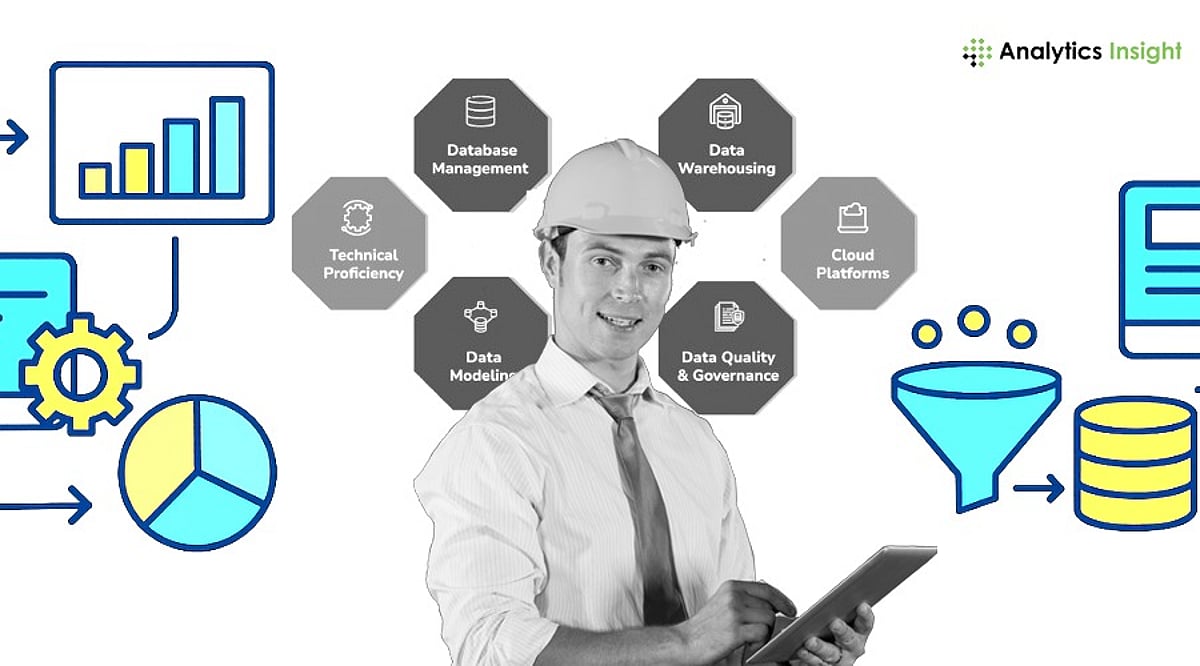
    Data engineering is the foundation of every modern data system. Every website visit, online purchase, mobile app session, payment, and business transaction creates new information. That information has little value unless it is collected, cleaned, stored, and prepared for analysis. This is exactly where data engineering plays a major role.

    The need for skilled data engineers has grown rapidly because companies depend on data for daily decisions, automation, customer service, and artificial intelligence (AI). According to IDC, the world is expected to create more than 394 zettabytes of data by 2028, a huge jump from previous years. This massive growth has pushed businesses to build stronger and smarter data platforms that can support analytics and AI at a much larger scale.

    Data engineering is no longer limited to moving data from one place to another. It focuses on speed, quality, security, and reliability so that every team can trust the information they use.

    How a Data Engineering Process Works

    The data engineering process is structured straightforwardly. The process begins with the steps where data gets collected from external sources such as websites, mobile applications, sensors, software of the company, or databases.

    After data information has been collected, a series of preparation processes are conducted. The next stage of the process is the preparation of the data, where incorrect data is deleted, missing values are repaired, and data is formatted in a valuable way. After that, the collected data is checked for quality compliance.

    Finally, the collected data is ready for use in the generation of reports, machine learning models, dashboards, and other business applications. Each step has its specific role. Any issue at any step may lead to the failure of the reports, predictions, or AI models.

    Skills that Matter Most

    Recognized as one of the most sought-after profiles within the IT industry, data engineers require a combination of technical skills and hands-on problem-solving capability. Indeed, almost every database makes use of SQL.

    Knowledge of cloud technologies has become more critical than ever as many businesses today maintain their data in the cloud rather than in-house. Experience in counteracting bottlenecks and making quick fixes has been a plus in providing better and faster systems.

    As per the 2026 hiring trends, it is evident that employers favor hiring professionals who possess knowledge in traditional data engineering methods and also have working knowledge about AI.

    Modern Data Storage

    Data storage has changed a lot during the last few years. Data warehouses such as Snowflake, Google BigQuery, Amazon Redshift, and Azure Synapse Analytics remain popular because they support fast business reporting.

    Many organizations also use data lakes like Amazon S3, Azure Data Lake Storage, and Google Cloud Storage to keep large amounts of raw information at a lower cost.

    A newer approach called the lakehouse has become one of the biggest trends. Platforms such as Databricks, Apache Iceberg, Delta Lake, and Apache Hudi combine the strengths of both data lakes and data warehouses. This design gives businesses better flexibility without sacrificing performance.

    Batch Processing and Real-Time Data

    Not every business needs data at the same speed. Some reports only require updates once a day. This method is called batch processing. It suits financial reports, historical analysis, and large scheduled jobs because it costs less and stays simple to manage.

    Other businesses cannot wait for scheduled updates. Online payments, fraud detection, recommendation systems, and live dashboards need information within seconds. This approach is known as real-time processing.

    Many companies now use both methods together. Real-time systems handle urgent tasks, while batch systems process large historical datasets.

    What Makes a Strong Data Pipeline

    A reliable data pipeline contains several connected parts. Data first enters the system through source applications. After collection, it passes through processing layers that clean and organize the information.

    The pipeline also includes monitoring tools that detect failures before they become major problems. Security controls protect sensitive information, while backup systems reduce the risk of data loss. Together, these components help the entire system stay stable even as data volumes continue to grow.

    Why Data Quality Matters

    Good decisions depend on good data. Even small mistakes can produce incorrect reports or poor AI predictions.

    Modern platforms check for duplicate records, missing values, invalid formats, unexpected schema changes, incomplete information, and inconsistent records. Freshness also matters because outdated data can lead to wrong business decisions.

    Automated quality checks have become a standard feature in enterprise data platforms because manual reviews cannot keep pace with today’s data volumes.

    Cloud Platforms Continue to Lead

    Cloud technology has become the preferred choice for new data projects. Amazon Web Services, Microsoft Azure, and Google Cloud Platform continue to dominate this market. These platforms offer storage, processing power, data warehouses, monitoring services, and workflow management without the need for expensive physical servers.

    Companies also benefit from automatic scaling, which allows systems to handle larger workloads whenever demand increases. This flexibility has made cloud infrastructure the standard choice for businesses of every size.

    Popular Open-Source Technologies

    The role of open-source apps is notable today in the field of data engineering. Apache Spark brings a solution for the processing of huge data by distributing tasks across numerous machines. Apache Kafka has made it possible to achieve speed in data transmission between applications, and Apache Airflow provides solutions for planning and organizing complex operations.

    Other common technologies are Apache Flink, dbt, Apache Iceberg, Delta Lake, and Great Expectations. Apache Spark remains one of the most popular distributed analytics engines in the world.

    Data Models that Organize Information

    A good data model makes information easier to understand and analyze. The Star Schema works well for business reports because it keeps queries simple and delivers faster results. The Snowflake Schema reduces duplicate information through normalization, which saves storage space.

    Large enterprises often choose the Data Vault model because it keeps historical records, supports business growth, and adapts more easily when new data sources appear. The best model depends on business goals rather than company size alone.

    Security Cannot be Ignored

    Every data platform must protect valuable information. Encryption keeps data safe during storage and transfer. Identity management verifies who can access the system, while role-based permissions limit access to authorized users only.

    Many companies also use multi-factor authentication, audit logs, data masking, regular backups, and compliance checks to strengthen security. As AI becomes more common, strong governance and data protection have become basic business requirements rather than optional features.

    Better Performance Saves Time and Money

    Fast systems reduce costs and improve productivity. Engineers improve performance through partitioning, compression, efficient file formats, incremental updates, query optimization, metadata indexing, automatic resource scaling, and parallel execution. These methods reduce processing time and help businesses complete large workloads with fewer computing resources.

    Metrics Every Team Should Watch

    Successful data teams measure system performance every day. Important metrics include pipeline success rate, failure rate, processing latency, throughput, storage use, query response time, data freshness, infrastructure cost, resource utilization, and overall service availability. These numbers help teams detect problems early, improve efficiency, and maintain reliable operations.

    Biggest Data Engineering Trends in 2026

    Several trends continue to reshape the industry. AI now assists pipeline development and reduces repetitive work. Agentic automation handles routine engineering tasks with minimal human effort. Lakehouse architecture has become the preferred storage approach for many organizations.

    Metadata-driven pipelines, data contracts, unified governance, streaming analytics, intelligent cost optimization, and closer integration between machine learning and data engineering have also become common across modern enterprises.

    These advances allow companies to build faster, more reliable, and more intelligent data systems than ever before.

    Final Thoughts

    Data engineering has become one of the main components of modern technology. The effectiveness of different dashboards, analytical tools, AI systems, and business reports depends on well-organized data.

    The significance of reliable data solutions will acquire new meaning as the amount of data created worldwide may reach 394 zettabytes by 2028. It is expected that organizations that concentrate on robust security systems, high data quality, contemporary cloud solutions, and scalable architecture will be much more ready for the future.


  • Top Home Audio Innovations Transforming Entertainment in 2026

    Top Home Audio Innovations Transforming Entertainment in 2026

    The home audio landscape is evolving rapidly, with cutting-edge technologies poised to redefine how we experience movies, music, gaming, and more in 2026. From AI-powered personalization to eco-conscious design, these trends promise to elevate every listening moment.

    AI-Powered Speakers

    Smart speakers are becoming more intuitive, using artificial intelligence to tailor sound profiles to individual preferences and room acoustics. Voice-assisted audio optimization automates controls, making it easier than ever to enjoy a customized entertainment experience.

    Dolby Atmos Systems

    Immersive three-dimensional surround sound continues to gain traction, bringing cinema-quality audio into living rooms. Whether for movies, gaming, music, or live sports, Dolby Atmos delivers a lifelike, enveloping soundstage that heightens emotional impact.

    Wireless Multi-Room Audio

    Connected speaker ecosystems enable seamless music playback across multiple rooms, with synchronized audio and effortless smartphone-based control. This trend allows users to fill their entire home with sound, adapting to different moods and activities.

    High-Resolution Streaming

    Lossless and high-resolution music streaming is becoming mainstream, offering audiophiles superior listening quality. Compatible premium home audio systems now support these formats, ensuring every note and nuance is faithfully reproduced.

    Compact Soundbars

    Slim soundbars with powerful virtual surround capabilities remain a top choice for enhancing TV audio without the need for bulky speaker setups. Their minimalist design and impressive performance make them a staple in modern home theaters.

    Voice-Control Integration

    Home audio systems are increasingly incorporating voice assistants, allowing users to control playback, manage smart home devices, and personalize entertainment through simple voice commands. This hands-free convenience is becoming a standard feature.

    Gaming Audio Enhancement

    Advanced spatial audio technologies are transforming gaming, creating immersive environments where players can pinpoint directional sounds for a competitive edge. Realistic audio cues enhance gameplay and deepen engagement.

    Eco-Friendly Designs

    Manufacturers are prioritizing sustainability by using recycled materials, energy-efficient components, and recyclable packaging—all while maintaining premium sound quality and durability. Eco-conscious consumers can now enjoy high-performance audio without compromising on environmental values.

    Personalized Audio Profiles

    AI-driven calibration automatically adjusts sound settings based on room acoustics, user preferences, and content type. This ensures optimal listening experiences for every scenario, from a quiet podcast to an action-packed blockbuster.

  • 5 Key Data Signals Driving Local SEO Success in 2026

    5 Key Data Signals Driving Local SEO Success in 2026

    Most local businesses still obsess over rankings. That’s understandable — rankings are visible, easy to screenshot, report, and celebrate. But rankings are increasingly the result of dozens of smaller signals working together behind the scenes.

    Today, Google isn’t just asking whether your business is relevant to a search. It’s trying to determine whether you’re active, trustworthy, accurate, and useful right now. That’s an important distinction.

    A plumbing company that hasn’t touched its business profile in six months might technically offer the best service in town. But Google can’t evaluate service quality directly. What it can evaluate is the trail of data that the business leaves behind.

    That’s where local SEO has been heading. The businesses winning local visibility in 2026 aren’t necessarily publishing more content than everyone else. They’re feeding cleaner, fresher, and more consistent signals into Google’s ecosystem.

    Here are five data points worth paying attention to.

    1. Google Business Profile Update Cadence

    There was a time when claiming your Google Business Profile felt like the hard part. Now it’s the easy part. The profiles that tend to look healthiest are never static. New photos appear. Service information gets updated. Holiday hours change. And most importantly? Questions receive answers.

    Sometimes the changes are minor, but they create evidence that the business is still paying attention. And that’s what counts. Google has never published a formula that says “update your profile every X days.” But anyone who spends time reviewing local listings notices a pattern: neglected profiles rarely outperform well-maintained ones for long.

    So, take five minutes and check your own listing:

    • When was the last photo uploaded?
    • When did you publish an update?
    • Have you reviewed service categories recently?

    Keep all your information up-to-date. Always.

    2. Review Quality and Velocity

    A business with 800 reviews may seem impressive, but a business that earned 40 detailed reviews in the last two months? That one often looks more relevant. Don’t get us wrong — quantity matters — but reviews aren’t just ratings anymore. They contain context. Customers mention services, locations, staff members, products, pricing, and outcomes. Google gets a surprisingly detailed picture from those snippets of text.

    The timing matters as well. A steady stream of recent feedback tells a different story than a profile that exploded with reviews in 2021 and then went quiet. Something else worth watching is the review quality. A short “Great service!” review has value. But a review that explains what happened, what was purchased, and why the customer was satisfied carries far more information.

    And of course, responses still count. Inactive businesses tend to ignore reviews; active businesses usually don’t.

    3. Entity Signals and Schema Health

    If your website says one thing, a directory says another, and an old Facebook page still lists a previous phone number, your business feels uncertain to customers. Google’s systems spend a lot of time trying to determine whether references across the web describe the same business entity. The cleaner those signals become, the easier that job gets.

    This is also why schema markup still matters. Good schema doesn’t magically improve rankings; what it does is reduce ambiguity. When auditing local performance, check your NAP data, citation accuracy, and structured markup before chasing more sophisticated tactics. It’s surprising how often visibility problems start there.

    4. Map Engagement and Click-Through Rate

    A lot of SEO conversations stop at impressions. But the more interesting question is what happens next. Do people click? Do they call? Do they request directions? Do they view photos and then leave? These behaviors reveal whether your listing actually earns attention when it appears.

    If you have weak engagement, it’s usually due to presentation issues. Weak photos, vague descriptions, missing service information, poor category selection, and outdated details all chip away at engagement.

    5. Live Product Availability Through Merchant Center

    Google increasingly wants access to live information — not last month’s, or even yesterday’s information — today’s information. Enter Merchant Center. When inventory feeds are connected properly, Google gains visibility into product availability, pricing, and stock status. That creates opportunities across local shopping experiences that standard location-page optimization can’t replicate.

    Many businesses spend months refining category pages while product feeds receive almost no attention. But that imbalance may become harder to justify as local commerce continues moving toward real-time search experiences.