Tag: 5G

  • Top Samsung Smartphones Under ₹15,000 in 2026: Budget Picks with Long-Term Support

    Top Samsung Smartphones Under ₹15,000 in 2026: Budget Picks with Long-Term Support

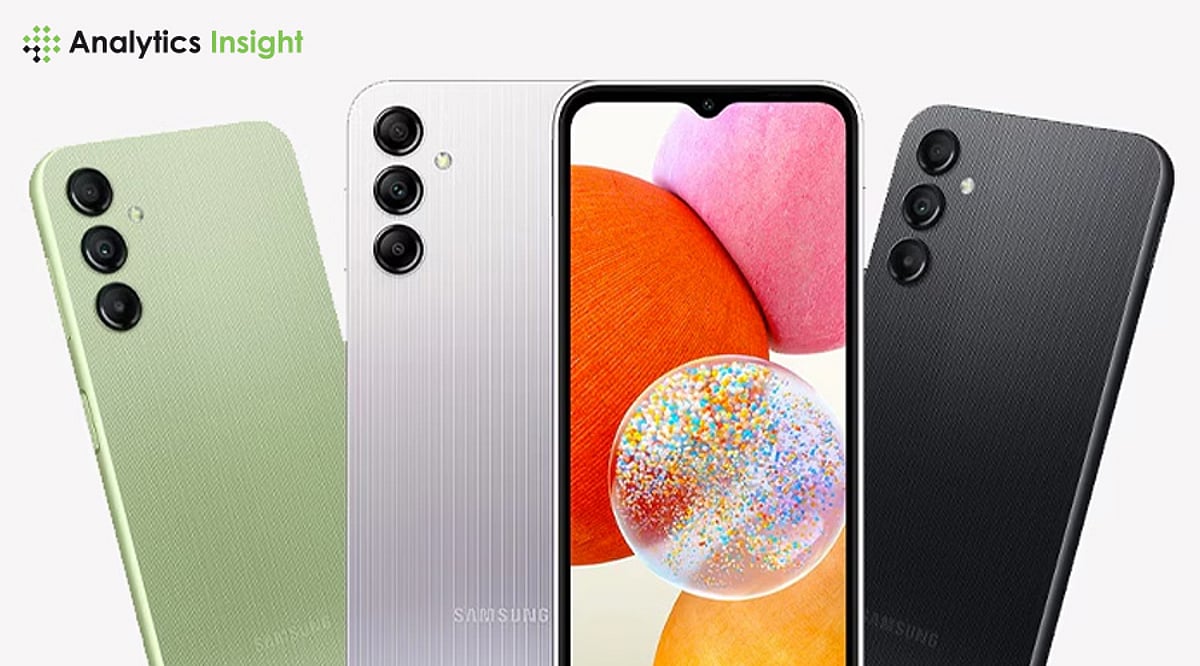
    Samsung continues to dominate India’s budget smartphone segment, offering feature-packed devices under ₹15,000 as of late 2026. These phones combine smooth performance, attractive designs, and extended software updates—key factors for value-conscious buyers. Note that a global RAM shortage has nudged prices slightly above launch levels. Below are the top Samsung models in this price range, with detailed specs to help you choose.

    Samsung Galaxy M17 5G: The New All-Rounder Champion

    Launched in October 2025, the Galaxy M17 5G is Samsung’s standout pick in this segment. It features a 6.7-inch Full HD+ Super AMOLED display with a 90Hz refresh rate, up to 1,100 nits peak brightness, and Gorilla Glass Victus protection—a rare level of screen durability at this price. Powered by the Exynos 1330 chipset, it comes in 4GB, 6GB, and 8GB RAM variants, all with 128GB storage.

    The camera system includes a 50MP main sensor with OIS, a 5MP ultra-wide lens, and a 2MP macro camera, plus a 13MP front camera. It runs One UI 7 on Android 15, backed by six years of OS and security updates, and supports Gemini Live AI features. A 5,000mAh battery with 25W fast charging and an IP54 rating round out the package. Pricing starts at ₹12,499 (4GB/128GB) and goes up to ₹15,499 (8GB/128GB).

    Samsung Galaxy F16 5G: Reliable Mid-Range Value

    The Galaxy F16 5G remains a strong option, with prices now between ₹12,499 (4GB/128GB) and ₹15,499 (8GB/128GB) after segment-wide adjustments. It keeps the 6.7-inch Full HD+ Super AMOLED 90Hz display and runs on the MediaTek Dimensity 6300 chipset. The 50MP main + 5MP ultra-wide + 2MP macro rear camera and 13MP front camera are unchanged. It ships with One UI 7 on Android 15 with six years of updates, and packs a 5,000mAh battery with 25W charging. A dependable all-rounder for those who want AMOLED quality without stretching to the M17.

    Samsung Galaxy M07: Best Budget Pick Under ₹11,000

    Launched quietly in October 2025, the Galaxy M07 is one of Samsung’s most affordable current models, priced around ₹10,999–₹11,999. It features a 6.7-inch HD+ display with 90Hz refresh rate, MediaTek Helio G99 chipset, 4GB RAM, and 64GB storage (expandable via microSD). The camera setup includes a 50MP main sensor and a 2MP depth sensor, with an 8MP front camera. It runs Android 15 with One UI 7 and six years of updates, plus a 5,000mAh battery with 25W fast charging and IP54 rating. Ideal if battery life and software support matter more than display resolution.

    Samsung Galaxy M16 5G: Still a Solid Value Pick

    The Galaxy M16 5G remains available and has become more affordable, now retailing around ₹10,999–₹13,999. It retains the Dimensity 6300 chipset, 6.7-inch Super AMOLED 90Hz display, 5,000mAh battery with 25W charging, and the 50MP+5MP+2MP rear camera with 13MP front camera. Six years of OS updates on One UI 7 / Android 15 are still promised. A great choice for budget-minded shoppers who want AMOLED quality.

    Samsung Galaxy A06 5G: Budget 5G Entry

    The Galaxy A06 5G is Samsung’s entry point for 5G connectivity under ₹13,000, priced at roughly ₹12,499. It runs on the MediaTek Dimensity 6300 chipset, features a 6.7-inch display, and includes a 50MP + 2MP dual rear camera with an 8MP front camera. The 5,000mAh battery supports fast charging. This is a practical no-frills option for first-time 5G buyers on a tight budget.

    Main Considerations for Purchasers

    Each model excels in specific areas: the M17 5G and F16 5G prioritize display and camera quality, the M07 emphasizes battery life and affordability, while the M16 5G and A06 5G focus on cost efficiency. Camera performance is consistent across the range with 50MP sensors, though low-light capability trails higher tiers. Nearly all models here now support 5G, and Samsung’s six-year OS and security update commitment has become a standard differentiator for its budget lineup.

    Conclusion: Samsung’s Budget Dominance Continues

    Samsung’s offerings under ₹15,000 in late 2026 represent a blend of endurance, performance, and value. The Galaxy M17 5G leads for the best display and camera, while the F16 5G and M16 5G offer similar experiences at lower costs. The M07 and A06 5G round out the list for the most budget-conscious buyers. Long software support across the range keeps these devices competitive, cementing Samsung’s position in India’s budget smartphone market.

  • Jio and T-Mobile Achieve First 5G SA Roaming Connection Between India and US

    Jio and T-Mobile Achieve First 5G SA Roaming Connection Between India and US

    Reliance Jio and T-Mobile have successfully tested a 5G Standalone (SA) roaming connection between India and the United States. The milestone, facilitated by Syniverse, marks the first time a 5G SA roaming link has been established between the two countries, opening a new path for international 5G roaming.

    This partnership allows T-Mobile customers visiting India to stay connected through Jio’s extensive 5G SA network. Similarly, Jio users traveling to the US could benefit from T-Mobile’s network in the future. The collaboration is a significant step toward making 5G networks interoperable across borders.

    Key Benefits and Future Potential

    The 5G SA roaming connection promises faster speeds, lower latency, and more reliable connectivity than previous network generations. It also lays the groundwork for advanced services that require direct 5G connections, such as AI-based applications and real-time data processing.

    Mark Yarkosky, Head of International Network, Partnership and Services at Jio, stated that this partnership is a step towards interoperability between 5G SA networks and is expected to support new consumer and enterprise services. T-Mobile authorities echoed this sentiment, highlighting that the collaboration will help travelers move between countries without losing connectivity.

    Significance for India’s Telecom Market

    Jio has built one of the largest 5G SA networks in India, and this test demonstrates how that infrastructure can connect with a major US operator. The development underscores the growing importance of international partnerships as telecom operators worldwide transition to 5G SA.

    T-Mobile has been working on its 5G SA network since 2020, and this test brings together the efforts of both companies. The successful trial indicates where international telecom is heading—towards seamlessly connected 5G networks that serve global customers.

  • Data Science Goes to the Edge: 5 Trends Reshaping Modern Analytics

    Data Science Goes to the Edge: 5 Trends Reshaping Modern Analytics

    Data science is moving closer to the edge. More analytics workloads are being processed where data is created, enabling faster responses and reducing unnecessary data transfers. From edge AI to real-time intelligence, these five trends are reshaping modern analytics.

    Edge AI

    Cameras, sensors, smartphones, and industrial machines can analyze information without constantly sending raw data to the cloud. The result is faster decisions, lower latency, and greater resilience when connectivity is limited.

    Real-Time Data Streaming

    Real-time streaming allows analytics systems and AI agents to react to events almost immediately. Gartner identifies agentic data streaming as a major data and analytics trend as organizations demand faster intelligence.

    Smaller AI Models

    Techniques such as quantization and pruning can reduce model size while retaining useful performance. This makes local inference more practical for smartphones, industrial equipment, healthcare devices, and other resource-constrained systems.

    AI-Powered Data Management

    AI agents can help identify patterns, recommend actions, and support routine data processes in real time. Gartner expects agentic approaches to increasingly reshape how organizations manage complex and rapidly growing data environments.

    Analytics Meets IoT

    Edge analytics allows connected devices to filter and interpret information locally before sending only useful insights onward. This approach is especially relevant to manufacturing, logistics, healthcare, energy, and smart-city applications.

    Privacy Moves Closer to the Data

    This is especially useful when devices handle sensitive images, health information, or industrial data. Edge architectures therefore offer another tool for organizations trying to balance analytics performance with privacy and security requirements.

    5G Adds More Momentum

    5G can connect distributed devices with nearby computing infrastructure while supporting data-intensive applications. Together, 5G, specialized AI chips, and optimized models are helping push analytics beyond traditional cloud-only architectures.

    From Dashboards to Instant Decisions

    Modern analytics is moving beyond simply explaining what happened. Streaming data, AI agents, and edge processing can help systems detect events and support decisions as they happen.

  • Reliance Jio September 2026 Prepaid Plans: Full Breakdown of Pricing, Data, and 5G Benefits

    Reliance Jio September 2026 Prepaid Plans: Full Breakdown of Pricing, Data, and 5G Benefits

    Reliance Jio continues to offer a diverse range of prepaid recharge plans in September 2026, catering to everyone from light users to heavy data consumers. The lineup spans short-validity data top-ups starting at ₹11 to a long-term annual plan priced at ₹3,599. Users can recharge through the MyJio app, the Jio.com website, or third-party platforms like Paytm, PhonePe, and Google Pay.

    Since Jio splits its plans into base recharges and data-only add-ons, it’s important to check whether an existing base plan is active before purchasing to avoid overlapping benefits.

    Jio Plans by Price and Data Needs

    At the entry level, the ₹199 plan offers a mid-range option with daily data and unlimited calling, making it a popular choice for regular users. For those needing higher data limits, plans in the ₹299 to ₹349 range typically provide 2GB to 2.5GB of high-speed data per day, along with unlimited voice calls and 100 SMS daily.

    Jio’s flagship annual plan at ₹3,599 covers a full 365 days of validity, offering 2.5GB of daily high-speed data, unlimited 5G access for eligible users, unlimited calls, and SMS. This plan is the most economical for anyone looking to avoid monthly recharges.

    Jio also sells a ₹601 unlimited 5G voucher for users already on an eligible base plan with at least 1.5GB of daily 4G data. Activating it increases the daily data quota to 3GB and unlocks unlimited 5G speeds for the voucher’s validity period. The voucher comes bundled with 12 upgrade vouchers, each valid for up to 30 days, giving users flexibility to activate them anytime across a 12-month window.

    Jio Data Add-Ons and 5G Vouchers

    For users who only need extra data without additional calling minutes, Jio’s data-only add-ons start at ₹11 for a small one-hour boost of 10GB, ideal for quick downloads. The ₹51 pack adds unlimited 5G along with 3GB of 4G data for plans valid up to a month, while the ₹101 and ₹151 packs scale up the 4G allowance to 6GB and 9GB respectively for longer base plan validities.

    These add-ons require a compatible 5G device and network coverage to actually use the unlimited 5G benefit. Select long-validity plans also bundle OTT platform access, such as JioHotstar, giving users added entertainment value on top of their core data and calling benefits.

  • eSIM vs Physical SIM: Which Smartphone Option Wins in 2026?

    eSIM vs Physical SIM: Which Smartphone Option Wins in 2026?

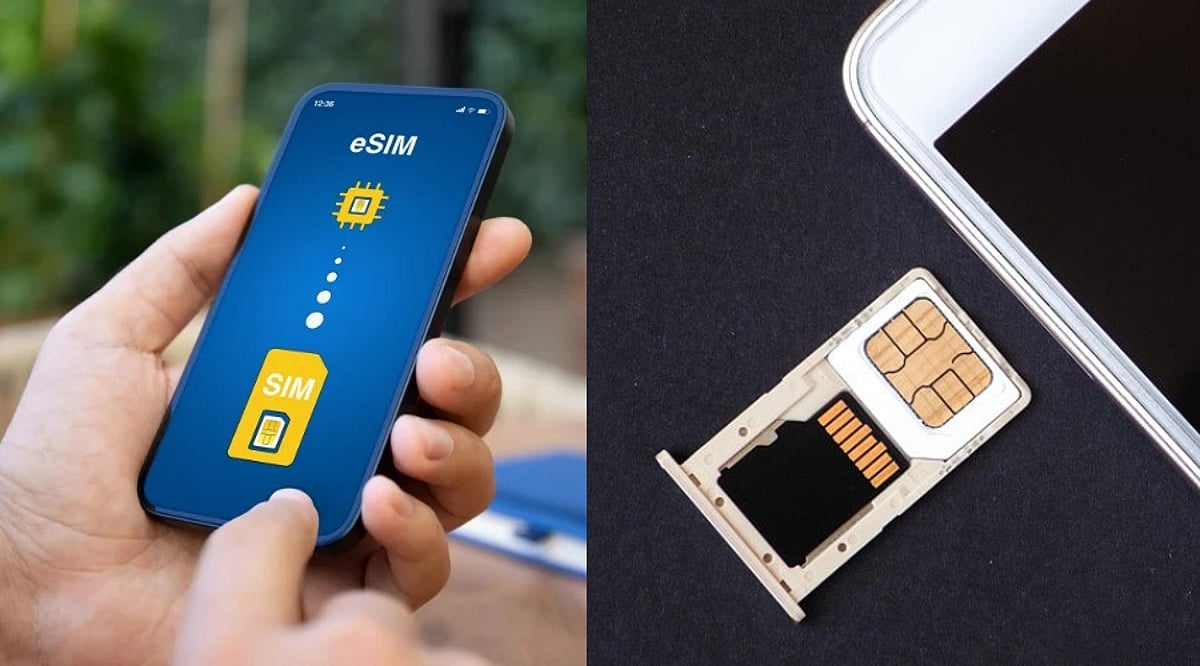
    Smartphones no longer require a small plastic card for mobile service. An eSIM stores a mobile plan directly inside the phone, while a physical SIM remains a removable card. Both options provide calls, messages, mobile data, and 5G access. The real difference lies in travel convenience, phone changes, security, carrier support, and recovery after device failure.

    For most modern flagship phones, eSIM offers the more flexible choice. A physical SIM still has a clear advantage for quick phone changes and broader device compatibility. A phone that supports both options provides the strongest mix of convenience and backup.

    Key Takeaways

    • eSIM wins on convenience: Ideal for travelers, multiple numbers, and digital activation.
    • Physical SIM wins on flexibility: Easy to move between compatible phones, especially during emergencies.
    • Dual-SIM is the best of both: Combines eSIM convenience with physical SIM backup.

    eSIM Makes Travel and Multiple Numbers Easier

    Travel stands out as a major advantage of eSIM. A travel data plan can be added without visiting a local store for a plastic SIM. Plans can often start before a flight or soon after arrival, simplifying mobile access abroad. Apple states that international eSIM providers offer plans across more than 190 countries and regions. Modern smartphones can also hold several eSIM profiles, keeping a main number active while a second plan handles travel data. For frequent international trips, eSIM offers a clear advantage.

    Multiple numbers also work well with eSIM. A personal number can stay on one line while a work number or travel plan uses another. A compatible phone can manage both lines without two physical cards. Security gives eSIM another useful edge: a thief cannot simply pull an eSIM from a stolen phone and place it in another device. That extra barrier helps preserve cellular access for device recovery. Strong screen locks, account protection, and theft protection remain essential, so eSIM should not serve as the only security measure.

    Physical SIM Still Has One Major Advantage

    A physical SIM remains useful for fast phone changes. A SIM card can be moved from one compatible phone to another within minutes. This matters when a main phone fails, loses power, or needs repair. A spare phone can often take the same card without a carrier visit or new digital activation. An eSIM may require carrier approval, account checks, a QR code, an app, or a transfer process. The exact steps vary by carrier and phone, creating trouble when fast access to a mobile number is critical.

    Physical SIM also offers broader compatibility. Older phones, budget models, and some imported devices may not support eSIM. Regional phone versions can have different SIM setups. A phone bought in one country may not match the SIM configuration of the same model sold elsewhere. Buyers should check the exact phone model and carrier before purchase. eSIM support alone does not confirm support for every carrier feature.

    2026 Phones Make the Choice More Important

    The smartphone market continues moving toward eSIM. Apple already sells eSIM-only iPhone models in some markets, while Android brands add eSIM support to more devices. Huawei also reports eSIM support for its upcoming Mate XT 2. India has reached a mature stage for eSIM use. Apple lists Airtel, Reliance Jio, and Vi as Indian eSIM carriers. Airtel and Jio support eSIM Quick Transfer on compatible iPhones. Carrier steps can still differ, so model and network checks remain important before a SIM conversion.

    One common myth needs clarification: eSIM does not make 5G faster. eSIM and physical SIM deliver the same cellular performance on the same phone and network. Modem quality, antenna design, supported network bands, carrier coverage, network traffic, and the mobile plan have a much greater effect on speed and signal quality.

    For most modern flagship phones, eSIM makes the most sense. Frequent travelers, people with several numbers, and buyers who want simple digital activation can gain more from the technology. A physical SIM remains the safer practical choice for those who often move a number between phones or keep a spare device. The strongest setup in 2026 remains a phone with both options: a physical SIM for the main number and an eSIM for a work line or travel plan. That combination brings eSIM flexibility without losing the quick recovery offered by a removable card.

    The choice depends less on speed and more on convenience, recovery, and carrier support. eSIM represents the direction of modern smartphones, while physical SIM still solves a problem that digital activation cannot always solve as quickly: getting a mobile number onto another phone at short notice.

    Frequently Asked Questions

    1. Is eSIM better than a physical SIM?

    For most modern smartphones, eSIM is more convenient, especially for travel and managing multiple numbers. Physical SIM remains better for quick phone transfers.

    2. Does eSIM provide faster 5G?

    No. eSIM does not inherently make 5G faster. Speed depends mainly on the phone’s modem, network bands, carrier, coverage, and plan.

    3. Can I use eSIM and physical SIM together?

    Yes, on compatible phones. You can use one for your main number and the other for a work, travel, or backup line.

    4. What happens if my eSIM phone breaks?

    Moving your number to another phone may require carrier verification or an eSIM transfer process. A physical SIM can usually be moved directly to a compatible backup phone.

    5. Should I choose eSIM or physical SIM in 2026?

    Choose eSIM for convenience and frequent travel. Choose physical SIM if you regularly switch phones or rely on a spare device. A phone supporting both offers the most flexibility.

  • Realme 16 Pro 5G Gets a Magical Harry Potter Limited Edition

    Realme 16 Pro 5G Gets a Magical Harry Potter Limited Edition

    Realme Teams Up with Warner Bros. for a Harry Potter-Inspired Smartphone

    Realme is adding a touch of wizardry to its popular 16 Pro 5G with a special Harry Potter Edition. In collaboration with Warner Bros. Discovery, this limited-edition device brings the enchanting world of Harry Potter to life on a smartphone, marking the second such partnership between the two companies. Previously, they released the Realme 15 Pro Game of Thrones Limited Edition.

    The Harry Potter Edition of the Realme 16 Pro 5G features design elements inspired by the beloved franchise, blending magical aesthetics with Realme’s signature style. A special co-branded Realme x Harry Potter logo will be included, making the device a must-have for collectors and devoted fans. The collaboration aims to transform everyday technology into a piece of wizarding world memorabilia.

    Same Powerful Hardware, Enchanting New Look

    Under the hood, the special edition is identical to the standard Realme 16 Pro 5G. It boasts a 6.78-inch AMOLED display with a 144Hz refresh rate, powered by the MediaTek Dimensity 7300 Max chipset, and offers up to 12GB of RAM. The camera setup includes a 200MP main sensor, while a robust 7,000mAh battery supports 80W fast charging.

    While the price for the Harry Potter Edition has not yet been announced, the real draw here is the themed design. Realme has ensured that the special edition stands apart from the regular model with distinctive wizarding world-inspired details and branding.

    Who Should Buy the Harry Potter Edition?

    This limited edition is clearly aimed at die-hard Harry Potter fans and collectors who appreciate the unique aesthetic and themed touches. For the average consumer, the standard Realme 16 Pro 5G offers the same performance at what is likely a more accessible price point. The hardware remains unchanged; only the appearance differs.

    Whether the special edition introduces any exclusive software features is still under wraps. Ultimately, the Harry Potter Edition is a niche product for enthusiasts who want to carry a piece of the magical world in their pocket, while others may find the regular model a more practical choice.

  • OPPO F35 Series Set for India Launch in September 2026: Key Specs and Expected Price

    OPPO F35 Series Set for India Launch in September 2026: Key Specs and Expected Price

    OPPO has officially confirmed the launch of its F35 Series in India for September 2026, marking a decade of the F Series in the country. The new lineup aims to strengthen OPPO’s position in the competitive Indian smartphone market with a focus on design, durability, and meaningful innovation.

    While the exact launch date remains undisclosed, OPPO has begun teasing the upcoming devices. The company describes the F35 Series as a continuation of the F Series legacy, tailored for young buyers and evolving everyday needs. The teaser images reveal a slim smartphone with rounded edges, a centered punch-hole camera, and an orange-gold outline that highlights a premium curved frame. 5G branding is confirmed, though the complete model list has not been announced.

    Industry leaks suggest the lineup may include the OPPO F35 and OPPO F35 Pro. The F35 Pro is rumored to pack a massive 10,000mAh battery with 80W fast charging, a 6.78-inch AMOLED display with a 120Hz refresh rate, and a Snapdragon 4 Gen 5 chipset paired with UFS 3.1 storage. The OPPO F35 Pro’s price could range between Rs. 40,000 and Rs. 45,000 in India. OPPO has not confirmed these specifications or pricing, and more details are expected closer to the official unveiling.

  • Jio Introduces Rs 550 and Rs 2,000 OTT Passes with 5G Data and Streaming Subscriptions

    Jio Introduces Rs 550 and Rs 2,000 OTT Passes with 5G Data and Streaming Subscriptions

    Reliance Jio has expanded its OTT prepaid offerings with two new passes priced at Rs. 550 and Rs. 2,000. These plans combine data benefits, 5G upgrades, and subscriptions to multiple streaming platforms, giving users a comprehensive entertainment and connectivity package.

    Jio Rs. 550 OTT Pass: 90GB Data for 84 Days

    The Rs. 550 prepaid plan comes with a validity of 84 days and offers 90GB of 4G data. It is a data-only pack and requires a base prepaid plan with a validity of three months or one year. The plan includes OTT subscriptions for the entire 84-day period, covering the following platforms:

    • YouTube Premium
    • Amazon Prime Lite
    • JioHotstar
    • SonyLIV
    • ZEE5
    • Lionsgate Play
    • Discovery+
    • SunNXT
    • Kanccha Lannka
    • ETV Win
    • Chaupal
    • Hoichoi
    • FanCode
    • Times Play
    • Tarang Plus

    Customers also get access to JioTV Mobile, which offers over 1,000 live TV channels. Additionally, the Rs. 550 plan provides a 5G upgrade if the base plan does not already include 5G. The 5G benefit is valid for either 84 days or until the base plan expires, whichever is shorter.

    Jio Rs. 2,000 OTT Pass: 365GB Data

    The Rs. 2000 prepaid plan has a validity of 365 days and provides 365GB of data. It is available only to customers with a one-year validity base prepaid plan. The same OTT bundle as the Rs. 550 plan is included, covering all the streaming services listed above. JioTV access with over 1,000 live TV channels is also part of this plan.

    The Rs. 2,000 plan also includes a 5G upgrade if the base plan does not have 5G. The 5G benefit remains active for 84 days or until the base plan expires, whichever is less.

    Availability and Existing Plans

    Both the Rs. 550 and Rs. 2,000 OTT Passes are now available to Jio customers across India. These plans add longer-validity options for users seeking a combination of mobile data and OTT entertainment. Jio already offers a Rs. 200 OTT Pass with 28 days of validity, 30GB of data, and access to several OTT platforms and live TV channels.

  • India’s TRAI Opens Public Consultation on 5G Network Slicing Quality Standards to Safeguard User Experience

    India’s TRAI Opens Public Consultation on 5G Network Slicing Quality Standards to Safeguard User Experience

    India’s Telecom Regulatory Authority (TRAI) has invited public comments on a draft document outlining quality-of-service (QoS) benchmarks for 5G network slicing. This emerging technology is considered the backbone of future advanced mobile services in the country. According to TRAI, these new standards will ensure that 5G services do not degrade the quality of experience for ordinary mobile users.

    Network slicing enables telecom carriers to create multiple virtual networks on a single physical network. Each ‘slice’ can be configured for different use cases such as online gaming, cloud computing, factory automation, medical services, or emergency services. These slices have unique speed, latency, and reliability depending on their intended use case.

    TRAI Recommends Setting Up Separate Quality Standards

    In its draft guidelines, TRAI has made provisions to ensure that telecom operators offering network slicing adhere to defined quality standards for each slice. Simultaneously, operators must ensure that resource allocation to premium customers does not adversely impact service quality for other customers. The regulator said operators should continuously monitor network performance and maintain transparency about the quality levels promised under different service categories. The move aims to protect consumers as telecom companies begin introducing differentiated 5G services.

    Debate Over Net Neutrality Continues

    The consultation also revives the debate around net neutrality. Consumer groups argue that prioritized network services could create unequal internet access if premium users consistently receive better performance. Telecom companies, however, maintain that network slicing is a globally accepted 5G capability that enables specialized applications without violating net neutrality principles. They argue the technology is essential for monetizing large investments made in India’s 5G rollout and supporting enterprise use cases.

    Consultation Open Before Final Rules

    TRAI has consulted with telecom companies, industry associations, technology companies, and consumers before formulating the rules. The consultation is part of the regulator’s broader initiative to examine quality-of-service guidelines for mobile networks in India’s growing independent 5G network ecosystem. The regulatory structure is likely to define telecom operators’ approach to offering premium 5G services while ensuring ordinary consumers enjoy reliable mobile connectivity. With telecom companies seeking additional revenue sources, the regulator’s job is to promote innovations while maintaining consumer protection norms and an open internet philosophy.

  • Poco X8 Spotted on NBTC and IMDA Certifications, 5G Connectivity Confirmed

    Poco X8 Spotted on NBTC and IMDA Certifications, 5G Connectivity Confirmed

    The Poco X8 has been spotted on the NBTC website in Thailand and the IMDA database in Singapore, signaling that the mid-range smartphone is gearing up for a global launch. The NBTC listing reveals the model number 2607DPC18G and certification number B38497-26, along with support for GSM, WCDMA, LTE, and NR networks — confirming 5G connectivity.

    Separately, the same model number appeared on the IMDA certification platform, which adds Bluetooth, Wi-Fi, and NFC connectivity to the list of confirmed features. These certifications are typically obtained only when a device is in the final stages of preparation for market release, making them strong indicators of an imminent launch.

    Expected Specifications and Market Plans

    While the listings do not reveal full specifications, rumors suggest the Poco X8 will feature a 50-megapixel primary rear camera paired with a 2-megapixel depth sensor. India is expected to be among the first markets to receive the device, with a potential launch within the current quarter.

    There are also reports that the Poco X8 could be based on the Redmi Note 17 Pro, which launched in China earlier this month. Poco has followed a similar rebadging strategy with several previous models, though the company has not officially confirmed any connection.

    India as a Key Market

    India has historically been a crucial market for Poco’s X-series lineup, and industry experts believe the Poco X8 will arrive in the country shortly after its global debut. For now, the company is keeping the processor, display, battery, and pricing details under wraps, with more information expected closer to the official announcement.

    The successive certifications make one thing clear: the Poco X8 is ready to enter the market, and the wait may not be much longer.