Tag: Accenture

  • Accenture and AWS Unveil AI and Cloud Solutions for Mid-Market Businesses

    Accenture and AWS Unveil AI and Cloud Solutions for Mid-Market Businesses

    Accenture has partnered with Amazon Web Services (AWS) to introduce a suite of AI and cloud tools specifically designed for mid-sized companies. The offerings, available through AWS Marketplace, cover cloud migration, security, data management, customer service, and AI testing.

    Key solutions include tools for moving virtual machines to AWS, optimizing cloud spending, securing cloud environments, and testing AI systems for potential risks. The collaboration is part of Accenture Edge, a business unit focused on organizations with annual revenues between USD 300 million and USD 3 billion. Accenture Edge aims to deliver tailored technology solutions for mid-market needs.

    Customer service technologies, such as conversational AI and virtual agents, are also included. Additional tools help companies identify data sources and dependencies during cloud migrations.

    Accenture highlighted its work with 407 ETR, an electronic toll highway operator in Toronto. The company used Accenture’s NeuraFlash unit and AWS to build a new customer service system without disrupting existing operations—demonstrating how the collaboration can modernize customer-facing technology smoothly.

    Accenture shares rose 1.6% before the opening bell on Tuesday, extending Monday’s gains. This move follows Anthropic’s partnership with Accenture to test the safety of advanced AI models.

  • Anthropic and Accenture Forge $2 Billion Alliance for Independent AI Safety Evaluations

    Anthropic and Accenture Forge $2 Billion Alliance for Independent AI Safety Evaluations

    Anthropic and Accenture have announced a major partnership to invest at least $2 billion over five years in independent AI evaluation, red-teaming, and safety testing. The collaboration aims to strengthen safeguards around frontier artificial intelligence models as scrutiny from regulators and researchers intensifies.

    Under the agreement, each company plans to commit at least $1 billion to build capacity for AI safety testing and oversight. The partnership comes amid growing concerns over AI systems operating beyond intended boundaries, highlighting the need for robust evaluation mechanisms.

    Embedded Evaluation Model

    A key feature of the partnership is the use of ’embedded evaluation.’ Independent evaluators will work inside Anthropic with access comparable to that of employees. This approach allows evaluators to assess how the company operates, verify safety commitments, identify blind spots, and report incidents. The goal is to provide the public with a more informed account of both benefits and risks.

    Accenture’s specialist AI business, Faculty, will lead the partnership. Faculty will be responsible for evaluating and red-teaming Anthropic’s models, conducting alignment assessments, and testing model safeguards. Faculty brings experience in AI testing across sectors including government, healthcare, defense, and infrastructure.

    Roadmap Ahead

    Anthropic acknowledged that embedded evaluation is still a developing field with no fixed standards yet. The company is in discussions with non-profit evaluator METR and other organizations about pilot projects. Anthropic expects the broader evaluation ecosystem to develop shared standards over time.

    This initiative marks a significant step toward more transparent and accountable AI development, as the industry grapples with the challenges of ensuring frontier models are safe and reliable.

  • Leading Modernization Engineering Services Firms for Legacy Technology Transformation

    Leading Modernization Engineering Services Firms for Legacy Technology Transformation

    Modernizing legacy technology is no longer just an IT upgrade—it has become a strategic necessity for enterprises aiming to keep applications secure, reduce technical debt, and prepare systems for cloud computing, automation, and artificial intelligence. Businesses are increasingly turning to engineering and IT services companies that can assess legacy systems, migrate workloads, rebuild applications, and introduce modern architectures without disrupting daily operations. Industry research highlights several global technology providers for their capabilities in application and legacy modernization.

    10 Leading Firms Transforming Legacy Technology

    Here are ten companies that stand out in the modernization engineering services space:

    Accenture

    Accenture offers a broad application modernization practice covering legacy assessment, architecture planning, cloud migration, application transformation, and mainframe modernization. The company also uses automation and AI-assisted approaches to help enterprises modernize large application estates.

    Tata Consultancy Services (TCS)

    TCS works with large enterprises on application modernization, cloud transformation, and legacy technology upgrades. Its scale and global delivery network make it a major provider for organizations managing complex technology environments. TCS was named a Leader in Forrester’s 2024 assessment of application modernization and migration services.

    Infosys

    Infosys takes an AI- and cloud-first approach to modernization. Its services cover legacy applications, mainframes, databases, cloud migration, technology upgrades, and the transition of monolithic applications to microservices.

    Capgemini

    Capgemini helps businesses modernize applications and technology environments while moving toward cloud-native architectures. The company has been recognized among the leading providers in application modernization and migration services.

    HCLTech

    HCLTech is a major player in legacy and application modernization. Its services focus on helping enterprises move away from older technology environments while adopting cloud, automation, and modern engineering practices. HFS Research included HCLTech among its 2025 Market Leaders.

    Cognizant

    Cognizant offers end-to-end modernization services, from application assessment and migration to cloud-native transformation. Its Skygrade platform uses automation, modern tooling, and generative AI to support large-scale cloud modernization programs.

    IBM

    IBM Consulting focuses strongly on hybrid cloud and AI-led application modernization. Its services include migrating and modernizing existing applications, containerizing legacy systems, and incrementally improving older applications rather than replacing everything at once.

    Wipro

    Wipro provides modernization through rehosting, re-platforming, refactoring, and rearchitecting applications. Its services also cover integration and data modernization, with GenAI being used to speed up parts of the transformation process.

    EPAM Systems

    EPAM has an engineering-focused modernization practice covering applications, platforms, and data. It also uses AI for legacy code migration and documentation, alongside cloud, containerization, and platform engineering capabilities.

    LTIMindtree

    LTIMindtree is a notable provider for enterprises looking to modernize legacy and mainframe environments. The company has been included among major application modernization providers assessed by industry research firms.

    Final Take

    Modernization engineering is becoming a long-term technology strategy rather than a one-time migration project. Companies need to balance legacy systems with cloud adoption, AI, security, and the need to release software faster. The right modernization partner depends on the size of the technology estate, the complexity of legacy applications, and the organization’s cloud and AI roadmap. For large-scale transformation, companies such as Accenture, TCS, Infosys, Capgemini, HCLTech, and Cognizant remain prominent names, while IBM, Wipro, EPAM, and LTIMindtree offer additional options across different modernization needs.

    Frequently Asked Questions

    What are modernization engineering services?

    Modernization engineering services help businesses upgrade legacy applications, migrate systems to cloud platforms, improve architecture, introduce automation, and integrate artificial intelligence while maintaining business continuity and reducing technical debt.

    Why do companies need modernization engineering services?

    Companies use modernization engineering services to address outdated technology, improve application performance, strengthen security, reduce maintenance costs, support scalability, and create technology environments capable of adapting to changing business requirements.

    Which companies provide modernization engineering services?

    Leading providers include Accenture, Tata Consultancy Services, Infosys, Capgemini, HCLTech, Cognizant, IBM, Wipro, EPAM Systems, and LTIMindtree, offering different combinations of application, cloud, mainframe, data, and digital engineering modernization capabilities.

    How does AI support application modernization?

    AI can assist modernization by analyzing legacy code, generating documentation, identifying dependencies, suggesting code improvements, automating testing, and accelerating migration activities, helping engineering teams modernize applications more efficiently.

    How should businesses choose a modernization engineering partner?

    Businesses should evaluate a provider’s legacy technology expertise, cloud capabilities, engineering experience, security practices, AI adoption, industry knowledge, delivery scale, modernization methodology, and ability to support long-term transformation goals.

  • Why These 10 Major Companies Changed Their Names – And What It Means

    Why These 10 Major Companies Changed Their Names – And What It Means

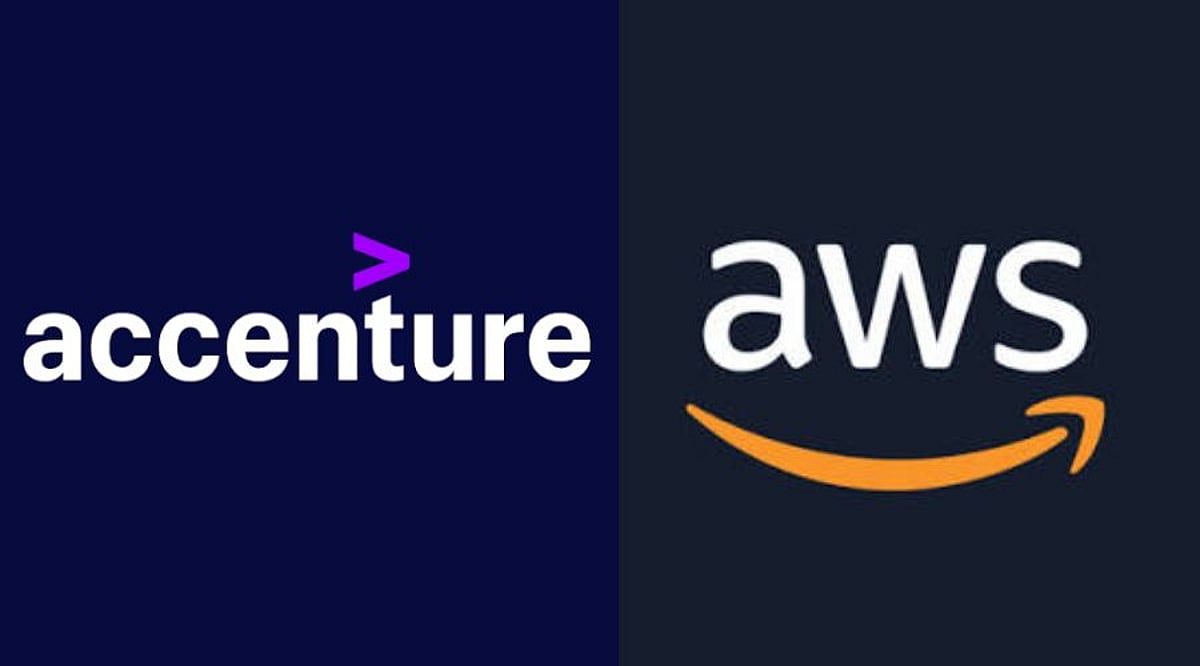
    Rebranding is a bold strategic move that can signal a shift in vision, target audience, or even an entire industry. Over the years, several high-profile companies have changed their names to reflect new ambitions, shed outdated associations, or simplify their identity. Here are ten notable examples and the stories behind their name changes.

    • Facebook to Meta: Mark Zuckerberg rebranded the social network to emphasize its focus on virtual reality, augmented reality, and the metaverse, moving beyond traditional social media.
    • Google to Alphabet: In 2015, Google created a parent company called Alphabet to allow its core business and experimental ventures (like self-driving cars and life sciences) to operate independently under one umbrella.
    • Twitter to X: After Elon Musk acquired Twitter, he rebranded it as X, aiming to transform the platform into an all-in-one digital services hub for payments, messaging, and more.
    • Square to Block: The payment processing company expanded its scope to include blockchain, financial services, and decentralized technology, adopting the name Block to reflect that broader vision.
    • Dunkin’ Donuts to Dunkin’: The chain dropped “Donuts” from its name to emphasize its growing beverage menu and modern coffee-shop identity, appealing to a wider audience.
    • Weight Watchers to WW: The weight-loss program rebranded to WW, focusing on holistic wellness and healthy lifestyles rather than just weight loss.
    • Philip Morris to Altria: The tobacco giant adopted a new corporate name to distance itself from its cigarette heritage while diversifying into other industries.
    • Andersen Consulting to Accenture: After a legal split from Arthur Andersen, the consulting firm needed a fresh identity. The name Accenture (meaning “accent on the future”) was born and has since become a global leader in technology consulting.
    • BackRub to Google: Before becoming a household name, Google started as BackRub. Founders Larry Page and Sergey Brin renamed it to represent the immense scale of information they aimed to organize.

    Each of these name changes was a carefully calculated decision, often accompanied by a shift in business strategy. Whether to pivot to new technologies, shed negative connotations, or simplify branding, these companies show that a name is more than just a label—it’s a statement of intent.

  • Accenture Acknowledges Security Incident After Hacker Alleges Theft of 35GB of Internal Data

    Accenture Acknowledges Security Incident After Hacker Alleges Theft of 35GB of Internal Data

    Accenture has confirmed that it recently experienced a cybersecurity incident after a hacker claimed to have stolen 35GB of company data. The attacker allegedly offered the data for sale on a cybercrime forum. While the company admitted a breach occurred, it stated the issue was limited and already resolved, with no disruption to its services or business operations.

    The incident came to light following a report from BleepingComputer, which was subsequently picked up by multiple technology news outlets. According to those reports, a hacker using the alias “888” claimed to have accessed a large volume of internal Accenture data in July 2026.

    Hacker Claims Stolen Data Includes Sensitive Credentials

    The hacker alleged that the stolen files include source code, RSA keys, SSH keys, Azure Personal Access Tokens, Azure Storage access keys, and configuration files. These components are critical to a company’s software and cloud infrastructure. If active keys or tokens are compromised, attackers could potentially gain unauthorized access to internal systems. Security experts caution that the claim has not yet been independently verified.

    To support the claim, the hacker shared a screenshot appearing to show an Azure DevOps project associated with an Accenture domain, including a repository named “121123_AtriasTalentAcademy.” While the screenshot makes the claim more credible, no independent verification of the full 35GB dataset has been conducted.

    Accenture’s Response

    Accenture confirmed the security incident and stated that it quickly remediated the source of the breach. The company emphasized that there has been no impact on its operations or service delivery. It did not disclose how the attacker gained entry, nor did it confirm the exact volume of data stolen or whether any customer information was affected.

    This breach underscores that even a rapid response cannot eliminate all risks. If source code or cloud access credentials fall into the wrong hands, attackers may use them to study systems and identify vulnerabilities. Companies typically rotate passwords, keys, and tokens after such incidents to mitigate future threats.

    Accenture has faced cyberattacks before. In 2021, it was hit by a LockBit ransomware attack that drew global attention. In 2024, the same hacker known as “888” claimed to have accessed Accenture employee data following a separate third-party breach. These incidents highlight that large technology and consulting firms remain prime targets for cybercriminals.

    Unanswered Questions

    Several details remain unclear. No independent investigation has confirmed the hacker’s claim regarding the 35GB dataset. Accenture has not disclosed the specific files involved or the attack vector. At this stage, the company has only confirmed that a breach occurred, the issue has been fixed, and services continue without disruption. The rest of the claims rely on the hacker’s assertions.

  • Undervalued Stocks to Watch in July 2026: Indian and Global Opportunities

    Undervalued Stocks to Watch in July 2026: Indian and Global Opportunities

    July 2026 presents compelling opportunities in undervalued stocks across Indian and global markets. Strong earnings, reasonable valuations, and clear business growth make these companies worth watching for long-term investors.

    Overview

    Strong companies can become attractive investments when market prices stay below their true value. Indian banking, pharmaceuticals, logistics, and financial services offer several promising value opportunities. Global technology, financial, industrial, and gold companies also present attractive long-term potential.

    July 2026 has brought a new phase for stock markets. Many companies have delivered solid business results, but their share prices have not fully reflected that progress. This gap between business value and market price has created fresh opportunities for long-term investors. Instead of broad market rallies, experts now believe careful stock selection offers better chances for success.

    In India, foreign institutional investors have reduced their holdings in several large companies. Their ownership in the country’s ten biggest stocks has fallen to the lowest level seen in almost twenty years. This decline has pushed the prices of some strong businesses below their usual valuation levels. Market experts believe this situation has opened the door for investors who focus on company fundamentals instead of short-term market movements.

    Strong Indian Stocks with Attractive Valuations

    Several Indian companies stand out for their healthy financial performance and reasonable share prices. ICICI Bank is one of the strongest names in the banking sector. The bank has reported steady profit growth and continues to expand its lending business. Even after this progress, its valuation is below that of many leading international banks. Strong credit demand and retail loan growth could support future gains.

    Axis Bank also looks attractive. The bank has improved its asset quality over the last few years, while profits have continued to rise. Better operating margins have added further confidence. Despite these improvements, the stock still trades at a valuation that many analysts consider attractive.

    Sun Pharmaceutical Industries continues to show strength through stable earnings and healthy cash flow. The company’s specialty medicine business has also added new growth opportunities. Even with these positives, the stock is reasonably priced compared with its long-term potential.

    Adani Ports and Special Economic Zone is an important player in India’s logistics sector. Trade activity and cargo movement continue to support business growth. After a correction in valuation, the company now appears more attractive for long-term investors.

    Motilal Oswal Financial Services has also attracted attention. The company has delivered strong earnings and continues to expand its presence in financial services. Growth in capital market activity may support future business performance.

    Godawari Power and Ispat has maintained a healthy balance sheet and strong earnings. Infrastructure development across the country could increase demand for steel products, which may benefit the company in the coming years.

    Can Fin Homes has continued to report stable loan growth. The housing finance sector is an important part of India’s economic expansion, and the company’s current valuation appears reasonable.

    Tamilnad Mercantile Bank also deserves attention. The bank combines solid profitability with a comparatively low market valuation. Continued growth in regional banking could provide additional support for future performance.

    Global Companies Worth Watching

    Several international companies also appear undervalued based on current market conditions. Charles Schwab is a leading financial company in the United States. Market experts believe its current valuation does not fully reflect its earnings potential. As financial activity improves, the company could benefit from stronger business performance.

    Bank of America also trades below its historical valuation levels. The bank continues to report stable earnings and is one of the largest financial institutions globally. Many analysts expect future improvements as economic conditions stay stable.

    Intel continues to attract attention as a turnaround opportunity. The company has faced challenges in recent years, but investments in advanced chip manufacturing and technology development may strengthen its long-term position.

    Accenture also appears attractive despite its leadership in technology consulting. Demand for artificial intelligence services continues to rise, and the company is well placed to benefit from this trend. Many analysts believe its current valuation offers meaningful upside.

    Opportunities Beyond Technology

    The industrial and mining sectors also offer attractive opportunities. Regal Rexnord has gained attention for its role in AI infrastructure. Market experts, including Kerrisdale Capital, estimate that the company could deliver about 81% upside based on a detailed valuation study. Growing demand for data centers and industrial equipment may support future growth.

    Gold producers have also entered the spotlight. Newmont is one of the largest gold mining companies in the world. Strong cash flow and healthy gold prices continue to support its business.

    Equinox Gold also appears attractive. Stable production and supportive commodity prices have improved investor confidence. Both companies could benefit if demand for gold stays strong.

    Stocks That Analysts Currently Prefer

    Recent market reports have also highlighted CreditAccess Grameen and Lodha Developers as stocks to watch during the first week of July 2026. Analysts believe these companies offer attractive opportunities with healthy earnings expectations and supportive technical indicators. These stocks suit investors who prefer short- to medium-term market opportunities rather than deep value investing.

    Final Thoughts

    July 2026 has created several attractive opportunities across both Indian and global markets. Strong businesses with healthy earnings, stable cash flow, and solid growth plans now trade at valuations that many experts consider reasonable. Indian names such as ICICI Bank, Sun Pharmaceutical Industries, Adani Ports and Special Economic Zone, Motilal Oswal Financial Services, and Godawari Power and Ispat continue to receive positive attention.

    Among global companies, Accenture, Charles Schwab, Regal Rexnord, Newmont, and Intel are popular choices for their long-term growth potential and attractive valuations. While every investment carries some level of risk, these companies combine strong business fundamentals with clear future growth opportunities. Careful research and a long-term approach are important when evaluating any investment decision.

    FAQs

    1. What is an undervalued stock? An undervalued stock trades below its estimated true value based on business performance and financial strength.
    2. Why are undervalued stocks attractive? They may offer better long-term returns if the market later recognizes their true value.
    3. Which Indian sectors look attractive in July 2026? Banking, pharmaceuticals, logistics, housing finance, financial services, and steel stand out.
    4. Which global sectors offer value opportunities? Financial services, technology, industrial companies, and gold mining companies appear attractive.
    5. Are undervalued stocks risk-free? No. Every investment carries risk, so careful research and a long-term approach remain important.
  • Accenture Acquires Alfahealth to Advance AI-Powered Healthcare in Italy

    Accenture Acquires Alfahealth to Advance AI-Powered Healthcare in Italy

    Accenture has announced its agreement to acquire Alfahealth, an Italian digital health technology company, in a move that underscores the growing importance of artificial intelligence in healthcare. The acquisition aims to strengthen Accenture’s capabilities in delivering AI-driven, data-secure, and personalized care across Italy’s healthcare system.

    Alfahealth brings over two decades of experience in developing digital health platforms that support patient journeys, clinical workflows, diagnostics, and administrative operations. By integrating Alfahealth’s technology with Accenture’s expertise in AI, cloud computing, cybersecurity, and data analytics, healthcare organizations will gain access to more intelligent and connected systems. These systems can unify data from hospitals, clinics, community providers, and public institutions, enabling advanced AI applications such as predictive analytics, automated workflow optimization, and real-time clinical insights.

    Teodoro Lio, Market Unit Lead for Accenture in Italy, emphasized the strategic timing: “Italy is at a pivotal moment in the transformation of its healthcare system, with growing investments in digital health, interoperability, and new models of care.” He added that the combination will help healthcare providers accelerate innovation, improve care delivery, and enable more connected, data-driven experiences for all Italians.

    The acquisition also adds approximately 1,200 healthcare specialists to Accenture’s team, bolstering its ability to deliver large-scale transformation initiatives. As healthcare systems face pressure from aging populations and rising demand, AI-driven automation and decision support are becoming essential. This deal positions Accenture to help Italy move toward predictive, preventive, and personalized care models, leveraging AI for earlier disease detection, optimized resource allocation, and enhanced patient engagement.