Tag: adaptability

  • The Soft Skills GCCs Need Most in an AI-Driven Era

    The Soft Skills GCCs Need Most in an AI-Driven Era

    Global Capability Centers (GCCs) in India are racing to hire AI talent, but a critical gap is emerging: leadership and product skills are lagging behind technical hiring. According to the GCC Talentscope India 2026 Report by Ceipal and People Matters, 66% of GCCs rank generative AI and prompt engineering among their top hiring priorities, while only 26% prioritize program and transformation leadership, and just 22% focus on product management and design. As AI reshapes technical roles, soft skills such as domain translation, AI fluency, communication, adaptability, and ethical judgment are becoming core to technical work—not separate from it.

    Business and Domain Translation

    GCCs are expanding beyond traditional delivery into product development, innovation, and higher-value enterprise functions. This shift demands professionals who can bridge the gap between technical builds and business outcomes. Domain translation determines whether a technical investment yields measurable results. When product ownership and transformation leadership remain thin while technical hiring accelerates, the distance between a working AI pilot and scaled deployment widens.

    AI Fluency Beyond Technical Specialization

    Employees no longer need to build models to work effectively with them. What matters is the ability to judge a model’s output, identify its limits, and flag when a human check is required. Critical thinking, adaptability, and the capacity to explain AI concepts to non-specialists are now baseline skills alongside coding. A team with strong engineering talent but no ability to communicate system limitations to business stakeholders can turn that talent into a barrier to adoption.

    Digital Communication and Emotional Intelligence

    GCC teams span time zones and rely heavily on written, asynchronous communication. Reading tone and intent correctly in a short message carries real weight. A misread message across a distributed team can cost hours to untangle, while clarity from the start avoids the problem entirely. This skill becomes even more critical as AI automates routine coordination, leaving humans to handle ambiguous exchanges.

    Adaptability and Learning Agility

    AI tools and workflows evolve rapidly, forcing GCC teams to update processes more frequently than previous technology cycles. A PwC India-FICCI study found that nearly 72% of GCCs need to reskill or upskill more than 40% of their workforce to capture AI’s full value. Teams that treat each new tool as a disruption lose time; those trained through repeated exposure and short feedback loops maintain momentum.

    Ethical Judgment and Accountability

    Automation now touches more of the decision chain. Compliance, responsible AI, and ethical judgment are becoming relevant to technical teams, not just legal and risk functions. Someone must still own the outcome when a system produces a wrong or biased result, and that responsibility is moving closer to the teams building and deploying the system.

    Why These Skills Are Becoming Operating Skills

    None of this means technical depth matters less. Strong Python, cloud, and security talent remain foundational. What is shifting is the weight placed on the layer above that talent: people who translate, judge, communicate, and adapt fast enough to match the pace of their own technology. The line between technical and soft skills grows thinner as AI settles into everyday workflows. Treating these capabilities as an afterthought leaves that layer thin exactly where GCCs need it most.

    Final Thoughts

    The centers that succeed will not necessarily be those with the largest AI teams, but those where strong technical talent and strong translators work side by side. This calls for career paths and reviews that reward both. As GCCs take on more product ownership, this pairing shifts from a hiring preference to a structural requirement.

  • How to Thrive in Tech: Adaptability, Reskilling, and Readiness – Insights from Engineer Farzon Nosiri

    How to Thrive in Tech: Adaptability, Reskilling, and Readiness – Insights from Engineer Farzon Nosiri

    While workforce experts and policymakers continue to debate whether AI will replace jobs, the most significant shift may be taking place not in the jobs themselves but in the skills required to perform them. Over the past decade, the technology landscape has transformed multiple times, says Farzon Nosiri, an experienced software engineer and technical lead who has built a career across Tajikistan, Sweden, and the United States. He has transformed the Nexus Technologies platform from B2C to B2B, published scientific research, earned industry awards, and now develops next-generation AI-powered search and information management systems at Colorado Spirit Home Care. In this article, we turned to Farzon to understand what it takes to survive IT change and thrive as a result.

    Adaptability: The Foundation of Career Resilience

    “In my view, understanding how skills and responsibilities evolve over time is far more valuable than trying to predict which professions will survive technological change,” explains Farzon. “That is why continuous learning has become essential. Formal education provides a strong foundation, but long-term success depends on a willingness to keep learning long after graduation.”

    Nosiri’s perspective comes from firsthand experience. After graduating with honors from the Technological University of Tajikistan, he continued his education at the Royal Institute of Technology in Stockholm, where he earned a Master’s degree in Computational and Systems Biology. His research took him beyond traditional software engineering into bioinformatics. He worked with large-scale genetic datasets at the Royal Institute of Technology and the Karolinska Institute, applying computational methods to analyze gene expression data and investigate the biological mechanisms associated with the Epstein-Barr virus.

    Yet his career would not remain in academia for long. Returning to industry, Nosiri joined IMON International, one of Tajikistan’s largest financial institutions. As a cybersecurity analyst and ethical hacker, he designed a secure network connecting more than 180 branches across the country, strengthened the organization’s communications infrastructure, and participated in a high-profile digital forensics investigation following a cybercrime that resulted in more than $20,000 in losses. Rather than resisting change, Nosiri learned to treat every new challenge as an opportunity to grow – a mindset that turned adaptability into one of his greatest professional strengths.

    Reskilling: The Engine of Growth

    “I remember joining Nexus Technologies in Tajikistan as a software engineer consultant,” Nosiri recalls. “I was curious. I wanted to understand how entire platforms grew and evolved.”

    Farzon’s habit of constantly learning and exploring new technologies soon accelerated his professional growth, advancing him to a Senior Software Engineer role. One of the defining projects of this period was the redesign of the company’s core platform. Nosiri replaced the existing infrastructure with a distributed architecture, and Nexus Technologies transitioned from a B2C product to a scalable B2B platform. He later developed a data synchronization algorithm that improved performance by approximately 500 percent and significantly increased the system’s ability to handle growing workloads.

    At the same time, Nosiri continued learning and sharing knowledge with others. As Bootcamp Lead at Junior Code, he taught programming, algorithms, and data structures to aspiring developers, with more than 40 percent of participants later securing internships or full-time positions in the technology sector.

    Readiness: Preparing for the Future

    Last but not least, Farzon highlights readiness – the ability to prepare for change before it arrives. For him, this idea is closely connected to his current work in the United States. As a software engineer at Colorado Spirit Home Care, Nosiri focuses on building software solutions that support organizational workflows. Here, he designs a digital archive platform and builds an AI-powered retrieval system that uses semantic search and intelligent document navigation to improve access to critical information.

    “When I studied computational biology in Sweden, I couldn’t have predicted that years later I would be working with AI systems,” Nosiri says.

    Farzon’s research has also focused on systems that must remain reliable under pressure. In the Journal of Computing and Engineering Research, Innovation, and Education, he explored how microservice architectures can remain stable and efficient under changing workloads in his paper “Performance Optimization Techniques for Microservice Architectures in High-Load Scenarios.” In the American Research Journal of Computer Science and Information Technology, he examined the performance of five genome-mapping tools under conditions involving read errors, mutations, insertions, and deletions. His research interests have also extended into computational biology. In “Regulation of OCT-2,” published in the International Journal of Scientific Engineering and Science, Nosiri used computational methods and biological datasets to study the complex mechanisms that influence immune system activity and cellular response.

    The ability to think ahead has also brought Farzon industry recognition, including a Software Engineer of the Year nomination at the National Business Awards 2023 and a Platform of the Year nomination at the Innovation Time Awards 2024.

    Nosiri is sure: “No one can predict exactly what technology will look like five or ten years from now. What we can control is our willingness to evolve alongside it.”

    Looking at Farzon’s professional journey from Tajikistan to Sweden and the United States, we can conclude that the engineering superpower for surviving and thriving in tech is the ability to adapt, continuously acquire new skills, and stay ready for what comes next.

  • Future-Proof Leadership: Essential Skills Business Leaders Need to Stay Competitive

    Future-Proof Leadership: Essential Skills Business Leaders Need to Stay Competitive

    Nearly 39% of workers’ core skills are expected to transform or become outdated between 2025 and 2030, according to the World Economic Forum. Leadership training investment climbed 126% between 2024 and 2025, per Lepaya’s State of Skills report, while talent shortages remain a top business risk for 78% of organizations surveyed by Deloitte. Authority once sufficed. Now, leaders need adaptability, AI fluency, and real emotional intelligence to stay relevant.

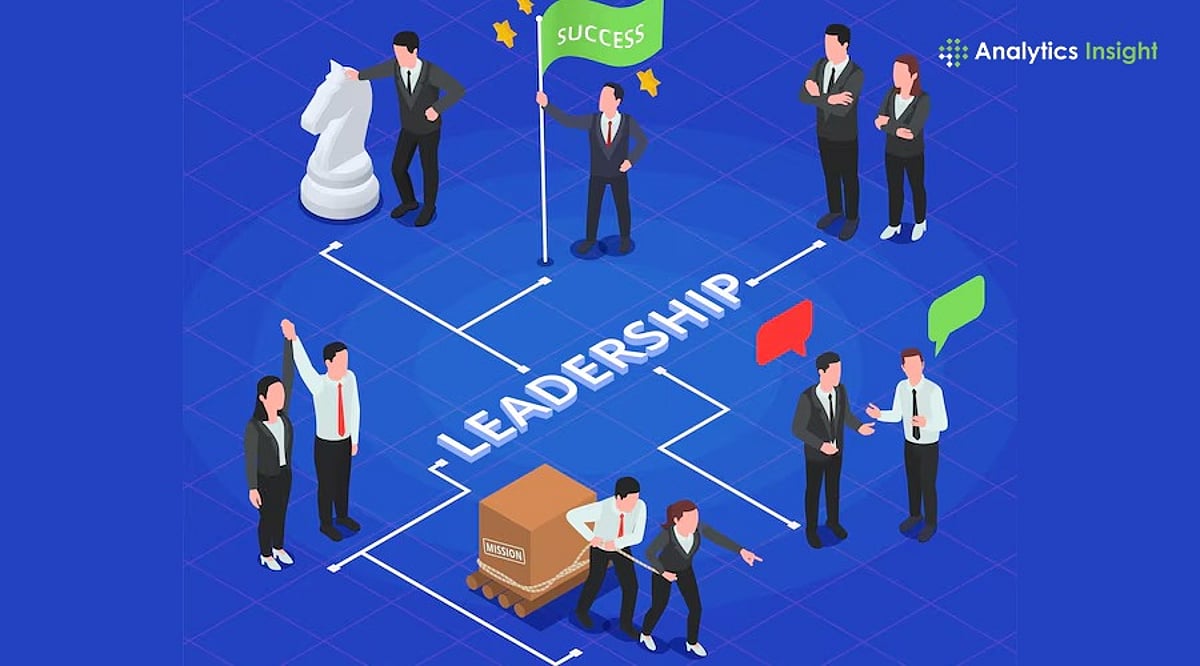
    The Changing Definition of Leadership

    A decade ago, a strong leader was someone who had climbed the ranks and knew the business cold. That still matters, but it no longer covers the job. Teams now stretch across continents, AI tools are embedded in daily workflows, and employees compare their managers’ habits against what better companies offer. Boards increasingly judge leaders on how fast they learn, not how long they have served. Firms that fund structured leadership programs report better retention and faster decisions in volatile quarters. Leadership development has shifted from a discretionary budget line to a core business function.

    Key Future Leadership Skills

    Command-and-control leadership worked in a world where information moved slowly and org charts stayed fixed for years. That world is largely gone. What replaces it is judgment built for uncertainty.

    Adaptability and Change Leadership

    Markets move faster than annual plans can track. Leaders who treat disruption as routine keep teams steady when the ground shifts. Organizations run by adaptable executives bounce back quicker after shocks because decision authority already exists for handling surprises.

    Emotional Intelligence Across Distributed Teams

    Hybrid work has stripped away cues leaders once took for granted. Reading a room is easy; reading tone in a Slack thread spanning four time zones is not. Leaders attuned to this catch friction before it festers. A tense exchange caught early rarely turns into a resignation letter three months later.

    AI and Digital Fluency

    Executives don’t need to write Python, but guessing at what AI can do leads to bad contracts and worse expectations. Basic fluency changes the conversation. Leaders who understand the technology ask harder, more useful questions before signing off on automation spend.

    Top Future-Ready Skills for Executives

    A smaller cluster of skills separates executives who stay ahead from those who fall behind. Most blend technical awareness with judgment no algorithm has replicated yet. Companies running skills-first hiring report noticeably better retention numbers. Practical moves to close gaps include:

    • Make AI fluency a baseline expectation for every leader
    • Plan for disruption ahead of time
    • Build mentorship structures that pass down judgment, not just information
    • Check skill gaps quarterly instead of annually

    Staying Competitive in 2026

    Staying competitive now depends less on polished strategy decks and more on how fast leaders act on what they learn. Companies treating learning as infrastructure keep outpacing those treating it as optional. Leadership training budgets have grown across nearly every sector. A widening skills gap actually benefits leaders willing to reskill early. Firms connecting development to real business problems hold onto talent longer and pivot faster when markets turn.

    Comparing progress against competitors matters more than assuming internal momentum equals readiness. Skills platforms now map capability gaps as they appear, replacing guesswork with actionable visibility.

    Final Words

    Leadership is moving away from something earned through years served toward something rebuilt continuously through learning. Executives committing to adaptability, emotional intelligence, and AI fluency give their organizations a real shot at handling volatility, not just surviving it. Skill-building works best as a habit, not a certificate filed away. The leaders forming that habit now are shaping their careers and their organizations’ resilience for years to come.

  • 10 Essential Skills Freelancers Must Master by 2026

    10 Essential Skills Freelancers Must Master by 2026

    The freelance landscape is evolving rapidly, and staying competitive requires more than just technical expertise. As we approach 2026, freelancers need to cultivate a diverse skill set that blends technology, communication, business acumen, and adaptability. Here are the essential skills every freelancer should focus on to thrive in the coming years.

    AI Literacy

    Learning to use AI tools for research, content creation, automation, and productivity is crucial. However, the key is to deliver original, high-quality work that clients trust consistently, leveraging AI as a powerful assistant rather than a crutch.

    Communication Skills

    Clear writing, active listening, and timely responses build stronger client relationships, reduce misunderstandings, and improve project success and retention rates. Effective communication is the foundation of every successful freelance partnership.

    Personal Branding

    A professional portfolio, consistent online presence, and niche expertise help freelancers attract premium clients without relying solely on job platforms. Your brand is your most valuable asset in a crowded marketplace.

    Time Management

    Prioritizing tasks, meeting deadlines, and balancing multiple projects ensure consistent productivity while maintaining quality and reducing unnecessary stress. Master your schedule to master your freelance career.

    Sales and Negotiation

    Confidently pitching services, discussing project scope, and negotiating fair pricing increase earnings while creating mutually beneficial client relationships over time. These skills directly impact your bottom line.

    Financial Management

    Tracking income, budgeting expenses, managing taxes, and maintaining emergency savings create financial stability despite irregular freelance payment schedules and workloads. Financial literacy is non-negotiable for long-term success.

    Digital Marketing

    Understanding SEO, social media, email marketing, and content promotion helps freelancers generate leads and grow independent client acquisition channels effectively. Marketing yourself is as important as delivering great work.

    Adaptability

    Quickly learning new technologies, industry trends, and client requirements keeps freelancers competitive in rapidly changing markets driven by AI and innovation. Flexibility is a superpower in the freelance world.

    Problem-Solving

    Identifying challenges, proposing practical solutions, and handling unexpected situations professionally increases client confidence and encourages repeat business and referrals. Problem-solvers are always in demand.

    By investing in these skills, freelancers can future-proof their careers, command higher rates, and build lasting client relationships. The future belongs to those who continuously learn and adapt.

  • 7 Essential Leadership Skills for Business Success in 2026

    7 Essential Leadership Skills for Business Success in 2026

    Artificial intelligence is transforming workplaces, hybrid teams are becoming the norm, and economic uncertainty continues to test businesses worldwide. In this era, leadership is no longer measured solely by experience and decision-making capabilities. Today’s leaders must keep people engaged, customers satisfied, and the business competitive amid rapid technological change.

    The best business leaders in 2026 combine digital and human skills. They are proficient with technology yet never neglect empathy, ethical values, and innovation. Below are the key leadership skills every business leader needs to thrive.

    1. AI Literacy

    Leaders need to understand how artificial intelligence impacts processes, client communication, and decision-making. Technical expertise isn’t required, but knowing where AI can add value is essential.

    2. Strategic Thinking

    Organizations operate in ever-changing environments. Leaders must analyze market trends, anticipate threats, evaluate opportunities, and make strategic decisions to guide their firms.

    3. Emotional Intelligence

    Self-awareness, empathy, and relationship management are critical. Leaders with high emotional intelligence build effective, resilient teams and foster trust and collaboration.

    4. Adaptability

    The capacity to pivot in response to technological disruptions, regulatory changes, and customer demands is vital. Adaptable leaders embrace change rather than resist it.

    5. Effective Communication

    Clear communication ensures everyone understands organizational goals and priorities. Transparency earns trust and aligns teams toward shared objectives.

    6. Ethical Decision-Making

    Responsible leadership is a competitive advantage. Leaders must ensure technology adoption is ethical, protecting privacy and fairness to maintain reputation and customer trust.

    7. Employee Development

    Today’s leaders act as mentors, not just supervisors. Developing employees improves retention and prepares the workforce for future challenges.

    Why Human Skills Still Matter in the AI Era

    While AI excels at repetitive tasks, it lacks empathy, judgment, ethics, and the ability to inspire. Technology becomes far more productive when guided by leaders who understand people. The ideal combination of automation and emotional intelligence delivers superior results.

    Organizations must also ensure ethical use of AI: considering threats, complying with regulations, protecting private data, and maintaining transparency. Those that fail risk reputation damage and loss of client trust.

    Conclusion

    Leadership in 2026 goes beyond hierarchies. AI literacy alone is insufficient; emotional intelligence, ethics, adaptability, and strategy distinguish great leaders from good managers. Companies that cultivate these attributes will innovate, attract talent, navigate uncertainty, and grow in the digital age.

  • 8 Essential Skills Students Need to Succeed in an AI-Driven Future

    8 Essential Skills Students Need to Succeed in an AI-Driven Future

    Artificial intelligence is transforming how people learn, work, and solve problems, but technical knowledge alone is not enough to succeed. Students who develop critical thinking, adaptability, communication, collaboration, and digital literacy skills are often better prepared for college, careers, and a rapidly evolving workplace.

    Many organizations now recognize the need for skills that persist in addition to technical competencies. In light of the increasing use of AI in our day-to-day lives, those learners who are capable of assessing information, collaborating, and engaging in lifelong learning will possess a better platform for future success.

    Critical Thinking

    Though AI technology can produce answers in seconds, learners require skills to evaluate and think critically about what they have learned in order to make sound decisions. Critical thinking enables learners to identify when information is incorrect, biased, or from unreliable sources. Effective critical thinking requires one to question, compare, and dig deeper into issues—a skill that becomes increasingly essential as reliance on AI technology grows.

    Digital Literacy

    Students entering college or careers must understand how technology operates and how to use it ethically. Digital literacy involves more than basic computer knowledge; it includes internet research, cybersecurity, digital communication, and the operation of AI tools.

    Modern learning environments often support personalized educational pathways. Programs that offer a fully accredited diploma built around the student combine flexible, personalized learning with accredited coursework, allowing students to develop digital literacy, self-management, and technology skills at their own pace. These learning environments help prepare students for higher education, emerging careers, and an increasingly AI-driven world.

    As education becomes more technology-focused, students benefit from learning models that encourage independence, adaptability, and continuous skill development alongside traditional academic achievement.

    Adaptability

    Technology continues to evolve at a remarkable pace. Many jobs available today did not exist a decade ago, and future careers will likely require skills that are still emerging. Adaptable students are more comfortable navigating change. They learn how to adjust to new tools, different work environments, and shifting expectations without becoming overwhelmed.

    Signs of adaptability often include:

    • Learning new software quickly
    • Embracing constructive feedback
    • Exploring unfamiliar subjects
    • Adjusting to changing priorities
    • Remaining open to new ideas

    Communication Skills

    Clear communication remains one of the most valuable abilities in any field. Students must be able to express ideas effectively through writing, speaking, presentations, and digital platforms. AI can assist with drafting content, but successful communication still depends on human judgment, audience awareness, and emotional intelligence. Employers consistently rank communication among the most important workplace skills.

    Students can strengthen communication through:

    • Group discussions
    • Public speaking activities
    • Writing projects
    • Collaborative presentations
    • Peer feedback exercises

    Collaboration

    Many modern workplaces rely on teams that span departments, locations, and even countries. Students who learn to collaborate effectively are often better prepared for professional environments. Collaboration involves listening, sharing ideas, resolving conflicts, and contributing toward common goals. AI tools may support productivity, but successful teamwork still depends on people working together effectively.

    Self-Directed Learning and Personal Responsibility

    Self-directed learning has become increasingly crucial. With numerous online programs and AI software available, students can learn beyond the classroom. Learning success hinges on taking charge of one’s own education and remaining motivated. Self-directed learners tend to adopt behaviors that help them succeed both academically and professionally.

    Important self-management skills include:

    • Time management
    • Goal setting
    • Organization
    • Accountability
    • Prioritization

    Creativity and Problem Solving

    While artificial intelligence can process information quickly, creative thinking remains uniquely human. It allows students to find innovative solutions that technology alone cannot produce. Creative thinking involves experimentation, curiosity, and exploration—benefiting students in both educational settings and future careers.

    Lifelong Learning

    Education is no longer a final goal but an ongoing journey. The emergence of new technologies, industries, and career paths demands continuous education throughout life. Students who develop a growth mindset are usually better positioned to adapt as industries evolve.

    A commitment to continuous learning may include:

    • Professional certifications
    • Online courses
    • Industry workshops
    • Independent research
    • Skills-based training

    Prepare for the Future Today

    The competencies students need to thrive in an AI-powered world extend far beyond technology. Critical thinking, communication, adaptability, collaboration, creativity, digital literacy, and lifelong learning can help learners navigate future complexities. Students who work on acquiring these competencies today will be better positioned for future opportunities.

    Educational programs that combine academic rigor with flexible, student-centered learning play an important role in helping learners build these future-ready skills.