
WhatsApp is undergoing its most significant transformation since end-to-end encryption became standard. With over three billion users, the app is shifting away from phone-number-dependent identity toward usernames, while introducing advanced privacy controls and AI features designed for confidential conversations. These updates, rolling out throughout 2026, are reshaping how users connect, communicate, and protect their data.
Usernames Decouple Identity from Phone Numbers
For nearly two decades, a phone number was the only way to identify a WhatsApp user. That changes in 2026. Meta opened username reservations globally on June 29, 2026, ahead of a full rollout later this year. Users can select a username between 3 and 35 characters, and once fully deployed, your phone number will no longer be visible to someone messaging you for the first time.
However, the phone number remains essential for registration and account maintenance. Usernames simply keep your number hidden from new contacts. Notably, WhatsApp does not offer a public directory for usernames—someone must know your exact handle to start a chat. This keeps the feature more like a quiet introduction tool than an open search system. To prevent impersonation, Meta is reserving usernames for public figures and organizations early in the process.
Advanced Chat Privacy: Beyond Encryption
Encryption determines who can read a message. WhatsApp’s new privacy tools address a different question: what can be done with a message after it’s read. Advanced Chat Privacy, available in both one-on-one and group chats, targets conversations that are sensitive even among trusted participants, such as support groups or community initiatives.
It’s crucial to understand the limits: this setting does not prevent screenshots. It blocks automated actions like chat exports, auto-downloads, and use of your messages in AI features. Manual screenshots remain possible, so it’s not a guarantee of absolute secrecy. This distinction is vital for anyone relying on the feature for confidential discussions.
Complementing this, the August 2026 security update introduced passkeys. Meta reports that over a billion users have already set up passkeys, replacing traditional codes and PINs with device-bound authentication. This adds a layer of security that’s harder to compromise.
Meta AI: Private by Design
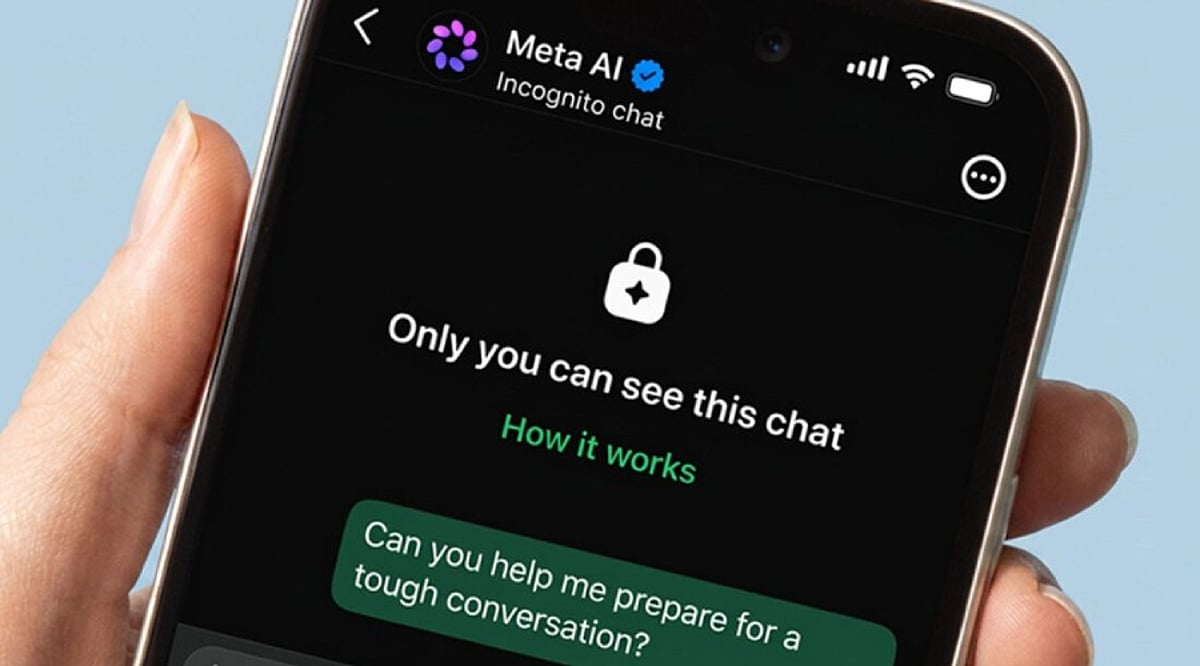
The most notable AI update is Incognito Chat with Meta AI, introduced in May 2026. Built on WhatsApp’s Private Processing system, it offers a temporary chat environment that runs in a secure space Meta claims it cannot access. The conversation disappears once the session ends. This addresses a growing concern: people bring health questions, financial worries, and personal decisions to AI, yet most ‘private’ modes on other platforms still let companies see the queries.
Meta has also planned Side Chat, a feature that would allow you to consult Meta AI quietly within an existing conversation without other participants noticing. Meanwhile, everyday AI tools have expanded: photo touch-ups and drafted reply suggestions arrived in March 2026, followed by Muse Image in July, which lets you generate and edit images directly in chats, rolling out initially in select countries.
Messaging Management Improvements
Not every update is about privacy or AI. Some address long-standing annoyances. Direct chat transfer between Android and iPhone is now available, solving a major headache for phone switchers. iPhone users can now run two WhatsApp accounts on one device—a feature Android already enjoyed. Storage management also got a boost: users can delete individual files from a chat without affecting others, a small but welcome fix for one of the app’s most common complaints.
Final Thoughts
WhatsApp’s 2026 direction is about separation—decoupling identity from phone numbers, privacy from encryption, and AI from data retention. These layers give users more control, but the real test is how Meta handles full-scale rollout. Will usernames and Incognito Chat maintain their privacy promises as adoption grows? And will the same restraint apply as AI features expand? For now, the updates signal a more thoughtful approach to messaging, one that prioritizes user agency over convenience.