
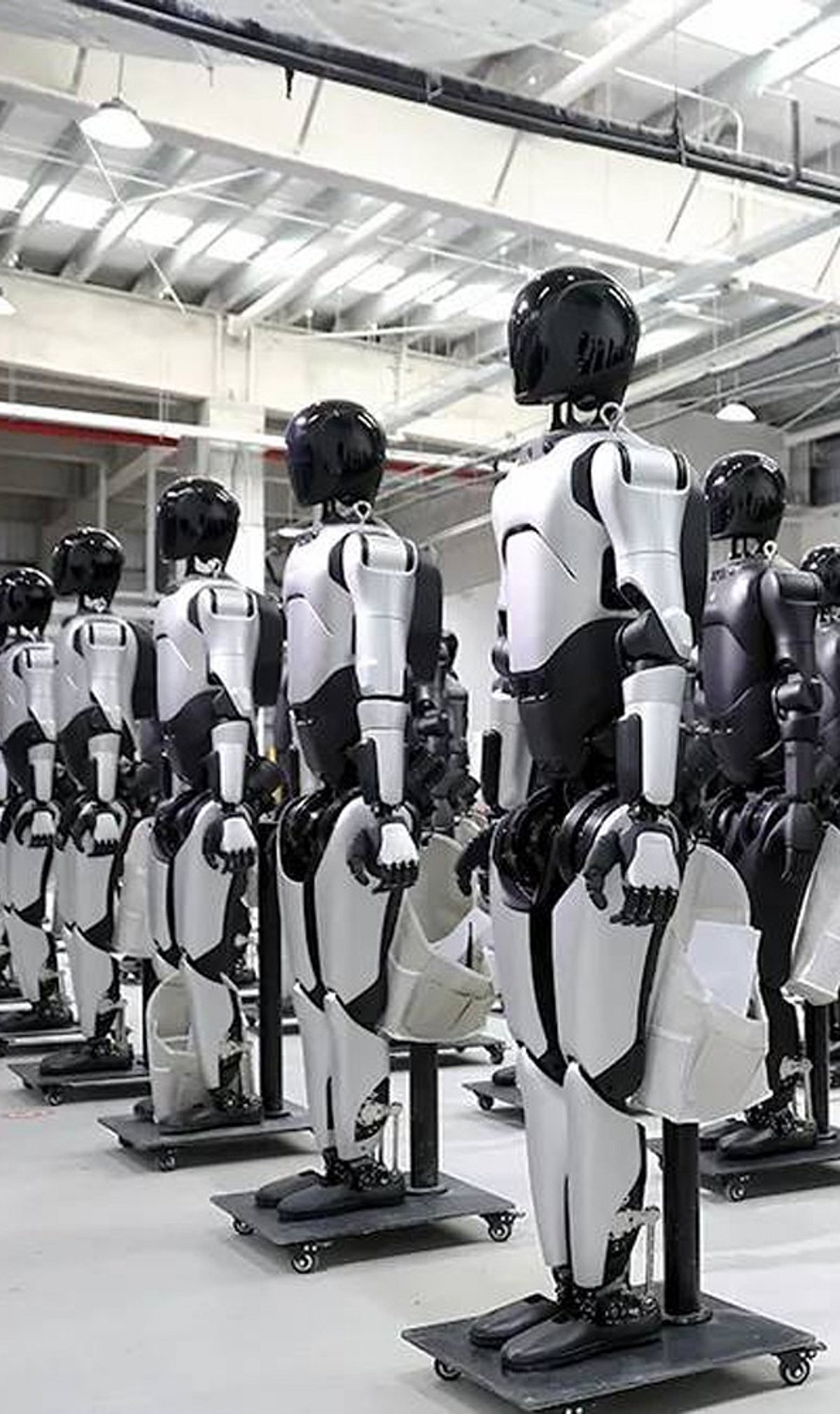
China is rapidly scaling up its humanoid robot industry, moving from prototype development to automated mass production. The goal: increase output and slash manufacturing costs to make these robots accessible to commercial buyers.
Automated Factories Set New Standards
XPeng’s latest production lines automate more than 80% of core processes, applying automotive-grade manufacturing techniques to humanoid robots. This shift is driven by a need for higher volumes and lower per-unit costs.
Cost Reduction Through Scale and Localization
By ramping up production volumes and sourcing localized components, Chinese manufacturers have managed to bring prices down. Some humanoid robot models now cost less than 30,000 yuan (about $4,000), a threshold that signals rapid affordability improvement.
Domestic Supply Chain Advantages
China’s existing automotive and electronics supply chains already provide key components such as motors, reducers and sensors. This reduces the need for entirely new manufacturing capacity, accelerating time-to-market.
Rapid Production Growth
Agibot, a nowdel div, had produced 15,000 cumulative humanoid robots by June alone. That shows how quickly Chinese manufacturers are scaling up their production capabilities.
Industrial Applications Expand
Humanoid robots are now being deployed in automotive, electronics, logistics, aerospace and energy sectors. Industry attention is shifting toward practical, commercial use cases rather than just research exbits.
Challenges Ahead
Despite growing production, profitability remains uncertain. Manufacturers still need repeat orders, reliable performance and convincing returns on investment. The expanding robotics ecosystem in China may also lead to aggressive price competition, putting pressure on companies to balance affordability with sustainable margins.