
Tag: AI collaboration

  • AI vs. Human Intelligence: Key Strengths of Each and Why Collaboration Wins

    AI vs. Human Intelligence: Key Strengths of Each and Why Collaboration Wins

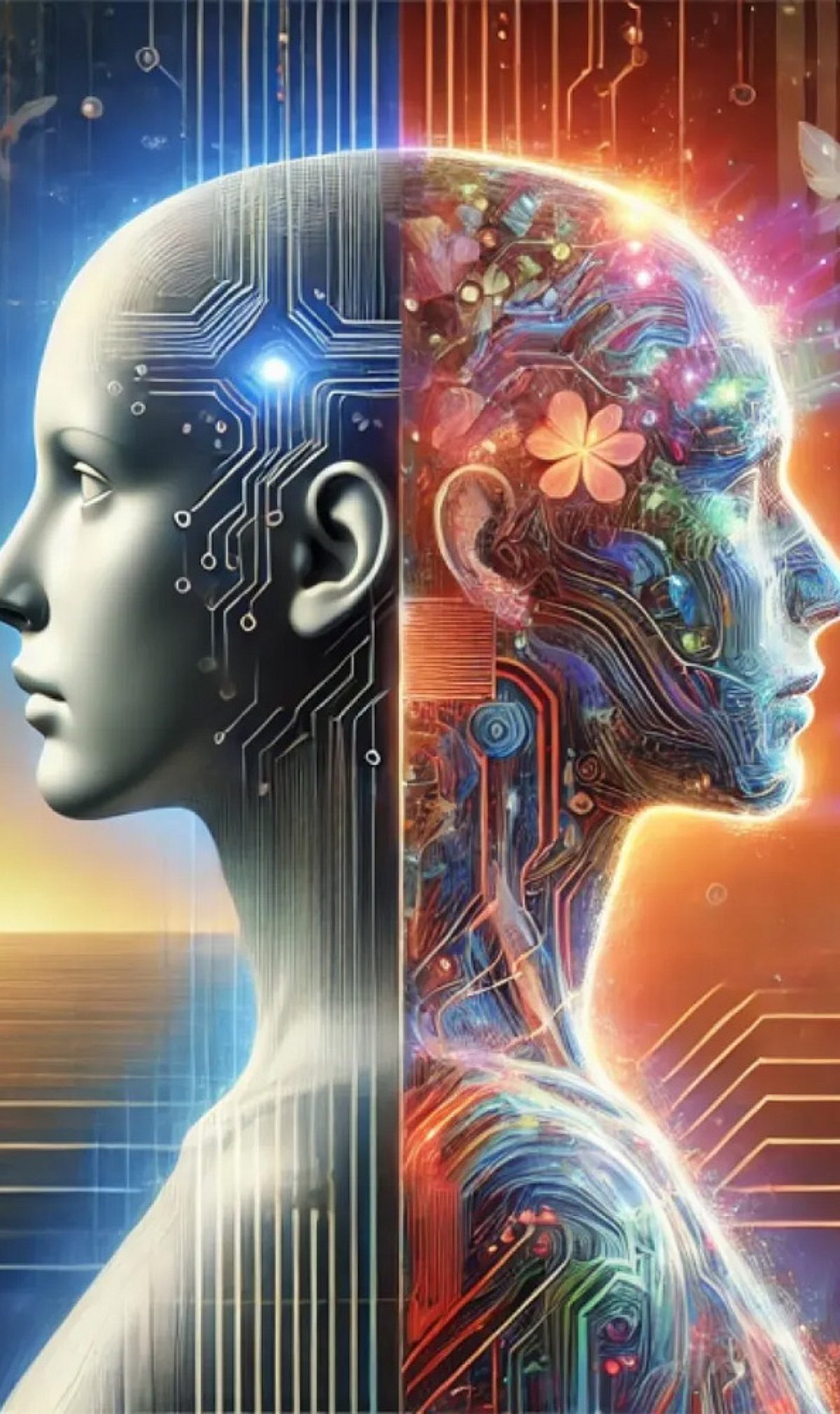
    Artificial intelligence continues to reshape the way we live and work, but comparing human abilities with machine capabilities shows that neither side is universally superior. People and AI excel in different areas, and the strongest outcomes usually come from combining the two.

    Where Humans Excel

    • Creativity and original thinking: Humans create original ideas by blending emotions, experiences, imagination, and personal perspective — qualities AI cannot genuinely replicate.
    • Emotional intelligence: People can read body language, tone, and personal context, which makes human judgment essential in sensitive or emotionally charged conversations.
    • Ethical reasoning: Humans can weigh values, social impact, personal responsibility, and real-world consequences when making difficult decisions.
    • Adaptability: Humans use common sense and past experiences to respond to sudden changes or incomplete information.

    Where AI Excels

    • Speed and scale: AI can process enormous amounts of information in seconds and complete repetitive tasks far faster than humans.
    • Data analysis: AI scans massive datasets, spots patterns, compares information, and surfaces useful insights without getting tired or distracted.
    • Consistency in repetitive work: AI can perform the same task thousands of times with steady performance, making it ideal for routine digital and office work.
    • 24/7 operation: AI systems do not need sleep and can handle requests, monitor systems, and process information around the clock.

    Why the Best Results Combine Both

    Neither humans nor AI can fully replace the other. The most effective outcomes come when human creativity, judgment, and empathy work alongside AI’s speed, scalability, and data-processing power.

  • How AI Is Reshaping Engineering Work: From Simple Automation to Deep Collaboration

    How AI Is Reshaping Engineering Work: From Simple Automation to Deep Collaboration

    Artificial intelligence is now part of the daily routine for an engineer. It is no longer used to answer simple questions; it is now used to help developers write code, test software, find bugs, and even suggest better ways to solve problems.

    The first wave of AI in engineering introduced copilots in the form of generative assistants. These systems helped write code, generate scripts, or answer queries based on documentation. Here, the issue was that these assistants could follow prompts, but they never understood the workflow.

    As the engineering complexity increased, the limitations of these models became clear. Engineers work in a connected network where isolated tasks don’t work. A tool that generates code is definitely helpful, but it still can’t resolve bigger issues. This brings the next stage, where AI gets embedded in the entire problem-solving lifecycle.

    This has made many companies change the way their engineering teams work. AI handles repetitive tasks, while engineers focus on planning, design, and decision-making. However, it’s still the people who have the judgment ability that AI lacks. So, AI co-pilots should be embedded in a way that enhances productivity without compromising reliability.

    Almost all the bigger names in the tech industry, including Google, Meta, Anthropic, and everyone, are investing largely in AI. Google, for example, has invested heavily in Gemini, AI chips, and data centers. As AI capabilities expand, the relationship between engineers and AI is shifting from assistance to collaboration.

    Engineers’ roles have now moved from task execution to intent definition. They guide workflows, validate outcomes, and manage trade-offs across complex systems. However, this doesn’t make the expertise less valuable. They are equally crucial.

    So, the future of engineering will not be AI replacing human roles, but more likely human and AI working as co-workers, where engineers combine their judgment with machine intelligence.