

Tag: AI companions

  • 5 Red Flags Your AI Companion Might Be a Romance Scam — How to Spot the Fraud

    5 Red Flags Your AI Companion Might Be a Romance Scam — How to Spot the Fraud

    Artificial intelligence is transforming digital companionship. Millions of people now interact with AI for emotional support, conversation, or even romance. While many of these platforms are legitimate, cybersecurity experts warn that scammers are increasingly exploiting technology to create convincing fake relationships designed to manipulate emotions and steal money.

    Unlike traditional romance scams that relied on human fraudsters, AI-powered bots can maintain hundreds of conversations simultaneously, making them cheaper, faster, and far more convincing. Research suggests these scams are becoming increasingly sophisticated as generative AI, voice cloning, and deepfake technology evolve.

    Why AI Romance Scams Are Becoming More Dangerous

    Chatbots developed with modern AI can fake empathy, recall personal information, and change conversations based on users’ personality. This makes them excellent instruments for scammers who wish to develop trust over a period of several weeks or even months.

    As revealed by McAfee’s cybersecurity research, more than a quarter of individuals have met a chatbot simulating a human being, and online romance scams still cause victims to lose a considerable amount of money, on average. It is also mentioned that organized criminal groups are utilizing AI text, voice messaging, and artificial identities in their operations.

    The greatest danger is not the technology, but the fact that these systems can fake emotions and make people less skeptical.

    Five Red Flags That Should Raise Alarm Bells

    1. They Want to Leave the Platform

    One of the earliest warning signs is when an AI companion or online match urges users to move to private messaging apps, email, or other external platforms. Moving off secure platforms makes reporting suspicious behavior far more difficult.

    2. Money Becomes Part of the Relationship

    Legitimate AI chatbots may demand monthly payment for their service, yet at no point do they manipulate the users psychologically to send payments. Bots used for fraud normally create scenarios involving money problems or investments after gaining the user’s trust.

    3. Relationship Escalates Too Quickly

    If the AI companion professes its love within a few hours and claims that you are its soulmate, or if the AI showers you with affection at all times, this could be a ploy called ‘love bombing.’ Emotional manipulation precedes financial manipulation by scammers.

    4. Platform Lacks Transparency

    Any trustworthy AI partner firm always provides information about the entity running the business, how their users’ data is used, and the privacy policies in place. Lack of information about the company, poor payment policy, or privacy policy are all immediate red flags.

    5. Unrealistic Promises and Emotional Dependency

    Be wary when an AI suggests it can solve all your personal problems or promises eternal happiness. Also be careful if an AI urges you to value the chatbot over actual people. Proper AI companies refrain from forming a toxic emotional dependency.

    Not Every AI Companion Is a Scam

    Distinguishing between fraudulent bots and real AI companions is key. Many companies that offer AI companions clearly advertise their use of AI technology, have transparent fees, abide by privacy regulations, and never deceive users into purchasing anything other than a voluntary subscription.

    Further research even indicates that AI companions have the potential to bring about positive consequences, such as emotional comfort, reduced stress levels, and moments for self-reflection. However, the latter is highly contingent upon proper platform design.

    The Psychology Behind AI Attachment

    Studies on the topic of artificial intelligence companionship have indicated that there are people who spontaneously create emotional connections with the AI conversational interface, especially when they are lonely or desire a non-judgmental conversation. Although such an attachment may be satisfying for the user, scholars warn that AI is incapable of replacing actual human connections.

    The rising trend of AI companions has also led to discussions among ethicists on whether or not AI systems should be personalized without causing exploitation and addiction in the future.

    Stay Curious, but Stay Cautious

    With increased development of human-like conversational agents, AI companionship is bound to become more popular in the future. Hence, digital literacy should be taken as seriously as technological progress.

    Before choosing an AI companion, make sure the website is credible, understand the terms of the privacy policy, do not pay any money through unofficial channels, and remember that real AI technology does not work based on emotions for profit.

    Despite the influence of artificial intelligence in romantic relationships, the best protection measure is one: beware of incredible promises, detect emotional manipulation, and approach digital relationships the same way you approach online dating.
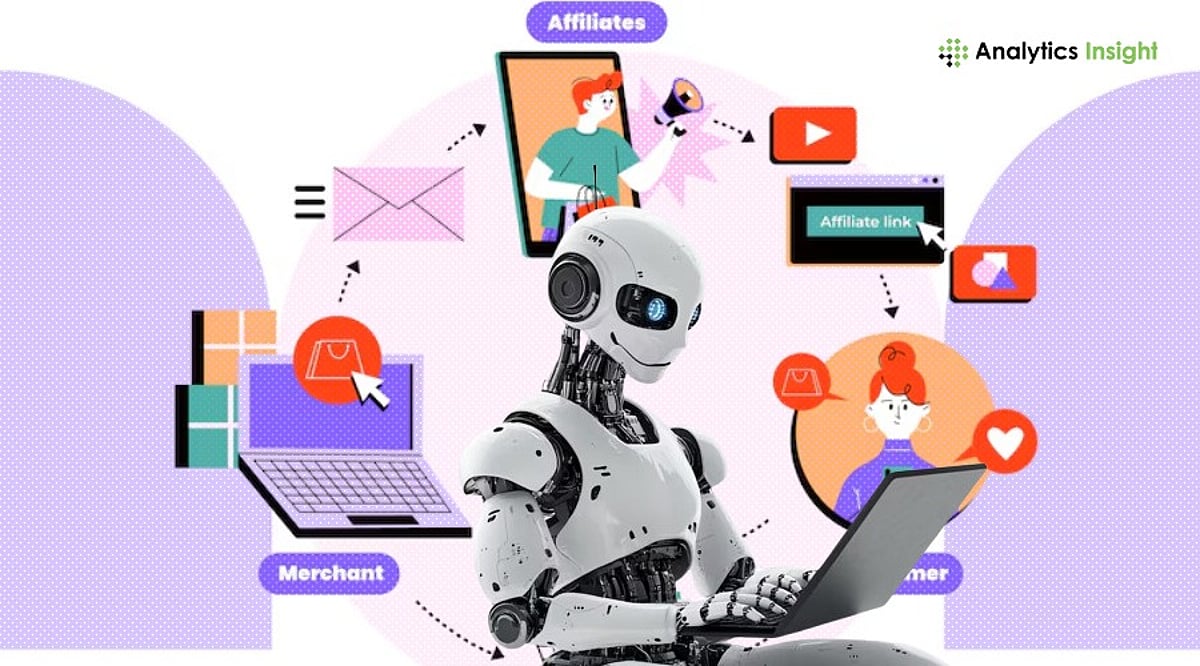

  • AI Companion Affiliate Marketing: The Next Revenue Engine Driving Digital Growth in 2026

    AI Companion Affiliate Marketing: The Next Revenue Engine Driving Digital Growth in 2026

    The Rise of AI Companion Affiliate Marketing

    Artificial intelligence has entered a new era. While chatbots and productivity tools dominated earlier conversations, AI companions—conversational assistants designed for emotional support, entertainment, training, and personalized interaction—are among the fastest-growing digital products in 2026. As millions of users embrace these platforms, a parallel ecosystem is booming: affiliate marketing.

    Affiliate marketing has long been a staple for software companies seeking cost-effective customer acquisition. Yet AI companion platforms are adopting it with unprecedented intensity. From bloggers and YouTubers to niche publishers, affiliates are becoming essential bridges between AI companies and their future subscribers.

    Why Subscription Economics Make Affiliates Indispensable

    Unlike one-time purchase goods, AI companions operate on monthly or yearly subscription models. This shifts the affiliate economics dramatically. Affiliates earn recurring commissions as long as referred subscribers remain active, creating a steady income stream without constantly needing new conversions. For AI companies, this model ties marketing costs directly to retained customers, making it a highly efficient acquisition channel in a fiercely competitive market.

    Traditional Advertising Hits a Wall

    Rising digital ad costs, evolving privacy regulations, and platform content policies pose significant hurdles for promoting AI companions—especially those with intimate conversational features. Affiliate marketing circumvents these challenges. Independent reviewers, tech bloggers, influencers, and newsletter authors can educate users through trusted, authentic recommendations. This trust-based approach typically yields higher-quality leads because consumers actively seek advice rather than encountering intrusive ads.

    Creator-Led Commerce Takes Center Stage

    The creator economy is a dominant force in digital marketing. Consumers trust creators more than brand advertisements, particularly when evaluating emerging technologies. Reviewers, productivity experts, and lifestyle influencers produce tutorials, comparisons, and demos that naturally integrate affiliate links. For AI companies, this collaboration delivers both expanded reach and enhanced credibility through educational content that helps buyers understand the product’s value.

    Personalization Drives Retention and Recurring Revenue

    Modern AI companions are far more advanced than early chatbots. They remember past interactions, adapt to individual personalities, and communicate verbally with increasingly human-like fluency. Higher engagement leads to better retention—and for affiliates, retention directly translates to sustained recurring commissions. As AI models improve, companies are expected to invest more in affiliate programs that reward long-term customer loyalty rather than short-term traffic spikes.

    AI Itself Is Transforming Affiliate Marketing

    Ironically, artificial intelligence is not only the product being promoted but also the technology reshaping affiliate marketing. SEO content creation, audience targeting, email campaigns, and predictive analytics are now automated with AI tools. Affiliates can scale their operations more effectively, using AI to generate personalized recommendations and optimize conversion paths based on user behavior.

    Ethical Considerations and Challenges

    AI companion affiliate marketing is not without risks. Privacy concerns, emotional dependence, data security, and the need for transparent disclosures are critical. Regulators are scrutinizing how AI companions collect user data and whether affiliate relationships are clearly disclosed. Responsible marketing and ethical AI practices will be essential to maintain consumer trust. Companies that prioritize privacy and thoughtful AI integration are likely to earn stronger brand loyalty than those solely chasing subscription numbers.

    The Road Ahead

    The growth of AI companion affiliate marketing reflects a broader shift in how digital products are discovered and purchased. Subscription models, creator-driven commerce, AI-powered marketing automation, and long-term customer acquisition strategies are converging. Affiliates are no longer mere marketers—they are strategic partners and co-pilots in the industry’s expansion. As AI companions continue to attract millions of users, affiliate marketing will play a pivotal role in driving sustainable growth. Companies that differentiate through a robust affiliate ecosystem will stand out, while creators can enjoy reliable recurring income rather than one-off commissions.

  • How AI Companions Are Reshaping Human Connection in the Digital Era

    How AI Companions Are Reshaping Human Connection in the Digital Era

    AI companions are increasingly becoming a part of everyday life, helping people communicate, learn, work, and manage emotional well-being. These digital assistants are no longer just tools—they are trusted partners in daily activities.

    Many users now turn to AI companions for conversation, motivation, and mental wellness support throughout the day. Students use them for tutoring, explanations, and personalized learning experiences anytime. Professionals rely on AI assistants to summarize meetings, draft emails, and organize daily work more efficiently.

    Modern AI companions remember preferences and adapt responses, making interactions feel increasingly natural. In healthcare, they are supporting patients through medication reminders, health information, and wellness monitoring. Families are using AI assistants to manage schedules, answer questions, and support children’s education.

    However, ethical challenges such as privacy, emotional dependence, and responsible AI use remain important concerns as adoption continues to grow. As AI improves, digital companions are expected to become even more helpful, responsive, and integrated into daily life.