Tag: AI data centers

  • PS6 Price Hike Likely as Memory Costs Surge: What Gamers Need to Know

    PS6 Price Hike Likely as Memory Costs Surge: What Gamers Need to Know

    Next-gen gaming consoles are expected to bring a bigger jump in power than earlier generations. Better graphics, faster loading, improved ray tracing, more memory, and AI-based features could make future consoles more capable, while also raising their production costs.

    The PS6 is already at the center of next-generation PlayStation discussions. Sony confirmed work on its next-generation platform, although the company did not reveal the final PS6 price, release date, or full hardware details.

    Rising memory prices could become a major concern for console makers. Strong demand from AI data centers is putting pressure on memory supply, while other parts such as advanced chips and storage could also add to the cost of future consoles.

    Gaming consoles have come a long way over these years. A console is no longer a mere machine that runs games; it has now shifted to systems with fast processors, powerful graphics, quick storage, large memory, strong cooling, and a range of online features.

    The next-generation gaming consoles may take things further. The rising demands from players regarding better graphics, smoother frame rates, faster loading, and more detailed game worlds turn them into advanced systems. Even AI could also play a bigger role in how future consoles process images and run games.

    All these improvements sound good for gamers, but there’s still one question that bothers them throughout: how much will the next console generation cost?

    The rumors and speculation around PlayStation 6 are a good example to understand what players expect from a console and the price. Sony confirmed that it is working on its next-generation PlayStation hardware. The company did not yet confirm the PS6 name, price, release date, or final specifications.

    However, the company also spoke about rising memory costs and mentioned that it may force the makers to increase the price of the hardware. Along with that, the tech giant also mentioned that it does not plan to absorb all of these increases by selling hardware at major losses.

    Next-Gen Consoles Get More Powerful

    The biggest reason future consoles could become more expensive is the growing demand for better performance. Current consoles already support 4K gaming, fast SSD storage, high frame rates, and advanced lighting. The next generation is expected to improve these areas even further.

    To understand expectations for the next-gen console, we can look at the PS6. Reports about the PS6 have pointed to possible upgrades in graphics performance, memory, ray tracing, and AI-based image processing. Some reports have also mentioned newer AMD technology. These details have not been confirmed by Sony, so they should be treated as reports rather than final specifications.

    Graphics could be one of the biggest areas of change. Players now expect games to offer detailed worlds, realistic lighting, better reflections, and smoother movement. Achieving all of this requires stronger hardware.

    Ray tracing is another area that could see a bigger shift. The technology can make lighting and reflections look more realistic, although it also requires more graphics power.

    AI may become another part of the next console race. AI-based image tools can help a console create a sharper picture without rendering every frame at the highest possible resolution. This could help developers offer better visuals without placing as much pressure on the hardware.

    Storage is also becoming more important. Modern games can take up a huge amount of space. Players also expect games to load quickly. Faster and larger SSDs could therefore become a standard part of future consoles.

    More powerful hardware can create another problem: heat. Stronger chips need better cooling, while higher power use can require improved internal parts. A console may therefore need upgrades across several areas, not just the main processor.

    Sony’s comments about hardware costs show why pricing is becoming an important issue. If memory and other parts become more expensive, console makers have to decide whether to accept lower margins or charge customers more.

    Memory Costs Could Push Prices Higher

    Higher console prices go beyond gaming; it’s more about memory. AI data centers are using huge amounts of memory chips for servers and advanced computing systems. This is increasing demand across the wider memory market.

    The AI advancement is also changing how memory makers use their production capacity. Now that most production procedures are going toward AI hardware, this can put pressure on the supply of other memory chips. Gaming consoles are only one part of a much bigger market, so console makers must deal with these broader changes.

    Some unofficial PS6 estimates have also suggested a sharp rise in hardware costs. One recent estimate put the possible bill of materials at around USD 960, compared with an earlier estimate of about USD 760. Shipping, assembly, marketing, taxes, retailer margins, software costs, and other expenses must still be considered.

    Sony did not confirm these PS6 cost estimates. The company also said it did not decide the timing and pricing of its next-generation platform.

    Higher Costs Could Reshape Consoles

    The next console generation could bring a major jump in performance. Players can expect stronger graphics, faster storage, more memory, better lighting, and possibly a larger role for AI.

    Higher hardware costs could make this jump more expensive, though. For gamers, the next generation will be a tough choice to buy. More powerful hardware can offer better games and smoother performance, while higher production costs may push the price higher.

    The final cost will depend on hardware choices, market conditions, component prices, and how much of the increase the company decides to pass on to buyers. For now, the bigger the hardware jump becomes, the more important the price question will be.
  • 7 Key Technologies Shaping the Next Generation of AI Data Centers

    7 Key Technologies Shaping the Next Generation of AI Data Centers

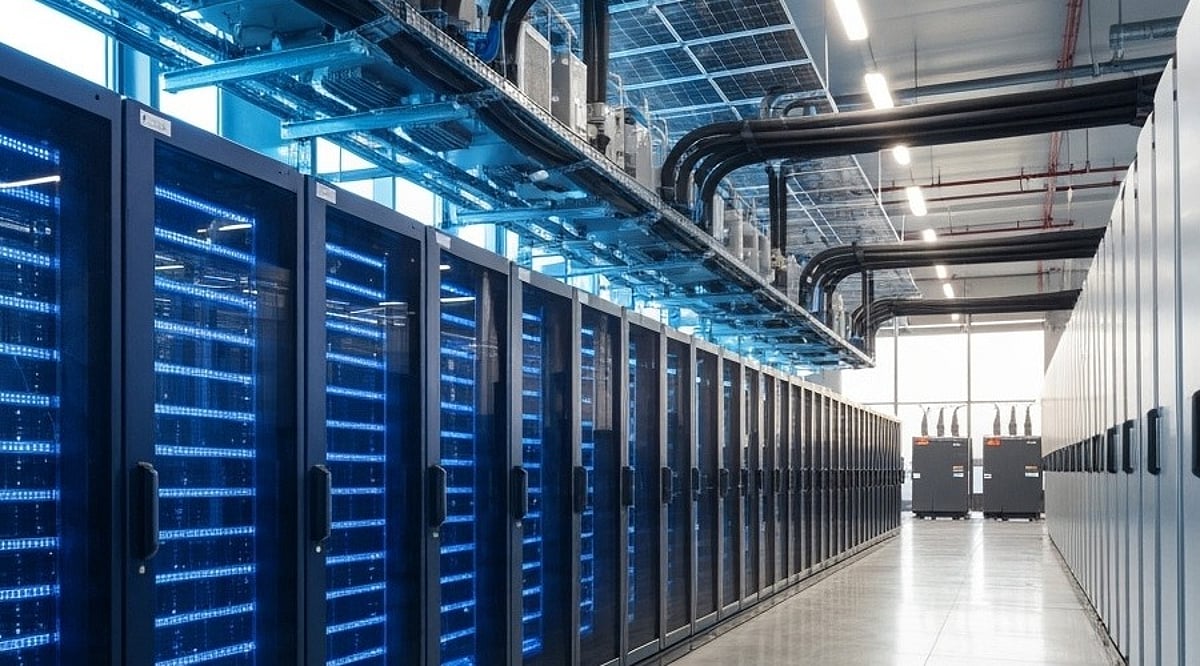
    AI data centers are undergoing a major transformation to keep pace with the demands of next-generation artificial intelligence workloads. From advanced chips to smarter cooling and networking, here are seven technologies driving the evolution.

    1. AI Accelerators and Chiplet-Based Processors

    New AI accelerators and chiplet-based processors pack more computing power into each rack, enabling data centers to handle large-scale AI training and inference tasks more efficiently.

    2. Liquid Cooling for High-Density Racks

    As powerful chips generate more heat, liquid cooling is becoming essential. This technology improves thermal efficiency and reduces energy consumption in high-density AI racks.

    3. CXL Memory Technology

    CXL (Compute Express Link) memory lets processors and accelerators share memory resources efficiently, helping AI systems manage growing data and memory demands.

    4. High-Speed Optical Networks (800G and 1.6T)

    High-speed 800G and 1.6T optical networks move massive amounts of data between servers, switches, and accelerator clusters with lower power consumption.

    5. Silicon Photonics

    Silicon photonics uses light to transmit data across data center networks. Co-packaged optics and optical links improve bandwidth while reducing connectivity bottlenecks and energy demands.

    6. AI-Powered Power Management

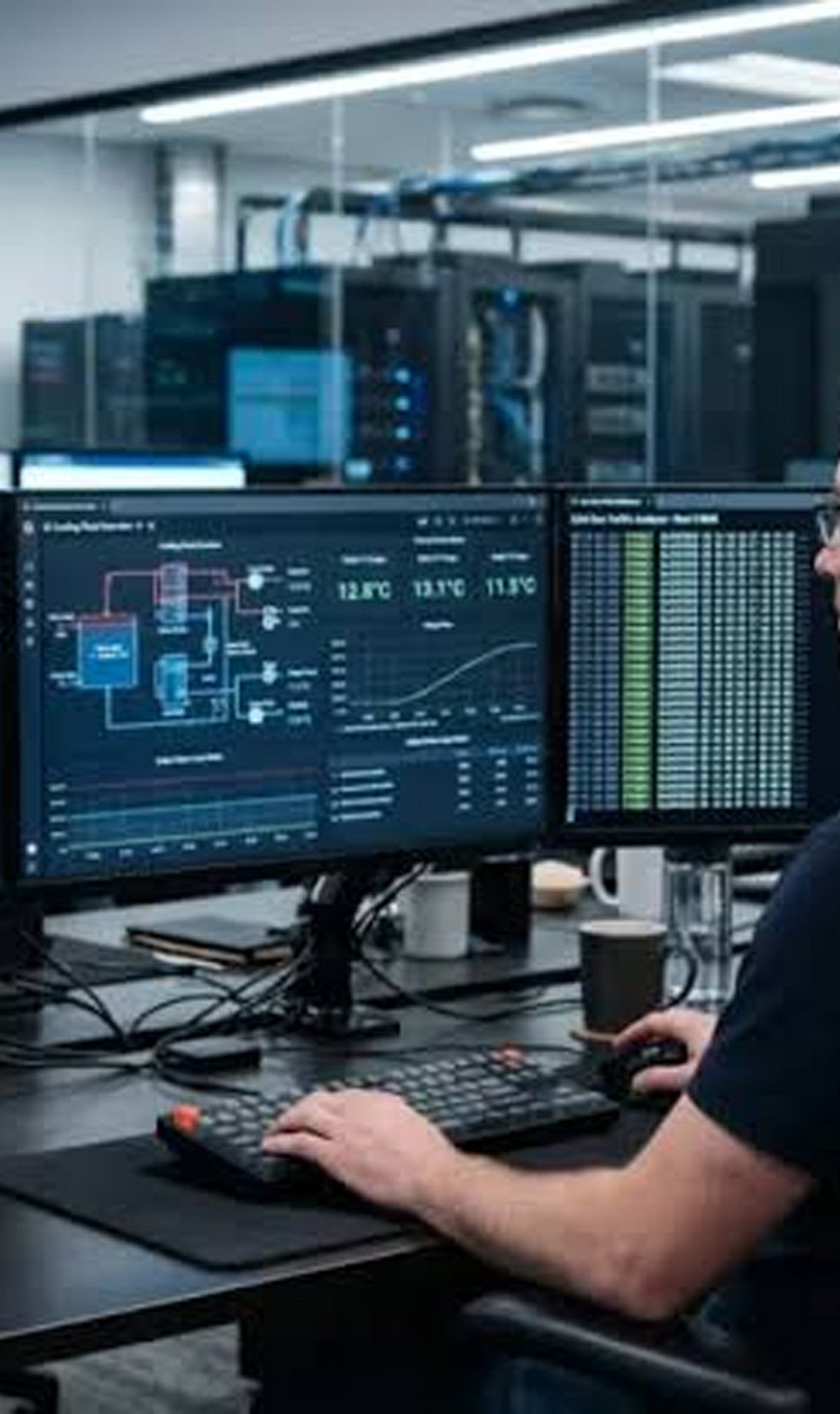
    AI-driven power management monitors workloads, cooling, and equipment in real time. Smarter systems adjust resources, detect problems, and reduce unnecessary energy use.

    7. Purpose-Built Inference Chips and Edge Data Centers

    Purpose-built inference chips are gaining traction as AI shifts from training large models to running real-time applications like chatbots, coding tools, and voice agents. Edge data centers bring computing closer to users and devices, while renewable power, batteries, and microgrids support growing electricity needs.

    Together, advanced chips, liquid cooling, CXL memory, optical networking, smart power systems, and edge computing are reshaping data centers for faster and more efficient AI workloads.

  • Huawei Tests New Chip Tech in Mate XT 2, Pixxel Secures $100M for Space Expansion: Today’s Top Tech News

    Huawei Tests New Chip Tech in Mate XT 2, Pixxel Secures $100M for Space Expansion: Today’s Top Tech News

    Good morning, tech enthusiasts! Here are the key technology updates you need to know today.

    Huawei Tests New Chip Design Technology

    Huawei has put its new chip design technology into commercial use for the first time with the Mate XT 2, powered by the Kirin 9050 Pro processor. The tri-fold smartphone uses Huawei’s LogicFolding architecture, which the company says improves performance and energy efficiency.

    Pixxel Raises USD 100 Million to Expand Space Technology

    Indian space-tech startup Pixxel raised USD 100 million in Series C funding to expand its satellite operations, develop new sensing technologies, and strengthen its US presence. The funding lifts Pixxel’s total capital raised to USD 195 million and supports its broader planetary intelligence strategy.

    Cognizant Plans 1,500 US Graduate Hires

    Cognizant plans to hire 1,500 US college graduates in 2026 as it expands AI-focused roles to 15,000 employees. The company is developing Frontier Certified Engineer and Frontier Business Operator positions, supported by university hiring and AI training. Its global Synapse programme also targets two million people trained by 2030.

    AI Boom Puts US Universities Under Pressure

    The rapid expansion of AI data centers is increasing pressure on US universities, raising concerns over electricity demand, infrastructure capacity, and competition for resources as AI investment accelerates.

    Mexico Probes Electricity Theft Linked to Crypto Mining

    Mexican authorities are investigating suspected electricity theft after dismantling a crypto mining facility equipped with 300 computers. Officials are also searching for similar operations across the country. The investigation highlights concerns over unauthorized power use linked to cryptocurrency mining and its impact on Mexico’s electricity infrastructure.

  • Tech Giants Invest Millions in Skilled Trades Training to Build AI Data Centers

    Tech Giants Invest Millions in Skilled Trades Training to Build AI Data Centers

    The rapid expansion of artificial intelligence is creating unexpected job opportunities. Google, Meta, and other major technology companies are pouring billions of dollars into new AI data centers across the United States. A recent report reveals that these industry leaders have invested millions of dollars to train the electricians and skilled workers needed to construct and maintain these facilities.

    OpenAI Leads the Way in Detroit

    OpenAI has made a significant investment in a Detroit data center, one of the largest private investments of its kind. The Detroit Electrical Industry Training Center currently has about 850 apprentices in training, preparing them for long-term careers in the growing AI infrastructure sector.

    Google Partners with IBEW to Double Apprenticeships

    Google is collaborating with the International Brotherhood of Electrical Workers (IBEW) to expand the pipeline of qualified electricians. The partnership aims to increase the union’s annual apprenticeship intake from 19,500 to 30,000 over the next three years. Google has contributed nearly $50 million to this initiative, ensuring a steady supply of skilled labor for its data center projects.

    Microsoft’s Longstanding Training Program

    Microsoft has been investing in workforce development for years. In 2018, the company launched its own data center technician training program. Since then, it has expanded to 39 locations worldwide and trained approximately 15,000 people, building a robust talent pool for the industry.

    Why Tech Companies Are Acting Like Infrastructure Firms

    Training advanced AI models requires enormous computing power, which in turn demands massive data centers with reliable power, advanced cooling systems, and high-speed internet connections. As a result, Google, Meta, and others are aggressively investing in land, buildings, and power infrastructure. In many ways, these technology companies are beginning to resemble real estate and infrastructure firms. Their success depends not only on better AI algorithms but also on how quickly they can build the physical facilities needed to support them.

    This growing investment underscores that the AI industry relies on more than just software engineers. It also depends on the people who build and maintain the systems behind the technology. The push for high-paying construction jobs is a clear signal that skilled trades are becoming an essential part of the AI revolution.

  • Why Iceland Is Becoming a Top Hub for AI Data Centers

    Why Iceland Is Becoming a Top Hub for AI Data Centers

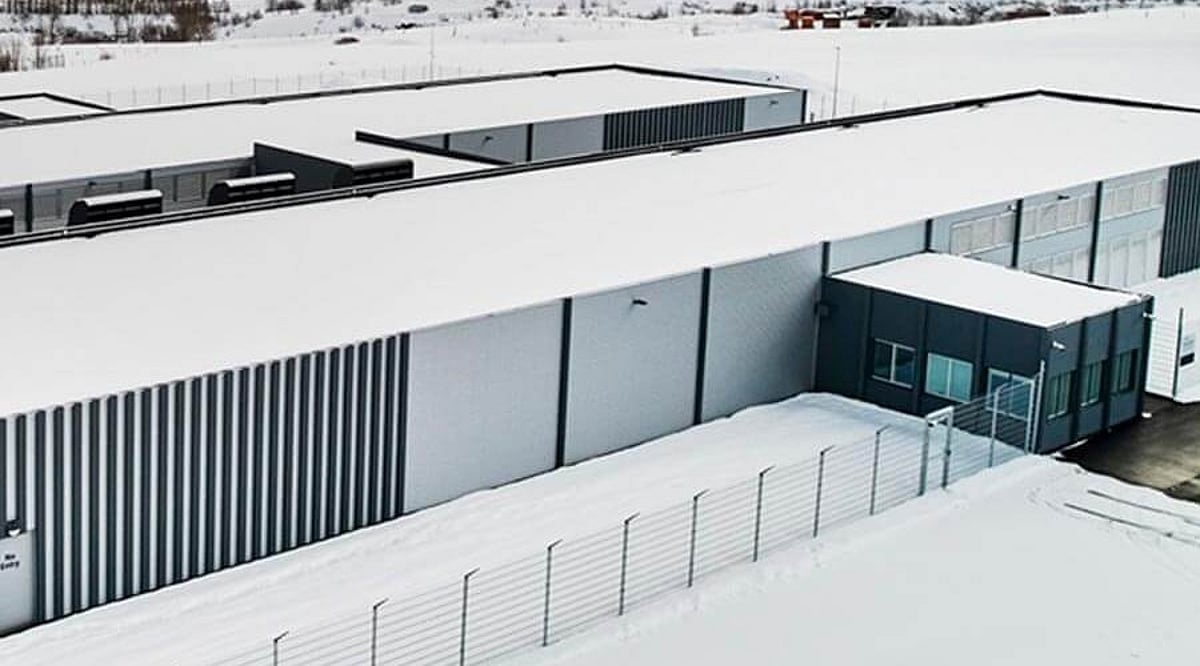
    Iceland is rapidly emerging as a preferred destination for AI data centers, driven by its abundant renewable energy, naturally cool climate, and stable infrastructure. As AI workloads demand ever more power, location strategies are shifting away from urban proximity toward reliable, low-carbon electricity. The country’s data center market, valued at $425 million in 2024, is projected to reach $812 million by 2030, growing at an annual rate of 11.39 percent.

    Why Iceland Attracts AI Data Centers

    For years, Iceland marketed itself on cold weather and renewable energy. Today, those advantages are more critical than ever. AI training and inference workloads operate at far higher power densities than traditional cloud storage or web hosting. A single high-performance GPU cluster can draw the electricity load of a small town continuously for months. Operators now prioritize grids that can deliver stable, long-term power at fixed costs. Iceland’s fully renewable grid—powered by hydropower and geothermal generation—offers prices that do not fluctuate with global gas markets.

    Efficiency Gains in Icelandic Data Centers

    Icelandic facilities consistently achieve power usage effectiveness (PUE) ratios between 1.1 and 1.2, well below the global average of 1.57. This gap translates into substantial savings on every megawatt drawn, compounded over round-the-clock operations. The natural cooling advantage comes from Iceland’s climate, which eliminates the need for energy-intensive chillers. For GPU clusters generating intense heat, this cooling headroom becomes a design advantage, not just a marketing point.

    Expansion of AI Infrastructure in Iceland

    A clear signal of this shift is the 2025 agreement between data center operator Verne and AI hyperscaler Nscale. The deal will deploy roughly 4,600 Nvidia Blackwell Ultra GPUs across Verne’s Icelandic campus through 2026. Notably, 85% of the installation will be liquid-cooled, marking a departure from the air-cooled colocation halls that defined Iceland’s earlier data center wave. This deployment confirms a move beyond traditional colocation toward purpose-built AI infrastructure.

    Connectivity Advantages

    Iceland’s location in the North Atlantic, once seen as a limitation, now works in its favor. The country is connected to Europe and North America via undersea cables, enabling operators to use it as a hub for backup, disaster recovery, and intercontinental AI workloads. As part of the European Economic Area (EEA), Iceland provides access to the European single market while offering a strategic transatlantic position for transmitting training data and model checkpoints between continents.

    Challenges and Grid Constraints

    Despite its advantages, Iceland faces a hard ceiling: the grid itself. Data centers already consume about 6 percent of the country’s electricity and contribute close to 5 percent of its GDP. The real constraint is not generation but approvals. New transmission lines and geothermal projects require years of environmental review and public licensing. Deciding how to allocate electricity between industries, homes, and data centers has become a political issue. Regulators and permitting timelines now shape the pace of AI investment as much as demand from hyperscalers.

    Why Iceland Stands Out

    Iceland is not the only renewable-rich destination competing for AI infrastructure. Norway and Sweden offer comparable hydropower and cool climates; Quebec pairs hydroelectric capacity with lower land costs. However, Iceland combines all three advantages: geothermal and hydropower, a fully renewable national grid, and transatlantic cable connectivity. Most competing sites offer only two of the three.

    Final Thoughts

    Iceland’s current wave of AI infrastructure investment highlights a broader trend: power availability, cooling efficiency, and grid stability are overtaking proximity to population centers as deciding factors. Green data centers in Iceland are becoming the reference case for this shift. As transmission capacity becomes the real constraint on AI growth worldwide, other renewable-rich regions will likely face the same question: how much AI infrastructure can a small grid carry before it turns from advantage into bottleneck?

  • How AI Data Centers Are Driving a Surge in Utility Mergers and Acquisitions

    How AI Data Centers Are Driving a Surge in Utility Mergers and Acquisitions

    The electric utility sector, once defined by predictable demand and slow infrastructure planning, is undergoing a seismic shift. AI data centers are driving unprecedented electricity demand, forcing utilities to merge, acquire assets, and expand infrastructure at a pace the industry hasn’t seen in years. This consolidation wave is reshaping the energy sector, highlighting the growing link between AI growth, grid modernization, and long-term energy security.

    The Deal That Changed the Conversation

    No transaction captures this shift better than NextEra Energy’s proposed acquisition of Dominion Energy. The $66.8 billion all-stock deal would create the largest regulated utility in US history, with an enterprise value of roughly $420 billion. The logic is straightforward: Dominion controls the electricity infrastructure across Virginia’s “Data Center Alley,” the world’s largest concentration of data centers, with nearly 51 gigawatts of contracted capacity serving customers like Amazon, Microsoft, Meta, and Google. For NextEra, acquiring that footprint isn’t just about adding customers; it’s about controlling the physical infrastructure that AI companies depend on to operate.

    Why Demand Growth Broke the Old Grid Planning Model

    For decades, US electricity demand stayed largely flat, allowing utilities to plan incrementally and regionally. That model has become obsolete. US data center power demand is projected to rise from 75.8 gigawatts in 2026 to 134.4 gigawatts by 2030, according to 451 Research, part of S&P Global. A single hyperscale AI campus can draw as much electricity as a small city, and utilities now face years-long buildout timelines just to keep pace. Nearly 2,300 gigawatts of generation and storage projects are currently sitting in US interconnection queues, a volume that exceeds the country’s entire installed power base, underscoring the severity of the grid capacity bottleneck.

    The Scale of the Dealmaking Wave

    The NextEra-Dominion deal is the headline transaction, but it’s far from the only one reshaping the sector. Power and utility M&A hit $203.6 billion in just the first five months of 2026, already surpassing all of 2025 combined. Deloitte’s M&A survey found that 78% of power and utilities executives pursuing transactions cited acquisitions or mergers as their top strategic priority, reflecting how scale itself has become necessary to access capital and execute deals efficiently.

    Why Scale Has Become Survival

    The strategic logic driving this wave comes down to a few compounding pressures: record capital expenditure needs, balance-sheet constraints, aging infrastructure, and the sheer speed at which hyperscalers need new capacity. Smaller, regionally focused utilities increasingly can’t fund the multi-decade infrastructure buildouts AI demand requires on their own, while larger, merged entities can spread that capital burden across a bigger regulated asset base. This is also pulling private capital deeper into a sector once dominated by traditional utility holding companies, with infrastructure investors like BlackRock’s Global Infrastructure Partners and EQT now directly acquiring utility platforms rather than simply financing them.

    Risks Consumers and Regulators Are Watching

    Not everyone views this consolidation wave favorably. Lawmakers and consumer advocates have warned that these mergers could translate into higher electricity costs and greater market concentration, since regulated utilities typically pass infrastructure spending on to ratepayers. At least 28 states had introduced bills by mid-2026 to roll back data center-related incentives, reflecting growing political pushback in regions where AI’s power demands are colliding with local affordability concerns. The Federal Energy Regulatory Commission is also under pressure to finalize new interconnection rules, while the future pace and shape of this consolidation wave will likely hinge on how regulators balance the need for infrastructure investment against concerns over pricing power and market concentration.

    Why This Matters

    Artificial intelligence is becoming one of the largest new consumers of electricity. As AI infrastructure expands, utilities must invest billions in generation and transmission capacity, making consolidation a strategic necessity while raising important questions about energy affordability, competition, and long-term grid resilience.

  • Apple MacBook and iPad Price Hikes Stir Supplier Tensions; Micron Points to 2023 Pricing Pressure

    Apple MacBook and iPad Price Hikes Stir Supplier Tensions; Micron Points to 2023 Pricing Pressure

    Apple has raised prices across several MacBook, iPad, Apple TV, HomePod, and Vision Pro models, attributing the increases to soaring memory and storage costs driven by AI data center demand. The company announced the broad price hikes on June 25, affecting multiple hardware products while leaving iPhone prices unchanged. According to Apple, the rapid expansion of AI infrastructure has created exceptional demand for memory and storage chips, reducing available supply for consumer electronics.

    CEO Tim Cook described the current market conditions as unlike anything Apple has experienced before. He stated, “There’s less supply at a time when consumers want devices and the memory guys are passing along huge price increases.” Cook also called the situation “unavoidable” and “unsustainable.”

    Market data supports the broader supply trend. Research firms report that memory and storage prices are now roughly four times higher than they were several quarters ago. TrendForce estimates memory chip prices rose by as much as 98% during the first quarter of 2026 and could increase by another 58% to 63% in the following quarter. Those higher component costs have reached consumers: the MacBook Neo increased from $599 to $699, while several MacBook and iPad models received price increases ranging from $100 to $300. Apple also confirmed that the affected devices did not receive additional memory or storage upgrades despite the higher prices.

    Micron Points to Pricing Pressure During the 2023 Downturn

    Shortly after Apple’s announcement, Micron Chief Business Officer Sumit Sadana offered a different explanation for today’s supply constraints in an interview with The Wall Street Journal. He said some major customers pushed suppliers to accept extremely low prices during the memory market collapse in 2023. Sadana stated, “We told a couple of the customers who were being very aggressive with pricing at that time that this is not constructive.” He added that poor pricing and weak margins forced many companies across the industry to reduce investment in new production capacity.

    Although Sadana never identified Apple by name, Apple is widely known for negotiating long-term supply agreements and purchasing large volumes of memory components. During 2023, Micron reported deeply negative margins as the memory market experienced one of its weakest periods in recent years. The company has since recovered, reporting strong quarterly financial results with revenue rising sharply alongside improved profitability. Its shares climbed after the earnings report, while Apple’s stock declined following the announcement of higher product prices.

    Supply Constraints May Continue Beyond 2027

    Industry analysts say both explanations reflect different parts of the same market cycle. AI servers require high-bandwidth memory, which uses far more manufacturing capacity than standard memory found in smartphones and laptops. As more production shifts toward AI hardware, fewer chips remain available for consumer devices. Meanwhile, reduced investment during the 2023 downturn limited the industry’s ability to expand manufacturing before AI demand accelerated. New semiconductor facilities require several years to build and reach full production, meaning additional capacity cannot arrive quickly.

    Apple has reportedly begun seeking additional memory suppliers, including Chinese manufacturer CXMT, to improve future supply. However, Tim Cook said Apple has no plans to enter the memory business itself. Several analysts expect memory costs to remain elevated through at least 2027. Research firms also estimate memory could account for a much larger share of smartphone production costs over the next two years, leading some industry observers to expect future iPhone price increases if current market conditions continue.

    Related Articles

    • Apple Stock Slides 6% After MacBook and iPad Price Hikes Worldwide
    • US Stock Market Today: NASDAQ Falls as Apple Slides Nearly 5% While Dow Surges 598 Points to Record High
    • Micron Stock Surges 16% After $9.8B Revenue Beat and $22B AI Supply Deals
    • US Stock Market Today: S&P 500 Rises as Oil Prices Slide and Investors Await Micron’s Earnings Report
    • US Stock Market Today: S&P 500 and NASDAQ Slide as Micron Leads Global Chip Stock Sell-Off
  • How Nickel-Zinc Batteries Are Solving AI Data Center Power Challenges

    How Nickel-Zinc Batteries Are Solving AI Data Center Power Challenges

    Artificial intelligence is fundamentally changing how data centers consume electricity, forcing operators to rethink power infrastructure from the UPS to the grid. In a recent interview, Brandon Smith, Vice President of Global Sales and Product at ZincFive, explains why battery chemistry is becoming a critical factor in supporting AI-scale computing.

    As GPU clusters generate rapid and unpredictable spikes in electricity demand, traditional backup power systems designed for stable loads face new challenges. Smith discusses how ZincFive’s nickel-zinc (NiZn) battery technology is engineered to deliver high power in short bursts—a capability that aligns with the dynamic power behavior of modern AI workloads.

    Unlike conventional chemistries focused on long-duration energy storage, nickel-zinc systems are designed for what ZincFive calls Immediate Power Solutions: stabilizing rapid power spikes while also providing reliable UPS backup when the grid fails. According to Smith, nickel-zinc allows operators to manage AI power volatility without sacrificing safety, sustainability, or performance—proving that in modern power infrastructure, the right chemistry makes all the difference.

    To learn more about ZincFive’s technology, visit their official website.

  • Kasi Cloud’s Johnson Agogbua on Building Hyperscale AI-Ready Data Centers Across Africa

    Kasi Cloud’s Johnson Agogbua on Building Hyperscale AI-Ready Data Centers Across Africa

    Johnson Agogbua, Co-Founder and CEO of Kasi Cloud, has spent over three decades building internet infrastructure—from early internet protocols at UUNET Technologies to optical networking at Movaz and connecting billions at Meta and Reliance Jio. Now, he is applying that expertise to address Africa’s most critical infrastructure gap: hyperscale, AI-ready data centers.

    Founded with Mark Adams (formerly Chief Strategy Officer at Equinix), Kasi Cloud emerged from a simple question: why not Africa? The company launched in early 2020 amid the pandemic, which ironically allowed for deep market research and site selection. It acquired 4.2 hectares in Lagos, secured backing from the Nigerian Sovereign Wealth Fund and seed funding from DH Capital, and broke ground by 2022.

    Kasi differentiates itself with an “unstoppable capacity” philosophy—designing for Africa’s digital needs a decade ahead. This includes refactoring power architecture all the way to the rack level and building redundant carrier-neutral colocation space. A key partnership with Eaton cut delivery times by 50% and reimagined power for the African context. “We are not going to build a second-rate data centre in Africa,” Agogbua emphasizes. “World-class belongs in Africa as well.”

    The company’s hyperscale-first approach is a direct answer to the continent’s growing demand for cloud and AI infrastructure, positioning Kasi as a critical player in Africa’s digital transformation.