Tag: AI glasses

  • Meta Connect 2026: Enhanced AI Glasses, VR Upgrades, and New Gaming Features Unveiled

    Meta Connect 2026: Enhanced AI Glasses, VR Upgrades, and New Gaming Features Unveiled

    Meta Connect 2026 Unveils New Devices

    Meta Connect 2026 focused heavily on artificial intelligence, smart glasses, and virtual reality. The company announced new wearable devices alongside upgrades to existing Ray-Ban Meta products. Meta also showcased new gaming, entertainment, and AI features designed to expand how users interact with its growing ecosystem of connected devices.

    Meta’s New VR Glasses

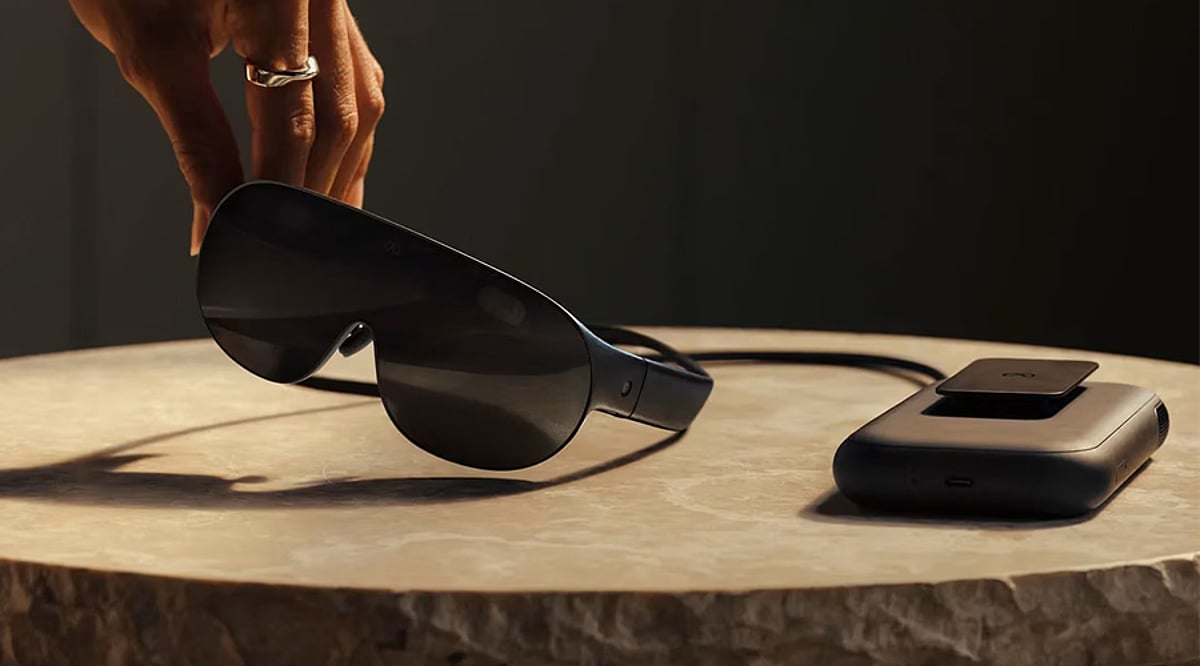
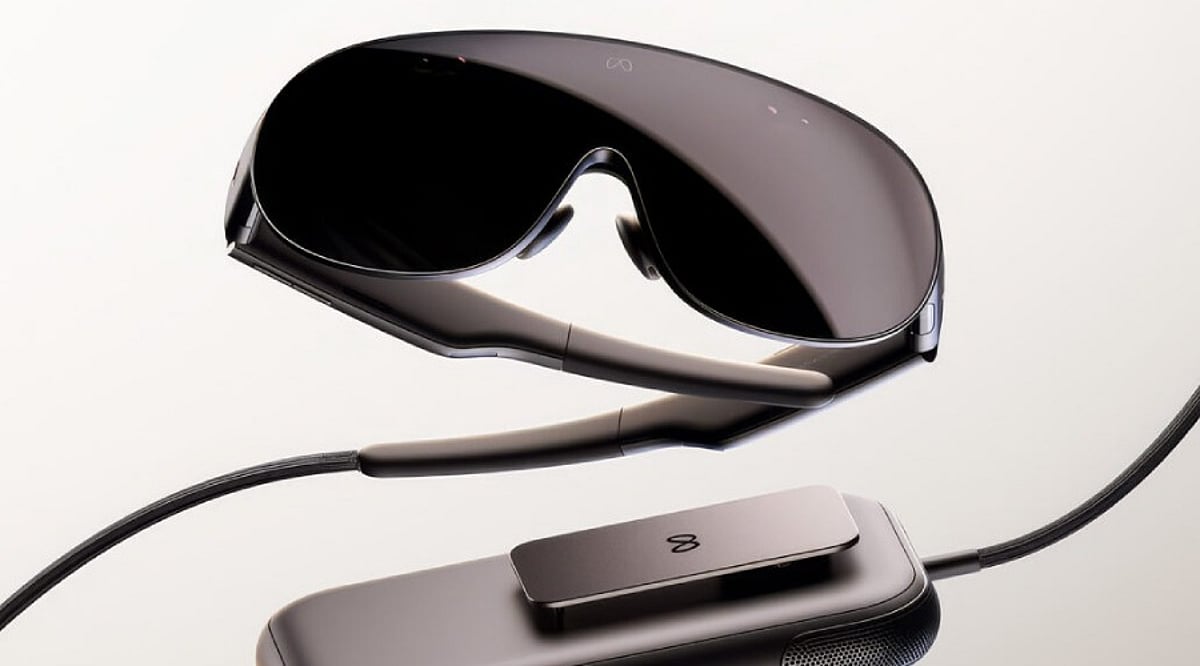
    Meta introduced new VR Glasses priced at $1,300, with availability planned for next spring. The glasses weigh about 100 grams and use magnesium alloy frames. They feature pancake lenses, a 5K display, and full-color passthrough, plus Dolby Vision, Dolby Atmos spatial audio, and IMAX Enhanced certification.

    Ray-Ban Meta Gets New Audio Model

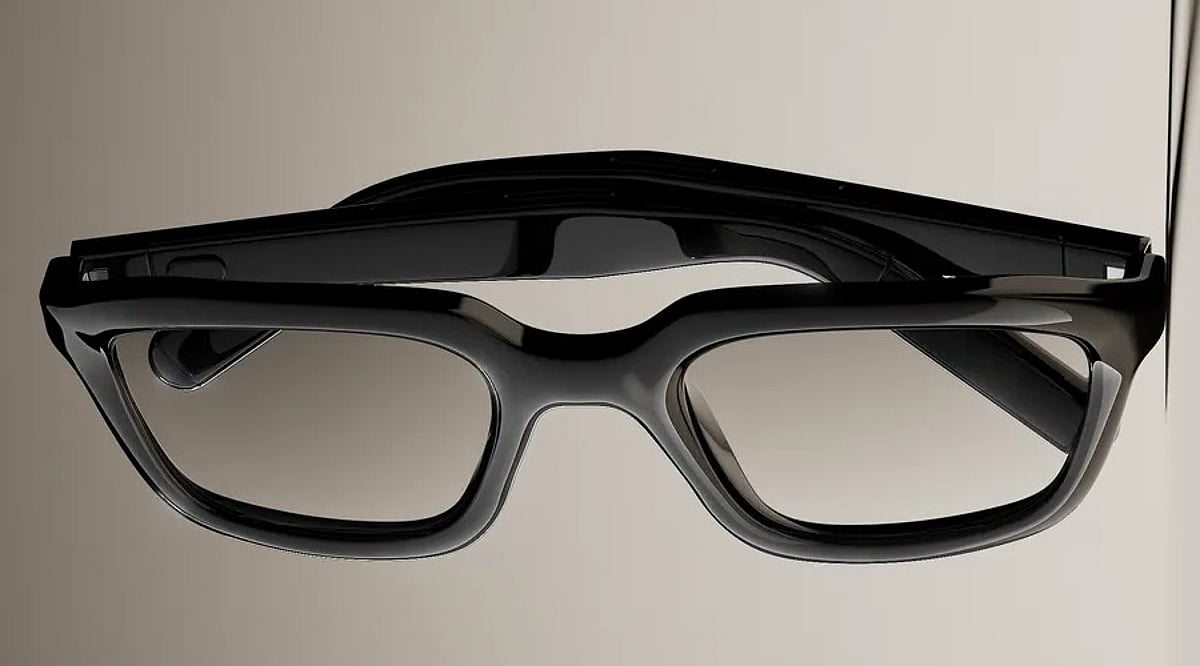
    Meta announced Ray-Ban Meta Audio, a new smart glasses model without a camera. The glasses focus on audio features, including Meta AI, music, podcasts, and voice calls. Meta says the glasses can deliver up to 12 hours of battery life, while the charging case provides up to 48 additional hours.

    Ray-Ban Meta Gen 3 Announced

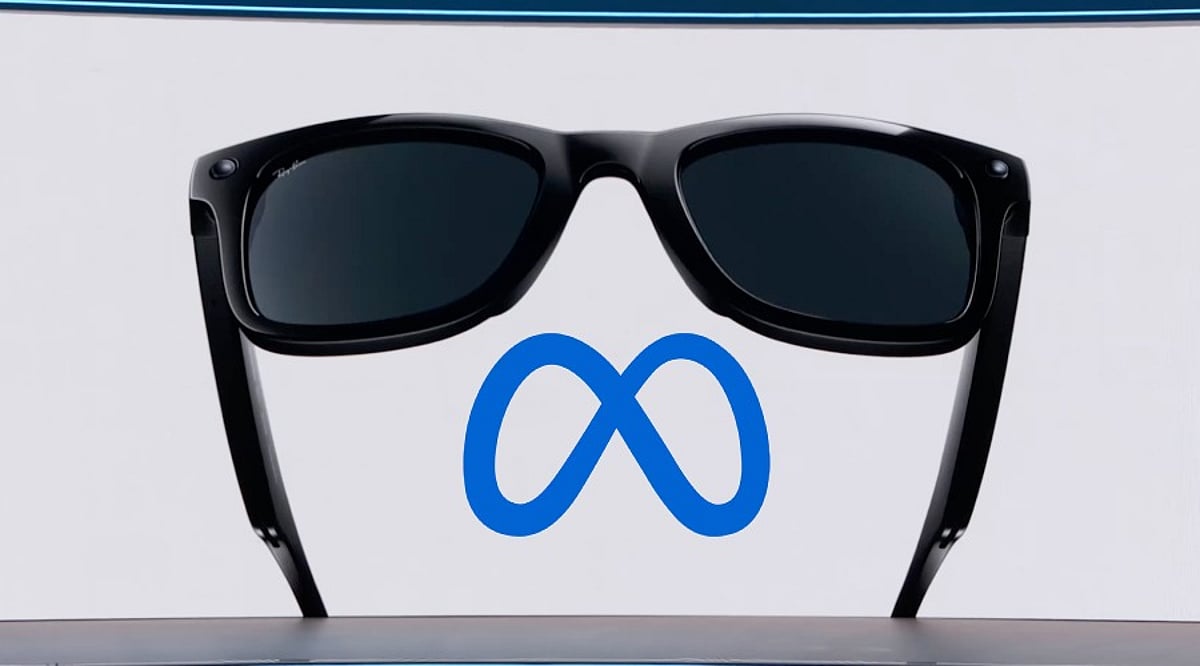
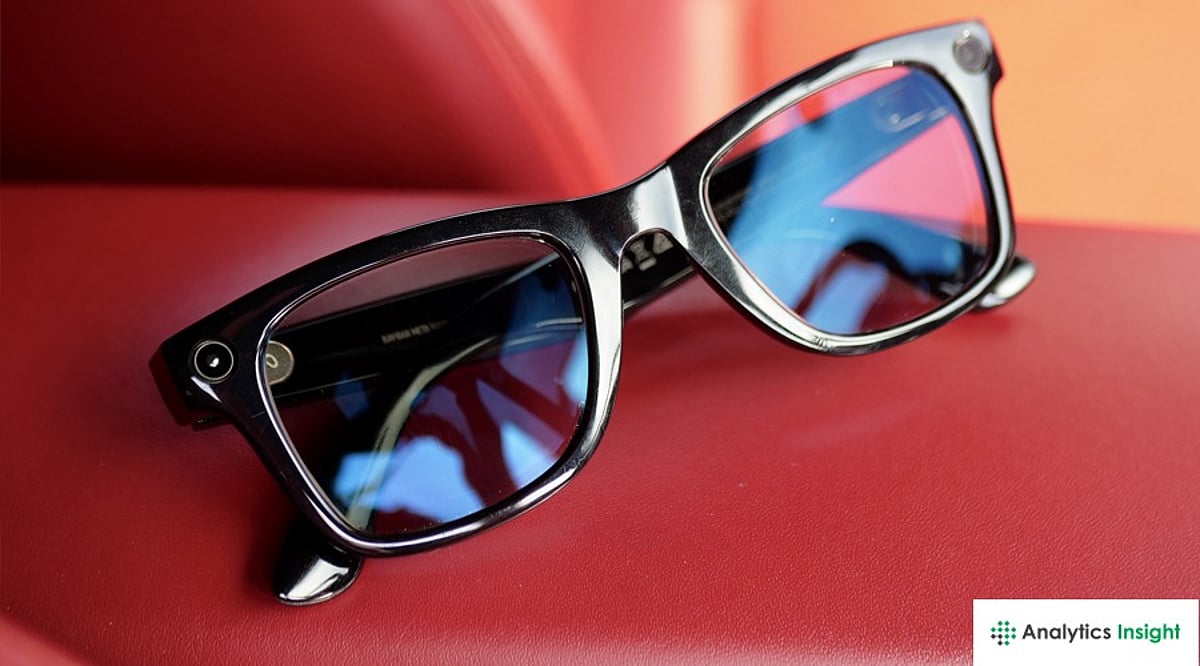
    The third-generation Ray-Ban Meta smart glasses come with a slimmer design and a dedicated Meta AI button. Battery life has also increased to up to nine hours. The glasses feature a 12MP camera that can record 3K video and a six-microphone system designed to reduce background noise.

    Ray-Ban Meta Display Expands

    Meta is expanding the availability of Ray-Ban Meta Display, with US customers able to order the glasses online for $799. New features include cycling and public-transit directions, landmark-based walking navigation, video-call holograms, photo editing, Dolby Atmos video capture, and mirrored smartphone notifications.

    More Games And Entertainment

    Meta also announced several gaming and entertainment updates. Beat Saber is getting hand tracking and a new Flux mode with 35 songs initially. Supernatural is returning to the Meta Horizon Store, while Payday: Aces High, Tetris Effect and Ace Attorney: Dual Destinies are also coming.

    Meta Expands Its AI Vision

    Meta also previewed Muse Charm, a compact device built around its Muse Agent. The device includes speakers, microphones, a display, and a fingerprint sensor. Meta said more information will follow later this year, while its broader VR platform continues to add immersive movies, sports, streaming and 3D entertainment.

  • How Meta, Google, and Qualcomm Are Driving the Next Wave of AI Smart Glasses

    How Meta, Google, and Qualcomm Are Driving the Next Wave of AI Smart Glasses

    Meta, Google, and Qualcomm are pushing smart glasses into a new phase, moving beyond basic audio features to integrate AI, cameras, displays, and phone-like capabilities. On September 23, Meta unveiled its advanced VR device in the form of smart glasses, while also launching a camera-free VR glasses model. That same evening, Google partnered with Qualcomm to announce its first Gemini glasses at a Qualcomm event. These moves signal a clear trend: the wearable industry is shifting toward smart glasses that listen, talk, and even provide a screen when needed.

    New Models and Pricing

    Meta’s VR Glasses are priced at approximately ₹1.24 lakh in India and weigh around 100 grams. They rely on a separate pocket device for key hardware and are expected to arrive in spring 2027. Meanwhile, the Ray-Ban Meta Gen 3 will be available for roughly ₹44,300 in India and will feature a 12MP camera, longer battery life, and a dedicated button for Meta AI.

    Market Shift Toward Glasses

    According to the latest statistics, glasses accounted for 84.6% of total XR device shipments in 2026, with headsets making up only 15.4%. The bigger change is not merely making VR hardware lighter; it is about giving people a new way to use AI without reaching for a phone. Current smart glasses already handle calls, music, and voice queries, but newer models are expected to go further—providing directions, translating conversations, or answering questions about objects in the user’s field of view.

    A New AI Interface Takes Shape

    The core idea is simple: instead of pulling out a phone, users can ask their glasses for help, making AI feel more natural in daily tasks. Meta has announced that its Ray-Ban, Oakley, and Meta glasses range will exceed 100 styles by the end of 2026, demonstrating the company’s rapid expansion in the wearable lineup. Meta, Google, and Qualcomm are building toward a future where glasses become a regular AI tool. While phones may still handle the heavy lifting, glasses could become the easier, more intuitive way to access AI.

  • Meta Ray-Ban Audio Launches at $349: Camera-Free AI Glasses Prioritize Privacy and Audio

    Meta Ray-Ban Audio Launches at $349: Camera-Free AI Glasses Prioritize Privacy and Audio

    Meta has introduced the Ray-Ban Meta Audio, its first camera-free AI glasses, priced at USD 349. The device was unveiled at Meta Connect 2026 on September 23, addressing growing privacy concerns around wearable cameras. Instead of capturing images, these glasses focus on audio, calls, and Meta AI assistance.

    Developed in partnership with EssilorLuxottica, the Ray-Ban Meta Audio glasses weigh just 43 grams and offer up to 12 hours of battery life on a single charge. The included charging case extends total usage by an additional 48 hours. Users can listen to music, podcasts, make calls, and engage in hands-free conversations with Meta AI.

    Meta also brings its Muse personal AI agent to the new glasses. Muse can answer questions and help with everyday tasks, providing AI assistance without a camera. The glasses come in Clubmaster and Burbank designs, with 23 color and lens combinations. Both styles support a wide range of prescription options, giving the camera-free AI glasses a conventional eyewear appearance.

    Privacy is central to the product’s positioning, as camera-equipped smart glasses face increasing scrutiny. Critics have raised concerns about recording people without clear consent. Meta’s vice president of AI product, Vishal Shah, emphasized the importance of the recording indicator light, which signals when cameras are active. Removing the camera eliminates photo and video capture, though microphones remain, keeping audio recording and consent considerations relevant.

    Meta continues to offer camera-equipped smart glasses. The company also launched the Ray-Ban Meta Gen 3, which features a 12MP camera and 3K Ultra HD video, starting at USD 449 with up to nine hours of battery life. The two models expand Meta’s smart glasses lineup into distinct use cases: Ray-Ban Meta Audio prioritizes audio and AI, while Gen 3 retains photography and video features. The camera-free model offers a privacy-focused direction for wearable AI.

    Pre-orders for the Ray-Ban Meta Audio began September 23, with shipping starting October 13, 2026.

  • Meta AI in 2026: Full Breakdown of Features, Models, Apps, and Real-World Use Cases

    Meta AI in 2026: Full Breakdown of Features, Models, Apps, and Real-World Use Cases

    Meta AI has evolved far beyond a simple chatbot. In 2026, the platform integrates advanced models, personal agents, creative tools, coding assistance, and AI glasses into a unified ecosystem capable of answering questions and handling real-world tasks.

    Key Takeaways

    • Muse: Meta’s new personal AI agent can handle research, shopping, email, and online forms.
    • Muse Models: Muse Spark, Muse Image, Muse Video, Muse Code, and Muse Glimmer expand Meta’s AI capabilities.
    • AI Ecosystem: Meta connects AI across its apps, developer tools, subscriptions, and smart glasses.

    Meta AI Across Apps

    Meta AI works across WhatsApp, Instagram, Messenger, Facebook, the web, iOS, Android, and the Meta AI Mac app. The assistant can answer questions, write text, review files, study images, create images, support voice chats, and help with research. It can also create documents, presentations, and plans.

    Deep Research adds a more advanced research mode. Meta AI can form a research plan, search sources, combine facts, and produce a report with citations. Public posts from Instagram, Facebook, and Threads can also add social context to some answers.

    Muse Spark Leads the New Model Stack

    Muse Spark now sits at the center of Meta’s latest AI model strategy. Muse Spark 1.1 arrived in July 2026 with stronger logic, software skills, tool use, computer use, and multimodal skills. Meta released Muse Spark 1.2 in August, with Muse Code as a major developer tool.

    Muse Spark 1.3 arrived on September 2, 2026. Meta says the model handles long tasks, software work, messy inputs, multimodal data, and real-world computer use with better context control. The model can work with images, video, and documents.

    Muse Turns AI into an Agent

    A major Meta AI shift came on September 8, 2026, when Meta introduced Muse as a personal AI agent. A normal chatbot waits for a prompt and returns an answer. Muse can take a goal, form a plan, use a browser, interact with websites, and carry out parts of a task.

    Muse can send emails, book travel, fill out forms, shop, research projects, and handle longer tasks. It can keep work active after a user leaves the app and return when a task needs approval. Meta also says Muse can negotiate on a user’s behalf in some cases.

    Meta built a separate Secure VM for Muse. The system gives the agent a dedicated virtual machine and browser. A Sentinel system controls web access. Meta says Muse does not directly see passwords or payment details and asks for approval for sensitive actions.

    Specialized Models Expand Creative Work

    Muse Image supports text-to-image work and detailed edits, while Muse Video focuses on video generation with high visual quality and native audio support. Muse Voice Transcribe handles speech-to-text work and supports live transcription. Meta lists $0.18 per hour for Voice Transcribe and $0.01 per image for Muse Image through the Meta Model API.

    Meta also has Muse Glimmer, an open-weight model for local agents. Local AI can support privacy, response speed, and device-side tasks, and gives Meta a path toward personal AI on devices.

    Muse Code Targets Software Work

    Muse Code gives developers a terminal-based software agent built on Muse Spark. It can plan tasks, edit several files, test changes, work with large codebases, and support multi-agent workflows. Meta lists Muse Code for macOS and Windows.

    AI Glasses Put Meta AI Into the Real World

    Meta AI has a major hardware path through AI glasses. The glasses support voice questions, visual help, translation, object recognition, and hands-free AI access. Muse Spark now supports the glasses with stronger multimodal skills. Phones offer the main assistant, glasses add visual and voice access, and Muse adds task execution.

    Meta One Adds a Paid AI Layer

    Meta launched Meta One on September 15, 2026, as a subscription service across Facebook, Instagram, WhatsApp, and Meta AI. The free Meta AI experience remains available, while paid plans add higher usage limits and more creative tools.

    Meta launched Core at $7.99 per month and Premium at $19.99 per month. Availability and limits can vary by market and account. Meta says the service launched with more than 50 features across its ecosystem.

    The Bigger Shift is Agentic AI

    Meta AI now reaches beyond chat. Muse can handle goals, use tools, work across apps, and ask for approval at sensitive steps. AI glasses add a hands-free interface, while Muse models cover images, video, speech, software, and local AI.

    FAQs

    1. What is Meta AI? Meta AI is Meta’s artificial intelligence assistant, available across WhatsApp, Instagram, Messenger, Facebook, the web, and supported devices.
    2. What is Muse? Muse is Meta’s personal AI agent that can plan tasks, use a browser, interact with websites, and handle longer workflows.
    3. What is Muse Spark? Muse Spark is Meta’s flagship general-purpose AI model family, with Muse Spark 1.3 as the latest major version.
    4. What can Meta AI do in 2026? Meta AI can answer questions, conduct research, create images and videos, assist with coding, analyze files, support voice tasks, and help with online activities.
    5. What is Meta One? Meta One is Meta’s paid subscription layer for AI and creative features across Meta’s apps, with different plans offering higher usage and additional capabilities.

  • Viture Unveils Vonder AI Glasses: Voice-Powered Wearable with ChatGPT, Gemini, and Claude Support

    Viture Unveils Vonder AI Glasses: Voice-Powered Wearable with ChatGPT, Gemini, and Claude Support

    Viture has introduced the Vonder, a new pair of AI-powered smart glasses that prioritize voice interaction and privacy over cameras and displays. Designed to resemble conventional eyewear, the Vonder weighs under 30 grams and relies on microphones, speakers, and onboard processing to deliver a screen-free AI experience.

    Unlike many smart glasses on the market, the Vonder does not include a camera or display. Instead, it focuses on voice-based features such as note-taking, hands-free calling, and memory recall. Audio recording is activated only when the user prompts it, and a physical Meeting Mode switch with an LED indicator provides additional control. After recording, the original audio is deleted and converted into text and memories stored in the companion app.

    At the core of the Vonder is its Personal Memory Graph, an AI system that organizes captured conversations and voice interactions. Users can choose from multiple AI models through the app, including Google Gemini, Anthropic Claude, and OpenAI ChatGPT. This approach allows the glasses to provide useful context from accumulated memories rather than simply storing raw recordings.

    Customization is a key selling point: buyers can select different frame shapes and finishes, and the glasses support prescription, progressive, and transition lenses. In the US, pre-orders begin on September 28 at a starting price of USD 299, with premium acetate frames starting at USD 399. Shipments are expected from November. International customers can register interest now.

    Viture emphasizes data privacy, stating that user data is protected with financial-grade encryption and that the company does not sell advertising or user data. The Vonder aims to offer a discreet, everyday wearable that blends AI assistance with the look and feel of ordinary glasses.

  • Samsung Galaxy Unpacked 2026: Fold 8, Flip 8, Watch 9, and AI Glasses Revealed in London

    Samsung Galaxy Unpacked 2026: Fold 8, Flip 8, Watch 9, and AI Glasses Revealed in London

    Samsung held its Galaxy Unpacked event in London on July 23, 2026, unveiling a comprehensive lineup of new devices including the Galaxy Z Fold 8, Galaxy Z Fold 8 Ultra, Galaxy Z Flip 8, Galaxy Watch Ultra 2, Galaxy Watch 9, and AI-powered smart glasses. The event underscored Samsung’s commitment to expanding its foldable ecosystem and integrating artificial intelligence across its hardware.

    New Foldable Phones with Wider Displays and Durable Hinges

    The Galaxy Z Fold 8 introduces a redesigned form factor featuring a near 4:3 inner display that reduces black bars and enhances video streaming, gaming, multitasking, and social media experiences. Samsung has incorporated a titanium hinge to minimize the display crease and improve overall durability.

    The Galaxy Z Fold 8 Ultra is positioned as Samsung’s most premium foldable, equipped with an upgraded titanium hinge, a 5,000mAh battery, and a 200MP primary camera. Meanwhile, the Galaxy Z Flip 8 retains its classic clamshell design while receiving updated hardware and new Galaxy AI capabilities.

    Galaxy AI Expands Across Devices

    All three foldable devices run One UI 9, which is based on Android 17. The software includes AI-powered tools such as the AI Assistant Activity Dashboard and My FanCam, which automatically tracks subjects and adjusts video framing.

    Samsung also refreshed its smartwatch lineup with the Galaxy Watch Ultra 2 and Galaxy Watch 9. The Watch Ultra 2 features a brighter display, a Snapdragon Wear Elite processor, advanced fitness tracking, and improved battery life. The Watch 9 focuses on everyday wellness through AI-driven health monitoring.

    AI Smart Glasses Preview

    Samsung previewed intelligent smart glasses developed in collaboration with Google, Warby Parker, and Gentle Monster. The upcoming wearable supports notifications, voice features, and Gemini-powered AI, signaling Samsung’s expansion beyond smartphones into an AI-connected ecosystem.

    The event highlighted Samsung’s strategy to strengthen its premium device lineup ahead of increased competition in the foldable market later this year.

  • Meta’s Super-Sensing AI Glasses Spark Fresh Privacy Debates

    Meta’s Super-Sensing AI Glasses Spark Fresh Privacy Debates

    Meta Platforms is testing a new prototype of AI-powered smart glasses that can continuously capture what users see and hear through built-in cameras and microphones. Dubbed “super sensing” glasses, the device could allow wearers to ask Meta AI about their day, surroundings, or past activities. However, the project has reignited concerns about privacy, consent, and legal compliance as wearable AI becomes more pervasive.

    How the Prototype Works

    According to reports, the glasses can take photos every few seconds and record audio, collecting data from the wearer’s daily life. Users could later query the AI to recall specific moments. The system reportedly does not store raw video or audio; instead, it extracts relevant data from images and sound and uploads it to Meta’s servers for AI search. Supporters argue this approach reduces privacy risks, but internal debate at Meta suggests many employees view the technology as intrusive, especially when it captures information from people who have not opted in.

    Privacy Light Concerns

    Meta’s current Ray-Ban Meta smart glasses include an LED light that activates when the wearer takes photos or records video, serving as a notification to bystanders. The new super-sensing feature may not trigger the LED in the same way, raising questions about whether people nearby will know when data collection is occurring. Meta has previously faced issues with users trying to disable or obscure the privacy light, prompting the company to roll out an update that disables the camera if tampering is detected. Still, the reported design choice has drawn criticism from privacy advocates.

    Legal and Regulatory Implications

    Always-aware devices could face scrutiny under privacy, biometric data, and audio recording laws. In some US states, recording private conversations without all-party consent is illegal. Boston University law professor Woodrow Hartzog noted, “No existing law comprehensively addresses the myriad ways these tools can pose risks during their design and manufacturing.” He urged lawmakers to update legal frameworks for devices that are “always on and constantly observing.” Public venues are already reacting: New York State courts plan to ban camera glasses from courtrooms, and Philadelphia courts and some cruise lines have restricted smart glasses in certain areas.

    Meta’s Vision and Next Steps

    Meta CEO Mark Zuckerberg has positioned AI glasses as a key part of the company’s future, calling them a “personal assistant that stays with you all day, helping you remember things and achieve your goals.” While the prototype is still under testing and could change, the debate highlights how smart glasses are evolving from simple recording tools into devices that monitor, process, and recall daily life. The outcome of this testing phase will likely shape both Meta’s product roadmap and the broader conversation around privacy in wearable AI.