
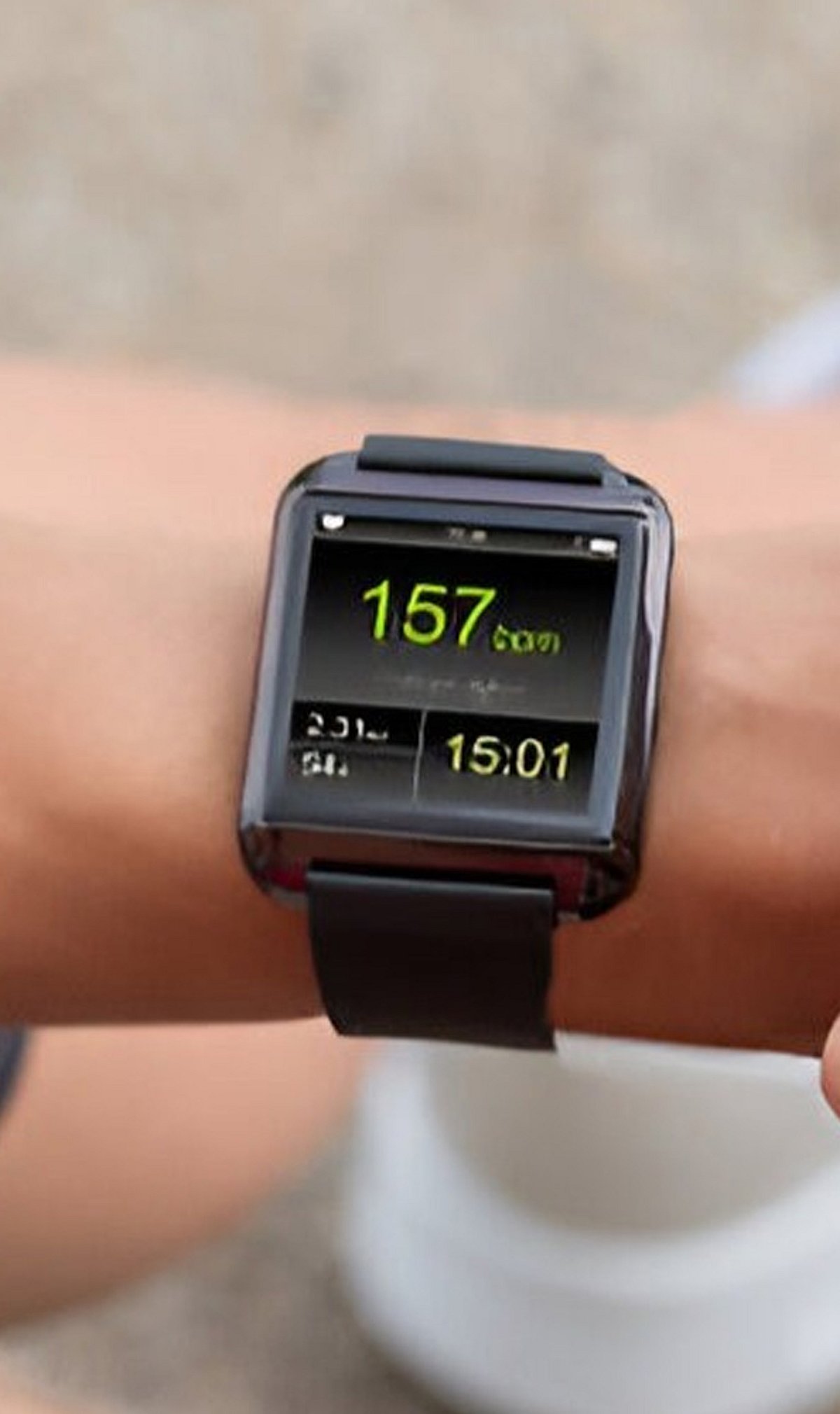
Tag: AI health insights

  • How Smart Wearables Are Revolutionizing Healthcare Monitoring

    How Smart Wearables Are Revolutionizing Healthcare Monitoring

    Smart wearables have evolved from simple fitness trackers into essential healthcare tools that provide continuous, real-time health monitoring. These devices are transforming how individuals and healthcare professionals manage wellness and detect potential health issues early.

    Key Health Monitoring Features

    Heart Rate Monitoring

    Smart wearables track cardiovascular activity continuously, helping users identify abnormal patterns and maintain healthier lifestyles through real-time health insights.

    Blood Oxygen Monitoring

    These devices measure oxygen saturation levels, providing valuable information for respiratory health, sleep quality, and overall wellness monitoring.

    ECG Monitoring

    Wearables detect irregular heart rhythms, enabling early identification of potential cardiac conditions and supporting timely medical intervention when required.

    Sleep Tracking

    Advanced sleep analysis examines sleep cycles, duration, and quality to help users improve rest, recovery, and long-term physical and mental well-being.

    Fitness Activity Tracking

    From steps and workouts to calories burned and movement patterns, wearables encourage healthier habits through measurable daily fitness goals.

    Stress Monitoring

    Using physiological indicators, these devices estimate stress levels, helping users practice relaxation techniques and maintain emotional wellness throughout the day.

    Remote Patient Monitoring

    Healthcare professionals can monitor patients outside hospitals, improving treatment efficiency and reducing unnecessary medical visits.

    Fall Detection

    Automatic detection of serious falls triggers emergency alerts, providing additional safety for elderly individuals and people with medical conditions.

    AI Health Insights

    Artificial intelligence analyzes health data, identifies trends, and delivers personalized recommendations for preventive healthcare decisions.

    As technology advances, smart wearables are becoming indispensable tools for proactive health management, empowering users with actionable insights and enabling better outcomes through continuous monitoring.
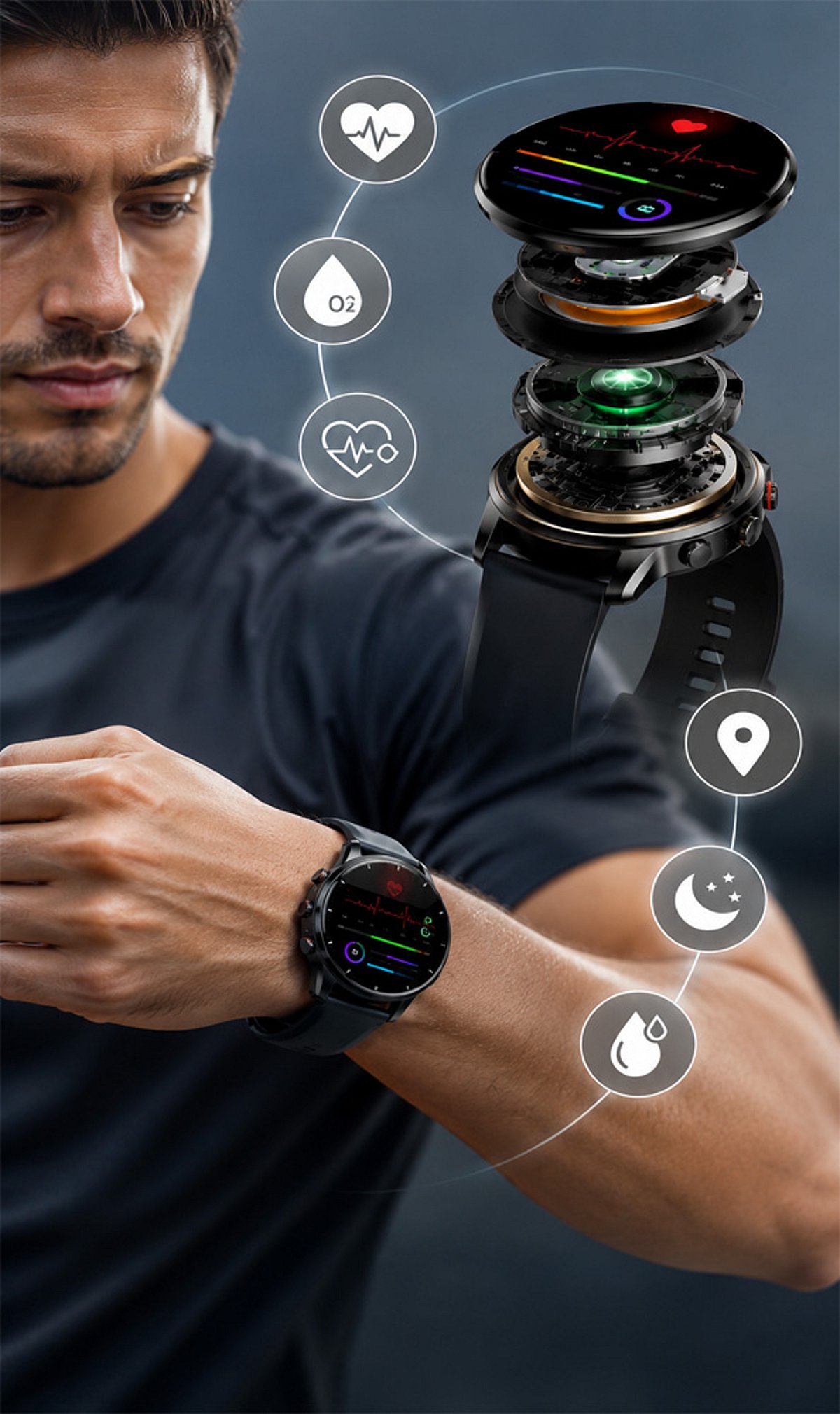
  • How a Smartwatch Monitors Your Health: A Complete Guide to Wearable Sensors and Features

    How a Smartwatch Monitors Your Health: A Complete Guide to Wearable Sensors and Features

    Modern smartwatches have evolved into sophisticated health companions, packing an array of sensors that track vital signs, sleep patterns, and even detect emergencies. Here’s a detailed look at how these devices monitor your health in real time.

    Heart Rate Monitoring

    Optical sensors on the back of the watch continuously measure your pulse. This data helps track resting heart rate, exercise intensity, and alerts you to any unusual changes throughout the day.

    Blood Oxygen Tracking (SpO2)

    Using light-based sensors, smartwatches estimate blood oxygen saturation levels. This feature is useful for assessing wellness during sleep, workouts, travel, or high-altitude activities.

    Sleep Analysis

    By combining motion and heart rate data, watches monitor sleep duration, stages (light, deep, REM), interruptions, and overall quality. These insights help you build healthier bedtime routines and improve recovery.

    ECG Monitoring

    Select smartwatch models can record a single-lead electrocardiogram right from your wrist. The device detects irregular heart rhythms like atrial fibrillation and encourages timely medical consultation when abnormal patterns appear.

    Stress Detection

    Variability in heart rate, along with sensor data, is used to estimate stress levels. When stress is detected, the watch prompts breathing exercises and relaxation techniques to support mental wellness.

    Activity Tracking

    Motion sensors (accelerometers and gyroscopes) count steps, calculate calories burned, track active minutes, and evaluate workout performance. This motivates users to stay physically active every day.

    Temperature Monitoring

    Advanced skin temperature sensors can detect subtle overnight changes. This supports wellness tracking, recovery insights, and even menstrual cycle predictions in some models.

    Fall Detection

    Built-in accelerometers recognize severe falls. If the wearer remains unresponsive, the watch can automatically alert emergency contacts or services, providing peace of mind for active users or older adults.

    AI Health Insights

    Artificial intelligence combines multiple sensor readings into personalized health reports. By analyzing trends and patterns, these insights help you make informed lifestyle decisions and monitor long-term changes.