
Tag: AI health

  • OpenAI Launches ChatGPT Health in the US — Here’s Why Global Users Are Still Waiting

    OpenAI Launches ChatGPT Health in the US — Here’s Why Global Users Are Still Waiting

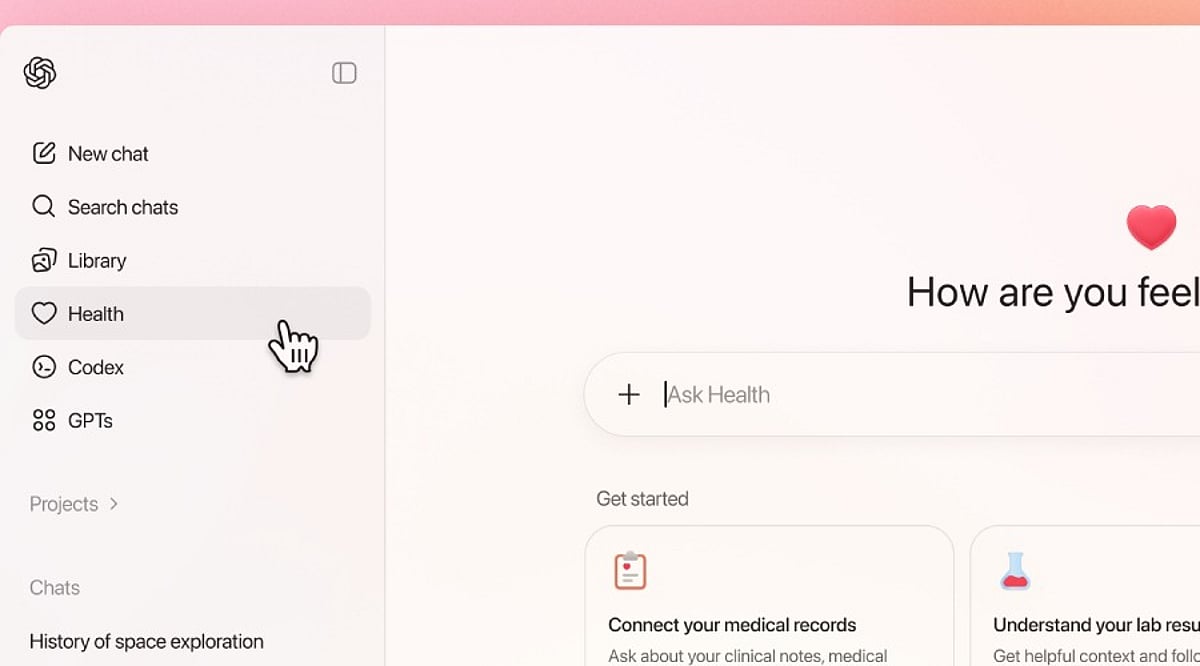
    OpenAI has begun rolling out its dedicated Health experience within ChatGPT to eligible users in the United States. However, the end of the waitlist does not mean the feature is available worldwide. Users in India and many other regions still cannot access the health-focused tool, regardless of their subscription plan.

    Who Can Access ChatGPT Health?

    The feature is currently limited to users who are 18 years or older and based in the US. It is accessible across ChatGPT Free, Go, Plus, and Pro plans on both the web and iOS platforms. Android support has not yet been introduced. This regional restriction means that even users who previously joined the waitlist outside the US will not see the Health option in their ChatGPT sidebar.

    Why the Delay for Other Regions?

    OpenAI has not announced a timeline for expanding ChatGPT Health to other countries. The phased rollout is a deliberate strategy, and the company has not indicated when users in India, Europe, or other regions can expect access. According to OpenAI’s Help Center, “Health is available on a phased basis, while Android support is yet to come.”

    What Does ChatGPT Health Do?

    ChatGPT Health is designed to integrate health-related information into a single platform. Users can link supported medical records and Apple Health data, then access lab results, medication details, sleep patterns, activity data, and ask questions based on their personal health information. The tool can help users understand medical information, prepare questions for appointments, track wellness trends, and identify changes over time.

    Privacy and Safety

    OpenAI has emphasized that ChatGPT Health is meant to support medical care, not replace doctors or professional treatment. The company also stated that health data and conversations using the feature are not used to train the underlying foundational model or for targeted advertising.

    As the rollout continues, users outside the US will have to wait for further announcements from OpenAI. The company has not provided a specific date for global availability.
  • 10 Future Health-Tracking Wearables Expected by 2035

    10 Future Health-Tracking Wearables Expected by 2035

    10 Health-Tracking Wearables We May Be Using by 2035

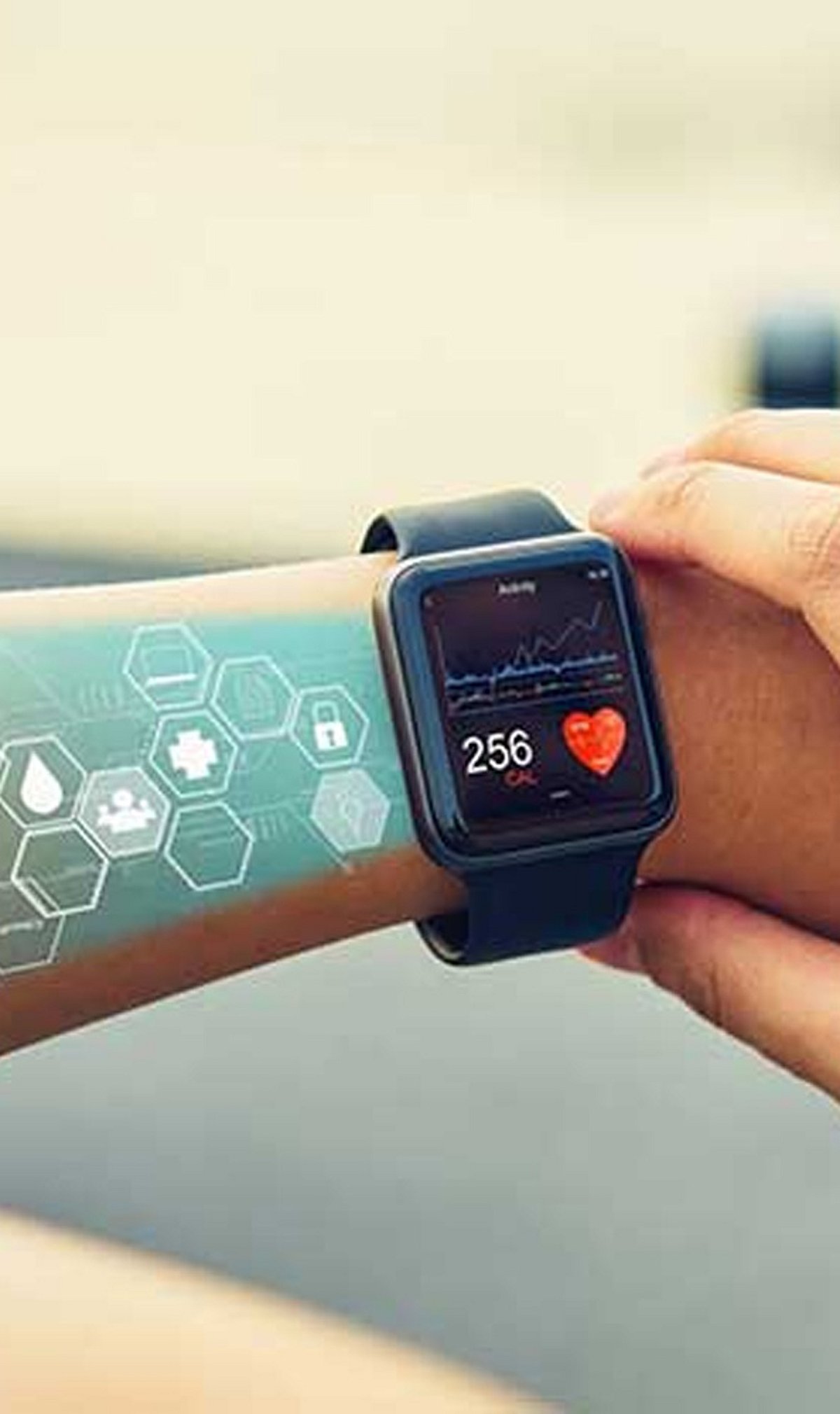
    By 2035, wearable technology will go far beyond step counting. Here are ten futuristic health-tracking devices that could become part of our daily lives.

    • AI Health Glasses: Continuously monitor vision, stress, fatigue, biometric signals, and environmental conditions while delivering real-time personalized health insights.
    • Smart Contact Lenses: Track glucose levels, hydration, eye health, and vital biomarkers without invasive procedures.
    • Electronic Skin Patches: Flexible wearables that monitor heart activity, temperature, hydration, and other health indicators with medical-grade accuracy.
    • Brain-Computer Headbands: Measure brain activity, stress, concentration, sleep quality, and neurological patterns to support cognitive health.
    • Smart Rings: Compact wearables track sleep, heart rate, blood oxygen, temperature, recovery, and daily activity using advanced miniature sensors.
    • Connected Hearing Aids: Future hearing devices may monitor heart health, detect falls, and provide AI-powered wellness assistance.
    • Smart Clothing: Embedded sensors analyze posture, muscle activity, breathing, circulation, and movement to optimize fitness and prevent injuries.
    • Health Monitoring Earbuds: Measure body temperature, heart rate, oxygen levels, and fitness metrics while delivering intelligent health notifications.
    • AI Medical Neckbands: Future neckbands could detect respiratory conditions, voice changes, stress patterns, and cardiovascular anomalies through continuous biometric sensing.
    • Implant-Free Biosensor Bands: Advanced bands may monitor multiple biomarkers, predict illnesses early, and connect securely with digital healthcare ecosystems.