
Tag: AI laptops

  • Googlebook 2026: Google’s AI-Powered Laptop Lineup, Pricing, and Features

    Googlebook 2026: Google’s AI-Powered Laptop Lineup, Pricing, and Features

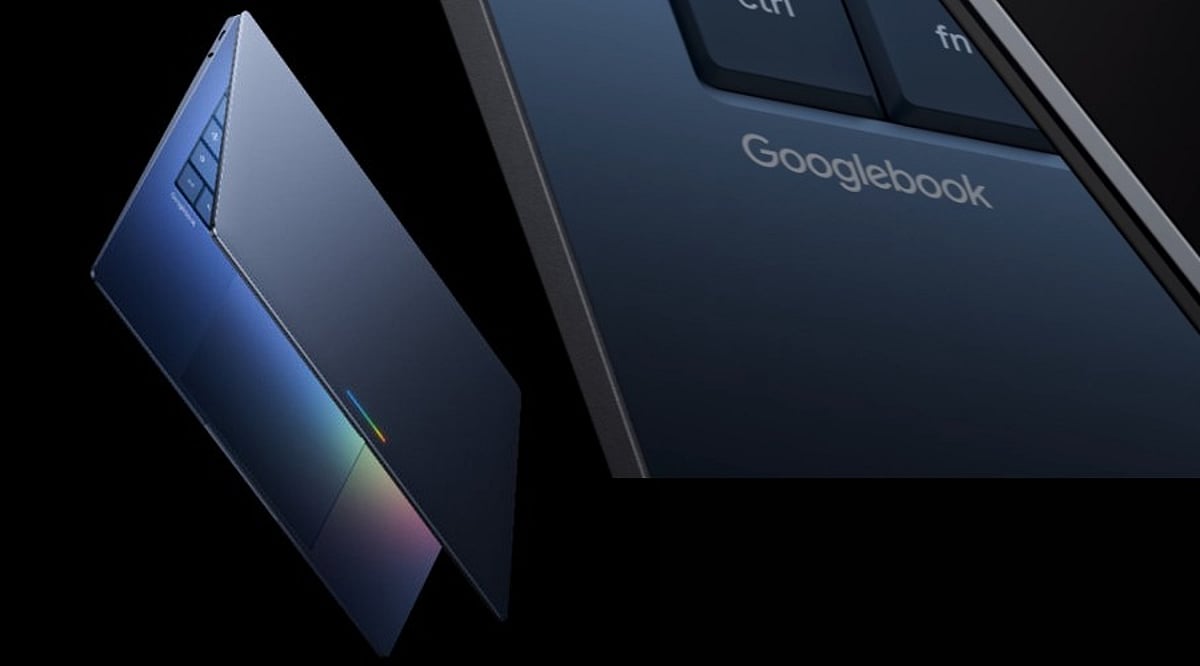
    Google is taking a significant step into the premium laptop market with the introduction of Googlebook, a new device category designed to put AI at the center of everyday computing. The first generation of Googlebook laptops combines conventional laptop hardware with Google’s software ecosystem, including ChromeOS, Android app support, and deep integration with the company’s Gemini AI assistant.

    The lineup includes five models from Acer, ASUS, Dell, HP, and Lenovo, with prices starting at USD 899. Each device offers a distinct design and feature set, giving buyers a range of choices across portability, screen size, and security.

    Five Googlebook Models, Five Different Approaches

    Unlike a single flagship design, Google is letting its partners take different approaches to the first Googlebook lineup:

    • Acer Googlebook 14 – The only convertible model, featuring a display that folds into tablet mode for flexible work.
    • ASUS Googlebook 14 – A lightweight, portable option weighing just 2.2 pounds, with HDMI and multiple ports.
    • Dell Googlebook 14 – Borrows Dell’s popular XPS design language, adding a fingerprint reader and a slim profile.
    • HP Googlebook 14 – Supports both facial recognition and fingerprint authentication, with storage options up to 1TB.
    • Lenovo Googlebook – Offers a larger 15.3-inch display, aimed at users who need more screen real estate.

    Premium Hardware and Everyday Practicality

    Googlebooks are built with a mix of aluminum, magnesium alloy, and carbon fiber. The displays are touchscreens with resolutions up to 2.8K, and Google highlights features like haptic glass trackpads and backlit keyboards.

    Audio is a strong focus across the lineup. Some models include up to six speakers with Dolby Atmos support, and noise-canceling microphones are designed to make voice calls and recordings clearer. Battery life varies by configuration, but Google promises up to 14 hours of video playback and up to 16 hours of web browsing on supported models.

    Gemini Is the Core of the Experience

    The biggest differentiator for Googlebook is how deeply Gemini is integrated into the system. One feature, Magic Pointer, brings Gemini contextually to whatever appears on screen. Users can highlight content and ask the AI to organize information, translate text, or analyze suspicious messages.

    Another tool, Rambler, is built around voice-based writing. You can speak naturally while Rambler turns your thoughts into structured notes. There is also Create My Widget, which lets users describe a widget in plain language and have it generated without writing code.

    Closer Android Phone Integration

    Googlebook is designed to work seamlessly with Android smartphones. Files can be accessed directly from the computer, and tasks can be moved between devices without constant file transfers. The Files feature can display photos and documents stored on a connected phone, while Cast My Apps can bring selected phone applications onto the Googlebook screen.

    This tight Android connection makes the laptop feel like an extension of your phone rather than a separate device, a strategy that could appeal to people already in the Google ecosystem.

    Software, Apps, and Developer Tools

    The software experience combines a desktop version of Chrome with Android applications. Users can run a range of tools, including Adobe Photoshop, Lightroom, and CapCut. Streaming apps and Android games are also supported, and every purchase includes a complimentary year of GeForce NOW.

    Developers get access to Google Antigravity and a full terminal environment, allowing them to use development tools and AI coding agents directly on the device. Security features include Titan hardware security, on-device malware detection, and an isolated Linux environment powered by pKVM technology.

    Pricing, Availability, and What to Expect

    The Googlebook lineup starts at USD 899, with higher-end configurations going up to USD 1,299. Every device includes 12 months of Google AI Pro and 5TB of cloud storage. Buyers also receive promotional access to YouTube Premium and select creative software. Google says the devices will receive updates for up to 10 years.

    The first Googlebooks will be available in the United States starting October 4, followed by the UK, Canada, Australia, France, Germany, and Ireland.

    By bringing Gemini, Android integration, and premium hardware together, Google is positioning Googlebook as a serious entry into the AI laptop space. The variety across the five models also gives users the flexibility to choose a laptop that fits their particular workflow.

  • Weekend HP Laptop Deals 2026: Pavilion, Envy & OmniBook Compared for Best Value

    Weekend HP Laptop Deals 2026: Pavilion, Envy & OmniBook Compared for Best Value

    Weekend laptop deals can be misleading. The biggest discount rarely means the best long-term value. A cheaper laptop with older hardware can end up costing more in the long run, through slower performance and a shorter useful life, than a newer model with a smaller price cut. HP’s current Amazon India lineup makes this easy to see, with budget-friendly Pavilion laptops, premium Envy convertibles, and AI-ready OmniBook models all sitting side by side. That range makes careful comparison worth the extra few minutes.

    These four HP laptops each suit a different kind of use, and picking the right one comes down to performance, features, and everyday comfort rather than the size of the discount.

    HP Pavilion x360 (13th Gen Core i5-1355U, model ek1148TU)

    Students and everyday multitaskers get the most out of this one. It runs a 13th Gen Intel Core i5-1355U with 16GB DDR4 RAM and a 512GB SSD, paired with a 14-inch FHD IPS touchscreen and Iris Xe integrated graphics. The touch-and-flip form factor works well for note-taking in class or sketching over PDFs, and the i5 chip handles browser-heavy multitasking and office apps without lag. Battery life varies by unit based on user reviews, so check current buyer feedback before purchase rather than relying on the spec sheet alone. Treat it as a dependable everyday productivity laptop, not a machine for heavy editing.

    Buy Now on Amazon India

    HP Pavilion Plus (13th Gen Core i5-1335U, model ew0107TU)

    The display is one of the biggest factors that separates this model from the standard Pavilion. It pairs the same generation i5-1335U processor with faster 16GB LPDDR5x memory and a 512GB SSD but adds a 14-inch 2K IPS panel at 300 nits. That higher resolution gives noticeably sharper text and more workspace for spreadsheets, coding, and document-heavy tasks, while core performance stays close to the standard Pavilion. It works well for professionals who want a sharper screen without paying OLED prices.

    Buy Now on Amazon India

    HP Envy x360 AI laptop (Intel Core Ultra 5 125U, 12 TOPS NPU)

    A dedicated NPU is what sets this laptop apart from the rest of the lineup. The Core Ultra 5 125U includes a neural processing unit rated at 12 TOPS, which offloads supported tasks like background blur and noise suppression from the CPU, improving speed and battery efficiency during those workloads. NPUs currently accelerate a limited set of tasks, and that set will grow as more Windows apps add on-device AI support. It comes with 16GB LPDDR5 RAM, a 512GB SSD, and a 14-inch OLED touchscreen in 2K or 3K, depending on the variant. For professionals who want a machine that stays relevant as more apps add local AI features, this is the more future-ready pick over a standard Core i5 model, even at a higher price point.

    Buy Now on Amazon India

    HP OmniBook 5 Flip (13th Gen Core i5-1334U)

    Portability and screen comfort are the selling points here. The OmniBook 5 Flip is HP’s newer branding for its mid-range 2-in-1 line, replacing older Pavilion x360 naming in parts of the catalog, and it runs a 13th Gen Core i5-1334U with 16GB LPDDR5 RAM and a 512GB SSD on a 14-inch 2K WUXGA anti-glare touchscreen rated at 300 nits. The anti-glare coating is the standout feature, useful for anyone working near windows or under harsh office lighting. Performance sits in the same bracket as the Pavilion x360, so pick this one for the better display and hinge flexibility, and skip it if screen glare isn’t a concern for you.

    Buy Now on Amazon India

    Comparison Table

    Model Processor RAM Storage Display Best For
    Pavilion x360 i5-1355U 16GB DDR4 512GB SSD 14″ FHD Touch Students, multitasking
    Pavilion Plus i5-1335U 16GB LPDDR5x 512GB SSD 14″ 2K IPS Professionals, sharp display
    Envy x360 AI Core Ultra 5 125U 16GB LPDDR5 512GB SSD 14″ OLED 2K/3K AI features, future-proof
    OmniBook 5 Flip i5-1334U 16GB LPDDR5 512GB SSD 14″ 2K Anti-glare Hybrid workers, glare reduction

    Weight and battery-life figures vary by unit and seller listing on Amazon India, so confirm both on the live product page before checkout rather than relying on spec sheets alone.

    Which HP Laptop Should You Buy?

    Students on a budget do well with the Pavilion x360. Office workers who spend hours in spreadsheets or code editors get more value from the Pavilion Plus display. Creators and professionals who want AI-assisted features should look at the Envy x360. Hybrid workers who move between meeting rooms and desks benefit from the OmniBook 5 Flip’s lighter build and anti-glare screen.

    A note on buying this weekend: prices and stock on Amazon India shift daily during sale periods. Each link above takes you to the live search results for that exact model so you can confirm the current price, seller, and delivery date before checkout. Favor listings marked Amazon Fulfilled, check the seller rating, and confirm the listing carries HP’s official India warranty before you buy.

    Final Thoughts

    The best weekend laptop deal is rarely the one with the biggest discount. It is the one that still performs well long after the sale ends. The right choice depends on how the laptop actually gets used, whether that means an affordable everyday machine, a sharper screen for work, AI-ready features, or the flexibility of a 2-in-1. Comparing specs closely, checking the seller and warranty, and choosing lasting value over the lowest price tag will matter far more once the discount banner disappears.

    FAQs

    1. Are HP AI laptops worth buying in 2026?

    Yes. HP AI laptops powered by Intel Core Ultra or AMD Ryzen AI processors offer improved multitasking, AI-assisted features, and better long-term performance for work, study, and creative tasks.

    2. Is the HP Pavilion series still a good choice?

    Yes. The HP Pavilion series remains a reliable option for students, families, and everyday users who need solid performance for productivity, web browsing, streaming, and light content creation.

    3. What should I look for in an HP laptop deal?

    Focus on the processor, RAM, SSD storage, battery life, display quality, and warranty rather than the discount percentage alone. A well-balanced configuration usually offers better long-term value.

    4. Which HP laptop is better for students: AI laptops or Pavilion models?

    Pavilion laptops are ideal for most students since they provide excellent value for everyday coursework. Students with heavier workloads or AI-based applications may benefit from an HP AI laptop with 16GB RAM.

    5. How can I tell if a weekend laptop deal is genuinely good?

    Compare the final price with the laptop’s specifications, recent pricing, warranty, and included features. A worthwhile deal should match your workload and provide lasting value beyond the sale period.

  • 2026 Laptop Reviews: The Best Models for Performance, Battery Life, and AI Capabilities

    2026 Laptop Reviews: The Best Models for Performance, Battery Life, and AI Capabilities

    The laptop industry is undergoing major changes as a global memory shortage known as ‘RAMageddon’ continues. This issue has increased component costs and driven up overall laptop prices by $50 to $680 in some cases. Despite these pressures, brands keep releasing improved models with better processing power, more efficient batteries, and advanced AI features. After evaluating twenty laptops this year, several models stand out for their value and performance across different budgets.

    Market Overview

    Current conditions include constrained RAM supply, rising manufacturing costs, and soaring demand for AI-capable devices. These factors have reduced the availability of high-end yet affordable laptops. However, technological advances in power efficiency, compactness, and built-in AI processing have made many new models more future-ready than ever.

    Top Laptops of 2026 So Far

    Apple MacBook Neo – Entry-Level Premium Choice

    Apple’s MacBook Neo introduces a more affordable premium laptop at around $599. It features an elegant aluminum design, Liquid Retina display, quality speakers, and a comfortable keyboard. Powered by the A18 Pro processor, it handles routine tasks like web browsing and video playback seamlessly. Battery life reaches 15 hours, though it’s not suited for professional workloads.

    Apple MacBook Air (M5) – Balanced Mid-Range Performer

    The MacBook Air with the M5 chip remains one of the most balanced laptops available. It offers enhanced wireless functionality and improved memory options compared to previous models, all in a fanless design. The high-resolution display, webcam, and speakers outperform many competitors. Performance is strong for both work and entertainment, battery life is solid, and the new internal components make it more future-proof. The main downside is higher pricing due to market conditions.

    Asus Zenbook A16 – High-Performance Lightweight Device

    The Asus Zenbook A16 is one of the best Windows laptops of 2026. It runs on the Snapdragon X2 Elite Extreme processor, delivering excellent single-core and multi-core performance. The 2.8K OLED display with a 120Hz refresh rate makes it ideal for work and entertainment. A standout feature is 48GB of RAM, which greatly improves multitasking. Despite its 16-inch screen, the laptop weighs under 3 pounds. It’s priced higher than mid-range models but offers outstanding value for the performance.

    MSI Prestige 14 Flip AI+ – Convertible Productivity Machine

    The MSI Prestige 14 Flip AI+ is a versatile convertible. It uses an Intel Core Ultra Series 3 CPU with AI-enhanced performance, an OLED display, and a stylus. Designed for creatives, it packs 32GB of RAM for multitasking and fast storage. Battery life exceeds 25 hours with moderate use—far above average. However, this model is no longer widely available, and future versions may cost more.

    Notable Mentions

    Two other laptops deserve recognition. The HP OmniBook 3 16 set an all-time battery record by playing video for over 40 hours, making it one of the most power-efficient notebooks ever tested. The MSI Stealth 16 AI+ achieved over 11 hours of battery life, outstanding for a gaming laptop.

    Key Considerations for Buyers

    Choosing a laptop depends on individual needs. Users requiring high performance should prioritize high RAM and processor speeds, while most users may value battery longevity. Future compatibility is also critical, as AI applications become more integrated into everyday computing.

    Final Thoughts

    Rising costs and rapid technological advances are reshaping the competitive laptop market. Despite the RAM shortage pushing prices up, many devices still deliver excellent value. The MacBook Neo offers an entry point to premium laptops; the MacBook Air (M5) is the most balanced all-rounder; the Asus Zenbook A16 is a top performer; and the MSI Prestige 14 Flip AI+ excels in convertibility and productivity. Your choice will depend on your personal needs, but these are among the best models on the market today.

    Frequently Asked Questions

    1. Why are laptop prices higher in 2026?

    Laptop prices have increased due to elevated memory component costs, higher manufacturing expenses, and growing demand for AI-capable hardware. These factors have made many premium and mid-range laptops more expensive.

    2. Which laptop offers the best overall value?

    The Apple MacBook Air (M5) is widely regarded as a top all-around laptop, combining strong performance, excellent battery life, a premium display, improved memory options, and reliable everyday productivity in a lightweight design.

    3. Are AI-powered laptops worth buying?

    Yes. AI-powered laptops include dedicated processors that boost productivity, video conferencing, content creation, and power efficiency. They are also better prepared for upcoming AI-based features in Windows and macOS.

    4. Which laptop is best for multitasking and professional workloads?

    The Asus Zenbook A16 stands out with its Snapdragon X2 Elite processor, up to 48GB of RAM, a 2.8K OLED display, and a lightweight design, making it an excellent choice for demanding multitasking and professional workflows.

    5. What should buyers prioritize when choosing a laptop?

    Buyers should compare processor performance, RAM capacity, battery life, display quality, AI capabilities, portability, software compatibility, and long-term value rather than focusing solely on price, to ensure the laptop meets future computing needs.

  • Top AI-Powered Laptops and Workstations for Maximum Productivity in 2026

    Top AI-Powered Laptops and Workstations for Maximum Productivity in 2026

    Key Takeaways

    • Dedicated AI chips now allow laptops to handle advanced tasks locally without relying on the cloud.
    • Battery efficiency has surged, with some AI laptops delivering up to 22 hours of real-world use.
    • AI-powered computers have become essential tools for business, creative work, and professional productivity.

    The laptop market has undergone a dramatic transformation in 2026. Artificial intelligence is now a primary driver for computer upgrades. Modern laptops come equipped with specialized AI hardware that accelerates tasks, conserves battery, boosts speed, and simplifies everyday workflows. These machines no longer depend solely on cloud-based AI tools—advanced AI processes now run directly on the device.

    Industry experts have crowned 2026 as the year of the ‘AI PC.’ Major players like Apple, Microsoft, Intel, AMD, and Qualcomm are heavily focused on AI-powered computers. Market reports indicate that AI laptops are among the fastest-growing segments in the global PC market. Businesses increasingly demand systems capable of handling AI assistants, smart automation, real-time translation, rapid content creation, and advanced office applications.

    Apple MacBook Air M5 Dominates Premium AI Computing

    The Apple MacBook Air M5 stands out as one of the most powerful AI laptops in 2026. Apple’s new M5 chip features a significantly faster Neural Engine that executes AI tasks directly — without heavy internet reliance. The machine effortlessly manages smart writing tools, document summaries, image generation, voice cleanup, and AI-driven editing. Its nearly 18-hour battery life makes it ideal for professionals working long hours. Apple’s seamless hardware-software integration ensures AI features feel faster and more intuitive than many competitors. Market demand for Apple’s AI-focused devices remains exceptionally strong as of mid-2026.

    HP OmniBook Ultra 14 Leads Windows AI Innovation

    HP has made a bold entry into the AI laptop arena with the HP OmniBook Ultra 14. Powered by Qualcomm’s Snapdragon X2 Elite processor, it is one of the most capable Windows AI laptops this year. The device sports an 18-core processor and supports up to 64GB LPDDR5X memory. Independent testing in June 2026 revealed nearly 22 hours of real-world battery life, surpassing many premium rivals. This laptop excels at AI-powered tasks such as background noise removal during video calls, live translation, smart meeting summaries, and advanced automation — marking a major leap forward for ARM-based Windows machines.

    Lenovo Yoga Slim 7x Wins Over Business Users

    Business professionals have embraced the Lenovo Yoga Slim 7x as their preferred 2026 laptop, thanks to its Snapdragon X Elite chipset and dedicated AI processor that enhance workplace efficiency. With 32GB of memory and a stunning 3K OLED display, it delivers approximately 18 hours of battery life under typical office use. The system handles complex spreadsheets, AI meeting assistants, smart presentation tools, and office automation applications with ease. As AI applications become integral to daily business operations, companies increasingly favor such systems over traditional business laptops.

    Asus ProArt PX13 Redefines Creative Workstations

    Creative professionals demand computers that can handle AI-driven design software without lag. The Asus ProArt PX13 has emerged as a top workstation for creators in 2026. It combines AMD Ryzen AI processors with a dedicated 50 TOPS NPU and powerful NVIDIA graphics. Applications like Adobe Photoshop AI tools, image upscaling, video rendering, and local generative AI models run significantly faster than on older systems. A major advantage is local AI processing — many tasks occur directly on the machine, improving speed, reducing wait times, and enhancing privacy for users working on sensitive projects.

    Acer Swift 16 AI Balances Performance and Value

    The Acer Swift 16 AI is an excellent choice for users seeking strong AI performance without workstation-level pricing. It strikes a fine balance between price, performance, battery life, and AI capability. Powered by Intel’s latest AI hardware architecture and fully supporting Microsoft Copilot+ features, recent benchmarks place it among the best laptops released in 2026. It comfortably handles software development, office work, AI research, multitasking, and creative projects. Excellent heat management keeps the system reliable during heavy workloads.

    AI Laptop Technology Reaches New Heights

    The biggest change in 2026 is the widespread adoption of dedicated Neural Processing Units (NPUs). These processors now deliver between 40 and 80 TOPS (trillion operations per second). AMD Ryzen AI and Qualcomm Snapdragon X Elite processors have dramatically boosted local AI performance. Research published in June 2026 showed that optimized AI workloads on modern NPUs reduced inference latency by up to 121% while cutting energy consumption by more than 64%. This proves that AI hardware is now a critical component of modern computing, not just a premium add-on.

    Final Outlook for AI Productivity Machines

    A massive hardware shift has made AI capabilities standard across the laptop market. Instead of relying on cloud processing, modern machines handle heavy automation, asset generation, and workplace productivity tools locally on specialized chips. The latest MacBook Air, HP OmniBook, and Lenovo Yoga models illustrate how the PC market has evolved. Buyers no longer need to pay extra for AI hardware — companies are building these chips into their base configurations as standard features.

    Frequently Asked Questions

    What is an AI-powered laptop?
    It is a computer built with a dedicated Neural Processing Unit (NPU) to run complex artificial intelligence tasks locally.

    Why are AI laptops important in 2026?
    They drastically reduce processing delays, cut power consumption by 64%, and enable offline tools like real-time translation and smart automation.

    Which companies lead the AI laptop market?
    Apple, HP, Lenovo, Asus, and Acer dominate hardware delivery, powered by cutting-edge chips from Intel, AMD, and Qualcomm.

    What is an NPU in AI laptops?
    A Neural Processing Unit is a specialized processor handling up to 80 trillion operations per second for faster, private AI workloads.

    Are AI laptops better than traditional laptops?
    Yes, they offer superior battery efficiency, lower latency for modern applications, and eliminate complete reliance on slow, cloud-based AI servers.