
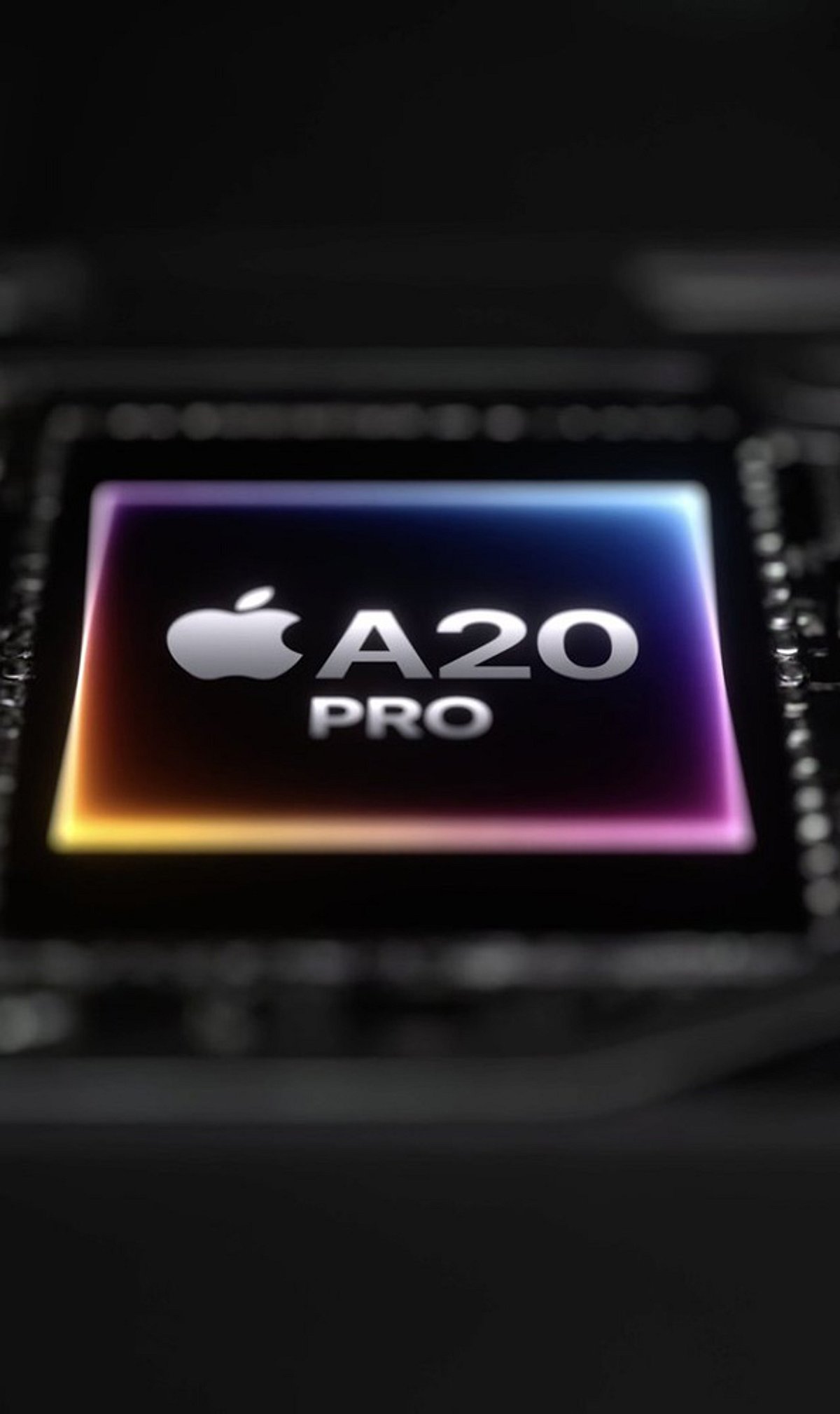
Apple’s next-generation A20 Pro chip is shaping up to be one of the most significant leaps forward in iPhone performance in recent years. With a new manufacturing process and refinements across the board, the A20 Pro could offer major improvements over the A17 Pro, A18 Pro, and A19 Pro. Here are seven key upgrades that may help it stand apart from previous Apple silicon.
1. Built on TSMC’s 2nm Process
The A20 Pro is expected to be Apple’s first iPhone chip manufactured on TSMC’s 2nm process. Moving to a smaller process node allows more transistors to fit into the same physical space, which can boost both performance and power efficiency.
2. Faster Overall Performance
Thanks to the 2nm transition, the A20 Pro could deliver a meaningful performance jump over earlier A-series chips. Users may notice smoother multitasking, faster app launches, and improved responsiveness in demanding tasks like gaming, video editing, and AI-heavy workloads.
3. Better Power Efficiency
Performance gains are only part of the story. The newer manufacturing technology is also expected to improve energy efficiency, allowing the A20 Pro to handle more intensive tasks while consuming less power. That could translate into better battery life during heavy use.
4. Smarter On-Device AI Processing
Apple has been expanding AI features across the iPhone, and the A20 Pro is expected to push that further. Improvements to on-device AI processing could enable future iPhones to run more sophisticated intelligent features locally, reducing the need to rely heavily on cloud computing.
5. Stronger Graphics Performance
The A20 Pro is also rumored to bring a significant boost to graphics. A more capable GPU would benefit high-end mobile games, advanced camera effects, video editing, and other graphics-intensive applications that push the iPhone’s hardware to its limits.
6. Better Thermal Management
As chips become more powerful, managing heat becomes increasingly important. The A20 Pro’s new architecture and manufacturing process could help Apple balance sustained performance with heat and power consumption, so the device stays cool even during extended demanding sessions.
7. More Efficient Memory Design
The A20 Pro is expected to refine how the chip interacts with memory. Improved memory efficiency could help demanding apps run more smoothly, especially when switching between multiple apps or performing intensive creative and AI workloads.
A New Benchmark for Apple Silicon
From the A17 Pro and A18 Pro to the A19 Pro, Apple has steadily advanced its in-house chip designs. The A20 Pro could continue that trend with a substantial upgrade in both efficiency and raw power, potentially setting a new standard for future iPhones.