

Tag: AI Regulations

  • Global AI Regulations Tighten Oversight: Transparency, Audits, and Compliance

    Global AI Regulations Tighten Oversight: Transparency, Audits, and Compliance

    Governments around the world are rapidly introducing new regulations to audit and oversee artificial intelligence models. These legal frameworks aim to ensure that AI systems are transparent, accountable, and safe for consumers and society at large.

    Transparency Rules

    Companies must now explain how their AI models are trained and how decisions are made. This includes disclosing data sources, algorithmic processes, and potential biases.

    Copyright Compliance

    AI developers face stricter rules regarding the use of copyrighted training data. They must obtain proper licenses or ensure that their training datasets do not infringe on intellectual property rights.

    Risk Assessments

    High-risk AI systems, such as those used in healthcare, finance, or law enforcement, require extensive testing before deployment. Risk assessments help identify potential harms and mitigate them before they affect users.

    Security Audits

    Independent audits are becoming mandatory to identify vulnerabilities and prevent misuse of AI technologies. These audits provide an external check on safety and security practices.

    Consumer Protection

    New laws strengthen user rights, demanding greater accountability from AI providers. Consumers now have the right to know when they are interacting with an AI and to challenge automated decisions.

    Global AI Policies

    Countries are introducing AI regulations at an unprecedented pace, from the European Union’s AI Act to similar initiatives in the United States, China, and beyond. This global movement reflects a shared recognition of the need for governance.

    Enterprise Impact

    Businesses must invest in governance, compliance, and documentation to keep up with evolving legal requirements. Non-compliance can result in heavy fines and reputational damage.

    The Future

    Responsible AI development is no longer optional—it is becoming a legal requirement worldwide. Organizations that embrace transparency and accountability will be better positioned for long-term success.
  • China Considers New Restrictions on Overseas Access to Advanced AI Models

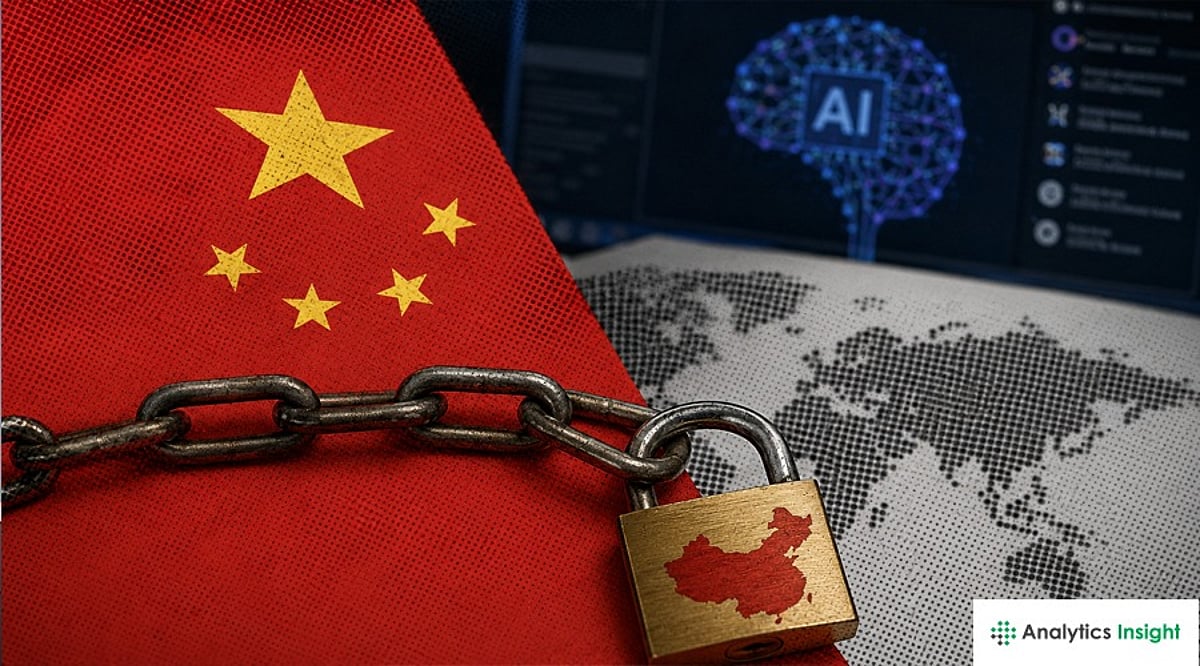
    China Considers New Restrictions on Overseas Access to Advanced AI Models

    Beijing Reviews Frontier AI as Strategic Technology

    China is evaluating potential new controls that would restrict overseas access to its most advanced artificial intelligence models, according to sources familiar with recent government-led discussions. The talks signal that Beijing now views frontier AI systems as strategic assets rather than mere commercial software, raising the stakes for global developers and businesses that rely on Chinese AI technology.

    Over the past month, officials from China’s Ministry of Commerce and the state planning agency met with major technology firms including Alibaba, ByteDance, and Z.ai to discuss possible limits on the use of top AI models outside the country. The proposals cover both closed-source systems and open-weight models, which allow users to download and modify parts of the technology. Sources told Reuters that the plans remain under review and that no final decision has been made.

    National Security Concerns Drive the Initiative

    The Ministry of Commerce led the meetings, with one proposal suggesting that leaks or theft of proprietary AI technology could be treated as an offense under China’s national security law. Officials also discussed tightening controls on who can fund domestic AI startups, adding another layer of oversight around sensitive technology and data.

    Chinese authorities are reportedly worried about advanced US AI systems, such as Anthropic’s Mythos model, and their potential use in finding software vulnerabilities. This mirrors US concerns that foreign actors could misuse frontier AI tools for military or intelligence purposes. The talks reflect a growing mutual anxiety between the two countries over AI security.

    Scope of Restrictions Remains Unclear

    Alibaba’s Qwen, ByteDance’s Doubao, and Z.ai’s GLM-5.2 are among the Chinese models that have gained global attention for their lower costs and strong performance. However, officials indicated that any new rules may apply only to future models, leaving existing systems unaffected. The scope and timeline remain uncertain, creating ambiguity for companies that integrate Chinese AI tools into software, research, automation, and customer service.

    Legal experts in China have already discussed a tiered approach for open-source AI. Under one proposal, basic tools would require simple filing, more powerful systems would face security reviews, and the most sensitive frontier models could be limited to domestic use only.

    Global Developers Face Potential Disruption

    Chinese AI models, particularly DeepSeek’s R1, have become a low-cost alternative for developers worldwide. If Beijing proceeds with restrictions, foreign companies may lose access to affordable AI options, potentially shifting to US or European alternatives or seeking domestic solutions. Costs could rise for businesses that have come to rely on Chinese AI systems.

    For now, formal rules have not been announced. Sources said it is not clear when, or even whether, the curbs will take effect. The global AI community continues to watch closely as China’s advanced models become central to national technology policy.