
Tag: AI smart glasses

  • 2027 Augmented Reality Outlook: AI Glasses, Spatial Computing, and Privacy Take Center Stage

    2027 Augmented Reality Outlook: AI Glasses, Spatial Computing, and Privacy Take Center Stage

    Augmented reality is entering a new phase in 2027, driven by AI-powered smart glasses, spatial computing, enterprise adoption, immersive shopping, gaming, translation, and growing privacy concerns. Here’s what to expect.

    AI-Powered Smart Glasses Go Mainstream

    The most significant shift is the integration of AI assistants into smart glasses, enabling them to recognize what users see, hear, and ask. Google’s Android XR glasses, powered by Gemini, offer hands-free directions, messaging, and photography. IDC reports global smart-glass shipments jumped 167% year over year in Q1 2026, signaling strong momentum for 2027.

    Lightweight AR Glasses Replace Bulky Headsets

    Consumers prefer sleek, normal-looking frames over heavy headsets. Omdia forecasts XR headwear shipments to reach 6.5 million units in 2027, with growth driven by lighter XR glasses. Expect better battery life, improved displays, and wireless connectivity.

    Practical Spatial Computing

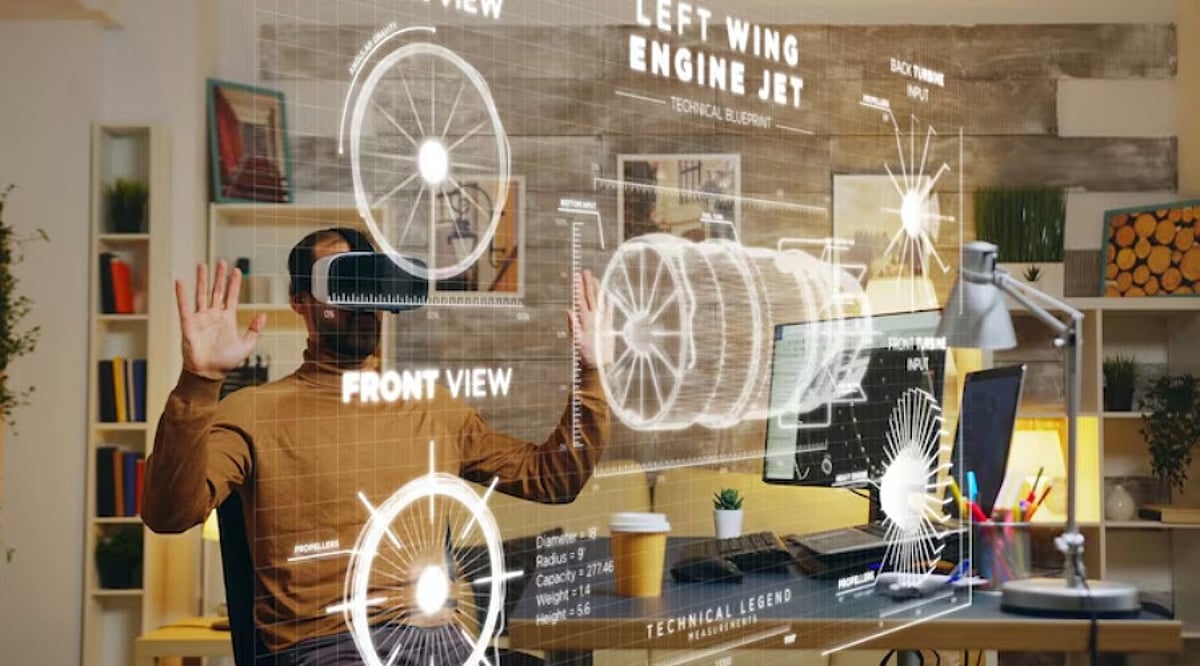
    AR will understand physical environments, anchoring digital information and 3D objects to real-world spaces. This makes AR useful for work, navigation, education, design, retail, and entertainment. The integration with AI creates systems that know where users are and what they need.

    Enterprise AR Expansion

    Manufacturing, healthcare, energy, and utilities remain strong adopters. Applications include remote assistance, training, maintenance, surgical support, and digital-twin visualization. AI agents using video, audio, and sensor data will assist workers in real time.

    Generative AI Simplifies AR Content Creation

    Developers will create 3D objects, scenes, and animations using natural language prompts, reducing costs and lowering technical barriers. Generative AI also makes AR experiences more contextual.

    AR Navigation and Real-Time Translation

    Hands-free directions and contextual assistance through glasses become normal. Real-time translation via integrated microphones, cameras, and AI will aid international travel, business meetings, and learning.

    AR Shopping and Location-Aware Gaming

    Retailers increasingly let customers visualize products before purchase. AR gaming incorporates real places and objects into gameplay, making streets and homes part of the game.

    Privacy Becomes a Major Debate

    Always-on cameras and microphones raise concerns about recording, facial recognition, data collection, and consent. As smart glasses become common, clearer rules will be required.

    The Big Picture

    The defining trend of 2027 is the convergence of AI, smart glasses, spatial computing, and real-time context. IDC expects optical see-through display glasses to grow from 3 million units in 2026 to 12.2 million by 2030. Omdia sees the XR market returning to growth as lighter glasses replace bulky headsets. AR is evolving from something we deliberately ‘use’ to something that quietly works around us.
  • Pebble Seeq AI Smart Glasses Hit India: 8MP Camera, 75-Language Translation, and Open-Ear Audio

    Pebble Seeq AI Smart Glasses Hit India: 8MP Camera, 75-Language Translation, and Open-Ear Audio

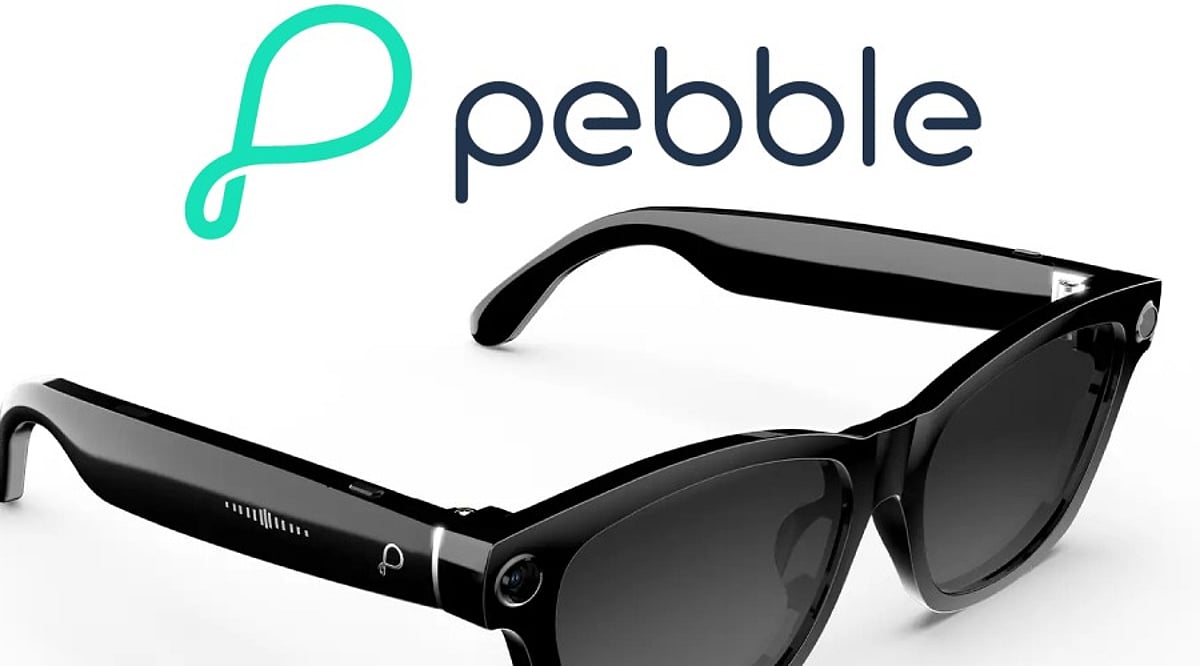
    Pebble has expanded its wearable technology portfolio in India with the launch of the Seeq AI Smart Glasses. Priced at Rs. 9,999 during the introductory period, the wearable combines an artificial intelligence assistant, an 8MP camera, open-ear audio, and real-time language translation within a lightweight eyewear design.

    The smart glasses carry an MRP of Rs. 12,999 and are available in Titan Black and Stealth Black. Weighing under 50 grams, the device is designed for professionals, travellers, content creators and technology enthusiasts seeking hands-free access to commonly used smartphone functions.

    According to Pebble, the Seeq glasses act as a ‘Third, Intelligent Eye,’ allowing users to access AI features through voice commands without continuously handling their smartphones.

    8MP Camera and AI Image Recognition

    The Pebble Seeq AI Smart Glasses feature an 8MP camera capable of capturing photographs at resolutions of up to 4K. The glasses can also record in Full HD, potentially making them useful for first-person content creation, travel recording and hands-free photography.

    The integrated AI system supports smart recognition of objects, landmarks, text and signboards. Users can activate the assistant using the ‘Hey, Seeq’ voice command and request information about what they are viewing.

    The wearable supports real-time translation across more than 75 languages. This could be particularly useful for travellers, business professionals and users communicating across different regions.

    Open-Ear Audio and Multiple Controls

    Pebble has equipped the glasses with its OpenWaveX Open-Ear Audio technology. The system enables users to listen to music, handle calls and receive audio responses while remaining aware of their surroundings.

    Users can control the device through voice commands, touch gestures and physical buttons. The glasses also support replaceable, prescription-ready lenses, allowing people who require corrective eyewear to customize them for everyday use.

    What the Launch Means for AI Wearables

    The Seeq launch reflects the growing shift from conventional fitness trackers and smartwatches towards AI-powered wearables that combine visual recognition, communication, and content creation.

    At Rs. 9,999, Pebble is positioning the Seeq as an accessible entry into the emerging smart-glasses segment. Its adoption, however, will depend on real-world camera quality, battery performance, AI accuracy, privacy controls and long-term comfort.