
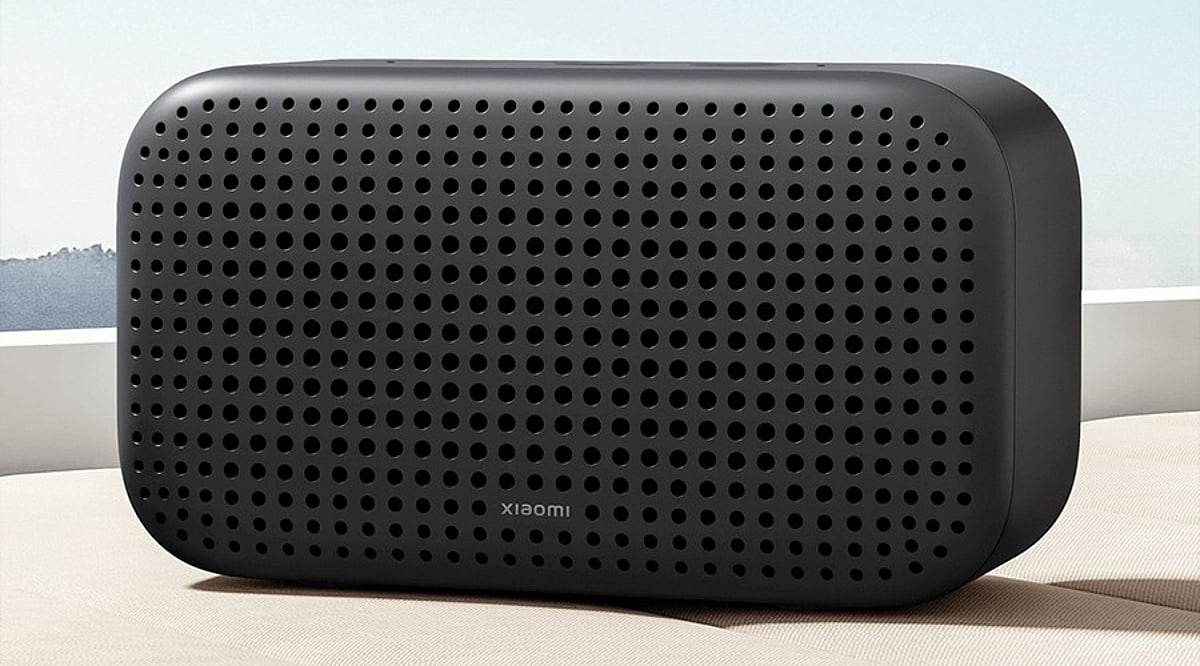
Tag: AI speakers

  • AI vs Smart Speakers: How Generative AI Is Revolutionizing Home Audio

    AI vs Smart Speakers: How Generative AI Is Revolutionizing Home Audio

    Introduction

    Smart speakers have long served as convenient voice-controlled home assistants. They play music, answer questions, set alarms, and control connected devices. But the latest generation is moving beyond those basic commands. Generative AI is transforming how speakers understand conversations and follow instructions. Google’s Gemini for Home and Amazon’s Alexa+ represent this shift, making interactions more natural and capable.

    What Makes an AI Speaker Different

    Traditional smart speakers typically depend on predefined commands. Users often need to phrase requests in specific ways. AI-powered speakers are designed to understand more natural conversations. Google’s Gemini for Home supports follow-up questions and multi-step requests, allowing users to combine several actions within one conversation. The system maintains context, making the speaker feel less like a remote control and more like a conversational partner. However, not every AI-enabled speaker offers the same capabilities, so buyers should check specific features.

    From Voice Commands to Natural Conversations

    The biggest change is conversational interaction. Traditional assistants work best with short, direct instructions. Newer AI assistants handle longer requests and follow-up questions. According to Google, Gemini for Home can understand complex, multi-step commands and combine media controls with smart-home actions. Amazon’s Alexa+ takes a similar direction, described as a more conversational assistant powered by generative AI. It helps with shopping, smart-home control, recommendations, and other activities. For users, the practical benefit is simpler interaction—focus on the task instead of remembering exact commands.

    Smart Home Control Is Becoming More Intelligent

    Smart speakers are increasingly control centers for connected homes. Lights, thermostats, cameras, locks, and entertainment systems can be managed through voice. AI adds another layer to these controls. Gemini for Home can handle multiple smart-home actions within a single request and search camera history using natural language. Google also started rolling out Home MCP in early access, allowing selected external AI agents to interact with Google Home devices. This points toward more flexible AI-powered home automation, but security remains important—users should understand which services can access home devices.

    Audio Quality Still Matters

    Smarter software does not automatically produce better sound. A speaker remains an audio product first. Buyers should consider room size, speaker placement, bass response, clarity, and multi-room support. Music listeners may care more about acoustic performance than advanced assistant features. The latest Google Home Speaker combines Gemini features with 360-degree audio, while Amazon’s ecosystem includes models for different room sizes and audio needs. The best choice depends on both sound quality and assistant capabilities.

    Privacy and Subscription Costs Need Attention

    AI-powered speakers process more complex requests, raising questions about recordings, personalization, and data access. Users should review microphone controls and privacy settings before enabling advanced features. They should also check whether important AI functions require a subscription. Google’s Gemini for Home offers additional capabilities through Google Home Premium, and Alexa+ has different access arrangements depending on market and subscription status. These costs can change the value of an otherwise attractive speaker.

    Which Speaker Should You Choose?

    A traditional smart speaker can still handle basic tasks like music playback, timers, weather updates, and simple home controls. An AI speaker makes more sense for users who want richer conversations, multi-step commands, and contextual responses. The decision should also consider your existing ecosystem: Android users may prefer Google Home integration, while Alexa users may already have compatible devices. The smart speaker is not disappearing—it is becoming more capable. The real upgrade is the intelligence behind the microphone, not simply the speaker itself.

    Frequently Asked Questions

    What is the difference between a smart speaker and an AI speaker?

    A traditional smart speaker handles predefined voice commands and basic home tasks. An AI speaker uses more advanced generative AI to understand conversational requests, handle follow-up questions, and process more complex instructions. Exact capabilities vary between products and services.

    What is Gemini for Home?

    Gemini for Home is Google’s AI-powered assistant experience for compatible Google Home devices. It supports follow-up questions, multi-step requests, and certain smart-home actions through natural language.

    What is Alexa+?

    Alexa+ is Amazon’s conversational AI assistant experience using generative AI. It expands what Alexa can understand and accomplish, including smart-home control, shopping, recommendations, and other everyday tasks. Availability varies by market.

    Can AI speakers control multiple smart-home devices?

    Yes, AI-powered speakers can support more complex smart-home requests. Gemini for Home can handle multiple actions within a single request, but compatibility still depends on the devices and ecosystem involved.

    Does an AI speaker provide better sound quality?

    Not necessarily. AI capabilities and audio performance are separate considerations. Buyers should examine room size, speaker placement, bass response, clarity, and multi-room support. Music listeners may prioritize acoustic performance over advanced AI features.
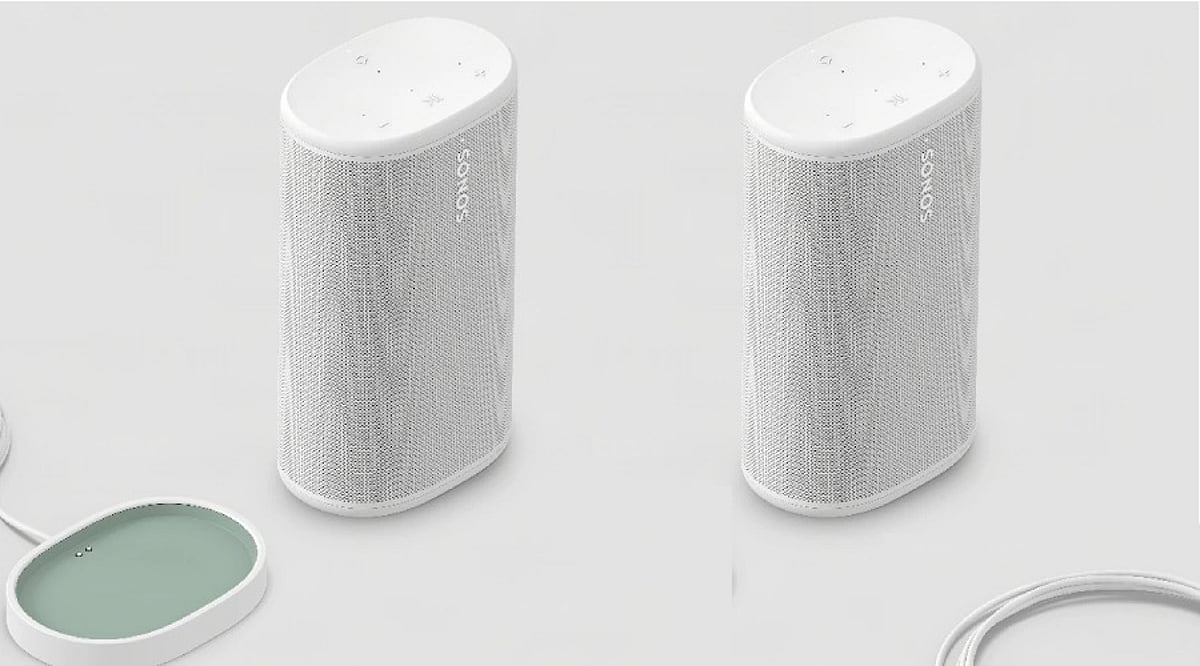
  • Sonos 27 Update Integrates ChatGPT and Claude AI for Smarter Home Audio Control

    Sonos 27 Update Integrates ChatGPT and Claude AI for Smarter Home Audio Control

    Sonos has begun rolling out Sonos 27, a major system update that brings artificial intelligence tools and enhanced flexibility to its speaker lineup. Available now on iPhone, Android, and compatible Sonos speakers, the update introduces Model Context Protocol (MCP) support, enabling AI services like ChatGPT and Claude to interact directly with the audio system.

    With Sonos 27, users can control playback, group speakers, adjust volume, move audio between rooms, and activate features like Night Sound and Speech Enhancement—all through natural language commands via ChatGPT or Claude. This eliminates the need to open the Sonos app for routine tasks.

    Beyond AI, the update adds significant new hardware functionality. Portable Sonos speakers can now serve as rear surround speakers when paired with the Arc Ultra soundbar. The Sonos Ace Ultra headphones also gain the ability to seamlessly transfer audio between the headphones and compatible speakers.

    Sonos is also developing Sonos Voice, a forthcoming voice assistant. Looking ahead to 2027, the company plans to introduce Custom Agents, which would let users build personalized AI agents using their preferred model and voice.

    One of the standout features is the dynamic role adjustment for portable speakers. For instance, two portable Play speakers can act as rear channels for a home theater setup during a movie, then revert to standard portable mode when moved. Sonos’ positioning technology automatically detects their placement and adjusts their function accordingly.

    The overarching theme of Sonos 27 is flexibility. A single speaker can now serve multiple roles throughout the day—supporting a home theater at night and functioning as a regular portable speaker later. Combined with AI-driven voice control, the update streamlines the user experience and adapts to how people actually use their homes.

  • Top Home Audio Innovations Transforming Entertainment in 2026

    Top Home Audio Innovations Transforming Entertainment in 2026

    The home audio landscape is evolving rapidly, with cutting-edge technologies poised to redefine how we experience movies, music, gaming, and more in 2026. From AI-powered personalization to eco-conscious design, these trends promise to elevate every listening moment.

    AI-Powered Speakers

    Smart speakers are becoming more intuitive, using artificial intelligence to tailor sound profiles to individual preferences and room acoustics. Voice-assisted audio optimization automates controls, making it easier than ever to enjoy a customized entertainment experience.

    Dolby Atmos Systems

    Immersive three-dimensional surround sound continues to gain traction, bringing cinema-quality audio into living rooms. Whether for movies, gaming, music, or live sports, Dolby Atmos delivers a lifelike, enveloping soundstage that heightens emotional impact.

    Wireless Multi-Room Audio

    Connected speaker ecosystems enable seamless music playback across multiple rooms, with synchronized audio and effortless smartphone-based control. This trend allows users to fill their entire home with sound, adapting to different moods and activities.

    High-Resolution Streaming

    Lossless and high-resolution music streaming is becoming mainstream, offering audiophiles superior listening quality. Compatible premium home audio systems now support these formats, ensuring every note and nuance is faithfully reproduced.

    Compact Soundbars

    Slim soundbars with powerful virtual surround capabilities remain a top choice for enhancing TV audio without the need for bulky speaker setups. Their minimalist design and impressive performance make them a staple in modern home theaters.

    Voice-Control Integration

    Home audio systems are increasingly incorporating voice assistants, allowing users to control playback, manage smart home devices, and personalize entertainment through simple voice commands. This hands-free convenience is becoming a standard feature.

    Gaming Audio Enhancement

    Advanced spatial audio technologies are transforming gaming, creating immersive environments where players can pinpoint directional sounds for a competitive edge. Realistic audio cues enhance gameplay and deepen engagement.

    Eco-Friendly Designs

    Manufacturers are prioritizing sustainability by using recycled materials, energy-efficient components, and recyclable packaging—all while maintaining premium sound quality and durability. Eco-conscious consumers can now enjoy high-performance audio without compromising on environmental values.

    Personalized Audio Profiles

    AI-driven calibration automatically adjusts sound settings based on room acoustics, user preferences, and content type. This ensures optimal listening experiences for every scenario, from a quiet podcast to an action-packed blockbuster.

  • Must-Have Smart Home Devices for 2026: Upgrade Your Lifestyle with AI and Automation

    Must-Have Smart Home Devices for 2026: Upgrade Your Lifestyle with AI and Automation

    As we look ahead to 2026, the smart home ecosystem is becoming more integrated, intuitive, and energy-efficient than ever. Whether you’re a tech enthusiast or simply looking to simplify daily routines, these devices are worth the investment for a smarter, more connected lifestyle.

    AI-Powered Smart Speakers

    Smart speakers continue to evolve as the central hub of the connected home. With enhanced AI assistants, they now offer better voice recognition, multi-room audio, and seamless control over other smart devices. They are the cornerstone of any modern smart home setup.

    Advanced Security Cameras

    Modern security cameras go beyond simple recording. In 2026, models feature advanced object detection—distinguishing between people, animals, and vehicles—and send real-time alerts directly to your phone. This adds a new layer of safety and convenience.

    Video Doorbells

    Video doorbells have become essential for monitoring deliveries and visitors when you’re not home. Many now include package detection, two-way audio, and cloud storage, ensuring you never miss a moment at your doorstep.

    Smart Thermostats

    Energy savings and comfort go hand in hand with smart thermostats. These devices learn your schedule and preferences, automatically adjusting temperature settings to reduce energy consumption without sacrificing comfort.

    Connected Lighting Systems

    Smart lighting offers voice control, scheduling, and customizable scenes to match your mood or activity. From dimming lights for movie night to simulating occupancy while away, these systems add both convenience and ambiance.

    Robot Vacuum Cleaners

    Robot vacuums have become remarkably efficient thanks to AI navigation. They map your home, avoid obstacles, and clean thoroughly with minimal human intervention. Many models also include mopping functionality for complete floor care.

    Smart Locks

    Forget physical keys—smart locks provide app-based access, temporary digital keys for guests, and integration with other security systems. They enhance home security and offer peace of mind whether you’re inside or away.

    Smart Plugs

    Smart plugs are an affordable way to automate any appliance. Use them to schedule coffee makers, control lamps remotely, or monitor electricity usage—all from your smartphone. They are a simple entry point into home automation.

    Matter-Compatible Devices

    The Matter standard continues to unify the smart home landscape, making devices from different brands work together seamlessly. Investing in Matter-compatible products ensures future-proof interoperability and a smoother user experience.

    These smart home devices not only add convenience but also improve energy efficiency, security, and overall quality of life. As technology advances, the home of 2026 is smarter, safer, and more responsive to your needs.