Tag: AI Trends

  • Top 7 AI Trends Transforming Business Technology in 2026

    Top 7 AI Trends Transforming Business Technology in 2026

    Artificial intelligence is moving beyond chatbots and into the core of business operations. In 2026, companies are leveraging AI not just for automation but for autonomous workflows, specialized models, and measurable returns. Here are the seven key trends reshaping business technology this year.

    1. Agentic AI Moves Into Business Workflows

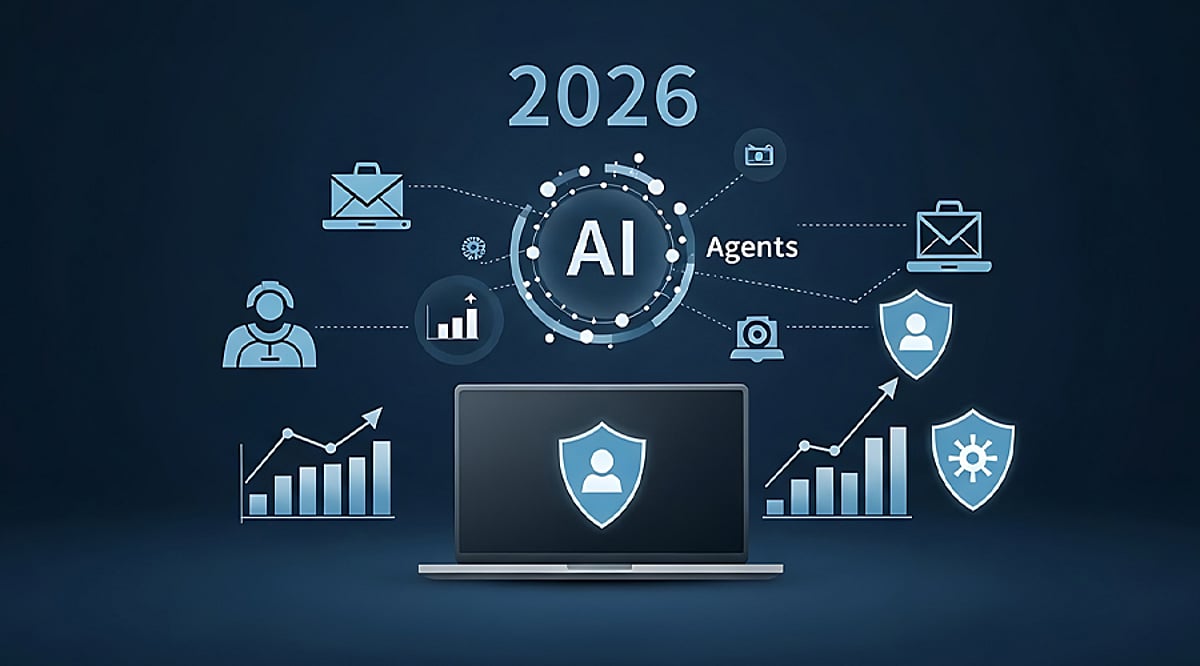
    AI agents are evolving from simple chatbots to autonomous systems that plan tasks, use business tools, and complete multi-step processes. Organizations are testing multiagent setups where different agents handle research, analysis, approvals, and execution—all under human oversight.

    2. Smaller AI Models Drive Enterprise Efficiency

    Enterprises are shifting away from relying solely on the largest AI models. Smaller, domain-specific models excel at document processing, customer support, internal search, and invoice extraction. These models reduce costs and latency while giving companies greater control over sensitive data.

    3. AI Infrastructure Becomes a Business Priority

    The growing demand for AI workloads is pushing companies to invest in robust infrastructure. Combining GPUs, CPUs, specialized chips, cloud systems, and edge computing helps manage latency, privacy, and large data volumes. Local and hybrid setups are gaining traction.

    4. AI Strengthens Cybersecurity and Governance

    As AI becomes more autonomous, businesses need stronger controls around access, data, and model behavior. AI can detect unusual activity and speed up threat response, while governance systems track agents, permissions, risks, and compliance. Security is now an integral part of AI development.

    5. Physical AI Brings Intelligence to the Real World

    AI is moving from screens into factories, warehouses, and logistics. Intelligent robots support quality inspection, predictive maintenance, warehouse operations, and manufacturing. This trend bridges AI software with real-world automation.

    6. Multimodal and Voice AI Enter Core Operations

    AI systems now handle text, images, audio, video, and documents in a single workflow. Businesses use these capabilities for call centers, document processing, field services, compliance, and regional-language support. Voice AI is also becoming more practical for customer and employee interactions.

    7. Measurable ROI Defines the Next Phase of AI

    Companies are moving from AI experiments to measurable outcomes. They track metrics like cost reduction, faster workflows, productivity gains, revenue impact, and customer experience. In 2026, the focus is on building reliable systems that deliver value at scale.

    These trends highlight a shift from experimentation to strategic integration, where AI is embedded into every layer of business technology.

  • The Future of Consumer AI: Proactive Assistants, Voice Tech, and Personalized Health in 2026

    The Future of Consumer AI: Proactive Assistants, Voice Tech, and Personalized Health in 2026

    Consumer AI is evolving far beyond simple chatbots. The next generation of artificial intelligence focuses on intelligent assistants that understand context, remember preferences, and complete real-world tasks. Instead of being a tool people access only through chat, AI is becoming an invisible layer built into everyday apps, devices, and services.

    One of the biggest trends to watch is the rise of AI agents. These assistants do more than answer questions—they can plan trips, compare prices, book reservations, schedule meetings, send follow-ups, and manage multi-step workflows with minimal human input, saving time and effort.

    Voice AI is also becoming faster and more natural. Modern multimodal systems can understand speech, tone, emotions, pauses, images, and video together, creating conversations that feel more human. This powers smarter virtual assistants, customer support, and real-time personal companions.

    AI-powered creativity is now accessible to everyone. New tools generate high-quality text, images, videos, music, and animations from simple prompts, helping creators, students, marketers, and small businesses produce professional content without advanced editing skills.

    Personalized AI is transforming healthcare and daily wellness. By combining data from smartwatches, fitness trackers, and health records, AI provides tailored insights on exercise, sleep, nutrition, and lifestyle, helping users make better everyday health decisions.

    AI is also becoming highly specialized. Instead of relying on one general chatbot, consumers are using focused AI apps for shopping, education, travel planning, budgeting, productivity, and creative work. These niche tools deliver more personalized and practical experiences for specific needs.

    The biggest shift in 2026 is that AI is becoming proactive rather than reactive. The most successful AI products will remember user preferences, work across multiple apps and devices, automate repetitive tasks, and quietly handle everyday work in the background—making AI a natural part of daily life instead of just another chatbot.

  • AI Trends CEOs Must Track Before 2030: Agentic AI, Governance, and Strategy

    AI Trends CEOs Must Track Before 2030: Agentic AI, Governance, and Strategy

    Artificial intelligence has entered a new phase. From being an emerging technology to the very core of modern companies’ operations, the transition is happening rapidly. In any industry, discussions within the boardrooms have progressed from ‘Should we use AI?’ to ‘How should we implement AI and what business value do we see in it?’

    It’s not a matter of implementing chatbots or automating tasks anymore. Companies are now looking to invest in technologies capable of making decisions, predicting, optimizing processes, and transforming customer experiences. The next several years will show which companies manage to remain leaders in their fields amid growing competition and AI regulations.

    If you want to stay at the top and understand the technologies shaping your company’s future over the next decade, here are the AI trends to watch.

    AI Trends Transforming Business Operations

    These technologies are changing how organizations operate day to day, enabling faster decision-making, greater efficiency, and smarter execution across core business functions.

    Agentic AI Will Automate Complex Workflows

    The next generation of AI is moving beyond just answering prompts. Agentic AI systems can independently plan, execute, and monitor tasks across departments with minimal human involvement. Instead of waiting around, they can juggle procurement workflows, coordinate customer support, and handle financial reporting too, all in one flow. Autonomous AI agents are expected to become digital co-workers that handle increasingly sophisticated business functions, even when people are not actively watching or checking every step.

    AI-First Enterprises Will Gain a Competitive Edge

    AI is no longer seen as just another software application; it is now being used to rethink business processes. AI is now becoming a key component in decision-making, consumer engagement, and innovation practices. Businesses that adopt AI throughout their value chain will be better equipped to cope with changes in the market environment.

    Decision Intelligence Will Transform Leadership

    Corporate executives today increasingly rely on AI-driven analytics to bypass the usual reporting systems. Advanced AI platforms today can analyze large datasets, spot emerging threats, forecast demand, and recommend actions in real time. Using those technologies can help leadership make faster, evidence-based decisions and boost resilience in wobbly, uncertain business conditions.

    Hyperautomation Will Be Adopted in All Enterprises

    Automation processes aren’t only for small, trivial tasks anymore. With artificial intelligence, robotic process automation, and other intelligent process approaches, companies can automate things like finance, human resources, manufacturing, and customer support functions. It is expected that hyperautomation will bring costs down and tighten consistency so employees can shift attention to adding more value, rather than being stuck on repetitive routines.

    AI Trends Shaping Long-Term Business Strategy

    Beyond the day-to-day operational wins, these emerging trends should affect how businesses manage risk, build trust, cultivate talent, and keep a real competitive edge in the AI-driven economy.

    Workplaces of Future Will See Humans and AI Working Together

    It is expected that artificial intelligence will help people sharpen their job performance. Intelligent machines would take on repetitive chores, while humans can focus on creativity, critical thinking, and more human-to-human interpersonal relations. In this setup, the emphasis would swing toward employee reskilling, AI literacy, and broader organizational change, so adoption doesn’t feel like a sudden wall.

    Responsible AI Will Become an Imperative for Businesses

    With governments tightening rules about the use of AI in business and with consumers demanding greater transparency from businesses, responsible AI has emerged as an imperative. CEOs will have to develop governance models that address data privacy, bias mitigation, accountability, and ethical deployment. Good governance not only helps avoid regulatory risk but also improves customer and investor confidence.

    Businesses Will Move to Enterprise-Owned AI Infrastructure

    Many organizations are reconsidering the extent of their reliance on publicly available AI systems for running important business processes. There is a trend towards investing in private AI models, secure cloud infrastructure, and proprietary databases to safeguard intellectual property rights and improve cybersecurity.

    Measuring AI Returns Will Separate Leaders from Followers

    In the coming wave of AI adoption, there will be much less emphasis on experimentation and much more on implementation outcomes. The shareholders and the board of directors are demanding evidence of growth in revenue, productivity, client satisfaction, and efficiency resulting from the investment in artificial intelligence. Corporations that can measure performance metrics and evaluate the value of AI implementation within their companies will have a strong chance of remaining profitable in the future.

    Nowadays, artificial intelligence is not just another technology fad, it is the core of the company’s strategy. Corporations that can create autonomy and accountability, restructure their workforce, and make decisions based on the analysis are expected to lead the following decade. For CEOs, implementing AI technology is not enough; what really matters is building a company ready to adapt to this innovation. Those who act before 2030 will have an excellent chance of survival amid disruption.

  • Key AI Trends Reshaping the Banking Sector by 2026

    Key AI Trends Reshaping the Banking Sector by 2026

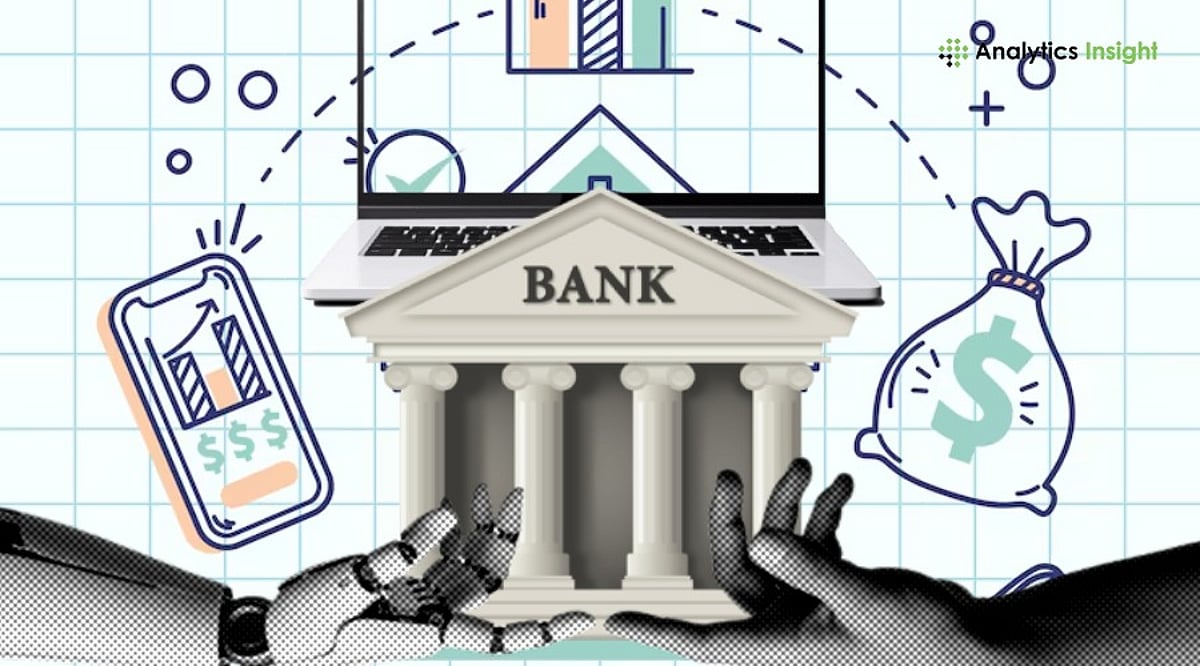
    Artificial Intelligence has moved from experiment to reality in the banking industry. AI is already a part of the onboarding, lending, compliance, customer service and fraud detection workflows, and it’s being deeply integrated into bank operating models.

    The Gartner CIO and Technology Executive Survey 2026 revealed that more than 2,300 banking CIOs and technology executives surveyed indicated that their organizations had already implemented generative AI, with 55% stating they had done so by the end of 2025 and 26% expecting to do so within 12 months. This shows that AI adoption in banking is entering a faster and more operational phase.

    1. AI Application Development Platforms

    Banks are increasingly moving away from isolated AI tools and investing in common AI application development platforms. Gartner projects that over 40% of banks globally will be investing in these platforms in 2026. The platforms can enable banks to develop reusable AI modules, manage models, leverage approved data, and safely expand AI throughout the bank. Wells Fargo’s Enterprise Open Source Data Science Platform and BNY’s Eliza platform are examples of this shift.

    2. Multi-Agent Systems

    The latest trend in banking AI is the use of multi-agent systems. Gartner reports that 17% of banking CIOs already have an AI agent in place and 41% are aiming to deploy them within 12 months. Such systems enable several AI agents to collaborate with each other on intricate tasks like loan pre-approvals, investment analysis, identifying anomalies, and resolving disputes. By the end of 2027, multi-agent systems will independently drive 30% of all day-to-day banking decisions, according to Gartner.

    3. Domain-Specific Language Models

    The large language models used by banks are transitioning from general to domain-specific. By 2028, over 60% of generative AI models being used by banks will be industry-specific, compared to 30% in 2025. These models help lower the risk of hallucination and enhance accuracy in areas like compliance, fraud monitoring, customer service and risk assessment.

    4. Physical AI in Branches

    Physical AI is slowly starting to appear in branches, ATMs and customer service lobbies. Humanoid robots and AI-powered ATMs and facial recognition tools are already on trial in banks like China Construction Bank, HSBC, and CaixaBank. Gartner estimates that by the end of 2027, around 10% of banks will have physical AI in their branches or operations, compared with around 3% currently.

    5. AI Security Platforms

    With the increasing adoption of AI, the security threats are increasing as well. AI security platforms may become a core part of the investment needed to prevent 75% of data breaches by 2028 due to the use of AI and agentic AI by banks.

    6. Agentic AI in Banking Operations

    Agentic AI is stepping into the real banking business in 2026. Accenture calls this the change to “unconstrained banking,” one where smaller teams manage AI workers to provide greater operational scale. To ensure multiple agents use the same data, policies and to remain fully auditable is the key challenge.

    7. AI-Powered Onboarding

    KYC and KYB onboarding remain expensive and slow for banks. AI agents can streamline these processes and minimize friction, such as document checks, data extraction, verification, and account activation. Banks that adopted coordinated AI workflows witnessed a transformation in lending and onboarding decision cycles, accelerating them from weeks to days, and in some instances, hours.

    8. Relationship Manager Productivity

    Relationship managers usually spend less than 30% of their time in front of the client. AI can help with that by providing pre-reading on the client brief, risk assessment of the portfolio and cross-selling opportunities before meetings. This will allow the relationship manager to focus more time on counseling the clients and less time on moving between systems.

    9. AI Credit Decisioning and Compliance

    AI credit decisioning is improving loan and exception management, along with loan pre-approvals. The companies behind the AI origination tools claim to have seen a 10-15% conversion rate improvement and a 25-35% cost saving for banks.

    10. AI Fraud Detection and the ‘10x Bank’

    Fraud detection is now blending in with ID verification and compliance. AI is used to identify deepfakes, synthetic identities and account takeover fraud throughout the customer lifecycle.

    Why this Matters

    AI is becoming core banking infrastructure rather than an experimental tool. Banks that adopt secure, domain-specific AI can improve efficiency, reduce costs, strengthen fraud detection, accelerate lending and onboarding, and deliver faster, more personalized customer experiences while remaining compliant with regulations.

    What’s Next?

    In banking, AI adoption is shifting from pilot runs to actual core operations, and it brings many changes in onboarding, lending, fraud detection, regulatory compliance, and customer service. By 2026, banks that put money into secure AI platforms, use models built for specific domains, and tie operations together through unified data systems are more likely to be set up well for higher efficiency, lower expenses and quicker customer experiences.

    FAQs

    1. What are the top AI trends in banking in 2026? The top AI trends include AI application development platforms, multi-agent systems, domain-specific language models, AI security platforms and AI-powered onboarding.
    2. How many banks have adopted generative AI? According to the Gartner CIO and Technology Executive Survey 2026, 55% of surveyed banking CIOs and technology executives had already deployed generative AI by the end of 2025.
    3. Why are multi-agent systems important for banks? Multi-agent systems allow several AI agents to work together on complex banking tasks such as loan pre-approvals, dispute resolution and anomaly detection.
    4. How can AI improve customer onboarding in banks? AI can speed up KYC and KYB onboarding by automating document checks, data extraction, verification and account activation.
    5. What are the risks of AI adoption in banking? The biggest risks include data breaches, compliance failures, hallucinations, prompt injection and misuse of autonomous AI agents. That is why banks are investing in AI security platforms, domain-specific models and unified data systems to keep AI use controlled and auditable.