Tag: AI wearables

  • Why France Is Investigating Camera-Equipped Smart Glasses—and What It Means for Wearable AI

    Why France Is Investigating Camera-Equipped Smart Glasses—and What It Means for Wearable AI

    French authorities have opened a criminal investigation into camera-enabled smart glasses after complaints that people, including women, were filmed in public without their consent. The case has placed the fast-growing wearable AI category under renewed privacy scrutiny.

    What prompted the investigation?

    Prosecutors in Paris launched the probe after receiving complaints tied to a social media trend in which women were reportedly recorded on streets without their knowledge and the footage was later shared online. French authorities have also tested the devices to understand how they might be used in such incidents.

    Meta glasses success and privacy concerns

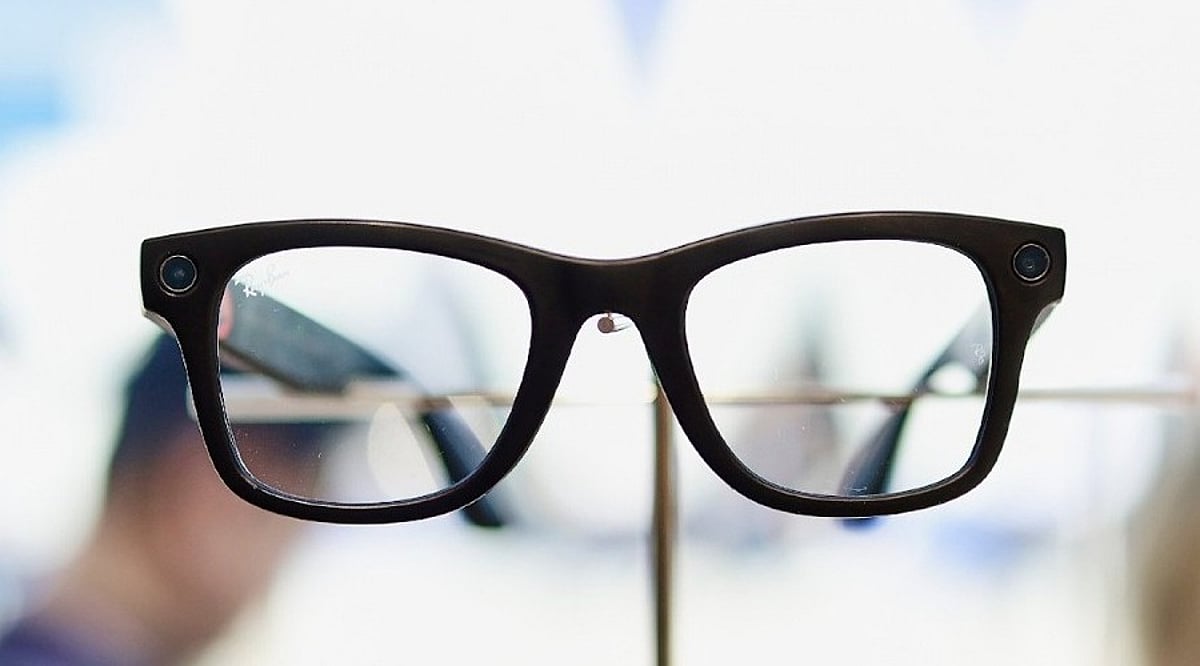
    Meta’s camera-equipped glasses, featuring built-in recording capabilities, have sold more than 7 million units worldwide. However, the integrated camera has drawn criticism since launch. France’s data protection authority, CNIL, has received fewer than 10 complaints about smart glasses being used in workplaces. Some businesses have also asked whether they can prohibit employees from using them. Privacy groups, meanwhile, have questioned whether the indicator light is sufficient to alert people that recording is taking place.

    Beyond one brand

    The issue extends beyond any single manufacturer. Smart glasses can resemble ordinary eyewear while concealing cameras, microphones, and AI tools. Australia has already announced it will ban camera-equipped smart glasses in government workplaces, citing privacy and security concerns.

    Privacy could shape the next wave of wearables

    Wearable companies may now face tougher questions about when cameras can record and how clearly users can signal that recording is happening. The debate is not limited to France; other countries are also watching closely. As smart glasses gain new cameras and AI features, their future may depend as much on public trust as on technological capability. Clear rules could become a core part of how these devices are designed and used.

  • AI Wearables vs. Action Cameras: Key Differences and Buying Guide

    AI Wearables vs. Action Cameras: Key Differences and Buying Guide

    Choosing between an AI wearable and an action camera can be challenging, especially when each device excels in different areas. AI wearables like smartwatches and fitness trackers offer health monitoring, AI assistance, and productivity features, making them ideal for everyday use. Action cameras, on the other hand, are built for rugged environments, delivering ultra-wide, stabilized video for adventurers and content creators. This guide breaks down the key differences to help you decide which one fits your needs.

    Health Monitoring

    AI wearables continuously track heart rate, sleep patterns, stress levels, and fitness metrics, providing insights into daily wellness trends. Action cameras lack such health features entirely.

    Video Recording

    Action cameras capture high-resolution footage with superior stabilization, ensuring smooth videos during biking, diving, hiking, and extreme sports. AI wearables may record video, but quality and stabilization are far inferior.

    Battery Life

    AI wearables typically last one to several days on a single charge, depending on usage. Action cameras require frequent recharging, especially during intensive recording sessions outdoors.

    Durability

    Action cameras are designed to withstand water, dust, shocks, and harsh environments, while most AI wearables prioritize comfort and everyday wearability over extreme ruggedness.

    Portability

    AI wearables can be worn comfortably all day without extra accessories. Action cameras often need mounts, cases, or handheld operation, adding bulk to your gear.

    Best For

    Choose an AI wearable if you value health tracking, productivity, and seamless notifications. Opt for an action camera if you’re an adventure enthusiast focused on immersive, high-quality video creation.

    Buying Decision

    Consider your primary purpose, budget, durability needs, and desired features before investing. Both technologies offer long-term satisfaction when matched to the right lifestyle.

  • iOS 27 Beta Code Hints at Apple’s Next AI Wearable: Vision Glasses or Camera-Equipped AirPods?

    iOS 27 Beta Code Hints at Apple’s Next AI Wearable: Vision Glasses or Camera-Equipped AirPods?

    New code discovered inside Apple’s iOS 27 developer beta has reignited speculation about the company’s upcoming AI-powered wearable. Initially, the code appeared to reference the long-rumored Apple Vision Glasses, but developers now believe it may point to a pair of camera-equipped AirPods instead.

    The mystery device, carrying the internal codename B790, was uncovered by developer Sam Henri Gold in the second beta of iOS 27. The code includes system messages tied to Apple’s Visual Intelligence feature, which allows a wearable to recognize landmarks, text, and objects using onboard cameras. Examples embedded in the software—such as the Eiffel Tower and a coffee mug—suggest the wearable could deliver real-time contextual information about what users see.

    What initially fueled Vision Glasses hype has shifted after closer analysis. The code describes images captured “from cameras on either side of a user’s head,” a description that aligns more naturally with earbuds than eyewear. Developers also note that the B790 codename follows a pattern consistent with earlier AirPods identifiers, while Apple’s rumored smart glasses are believed to carry a different internal designation.

    Visual Intelligence, part of Apple’s broader Apple Intelligence initiative, already enables users to identify objects and landmarks through AI-powered image recognition on the iPhone. The latest code indicates Apple intends to extend this functionality to wearable devices. Whether the final product will be Vision Glasses or camera-equipped AirPods remains unknown, but one thing is clear: Apple is actively developing software for a new class of AI-powered wearables with integrated cameras.

  • Ray-Ban Meta Gen 2 Review: Stylish Smart Glasses with AI Features – Worth the Hype?

    Ray-Ban Meta Gen 2 Review: Stylish Smart Glasses with AI Features – Worth the Hype?

    The Ray-Ban Meta Gen 2 blends the iconic Wayfarer design with advanced AI capabilities, positioning itself as one of the most fashionable smart glasses on the market. Unlike bulky wearables, these look like standard sunglasses while offering hands-free photography, voice controls, music playback, and AI assistance. Most reviewers agree they are the best mainstream smart glasses currently available.

    A key upgrade is the 12MP ultra-wide camera that captures stabilized 3K videos and high-quality first-person photos. The glasses also support creative modes like slow motion and hyperlapse, making them ideal for travel, vlogging, cycling, and everyday content creation without needing to pull out your phone.

    Battery life has improved significantly over the previous generation. The glasses offer around 8 hours of mixed daily use, while the compact charging case extends total usage to nearly 48 hours. Combined with excellent open-ear speakers and a five-microphone system, they deliver clear calls, podcasts, and music without blocking surrounding sounds.

    Meta AI adds useful hands-free features like asking questions, identifying landmarks, controlling music, sending messages, and translating conversations in multiple languages. However, reviews note that AI responses can still be inconsistent, with occasional inaccuracies and weaker offline performance compared to leading AI assistants.

    The glasses aren’t perfect. Videos are limited to a vertical-friendly aspect ratio with a maximum recording time of about five minutes. Comfort during extended wear may vary because there are no adjustable nose pads, and the IPX4 rating protects against light rain but not dust, making them less ideal for harsh environments.

    Privacy remains one of the biggest concerns. Since the glasses record exactly what you see, some people may feel uncomfortable around them. In India, prices generally start around ₹39,900 and can reach approximately ₹45,700 depending on the frame and lens options, making them a premium purchase.

    Verdict: The Ray-Ban Meta Gen 2 is worth the hype if you want stylish smart glasses for hands-free photos, videos, calls, music, and everyday AI assistance. Skip them if you’re expecting true augmented reality, flawless AI, or budget-friendly pricing. They’re an excellent refinement over Gen 1, but not a revolutionary leap in smart eyewear.

  • Tech Giants Bet Big on a Screen-Free Future: The Rise of AI Wearables

    Tech Giants Bet Big on a Screen-Free Future: The Rise of AI Wearables

    Major tech companies—Apple, Meta, Google, OpenAI, and Snap—are pivoting from screen-centric devices to screen-free alternatives such as smart glasses, AI pendants, and audio-first wearables. The goal is to reduce reliance on smartphones by creating seamless, context-aware interactions powered by on-device artificial intelligence.

    Screens Are Hitting a Human Wall

    For six decades, displays have been the primary interface between people and machines. Now, screen fatigue and fractured attention are driving demand for hands-free alternatives. Research shows that continuous screen interaction is exhausting, pushing users toward less intrusive computing methods.

    The First Generation of Screenless Devices

    Each product category solves a distinct interaction problem. Smart glasses keep information in the user’s line of sight without pulling focus from the physical world. AI pendants offer conversational access to language models without any display. AI-enabled earbuds enable discreet, voice-first interaction. Meta’s Ray-Ban smart glasses and Snap’s AI glasses are early bets on persistent, low-friction wearables, while Apple is rumored to be exploring camera-equipped AirPods for ambient sensing.

    Intelligence Behind the Shift

    The enabler is not hardware but AI. With on-device processing, a device can infer user context—location, movement, time of day—and anticipate needs without manual input. Recent advances in compact AI models and low-power chips make screenless products commercially viable for the first time.

    The Privacy Problem

    Screenless devices that continuously listen or see raise unresolved privacy concerns. Bystanders cannot easily tell if smart glasses are recording. Companies must address trust through visible indicators, on-device processing, and strict data policies to achieve mainstream adoption.

    Platform Stakes

    As smartphone upgrade cycles slow, tech giants need a new interface layer to sustain growth. The shift from app-centric to AI-driven interaction redefines how platforms are built and monetized. Whoever controls the next everyday interface will shape the commercial layer built on top of it.

    What Changes for Users

    The near-term outcome is a hybrid world where phones remain central but are used less often. Wearables handle moments—walking, cooking, commuting—where pulling out a phone creates friction. The screen-free future is about removing the need for a screen when a better interface exists.

    Success depends on whether these devices save users time without creating new privacy or social acceptance concerns. Technology enables the transition, but trust and genuine usefulness will determine adoption.