
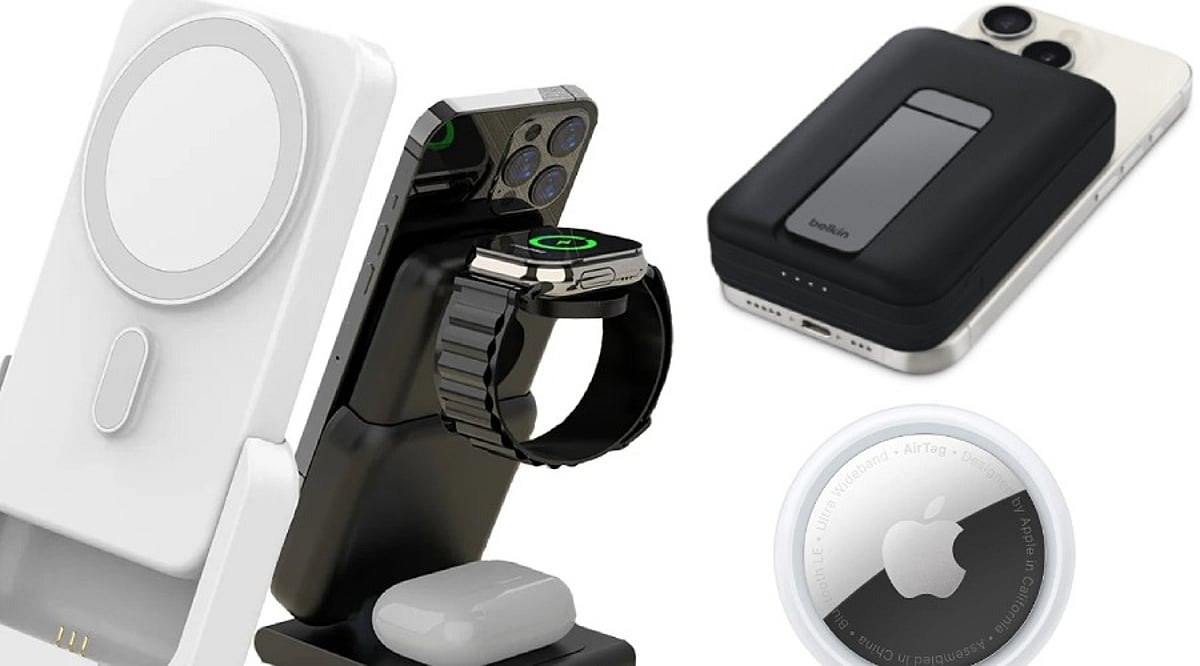
Tag: AirTag

  • 10 Best Apple Gadgets Under $50 You Should Buy in 2026

    10 Best Apple Gadgets Under $50 You Should Buy in 2026

    Apple is known for premium pricing, but several of its official accessories still cost under $50. These gadgets enhance everyday convenience, protect your devices, and deliver reliable performance without breaking the bank. Here are the top 10 Apple gadgets under $50 that combine quality, functionality, and value.

    1. Apple AirTag (2nd Generation) – $29

    The AirTag is a compact tracker that helps you locate keys, wallets, backpacks, and luggage using the vast Find My network. The second generation offers improved Precision Finding on compatible iPhones. Its battery lasts about a year, and the simple design fits almost anywhere. At $29, it’s one of the most practical Apple accessories you can buy.

    2. Apple MagSafe Charger – $39

    This wireless charger uses built-in magnets to align perfectly with MagSafe-compatible iPhones, ensuring stable and efficient charging. Its compact size makes it travel-friendly, and the premium materials match Apple’s design ethos. Ideal for home, office, or on-the-go use.

    3. Apple 20W USB-C Power Adapter – $19

    A small but mighty charger that supports fast charging for iPhones, iPads, and AirPods. Its compact footprint saves space in your bag, and fast charging reduces downtime significantly. Reliable and consistent, it’s a great everyday companion.

    4. Apple EarPods – $19

    Wired earphones that deliver clear sound, a reliable microphone, and simple controls. No battery to charge, no pairing delays – just plug and play. Available in USB-C and Lightning versions, they remain a popular choice for many users.

    5. Apple USB-C to USB-C Woven Cable – $19–$29

    A braided cable that resists wear and tear better than standard plastic cables. Supports both charging and data transfer. The durable construction adds long-term value, and the clean design complements modern Apple devices.

    6. Apple MagSafe Silicone Case – $49

    Soft silicone exterior with a microfiber lining protects your iPhone from scratches. Built-in magnets allow MagSafe charging without removing the case. Precise cutouts and multiple color options make it both functional and stylish.

    7. Apple Watch Sport Band – $49 (often on sale)

    Made from soft fluoroelastomer, this band is comfortable all day and secure during workouts. The pin-and-tuck closure keeps it tidy, and multiple colors let you change your look without buying a new watch.

    8. Beats USB-C Woven Cable – $18–$20

    An Apple-owned brand offering a premium braided USB-C cable. Resists daily wear better than ordinary cables, supports charging and data transfer, and has a modern design that pairs well with Apple products.

    9. Apple MagSafe Wallet – $49 (often discounted)

    Magnets attach this slim wallet securely to compatible iPhones. It holds essential cards without adding bulk, and the premium materials create an elegant look. Perfect for carrying just the basics.

    10. Apple Cleaning Cloth – $19

    A microfiber cloth designed to safely remove smudges, fingerprints, and dust from Apple screens. Safe for iPhones, iPads, and MacBooks. Regular cleaning keeps your displays clear and bright. High quality ensures long-lasting effectiveness.

    Why These Gadgets Matter

    Affordable Apple accessories prove that high value doesn’t always require a high price. From tracking lost items to protecting your devices and simplifying charging, these gadgets improve daily life without a large expense. They offer reliable compatibility, strong build quality, and seamless integration with the Apple ecosystem.

    Final Thoughts

    Apple’s under-$50 lineup shows that premium quality can be accessible. Items like the AirTag, MagSafe Charger, and EarPods deliver real everyday benefits. Protective cases and bands extend device lifespan, while cables and wallets complete the experience with thoughtful design. Each product balances reasonable cost, high quality, and reliable performance.
  • Top 10 Apple Devices to Transform Your Home into a Smart Haven

    Top 10 Apple Devices to Transform Your Home into a Smart Haven

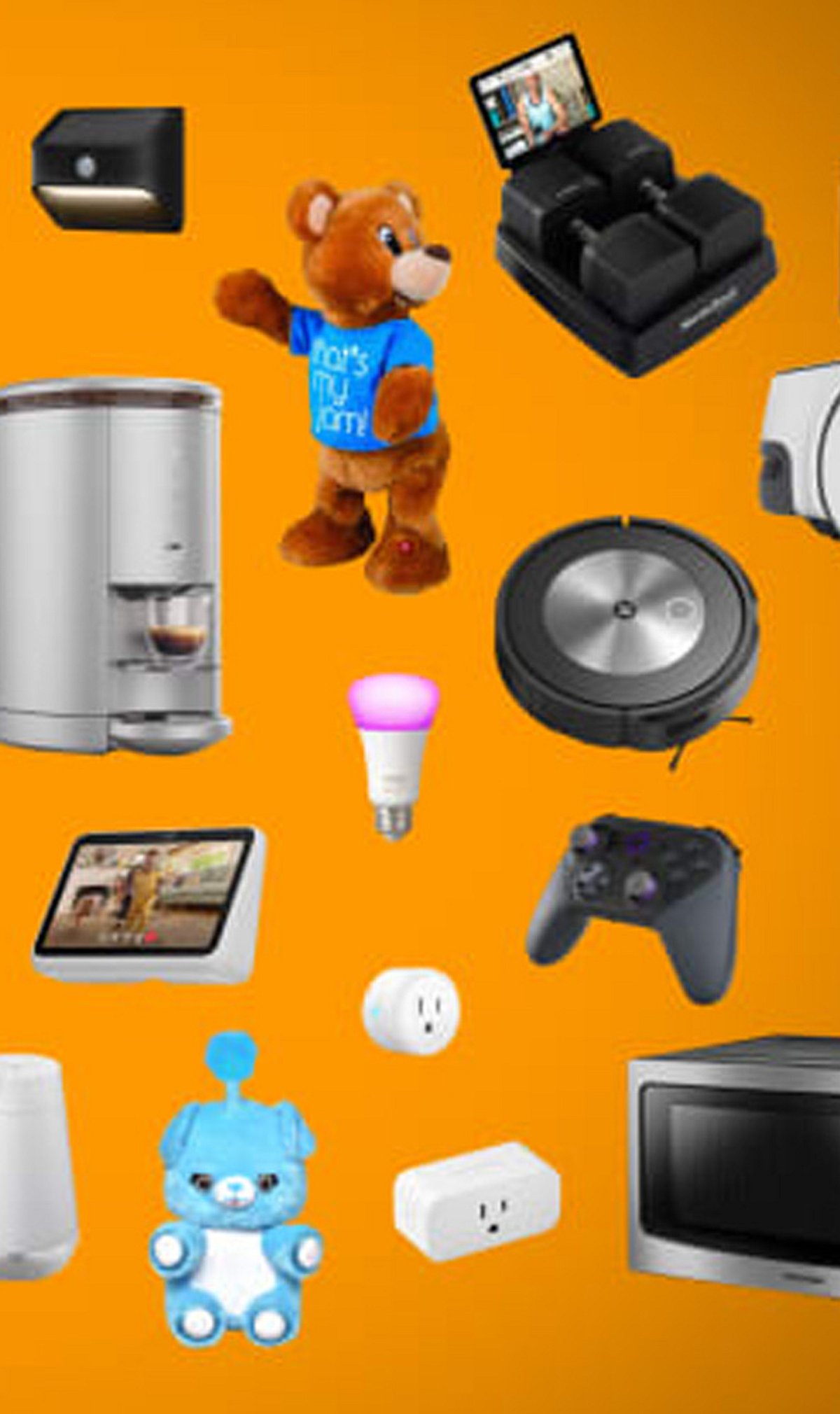
    Building a smarter, more connected home doesn’t have to be complicated, especially if you’re already in the Apple ecosystem. From the powerful HomePod 2 to the compact AirTag, Apple offers a range of devices that seamlessly integrate to automate your living space. Here are 10 essential Apple gadgets that can help you create a truly intelligent home.

    1. HomePod 2 – Apple’s flagship smart speaker delivers room-filling audio, Siri voice control, and acts as a central smart home hub.
    2. HomePod Mini – A compact speaker offering smart automation, intercom functionality, music playback, and seamless integration with Apple Home accessories.
    3. Apple TV 4K – Serves as both an entertainment device and a HomeKit hub, allowing you to control compatible smart home products remotely.
    4. iPhone – The primary controller for Apple Home, enabling you to automate, monitor, and manage connected devices from anywhere.
    5. iPad – Offers a larger interface for managing HomeKit accessories, viewing security cameras, and controlling automation routines effortlessly.
    6. Apple Watch – Lets you unlock doors, control lights, adjust thermostats, and receive smart home alerts directly from your wrist.
    7. AirTag – Helps locate frequently misplaced belongings and integrates with Apple’s Find My network for accurate item tracking.
    8. HomeKit Secure Video Cameras – Compatible cameras provide encrypted video storage, facial recognition, and secure monitoring through Apple Home.
    9. Smart Door Locks – HomeKit-enabled locks allow secure keyless entry, remote access, and automation with other Apple smart home devices.

    By combining these devices, you can create a cohesive smart home experience that’s both powerful and easy to use. Whether you’re just starting out or looking to expand your setup, Apple’s ecosystem has everything you need for a more connected lifestyle.

  • Smart Tracker vs GPS Tracker: Key Differences, Pros, Cons, and Buying Guide (2026)

    Smart Tracker vs GPS Tracker: Key Differences, Pros, Cons, and Buying Guide (2026)

    Tracking devices have become an essential part of everyday life. People rely on them to locate lost items, protect vehicles, monitor valuable assets, and enhance security. Two popular options dominate the market: smart trackers and GPS trackers. While both help you find things, their underlying technology, functionality, and ideal use cases differ significantly. This guide breaks down everything you need to know before making a purchase.

    What Is a Smart Tracker?

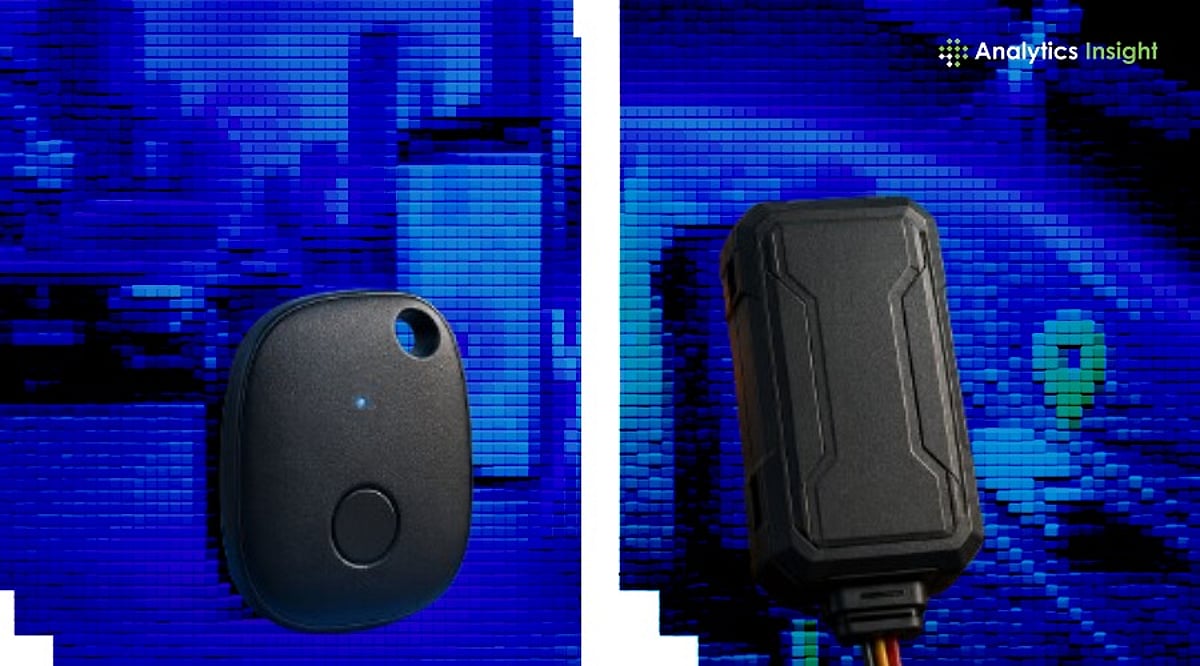
    A smart tracker is a compact device that uses Bluetooth or Ultra-Wideband (UWB) technology to help locate personal belongings. Instead of relying on satellites, it communicates with nearby smartphones or connected devices to share location data. Popular examples include Apple AirTag, Samsung Galaxy SmartTag2, and Tile trackers. Attach one to your keys, wallet, backpack, or luggage, and a companion app shows you where your item is. The global smart tracker market is projected to reach nearly $4.02 billion in 2026, with annual growth exceeding 10% as connected device usage expands.

    What Is a GPS Tracker?

    A GPS tracker uses the Global Positioning System (GPS) to determine an object’s precise location via satellites. It does not depend on nearby phones; instead, it sends location data through cellular networks. GPS trackers are commonly used in cars, trucks, motorcycles, delivery fleets, security systems, child safety devices, and pet monitoring. The GPS tracking market is even larger, expected to hit approximately $6.13 billion in 2026, with annual growth of over 13% through 2033, fueled by demand from transportation and security sectors.

    Key Differences Between Smart Trackers and GPS Trackers

    Tracking Range

    Smart trackers are limited to short ranges, typically 30 to 120 meters for Bluetooth. If an item moves beyond that range, the tracker only updates when another connected device comes near. GPS trackers, by contrast, work over any distance since they connect directly to satellites. Whether your vehicle is in another city or country, you can still see its location.

    Accuracy

    Smart trackers with UWB technology can pinpoint a lost item with great precision, guiding you directly to it. GPS trackers typically offer accuracy between 3 and 10 meters outdoors, but performance may degrade inside buildings, underground garages, or dense urban areas. For indoor searches, smart trackers excel; for outdoor movement tracking, GPS trackers are superior.

    Battery Life

    Smart trackers are low-power devices. Bluetooth uses minimal energy, so many last between six months and two years before needing a battery replacement. GPS trackers consume much more power due to constant satellite and cellular communication; battery life ranges from a few days to a few months, depending on usage. If low maintenance is a priority, smart trackers are the easier choice.

    Cost Considerations

    Smart trackers generally require a single upfront payment with no monthly fees. GPS trackers often need a SIM card, data plan, cloud storage, or subscription services, adding recurring expenses. Over time, GPS trackers can be significantly more costly.

    Best Use Cases

    • Smart trackers are ideal for everyday personal items: wallets, keys, luggage, bags, and other small objects that stay within a limited range.
    • GPS trackers suit larger security needs: cars, motorcycles, fleet vehicles, expensive equipment, children’s safety devices, and pets that roam over long distances.

    Your choice depends entirely on what you need to protect and how far it may travel.

    Latest Updates in 2026

    Tracking technology continues to advance rapidly. Invoxia recently launched the GPS Tracker Pro Max, offering live location updates every second with 4G LTE-M, Wi-Fi, Bluetooth, and a nearly six-month battery life. In the smart tracker space, Urban Armor Gear released the Metropolis Tracker Card, which supports MagSafe wireless charging, reducing battery waste. Industry experts anticipate future trackers will integrate 5G, AI-driven security alerts, geofencing, and deeper smart home connectivity.

    Final Thoughts

    Both smart trackers and GPS trackers solve distinct problems. Smart trackers are affordable, long-lasting, and perfect for everyday items and short-range recovery. GPS trackers provide robust long-distance tracking, real-time updates, and advanced security but come with higher upfront and ongoing costs. As technology evolves, both categories are becoming smarter and more capable. Base your decision on budget, range needs, security requirements, and the type of item you want to track.

    Frequently Asked Questions

    1. What is the main difference between a smart tracker and a GPS tracker? Smart trackers use Bluetooth or nearby devices; GPS trackers use satellites for real-time location.
    2. Which tracker has better battery life? Smart trackers last from six months to two years; GPS trackers last from days to months.
    3. Does a GPS tracker require a monthly payment? Most GPS trackers need a SIM card or subscription, leading to monthly charges.
    4. Can a smart tracker track a car? Smart trackers are not ideal for cars due to limited range and reliance on nearby devices.
    5. Which tracker is better for daily personal items? Smart trackers are better for wallets, keys, bags, and luggage.