Tag: Android 17

  • One UI 9 Unveiled: How Android 17 Transforms Samsung Galaxy Phones

    One UI 9 Unveiled: How Android 17 Transforms Samsung Galaxy Phones

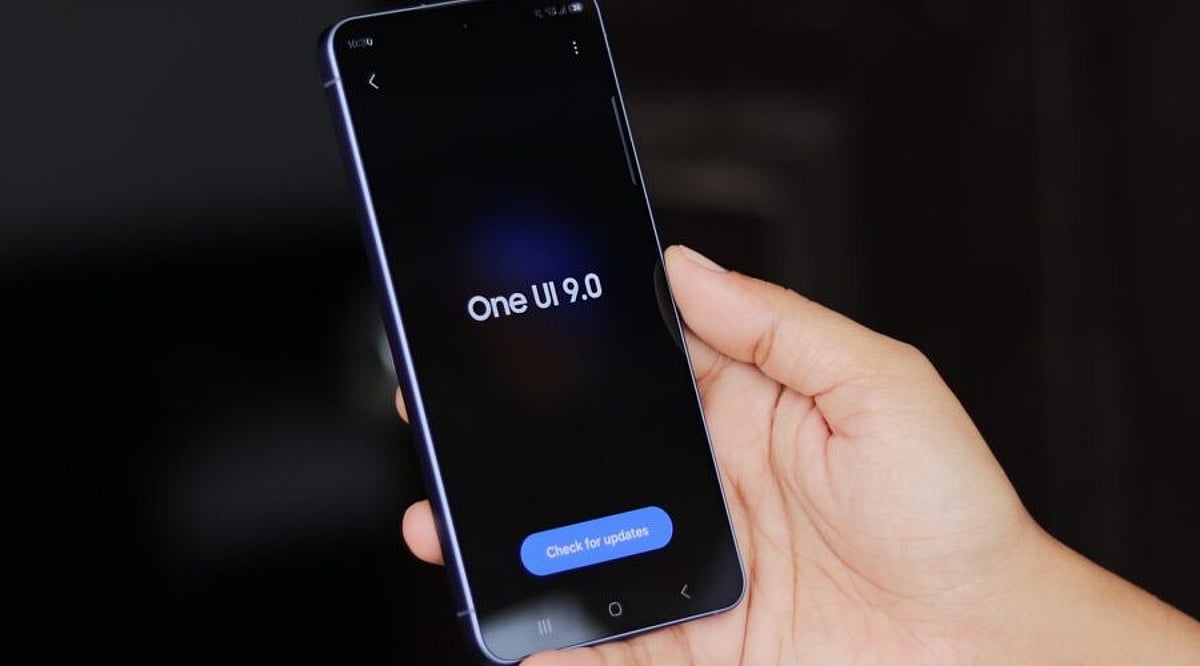
    Samsung’s One UI 9 update, built on Android 17, introduces a suite of Galaxy AI tools, enhanced privacy features, and practical interface improvements. The stable release first arrived on the Galaxy Z Fold8 Ultra, Galaxy Z Fold8, and Galaxy Z Flip8, with a broader rollout to the Galaxy S26 series beginning September 16.

    Galaxy AI Gets Smarter

    One of the standout features is My FanCam, which tracks a selected person in a recorded video, keeping them centered as the scene changes. Ideal for capturing children at events or friends in action, this feature requires a Samsung Account and performance may vary.

    Now Brief now includes Generative and Editable Cards, allowing users to customize daily summaries with health, weather, or video content. The new Now Nudge feature offers context-aware actions—for example, when chatting about a trip, it can surface reservation details or save shared locations without leaving the conversation.

    Creative Studio leverages calendar events to suggest themed images or greetings, such as a birthday card, integrating AI directly into everyday tasks.

    Enhanced Tools for Calls, Documents, and Daily Use

    The Interpreter translation tool gains a Thread View for easier conversation tracking, faster translation in Conversation Mode, and quicker audio playback on compatible Galaxy Buds. Language support varies by region and device.

    Document Scan now handles curved book pages and folded corners more effectively. Large-screen Galaxy devices get optimized scan views, and Finger Eraser receives an upgrade. Voice Recorder can generate summaries with headings and tables, making long recordings easier to navigate.

    A new Warranty and Care section in Settings provides warranty details, self-diagnostics, repair estimates, and access to Samsung Care+ or service appointments, though options vary by country and device.

    Stronger Privacy and Wider Rollout

    Security improvements include Security Brief, which adds malware alerts and permission warnings to Now Brief. Privacy Alerts use on-device AI to flag risks like unnecessary background access, while Scam Detection expands to India, Japan, Canada, and other markets.

    The Quick Panel now offers separate controls for brightness, sound, and media layout. Accessibility enhancements include adjustable Mouse Key speed, a combined TalkBack package, and Text Spotlight, which displays selected text in a larger floating window.

    As of September 29, the stable rollout has expanded beyond the Galaxy S26 series to the Galaxy S25 series in South Korea, with the Galaxy S25 FE and S25 Edge also receiving updates. Availability depends on device, carrier, and region.

    One UI 9 goes beyond a simple Android update, delivering Galaxy-specific AI, privacy tools, camera features, and interface refinements that put useful actions directly into everyday apps.

  • Vivo OriginOS 7 Debuts Globally with Jovi AI Agent and Dynamic Glow Interface

    Vivo OriginOS 7 Debuts Globally with Jovi AI Agent and Dynamic Glow Interface

    Vivo has officially launched OriginOS 7, its latest operating system based on Android 17, to international markets. The update introduces a redesigned interface, new multitasking capabilities, cross-device connectivity, and a built-in Jovi AI agent designed to streamline everyday tasks.

    Dynamic Glow Design Refreshes the Interface

    One of the standout features of OriginOS 7 is its new visual language. Vivo has incorporated translucent materials, dynamic lighting, and physics-based animations across system elements, creating an interface that responds naturally to user interactions. The Origin Animation system includes Fluid Motion, which allows interface elements to stretch, bounce, and move based on touch direction and speed, while Spring Animation applies similar principles across apps and system components.

    Personalization options have also been expanded with features like Wiggle Theme, Glint Theme, and StickIt, enabling users to customize photos, wallpapers, stickers, and other elements on both lock and home screens.

    Jovi Becomes a Cross-Device AI Agent

    OriginOS 7 introduces Jovi as a personal AI agent that works across connected devices. Through the Vivo Office Kit, Jovi can handle tasks involving smartphones and computers. For example, users can ask Jovi to retrieve a file from a connected computer, summarize its contents, and send the key information to their phone. Scheduled tasks can also be configured for activities such as preparing reports or organizing files.

    Vivo has added Jovi Security to provide greater visibility into autonomous actions. The system records actions performed by the agent and requires user authorization for important steps. Additionally, Snap Note can turn photographs of handwritten notes, whiteboards, and presentation slides into editable documents.

    Better Multitasking and Device Connectivity

    OriginOS 7 expands cross-device connectivity beyond Vivo’s own ecosystem. Compatible Apple Watch models can display notifications and synchronize health information, while AirPods users can access battery information and Spatial Audio on supported devices. The Vivo Office Kit also supports task handoffs, real-time note synchronization, and file transfers between Vivo phones and iPad, Mac, and Windows devices. Users can access iCloud photos and files through Vivo’s File Manager in supported markets.

    Global Preview and Rollout

    The OriginOS 7 preview program is now available for the Vivo X300 Pro and select iQOO devices in markets including India, Thailand, and Malaysia. The wider rollout will extend to additional Vivo and iQOO smartphones, though feature availability may vary by device and region.

    With this release, Vivo combines a major interface redesign with productivity tools, broader device connectivity, and the new cross-device capabilities of Jovi, marking a significant expansion of the OriginOS experience outside China.

  • Xiaomi HyperOS 4 Leak: Android 17-Based Update Brings Glass UI and Performance Boost

    Xiaomi HyperOS 4 Leak: Android 17-Based Update Brings Glass UI and Performance Boost

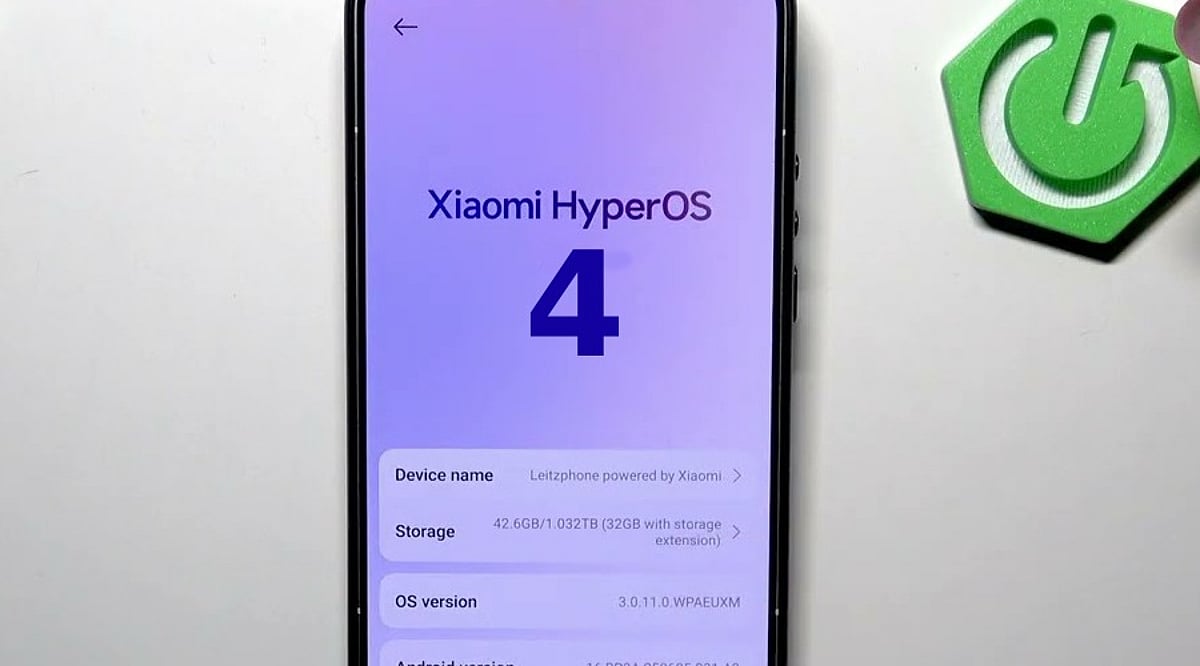
    Xiaomi is reportedly preparing to kick off beta testing for its next-generation HyperOS 4 software as early as August 7, according to a leaked roadmap. The update, built on Android 17, promises a redesigned interface, enhanced system performance, and deeper ecosystem integration.

    The leak indicates that beta registrations in China opened on August 5, followed by a software announcement on August 6. The first beta builds are expected to reach eligible users this week. While Xiaomi has not officially confirmed the timeline, the update is anticipated to introduce a fresh visual language centered on translucent glass-like interface elements.

    Visual Overhaul with New Interface Elements

    HyperOS 4 is expected to bring an all-new design language featuring translucent glass effects. Leaks suggest Xiaomi will overhaul system icons, animations, notifications, and the Control Center to create a sleeker, more modern look. Updated 2.5D icons, smoother transitions, and added visual depth are among the changes rumored. Improved lockscreen notifications, stacked widgets, and refined system navigation may also be part of the update, marking one of the largest visual upgrades since Xiaomi transitioned from MIUI to HyperOS.

    Focus on Performance and Security Upgrades

    Beyond aesthetics, HyperOS 4 is expected to emphasize system optimization. Reports indicate that Xiaomi is rebuilding several core applications using modern programming frameworks to improve stability, memory management, and overall responsiveness. Users can anticipate faster app launches, smoother multitasking, and better battery efficiency across compatible smartphones and tablets. Some leaks also mention deeper ecosystem integration between Xiaomi phones, tablets, wearables, and smart home devices, allowing seamless switching between connected products. However, Xiaomi has yet to officially reveal the complete feature list.

    Global Rollout Likely to Follow China Beta

    The China beta will be the first large-scale test, after which Xiaomi is expected to expand the software globally. Historically, Xiaomi releases new software in China first, followed by beta and stable versions for international markets after a few weeks. Industry sources suggest the stable version may arrive in late 2026, initially on flagship devices and then on Redmi and POCO series. Until Xiaomi issues an official statement, this information should be regarded as tentative. The leak indicates that HyperOS 4 could become one of Xiaomi’s most significant software releases, combining a bold new design with substantial performance gains.

  • Google Pixel 11 Leak Roundup: Design, Tensor G6 Specs, Pricing, Colors, and Launch Date Revealed

    Google Pixel 11 Leak Roundup: Design, Tensor G6 Specs, Pricing, Colors, and Launch Date Revealed

    Google’s Pixel 11 leaks have unveiled key details about its design, potential Tensor G6 chipset, pricing, colors, and launch timeline ahead of the official announcement. While some information is confirmed, much of it remains based on credible leaks. Buyers may also want to consider trade-in offers and post-launch discounts before upgrading.

    Overview

    Google has confirmed the Pixel 11 event for August 12, 2026, with wide availability tracking to August 20. Leaks point to a possible 2 nm Tensor G6 chip, mandatory 256 GB base storage, and a lower-profile camera bar. Trade-in value swings and past launch discounts matter as much as specs for buyers deciding whether to wait.

    An Amazon listing error briefly revealed pricing, storage tiers, and colors before disappearing, creating one of the clearest pre-launch pictures of a Pixel flagship to date. This tracker sorts what Google has actually confirmed from what still rests on leaks.

    What Do We Know About the Google Pixel 11 So Far?

    Design

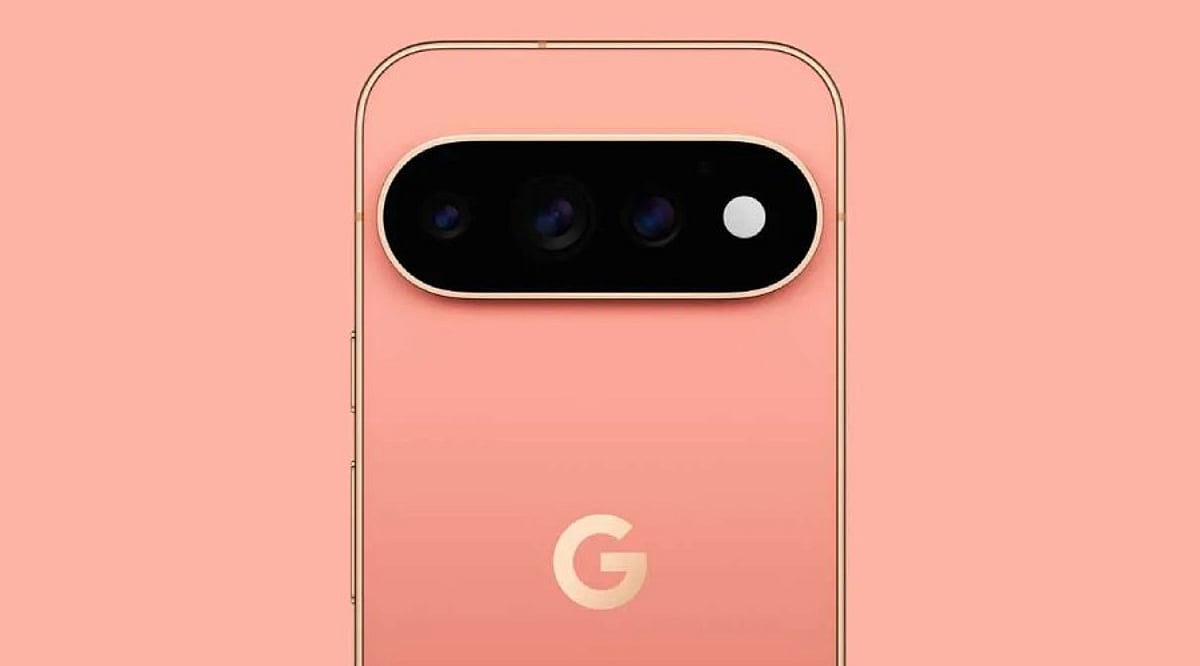
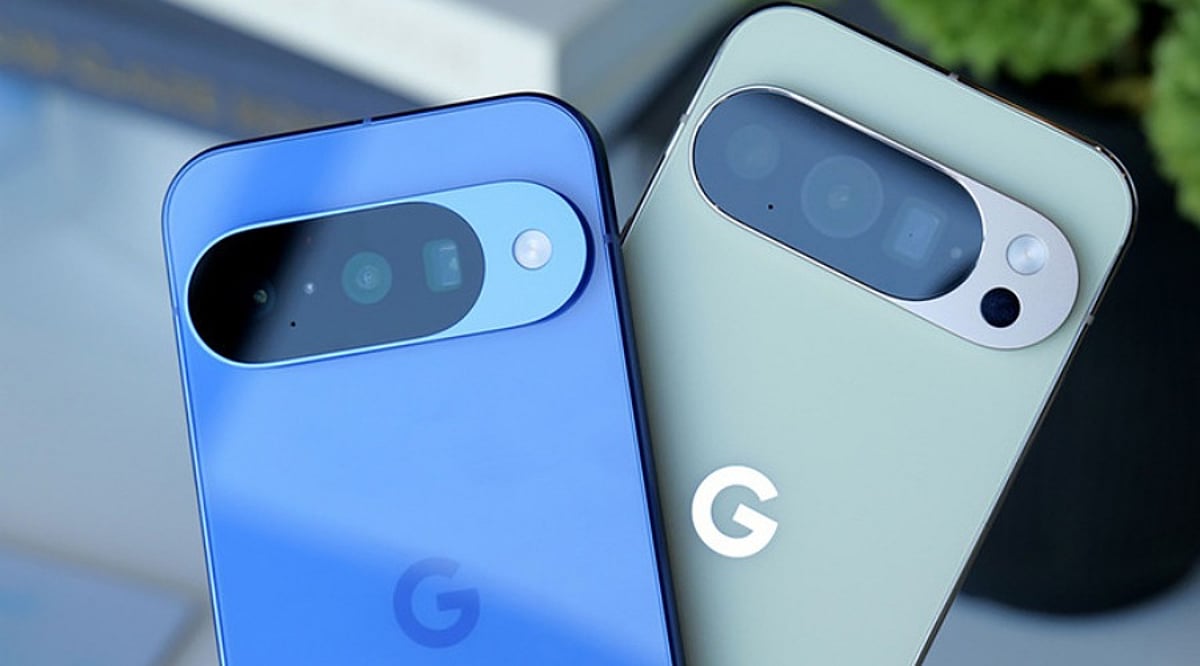
    The shape stays close to the Pixel 10. Renders show a 6.3-inch OLED display at 120Hz on the base model and Pro, growing to 6.8 inches on the Pro XL. The real change sits on the back. Case leaks from ThinBorne point to a wider camera bar that sits flatter against the body, echoing the slimming move Google made when it updated the 9a into the 10a. Some early reaction online called the design repetitive, but a flatter camera bar changes how the phone sits in a pocket and how it feels in hand. A rumored Pixel Glow light ring around the bar has also surfaced in early leaks, though Google has not confirmed it.

    Specifications

    Supply chain reports suggest the Tensor G6 could move to a 2nm process, a step that would put Pixel among the first phones built on that node. Google has not confirmed the chip. Camera leaks point to a 50MP main sensor, a 13MP ultrawide, and a 10.8MP 5x telephoto lens, alongside a battery near 5,000mAh and 30W wired charging. RAM is the messiest detail right now: some reports hold 16GB on Pro models, others describe a cut to 12GB to manage rising component costs. A single leak also mentions 3D facial recognition arriving on the Pro line, similar to Apple’s system, though one source alone is thin evidence. Cellular reception, a weak spot across past Pixel generations, has not come up in any leak yet.

    AI Features

    Android 17 is expected to ship out of the box, with Gemini Intelligence going deeper into the camera app through speak-to-tweak editing and sketch-to-image generation. Google’s own roadmap statements make this direction close to certain, even without an official feature list.

    Colors

    Base models are expected in Midnight Haze, Light Sterling, Fuchsia, and Moss. Pro and Pro XL variants lean quieter with Light Fog, Dune, and Pine. The split is deliberate: standard Pixel buyers get louder shelf appeal, while Pro buyers get a palette built to look premium in hand.

    Pricing

    Leaked US pricing lists the base Pixel 11 at $899 for 256GB, the Pro at $1,099, the Pro XL at $1,299, and the Pro Fold above $1,899. Dropping the 128GB tier explains most of the jump from last year’s $799 starting price. Google has not confirmed any of these figures.

    Release Date

    Only one date is locked: the Made by Google event on August 12, 2026, in New York. A leaker with a strong record on Pixel timing expects wide availability on August 20, exactly a year after the Pixel 10 shipped.

    Pixel 10 vs Pixel 11

    History gives a clear pattern here. The Pixel 8 dropped 20 percent by Black Friday, just five weeks after launch. Trade-in credit swings hard too, ranging from $75 to $400 depending on the promotion running that season. Software bugs at launch remain a recurring complaint among current owners, which gives patient buyers another reason to hold off past August 20. Anyone comparing a discounted Pixel 10 against a full-price Pixel 11 should watch trade-in offers closely, not just the sticker price. A budget Pixel 11a is expected separately in spring 2027.

    Final Thought

    Every Pixel cycle eventually comes down to one question: does the software gap justify the price gap? This year, with storage doubled and AI pushed further into the camera, Google is betting the answer is yes before a single review has been published.

    FAQs

    1. When will the Google Pixel 11 be released?

    Google is expected to unveil the Pixel 11 series at the Made by Google event on August 12, 2026, with pre-orders likely opening the same day. Sales are expected to begin around August 20, 2026, although regional availability may vary.

    2. What are the expected Google Pixel 11 specifications?

    Leaked information suggests the Pixel 11 could feature a 6.3-inch 120Hz OLED display, a Tensor G6 chipset, 8GB or 12GB RAM, 256GB or 512GB storage, a 5,000mAh battery, and support for 30W wired and Qi2 wireless charging. Final specifications will be confirmed at launch.

    3. What colors will the Google Pixel 11 come in?

    Rumored color options for the standard Google Pixel 11 include Light Sterling, Midnight Haze, Fuchsia, and Moss. The Pro models are expected to feature additional premium color variants, though Google has not officially confirmed them.

    4. How much will the Google Pixel 11 cost?

    Leaks indicate the base Google Pixel 11 may start at around $859 to $899, with 256GB expected to become the entry-level storage option. Official pricing for different regions, including India and the UAE, will be announced at launch.

    5. Should you wait for the Google Pixel 11?

    If you’re interested in Google’s latest AI features, Tensor G6 performance improvements, enhanced cameras, and longer software support, waiting for the Pixel 11 could be worthwhile. However, if you need a new phone immediately, discounts on the Pixel 10 series may offer better value before the new flagship arrives.

  • Google Pixel 11 Leaks: Everything We Know About Design, Tensor G6, Colors, Price, and Launch Date

    Google Pixel 11 Leaks: Everything We Know About Design, Tensor G6, Colors, Price, and Launch Date

    Google has locked August 12, 2026, for the next Made by Google event, and the Pixel 11 series will likely take the spotlight. Fresh leaks from retail listings, marketing material, and trusted industry sources have already revealed many details ahead of the official launch. The new lineup will include the Pixel 11, Pixel 11 Pro, Pixel 11 Pro XL, and Pixel 11 Pro Fold. Google also plans to introduce the Pixel Watch 5 and the new Pixel Tag at the same event. The company has not shared the final specifications yet, although recent leaks paint a clear picture of the upcoming devices.

    Familiar Design With Small Refinements

    The design language of the Pixel 11 series remains consistent with that of Google over the last few years. According to various leaked images, the camera bar has a cleaner and slimmer look with a one-piece glass design. The frame also appears to be relatively flatter while retaining the same look as it did with the Pixel 10 series. Google makes minute design changes instead of bringing about a new design, which is what gives the Pixel a distinct look while lending refinement to the new smartphones. The Pro Fold model also features a tidier camera section and rear design as shown in the latest pics.

    New Colors Add More Choice

    Google plans to introduce fresh color options across the Pixel 11 family. The standard Pixel 11 will reportedly arrive in Light Sterling, Fuchsia, Midnight Haze, and Moss. The Pixel 11 Pro and Pixel 11 Pro XL may come in Dune, Light Fog, Midnight Haze, and Pine. The Pixel 11 Pro Fold will likely offer Pine and Midnight finishes. These new shades give each model a fresh identity while keeping Google’s clean and simple style. Marketing images also match these color names, which adds more confidence to the recent leaks.

    Tensor G6 Powers Every Model

    Every phone in the Pixel 11 lineup will likely run on Google’s new Tensor G6 processor. Reports also mention the Titan M3 security chip, which will handle device security and sensitive data. The Tensor G6 will support faster AI tasks, better power efficiency, and smoother daily performance. Several reports suggest Google may use a new 2nm manufacturing process for this chip, although the company has not confirmed that detail. Android 17 will arrive as the default operating system, along with new Gemini AI features across the lineup.

    Camera Setup Focuses on Smart Photography

    The standard Pixel 11 may return to a dual rear camera system with wide and ultra-wide sensors. Recent leaks suggest Google has removed the telephoto camera from the base model. The Pixel 11 Pro and Pixel 11 Pro XL will likely keep the triple camera system with wide, ultra-wide, and periscope telephoto lenses. Reports do not mention major hardware upgrades for the Pro cameras, which means Google may rely on software improvements and advanced AI tools for better photo and video quality. The Pixel 11 Pro Fold may also offer enhanced zoom features through machine learning support.

    Storage Improves Across the Range

    One major upgrade comes through storage. Current leaks suggest Google will start every Pixel 11 model with 256GB of internal storage instead of the previous 128GB option. This change gives users much more space for photos, videos, apps, and files from the first day. The Pro models will also offer larger storage options for those who need extra capacity. Reports also claim every model will include 12GB of RAM. This detail surprised many followers since earlier rumors expected higher memory on the Pro versions.

    Higher Prices Expected This Year

    Recent retailer leaks point to higher prices across the Pixel 11 lineup. The standard Pixel 11 may start at $899. The Pixel 11 Pro could cost $1,099, while the Pixel 11 Pro XL may reach $1,299. The Pixel 11 Pro Fold could start at $1,899. Although the prices move higher than the previous generation, Google also plans to double the base storage to 256GB, which adds more value to every model. Final regional prices will become official during the launch event.

    AI Features Take Center Stage

    One of the key components of the Pixel series is artificial intelligence. Pixel 11 series will bring enhanced Gemini features in photography, voice commands, call assistance, live transcription, and photo editing. Tensor G6 is expected to carry many of these tasks out on-device, which greatly improves speed and ensures privacy. Furthermore, Android 17 will bring new software features, which make good use of Google’s AI tools.

    Pixel Tag May Join the Event

    The August 12 event may include more than smartphones. Leaks strongly suggest Google will introduce the Pixel Tag, a Bluetooth tracker that works with the Find Hub network. The accessory will help users locate keys, bags, luggage, and other personal items. Reports also mention the Pixel Watch 5, which may receive extra RAM and stronger AI support. These products show Google’s plan to expand its hardware ecosystem with connected devices that work together.

    Why This Matters

    The Pixel 11 series shows Google’s next step in smartphone development with stronger AI, larger storage, updated hardware, and a refined design. Recent leaks also help buyers understand expected features, prices, and launch plans before the official announcement. This early information supports better purchase decisions and sets clear expectations for Google’s upcoming flagship lineup.

    Final Outlook

    The Pixel 11 series already looks like one of Google’s most polished smartphone launches. Strong leaks reveal refined design, new color choices, Tensor G6 performance, larger base storage, Android 17, and expanded AI features. Higher prices may become the biggest talking point, although the extra storage and new hardware help balance that increase. The official Made by Google event on August 12 will confirm every remaining detail and reveal the complete Pixel 11 lineup.

    FAQs

    1. When will the Google Pixel 11 series launch? Google is expected to unveil the Pixel 11 lineup at the Made by Google event on August 12, 2026.
    2. Which models are expected in the Pixel 11 lineup? The lineup is expected to include the Pixel 11, Pixel 11 Pro, Pixel 11 Pro XL, and Pixel 11 Pro Fold.
    3. What processor powers the Pixel 11 series? Leaks suggest every Pixel 11 model will feature Google’s new Tensor G6 processor with the Titan M3 security chip.
    4. What is the expected starting storage? Current leaks indicate all Pixel 11 models will start with 256GB of internal storage and 12GB of RAM.
    5. Will Google launch other products alongside the Pixel 11? Yes. Google is also expected to introduce the Pixel Watch 5 and the Pixel Tag Bluetooth tracker during the same event.
  • Samsung Galaxy S26 FE Leak Reveals 45W Charging and Exynos 2500 Chip

    Samsung Galaxy S26 FE Leak Reveals 45W Charging and Exynos 2500 Chip

    Samsung may be gearing up to launch the Galaxy S26 FE, as fresh certification listings have unveiled key specifications. The latest leaks, building on earlier BIS and Geekbench appearances, suggest the company is in the final stages before an official announcement. While Samsung has not confirmed anything, the reports indicate support for 45W wired fast charging, the Exynos 2500 processor, and a 6.7-inch AMOLED display.

    According to multiple sources, the Galaxy S26 FE could launch around August or September. The UL Demko certification reportedly lists support for 45W fast charging, and several model numbers have appeared, hinting at different regional variants, including for India. The phone is expected to run Android 17 with One UI 9, paired with 8GB of RAM and storage options of 128GB, 256GB, and 512GB.

    Display and Performance

    The device is rumored to feature a 6.7-inch Dynamic AMOLED display with FHD+ resolution, a 120Hz refresh rate, and HDR10+ support. It is also expected to include IP68 water and dust resistance, stereo speakers, Wi-Fi 7, and Bluetooth 5.4. A 4,900mAh battery with 45W wired charging (and likely 25W wireless charging) would provide a noticeable upgrade over the standard Galaxy S26.

    Camera and Pricing

    The camera setup is expected to include a 50MP main sensor with OIS, a 12MP ultra-wide lens, and an 8MP telephoto camera with 3x optical zoom. A 12MP front-facing camera is also anticipated. Reports suggest the price in India could start at around Rs. 66,000, though higher storage models may cost more. Samsung has not officially announced launch date, price, or specifications, so details may change.

  • Google Pixel 11 Pro Launch Nears: Expected India Price, Tensor G6, and AI-Powered Features

    Google Pixel 11 Pro Launch Nears: Expected India Price, Tensor G6, and AI-Powered Features

    Google is gearing up to unveil its next-generation flagship, the Pixel 11 Pro, in just a few weeks. The device is expected to debut alongside the standard Pixel 11 and Pixel 11 Pro XL during the company’s annual Made by Google event, with pre-orders likely opening shortly after the presentation.

    Expected India Price

    The Pixel 11 Pro is anticipated to carry a premium price tag in India. Reports suggest a launch price of around Rs. 1,09,999, though Google has not officially confirmed this. Final pricing may vary based on storage configurations, launch offers, and regional taxes.

    Powered by Tensor G6

    Google’s next flagship is expected to feature the new Tensor G6 processor. This chip promises faster AI performance, improved battery efficiency, and smoother day-to-day operation. Running Android 17 out of the box, users can expect enhanced multitasking, stronger security, and more intelligent on-device AI capabilities.

    Camera Upgrades

    The Pixel 11 Pro will likely continue Google’s focus on computational photography. Rumors point to upgraded camera sensors, better zoom quality, and smarter AI-powered editing tools. Low-light photography, video stabilization, and portrait modes are also expected to see significant improvements over previous generations.

    Display and Design

    Leaks suggest the Pixel 11 Pro will retain Google’s premium design language with subtle refinements. A bright OLED display with a high refresh rate should deliver smooth scrolling and gaming. Slim bezels, a durable build, and fresh color options are also expected.

    Battery and Charging

    Battery life is set to improve thanks to the Tensor G6 chipset and software optimizations. The Pixel 11 Pro is expected to support fast wired charging, wireless charging, and reverse wireless charging. Google may also introduce AI-driven battery management that adapts to users’ charging habits.

    AI Features and Software

    Artificial intelligence remains the biggest highlight of the Pixel 11 Pro. Google is expected to introduce smarter Gemini-powered tools for writing, photo editing, voice assistance, and productivity. Combined with long-term Android updates, these exclusive AI features could make the Pixel 11 Pro one of the smartest flagship phones available.

  • Samsung Galaxy Unpacked 2026: Fold 8, Flip 8, Watch 9, and AI Glasses Revealed in London

    Samsung Galaxy Unpacked 2026: Fold 8, Flip 8, Watch 9, and AI Glasses Revealed in London

    Samsung held its Galaxy Unpacked event in London on July 23, 2026, unveiling a comprehensive lineup of new devices including the Galaxy Z Fold 8, Galaxy Z Fold 8 Ultra, Galaxy Z Flip 8, Galaxy Watch Ultra 2, Galaxy Watch 9, and AI-powered smart glasses. The event underscored Samsung’s commitment to expanding its foldable ecosystem and integrating artificial intelligence across its hardware.

    New Foldable Phones with Wider Displays and Durable Hinges

    The Galaxy Z Fold 8 introduces a redesigned form factor featuring a near 4:3 inner display that reduces black bars and enhances video streaming, gaming, multitasking, and social media experiences. Samsung has incorporated a titanium hinge to minimize the display crease and improve overall durability.

    The Galaxy Z Fold 8 Ultra is positioned as Samsung’s most premium foldable, equipped with an upgraded titanium hinge, a 5,000mAh battery, and a 200MP primary camera. Meanwhile, the Galaxy Z Flip 8 retains its classic clamshell design while receiving updated hardware and new Galaxy AI capabilities.

    Galaxy AI Expands Across Devices

    All three foldable devices run One UI 9, which is based on Android 17. The software includes AI-powered tools such as the AI Assistant Activity Dashboard and My FanCam, which automatically tracks subjects and adjusts video framing.

    Samsung also refreshed its smartwatch lineup with the Galaxy Watch Ultra 2 and Galaxy Watch 9. The Watch Ultra 2 features a brighter display, a Snapdragon Wear Elite processor, advanced fitness tracking, and improved battery life. The Watch 9 focuses on everyday wellness through AI-driven health monitoring.

    AI Smart Glasses Preview

    Samsung previewed intelligent smart glasses developed in collaboration with Google, Warby Parker, and Gentle Monster. The upcoming wearable supports notifications, voice features, and Gemini-powered AI, signaling Samsung’s expansion beyond smartphones into an AI-connected ecosystem.

    The event highlighted Samsung’s strategy to strengthen its premium device lineup ahead of increased competition in the foldable market later this year.

  • Android 17 Eases iPhone-to-Android Switching with Expanded Data Transfer

    Android 17 Eases iPhone-to-Android Switching with Expanded Data Transfer

    Google has started rolling out Android 17, bringing a major improvement for iPhone users considering a switch to Android. The updated Android Switch feature now enables users to transfer a broader range of personal data during initial phone setup without the need for additional apps.

    The update is currently available on supported Pixel phones and Samsung Galaxy Z Flip 8 and Galaxy Z Fold 8 devices. Google has confirmed that more Android phones will receive the feature in the coming months.

    Previously limited to photos and contacts, the new transfer tool now supports moving Google Account details, passwords, passkeys, Wi-Fi settings, eSIM information, messages, call history, alarms, notes, files, and some app data wirelessly. Users simply scan a QR code to connect both phones and select the data they want to transfer.

    “We worked with Apple to overhaul the iOS to Android transfer process to ensure your data moves with you,” Google stated. The company added that messages, passwords, favorite apps, home screen layout, and eSIM details can now move directly to a new Android phone.

    The transfer occurs during new Android device setup. After selecting the option to copy data from an iPhone or iPad, the Android phone generates a QR code. Scanning the code connects both devices and begins the wireless transfer. Google recommends keeping both phones connected to Wi-Fi, charging them beforehand, and ensuring sufficient storage on the new phone.

    Some data still requires separate handling. iCloud-only photos, Safari bookmarks, Apple Health data, and paid iPhone apps do not transfer automatically. However, Android 17 also facilitates moving WhatsApp chats, switching from iMessage to Google Messages, and transferring iCloud Photos to Google Photos, making the overall switching process significantly smoother.

  • Samsung One UI 9: Galaxy AI Features, Eligible Devices, and July 2026 Release Window

    Samsung One UI 9: Galaxy AI Features, Eligible Devices, and July 2026 Release Window

    Samsung is preparing to launch One UI 9, its next major software update, which is currently in testing and reportedly built on Android 17. Rather than overhauling the design, the update focuses on refining the user experience with smoother animations, improved battery life, and stronger privacy controls. Enhanced Galaxy AI capabilities will help users streamline everyday tasks.

    Galaxy AI Upgrades in One UI 9

    Leaks suggest One UI 9 will introduce an “Ask AI” feature for the Samsung Internet browser, allowing users to quickly summarize web pages. A “Tap to Share” option is also expected, enabling seamless file transfers between devices. The update will emphasize system stability with a cleaner interface, better blur effects, and improved floating window and app scaling functionality. The Quick Panel is anticipated to become more customizable, with resizable brightness and volume sliders. Security enhancements will include stricter controls over private contacts, files, and app access.

    Eligible Samsung Galaxy Phones

    The following Samsung devices are expected to receive the One UI 9 update:

    • Galaxy S Series: S26, S25, S24, S23 series, including FE and Ultra models.
    • Galaxy Z Series: Fold 8, Flip 8, and earlier models starting from Fold 5 and Flip 5.
    • Galaxy A Series: A57, A56, A37, A36, A26, and A17.

    Release Timeline

    The beta version of One UI 9 is already available, with the stable release expected in July 2026. Samsung has not officially confirmed the date, but the update is likely to debut alongside the company’s next foldable smartphone lineup. Older devices will receive the upgrade gradually throughout the remainder of 2026.