
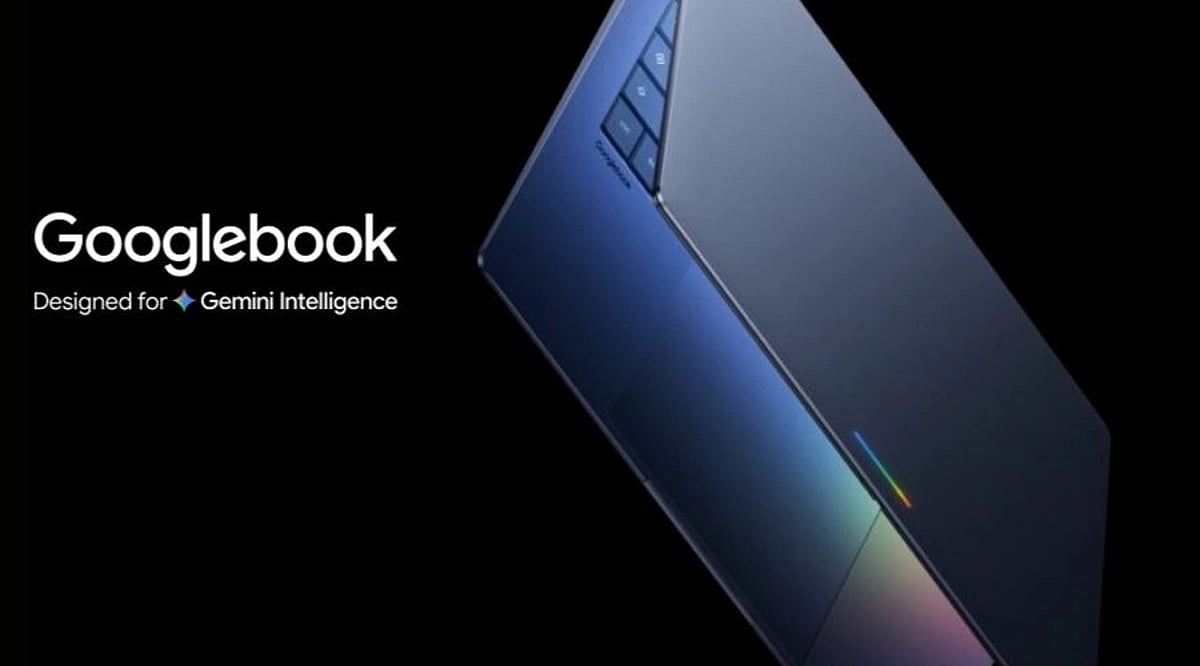
Google has confirmed that pre-orders for its upcoming Googlebook laptops will officially open on September 21. The announcement, posted on the official Googlebook website, also gives users the option to sign up for preorder notifications if they aren’t ready to order right away. Google has not yet shared pricing, the exact models that will be available for pre-order, or shipping timelines.
What Are Googlebook Laptops?
The Googlebook was first teased during the Android Show I/O Edition in May. It is a new line of flagship laptops designed to combine the best of ChromeOS and Android. While current Chromebooks run on ChromeOS, Googlebook devices will be built on the Android technology stack but still include the Chrome browser and full access to Google Play Store apps.
Several major PC makers are supporting the new category, including Acer, Asus, Dell, HP, and Lenovo. Google has not confirmed which manufacturer models will be the first to go on sale.
Gemini AI Features
Googlebook laptops will lean heavily on Gemini intelligence. The company’s website highlights two key features:
- Magic Pointer: Select anything on screen and ask Gemini to analyze, compare, or create with it.
- Create My Widget: Build custom widgets simply by asking Gemini to generate them.
Deeper Android Phone Integration
Googlebook is also designed to work more closely with Android smartphones. Two standout features include:
- Cast My Apps: Use phone apps directly on the laptop without needing to install them separately.
- Quick Access: Browse and access files stored on your phone right from the laptop’s file manager.
These features will require a phone running Android 17 or later.
Design and Availability
Googlebook laptops will feature a distinctive Glowbar, described by Google as a functional design element. Since Acer, Asus, Dell, HP, and Lenovo are building the first-generation devices, customers can expect a range of shapes, sizes, and hardware configurations across the lineup.
Google has not disclosed pricing or confirmed shipping dates, but the first devices are expected to arrive this fall.