
Tag: aperture

  • XPG Debuts First Gaming Monitors with RIFT and APERTURE Series

    XPG Debuts First Gaming Monitors with RIFT and APERTURE Series

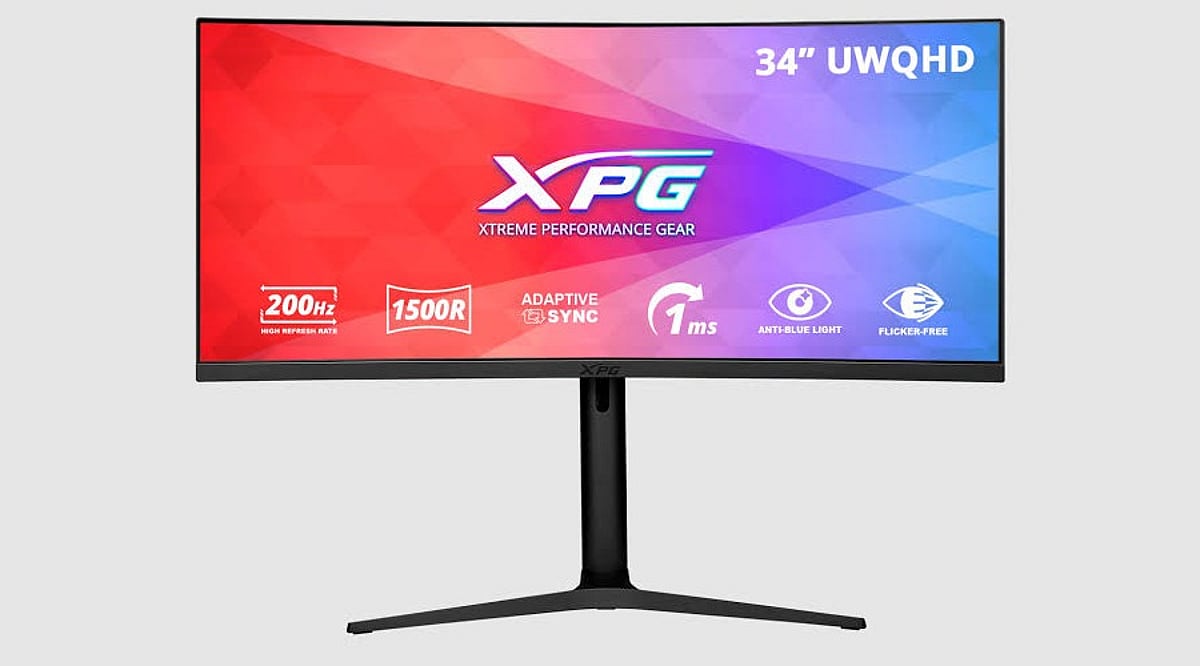
    ADATA’s gaming brand XPG has officially entered the monitor market with the launch of its first gaming displays, the RIFT and APERTURE series. The lineup includes four models, from a high-end 34-inch ultrawide to a budget-friendly 23.8-inch screen, though pricing and availability have yet to be announced.

    XPG, known for its memory, SSDs, and PC components, announced the new monitors in Taipei. The company states that this expansion builds a more complete gaming ecosystem under its “Game To The Xtreme” brand identity.

    Four Models for Different Gaming Needs

    The flagship RIFT R34WXC is a 34-inch curved ultrawide monitor with a 21:9 aspect ratio and UWQHD resolution (3440 x 1440). It offers a 200Hz refresh rate, 1500R curvature, 1ms response time, and Adaptive Sync support. The panel delivers 350 nits brightness, a 4000:1 contrast ratio, and 93 percent DCI-P3 color coverage for immersive gameplay.

    The smaller RIFT R24F4 features a 23.8-inch IPS panel at 1920 x 1080 resolution, with a 144Hz refresh rate and 99 percent sRGB coverage, making it ideal for budget-conscious gamers.

    On the APERTURE side, the A27Q1 offers a 27-inch screen with 1440p resolution and a 210Hz refresh rate, balancing sharpness and speed. The APERTURE A27F4 is another 27-inch option built for fast-paced gaming, though its full specifications have not been released.

    Pricing and Availability Still Unknown

    XPG has not announced pricing, release dates, or regional availability for the new monitors. Details on port selection, HDMI and DisplayPort versions, stand adjustability, and warranty coverage are also unconfirmed. All four models come standard with Adaptive Sync support and a 1ms response time.

    Buyers will need to wait for full pricing and independent reviews before making a purchase decision.
  • iPhone 18 Pro Camera Adds Mechanical Iris for Truer Aperture Control

    iPhone 18 Pro Camera Adds Mechanical Iris for Truer Aperture Control

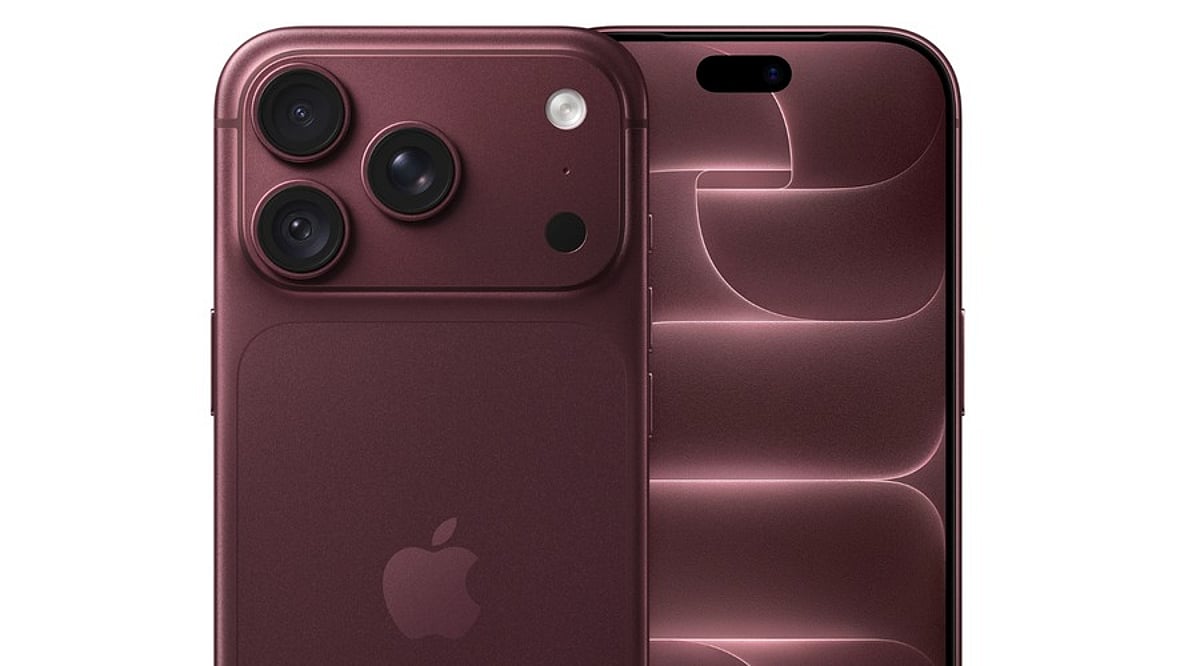
    Apple is bringing a significant change to the iPhone 18 Pro camera. After nine years, the Cupertino-based company has redesigned the lens of the 48MP Fusion main camera with a mechanical iris made of six laser-cut blades. This iris adjusts the lens opening, giving users control over how much light enters the camera and how depth of field appears in their shots.

    Four Aperture Settings for More Flexibility

    The new mechanical iris supports four aperture settings: f/1.48, f/1.8, f/2.8, and f/4. At the widest setting, the lens lets in about 50% more light than f/1.8, which is a meaningful advantage in low-light scenes. Users can also close the aperture when they want deeper focus or a different cinematic look, giving the camera more creative flexibility.

    How the Aperture System Works

    Aperture controls both exposure and depth of field. Light gathering depends on the ratio between f-numbers: dividing the smaller opening by the larger one and squaring the result gives the light multiplier. Depth of field is also influenced by sensor size, so the f-number can be multiplied by the crop factor to find the full-frame equivalent look.

    A Focus on Lens Design, Not a Bigger Sensor

    Apple appears to be focusing on optical engineering rather than sensor size. The 1/1.28-inch main sensor reportedly remains the same one used since the iPhone 14 Pro. Instead, the redesigned lens unit is said to cost about 50% more than the seven-element lens in the iPhone 17 Pro, according to supply chain analysis.

    More Camera and Video Upgrades

    The iPhone 18 Pro also brings several video improvements. Cinematic effects can now be applied to standard footage after the shot at up to 4K Dolby Vision 60 frames per second. Time-lapse recording supports 4K Dolby Vision HDR as well. In addition, Smart Focus Tracking will hold a subject on the device and automatically reacquire it after the subject leaves the frame and returns. The combination gives both casual users and photographers more control over their mobile photography.