
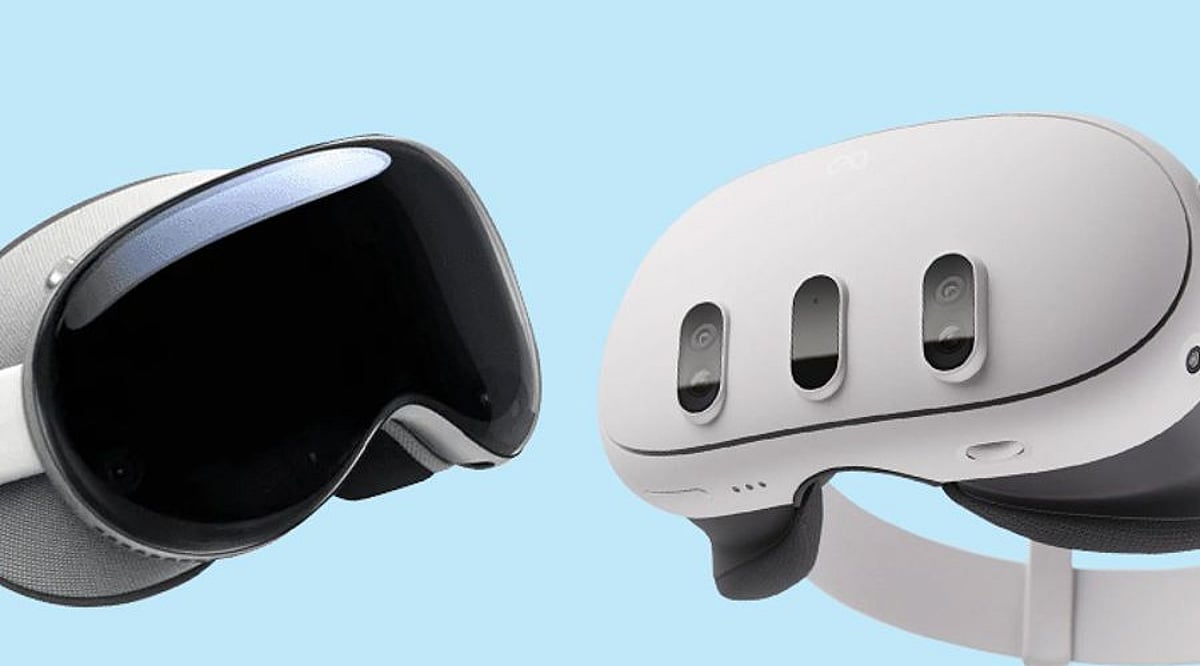
Tag: Apple Vision Pro

  • Top 5 VR Headsets of 2026: Standalone Gaming, PC Visuals, and Spatial Computing Compared

    Top 5 VR Headsets of 2026: Standalone Gaming, PC Visuals, and Spatial Computing Compared

    The virtual reality market in 2026 offers an unprecedented range of choices, from all-in-one standalone headsets to high-end PC-tethered systems and premium spatial-computing devices. Whether you are a gamer, a simulation enthusiast, or a productivity-focused user, there is a headset tailored to your needs. Below, we break down five standout VR headsets available this year and what makes each one unique.

    1. Meta Quest 3: Versatile All-in-One VR with Mixed Reality

    The Meta Quest 3 continues to dominate the standalone VR segment by combining immersive virtual reality with color passthrough mixed reality. Powered by the Snapdragon XR2 Gen 2 platform and featuring pancake lenses, it requires no PC or console to operate. This headset is ideal for users who want a broad library of games and apps without the hassle of wires, while still offering the option to connect to a PC for more demanding experiences.

    2. PlayStation VR2: Console Gaming at Its Finest

    Designed exclusively for the PlayStation 5, the PS VR2 delivers a console-focused VR experience with stunning OLED displays, integrated eye tracking, and haptic headset feedback. Its advanced Sense controllers provide precise motion tracking and adaptive triggers. This headset is perfect for gamers who already own a PS5 and want access to a curated library of high-quality VR titles.

    3. Valve Steam Frame: Wireless PC VR Freedom

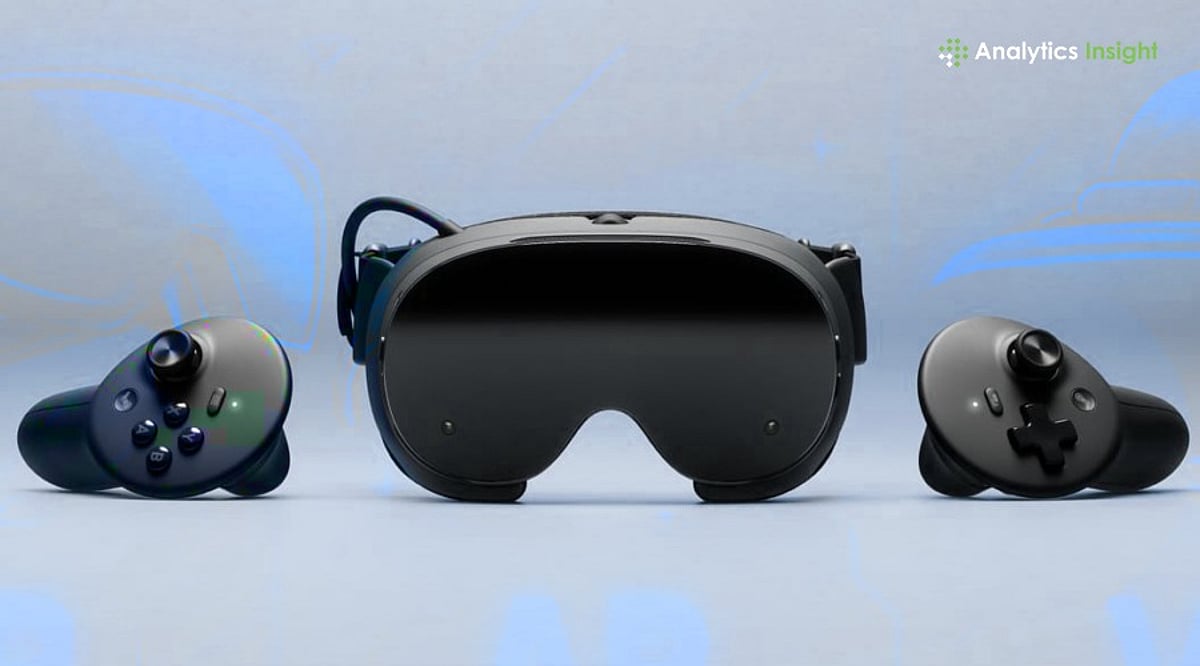
    Valve’s Steam Frame bridges the gap between standalone and PC VR. It runs on a Snapdragon 8 Gen 3 processor with 16GB of RAM and supports wireless connection to a gaming PC. With built-in eye tracking and standalone functionality, it targets users who want the flexibility of untethered play combined with the power of SteamVR’s extensive library. This is a strong choice for those who value both mobility and high-fidelity PC gaming.

    4. Pimax Crystal Light: Visual Fidelity for Simulation Enthusiasts

    The Pimax Crystal Light focuses on delivering exceptional image quality for PC VR. It features high-resolution displays, glass aspheric lenses, and a refresh rate of up to 120Hz. A DisplayPort connection ensures minimal compression and maximum detail, making it a top pick for flight and racing simmers, as well as anyone who prioritizes sharp visuals over standalone convenience.

    5. Apple Vision Pro: Redefining VR as Spatial Computing

    Apple’s Vision Pro takes a different approach by emphasizing spatial computing over gaming. Equipped with dual Micro-OLED displays, Apple silicon, and advanced eye tracking, it enables immersive experiences for productivity, entertainment, and creative work. Spatial video capture and seamless integration with the Apple ecosystem position it as a premium device for users seeking a versatile mixed-reality headset beyond gaming.

    Each of these headsets caters to a distinct audience. The Meta Quest 3 is the jack-of-all-trades; the PS VR2 is for console gamers; the Valve Steam Frame offers wireless PC flexibility; the Pimax Crystal Light delivers uncompromised visuals; and the Apple Vision Pro opens the door to spatial computing. Understanding your primary use case — from gaming and simulations to productivity and media consumption — will guide you to the perfect VR headset in 2026.
  • 2026 XR Headset Buyer’s Guide: How to Pick the Perfect VR or AR Device

    2026 XR Headset Buyer’s Guide: How to Pick the Perfect VR or AR Device

    Choosing an XR headset in 2026 involves more than comparing specs. With budget standalone devices, premium spatial computers, console headsets, and lightweight AR glasses now available, the decision depends on your budget, purpose, comfort, and compatibility. This guide breaks down the key factors to help you make a smart purchase without getting lost in technical jargon.

    Checklist for Choosing a VR Headset in 2026

    Start by defining your primary use case. Gaming, fitness, design work, and remote meetings each require different hardware. List your top three planned activities to narrow your options.

    Check compatibility carefully. Some headsets require a console, a powerful PC, or a specific phone. Many buyers assume cross-platform support exists, which can lead to early disappointment.

    Explore app availability in each platform’s store, as libraries vary widely. Comfort matters more than expected—proper weight distribution prevents fatigue during long sessions. Beware of marketing gimmicks; don’t choose based on resolution numbers alone. An ‘AR-ready’ label does not guarantee full VR support, and battery life is crucial in multi-user modes.

    Insights & Cost Analysis

    Price remains the clearest dividing line. Total cost of ownership tells a better story than the sticker price.

    • Entry-level standalone headsets: Meta Quest 3S at $299, Meta Quest 3 at $499. No subscription needed; accessories are affordable.
    • Mid-range devices: Samsung Galaxy XR around $599. Offers on-device AI but has a smaller software library.
    • Premium spatial computers: Apple Vision Pro at $3,499, plus AppleCare and software pushing first-year cost near $3,900.

    For most shoppers, a standalone headset delivers great value. A premium pick makes sense only when spatial anchoring is essential for your work.

    Better Solutions & Competitor Analysis

    No single headset suits everyone. Developers building spatial apps often prefer Apple Vision Pro for its mature platform. Enterprise buyers needing industrial precision choose Varjo XR-4 or Magic Leap 2. Educators running large VR labs favor Meta Quest 3S for easy management. Remote teams can use Android XR devices for smoother workplace tool integration.

    Customer Feedback Synthesis

    Standalone headsets earn praise for easy setup and reliable tracking. Premium devices excel in eye-tracking accuracy and audio quality, but battery drain during long sessions remains a complaint. Passthrough camera quality is a common drawback across budget and mid-range models—users describe it as soft or low contrast. On the positive side, motion sickness complaints have dropped sharply due to higher refresh rates and smarter rendering in 2026 models.

    Maintenance, Safety & Legal Considerations

    Extend your headset’s life by cleaning lenses with a microfiber cloth only—avoid alcohol or rough materials. Store in a cool, dry place (below 30°C). Keep firmware updated to prevent tracking drift. No government currently regulates headset use at work, but general safety guidelines recommend a 20-minute break per hour of near-eye display use.

    Conclusion

    First-time buyers wanting gaming or fitness will do well with a standalone headset like Quest 3S. Professionals needing precise spatial anchoring should consider a premium spatial computer. Those tied to a specific phone ecosystem may find hybrid AR devices the smoothest fit, accepting a smaller app library. For personal screens during travel or media consumption, light AR glasses are often better than a full headset. Match the device to your real use case for the best purchase.

    FAQs

    1. What is the difference between VR and AR headsets? VR creates a fully virtual environment; AR overlays digital content onto the real world. Mixed reality combines both.
    2. Which XR headset is best for beginners in 2026? Standalone headsets like Meta Quest 3S are affordable, easy to set up, and require no PC or console.
    3. Is Apple Vision Pro worth buying in 2026? It’s best for professionals, developers, and enterprise users needing advanced spatial computing. Casual users may find better value in standalone headsets.
    4. What should I check before buying? Primary use case, compatibility, app availability, comfort, battery life, and total ownership cost.
    5. How to maintain my headset? Clean lenses with microfiber cloth, store in a cool dry place, update firmware, avoid heat and direct sunlight.
  • Top 9 Viral Tech Products of the Year: AI Gadgets and Wearables That Dominated 2024

    Top 9 Viral Tech Products of the Year: AI Gadgets and Wearables That Dominated 2024

    From AI-powered assistants to futuristic wearables, this year’s most talked-about tech products have taken social media by storm. Here are the nine standout gadgets that went viral, capturing the imagination of consumers and sparking endless online conversations.

    1. Rabbit R2: Your Pocket AI Assistant

    The Rabbit R2 is a compact, pocket-sized AI assistant designed to handle everyday tasks like scheduling, reminders, and quick information retrieval. Its intuitive design and seamless integration with daily life made it a viral sensation.

    2. Humane AI Pin: Screen-Free Wearable AI

    This innovative wearable eliminates the need for a screen, projecting information directly onto your palm. The Humane AI Pin combines voice commands, gesture control, and a built-in camera to offer a truly hands-free AI experience.

    3. Ray-Ban Meta Smart Glasses

    Ray-Ban partnered with Meta to create smart glasses that look like classic eyewear but pack cameras, speakers, and voice assistance. The blend of style and AI-powered features made them a hit among tech enthusiasts and fashion-forward users alike.

    4. Apple Vision Pro: Mixed Reality Goes Mainstream

    Apple’s first mixed reality headset brought spatial computing to the masses. With its high-resolution displays, intuitive hand tracking, and seamless integration with the Apple ecosystem, the Vision Pro quickly became a viral phenomenon.

    5. Nothing Phone 4: Transparent Design Meets Smart Software

    Nothing’s fourth smartphone continues the brand’s signature transparent aesthetic, now paired with unique software experiences like customizable Glyph Interface. Its distinctive look and thoughtful features fueled social media buzz.

    6. Samsung Galaxy Ring: Health Tracking in a Ring

    Samsung’s Galaxy Ring is a compact wearable that monitors heart rate, sleep, and activity levels. Its minimalist design and advanced health tracking capabilities made it a popular topic on health and tech channels.

    7. DJI Neo Drone: Beginner-Friendly Aerial Photography

    The DJI Neo Drone is designed for beginners, featuring AI-powered flight assistance and a compact form factor. It simplifies aerial photography, making it accessible to everyone, which contributed to its viral spread.

    Why These Products Went Viral

    Several factors drove the popularity of these gadgets:

    • Unique Features: Each product offers something genuinely new, from screen-free interfaces to transparent designs.
    • AI Integration: Artificial intelligence is at the core of many of these devices, enhancing usability and creating new possibilities.
    • Social Media Buzz: Influencers and early adopters shared their experiences, generating massive engagement across platforms like TikTok, Instagram, and YouTube.

    These nine products represent the cutting edge of consumer technology in 2024, and their viral success hints at the trends that will shape the future of gadgets.

  • Top AR/VR and AI Developments: From Apple Vision Pro to Generative AI in Gaming

    Top AR/VR and AI Developments: From Apple Vision Pro to Generative AI in Gaming

    The world of augmented reality (AR), virtual reality (VR), and artificial intelligence (AI) continues to evolve rapidly. Recent headlines highlight how these technologies are converging to reshape industries from entertainment to manufacturing. Here’s a roundup of key stories.

    Apple Vision Pro Ushers in a New Era of Spatial Computing

    Apple’s Vision Pro headset marks a significant milestone in AR technology. With spatial computing expected to dominate the global tech market, the device is poised to test multiple industries, from healthcare to education, by blending digital content seamlessly with the physical world.

    Microsoft and Inworld AI Partner on Generative AI for Xbox

    Microsoft has joined forces with Inworld AI to develop generative AI tools for Xbox game developers. This collaboration showcases how AI is extending beyond business digital transformation into entertainment, enabling more dynamic and responsive gaming experiences.

    Web3, AI, and the Metaverse Transform the Music Industry

    The metaverse is revolutionizing the music industry, with artists like Robbie Williams venturing into Web3 spaces. Virtual concerts and AI-driven experiences are creating new revenue streams and fan engagement models.

    Asian Games 2023 Embraces AI and Eco-Friendly Tech

    Held in Hangzhou, China, the Asian Games 2023 features esports as a medal event for the first time. The event also showcases AI and eco-friendly technologies, highlighting digital transformation on a global stage.

    Deloitte: Industrial Metaverse to Transform Manufacturing

    A report from Deloitte reveals that most manufacturing companies are leveraging the industrial metaverse. However, cybersecurity and data protection remain key concerns as factories become more digitized.

    Virtual Marriage: Woman ‘Marries’ AI-Powered Partner

    In a sign of emerging trends, a woman has entered into a virtual ‘marriage’ with an AI-powered partner. This unconventional union raises questions about the future of relationships and markets in a digitally connected world.

    Top 10 Augmented Reality Companies for Business

    Augmented reality is building on the Internet of Things (IoT) to unlock new commercial opportunities. From Pokémon Go to enterprise solutions, AR is expected to redefine how businesses interact with the physical world.

    Stay tuned for more updates as AR, VR, and AI continue to shape our future.