Tag: AR

  • Unity Software: Powering the Future of Immersive 3D Worlds

    Unity Software: Powering the Future of Immersive 3D Worlds

    Unity Software Inc. is a leading US-based video game software company that has revolutionized the way interactive digital experiences are created. Known for its powerful Unity engine, the company provides a comprehensive real-time 3D development platform that enables developers to build, run, and monetize interactive 2D, 3D, virtual reality (VR), and augmented reality (AR) content across gaming and various other industries.

    About the Company

    Unity Software Inc. operates as a top-tier technology firm delivering an all-inclusive platform to develop and manage real-time three-dimensional (RT3D) content across multiple business sectors. The Unity engine offers developers a robust framework to create interactive experiences, which they can monetize and distribute on mobile devices, personal computers, gaming consoles, and extended reality platforms. With integrated AI capabilities, companies can deploy operations across sectors including gaming, automotive, architecture, and simulation. Unity empowers its customers to build superior user experiences, develop products more efficiently, and create outstanding virtual environments that meet the demands of today’s digital market.

    Products and Services

    Unity provides a wide array of tools and services, including the Unity Engine, game development tools, multiplatform deployment, LiveOps, monetization solutions, advertising, collaboration tools, the Asset Store, technical documentation, developer tools, roadmap insights, case studies, demos, blog updates, and community resources.

    Core Leadership Team

    (Leadership details not specified in source.)

    Revenue Streams

    Unity generates earnings through multiple revenue streams: Grow Solutions, Create Solutions, runtime fees, and professional services. The company’s business model focuses on subscription-based services and enterprise solutions, which offer high profit margins.

    Client Segments

    B2B: Game studios, developers, and enterprises using real-time 3D tools, ads, monetization, and cloud services.

    Target Companies: Enterprises, gaming studios, indie developers, and companies in automotive, manufacturing, film, and architecture seeking 3D solutions.

    Target Geography: Global presence across North America, Europe, and Asia-Pacific, supporting worldwide development and deployment.

    Social Media & Web

    LinkedIn | Website

  • Everyday Augmented Reality: 10 Surprising Ways AR Transforms Your Daily Life

    Everyday Augmented Reality: 10 Surprising Ways AR Transforms Your Daily Life

    Augmented reality (AR) is no longer a futuristic concept — it’s already woven into many of our daily routines. From shopping to fitness, AR enhances how we interact with the world. Here are ten everyday uses of augmented reality you might not have known about.

    1. Virtual Furniture Placement

    AR apps allow you to visualize furniture in your own space before making a purchase. This helps avoid costly mistakes and improves home decoration decisions by giving you a realistic preview of how items will look.

    2. Interactive Navigation

    Smartphone cameras overlay directions directly onto real streets, making navigation easier and more intuitive for both pedestrians and drivers. No more squinting at a tiny map — just follow the arrows on your screen.

    3. Virtual Makeup Trials

    Beauty apps use AR to show how different makeup shades look on your face before you buy. This boosts confidence in your choices and reduces returns, saving time and money.

    4. Smart Shopping Assistance

    Retailers leverage AR to display product information, reviews, and comparisons instantly. Shoppers can make faster, more informed buying decisions without the hassle of searching for details.

    5. Educational Learning

    AR brings textbooks to life with interactive 3D models. Complex concepts become easier to understand for students of all ages, making learning more engaging and effective.

    6. Home Improvement Planning

    Homeowners can preview paint colors, wallpapers, and renovations before starting projects. AR helps you visualize the end result, saving time, money, and unnecessary redesign efforts.

    7. Fitness Coaching

    AR-powered fitness apps guide your workouts with virtual trainers. They correct your posture and improve exercise techniques, helping you achieve better health and performance.

    8. Medical Assistance

    Healthcare professionals use AR for surgical guidance, anatomy visualization, and patient education. This technology improves precision and understanding during medical procedures.

    9. Live Sports Experience

    AR enhances sporting events by overlaying real-time statistics, player information, and immersive visual effects. Fans get a more engaging and informative match experience.

    10. Everyday Convenience

    From measuring distances to translating signs in real time, AR is quietly becoming a part of our daily toolkit. The possibilities are endless, and adoption is only growing.

  • 2026 XR Headset Buyer’s Guide: How to Pick the Perfect VR or AR Device

    2026 XR Headset Buyer’s Guide: How to Pick the Perfect VR or AR Device

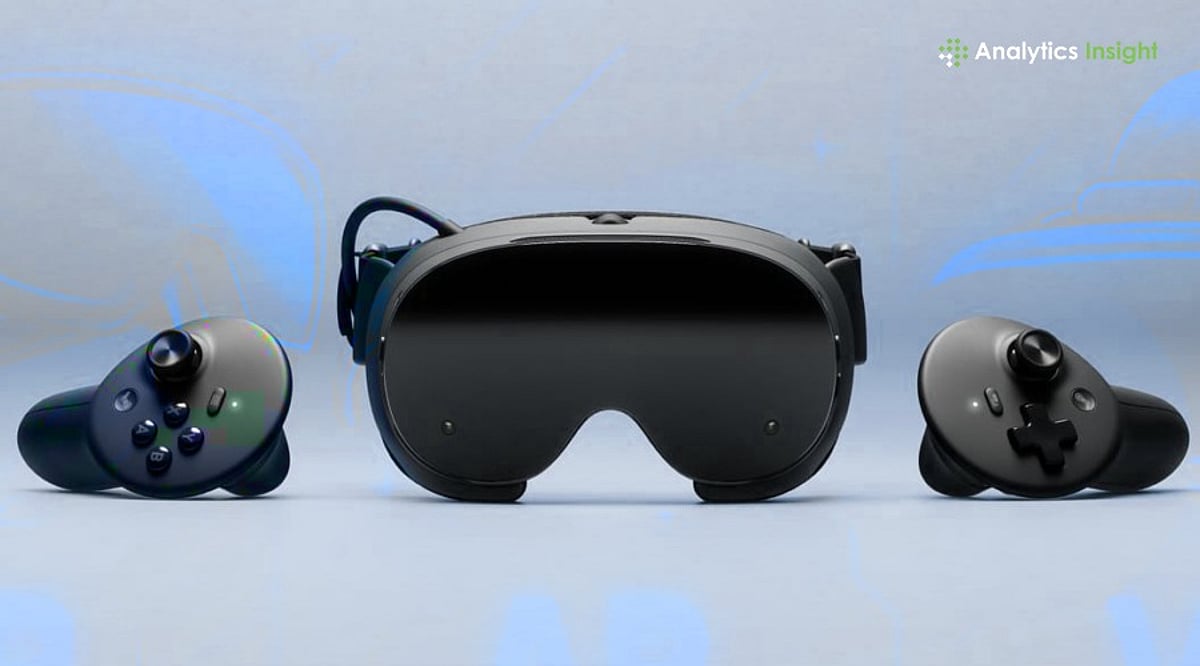
    Choosing an XR headset in 2026 involves more than comparing specs. With budget standalone devices, premium spatial computers, console headsets, and lightweight AR glasses now available, the decision depends on your budget, purpose, comfort, and compatibility. This guide breaks down the key factors to help you make a smart purchase without getting lost in technical jargon.

    Checklist for Choosing a VR Headset in 2026

    Start by defining your primary use case. Gaming, fitness, design work, and remote meetings each require different hardware. List your top three planned activities to narrow your options.

    Check compatibility carefully. Some headsets require a console, a powerful PC, or a specific phone. Many buyers assume cross-platform support exists, which can lead to early disappointment.

    Explore app availability in each platform’s store, as libraries vary widely. Comfort matters more than expected—proper weight distribution prevents fatigue during long sessions. Beware of marketing gimmicks; don’t choose based on resolution numbers alone. An ‘AR-ready’ label does not guarantee full VR support, and battery life is crucial in multi-user modes.

    Insights & Cost Analysis

    Price remains the clearest dividing line. Total cost of ownership tells a better story than the sticker price.

    • Entry-level standalone headsets: Meta Quest 3S at $299, Meta Quest 3 at $499. No subscription needed; accessories are affordable.
    • Mid-range devices: Samsung Galaxy XR around $599. Offers on-device AI but has a smaller software library.
    • Premium spatial computers: Apple Vision Pro at $3,499, plus AppleCare and software pushing first-year cost near $3,900.

    For most shoppers, a standalone headset delivers great value. A premium pick makes sense only when spatial anchoring is essential for your work.

    Better Solutions & Competitor Analysis

    No single headset suits everyone. Developers building spatial apps often prefer Apple Vision Pro for its mature platform. Enterprise buyers needing industrial precision choose Varjo XR-4 or Magic Leap 2. Educators running large VR labs favor Meta Quest 3S for easy management. Remote teams can use Android XR devices for smoother workplace tool integration.

    Customer Feedback Synthesis

    Standalone headsets earn praise for easy setup and reliable tracking. Premium devices excel in eye-tracking accuracy and audio quality, but battery drain during long sessions remains a complaint. Passthrough camera quality is a common drawback across budget and mid-range models—users describe it as soft or low contrast. On the positive side, motion sickness complaints have dropped sharply due to higher refresh rates and smarter rendering in 2026 models.

    Maintenance, Safety & Legal Considerations

    Extend your headset’s life by cleaning lenses with a microfiber cloth only—avoid alcohol or rough materials. Store in a cool, dry place (below 30°C). Keep firmware updated to prevent tracking drift. No government currently regulates headset use at work, but general safety guidelines recommend a 20-minute break per hour of near-eye display use.

    Conclusion

    First-time buyers wanting gaming or fitness will do well with a standalone headset like Quest 3S. Professionals needing precise spatial anchoring should consider a premium spatial computer. Those tied to a specific phone ecosystem may find hybrid AR devices the smoothest fit, accepting a smaller app library. For personal screens during travel or media consumption, light AR glasses are often better than a full headset. Match the device to your real use case for the best purchase.

    FAQs

    1. What is the difference between VR and AR headsets? VR creates a fully virtual environment; AR overlays digital content onto the real world. Mixed reality combines both.
    2. Which XR headset is best for beginners in 2026? Standalone headsets like Meta Quest 3S are affordable, easy to set up, and require no PC or console.
    3. Is Apple Vision Pro worth buying in 2026? It’s best for professionals, developers, and enterprise users needing advanced spatial computing. Casual users may find better value in standalone headsets.
    4. What should I check before buying? Primary use case, compatibility, app availability, comfort, battery life, and total ownership cost.
    5. How to maintain my headset? Clean lenses with microfiber cloth, store in a cool dry place, update firmware, avoid heat and direct sunlight.
  • ARtGlass Brings History to Life with Wearable Augmented Reality for Cultural Tourism

    ARtGlass Brings History to Life with Wearable Augmented Reality for Cultural Tourism

    ARtGlass, a global leader in wearable augmented reality (AR) experiences for cultural and heritage tourism, is transforming how visitors interact with historic sites. By combining advanced AR glasses with immersive storytelling, the company creates unforgettable experiences that blend digital visuals with real-world environments.

    Founded on the vision of making history accessible and engaging, ARtGlass provides software and services for museums, historic sites, and attractions. Its proprietary TourBuilder platform enables the creation of unique, interactive tours tailored to each location’s stories. The company is best known for its hands-free, transparent smartglasses that overlay AR content onto the real world, allowing visitors to see historical events unfold before their eyes.

    One standout example is the Hegra Alive experience, launched in November 2023 at Hegra, Saudi Arabia’s first UNESCO World Heritage site. Developed in partnership with the Royal Commission for AlUla and NOUS Digital, this two-hour extended reality (XR) tour uses smartglasses to display 3D visuals, holograms, and reenactments. Visitors explore Nabataean tombs and ceremonial spaces guided by local Rawis, supporting Saudi Arabia’s Vision 2030 for sustainable tourism. This was the first XR experience on smartglasses in the Middle East.

    ARtGlass continues to collaborate with cultural institutions worldwide, from Pompeii to other iconic locations, ensuring that history is not just observed but experienced. The company’s work demonstrates the potential of AR to revolutionize cultural tourism, making the past vivid and interactive for modern audiences.

  • Top AR/VR and AI Developments: From Apple Vision Pro to Generative AI in Gaming

    Top AR/VR and AI Developments: From Apple Vision Pro to Generative AI in Gaming

    The world of augmented reality (AR), virtual reality (VR), and artificial intelligence (AI) continues to evolve rapidly. Recent headlines highlight how these technologies are converging to reshape industries from entertainment to manufacturing. Here’s a roundup of key stories.

    Apple Vision Pro Ushers in a New Era of Spatial Computing

    Apple’s Vision Pro headset marks a significant milestone in AR technology. With spatial computing expected to dominate the global tech market, the device is poised to test multiple industries, from healthcare to education, by blending digital content seamlessly with the physical world.

    Microsoft and Inworld AI Partner on Generative AI for Xbox

    Microsoft has joined forces with Inworld AI to develop generative AI tools for Xbox game developers. This collaboration showcases how AI is extending beyond business digital transformation into entertainment, enabling more dynamic and responsive gaming experiences.

    Web3, AI, and the Metaverse Transform the Music Industry

    The metaverse is revolutionizing the music industry, with artists like Robbie Williams venturing into Web3 spaces. Virtual concerts and AI-driven experiences are creating new revenue streams and fan engagement models.

    Asian Games 2023 Embraces AI and Eco-Friendly Tech

    Held in Hangzhou, China, the Asian Games 2023 features esports as a medal event for the first time. The event also showcases AI and eco-friendly technologies, highlighting digital transformation on a global stage.

    Deloitte: Industrial Metaverse to Transform Manufacturing

    A report from Deloitte reveals that most manufacturing companies are leveraging the industrial metaverse. However, cybersecurity and data protection remain key concerns as factories become more digitized.

    Virtual Marriage: Woman ‘Marries’ AI-Powered Partner

    In a sign of emerging trends, a woman has entered into a virtual ‘marriage’ with an AI-powered partner. This unconventional union raises questions about the future of relationships and markets in a digitally connected world.

    Top 10 Augmented Reality Companies for Business

    Augmented reality is building on the Internet of Things (IoT) to unlock new commercial opportunities. From Pokémon Go to enterprise solutions, AR is expected to redefine how businesses interact with the physical world.

    Stay tuned for more updates as AR, VR, and AI continue to shape our future.