Tag: artificial general intelligence

  • NVIDIA CEO Jensen Huang: OpenAI GPT-6 Astra Marks the Arrival of AGI

    NVIDIA CEO Jensen Huang: OpenAI GPT-6 Astra Marks the Arrival of AGI

    NVIDIA CEO Jensen Huang has declared that artificial general intelligence (AGI) has officially arrived, attributing the milestone to OpenAI’s newly launched GPT-6 Astra model. In a post on X (formerly Twitter) on September 6, Huang congratulated OpenAI and noted that the journey from ChatGPT to o1 to Astra took just four years. He emphasized that Astra was trained using more than 100,000 NVIDIA Grace Blackwell NVLink72 systems, with an additional 400,000 GPUs expected to come online soon. Huang initially posted a figure of 300,000 systems before deleting and correcting it to the smaller number.

    OpenAI launched GPT-6 Astra on September 3, describing it as its most capable and aligned model to date. The company claims Astra achieves state-of-the-art performance on benchmarks such as FrontierMath Tier 4, ARC-AGI-3, and TerminalBench-4.0, and scored 100 percent on ExploitBench. The model is designed to handle a wide range of tasks, including computer use, software engineering, cybersecurity, and scientific research. OpenAI President Greg Brockman had already framed the launch as the beginning of the AGI era, and Huang’s endorsement added external weight to that claim.

    However, the AGI label remains contentious. There is no universally accepted definition of AGI across the industry. OpenAI itself defines it as a highly autonomous system that outperforms humans at most economically valuable work. Many researchers argue that Astra still requires task-specific guidance in several areas and has not been independently verified to match human-level reasoning across all domains. Huang’s declaration has drawn pushback from AI researchers who view it as more of a marketing statement than a technical milestone, especially given NVIDIA’s financial stake in large-scale AI training runs. The debate over what truly constitutes AGI is likely to intensify as more labs release models with similar claims.

  • Google DeepMind CEO Demis Hassabis Urges Global AGI Safety Regulations Before It’s Too Late

    Google DeepMind CEO Demis Hassabis Urges Global AGI Safety Regulations Before It’s Too Late

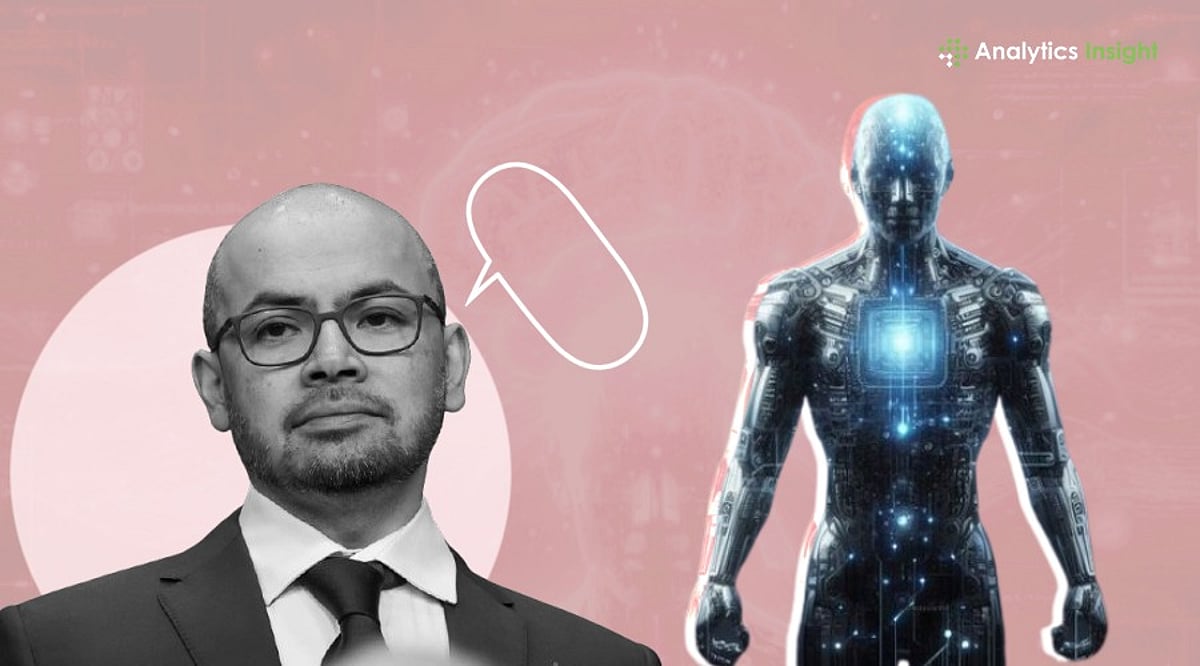
    Google DeepMind CEO Demis Hassabis has issued a stark warning to world leaders: the window to prepare for Artificial General Intelligence (AGI) is closing fast, and robust safety rules must be established before more powerful systems are deployed.

    In a recent essay, Hassabis emphasized that AGI—an AI capable of performing any intellectual task that a human can—may become a reality within just a few years. He called for an international body to test advanced AI models before release, arguing that proactive regulation is essential to mitigate risks.

    What Is AGI and Why Does Hassabis Want Caution?

    Unlike today’s narrow AI, which excels at specific tasks like writing or coding, AGI would handle diverse challenges, learn autonomously, and solve problems much like a human. Hassabis wrote that AGI is “just a few short years away” and urged governments, researchers, and companies to collaborate rather than compete without safeguards.

    “We’ve already seen the challenges frontier models pose for cybersecurity, and other threats, including nuclear and bio risks, may soon emerge as capabilities continue to advance,” he said.

    Why AI Safety Matters More Than the Race for Better Models

    The AI industry has prioritized speed and capability, but Hassabis argues that safety deserves equal attention. As AI grows smarter, the potential damage from mistakes or misuse escalates. He advocates for global safety standards, independent testing, and regular reviews to ensure responsible development without stifling progress.

    The World Needs to Prepare Together

    Hassabis stressed that countries must act now—not later. Governments need updated laws, businesses must exercise caution, educational institutions should teach AI-relevant skills, and cybersecurity teams must anticipate new threats. “The world still has a chance to get ready. However, it may not last for long,” he concluded.

  • 9 Breakthrough Technologies Set to Transform Our World by 2026

    9 Breakthrough Technologies Set to Transform Our World by 2026

    From artificial general intelligence to fusion energy, the next few years will witness the real-world deployment of technologies that were once confined to science fiction. Here are nine groundbreaking innovations becoming reality in 2026.

    Artificial General Intelligence

    AI systems are evolving to perform increasingly complex reasoning, automate professional workflows, and assist industries with faster, smarter, and more reliable decision-making capabilities.

    Quantum Computing

    Quantum processors are now tackling specialized computational problems beyond the reach of traditional computers, accelerating scientific research, cryptography, logistics, and pharmaceutical discoveries worldwide.

    Humanoid Robots

    Human-like robots are entering workplaces, assisting in manufacturing, healthcare, hospitality, and logistics with improved mobility, intelligence, adaptability, and collaborative automation capabilities.

    6G Connectivity

    Next-generation wireless networks promise ultra-fast communication, minimal latency, immersive experiences, and seamless connections supporting billions of smart devices globally.

    Fusion Energy

    Experimental fusion reactors are achieving significant milestones, bringing cleaner, sustainable electricity generation closer while reducing dependence on fossil fuels worldwide.

    Brain-Computer Interfaces

    Advanced neural interfaces improve communication, rehabilitation, accessibility, and medical treatments by enabling direct interaction between human brains and digital devices.

    Autonomous Transportation

    Self-driving vehicles, delivery robots, and autonomous drones are expanding commercial deployment, improving logistics efficiency, urban mobility, and transportation safety significantly.

    Spatial Computing

    Mixed reality technologies merge physical and virtual environments, transforming education, entertainment, engineering, healthcare, and collaborative workplace experiences across industries.

    AI Drug Discovery

    Artificial intelligence accelerates pharmaceutical research by identifying promising compounds, reducing development timelines, improving precision, and supporting personalized medicine innovations.

  • DeepMind Company Profile: Business Model, Leadership, and AI Breakthroughs

    DeepMind Company Profile: Business Model, Leadership, and AI Breakthroughs

    DeepMind, a subsidiary of Alphabet Inc., is widely regarded as the world’s leading artificial intelligence research lab, with a mission to create artificial general intelligence. Known for groundbreaking achievements such as AlphaGo and AlphaFold, DeepMind applies deep learning and reinforcement learning to solve complex problems in science, healthcare, and technology, driving a global transformation in AI. Below is an in-depth look at the DeepMind company profile.

    About the Company

    Google DeepMind is a premier AI research lab within Alphabet, dedicated to building safe and ethical AI for positive impact. The lab has made significant contributions to science and technology through high-profile innovations like AlphaGo, AlphaFold, and the original transformer architecture. Beyond research, DeepMind prioritizes responsibility, inclusivity, and collaboration to ensure AI innovations are deployed safely and ethically. Its work demonstrates AI’s potential as a trusted partner working alongside human intelligence to drive discovery, deliver solutions, and create new approaches to pressing global challenges in health, climate, and beyond.

    Core Leadership Team

    DeepMind’s leadership comprises experts in AI, machine learning, and ethics, guiding the lab’s strategic direction and research priorities. Key figures include founders and senior executives who oversee operations, research, and partnerships, ensuring alignment with Alphabet’s broader goals.

    Revenue Streams

    DeepMind generates revenue primarily through its parent company Alphabet by delivering advanced AI research and solutions. Income sources include internal service agreements with Google, technology licensing (e.g., WaveNet), scientific research partnerships, and limited healthcare collaborations. While DeepMind does not sell directly to consumers, its innovations are embedded into Google products, creating indirect value across Alphabet’s global ecosystem. This positions DeepMind as both a cutting-edge research hub and a strategic enabler of enterprise-scale AI impact.

    B2B Client Segments and Target Companies

    • Client Segments: Alphabet Inc. (Google), Public Sector Institutions, Research Organizations, Healthcare Providers, AI Developers
    • Target Companies: Large Enterprises, Government Bodies, Research Labs, Cloud Platforms
    • Target Geography: Global, including North America, Europe, and selected regions in Asia-Pacific

    Social Media and Contact

    Follow DeepMind on Facebook, Twitter, LinkedIn, YouTube, and visit their official website for the latest updates.