
Tag: asset management

  • Grayscale Zcash ETF Surpasses $1B in Assets Amid ZEC Price Rally

    Grayscale Zcash ETF Surpasses $1B in Assets Amid ZEC Price Rally

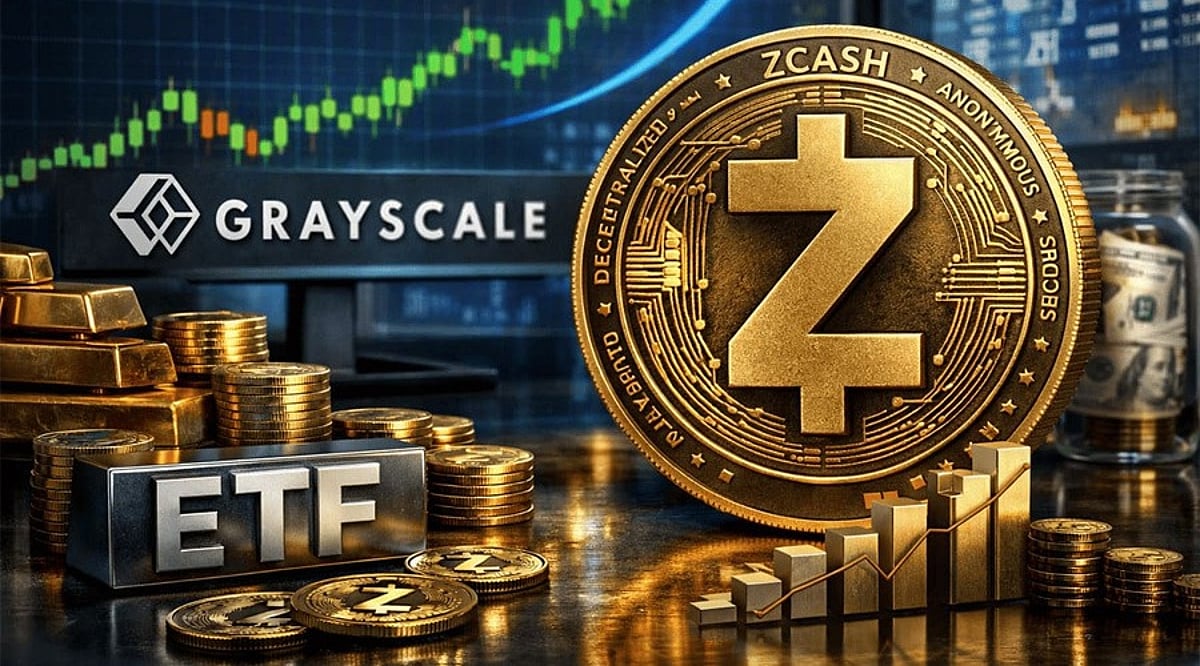
    Grayscale’s Zcash ETF (ticker: ZCSH) reached $1 billion in assets under management on September 24, less than a month after its debut on NYSE Arca. The milestone was driven by a combination of new investment, a sharp rise in Zcash’s (ZEC) price, and the value of ZEC tokens the fund already held before listing.

    How Much New Investment Did ZCSH Attract?

    Grayscale described the achievement as ‘$1B in AUM,’ but that figure reflects the total value of the fund’s assets, not solely new cash inflows. Data from SoSoValue shows cumulative net inflows of $306.12 million as of September 24, against roughly $1 billion in net assets.

    However, not all inflows represent fresh cash. A filing reveals that DCG International Investments—part of Grayscale’s parent group—acquired about $100 million of ZCSH shares on September 8 in exchange for 85,705 ZEC tokens. This in-kind transaction swapped tokens for shares, rather than adding new cash. Subtracting that leaves roughly $206 million in other reported net inflows, though the net figure may include other transaction types and does not specify how much came from outside investors’ cash purchases.

    Why Did the Fund’s Assets Grow Faster Than Inflows?

    ZCSH began exchange trading on August 25 as a conversion of the older Grayscale Zcash Trust, which already held ZEC. The ETF listing did not mark the start of its holdings; the trust had accumulated tokens beforehand. A September filing lists the Grayscale Zcash Trust as the ETF’s former name.

    ZEC’s price also surged after listing. According to CoinMarketCap, the token traded near $1,530 around the September 24 milestone—roughly double its price when ETF trading began. This price increase boosted the dollar value of ZEC already in the fund, lifting AUM without a corresponding rise in the number of tokens held.

    That distinction matters when interpreting the $1 billion figure. Existing holdings contributed to the fund’s starting size, while price changes altered their reported value. Net inflows track a separate metric: additions to the fund after accounting for withdrawals.

    What Happens Next for ZCSH Shareholders?

    Grayscale has announced a three-for-one share split. Shareholders of record at the close on September 28 will receive two additional shares for each share held. The split is expected to take effect before trading opens on September 30, with ZCSH retaining the same ticker.

    The net asset value per share will fall to about one-third of its previous level as the share count triples. The split itself does not add ZEC or change the total value of an investor’s holding. After it takes effect, ZEC’s price and changes in the fund’s holdings will continue to determine its assets under management.

    Also Read: 21Shares Launches ether.fi and Zcash ETPs Across Europe
  • Indian Bank Enters Life Insurance and Asset Management, Eyes Dubai Office and Southeast Asia Growth

    Indian Bank Enters Life Insurance and Asset Management, Eyes Dubai Office and Southeast Asia Growth

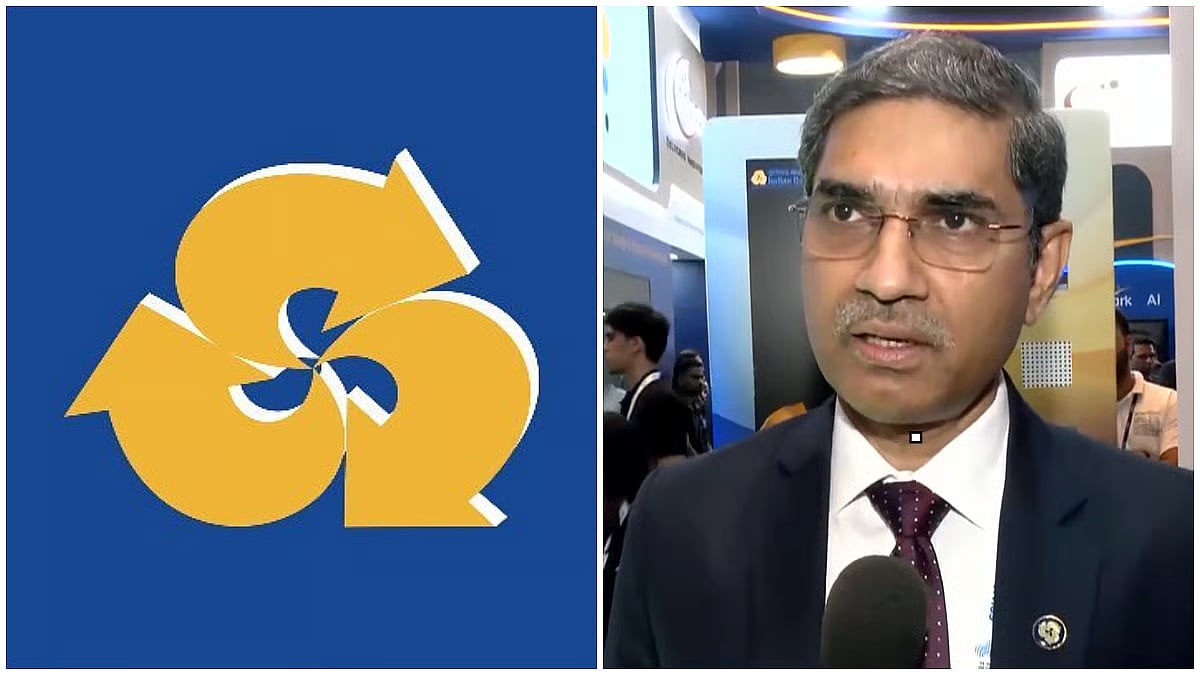
    Indian Bank is moving ahead with plans to enter the life insurance and asset management businesses as part of its wider growth strategy. The public sector lender will seek board approval for the proposed ventures before starting discussions with potential partners and approaching regulators, Managing Director and CEO Binod Kumar said.

    The bank is also expanding its international presence. It plans to open a representative office in Dubai and is studying possible opportunities in Malaysia and Indonesia.

    Insurance and Asset Management

    Indian Bank’s proposed entry into life insurance and asset management remains on schedule, Kumar told PTI. The lender is considering whether to establish subsidiaries or joint ventures for the two businesses.

    “It is very much on track. We are in the process of seeking board approval and thereafter initiating other relevant regulatory and administrative processes,” Kumar said.

    Once the board clears the proposals, Indian Bank will begin the next stage, including selecting partners and completing regulatory requirements. According to Kumar, finding the right partner will remain one of the main steps before the bank starts operations in the new businesses.

    “It will take time, say one year or so. Identifying a good partner is the most essential part of that. If you have a good partner, wealth creation is faster,” he said.

    Kumar said subsidiaries and joint ventures can help financial institutions create new revenue sources while building their brands in other parts of the financial services market.

    Indian Bank already has exposure to the insurance sector through its 28.52% stake in Universal Sompo General Insurance Company. The stake became part of Indian Bank after Allahabad Bank merged with the lender in 2020.

    Indian Bank Expands Insurance Presence

    Universal Sompo General Insurance began operations in 2007 as a joint venture involving several Indian financial institutions and companies. Indian Bank currently owns 28.52%, while Indian Overseas Bank holds 18.06% and Karnataka Bank owns 6%.

    Dabur Investment Corp holds a 12.81% stake. Japan-based Sompo Japan Insurance Inc is the largest shareholder with a 34.61% holding.

    However, the proposed life insurance business would expand Indian Bank’s presence into another part of the insurance market. Its planned asset management venture would also allow the bank to enter the investment management business after receiving the required approvals.

    Indian Bank did not announce potential partners for either venture. Kumar said the process may take about a year as the lender evaluates its options and completes the required steps.

    Overseas Growth Plans

    Indian Bank is also working to increase its overseas presence. Kumar said the lender plans to open a representative office in Dubai to tap business linked to the large Indian community living and working across West Asia.

    “My aim now is to open a rep office in Dubai,” Kumar said, adding that the bank sees business opportunities from non-resident Indians in the region.

    The bank’s board has already approved the Dubai representative office. Indian Bank is now seeking the remaining regulatory clearances before it can start operations there.

    Indian Bank currently operates a full-service international branch in Singapore and branches in Colombo and Jaffna in Sri Lanka. It also runs an IFSC Banking Unit at GIFT City in Gandhinagar, which functions as an offshore branch.

    “We are getting good business from our GIFT City branch, including participation in various syndicated loans,” Kumar said.

    Along with Dubai, Indian Bank is studying possible expansion into Malaysia and Indonesia. The lender has not provided a timeline or operating model for entering those two markets.

  • US Government Transfers $250M in Seized Bitcoin to Coinbase Prime, Sparking Sale Concerns

    US Government Transfers $250M in Seized Bitcoin to Coinbase Prime, Sparking Sale Concerns

    The United States government has moved approximately 3,941 Bitcoin—valued at roughly $250 million—to Coinbase Prime, according to blockchain data tracked by Arkham Intelligence. The transfer, which occurred on July 13, involved assets seized from major federal cases and has reignited speculation about potential government sales of digital assets.

    Bitcoin was trading below $64,000 at the time of the move, and the transaction immediately drew market attention because government-controlled wallets can influence liquidity. While the transfer followed an established custody process, it raised a key question: Is this routine asset management or a precursor to future Bitcoin sales?

    Seized Bitcoin Moves into Coinbase Prime Custody

    Arkham Intelligence recorded three separate Bitcoin transfers totaling 3,941 BTC. The largest movement involved roughly 2,875 BTC linked to wallets labeled “Ryan Farace Seized Funds.” Federal authorities originally seized those assets during a 2021 investigation into money laundering, for which Ryan Farace was convicted. The transferred amount closely matched the original confiscated balance, along with an additional 58.742155166 BTC connected to the same case.

    Another transfer moved 926 BTC from wallets labeled “BTC-e Seized Funds.” These assets were confiscated after the shutdown of the BTC-e exchange in 2017, which prosecutors linked to more than $9 billion in illicit transactions involving ransomware, hacking, and other criminal activity. Alexander Vinnik later pleaded guilty to conspiracy to commit money laundering in 2024.

    A separate transfer of about 140 BTC completed the day’s movements. Collectively, the transactions reflected the continued management of judicially seized digital assets by the U.S. Department of Justice rather than a new seizure operation.

    Existing Government Process Guided the Transfer

    The Bitcoin transfers followed an existing custody arrangement between federal agencies and Coinbase Prime. In July 2024, the U.S. Marshals Service selected Coinbase Prime to provide custody and trading services for major cryptocurrencies under government control. As a result, transferring Bitcoin into Coinbase Prime represented a standard operational step within that agreement. The movement itself did not confirm that authorities had already sold any of the transferred assets.

    Earlier administrative actions also supported that timeline. In January 2024, the U.S. government published a formal notice announcing its intention to dispose of 2,933.64 BTC from the Farace case after completing the required legal procedures, including a period for third-party ownership claims.

    Government Expands Centralized Crypto Asset Management

    Besides the Bitcoin transfers, authorities also moved other seized digital assets into Coinbase Prime, including 30,007 Ether associated with wallets labeled “Brian Krewson Confiscated Funds.” Court documents stated that Brian Krewson did not face direct criminal prosecution. Instead, the Department of Justice pursued a civil forfeiture case involving the Ether, which investigators said Christopher Castelluzzo and Luke Atwell purchased with proceeds from illicit activities for about $9,000. According to the filings, Krewson managed the wallets while his associates remained incarcerated.

    The broader consolidation places multiple government-held digital assets under a single institutional platform. Federal agencies now manage a portfolio estimated at more than 328,225 BTC, valued at over $20 billion. The transfer gives authorities the flexibility to conduct over-the-counter sales through Coinbase Prime instead of relying on public auctions, which could reduce direct pressure on public exchange order books while allowing the government to manage future disposals under its existing administrative framework.

    What’s Next?

    The United States transferred 3,941 Bitcoin worth about $250 million to Coinbase Prime through an established judicial asset management process. The funds originated from major seizure cases, while the move expanded centralized custody and gave authorities greater flexibility for any future over-the-counter asset disposals.

  • SBI Funds Management IPO Opens July 14: Shareholder Quota Details and Key Dates

    SBI Funds Management IPO Opens July 14: Shareholder Quota Details and Key Dates

    SBI Funds Management, one of India’s largest asset management companies, is set to launch its Rs 11,693-crore initial public offering (IPO) next week, with shares expected to list on the BSE and NSE on July 21. The issue opens for subscription on July 14 and closes on July 16, with a price band of Rs 545–574 per share, valuing the company at approximately Rs 1.17 lakh crore post-listing.

    IPO Structure and Key Dates

    The entire offering is structured as an offer for sale, meaning no fresh shares are being issued. Existing promoters State Bank of India (SBI) and Amundi India Holding are offloading up to 20.39 crore shares, representing a combined 10% stake. Anchor investor bidding begins a day earlier, on July 13. Allotment is expected to be finalized on July 17–18, with refunds and share credits scheduled for July 20, just ahead of the listing.

    Shareholder Quota and Eligibility

    Existing SBI shareholders have a unique reservation category. The bank has reserved about 1.3 crore shares, valued at nearly Rs 750 crore, for its shareholders. This represents approximately 6.41% of the entire offering. To be eligible, investors must hold SBI shares in their demat accounts up to the IPO’s record date. Shares purchased after that date will not qualify for this category.

    Unlike many IPOs, there is no price discount for SBI shareholders. However, eligible SBI employees have been allotted shares worth about Rs 170 crore at a discount of Rs 54 per share. The allotment breakdown is: 50% for qualified institutional buyers, 35% for retail investors, and 15% for non-institutional investors.

    Company Financials and Backing

    SBI Funds Management held a 15.4% market share in mutual funds as of December 2025, with quarterly average assets under management of Rs 12,49,970 crore. The company’s income rose from Rs 3,426 crore in FY24 to Rs 4,236 crore in FY25, while profit after tax increased from Rs 2,073 crore to Rs 2,540 crore—representing an approximate 17% increase in income and 21% in profit after tax. The IPO has received backing from prominent investors such as ADIA and GIC.

    This listing represents a substantial gain for SBI from an investment made decades ago. SBI acquired a 61.73% equity stake in SBI Funds Management at a weighted average cost of just Rs 0.15 per share, which is now valued at about Rs 68,670 crore.

    With strong institutional interest and the company’s market leadership, the listing will be closely watched as a key indicator of investor confidence in India’s asset management sector.