
Tag: asset tracking

  • How Bluetooth Beacons Transform Indoor Spaces into Connected Environments

    How Bluetooth Beacons Transform Indoor Spaces into Connected Environments

    Finding a specific item in a large facility sounds simple, but it becomes challenging when that item is constantly moving. A hospital cart may shift floors, a warehouse tool may transfer between stations, or a visitor may struggle to navigate a sprawling venue. Bluetooth beacons offer a practical solution, making spaces easier to navigate and track.

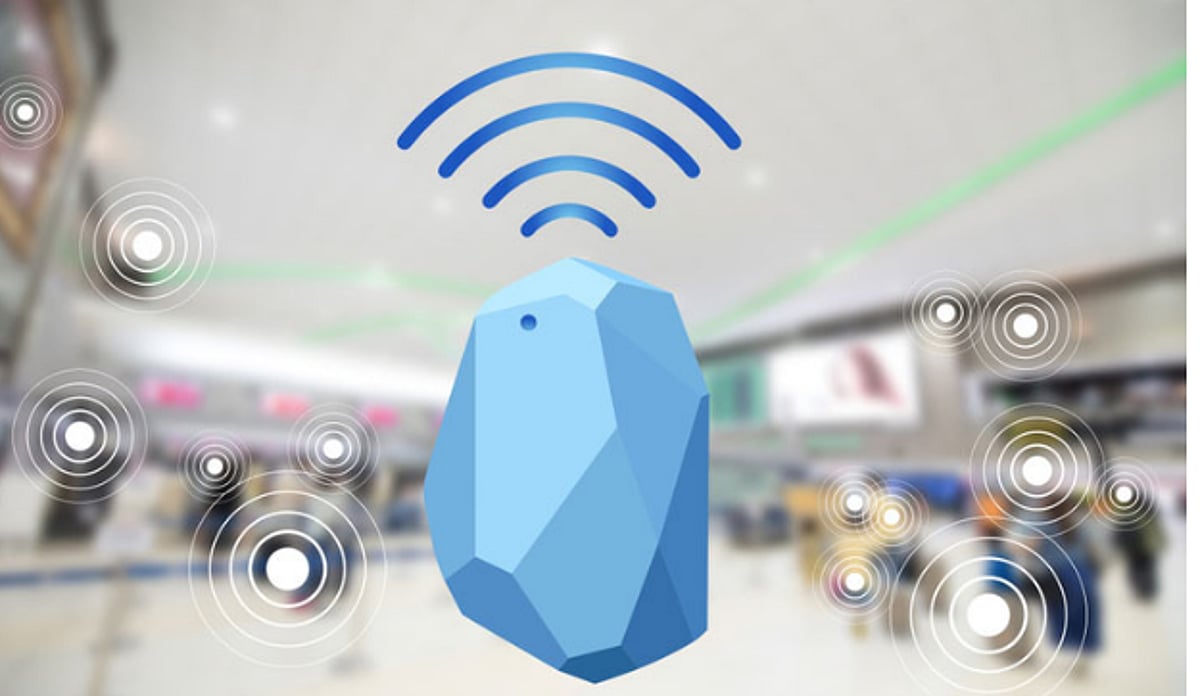
    This technology uses Bluetooth Low Energy (BLE) transceivers to send and receive small data packets to and from enabled devices like smartphones or gateways. The system doesn’t require constant communication with every receiver; beacons simply broadcast information at regular intervals. A device within range picks up the signal and forwards it to a program or management system, which then makes decisions and performs actions.

    What Makes a Bluetooth Beacon Useful?

    The primary advantage is simplicity. Beacons don’t need to stay connected to every receiver—they only broadcast packets periodically. A warehouse management system can detect a tagged trolley entering a loading bay, a museum app can recognize a visitor near an exhibit, or an office system can track equipment moving between rooms. All this is possible without attaching complex, power-hungry computers to every object.

    Bluetooth Low Energy Helps Save Power

    Battery life is critical when deploying dozens or hundreds of wireless devices. BLE was designed for short message exchanges, allowing transmitters to enter sleep mode after sending a signal and wake up only when needed. Battery longevity depends on transmitter power, broadcast frequency, battery size, temperature, and other factors. Striking a balance between update frequency and power conservation is essential.

    Why Indoor Tracking Needs Different Technology

    GPS works well outdoors but fails indoors due to signal blockage by walls and ceilings. Bluetooth beacons circumvent this by using a network of receivers inside buildings that pick up signals from wireless devices and relay them to software. The software processes data to determine an object’s location—often down to the floor or department rather than centimeter-level precision, which is sufficient for many business needs.

    Practical Uses Across Different Industries

    • Asset tracking: In large warehouses, wireless tags help workers quickly locate tools, containers, and vehicles.
    • Healthcare: Portable medical equipment can be found faster, saving critical time for hospital staff.
    • Retail: Apps recognize when a customer enters a section and provide relevant information or directions.
    • Indoor positioning: Airports, museums, universities, and conferences use beacon-based systems to replace physical signs with digital guidance.
    • Manufacturing: Production chains can be monitored automatically, reducing manual checks.

    Understanding Range and Location Accuracy

    Signal strength can indicate proximity, but real-world obstacles like walls, metal shelves, people, and other wireless devices distort signals. Therefore, signal strength should not be relied upon for precise distance measurement. For higher accuracy, advanced methods like direction finding using multiple antennas are available. Businesses should choose the approach that fits their needs.

    Choosing Hardware for the Real Environment

    Specifications alone don’t tell the full story. Installation environment greatly affects performance. Key questions include: How far must the signal travel? Is the device indoors or outdoors? What are the temperature extremes? How long should the battery last, and how often can it be changed? Mounting method matters too—a device on a moving vehicle differs from one on a fixed structure. Hardware should be appropriate to the task, not necessarily the toughest option.

    Software Matters as Much as the Device

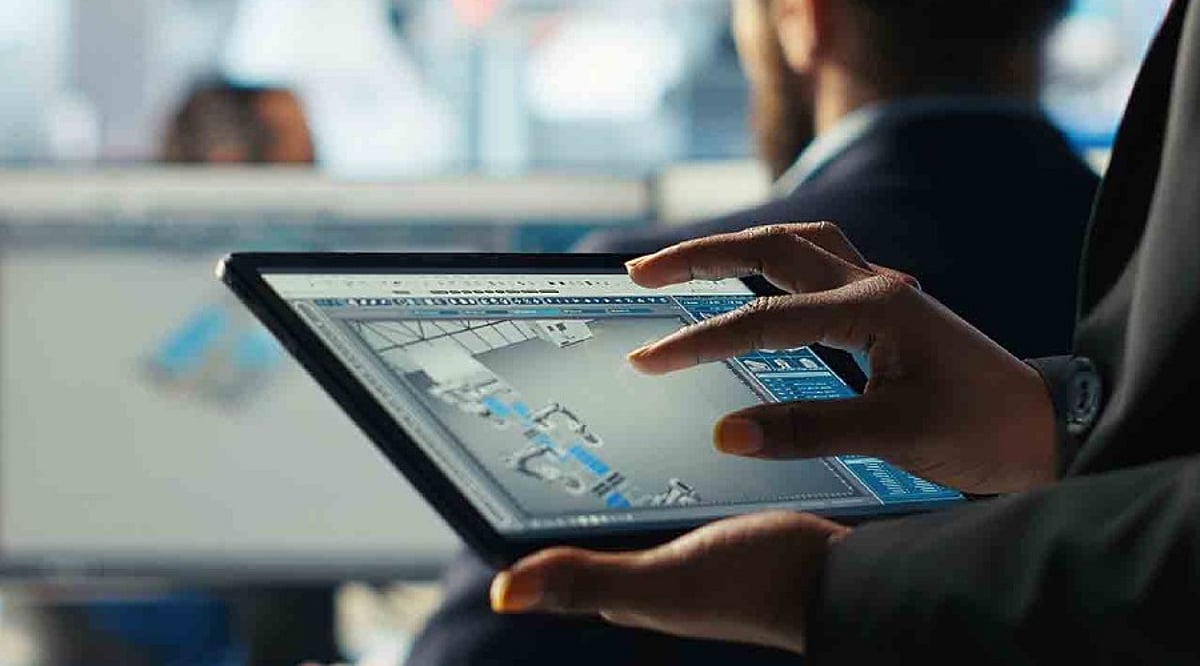
    Wireless hardware is just a transmitter; real value comes from analytics, location history, alerts, and integrations. For example, an asset management system might alert when inventory leaves a location, or a warehouse dashboard shows which aisle a container is in. Systems must integrate seamlessly with gateways, apps, APIs, cloud platforms, and existing infrastructure. Compatibility issues can derail an otherwise excellent solution.

    Security Should Be Part of the Design

    Wireless broadcasts can be intercepted by any compatible receiver. Never transmit sensitive information in open packets. Instead, send only an identifier and store data in a protected application or database. Protect device configuration with passwords, authentication, and secure firmware to prevent unauthorized changes that could affect coverage, battery life, or system integrity. When personal devices are involved, define what data can be collected and why.

    Test Before Installing at Scale

    A pilot project is crucial to avoid costly mistakes. Test devices in real environments—especially busy areas, doorways, and challenging spots like thick-walled rooms or near heavy machinery. Experiment with receiver placement; moving a gateway a few feet can improve coverage. Document factors like advertising intervals, transmit power, mounting location, battery characteristics, and firmware version. This data helps quickly resolve issues during testing.

    Building a System That Solves a Real Problem

    Start with a clear goal: locate equipment faster, enable indoor positioning, track materials, etc. Choose technologies based on the need. Systems should be built around a purpose, not complicated by unnecessary features. A Bluetooth beacon provides a simple signal, but receivers, software, network infrastructure, and planning turn that signal into something useful. Plan for maintenance—battery changes, firmware updates, and coverage checks. Realistic expectations and thorough testing make Bluetooth-based location systems practical and valuable. Successful implementations often start modestly and expand based on actual performance.
  • Real-Time Asset Tracking with Telematics: Smarter Monitoring for Business Operations

    Real-Time Asset Tracking with Telematics: Smarter Monitoring for Business Operations

    For many businesses, tracking physical assets remains a challenge. Vehicles, equipment, and tools are often spread across multiple sites, and manual methods lead to wasted time and delayed problem detection. Telematics-based smart asset tracking offers a solution by providing real-time visibility into asset location and status.

    What Is Smart Asset Tracking?

    Smart asset tracking uses connected technology to monitor physical assets in real time. A typical setup includes a tracking device on the asset, a wireless connection to transmit data, and a cloud platform where users can view the information. This gives businesses a live view of location and status.

    The key difference from traditional tracking is continuous visibility. Older methods rely on manual records, barcode scans, or team communications, which only provide occasional updates. IoT-based tracking turns assets into connected data points, allowing businesses to check status directly without waiting for reports.

    Benefits of Real-Time Asset Tracking

    Better visibility is the primary advantage. Teams can locate equipment instantly, saving time and reducing friction. Tracking also reduces risk by detecting unusual activity early—an asset moving outside normal hours can trigger alerts. This early warning helps prevent costly losses.

    Additionally, real-time data improves asset utilization. Businesses can see which assets are overused or underused, leading to smarter allocation and replacement decisions. Historical usage patterns also support long-term planning by revealing inefficiencies.

    Real-World Applications

    Asset tracking is valuable across industries. In logistics, it helps manage fleets and shipments across large areas. Devices like the GL53MG Plus ensure visibility even when continuous power is unavailable. In equipment rental, compact trackers such as the GL52RP simplify monitoring without complex installation. For industrial operations, the GV500MAP combines location tracking with vehicle data for maintenance planning.

    Best Practices for Implementation

    Start with high-priority assets—those that are expensive, frequently moved, or hard to replace. Define events that trigger alerts, such as unexpected movement or maintenance thresholds. Regularly review usage data to spot patterns and improve allocation. Finally, train staff to use the system effectively, ensuring adoption and practical use.

    Conclusion

    Smart asset tracking with telematics gives businesses a clearer view of field operations. Real-time monitoring reduces blind spots, improves control, and turns asset data into actionable insights. Whether managing trailers, rental equipment, or industrial machinery, this technology delivers reliable oversight.

  • Smart Tracker vs GPS Tracker: Key Differences, Pros, Cons, and Buying Guide (2026)

    Smart Tracker vs GPS Tracker: Key Differences, Pros, Cons, and Buying Guide (2026)

    Tracking devices have become an essential part of everyday life. People rely on them to locate lost items, protect vehicles, monitor valuable assets, and enhance security. Two popular options dominate the market: smart trackers and GPS trackers. While both help you find things, their underlying technology, functionality, and ideal use cases differ significantly. This guide breaks down everything you need to know before making a purchase.

    What Is a Smart Tracker?

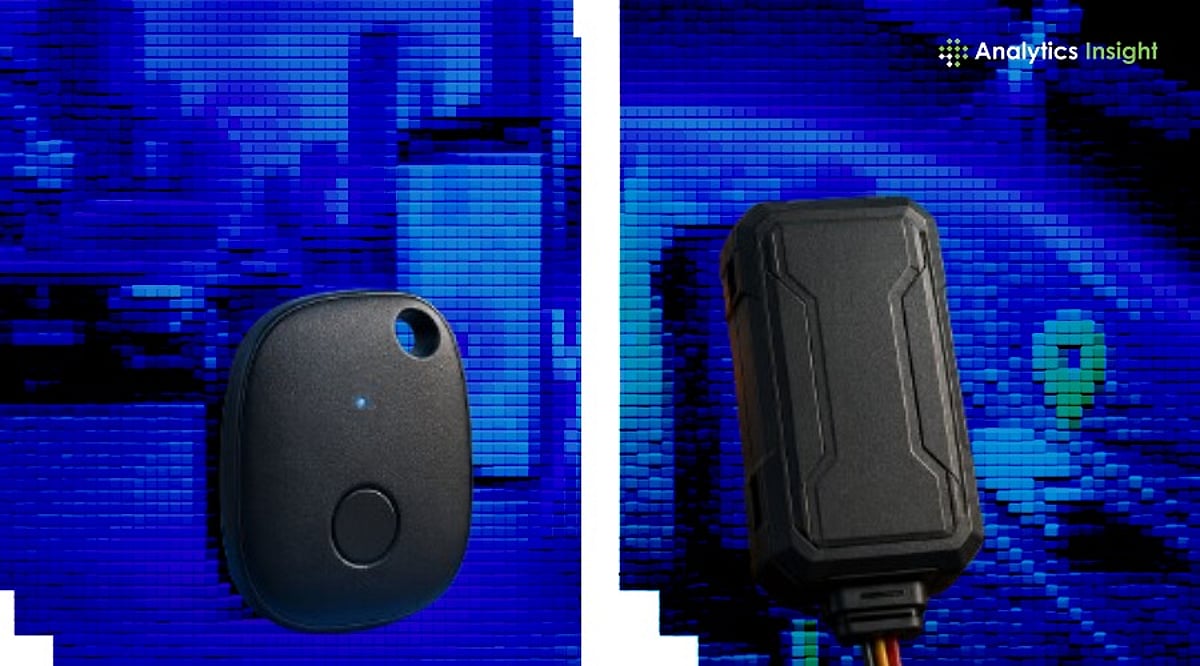
    A smart tracker is a compact device that uses Bluetooth or Ultra-Wideband (UWB) technology to help locate personal belongings. Instead of relying on satellites, it communicates with nearby smartphones or connected devices to share location data. Popular examples include Apple AirTag, Samsung Galaxy SmartTag2, and Tile trackers. Attach one to your keys, wallet, backpack, or luggage, and a companion app shows you where your item is. The global smart tracker market is projected to reach nearly $4.02 billion in 2026, with annual growth exceeding 10% as connected device usage expands.

    What Is a GPS Tracker?

    A GPS tracker uses the Global Positioning System (GPS) to determine an object’s precise location via satellites. It does not depend on nearby phones; instead, it sends location data through cellular networks. GPS trackers are commonly used in cars, trucks, motorcycles, delivery fleets, security systems, child safety devices, and pet monitoring. The GPS tracking market is even larger, expected to hit approximately $6.13 billion in 2026, with annual growth of over 13% through 2033, fueled by demand from transportation and security sectors.

    Key Differences Between Smart Trackers and GPS Trackers

    Tracking Range

    Smart trackers are limited to short ranges, typically 30 to 120 meters for Bluetooth. If an item moves beyond that range, the tracker only updates when another connected device comes near. GPS trackers, by contrast, work over any distance since they connect directly to satellites. Whether your vehicle is in another city or country, you can still see its location.

    Accuracy

    Smart trackers with UWB technology can pinpoint a lost item with great precision, guiding you directly to it. GPS trackers typically offer accuracy between 3 and 10 meters outdoors, but performance may degrade inside buildings, underground garages, or dense urban areas. For indoor searches, smart trackers excel; for outdoor movement tracking, GPS trackers are superior.

    Battery Life

    Smart trackers are low-power devices. Bluetooth uses minimal energy, so many last between six months and two years before needing a battery replacement. GPS trackers consume much more power due to constant satellite and cellular communication; battery life ranges from a few days to a few months, depending on usage. If low maintenance is a priority, smart trackers are the easier choice.

    Cost Considerations

    Smart trackers generally require a single upfront payment with no monthly fees. GPS trackers often need a SIM card, data plan, cloud storage, or subscription services, adding recurring expenses. Over time, GPS trackers can be significantly more costly.

    Best Use Cases

    • Smart trackers are ideal for everyday personal items: wallets, keys, luggage, bags, and other small objects that stay within a limited range.
    • GPS trackers suit larger security needs: cars, motorcycles, fleet vehicles, expensive equipment, children’s safety devices, and pets that roam over long distances.

    Your choice depends entirely on what you need to protect and how far it may travel.

    Latest Updates in 2026

    Tracking technology continues to advance rapidly. Invoxia recently launched the GPS Tracker Pro Max, offering live location updates every second with 4G LTE-M, Wi-Fi, Bluetooth, and a nearly six-month battery life. In the smart tracker space, Urban Armor Gear released the Metropolis Tracker Card, which supports MagSafe wireless charging, reducing battery waste. Industry experts anticipate future trackers will integrate 5G, AI-driven security alerts, geofencing, and deeper smart home connectivity.

    Final Thoughts

    Both smart trackers and GPS trackers solve distinct problems. Smart trackers are affordable, long-lasting, and perfect for everyday items and short-range recovery. GPS trackers provide robust long-distance tracking, real-time updates, and advanced security but come with higher upfront and ongoing costs. As technology evolves, both categories are becoming smarter and more capable. Base your decision on budget, range needs, security requirements, and the type of item you want to track.

    Frequently Asked Questions

    1. What is the main difference between a smart tracker and a GPS tracker? Smart trackers use Bluetooth or nearby devices; GPS trackers use satellites for real-time location.
    2. Which tracker has better battery life? Smart trackers last from six months to two years; GPS trackers last from days to months.
    3. Does a GPS tracker require a monthly payment? Most GPS trackers need a SIM card or subscription, leading to monthly charges.
    4. Can a smart tracker track a car? Smart trackers are not ideal for cars due to limited range and reliance on nearby devices.
    5. Which tracker is better for daily personal items? Smart trackers are better for wallets, keys, bags, and luggage.