
Tag: audio equipment

  • Complete Bookshelf Speakers Buying Guide: Size, Type, and Placement Tips

    Complete Bookshelf Speakers Buying Guide: Size, Type, and Placement Tips

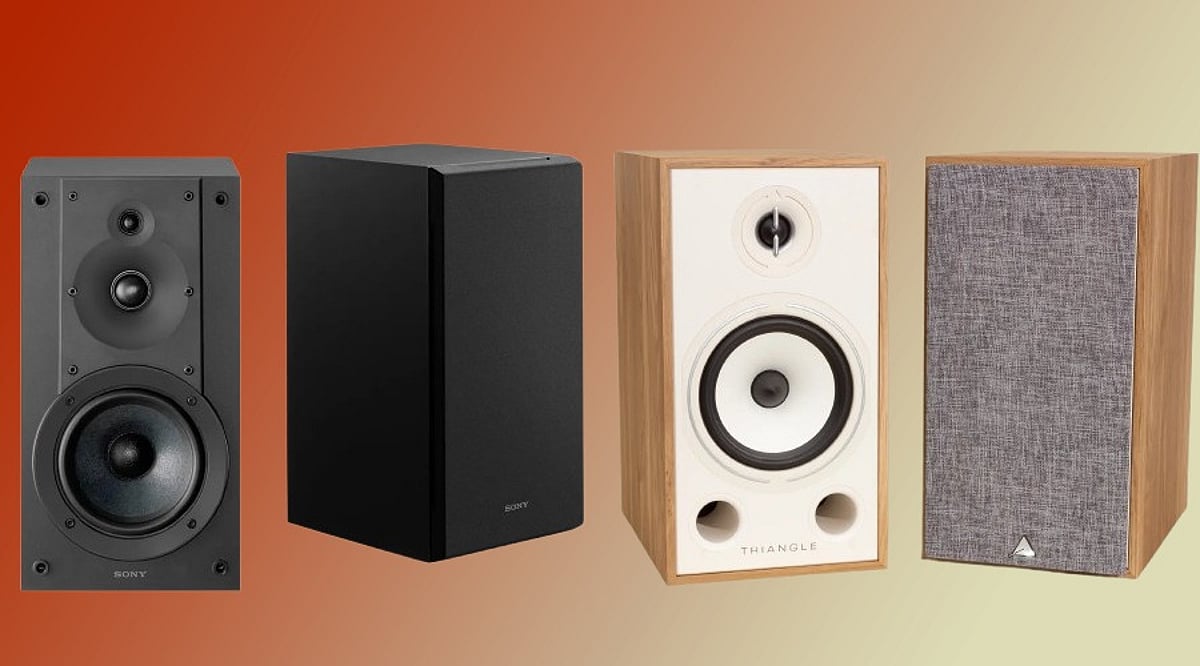
    Bookshelf speakers deliver high-quality sound in a compact form, making them a popular choice for music lovers who lack space for floor-standing systems. Selecting the right pair depends on several factors, including room dimensions, speaker type, amplifier compatibility, and listening habits. This guide covers everything you need to know before making a purchase.

    Choose Speaker Size Based on Your Room

    Larger speakers typically produce deeper bass and fill bigger rooms with sound, while smaller models excel in tighter spaces by delivering clear vocals and crisp highs without overwhelming the area. For rooms under 150 square feet, speakers with 4–5 inch drivers work well. Larger rooms of 200 square feet or more benefit from 6–8 inch drivers or the addition of a subwoofer.

    Active vs. Passive Speakers: Which Is Right for You?

    Active bookshelf speakers have a built-in amplifier, making setup quick and simple with minimal wiring. They are ideal for users who want convenience and an all-in-one solution. Passive speakers require an external amplifier or receiver, offering more flexibility for customization and future upgrades. Audiophiles often prefer passive setups, while casual listeners may favor active models for ease of use.

    Key Amplifier Features to Consider

    Modern amplifiers often include Bluetooth or Wi-Fi for wireless streaming from smartphones and computers. Bass boost, app control for volume and EQ adjustments, and compatibility with streaming services such as Spotify, Apple Music, and Tidal are valuable features that enhance the listening experience. Ensure the amplifier matches the power handling and impedance of your speakers for optimal performance.

    Top Bookshelf Speaker Brands

    Reliable brands known for high-performing bookshelf speakers include ELAC, KEF, Bowers & Wilkins, DALI, Polk Audio, and Definitive Technology. Each offers models suited to different budgets and room sizes, with consistent sound quality and durable build.

    Placement Tips for Best Sound

    Position speakers at ear level, equidistant from your listening spot, and angle them slightly inward (toe-in). Avoid placing them flush against walls to reduce unwanted reflections. Soft furnishings like carpets and curtains help tame echoes, while hard surfaces can brighten the sound. Use lossless or high-resolution audio sources to get the most from your speakers.

    Frequently Asked Questions

    1. How do I choose the right bookshelf speaker size for my room?
    Smaller rooms perform well with 4–5 inch speakers; larger spaces benefit from 6–8 inch models or a subwoofer. Matching driver size to room dimensions improves clarity and bass response.

    2. Are active or passive bookshelf speakers better?
    Active models simplify setup and reduce equipment needs. Passive speakers offer greater customization and upgrade potential, making them popular among audio enthusiasts.

    3. Do bookshelf speakers need an amplifier?
    Passive speakers always require an external amplifier. Active speakers have a built-in amplifier and can connect directly to audio sources.

    4. Where should bookshelf speakers be placed for the best sound?
    Place them at ear level, angled slightly inward, and away from walls. Keep equal distance from the listening position for a balanced soundstage.

    5. Which bookshelf speaker brands are worth considering?
    ELAC, KEF, Bowers & Wilkins, DALI, Polk Audio, and Definitive Technology are consistently recommended for their quality and performance across various budgets.

  • Best Home Theater Systems to Buy This Weekend: 2026 Weekend Deal Guide

    Best Home Theater Systems to Buy This Weekend: 2026 Weekend Deal Guide

    Weekend discounts make it a practical time to invest in a quality home theater system. From compact soundbar-based setups to immersive 5.1 surround systems, this guide compares the best home theater systems to help you make an informed purchase.

    Home Theater Buying Guide: What to Look for Before You Buy

    Wattage numbers on packaging tend to dominate marketing copy, but they rarely predict how a system will actually sound in a living room. Channel count matters more. A 5.1 setup with a dedicated center speaker will carry dialogue more clearly than a louder two-speaker setup, since the center channel is designed to separate voices from music and sound effects.

    Room size narrows the choice further. A 2.1 or 3.1 configuration suits a bedroom or small apartment, while a 5.1 system fills a full living room with genuine surround separation. Connectivity also plays an important role. HDMI ARC or eARC, an optical input, and Bluetooth pairing make setup painless and keep cable clutter to a minimum.

    Best Home Theater Systems Compared

    Supersonic SC-37HT

    A gentle way to step into real 5.1 sound. It comes with a few welcome extras built in: a DVD and CD player, FM radio, and a USB port. A natural match for an older TV that could use a boost.

    Rockville HTS45

    Built for anyone who wants bass with real weight behind it. With 800 watts of power and its own subwoofer, movies and music both land harder. Strong performance for a modest price.

    Sony HT-S40R

    The clear favorite on this list. Running at 600 watts with full 5.1 surround, it fills a room with ease. The center speaker keeps voices sharp even during noisy scenes, and a night mode softens the bass for quieter evenings. Rear speakers connect wirelessly, and the whole setup comes together in about thirty minutes.

    LG 4.1 Channel Soundbar System

    Designed to pair naturally with LG OLED and QNED TVs. It supports Dolby Digital and delivers immersive surround sound.

    Yamaha YHT-4950U

    A step into serious home theater territory. As a full receiver, it supports 4K Ultra HD passthrough and Bluetooth streaming, making it well suited to frequent movie nights.

    Yamaha YHT-5960U

    Built to last well beyond the next TV upgrade. It handles 8K HDMI passthrough and connects through Yamaha’s MusicCast for audio across multiple rooms. A solid long-term pick for a serious setup.

    How to Choose the Right Home Theater System for Your Budget

    None of these systems is really better than the others on paper. It just depends on the room and how it gets used. A tiny apartment isn’t going to get much extra value out of a $749 flagship, and anyone setting up a proper home cinema will probably outgrow a $119 starter kit within a year anyway.

    Matching the tier to the space tends to work out better than simply reaching for the most expensive option, and honestly, every system on this list is a big step up from whatever speakers came built into the TV.

    Final Thoughts

    TVs keep getting thinner, and that gap between screen and sound just keeps growing along with them. At some point, a separate audio system stops being an upgrade and starts feeling like the baseline, especially for anyone who watches movies or shows on a regular basis.

    Frequently Asked Questions

    1. What is the best home theater system for most people?
    A 5.1 home theater system offers the best balance of immersive surround sound, clear dialogue, and value for most households. It is well suited for movies, gaming, and everyday TV viewing.

    2. Is a soundbar better than a home theater system?
    A soundbar is ideal for smaller rooms and simple setups, while a full home theater system with dedicated speakers delivers a more immersive surround sound experience for larger spaces.

    3. What should I look for before buying a home theater system?
    Consider your room size, channel configuration, RMS output, connectivity options like HDMI ARC or eARC, Bluetooth support, and compatibility with your TV before making a purchase.

    4. Is a 5.1 home theater system worth buying?
    Yes. A 5.1 system provides dedicated front, center, rear speakers, and a subwoofer, creating a more realistic surround sound experience than standard TV speakers or basic stereo systems.

    5. Can I connect a home theater system to a smart TV?
    Most modern home theater systems support HDMI ARC/eARC, optical audio, and Bluetooth, making them compatible with the majority of smart TVs for quick and easy setup.