

Tag: audio technology

  • The Wireless Audio Revolution: How Bluetooth Is Reshaping Everyday Listening

    The Wireless Audio Revolution: How Bluetooth Is Reshaping Everyday Listening

    Bluetooth has fundamentally changed how people experience sound, liberating audio from wired constraints and embedding it into earbuds, speakers, vehicles, and smart-home systems. From private listening on the go to shared, room-filling sound, wireless audio has become an integral part of daily life. Recent listening trends reveal a surge in audio consumption across TVs, cars, and connected speakers, signaling a permanent shift toward untethered sound.

    Earbuds Lead the Charge

    True wireless earbuds have revolutionized portable audio by eliminating cables entirely. Modern models now pack advanced features such as active noise cancellation, spatial audio, voice assistant integration, and intuitive touch controls. Premium TWS (True Wireless Stereo) products are drawing strong consumer interest as users prioritize sound quality, comfort, and seamless connectivity with their devices.

    Open-Ear Audio Takes Off

    Open-ear earbuds are carving out a new niche in wireless listening, allowing users to stay aware of their surroundings while enjoying audio. This design is ideal for outdoor activities, commuting, and casual listening where environmental awareness is crucial. Their growing popularity underscores how Bluetooth audio is transcending traditional in-ear designs to accommodate diverse lifestyles.

    Smart Speakers Change the Room

    Bluetooth speakers have evolved from simple portable gadgets into sophisticated, connected entertainment hubs. Smart speakers now bring music, podcasts, and voice-controlled functions into bedrooms, kitchens, and living rooms. This transformation marks a shift from personal listening to shared, ambient audio experiences that fill entire spaces.

    Cars Become Audio Hubs

    Wireless audio is also becoming deeply integrated into vehicles, enabling drivers and passengers to stream music, podcasts, and calls without any wires. Bluetooth connectivity has turned the car into yet another major listening environment. As smartphones, infotainment systems, and wireless accessories converge, audio increasingly follows users wherever they go.

    Bluetooth Keeps Getting Smarter

    Bluetooth technology itself is advancing rapidly, delivering more efficient and capable wireless audio. The introduction of Bluetooth LE Audio and the LC3 codec has expanded what low-energy wireless connections can support, improving battery life and sound quality. Emerging developments promise even greater data throughput and broader broadcast-style audio experiences, paving the way for more innovative use cases.

    The Future Is Wireless

    The Bluetooth audio boom is no longer confined to headphones. Earbuds, speakers, cars, TVs, and smart-home devices are converging into a connected audio ecosystem that surrounds everyday users. As wireless standards and device intelligence improve, listening is becoming more flexible, more social, and more deeply woven into daily routines. The age of untethered sound is here, and it is only accelerating.

  • Sonos Restructuring: Top Product and Design Executives Depart in Leadership Overhaul

    Sonos Restructuring: Top Product and Design Executives Depart in Leadership Overhaul

    Premium audio product manufacturer Sonos has laid off several senior executives from its product and design divisions, moving ahead with a larger restructuring plan. The move follows earlier workforce reductions and aims to flatten management layers, improve execution, and accelerate product development.

    Among those laid off was Dana Krieger, Vice President of Design, who spent 12 years at Sonos. The restructuring also affects other experienced leaders across product and user experience teams, raising questions about the company’s future product pipeline.

    In a memo seen by Bloomberg, Sonos CEO Tom Conrad wrote, “I want a Sonos that moves with more conviction and more velocity. Fewer months in conference rooms. More prototypes in our labs. More decisions made and executed. More exceptional products in the world for our customers.”

    The latest changes follow an earlier round of layoffs in June, when Sonos cut around 3% of its workforce, mostly involving workers in product, design, and user experience fields. Sonos is still reeling from the results of its ill-fated decision to introduce a major redesign of its mobile app in 2024, which was heavily criticized for removing important features and causing usability problems. The backlash eroded customer trust and ultimately led to leadership changes.

    The departure of key figures has raised concerns within the industry regarding Sonos’ capacity to continue innovating in the premium smart audio market. However, Sonos believes that a reduction in bureaucracy will make product development more efficient and improve collaboration across teams. The latest restructuring signals that Sonos remains committed to streamlining its business despite concerns over the departure of experienced product leaders. Given rising competition in the connected audio and smart home product market, Sonos hopes that its organizational structure will help it get back on track. The results will be seen in the upcoming quarter.

  • ChatGPT’s Advanced Audio: The Future of Natural AI Conversations

    ChatGPT’s Advanced Audio: The Future of Natural AI Conversations

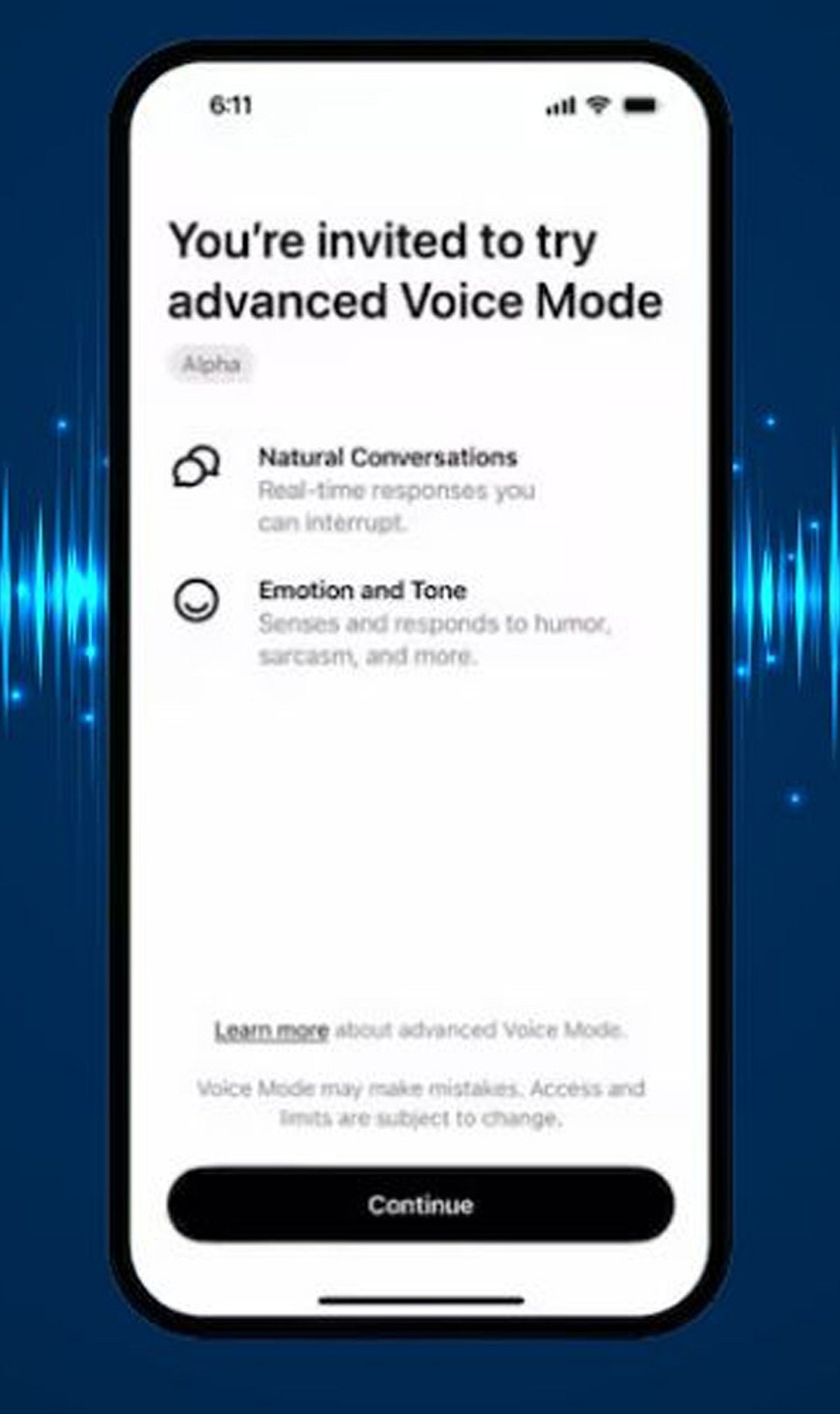
    AI conversations are becoming more natural thanks to ChatGPT’s advanced audio technology, which enables faster, smoother, and more human-like interactions. Modern voice AI can now understand natural speech patterns, allowing users to interrupt, ask follow-up questions, and maintain fluid conversations without awkward pauses.

    Improved speech synthesis adds realistic tone, emphasis, and pacing, making AI responses sound more expressive and engaging. Real-time translation capabilities could help users communicate across multiple languages during live conversations, making AI more useful for travel, business, and education.

    Developers are also using advanced audio models for live transcription, meeting summaries, accessibility tools, and customer support applications. Future AI assistants are expected to become increasingly audio-first, enabling hands-free interactions at home, in cars, and on wearable devices.

    More natural voice interactions could improve accessibility for users who prefer speaking over typing in everyday tasks. However, challenges remain, including maintaining accuracy, reducing hallucinations, protecting user privacy, and ensuring reliable performance in noisy environments.

    As audio AI continues to evolve, voice-based conversations are expected to become an increasingly important way people interact with intelligent assistants.