
The autonomous vehicle landscape is accelerating rapidly in 2026, with major players expanding their fleets, entering new markets, and pushing the boundaries of what driverless technology can achieve. From ride-hailing services to consumer cars and autonomous trucks, here are ten vehicles and platforms that are shaping the future of transportation this year.
1. Waymo One
Waymo One leads the driverless ride-hailing segment, now operating fully autonomous services across 14 U.S. cities, including newer markets such as Denver, San Diego, and Tampa. The company is also preparing to expand into Germany, signaling its global ambitions.
2. Tesla Model 3 and Model Y with FSD
Tesla’s Full Self-Driving (FSD) system remains one of the most widely deployed advanced driving solutions. While the system can handle turns, lane changes, and navigation, Tesla still requires active driver supervision. The Model 3 and Model Y are the primary vehicles showcasing this technology.
3. Mercedes-Benz DRIVE PILOT
Mercedes-Benz DRIVE PILOT stands out as a regulated Level 3 automated driving system. Available on select S-Class and EQS models, it uses LiDAR and other sensors to provide automated driving in approved highway conditions, setting a benchmark for consumer-grade autonomy.
4. Pony.ai Robotaxi
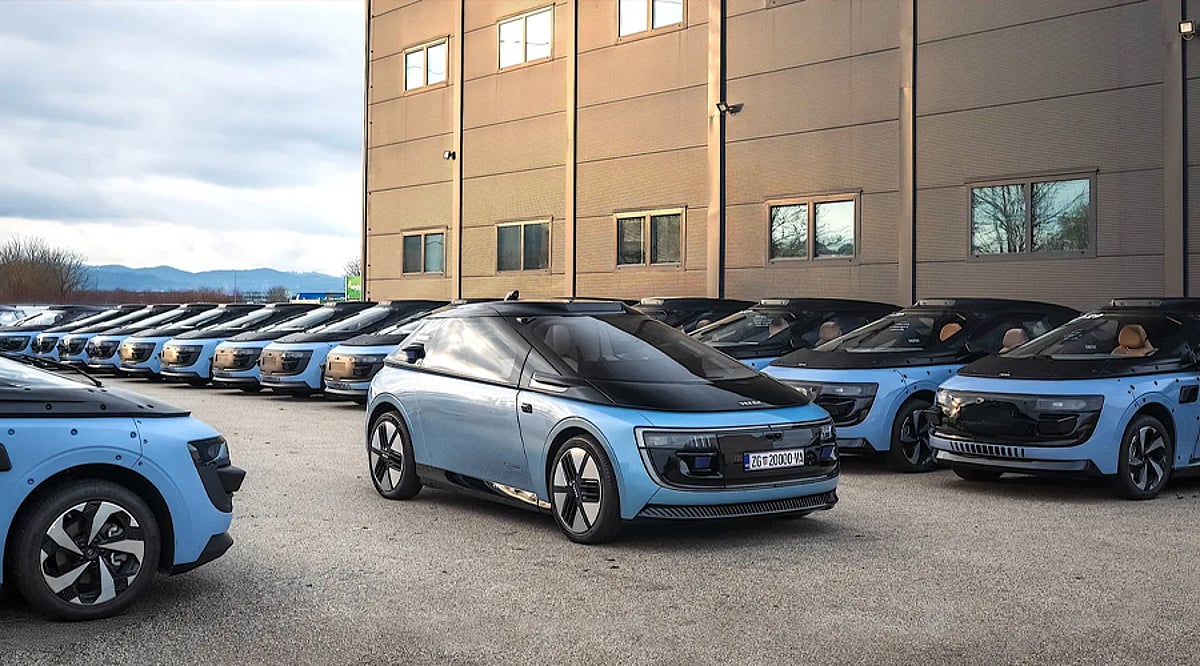
Pony.ai is rapidly expanding its robotaxi service across China and international markets. The company launched commercial operations in Zagreb, Croatia, and aims to deploy thousands of vehicles as it scales its autonomous fleet globally.
5. Wayve-Powered Vehicles
Wayve, a UK-based startup, has partnered with Uber to launch supervised autonomous rides in London as of September 2026. This marks a significant milestone for European robotaxi services, bringing autonomous technology to busy urban streets.
6. Aurora Driver Trucks
Aurora is proving that autonomy extends beyond passenger cars. Its self-driving trucks now operate without any human in the driver’s seat, and the company plans to scale its commercial fleet throughout 2026, targeting logistics and freight applications.
7. Zoox Robotaxi
Zoox takes a unique approach with a purpose-built vehicle designed for driverless ride-hailing. The cabin features face-to-face seating and no steering wheel. The company is now preparing for larger-scale production, aiming to redefine urban mobility.
8. Baidu Apollo Go
Baidu Apollo Go is one of China’s largest autonomous mobility platforms. By 2026, it has expanded to 28 cities and accumulated over 350 million autonomous kilometers, including more than 240 million fully driverless kilometers, making it a dominant player in the region.
9. BMW iX and Advanced ADAS
The BMW iX, along with other models featuring advanced driver-assistance systems (ADAS), represents the next step for consumer vehicles. Systems like BMW’s Driving Assistant Professional offer hands-free assistance on approved roads, bringing near-autonomous capabilities to everyday drivers.
10. NIO and XPeng EVs
Chinese automakers NIO and XPeng are pushing navigation and driver-assistance technology with AI-powered systems. Their vehicles highlight how Chinese manufacturers are competing globally, integrating advanced automation into mainstream electric cars.