
Tag: Automotive Technology

  • In-Car Gaming: How Connected Entertainment Is Transforming Vehicles

    In-Car Gaming: How Connected Entertainment Is Transforming Vehicles

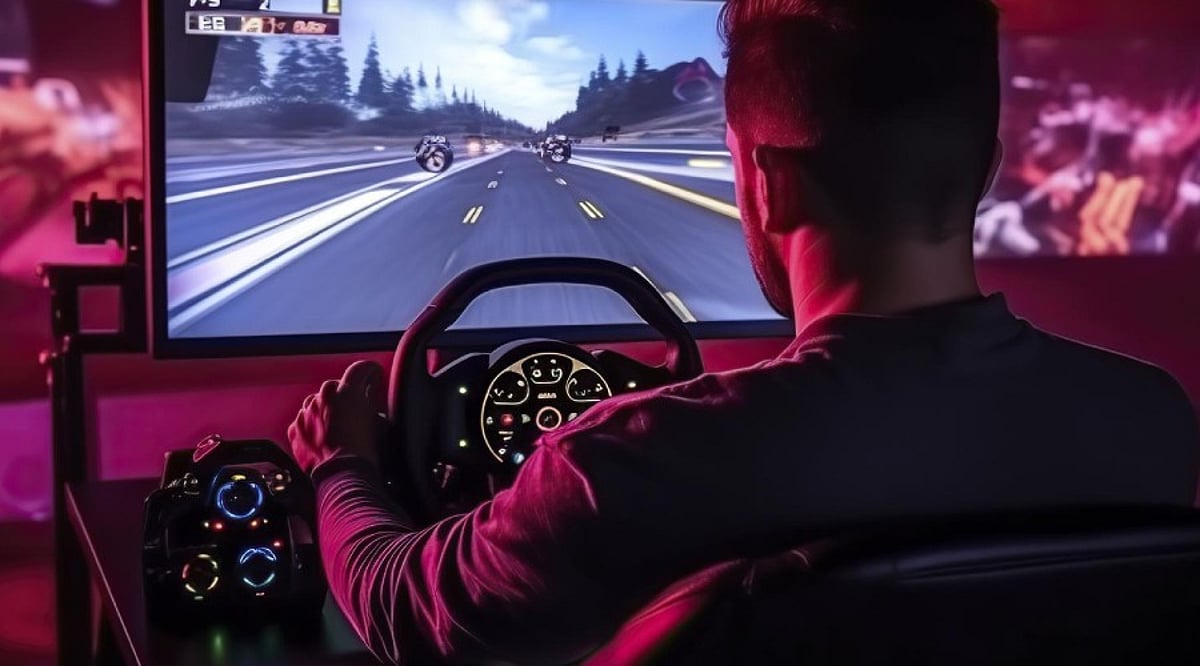
    In-car gaming is turning parked cars into new entertainment spaces. With large screens, internet access, smartphones, and controllers, modern vehicles can offer games during charging stops, breaks, and long trips.

    Overview

    In-car gaming allows people to play video games inside a vehicle using built-in displays, smartphones, controllers, or cloud gaming services. The feature is most useful when the car is parked or when passengers want entertainment during a journey. Modern cars already have many of the tools needed for gaming: large displays, internet connections, Bluetooth, powerful processors, and smartphone support. This technology can transform the car screen into more than just a tool for maps and music.

    Electric vehicle charging is a key use case for in-car gaming. Drivers often spend time waiting for their vehicle to charge, providing a perfect opportunity to play a quick game or watch entertainment.

    How In-Car Gaming Works

    There is no single way to play games inside a car. The setup depends on the vehicle and the technology offered by the automaker. A basic system connects a smartphone to the car’s display, where the phone runs the game and the vehicle screen mirrors it. More advanced setups use the car’s own computer to run games directly.

    Cloud gaming offers another potent option. In this setup, the game runs on a remote server, and video is streamed to the car over the internet while player controls are sent back. This reduces the need for expensive gaming hardware inside the vehicle and gives users access to more games without downloading large files.

    Some automakers have already tested gaming features. Tesla offers games through its in-car screen, and other brands have explored gaming as part of their entertainment systems. A large screen and a physical controller can make the experience far more enjoyable than playing on a phone, especially for racing, sports, and action games.

    The biggest issue is safety. Drivers cannot play games while driving, so gaming features are typically limited when the car is parked. Automakers must ensure the system knows whether the vehicle is stationary or moving to keep the driver focused on the road.

    The Future of Connected Entertainment

    In-car gaming can be part of a much larger shift in how people use their vehicles. Cars are becoming connected devices, and entertainment can be a major feature. Passenger entertainment is an obvious sector: people in the back seat can play games, watch films, or connect their own devices. Families on long trips can stay entertained without everyone using a phone.

    Cloud gaming will play a bigger role as mobile networks improve, reducing delays and enhancing picture quality. The car could eventually connect with a person’s existing gaming setup, allowing them to start a game at home, continue on a phone, and later use the car’s screen while parked.

    Artificial intelligence may add another layer. An in-car assistant could help users find games, change settings, suggest entertainment, or manage connected services. The main challenge is ensuring these features do not distract the driver.

    Cost is another factor. Premium cars may get advanced entertainment systems first, while cheaper vehicles may rely more on smartphone connections. Internet charges and subscriptions will also affect how widely these services are used.

    The gaming experience itself must match how people use cars. Someone waiting for 15 minutes may not want to start a game that takes an hour. Short races, puzzles, sports games, and other quick experiences make more sense.

    Cars Could Become the Next Entertainment Screen

    In-car gaming is growing, but the basic technology is already available. Modern vehicles have large displays, internet connections, computer systems, and smartphone support, giving automakers a strong foundation for connected entertainment. Gaming inside a car won’t replace consoles, PCs, or phones, but it offers another option for people who spend time inside their vehicles. If companies balance safety, usability, and content, cars will become more than transport—they will be an extension of the connected entertainment experience.

  • ADAS Show 2026 to Spotlight India’s Connected Mobility and Vehicle Safety in Pune

    ADAS Show 2026 to Spotlight India’s Connected Mobility and Vehicle Safety in Pune

    The fourth edition of The ADAS Show is set to take place on December 3, 2026, at the ADAS Test City, ARAI, Takwe, Pune. This premier event will bring together government representatives, automotive manufacturers, technology firms, suppliers, testing bodies, and academic institutions to discuss advanced driver assistance systems (ADAS), vehicle safety, and intelligent mobility in India.

    The Automotive Research Association of India (ARAI) will support the event, with representatives from the Ministry of Heavy Industries and the Ministry of Road Transport and Highways expected to attend. Dr. Reji Mathai, Director of ARAI, will open the event and discuss the evolving landscape of ADAS technology and vehicle safety in India. ARAI operates testing and certification facilities for the Indian automotive sector and collaborates with vehicle makers and technology companies.

    The event venue, ADAS Test City in Takwe, will allow participating companies to demonstrate driver assistance systems and vehicle technologies in a controlled testing environment. The programme combines conference sessions with practical demonstrations of automotive safety systems.

    The ITS India Forum has joined as a strategic partner and will lead a dedicated session on Vehicle-to-Vehicle (V2V) communication. Akhilesh Srivastava, President of the ITS India Forum, will lead the session, covering V2V communication, connected vehicles, and intelligent transportation systems, and their role in road safety and connected mobility.

    The ADAS Show 2026 will feature a conference, technology exhibition, live ADAS demonstrations, networking sessions, and an Exhibitor March. The live demonstrations give participants access to ADAS technologies and vehicle capabilities at ARAI’s testing facility. The exhibition will include technologies from automotive OEMs, Tier-1 suppliers, engineering firms, component manufacturers, technology companies, and testing organisations. The Exhibitor March allows senior executives and technology leaders to meet exhibitors and review products and technologies.

    The conference agenda includes India-ready ADAS systems, artificial intelligence, software-defined vehicles, connected mobility, V2V technology, localisation, and testing and validation. Localisation is a key focus because ADAS systems must operate across varied Indian road environments, including pedestrians, two-wheelers, changing road layouts, and different lane conditions. Manufacturers and testing organisations continue to develop systems designed for local driving conditions.

    Organised by Aayera, The ADAS Show aims to bring government bodies, automotive companies, and technology providers together on one platform for knowledge sharing, technology demonstrations, and discussions around vehicle safety, connected systems, and intelligent mobility in India.

  • India’s Longest-Range Electric Cars: Top 9 Models for 2025

    India’s Longest-Range Electric Cars: Top 9 Models for 2025

    India’s electric vehicle (EV) market is rapidly evolving, with automakers offering increasingly impressive driving ranges. As battery technology improves and charging infrastructure expands, the choice of long-range EVs has never been broader. Whether you’re a luxury buyer, an urban commuter, or a highway traveler, there’s an electric car in India to match your needs. Below, we detail the nine electric cars boasting the longest certified ranges in the country, from premium sedans to family-friendly SUVs.

    1. Mercedes-Benz EQS 580 4MATIC – 857 km

    This flagship electric sedan tops the list with an ARAI-certified range of up to 857 kilometers. It combines cutting-edge technology with opulent luxury, making it ideal for those who demand the best in performance and comfort.

    2. Mercedes-Benz EQS SUV – 809 km

    Offering a claimed driving range of up to 809 kilometers, this luxury SUV provides spacious seating and advanced safety systems while retaining the refined electric performance expected from the three-pointed star.

    3. Mahindra BE 6 – 683 km

    Mahindra’s newest electric SUV delivers up to 683 kilometers of claimed range, blending futuristic design with strong performance and a host of advanced features tailored for long-distance driving.

    4. Mahindra XEV 9e – 656 km

    The XEV 9e combines coupe-SUV styling with a claimed range of up to 656 kilometers. It offers spacious interiors, premium technology, and everyday usability, making it a compelling choice in the segment.

    5. BYD Seal – 650 km

    BYD’s sleek sedan provides up to 650 kilometers of claimed range, featuring sporty performance, rapid charging capabilities, and a feature-rich cabin that competes with established luxury brands.

    6. Tata Harrier.ev – 627 km

    Tata’s flagship electric SUV boasts an MIDC range of up to 627 kilometers. Equipped with a dual-motor all-wheel drive system, it offers robust capability and high ground clearance for Indian road conditions.

    7. Tata Curvv.ev – 585 km

    The Curvv.ev offers up to 585 kilometers of claimed range in a coupe-inspired SUV body. It targets families with its blend of modern technology, practical electric mobility, and standout exterior design.

    8. Hyundai Creta Electric – 473 km

    Hyundai’s recently launched electric version of the popular Creta SUV provides a certified range of up to 473 kilometers. It is well-suited for daily commuting and occasional highway trips, supported by Hyundai’s extensive service network.

    9. MG Windsor EV Pro – 449 km

    The Windsor EV Pro rounds out the list with a claimed range of up to 449 kilometers. It emphasizes comfort, connected features, and a value-focused ownership experience, making it an attractive entry-level long-range EV.

    These nine electric cars represent the forefront of India’s shift toward sustainable transportation. With ranges exceeding many petrol vehicles, they prove that electric mobility is no longer a compromise but a smart choice for modern drivers.

  • Why ADAS Demands Systems Thinkers, Not Just Engineers: The Rise of Cross-Disciplinary Expertise

    Why ADAS Demands Systems Thinkers, Not Just Engineers: The Rise of Cross-Disciplinary Expertise

    Advanced Driver Assistance Systems (ADAS) are no longer defined by isolated engineering disciplines. Instead, they represent a convergence of mechanical design, electronics, software, sensor technology, and human-centered design. The complexity of modern ADAS—spanning everything from real-time sensor fusion to predictive algorithms—demands professionals who can see the bigger picture while understanding the intricate workings of each component. A purely mechanical or purely software-centric approach often leaves gaps; only a cross-disciplinary, systems-oriented mindset can ensure that all moving parts work in harmony to deliver safe, reliable, and user-friendly solutions.

    Gaurav Baban Pokharkar has made a career in this changing interlinked multilateral scenario. Having started his education in mechanical engineering and after graduating and returning to work in his field of study after becoming a self-taught coder, he has naturally made the shift between old and new fields of discipline. The development of his career can be explained as a calculated growth within the engineering of vehicle structures to roles related to leadership concerning ADAS, in which he has been in charge of the integration of advanced safety systems and their calibration. This career path is motivated by the fact that he has integrated mechanical, software and validation organizations against a common vision that ensures a balance between innovation and practices, regulatory requirements and consumer demands.

    His work exemplifies how systems thinking transforms ADAS development. By automating large-scale data analysis processes through scripting and Linux-based tools, he accelerated validation cycles by nearly 70%, enabling quicker identification of issues and reducing the time to implement corrective measures. This efficiency not only improved engineering turnaround but also directly contributed to cost savings and resource optimization. In another instance, his analytical rigor during on-road testing identified a performance issue that, if overlooked, could have led to production delays and additional development costs. His ability to translate technical findings into actionable, system-wide improvements highlights the real-world value of a multidisciplinary approach in high-stakes automotive programs.

    His technical competence can be measured: fewer rework cycles, more prompt deliveries of calibration files, and increased customer satisfaction are all signs of more than technical skill. They address a sentiment that measures success not on the workability of individual components but rather the workability of the whole system of vehicles in real-world conditions. His ability to anticipate downstream consequences, to get cross-functional teams pulling in the same direction, and to make strategic tradeoffs shows how ADAS development is enhanced by leaders who think in systems, not silos.

    Looking ahead, Gaurav believes that the path forward for ADAS will be shaped by even greater integration of artificial intelligence, computer vision, and edge computing. Yet, he notes that as these technologies advance, so too will the need for holistic oversight that ensures safety, compliance, and reliability remain paramount. His journey reinforces a critical truth in the ADAS arena: innovation is not solely about introducing new technology—it is about orchestrating diverse elements into a cohesive system that consistently serves its purpose in the real world.

  • How BMW’s ConnectedDrive Leverages IoT for Smarter, Safer Vehicles

    How BMW’s ConnectedDrive Leverages IoT for Smarter, Safer Vehicles

    Modern vehicles have evolved far beyond simple transportation. Today’s cars connect to the internet, exchange data with cloud platforms, receive over-the-air updates, and deliver digital services. BMW leads this transformation with its ConnectedDrive ecosystem, which harnesses the Internet of Things (IoT) to create a seamless link between vehicles, cloud servers, smartphones, and traffic systems.

    According to BMW Group, more than 22 million connected BMW vehicles are now linked to the BMW Cloud worldwide. This vast network enables real-time data exchange, predictive maintenance, remote control, intelligent navigation, and personalized features that continuously improve safety, convenience, and driving performance.

    IoT as the Foundation of ConnectedDrive

    Every ConnectedDrive vehicle is equipped with hundreds of smart components—sensors, cameras, GPS modules, telematics units, and onboard computers. These components collect data on engine health, battery condition, tire pressure, brake wear, fuel level, location, weather, and road conditions. The information is securely transmitted to the BMW Cloud via mobile networks.

    The cloud processes millions of data points in seconds, sending actionable insights back to the vehicle. This constant feedback loop allows BMW to enhance performance without replacing physical parts, making each car smarter over time through regular digital improvements.

    Predictive Maintenance Prevents Problems

    One of the key benefits of BMW’s IoT system is predictive maintenance. Sensors continuously monitor brakes, tires, battery, engine, and electronics. When the system detects an unusual pattern, it sends a warning before a minor issue escalates into a costly repair. This early alert helps owners schedule service visits proactively, reducing unexpected breakdowns and improving long-term reliability.

    Over-the-Air Software Updates

    ConnectedDrive enables BMW to deliver software updates directly to compatible vehicles via the internet. These updates enhance navigation, entertainment, security, driver assistance, and overall performance—without requiring a trip to the dealership. The upcoming Neue Klasse platform will further accelerate this capability with an advanced digital architecture.

    Smarter Navigation with Live Traffic Data

    BMW’s IoT-powered navigation system receives real-time data from cloud servers, including traffic jams, road closures, accidents, weather, and parking availability. If conditions change mid-trip, the system instantly recalculates a better route. For electric models, the system also factors in battery level, range, and charging station locations to suggest optimal routes.

    Remote Control via the My BMW App

    The My BMW App extends ConnectedDrive to your smartphone. Users can check battery or fuel levels, locate their car, lock/unlock doors, pre-condition the cabin, manage charging, receive maintenance alerts, and send destinations to the navigation system. All functions rely on seamless IoT connectivity between phone, cloud, and vehicle.

    Personalized Driving Experience

    ConnectedDrive stores individual preferences—seat positions, climate settings, navigation favorites, entertainment choices, and driving modes—in the BMW Cloud. When a driver logs into any compatible BMW with their BMW ID, these settings are automatically restored. The voice assistant also improves over time through cloud-based updates to speech recognition and language understanding.

    Fleet Data Drives Future Innovation

    BMW uses anonymized data from millions of connected vehicles to improve future models. The company analyzes road conditions, traffic patterns, vehicle performance, battery efficiency, and software behavior. This real-world data helps engineers refine navigation, boost energy efficiency, develop safer driver assistance systems, and create better software updates.

    Security First Approach

    With millions of data exchanges daily, BMW prioritizes security. All communication between vehicle and cloud uses encrypted connections and secure authentication. Regular over-the-air updates close newly discovered vulnerabilities, ensuring personal data remains protected throughout the vehicle’s lifespan.

    The Road Ahead: Neue Klasse and Beyond

    BMW plans to launch over 40 new and updated models by 2027, many built on the Neue Klasse platform. This platform will feature more powerful computers, enhanced cloud communication, advanced AI, and improved digital services. ConnectedDrive will deliver faster updates, smarter functions, and better performance. BMW is also expanding partnerships in connected-car technology, autonomous driving, and digital services.

    Final Thoughts

    BMW’s ConnectedDrive ecosystem demonstrates how IoT is revolutionizing the automotive industry. With over 22 million vehicles connected to the BMW Cloud, the brand is a global leader in connected mobility. Features like predictive maintenance, live navigation, remote control, personalization, and over-the-air updates are just the beginning of what IoT can achieve in modern cars.

  • Best Backup Cameras for Cars and Trucks in 2026: Top Picks and Buying Guide

    Best Backup Cameras for Cars and Trucks in 2026: Top Picks and Buying Guide

    Modern backup cameras have become an essential safety feature for drivers, especially those operating larger vehicles like trucks, SUVs, and RVs. These systems enhance rear visibility, helping drivers detect obstacles, pedestrians, and other vehicles while reversing. Whether you’re upgrading an older car or adding extra coverage to a commercial vehicle, choosing the right backup camera involves evaluating image clarity, night vision, viewing angle, installation ease, and durability. Below are the top five backup cameras that stood out in our testing, along with key factors to consider before making a purchase.

    Garmin BC 50: A Strong Choice for Trucks and Larger Vehicles

    The Garmin BC 50 is designed for drivers who need a reliable rearview without complex wiring. Its wireless system simplifies installation, particularly for large vehicles where running cables can be challenging. The camera delivers a clear view behind the vehicle and performs well on trucks, campers, and SUVs. Its durable construction makes it suitable for outdoor use, and the wide viewing angle helps drivers monitor more of their surroundings when reversing.

    eRapta Backup Camera System: Ideal for Multi-Camera Needs

    The eRapta backup camera system targets drivers who require broader coverage. Certain versions support multiple cameras, making them practical for trucks, commercial vehicles, and other large rigs where a single rear camera may not provide adequate visibility. The system includes a dedicated display and focuses on delivering a wider view around the vehicle, helping drivers manage blind spots while parking or reversing.

    Auto-Vox CS-2: Simple Option for Everyday Vehicles

    Auto-Vox CS-2 emphasizes easy installation and everyday convenience. It uses a wireless connection between the camera and display, reducing the need for complicated wiring. This system is ideal for drivers who want to add a backup camera to an older vehicle without major modifications. Its compact design makes it a practical choice for regular cars and small SUVs.

    Furrion Vision S: Built for RV Owners

    Large vehicles often require more robust camera systems. The Furrion Vision S is designed with RV owners in mind, providing a wider rear view and helping drivers navigate tight spaces. The system improves visibility while reversing, parking, and changing lanes. It is especially useful for those who travel with trailers or recreational vehicles.

    LeeKooLuu LK6: Budget-Friendly Backup Camera Option

    For drivers seeking an affordable upgrade, the LeeKooLuu LK6 offers basic backup camera features without a high price tag. It includes a display and camera setup intended for everyday reversing needs. While it lacks advanced features found in premium systems, it provides essential rear visibility for those who want a simple, cost-effective solution.

    Key Considerations When Buying a Backup Camera

    Beyond the product’s cost, several factors should influence your decision, as vehicle requirements vary:

    • Image Quality: A clear image is essential for seeing objects and judging distances while reversing.
    • Night Vision Capabilities: Critical for safe parking in low-light conditions.
    • Installation Process: Some cameras require professional installation, while others are DIY-friendly. Consider your vehicle’s size.
    • Viewing Angle: A wide viewing angle covers more area behind the vehicle, especially important for trucks, SUVs, and RVs.
    • Wired vs. Wireless Systems: Wired cameras offer a stable connection; wireless models simplify installation.

    Final Verdict

    Investing in a quality backup camera enhances safety and convenience, particularly for truck and SUV owners. The ideal camera depends on your vehicle’s size, installation preferences, and budget. Larger vehicles benefit from systems offering broader coverage and reliable wireless functionality, while simpler setups suit smaller cars. Regardless of your choice, a good backup camera is a worthwhile addition to any vehicle.

    Frequently Asked Questions

    What is the best backup camera for cars?

    The best backup camera depends on your vehicle and needs. Wireless models are convenient for easy installation, while advanced systems provide superior coverage, image quality, and safety features.

    Are wireless backup cameras reliable for daily use?

    Yes, wireless backup cameras are reliable for most drivers. They offer easier installation and solid performance, especially in older vehicles where adding wired connections can be more complex.

    Which backup camera is better for trucks and large vehicles?

    Trucks and large vehicles benefit from cameras with wider viewing angles and stronger coverage. Systems designed for bigger rigs help reduce blind spots and improve reversing control.

    What features should I check before buying a backup camera?

    Buyers should evaluate camera resolution, night vision, viewing angle, installation method, and display quality. These factors determine how clearly drivers can see behind the vehicle in various conditions.

    Can I install a backup camera in an older car?

    Yes, aftermarket backup cameras can be installed in older cars without factory systems. Many models are designed for straightforward upgrades and provide better rear visibility while driving.

  • Top Hybrid Cars to Watch for in 2026: Toyota, Honda, Hyundai and More

    Top Hybrid Cars to Watch for in 2026: Toyota, Honda, Hyundai and More

    Hybrid vehicles continue to gain popularity in 2026 as drivers seek better fuel efficiency without relying entirely on charging infrastructure. Automakers are expanding their hybrid lineups with improved performance, lower emissions, and smarter technology. As fuel prices and sustainability remain key concerns, hybrids are expected to play a significant role in the global automotive market throughout the year.

    Toyota Expands Its Hybrid Leadership

    Toyota continues to strengthen its hybrid portfolio with new and updated models featuring fifth-generation hybrid technology. The latest systems offer smoother acceleration, improved fuel economy, and enhanced battery performance. Popular models like the Camry Hybrid, Corolla Hybrid, Prius, and RAV4 Hybrid continue to set benchmarks for reliability and efficiency.

    Honda Brings More Efficient e:HEV Models

    Honda is expanding its e:HEV hybrid lineup with refined powertrains that combine responsive performance and excellent mileage. New hybrid models feature regenerative braking, quieter operation, and advanced driver-assistance technologies. The company’s focus on practical efficiency makes its hybrids attractive for both city commuters and long-distance travelers.

    Hyundai and Kia Expand Their Electrified Range

    Hyundai and Kia are introducing more hybrid SUVs and sedans equipped with modern infotainment systems, connected-car technology, and improved fuel efficiency. Their latest hybrid platforms combine turbocharged engines with electric motors to deliver better performance while reducing fuel consumption and emissions.

    Plug-in Hybrid Models Offer Greater Flexibility

    Plug-in hybrid electric vehicles (PHEVs) continue to gain traction in 2026 by allowing drivers to complete short daily trips using electric power alone while retaining the convenience of a gasoline engine for longer journeys. Improved battery capacity and faster charging have made PHEVs a practical bridge toward full electrification.

    Safety and Smart Technology Take Center Stage

    The newest hybrid cars are equipped with advanced driver assistance systems, including adaptive cruise control, automatic emergency braking, lane-keeping assistance, blind-spot monitoring, and AI-powered infotainment features. These technologies improve both safety and overall driving comfort.

    Hybrid Vehicles Offer a Practical Path to Lower Emissions

    For buyers seeking lower running costs and reduced environmental impact without the limitations of full EV charging, hybrid cars remain an attractive option. With continuous improvements in efficiency, technology, and performance, the latest hybrid launches in 2026 provide practical solutions for a wide range of drivers.