
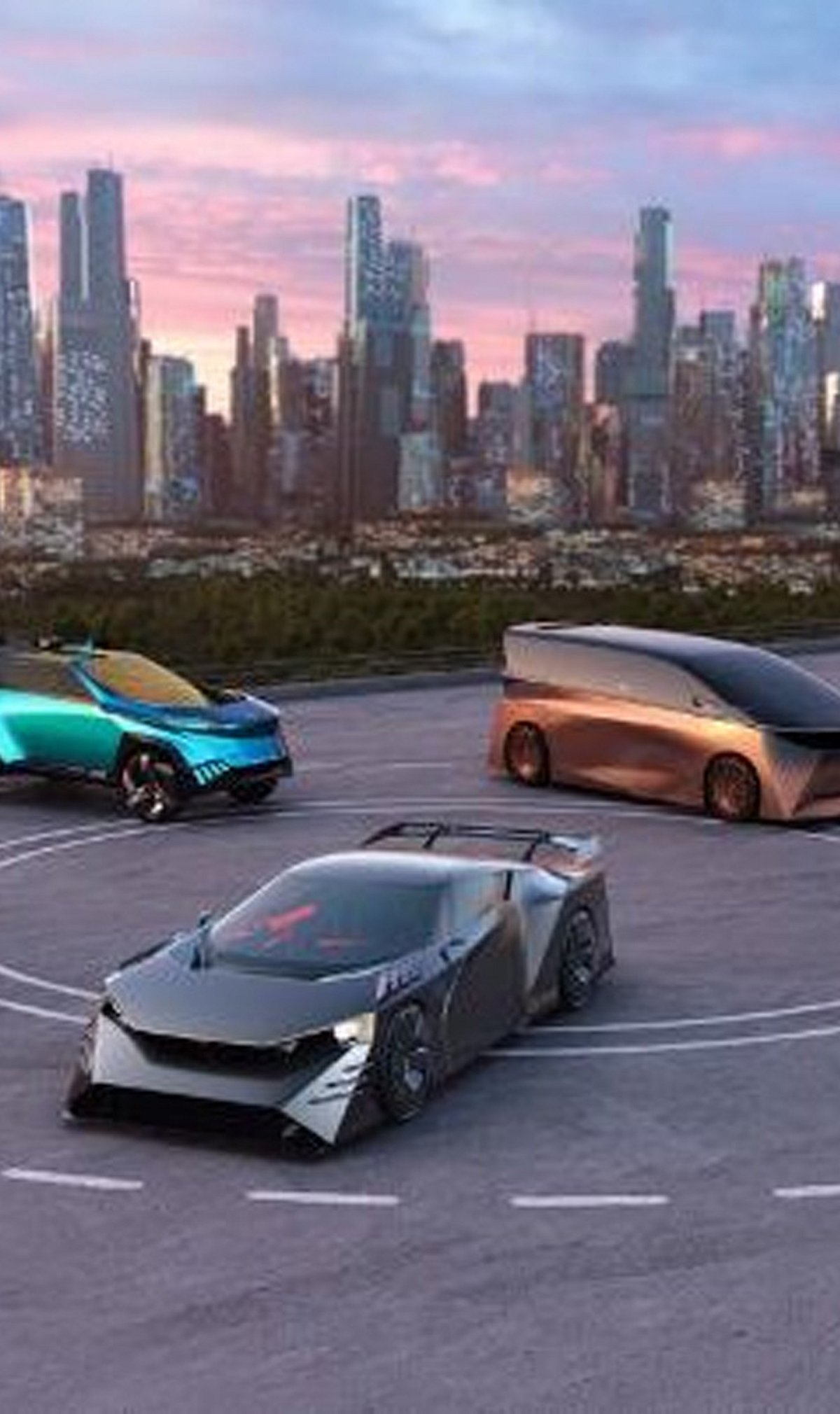
Tag: Autonomous Driving

  • Smart Mobility: The Core Technologies Transforming Transportation and Beyond

    Smart Mobility: The Core Technologies Transforming Transportation and Beyond

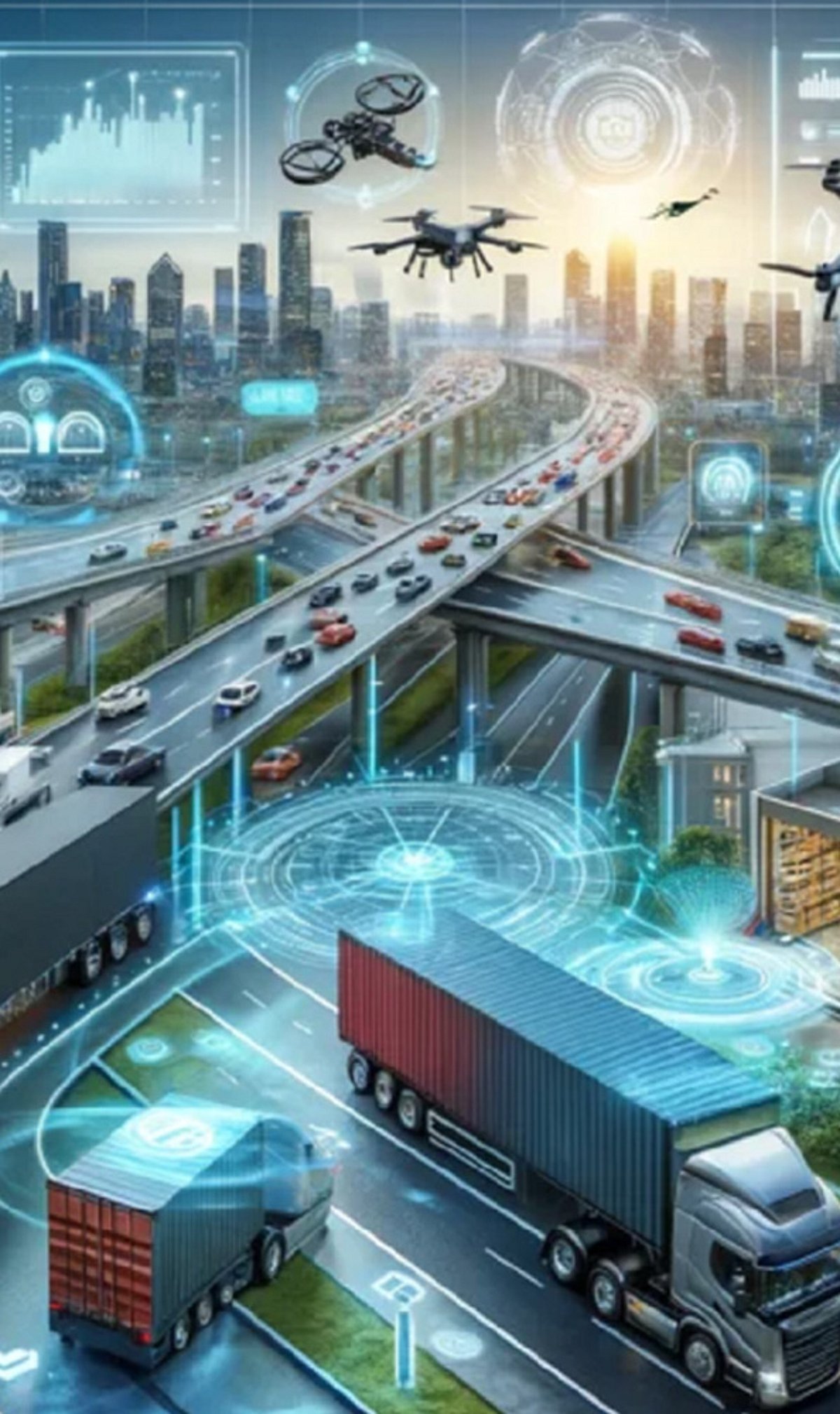
    Smart mobility is often described as the quiet engine driving modern transportation systems. While much of the attention goes to electric vehicles or autonomous cars, the real transformation lies in a combination of technologies that work together to make transportation safer, more efficient, and more sustainable. From connected platforms to intelligent infrastructure, these components form the backbone of smart mobility.

    Connected Vehicle Platforms

    Connected platforms link vehicles, infrastructure, and users, enabling real-time communication, navigation updates, predictive services, and smarter transportation decisions across cities.

    Advanced Sensors

    Sensors continuously gather information about surroundings, traffic, and vehicle conditions, helping mobility systems understand environments and respond intelligently to changing situations.

    Vehicle Software

    Software increasingly controls essential vehicle functions, allowing manufacturers to deliver updates, introduce features, and improve performance throughout a vehicle’s operational lifespan.

    Intelligent Infrastructure

    Connected roads, traffic signals, and charging networks exchange information with vehicles, helping coordinate movement while improving efficiency and reducing unnecessary congestion.

    Data Analytics

    Mobility platforms analyze enormous volumes of transportation data, revealing patterns that can improve route planning, maintenance schedules, traffic management, and services.

    Electric Mobility

    Electric vehicles rely on sophisticated software, batteries, and charging networks, creating interconnected ecosystems where energy management becomes central to everyday transportation.

    Autonomous Driving

    Autonomous systems combine sensors, computing power, mapping, and artificial intelligence to interpret surroundings, support driving decisions, and gradually automate transportation tasks.

    Smart Logistics

    Connected mobility technology helps logistics operators track vehicles, optimize routes, monitor deliveries, and coordinate fleets, improving operational visibility across complex transportation networks.

    Urban Mobility

    Smart mobility extends beyond private cars, connecting public transport, shared mobility, cycling infrastructure, and pedestrian systems to create more coordinated urban transportation.

    Together, these technologies form the foundation of a smarter, more connected transportation ecosystem that goes far beyond the vehicle itself.
  • 10 Smart Engineering Technologies That Are Transforming Modern Transportation

    10 Smart Engineering Technologies That Are Transforming Modern Transportation

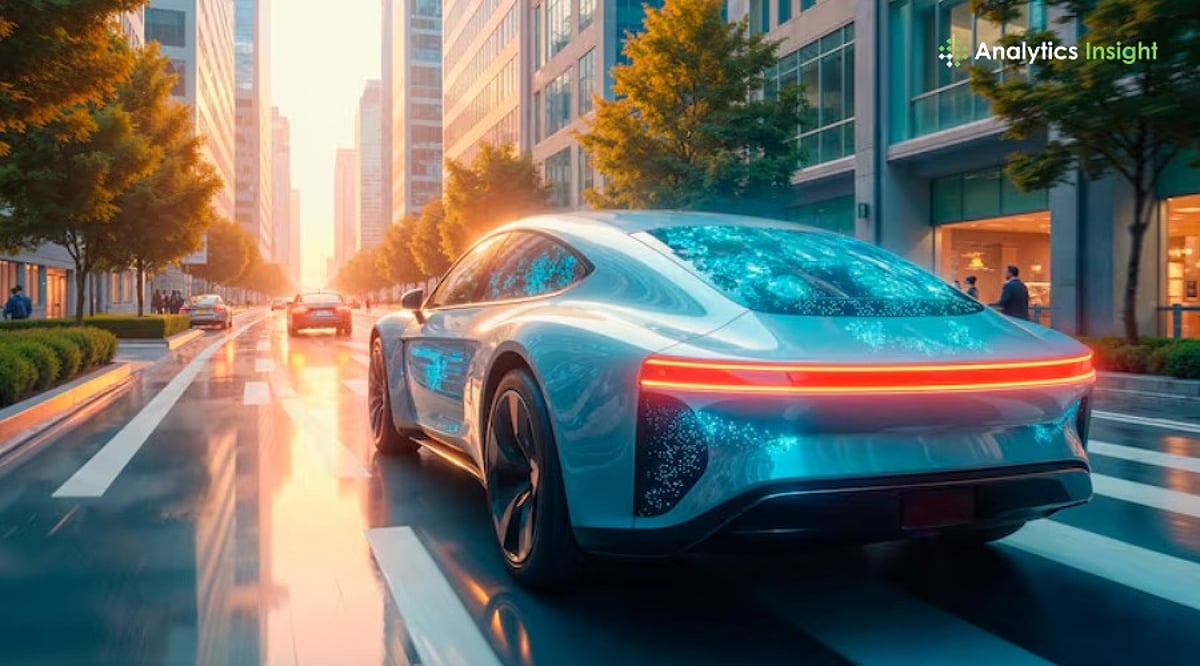
    Modern transportation is undergoing a radical transformation, driven by cutting-edge engineering technologies that enhance safety, efficiency, and sustainability. From autonomous vehicles to hydrogen fuel cells, these innovations are reshaping how we move people and goods. Here are 10 smart engineering technologies powering the future of transportation.

    Autonomous Driving Systems

    Autonomous driving systems combine sensors, cameras, artificial intelligence, and powerful computing to navigate roads safely with minimal human intervention. These systems improve efficiency, reduce accidents, and pave the way for fully self-driving vehicles.

    Vehicle-to-Everything (V2X) Communication

    V2X technology enables vehicles to exchange real-time information with roads, infrastructure, pedestrians, and other vehicles. This communication enhances safety, improves traffic management, and reduces congestion by allowing vehicles to anticipate and react to conditions instantly.

    Electric Powertrain Technology

    Electric powertrains replace traditional combustion engines with efficient electric motors, drastically reducing emissions, operating costs, and environmental impact. This technology is being adopted globally across cars, buses, trucks, and even ships.

    AI Traffic Management

    Artificial intelligence optimizes traffic signals, reduces congestion, and improves emergency response times. AI-driven traffic management systems analyze real-time data to adjust signal timings, reroute vehicles, and enhance urban mobility.

    Predictive Maintenance Platforms

    Predictive maintenance uses continuous vehicle performance analysis to identify potential failures before breakdowns occur. This reduces repair costs, maximizes fleet availability, and improves operational reliability for commercial and public transport.

    Digital Twin Technology

    Digital twins create virtual models of transportation systems for testing, monitoring, and optimization. Engineers can simulate changes, plan infrastructure improvements, and predict performance without disrupting real-world operations.

    Smart Railway Signaling

    Advanced communication-based train control systems automate train operations, improving passenger safety, scheduling accuracy, and rail network capacity. Smart signaling enables more frequent and reliable service on existing tracks.

    Hydrogen Fuel Cell Systems

    Hydrogen fuel cells generate clean electricity, offering longer driving ranges and rapid refueling compared to battery-electric vehicles. This technology is especially promising for heavy-duty trucks, buses, and other commercial applications requiring high energy density.

    Advanced Battery Management Systems

    Battery management systems monitor performance, temperature, charging cycles, and health in real time. They extend battery lifespan, improve electric vehicle reliability, and enhance safety by preventing overheating and overcharging.

    These smart engineering technologies are not just concepts—they are being deployed today to make transportation safer, greener, and more efficient. As innovation continues, the way we travel will continue to evolve, driven by engineering excellence.

  • How Brain-Inspired AI from Prophesee and Volkswagen Is Accelerating Autonomous Driving Safety

    How Brain-Inspired AI from Prophesee and Volkswagen Is Accelerating Autonomous Driving Safety

    Prophesee and Volkswagen are teaming up to bring neuromorphic computing to autonomous driving, equipping self-driving cars with human-like perception and reaction on the road. Instead of relying solely on traditional cameras and GPUs that process every pixel in every frame, the latest approach uses event-based vision sensors and brain-inspired chips that operate only when something in the scene actually changes.

    This shift dramatically reduces data load and power consumption while enabling faster detection of pedestrians, obstacles, and sudden hazards, even in poor lighting or weather conditions. For Volkswagen, such intelligence paves the way to safer, more scalable autonomous vehicles that can think and respond more like human drivers, but with machine-level consistency.

    What Neuromorphic Computing Brings to Cars

    Neuromorphic computing refers to hardware and algorithms modeled on how the brain works: massively parallel, event-driven, and highly energy-efficient. Instead of processing continuous data streams, neuromorphic chips react to spikes—discrete events such as changes in brightness or motion in a scene. In an autonomous car, that means focusing compute power only on what matters: a child stepping off the curb, a fast-moving motorcycle in the blind spot, or debris on the highway.

    Prophesee’s Metavision sensors are built around this principle of event-based vision. Each pixel triggers only when it detects a change, so the sensor outputs a sparse, high-value stream of events instead of dense frames. When such sensors are paired with neuromorphic processors, the perception stack can run faster, with less energy, and lower latency than conventional camera-plus-GPU pipelines. This combination is particularly attractive to automakers like Volkswagen, who need robust, low-power intelligence running directly on the vehicle’s edge hardware, rather than in the cloud.

    Why This Matters

    Neuromorphic computing matters because it lets self-driving cars react faster and use less energy, focusing only on important changes in the scene. This shift enables safer, more reliable autonomy at scale, especially in complex, unpredictable real-world traffic and weather conditions.

    Brain-Inspired Speed Boost for Safer Autonomy

    Reaction time is critical for safety; shaving even fractions of a second off perception delays can translate into meters of braking distance saved at highway speeds. In experiments with neuromorphic vision chips, researchers have shown up to a four-fold boost in hazard detection speed compared to conventional computer vision systems, along with significant improvements in accuracy. Since neuromorphic systems process only regions of interest, they can keep up with high-speed motion, cluttered scenes, and low-light conditions better than standard frame-based cameras.

    For self-driving stacks, this opens up several practical advantages:

    • Lower Latency: Event-driven detection enables near-instant recognition of emerging hazards.
    • Energy Efficiency: Chips designed for spiking neural networks and neuromorphic sensing consume far less power, which is crucial for electric vehicles and large fleets.
    • Scalability: More sensors and more intelligence can be added to a car without blowing up the thermal or power budget.

    Volkswagen and partners see neuromorphic hardware as a way to embed AI directly into the vehicle, bridging the gap between research prototypes and production-grade safety systems.

    Future Outlook: Cars That Sense Like Brains, Scale Like Software

    Looking ahead, neuromorphic computing is poised to become a strategic layer in the autonomous vehicle ecosystem rather than a niche add-on. As chipmakers and automotive suppliers refine event-based vision sensors and spiking neural hardware, car platforms will evolve to host more adaptive, fleet-aware intelligence that learns from real-world driving while staying within strict power and cost limits.

    For collaborations like Prophesee and Volkswagen, the trajectory points toward vehicles that perceive their environment with brain-like efficiency, share insights across fleets, and continuously update their behavior without needing a complete hardware replacement every few years. If this momentum holds, ‘neuromorphic-ready’ may soon be as important a specification for self-driving cars as range or battery capacity—especially in emerging markets where infrastructure is patchy and on-board intelligence is the first and last line of safety.

  • Tesla’s Steerless Cybercab Test Ignites Safety and Liability Debate

    Tesla’s Steerless Cybercab Test Ignites Safety and Liability Debate

    Tesla has reignited the discussion around autonomous vehicle safety after releasing footage of its Cybercab completing a public road test in Austin, Texas—without a steering wheel or pedals. The vehicle, which relies entirely on self-driving technology, carried only a safety monitor inside, prompting fresh questions about liability and public trust.

    The video, shared by CEO Elon Musk, shows the Cybercab navigating city streets using Tesla’s camera-based autonomous system. First unveiled in 2024, the Cybercab is designed exclusively for robotaxi service, featuring a minimalist passenger display instead of a traditional dashboard. Tesla already operates robotaxi trials in Austin with Model Y vehicles, and this test signals a move toward dedicated autonomous fleets.

    Reactions on social media have been mixed. Supporters praised the technological leap, calling it a glimpse of the future. Critics, however, voiced safety concerns—wondering how the vehicle would handle emergencies, software glitches, or cyberattacks. Many asked whether a safety monitor could intervene in time, and who would be liable in an accident involving a fully driverless car.

    The debate unfolds as U.S. regulators consider a proposal from the National Highway Traffic Safety Administration (NHTSA) that could eliminate the requirement for brake pedals in fully autonomous vehicles. If passed, the rule would clear a path for companies like Tesla to deploy robotaxis without traditional controls.

    Tesla faces stiff competition from Waymo and Cruise, both of which use additional sensors like lidar and radar. Each company takes a different technical approach to safe autonomy. The Cybercab test underscores both the promise and the hurdles of driverless technology, with public confidence and clear safety regulations remaining critical barriers to widespread adoption.

  • Tesla Stock Surges 8.5% to Nearly $412 After FSD Update and Strong Earnings

    Tesla Stock Surges 8.5% to Nearly $412 After FSD Update and Strong Earnings

    Tesla stock jumped 8.5% in a single trading session, pushing shares close to $412, following the release of a major Full Self-Driving (FSD) software update and fresh regulatory approvals in Europe. The rally underscores investor optimism around Tesla’s autonomous driving technology and its improving financial performance.

    Key Takeaways

    • Tesla stock surged 8.5% after the release of Full Self-Driving Version 14 Lite for older Hardware 3 vehicles.
    • Revenue reached $22.39 billion (16% annual growth), with gross margins improving to 21%.
    • Future growth hinges on robotaxi expansion, energy business development, and maintaining leadership amid rising competition.

    Stock Performance and Market Context

    As of June 30, 2026, Tesla shares traded near $409, closing the latest session at $411.84. The 8.5% daily gain ranks among the company’s largest in recent months. Tesla’s market capitalization now stands at approximately $1.55 trillion, placing it among the world’s most valuable companies.

    Over the past 12 months, Tesla’s stock has ranged from $288.77 to $498.83, highlighting persistent volatility. Despite the recent uptick, year-to-date performance remains negative at -8.4%. Daily trading volume remains high at roughly 56 million shares, reflecting sustained interest from both retail and institutional investors.

    Catalyst Behind the Rally

    The primary driver of the stock surge was the rollout of Full Self-Driving Version 14 Lite, a software update designed for older Tesla vehicles equipped with Hardware 3. The update enhances city driving support, route selection, speed control, and safety performance. Investors view autonomous driving as a transformative element of Tesla’s long-term business model, and the positive market reaction was immediate.

    Adding to the momentum, Tesla received additional regulatory approval for its self-driving software in several European markets, including Belgium. This international expansion opens new revenue opportunities and reinforces confidence in Tesla’s autonomous technology roadmap.

    Financial Performance Strengthens

    Tesla reported solid first-quarter 2026 results. Revenue reached $22.39 billion, up 16% year-over-year, demonstrating resilient demand despite intensifying competition in the electric vehicle (EV) market.

    Gross margins improved to approximately 21%, a significant recovery after earlier periods of aggressive price cuts. Operating income surged 91% to $940 million, reflecting tighter cost controls and improved operational efficiency.

    Future Growth Beyond EV Sales

    Tesla’s growth strategy now extends well beyond vehicle sales. Key initiatives include:

    • Cybercab Robotaxi Platform: Production began in early 2026 at Tesla’s Gigafactory in Texas. Success in large-scale robotaxi deployment could create an entirely new revenue stream.
    • Energy Expansion: Tesla has formed partnerships with energy providers to build virtual power plants that support AI data centers, diversifying revenue and reducing dependence on automotive sales.

    Risks to Consider

    Despite strong performance, Tesla carries significant risks. The stock trades at a price-to-earnings ratio above 340, far exceeding traditional automakers and many tech firms. Such high valuation implies extremely ambitious future growth expectations; any shortfall could trigger a sharp correction.

    Competition from Chinese EV makers is intensifying, and delays in products like the next-generation Roadster or large-scale robotaxi deployment create execution uncertainty. Regulatory hurdles for self-driving technology also remain a factor, as approvals vary by country.

    Outlook

    Tesla occupies a unique position, combining EVs, AI, robotics, autonomous driving, and energy infrastructure under one roof. Recent software developments and strong financials have boosted market confidence. However, the stock’s elevated valuation means future performance depends heavily on successful execution over the next 12–24 months.

    At current levels near $409–$412, Tesla remains financially robust with substantial long-term potential. Yet investors must weigh the high expectations embedded in the stock price against the real challenges of competition, regulation, and execution.