Tag: battery backup

  • Top Smart Home Security Systems That Operate During Internet Outages

    Top Smart Home Security Systems That Operate During Internet Outages

    Stay protected even without internet: smart home security systems with offline support continue monitoring your property, ensuring protection even when internet connections suddenly fail completely.

    Local Storage Saves Footage

    Systems with local storage record security footage directly onto memory cards or hard drives, preventing important recordings from being lost.

    Cellular Backup Connectivity

    Some advanced security systems automatically switch to cellular networks during broadband failures, keeping alerts and remote monitoring fully active.

    Battery Backup Matters

    Built-in battery backups keep cameras, sensors, and alarm hubs running for several hours during power outages and internet disruptions alike.

    Smart Alarms Still Work

    Offline-compatible alarm systems continue detecting motion, door openings, and glass breaks, triggering loud sirens without requiring internet connectivity whatsoever.

    AI Detection On Device

    Modern security cameras process motion and person detection locally, delivering accurate alerts without relying entirely on cloud-based AI services.

    Mesh Network Support

    Security devices using mesh networking communicate with each other locally, maintaining reliable coverage when internet service becomes temporarily unavailable unexpectedly.

    Essential Features to Check

    Choose systems offering local recording, battery backup, cellular failover, offline alerts, and encrypted storage for dependable home security every day.

    Peace of Mind Always

    Reliable offline-ready security systems protect homes around the clock, giving homeowners confidence regardless of internet outages or network-related technical problems.

  • Top 5 Party Speakers with Exceptional Battery Life for 2026

    Top 5 Party Speakers with Exceptional Battery Life for 2026

    A party speaker should do more than play loud music—it should keep the energy going all night without needing a recharge. Whether you’re hosting a house party, planning an outdoor event, or setting up karaoke, long battery life is a key feature to consider.

    We’ve compared five top-rated party speakers that combine powerful audio, reliable connectivity, splash resistance, and practical extras. Here’s a breakdown of the best options available right now.

    1. Sony SRS-XV500

    The Sony SRS-XV500 stands out with an exceptional battery life of up to 25 hours on a single charge. Its X-Balanced speakers and front tweeters deliver wide, room-filling sound. A quick 10-minute charge gives you 2.5 hours of playback. It also features IPX4 splash resistance, Bluetooth, USB playback, karaoke and guitar ports, and LED lighting—all in a portable design with a handle.

    2. JBL PartyBox Club 120

    JBL’s PartyBox Club 120 offers 12 hours of playtime with JBL Pro Sound and AI Sound Boost technology for enhanced audio. Dynamic LED lights react to the beat, and the speaker is splash-proof. Dual microphone and guitar inputs make it perfect for karaoke, and the battery is replaceable.

    3. boAt PartyPal 600

    The boAt PartyPal 600 pumps out 220 watts of power with a 7-hour battery life. It supports Bluetooth 5.3, USB, AUX, and includes RGB lighting, an animated display, and a wireless UHF microphone for singing. Guitar connectivity and a companion app for audio tuning add to its versatility, plus TWS lets you pair two speakers.

    4. DIGIMORE 240W PartyBox Speaker

    This speaker features dual 8-inch drivers and delivers up to 10 hours of playback. With Bluetooth 5.3, USB, TF Card, and AUX inputs, it’s highly versatile. AI Sound Boost, deep bass tuning, RGB lights, and a wireless mic make it ideal for outdoor karaoke and parties where battery longevity matters.

    5. Xiaomi Sound Outdoor Speaker

    Designed for portability, the Xiaomi Sound Outdoor Speaker offers 12 hours of continuous play and 30 watts of output. It uses Bluetooth 5.4 and can pair wirelessly with other Xiaomi speakers for stereo sound. IP67 water and dust protection, a USB-C port, and a built-in microphone for calls round out its features.

    Quick Comparison Table

    Model Battery Life Audio Output Water Resistance Key Features
    Sony SRS-XV500 25 hours X-Balanced speakers IPX4 Quick charge, karaoke ports, LED lights
    JBL PartyBox Club 120 12 hours JBL Pro Sound + AI Boost Splash-proof Replaceable battery, dual mic/guitar inputs
    boAt PartyPal 600 7 hours 220W Not specified Wireless mic, RGB lights, TWS pairing
    DIGIMORE 240W PartyBox 10 hours 240W, dual 8-inch Not specified Wireless mic, AI Sound Boost, RGB
    Xiaomi Sound Outdoor 12 hours 30W IP67 Stereo pairing, USB-C, call mic

    Final Takeaway

    Battery performance can make or break your party experience, especially when outlets are scarce. The Sony SRS-XV500 leads with an impressive 25-hour runtime, while the JBL PartyBox Club 120 and Xiaomi Sound Outdoor Speaker each offer 12 hours. The DIGIMORE 240W balances high output and 10-hour life, and the boAt PartyPal 600 brings karaoke-focused features at 220W. Compare battery life, connectivity, and audio features to find the speaker that best fits your needs.

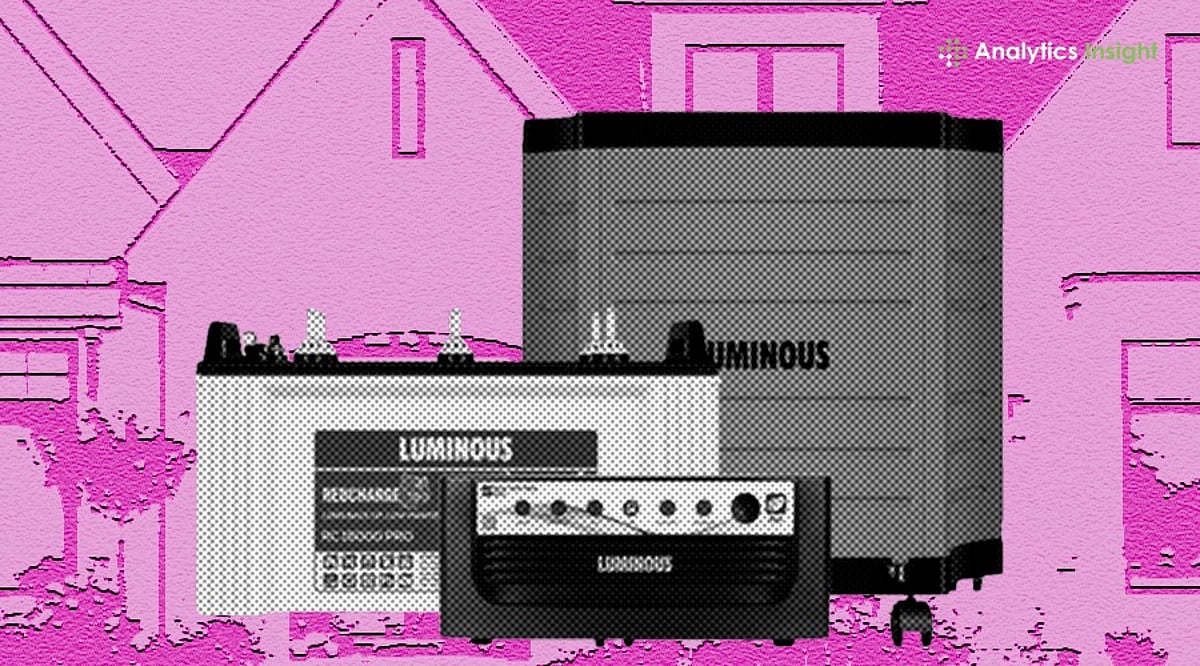
  • 2026 Home Inverter Buying Guide: How to Select the Right Backup Power System for Your Household

    2026 Home Inverter Buying Guide: How to Select the Right Backup Power System for Your Household

    Frequent power outages, especially during summer and monsoon seasons, can disrupt daily life. A reliable inverter ensures uninterrupted power for essential appliances. This guide walks you through calculating power requirements, choosing the right VA rating, selecting battery capacity, and evaluating key features for a cost-effective, long-lasting home backup solution.

    Why Choosing the Right Inverter Matters

    An inverter converts stored battery energy into electricity for home appliances during outages. Selecting the wrong inverter can lead to insufficient power or inadequate backup time. The correct choice ensures continuous power supply, better appliance performance, avoidance of overload, longer battery life, and reduced maintenance costs.

    Step 1: Calculate Your Power Requirement

    List the appliances you want to run during a power cut and note their wattage. For example: lights (60W), fan (70W), router (40W) = 170W total. This figure is the foundation for selecting inverter capacity.

    Step 2: Understand the VA Rating

    Inverters are rated in Volt-Amperes (VA). To find the right VA, divide your total power requirement by the inverter’s power factor (typically 0.7–0.8). Using the example: VA = 170 / 0.7 ≈ 243 VA. A 250 VA inverter would be suitable. Choosing a slightly higher VA rating improves performance during peak load and extends inverter life.

    Step 3: Select the Right Battery Capacity

    Battery capacity is measured in Ampere Hours (Ah). Higher Ah means longer backup time. Consider outage duration, connected equipment, and daily usage. For a 170W load needing 6 hours backup, a 150 Ah battery works. Many manufacturers offer battery calculators to help estimate the correct capacity.

    Recommended Inverter and Battery Combinations

    • Small apartments: Lights, fans, TV, router → 250–500 VA inverter + 100–150 Ah battery
    • Medium homes: Add refrigerator, multiple fans → 500–1000 VA inverter + 150–200 Ah battery
    • Large homes: Water pump, heavy appliances → 1000+ VA inverter + 200+ Ah battery

    Features to Look for Before Buying

    • Pure Sine Wave Output: Provides clean power for sensitive electronics (TVs, computers, routers).
    • Battery Compatibility: Ensure the inverter works with the battery type you plan to use (tubular, lead-acid, lithium-ion).
    • Overload Protection: Prevents damage to the inverter and connected appliances.
    • Fast Charging: Reduces battery recovery time during frequent power cuts.
    • Smart Monitoring: Some inverters include sensors for water level or remote monitoring via app.

    Why Battery Quality Matters

    A high-quality battery extends backup duration, charges faster, performs better during frequent outages, and requires less maintenance. Tubular batteries are recommended for areas with frequent power cuts due to their durability and faster charging. Lithium-ion batteries are increasingly popular for their longer lifespan and compact size, though they cost more upfront.

    Common Mistakes to Avoid

    • Not calculating total power requirement before purchase.
    • Choosing the cheapest inverter without checking specifications or future needs.
    • Selecting a battery with insufficient capacity for required backup time.
    • Overloading the inverter with too many appliances.

    Final Thoughts

    With today’s reliance on digital devices, a well-chosen home inverter is essential. By calculating load, matching VA rating and battery capacity, and prioritizing features like pure sine wave and overload protection, you can ensure reliable backup power and protect your appliances.

    Frequently Asked Questions

    1. What size inverter is suitable for a modern home?

    For most small- to medium-sized homes, inverters between 500 VA and 1000 VA are suitable, depending on the appliances used during outages.

    2. Which type of inverter is best for home use today?

    Pure sine wave inverters are best as they provide stable power, protect sensitive electronics, and support a wide range of appliances efficiently.

    3. How long should an inverter battery last?

    With proper maintenance, tubular batteries typically last 4 to 7 years, depending on usage and outage frequency.

    4. What is the latest factor to consider before buying an inverter?

    Energy efficiency, fast charging technology, smart monitoring, and solar compatibility are now important considerations.

    5. Are lithium-ion inverter batteries better than traditional ones?

    Lithium-ion batteries offer faster charging, longer lifespan, and compact size but are more expensive than lead-acid or tubular alternatives.