Tag: battery life

  • Moto G77 Power Review: A Mid-Range Phone Built for Battery Endurance

    Moto G77 Power Review: A Mid-Range Phone Built for Battery Endurance

    Introduction

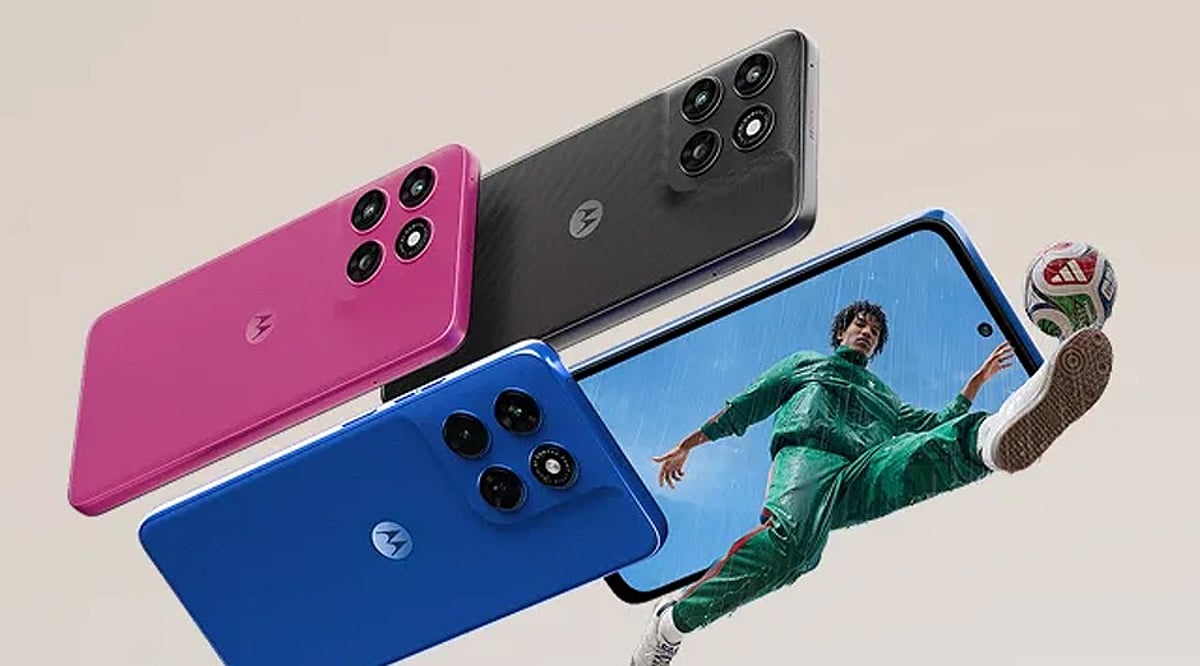
    The Moto G77 Power is a mid-tier smartphone designed for users who prioritize battery life over raw performance. With a massive 7,000mAh battery, MediaTek Dimensity 6400 processor, Sony LYTIA 600 camera, and Motorola’s intuitive Hello UI, this phone delivers reliable day-to-day performance and exceptional battery longevity. While its LCD screen and limited software compatibility hold it back from being the best in its class, it remains a compelling option for those who need a phone that lasts.

    Key Specifications

    • Battery: 7,000mAh
    • Processor: MediaTek Dimensity 6400
    • Camera: Sony LYTIA 600
    • Operating System: Motorola Hello UI
    • Display: LCD
    • Speakers: Stereo
    • Build: Vegan leather finish

    Pros and Cons

    Pros

    • Exceptional battery life (up to two days)
    • Intuitive Hello UI design
    • Reliable day-to-day performance
    • Premium vegan leather finish
    • Decent camera for portraits and selfies
    • Stereo speakers enhance media experience

    Cons

    • LCD screen cannot match AMOLED rivals
    • Mediocre gaming performance
    • Software updates still fall short

    Final Verdict

    The Moto G77 Power excels in the most critical area for many users: battery life. The 7,000mAh battery provides up to two days of usage, while the Hello UI and reliable performance make it a joy to use daily. The vegan leather finish adds a touch of luxury, and the Sony camera is adequate for casual photography. However, the LCD display, gaming limitations, and ongoing software update issues prevent it from being a top-tier contender. Overall, it earns a solid 4 out of 5 stars.

  • Smart Travel Wearables: Smartwatches, Rings, Earbuds, and Glasses Compared

    Smart Travel Wearables: Smartwatches, Rings, Earbuds, and Glasses Compared

    Travel wearables have evolved into compact tools that can handle navigation, fitness tracking, payments, and safety alerts. But not every wearable makes sense on the road. The best choice depends on your itinerary, battery needs, connectivity options, and the features you will actually use.

    Smartwatches: The Most Versatile Travel Companion

    Smartwatches can replace several small gadgets in your travel bag. They put maps, notifications, payments, fitness tracking, and safety tools on your wrist. GPS is especially helpful during city walks and outdoor trips, and offline maps can keep you oriented when mobile coverage disappears. Cellular models offer even more independence from your smartphone, though coverage depends on regional network compatibility.

    Battery life is the trade-off. A watch that needs daily charging can become a hassle on long trips, while outdoor-focused models often run much longer. Before traveling internationally, check cellular and eSIM compatibility, as support varies by country.

    Smart Rings: Low-Profile Health and Sleep Tracking

    Smart rings take up almost no luggage space and offer a quieter alternative to smartwatches. Their main strength is health tracking, including sleep, heart rate, and recovery, which can be valuable when flights and time zone changes disrupt your routine.

    They also avoid the constant notifications of a smartwatch, making them a good fit for travelers who want fewer distractions. However, most smart rings lack built-in GPS and large displays, so they work best alongside a smartphone rather than replacing one.

    Smart Glasses and Earbuds: Niche Uses, Real Benefits

    Smart glasses remain a niche travel accessory. Features like navigation overlays, cameras, voice controls, and translation can be interesting, but privacy, battery life, and regional availability are practical barriers. They make sense only when the model and destination align with your needs.

    Translation earbuds can be more immediately useful. They help with conversations in unfamiliar languages, and they double as earbuds for music, calls, and noise cancellation on flights. Avoid unnecessary duplication: if your phone already handles translation well, a separate device may not add enough value.

    GPS, Offline Maps, and Safety Features Matter

    Travel wearables become more valuable when connectivity is unreliable. Offline maps provide directions without mobile data, and GPS helps hikers and explorers in unfamiliar areas. Safety features also deserve attention: some premium watches offer emergency communication and location sharing, while rugged models handle water, dust, and tough outdoor conditions. For remote adventures, a durable device with dependable navigation beats a flashy but fragile one.

    Battery Life Can Make or Break a Trip

    Battery performance is easy to overlook before departure but becomes critical after multiple flights and hotel changes. Longer battery life means fewer charging interruptions. Outdoor watches can last weeks on a single charge, while premium smartwatches offer richer features but shorter endurance. Smart rings often last several days, making them convenient for overnight health tracking. Whichever device you choose, pack the right charging cable and verify compatibility before you leave.

    Which Wearables Should Make Your Travel Kit?

    There is no single wearable for every traveler. Consider your itinerary first:

    • Smartwatch: best for navigation, payments, notifications, fitness tracking, and active trips.
    • Smart ring: best for sleep, heart-rate, and recovery tracking without screen distractions.
    • Earbuds: useful for flights, music, calls, and language support.
    • Smart glasses: only worth bringing if the model and destination meet your specific needs.

    City travelers may prioritize payments and navigation. Hikers may prioritize GPS, durability, and battery life. Frequent flyers may prefer sleep tracking and noise cancellation. The best travel wearable is the one you will actually use. If a gadget solves no real problem, leave it at home.

    Frequently Asked Questions

    Which wearable is most useful for travel?

    A smartwatch is typically the most versatile travel wearable. It can provide navigation, notifications, fitness tracking, payments, and safety features. Cellular models add independence from a smartphone, depending on network and regional compatibility.

    Are smartwatches useful for international travel?

    Yes, but check connectivity before you leave. Cellular watches depend on supported networks and eSIM availability. GPS and offline maps can still work without mobile coverage in many areas.

    Are smart rings worth carrying while traveling?

    Smart rings are useful if you care about sleep, heart rate, and recovery. They take up minimal luggage space, but they generally lack displays and built-in GPS, so they work best with a smartphone.

    Can a smartwatch replace a smartphone during travel?

    Most travelers will still need a smartphone. Certain smartwatches can handle calls, messages, navigation, payments, and other tasks independently, but the available functions depend on the device and network.

    Are smart glasses useful for travelers?

    Smart glasses can offer voice controls, cameras, navigation, and translation, but their usefulness depends on the model and destination. Consider battery life, privacy, regional availability, and whether your existing devices already provide these features.

  • Vivo V50 vs Vivo V40: Which Mid-Range Phone Offers Better Value in 2026?

    Vivo V50 vs Vivo V40: Which Mid-Range Phone Offers Better Value in 2026?

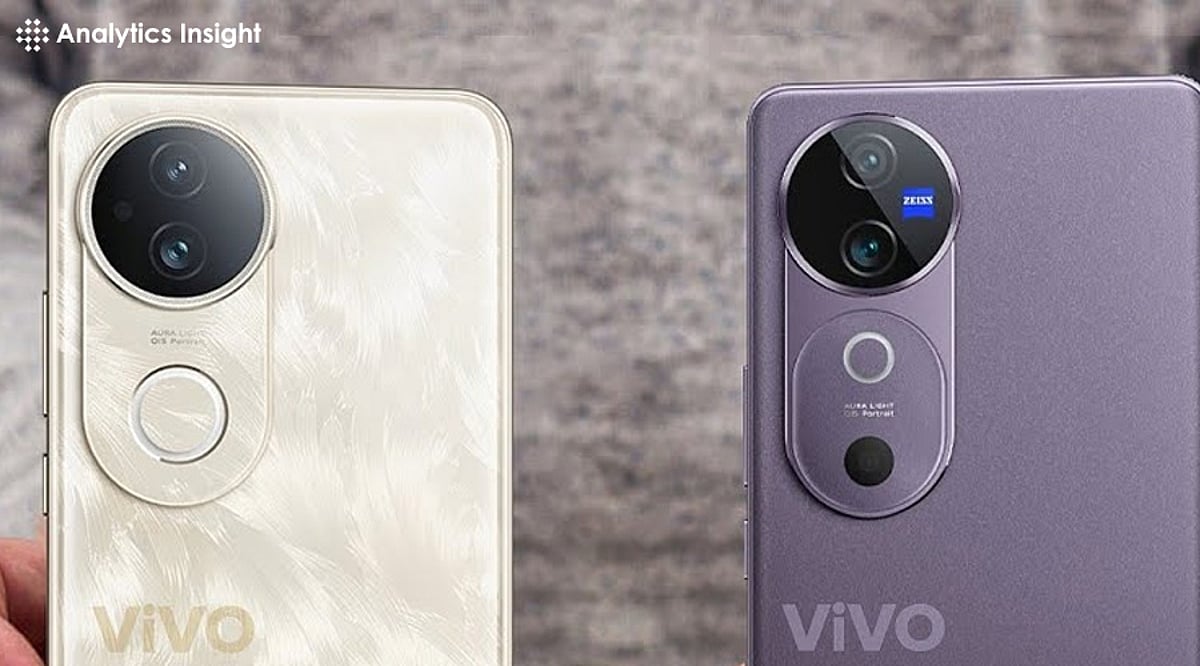
    Even in 2026, the Vivo V50 and Vivo V40 remain popular picks for budget-conscious smartphone buyers. They share nearly identical camera hardware and the same processor, but key differences in battery capacity, storage, and software make one a more compelling choice. Let’s break down how these two mid-range phones compare today.

    Camera: Same Hardware, Software Edge for the V50

    Both the Vivo V50 and V40 come with a dual rear camera setup featuring a 50MP main sensor with optical image stabilization (OIS) and a 50MP ultra-wide lens. Zeiss optics are present on both models, helping deliver sharp, color-rich photos across various lighting conditions. Selfie lovers will also find a 50MP front camera on both phones, making them solid options for social media and video calls.

    While the physical camera hardware is identical, the V50 has a slight advantage thanks to Funtouch OS 15, which brings improved image processing compared to the V40’s Funtouch OS 14. However, neither phone supports 4K cinematic video, a feature now common on Vivo’s newer V-series models. If advanced videography is a must-have, you may need to look at newer devices.

    Battery and Charging: V50 Pulls Ahead

    The Vivo V50 packs a larger 6000mAh battery with 90W fast charging, giving it a clear edge in endurance. Heavier users can expect longer screen-on time and quicker top-ups compared to the V40’s 5500mAh cell with 80W charging. While the V40’s battery remains respectable for daily use, the V50 is the better choice if all-day battery life is your priority.

    That said, if raw battery capacity is your primary buying factor, Vivo’s newest models like the V80 push capacity close to 7,200mAh, so it’s worth considering current-generation options before making a final decision.

    Performance: Same Chip, Better Sustained Gaming on V50

    Both phones run on the Qualcomm Snapdragon 7 Gen 3 processor, with AnTuTu scores hovering around 810,000 points. In everyday tasks, you won’t notice much difference. However, the V50 features improved thermal management, which helps maintain stable performance during extended gaming sessions. That makes the V50 a slightly better pick for mobile gamers.

    Storage options also differ. The V50 goes up to 512GB, while the V40 tops out at 256GB. Both offer up to 12GB of RAM, but the V50’s extra storage makes it more suitable for users who store lots of media or install many heavy apps. On the software side, the V50 ships with Android 15-based Funtouch OS 15, while the V40 launched on Android 14 and remains upgradeable.

    Display and Design: Curved vs. Flat, Both Smooth

    The Vivo V50 sports a 6.77-inch Full HD+ AMOLED display with a 1080 x 2392 resolution and a stunning peak brightness of 4500 nits. Its quad-curved design gives a premium, immersive feel, though some users may prefer the V40’s flatter screen to avoid accidental touches. The V40 has a slightly larger 6.78-inch AMOLED panel with a sharper 1260 x 2800 resolution.

    Both displays support a 120Hz refresh rate, ensuring smooth scrolling, fluid animations, and solid gaming performance. Even by 2026 mid-range standards, these displays hold up well.

    Which One Should You Choose in 2026?

    If battery life, larger storage, and newer software matter most to you, the Vivo V50 is the stronger choice. Its 6000mAh battery, 90W charging, and up to 512GB storage make it a more future-proof buy. The V50 also handles long gaming sessions better thanks to its improved thermal management.

    On the other hand, if you prefer a sharper display resolution, a flatter design, and want to save money, the Vivo V40 still delivers solid all-round performance. It may lack the V50’s battery and storage advantages, but it remains a dependable smartphone even against Vivo’s newer 2026 lineup.

    FAQ

    What is the main difference between the Vivo V50 and V40?

    The biggest differences are battery capacity and storage. The V50 offers 6000mAh with 90W fast charging and up to 512GB of storage, while the V40 has 5500mAh with 80W charging and a 256GB maximum.

    Do the Vivo V50 and V40 have the same camera setup?

    Yes, both phones feature a 50MP main sensor with OIS, a 50MP ultra-wide lens, and a 50MP selfie camera. The V50 benefits from improved image processing thanks to Funtouch OS 15.

    Which phone is better for gaming?

    The Vivo V50 is slightly better for gaming because its thermal management prevents performance throttling during long sessions. Both use the same Snapdragon 7 Gen 3 processor and score similarly in benchmarks.

    Is the Vivo V50 worth buying over the V40 in 2026?

    Yes, if you value battery life, storage, and newer software. The V40 remains a good budget option if you prefer a higher-resolution display and don’t need the extra endurance.

    How do these phones compare to Vivo’s newer models?

    Newer Vivo phones like the V80 offer larger batteries, 4K cinematic video, and more advanced processors. If you want the latest features, that lineup is worth considering.

  • iPhone 18 Pro vs Galaxy S26 Ultra: Price, Cameras, Battery, and Performance Face-Off (2026)

    iPhone 18 Pro vs Galaxy S26 Ultra: Price, Cameras, Battery, and Performance Face-Off (2026)

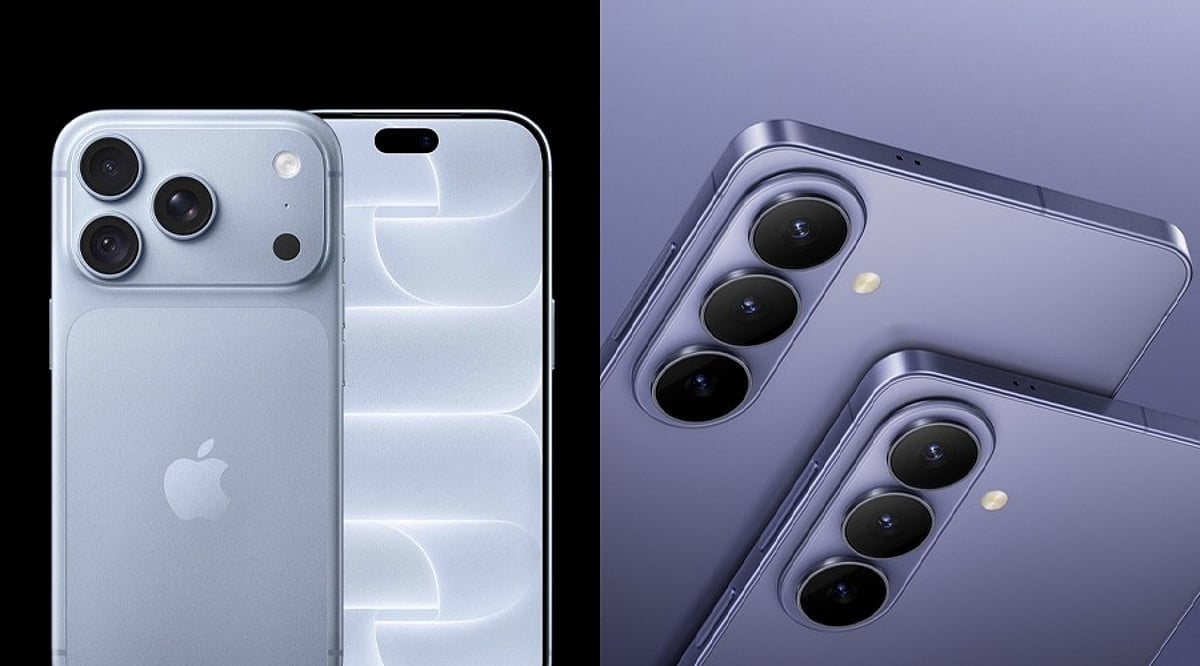
    Apple’s iPhone 18 Pro and Samsung’s Galaxy S26 Ultra battle for flagship supremacy in 2026. This guide compares pricing, chips, cameras, battery life, and software to help you pick the right phone.

    Price Comparison

    Apple raised prices this year, breaking its recent habit of holding steady across generations. The iPhone 18 Pro costs $100 more than its predecessor, partly due to memory chip costs jumping from $13 to $51 per unit. Samsung kept the Galaxy S26 Ultra price flat against the S25 Ultra. Both brands dropped the 128GB base option; every buyer now starts at 256GB minimum.

    Specifications and Design

    Display Details

    The iPhone 18 Pro carries a 6.3-inch OLED screen; the Pro Max stretches to 6.9 inches. Samsung’s Galaxy S26 Ultra also measures 6.9 inches. Both phones refresh at 120Hz for smooth scrolling.

    Processing Power

    Apple’s A20 Pro chip uses a 2-nanometer process for the first time. It pairs a 6-core CPU with a 7-core GPU, delivering 40 percent faster graphics than the A19 Pro. A 32-core Neural Engine doubles AI processing speed. Samsung runs the Snapdragon 8 Elite Gen 5 for Galaxy with 12GB of RAM standard. Early benchmarks show Apple leading in single-core tasks; Qualcomm’s chip holds its own during long gaming sessions.

    Camera Systems

    Apple introduced a mechanical variable aperture on the 48MP main camera, shifting between f/1.48 and f/4.0 using six blades. This gives photographers real control over depth and light. Samsung stuck with its proven quad-camera formula, anchored by a 200MP main sensor, relying more on Galaxy AI tools for deeper image processing. Each brand chose a different path: Apple bet on mechanical innovation, Samsung on resolution and computational photography.

    Battery and Charging

    Apple says its battery gains come from chip efficiency, not a bigger cell. The Pro Max now reaches 45 hours of video playback — the largest battery jump in company history. Samsung’s 60W charging still beats Apple’s fastest wired speed, giving Galaxy owners a quicker top-up.

    Software and AI Features

    Apple’s Approach

    The iPhone 18 Pro runs iOS 27 out of the box. Siri received a major overhaul, now running on Google Gemini’s foundation models. A new Ask Siri button sits alongside a redesigned interface.

    Samsung’s Approach

    The Galaxy S26 Ultra ships with Android 16. Samsung expanded its Galaxy AI toolkit, including a built-in Privacy Display feature that blocks nearby onlookers from seeing the screen.

    Final Verdict

    Choosing between these two flagships depends on personal priorities. Apple delivers real innovation through its variable aperture camera and the 2-nanometer chip, but at a steeper price. Samsung counters with a sharper 200MP sensor and faster charging, with stable pricing. Neither phone falls short on power, camera quality, or battery life. The decision often comes down to ecosystem loyalty: Apple loyalists will find the upgrade worthwhile; Samsung loyalists gain a refined phone without losing everyday value.

    FAQs

    • Which phone offers better value for money in 2026? The Galaxy S26 Ultra offers stronger value since its price stayed flat. The iPhone 18 Pro costs $100 more due to rising memory chip costs.
    • Does the iPhone 18 Pro have a better camera than the Galaxy S26 Ultra? The iPhone adds a variable aperture for manual light control; the Galaxy relies on a 200MP sensor. Each excels in different conditions.
    • Which flagship has the longer battery life? The iPhone 18 Pro Max reaches 45 hours of video playback, ahead of the Galaxy S26 Ultra’s 5,000 mAh cell. Samsung compensates with faster 60W charging.
    • Is the A20 Pro chip faster than the Snapdragon 8 Elite Gen 5? Early benchmarks show the A20 Pro leading in single-core performance and power efficiency, while the Snapdragon stays competitive during sustained gaming.
    • When did the Galaxy S26 Ultra and iPhone 18 Pro launch? The Galaxy S26 Ultra launched on March 11, 2026. The iPhone ải Pro and Pro Max became available on S eptember 18,2026., after their September 9 announcement.
  • Vivo X300 FE vs OnePlus Nord CE 6: Which Mid-Range Phone Delivers Better Value in 2026?

    Vivo X300 FE vs OnePlus Nord CE 6: Which Mid-Range Phone Delivers Better Value in 2026?

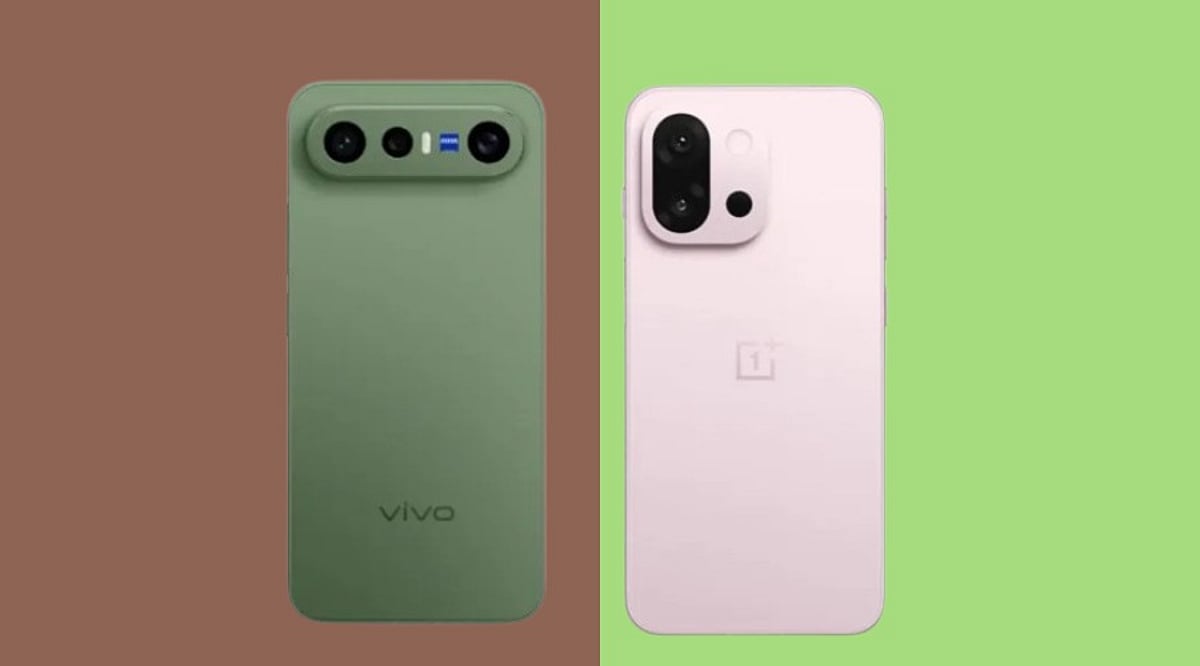
    India’s smartphone market is flooded with devices promising flagship features at friendlier prices. Two recent contenders stand out for very different reasons: the Vivo X300 FE, which packs premium camera hardware and a compact design, and the OnePlus Nord CE 6, which bets on enormous battery life and a large, fast display. Choosing between them requires a close look at chipset, camera systems, battery, and price — not just headline specs.

    Design and Display

    The Vivo X300 FE keeps things compact with a 6.31-inch AMOLED panel running at 1.5K resolution and a 120Hz refresh rate. Peak brightness hits 5,000 nits, making sunlight readability effortless. IP68 and IP69 ratings add solid dust and water protection.

    The OnePlus Nord CE 6 goes bigger — a 6.78-inch 1.5K AMOLED screen with a faster 144Hz refresh rate. Peak brightness is 3,600 nits, still bright enough for outdoor use.

    • Vivo X300 FE: 6.31-inch AMOLED, 120Hz, 5,000 nits peak brightness
    • OnePlus Nord CE 6: 6.78-inch AMOLED, 144Hz, 3,600 nits peak brightness

    One-handed users will prefer the Vivo’s smaller size; movie watchers and gamers will lean toward the Nord’s larger canvas.

    Performance and Software

    Vivo goes all-in on power with the Snapdragon 8 Gen 5 (3nm process) in the X300 FE — a chip typically reserved for flagships. Heavy multitasking, demanding games, and editing sessions feel smooth. The OnePlus Nord CE 6 uses the Snapdragon 7s Gen 4, which handles daily apps and light gaming well but can’t match the Vivo’s benchmark scores or gaming headroom.

    Both phones ship with Android 16. Vivo overlays OriginOS 6 with five years of OS updates and seven years of security patches. OnePlus sticks with OxygenOS 16, a lighter interface popular among Indian users.

    Camera Capabilities

    This is where the two phones diverge sharply. The Vivo X300 FE features a serious triple-camera setup:

    • 50MP main (Sony IMX921) with OIS
    • 50MP periscope telephoto (Sony IMX882), 3x optical zoom, OIS
    • 8MP ultra-wide
    • 50MP front camera

    ZEISS-tuned optics give the Vivo a real edge in portraits and zoom shots. The OnePlus Nord CE 6 keeps things simple: a 50MP primary sensor, a secondary lens, and a 32MP front camera. Daylight shots are fine, but low light and zoom fall short.

    Battery and Charging

    Battery life clearly favors the Nord CE 6. It packs an 8,000mAh cell with 80W SUPERVOOC charging — moderate users can get nearly two days per charge. The Vivo X300 FE carries a 6,500mAh battery with 90W wired FlashCharge and adds 40W wireless charging, which the Nord lacks entirely.

    Pricing and Value for Money

    The OnePlus Nord CE 6 starts at Rs. 29,999 (8GB RAM/128GB storage) and goes to Rs. 32,999 for 256GB. The Vivo X300 FE sits much higher: Rs. 79,999 for 12GB RAM/256GB and Rs. 89,999 for 512GB. That price gap puts them in different buying categories. The Nord suits shoppers who want long battery life and a bright display without spending much; the X300 FE targets buyers who want compact flagship performance and are ready to pay a premium.

    Final Verdict

    There’s no single winner — only a better fit. Buyers who prioritize battery stamina, a large vibrant screen, and dependable daily performance at a modest price should choose the OnePlus Nord CE 6. Those who care more about camera versatility, a compact design, and flagship-grade processing power should opt for the Vivo X300 FE. Given the wide price difference, this is less a head-to-head rivalry and more a snapshot of what each budget tier delivers in 2026.

    FAQs

    1. Is the Vivo X300 FE really a mid-range phone? Not quite. Priced between Rs. 79,999 and Rs. 89,999, it sits closer to the premium segment. Its Snapdragon 8 Gen 5 chip and camera hardware reflect flagship-level engineering.
    2. Which phone lasts longer on a single charge? The OnePlus Nord CE 6 wins with its 8,000mAh battery and 80W charging, offering nearly two days of use. The Vivo’s 6,500mAh battery is smaller but still reliable.
    3. Does the OnePlus Nord CE 6 support wireless charging? No. The Vivo X300 FE includes 40W wireless charging on top of 90W wired FlashCharge.
    4. Which phone takes better photos overall? The Vivo X300 FE leads, thanks to its periscope telephoto lens, OIS, and ZEISS tuning. The Nord CE 6 performs well only in strong daylight.
    5. Which phone handles gaming better? The Vivo X300 FE, powered by the Snapdragon 8 Gen 5, delivers stronger sustained gaming performance compared to the Nord’s Snapdragon 7s Gen 4.
  • 2026 Neckband Earphones Buying Guide: Key Features Every Shopper Should Know

    2026 Neckband Earphones Buying Guide: Key Features Every Shopper Should Know

    Overview

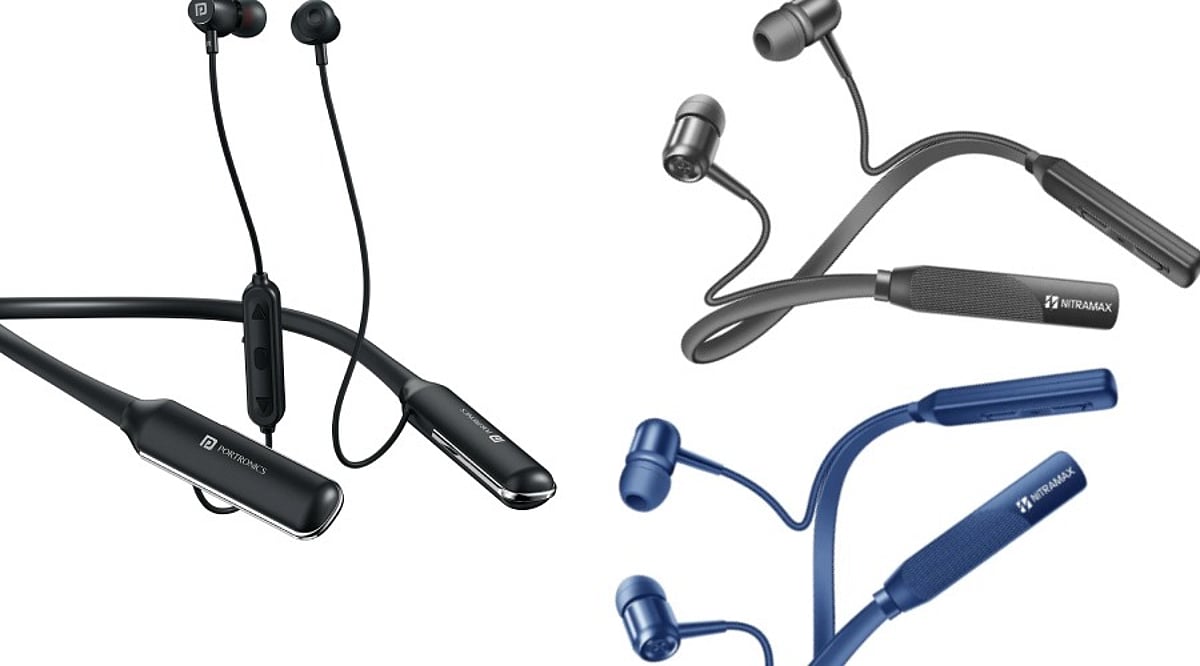
    Neckband earphones remain a practical alternative to true wireless earbuds, combining wireless convenience with a secure, connected design. The battery module rests around your neck, making the earphones harder to misplace. Modern neckbands now offer features once limited to expensive headphones, including active noise cancellation (ANC), fast charging, and multipoint connectivity. However, specifications can be confusing, so here are the key features to evaluate before buying.

    Battery Life and Fast Charging

    Battery life is one of the biggest advantages of neckbands. Many current models deliver several dozen hours of playback, and some budget options advertise even longer runtimes. Keep in mind that advertised figures use specific testing conditions; actual runtime varies with volume and feature usage. ANC can significantly reduce battery life, so check the expected runtime with noise cancellation enabled. Fast charging is equally important—a short charging session can provide several hours of playback. USB-C should be a priority for easy charging across modern devices.

    Sound Quality and Driver Size

    A larger driver doesn’t automatically guarantee better sound. Tuning, hardware quality, and software processing also play crucial roles. Look for a sound profile that matches your listening habits: bass-heavy tuning suits electronic music and action content, while balanced tuning works well for podcasts and vocal-heavy music. Some models offer equalizer controls through companion apps. Codec support matters too—higher-end models may support codecs like LDAC, but both phone and earphones must be compatible.

    Active Noise Cancellation vs. Call Quality

    ANC is increasingly common in affordable neckbands, with some models advertising levels up to 45dB or 50dB. However, these numbers don’t directly reflect real-world performance. ANC works best against steady sounds like air conditioners, engines, and background hum. Call noise reduction serves a different purpose—it helps make your voice clearer during calls. If you frequently take calls outdoors, microphone quality is critical. Multiple microphones can improve voice pickup and background-noise handling.

    Comfort, Fit, and Build Quality

    A neckband should feel comfortable after hours of use. Look for a lightweight design, flexible neckband, and ear tips that fit securely without pressure. Magnetic earbuds make storage easier, and some models pause playback when the buds connect magnetically. Durability matters—check for an appropriate water or sweat resistance rating (IP rating) if you plan to use them during workouts.

    Connectivity and Useful Features

    Bluetooth version is important but not the only factor. Newer standards improve efficiency, stability, and supported features. Multipoint connectivity lets compatible earphones connect with two devices simultaneously, simplifying switching between a laptop and smartphone. Some models offer low-latency modes for gaming and video. Companion apps provide additional controls and equalizer settings; verify app compatibility with your operating system. Magnetic controls and dedicated buttons enhance everyday convenience.

    Choosing Based on Your Daily Routine

    The best neckband depends on how you plan to use it:

    • Commuters: Prioritize ANC, comfort, and battery life.
    • Professionals: Focus on microphones and multipoint connectivity.
    • Frequent travelers: Look for longer battery life and fast charging.
    • Fitness users: Emphasize secure fit and sweat resistance.
    • Music listeners: Concentrate on sound quality and codec support.
    • Budget buyers: Avoid paying for rarely used features; a reliable neckband with good battery life often outperforms a feature-heavy model in daily use.

    Also consider warranty and after-sales support. A slightly more expensive model can provide better long-term value. Neckbands remain relevant because they solve everyday problems—they are hard to lose and often last longer between charges. Choose a model that fits your routine, not just the longest specification list.

    FAQs

    What should I look for when buying neckband earphones?

    Start with battery life, comfort, sound quality, microphone performance, and connectivity. ANC is useful for commuters and travelers. Fitness users should check water resistance. Fast charging and USB-C improve everyday convenience. Finally, consider warranty coverage and after-sales support.

    Are neckband earphones still worth buying in 2026?

    Yes. Neckbands remain useful for people who prefer longer battery life and a connected design. They are harder to lose than separate wireless earbuds. Current models offer ANC, multipoint connectivity, fast charging, and improved microphones.

    How much battery life should a neckband have?

    There is no universal requirement. Around 20 to 30 hours is sufficient for moderate users. Frequent travelers may prefer longer runtimes. Some 2026 neckbands advertise 40, 50, or even 100+ hours. Remember that actual battery life varies with volume, ANC, and usage conditions.

    Is ANC important in neckband earphones?

    ANC can be valuable in noisy environments, reducing steady background sounds from transport, offices, and other locations. Effectiveness depends on implementation and fit. Don’t judge performance solely by the advertised decibel figure; real-world reviews provide better context.

    Are neckband earphones good for phone calls?

    They can be, but microphone quality varies considerably. Models with multiple microphones and effective noise reduction provide clearer voice transmission. If you frequently make outdoor calls, look for reviews that test microphones in noisy environments. Specifications alone cannot fully predict call performance.

  • iPhone 18 Pro vs iPhone 17 Pro: Is the Rs 30,000 Upgrade Worth It?

    iPhone 18 Pro vs iPhone 17 Pro: Is the Rs 30,000 Upgrade Worth It?

    Apple’s iPhone 18 Pro introduces several upgrades over the iPhone 17 Pro, including a faster A20 Pro chip, a variable-aperture main camera, improved battery life, and additional AI capabilities. However, with the newer model carrying a significant price premium in India, the upgrade may not make sense for everyone.

    Price Comparison

    The iPhone 18 Pro starts at Rs 1,64,900 for the 256GB model in India, while the iPhone 17 Pro launched at Rs 1,34,900 for the same storage configuration. That puts the difference at Rs 30,000 before retailer, bank, or exchange offers.

    Key Differences

    Camera Gets the Biggest Change

    One of the most significant upgrades is the iPhone 18 Pro’s 48 MP Fusion Main Camera with variable aperture (ƒ/1.48, ƒ/1.8, ƒ/2.8, and ƒ/4.0 options), compared to the iPhone 17 Pro’s fixed ƒ/1.78 aperture. This variable aperture allows greater control over light intake in different shooting conditions. Both models share 48MP main, ultra-wide, and telephoto cameras, with the telephoto offering 4x optical zoom and up to 8x optical-quality zoom.

    A20 Pro Targets Performance and AI

    The iPhone 18 Pro runs on Apple’s A20 Pro chip, replacing the A19 Pro. The newer chip features a 7-core GPU and enhanced neural acceleration for demanding AI workloads. Third-party analysis estimates roughly 20% improvement in CPU performance and 40% in GPU performance. These gains are most noticeable in demanding games, video processing, creative applications, and AI-heavy tasks, rather than everyday activities like messaging or browsing.

    Battery Life

    According to Apple, the iPhone 18 Pro provides up to 36 hours of video playback, compared with 33 hours on the iPhone 17 Pro. While not a massive increase, it may matter for heavy users.

    Display Changes Are Minor

    The iPhone 18 Pro features the same 6.3-inch Super Retina XDR OLED display with ProMotion and a smaller Dynamic Island that supports up to three Live Activities simultaneously. There are no major display improvements that would compel an upgrade.

    Which iPhone Pro Should You Buy?

    The iPhone 18 Pro is clearly superior, but the Rs 30,000 price gap gives the iPhone 17 Pro an edge in value, especially if retailers offer additional discounts. If you prioritize the latest camera technology, AI performance, battery life, or 2TB storage, the iPhone 18 Pro is the better choice. For most daily tasks, the iPhone 17 Pro’s A19 Pro chip, ProMotion display, and 48MP camera system remain more than capable. Ultimately, the decision hinges on price: with a big discount, the iPhone 17 Pro offers better value; if price is no object, the iPhone 18 Pro is the superior long-term investment.

    FAQs

    Is the iPhone 18 Pro worth upgrading from the iPhone 17 Pro?
    The upgrade is worthwhile for camera, AI, performance, and battery improvements, but not necessary for most everyday users.

    What is the price difference between iPhone 18 Pro and 17 Pro?
    The iPhone 18 Pro starts at Rs 1,64,900, while the iPhone 17 Pro launched at Rs 1,34,900 in India.

    Does iPhone 18 Pro have a better camera?
    Yes, its 48MP main camera features variable aperture, offering greater flexibility than the iPhone 17 Pro’s fixed aperture.

    Which iPhone has better battery life, 18 Pro or 17 Pro?
    The iPhone 18 Pro offers up to 36 hours of video playback, compared with 33 hours on the iPhone 17 Pro.

    Which iPhone offers better value for money?
    The iPhone 17 Pro offers better value, particularly when available at retailer discounts, while the 18 Pro provides newer hardware.

  • iPhone 18 Pro Unveiled: Variable-Aperture Camera, A20 Pro Chip, and Extended Battery Life

    iPhone 18 Pro Unveiled: Variable-Aperture Camera, A20 Pro Chip, and Extended Battery Life

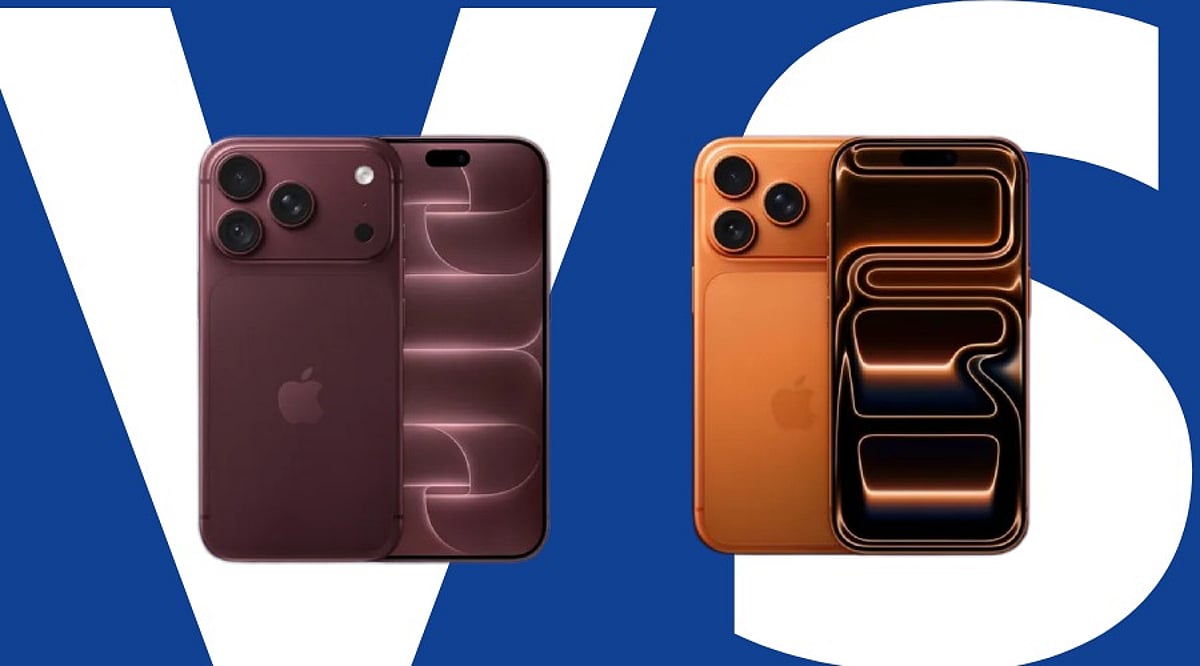
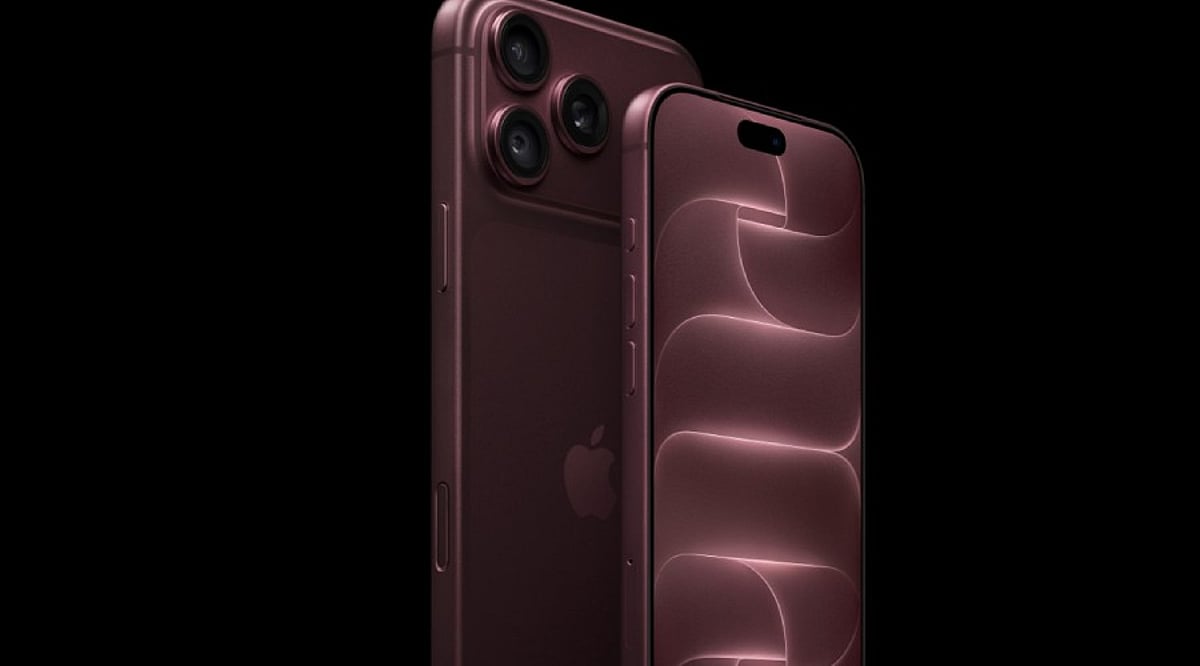
    Apple officially unveiled the iPhone 18 Pro and iPhone 18 Pro Max on September 9 at its Cupertino event, marking the first major iPhone launch under new CEO John Ternus. In India, the iPhone 18 Pro starts at Rs. 1,64,900, while the Pro Max starts at Rs. 1,79,900. Apple’s first foldable model, the iPhone Duo, is priced at Rs. 2,99,900. Pre-orders open on September 12, with sales beginning September 18.

    Variable-Aperture Camera Leads the Upgrades

    The biggest change is in the camera. The iPhone 18 Pro features a 48MP Fusion main camera with a mechanical variable aperture — a first for any iPhone. Six laser-cut blades adjust automatically or through four manual stops, opening as wide as f/1.48 for low-light shots. A new Pro Controls panel lets users manually adjust shutter speed, white balance, and aperture, along with an on-screen histogram.

    A20 Pro Chip and Battery Life

    The phone runs on Apple’s A20 Pro chip, built on a 2-nanometre process, delivering significant speed and efficiency gains. Battery life also improves, with the Pro Max offering up to 43 hours of video playback — the longest on any iPhone to date.

    Six More Enhancements

    • The Dynamic Island shrinks in size, freeing up more display space.
    • An image-authentication feature cryptographically signs each photo to verify authenticity.
    • Siri now runs on Apple Intelligence, providing more natural, conversational responses through on-device processing and Private Cloud Compute.
    • Storage options extend up to 2TB for the first time on a Pro model.
    • Video recording gains post-capture Cinematic effects at up to 60fps and 4K Dolby Vision HDR time-lapse.
    • The phones come in four finishes, including a new Burgundy option.
  • 7 Crucial Factors Every EV Buyer Must Consider Before Ditching Petrol

    7 Crucial Factors Every EV Buyer Must Consider Before Ditching Petrol

    Switching from a petrol car to an electric vehicle (EV) is a major decision that involves more than just environmental benefits. Before you make the leap, here are seven key factors to evaluate.

    1. Charging Infrastructure

    Before choosing an EV, check the availability of charging stations near your home, workplace, and along your regular routes. This ensures convenient daily charging and reduces range anxiety.

    2. Driving Range

    Compare the manufacturer’s claimed range with your typical travel needs. Remember that real-world range can be affected by traffic, weather, driving style, and highway speeds.

    3. Charging Time

    Understand the different charging speeds and connector types. Charging an EV can take significantly longer than refueling a petrol vehicle, so plan accordingly.

    4. Purchase Cost

    EVs often have higher upfront prices. Compare financing options, available incentives, insurance premiums, and expected running costs to get a full picture of the investment.

    5. Battery Life

    Check the battery warranty, replacement coverage, and expected lifespan. These factors are crucial for understanding potential long-term ownership costs.

    6. Maintenance Costs

    EVs have fewer moving parts, which can lower routine maintenance. However, components like tyres, brakes, and battery systems still require regular attention.

    7. Home Charging

    If possible, install a suitable home charger. Overnight charging makes daily EV ownership far more convenient and practical.

    Additionally, consider resale value trends for your preferred model, as battery condition, technology updates, warranty coverage, and market demand can affect future value. Finally, be prepared for a different driving experience—EVs deliver instant torque, quiet operation, and smooth acceleration compared to conventional petrol cars.

  • Top 10 Smartwatches for Men in 2026: Best Picks for Fitness, Battery Life, and Style

    Top 10 Smartwatches for Men in 2026: Best Picks for Fitness, Battery Life, and Style

    Choosing the right smartwatch in 2026 can be overwhelming with hundreds of models spanning from under ₹1,000 to over ₹40,000. This guide breaks down the key factors for men: fitness tracking, battery life, and everyday style, helping you make a confident decision.

    What to Look for Before Buying

    Start with three questions: Which phone do you use? Apple Watch pairs only with iPhone; most others work with iOS and Android. How much battery life do you need? Some watches last a day, others weeks. Which health features matter? Heart rate, sleep monitoring, GPS, or SpO2? Today’s smartwatches go beyond step counts—many include ECG, stress tracking, and AI-based workout detection.

    Top Picks Across Every Budget

    For iPhone owners, the Apple Watch Series 11 leads with deep iOS integration and FDA-cleared health sensors. Android and Samsung users get the best experience with the Galaxy Watch 8 Classic, blending premium build and strong app support. Fitness enthusiasts lean toward Garmin (Forerunner 265, Venu 4) for accurate GPS and recovery data. Budget buyers find value in Amazfit and Noise, offering AMOLED displays, multi-day battery, and solid health tracking at a fraction of the cost.

    Best Smartwatches Under ₹10,000

    India’s mid-range segment now includes real GPS, Bluetooth calling, and AMOLED screens. The Noise Pro 6 Max features a 1.96-inch display with built-in GPS and up to seven days of battery. The boAt Valour Watch 1 offers a metal body and AI workout detection. The Amazfit GTR 3 Pro lasts nearly 12 days and includes over 150 sport modes.

    Samsung & Fossil: Style Approaches

    Samsung smartwatches lead Android with rotating bezels, stainless steel, and Wear OS—ideal for office wear. Fossil has stepped back from new smartwatch models after its Gen 6 line, focusing on hybrids. Existing Fossil owners will get support, but Samsung is a safer long-term bet.

    Battery Life & Fitness Tracking Compared

    Battery life varies widely: Apple and Samsung need daily charging; Garmin and Amazfit can run a week to nearly a month. For fitness accuracy, Garmin leads with VO2 max and training load data, while Apple excels in health integration for payments and workouts.

    Why This Matters

    A smartwatch is now a fitness coach, sleep tracker, and early warning system for irregular heart activity. Choosing wrong means poor battery or missing essential health features.

    Final Thoughts

    The best smartwatch for men in 2026 depends on priorities: premium ecosystem (Apple/Samsung), fitness-first (Garmin/Amazfit), or budget value (Noise/boAt).

    FAQs

    1. Which is the best smartwatch for men in 2026? Depends on needs: Apple/Samsung for premium, Garmin for fitness.
    2. Best under ₹10,000? Noise, boAt, Amazfit offer AMOLED, GPS, health tracking, and calling.
    3. Best battery life? Garmin and Amazfit generally last longer than Apple and Samsung.
    4. Best for fitness tracking? Garmin provides detailed GPS, training, and recovery features.
    5. Samsung or Apple Watch? iPhone users choose Apple; Android users, especially Samsung phone owners, benefit from Galaxy Watch.