Tag: battery technology

  • Tesla’s Rise to Dominance in the Electric Vehicle Market: A Systematic Approach

    Tesla’s Rise to Dominance in the Electric Vehicle Market: A Systematic Approach

    Tesla did not become a major automaker overnight. It did not get there through one clever invention either. Its growth came from solving one problem after another. First, Tesla had to prove people wanted electric cars. Then it needed batteries, the ability to build cars at scale, and expansion into new countries. Each solution created the next challenge. This pattern explains Tesla’s rise better than any single product ever could.

    The Roadster Gamble

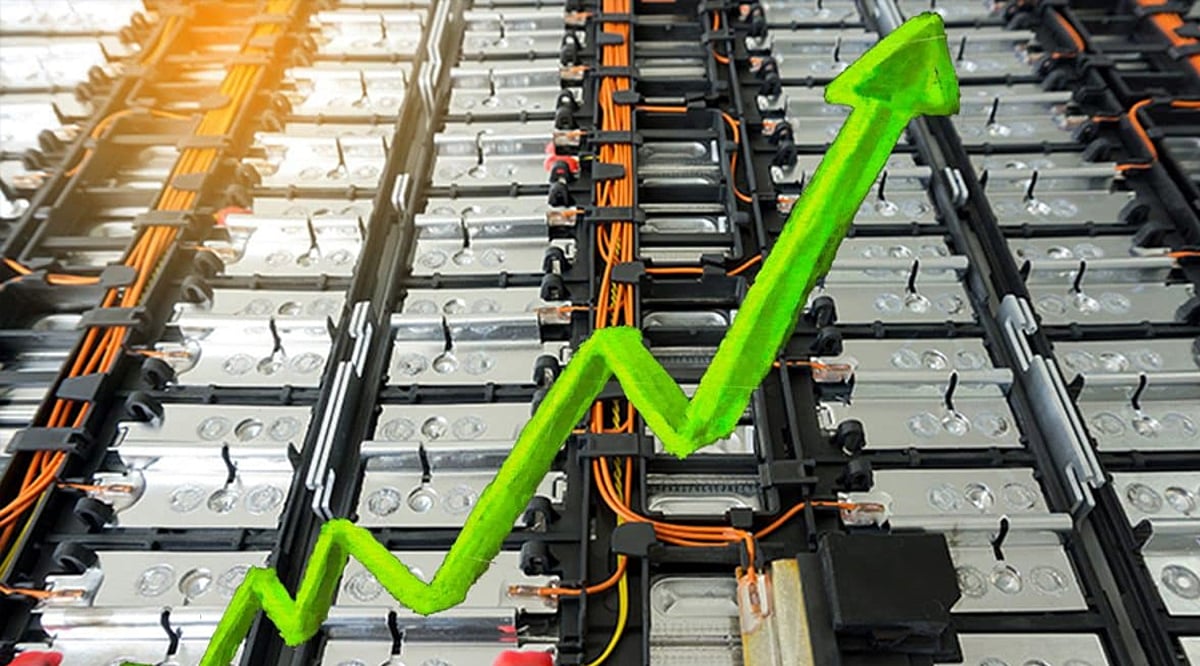
    Tesla was founded in 2003 by Martin Eberhard and Marc Tarpenning. Elon Musk joined as chairman and lead investor in 2004 and later became CEO. The company’s first car, the Roadster, launched in 2008. It used a Lotus Elise chassis and a battery pack made of thousands of small lithium-ion cells—the same type used in laptops at the time. This gave Tesla access to an already scalable battery supply chain. The hard part was managing heat, wiring the cells safely, and controlling the entire pack with software. The Roadster proved that a fast electric car could sell to real buyers, even at a high price.

    Model S Changes the Blueprint

    The Model S, introduced in 2012, marked a real shift for Tesla. Unlike the Roadster, it was built from scratch as an electric car, not adapted from another model. Tesla designed its own battery system, opened Supercharger stations to solve range anxiety, and introduced over-the-air updates that could change how a car worked even after it left the factory. This mix of software, batteries, and charging under one company gave Tesla more control over the driving experience than most traditional automakers had.

    Solving the Battery Bottleneck

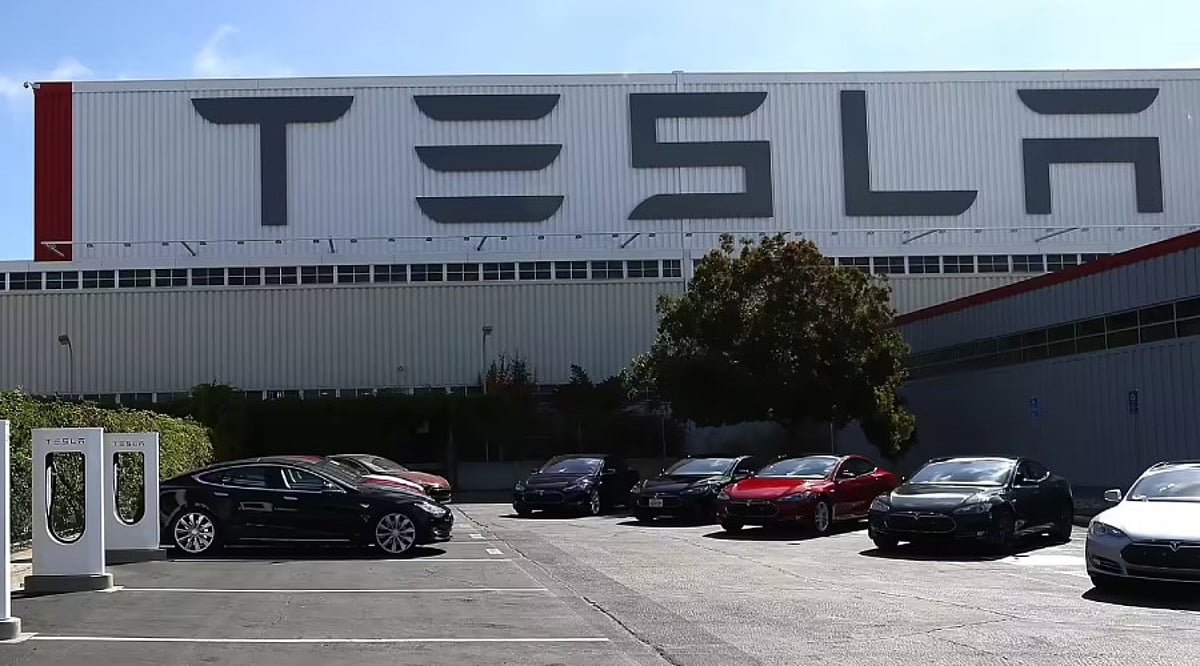
    By 2014, demand for Tesla cars had outpaced its battery supply. The Gigafactory in Nevada was built to fix this, partnering with Panasonic to bring battery cell and pack production closer to the car assembly line. This partnership combined Tesla’s scale with Panasonic’s battery expertise, driving down costs over time. Tesla later built more Gigafactories in Shanghai, Berlin, and Texas, each one moving production closer to the markets it served.

    The Model 3 Manufacturing Crisis

    Tesla’s hardest period came with the Model 3 in 2017 and 2018, a stretch the company itself called “production hell.” Building an affordable car at scale exposed real gaps in Tesla’s factory process. Musk later said the company came close to running out of money. The fix was not simple: Tesla built a temporary assembly line in a tent outside its Fremont factory and rethought automation steps that had slowed everything down. Once stabilized, the Model 3 became one of the best-selling electric cars in the world, proving Tesla could handle mass production, not just small batches of luxury cars.

    Shanghai Proves the Model Can Travel

    Tesla broke ground on its Shanghai factory in January 2019—its first plant outside the United States. Model 3 production began there later that same year, an extremely fast timeline for any car factory. Shanghai showed that Tesla’s production approach could succeed outside California. Local suppliers and production cut costs and gave Tesla direct access to China, the world’s largest EV market.

    Model Y Builds on What Already Works

    Tesla did not design a brand-new platform for the Model Y. Instead, it leveraged much of the same engineering as the Model 3, allowing Tesla to enter the crossover and SUV market quickly without repeating years of development. Shared parts extended the value of earlier investments into a whole new vehicle type.

    A Market That Has Changed

    Tesla once had the EV market mostly to itself, but that is no longer true. Legacy automakers now offer strong electric vehicles, and Chinese companies like BYD report huge sales numbers (though often including plug-in hybrids). Tesla still has strong advantages: its charging network, software, and factory scale. But rivals are building the same strengths. What sets Tesla apart today is not being first—it’s how well Tesla integrates all these pieces into one cohesive system.

    Final Thought

    Tesla’s real story is not about inventing the electric car. It’s about building the machinery around it. Batteries, factories, charging stations, and software were once separate parts of the business. Tesla turned them into one connected system. That system, more than any single car, is what transformed a small EV startup into a global manufacturer.

  • KULR Technology Group Exits Bitcoin Holdings, Sells 764 BTC for $58.6 Million

    KULR Technology Group Exits Bitcoin Holdings, Sells 764 BTC for $58.6 Million

    US-listed KULR Technology Group has fully exited its Bitcoin position, selling its remaining 764 Bitcoin between August 20 and September 11 for gross proceeds of approximately $58.6 million. The weighted average sale price was about $76,633 per Bitcoin, according to a regulatory filing.

    KULR Cuts Bitcoin Holdings to Zero

    As of September 11, KULR held no Bitcoin after completing open-market sales to unrelated buyers. The company described the transactions as part of its treasury management activities. The filing did not disclose the cost basis for the coins sold or indicate whether the final disposal resulted in a realized gain or loss. However, the average sale price was below KULR’s reported average acquisition cost of about $100,579 per Bitcoin at the end of the second quarter.

    KULR first purchased Bitcoin in December 2024 and steadily increased its holdings. By August 2026, management had begun reversing that strategy as financial priorities shifted.

    Company Ends Mining and Repays Coinbase Loans

    The Bitcoin sale followed other steps that reduced KULR’s cryptocurrency exposure. The company ended its Bitcoin mining operation after the second quarter and repaid its Coinbase loans in full.

    Chief Executive Michael Kimmel said the measures aimed to limit stock dilution while reducing balance-sheet volatility. KULR also introduced a policy designed to improve financial visibility. Management redirected funds and operational resources toward growth in the company’s core energy business.

    The September 11 Bitcoin sale completed the treasury side of that shift, removing KULR’s remaining direct exposure to Bitcoin price changes. Previously, movements in Bitcoin could increase or reduce the value of assets on its balance sheet.

    USD 58.6 Million Sale Adds Liquidity

    The Bitcoin disposal generated approximately $58.6 million in gross proceeds and increased KULR’s available liquidity. The filing did not explain how the company plans to use that cash, leaving investors without details on whether the proceeds will go toward operations, debt reduction, acquisitions, or other balance-sheet priorities.

    KULR has not ruled out future Bitcoin purchases. The filing records the sale of its remaining holdings but does not prevent the company from rebuilding a position later.

  • EV Industry Outlook 2026: Key Trends Driving Growth in Europe, China, and Beyond

    EV Industry Outlook 2026: Key Trends Driving Growth in Europe, China, and Beyond

    The electric vehicle market is entering a new phase, marked by shifting regional dynamics, falling prices, and rapid technological advances. Global sales of battery-electric and plug-in hybrid vehicles reached 1.85 million units in July 2026, a 9% year-over-year increase, with total sales for the first seven months hitting approximately 11.5 million. Europe is emerging as the fastest-growing market, while China faces a saturated domestic market and North America shows mixed signals. The next wave of EV adoption will hinge on price, battery innovation, charging infrastructure, software capabilities, and trade policies.

    Europe Gains Momentum

    In 16 major European markets, battery-electric vehicles accounted for 25.7% of new car sales in July 2026. BEV sales rose 13.6% year-over-year to 224,266 units. France achieved a 35% BEV share, Germany 29.3%, and Denmark an impressive 80.1%. However, Italy saw its share drop to 5.9% after ending purchase subsidies. Stable regulations and more affordable models will be critical for Europe to maintain its lead.

    China Shifts Focus to Exports

    China’s domestic EV market is under pressure, with passenger vehicle exports rising 77.5% year-over-year in August 2026, while domestic sales fell for the 11th consecutive month. Electric and plug-in hybrid exports surged 154.7%, even as domestic sales of these vehicles declined 10.1%. Major automakers like BYD and Geely are increasingly looking overseas for growth as the home market becomes saturated.

    Price and Battery Costs Are Key

    Price remains the central factor in EV adoption. According to the International Energy Agency, nearly 70% of battery-electric cars sold in China in 2025 cost less than the average petrol or diesel car, and about 30% of electric models had an entry price below USD 20,000. In Europe, fewer than 10% of BEV models were priced below USD 30,000 in 2025. Low-cost Chinese models hold a strong advantage, but trade barriers could shift the balance.

    Global EV battery use reached 1.2 terawatt-hours in 2025, up nearly 30% from 2024. Average battery prices fell 8% in 2025, though lithium prices at the start of 2026 were more than double their level from the same period in 2025. Battery makers must balance lower pack costs with volatile mineral prices. Smaller, cheaper models could attract more buyers if range and safety remain acceptable.

    Charging Infrastructure and Software

    The world had over 43 million private light-duty vehicle charge points in 2025, with roughly one-third each in China and Europe and one-sixth in the United States. Public fast-charging rates can be up to 240% higher than residential tariffs, making home charging a key value driver. The average electric car range is now around 380 km and has largely plateaued. New 1,000-volt models and ultra-fast charging systems can cut charge times to under 10 minutes.

    Software is playing an increasingly important role. Modern EVs support remote updates, advanced driver assistance, battery management, and new digital features. Driverless taxis are already operating in more than 20 cities, primarily in China and the United States.

    India’s Unique Path

    India presents a different growth story. Alternative-fuel passenger vehicles accounted for 41.95% of retail sales in August 2026, ahead of petrol and ethanol at 40.85%. CNG and LPG held 25.28%, hybrids 9.04%, and EVs 7.63%. India recorded 297,820 EV registrations in August, with Uttar Pradesh alone contributing 42,007. The country shows strong potential across small cars, two-wheelers, three-wheelers, buses, and fleet vehicles.

    What Lies Ahead

    The next phase of the EV industry will not be defined by a single technology or market. Europe needs stable policies and lower prices. China must secure overseas access. Battery manufacturers require lower costs and stable mineral supply. Automakers need better software and faster charging. India offers room for diverse growth. The winners will be those that can deliver the right combination of price, range, software, and charging access.

    FAQs

    • What is driving the next phase of EV growth? Lower prices, battery innovation, faster charging, improved software, and supportive trade and policy frameworks.
    • Why is Europe becoming an important EV market? Europe is seeing faster BEV adoption, with several major markets recording strong growth and higher electric-car sales shares.
    • What challenge is China’s EV industry facing? A saturated domestic market is pressuring sales, encouraging Chinese automakers to expand exports and enter overseas markets.
    • Will EV prices continue to fall? Lower battery costs and increased competition could support more affordable EVs, although mineral prices and trade barriers may affect pricing.
    • What role will India play in the EV transition? India has significant growth potential across EVs, two-wheelers, three-wheelers, buses, and fleet vehicles, supported by broader growth in alternative-fuel mobility.
  • Key Players in the EV Ecosystem: Stocks Powering Electric Mobility’s Future

    Key Players in the EV Ecosystem: Stocks Powering Electric Mobility’s Future

    Electric Vehicle Market Enters a New Growth Phase

    The electric vehicle industry is expanding beyond car manufacturers, creating opportunities across batteries, charging infrastructure, software, and energy solutions. Companies supporting the EV ecosystem are becoming important players as global demand for cleaner transportation increases. Investors are closely watching businesses that contribute to the development, production, and adoption of electric mobility worldwide.

    EV Manufacturers Lead the Transformation

    Electric vehicle makers remain central to the industry’s growth as they introduce new models, improve battery efficiency, and compete for global market share. Companies developing affordable, premium, and specialized electric vehicles are influencing the future of transportation. Their progress depends on innovation, production capacity, technology improvements, and the ability to meet changing consumer expectations.

    Battery Companies Power Electric Mobility

    Battery technology is one of the most important parts of the EV ecosystem because it determines range, performance, and cost. Battery manufacturers and suppliers are investing heavily in advanced materials, faster charging solutions, and improved energy storage. Companies involved in battery production are becoming increasingly important as automakers seek reliable partners for future electric vehicle growth.

    Charging Networks Build EV Infrastructure

    The expansion of electric vehicles depends heavily on charging infrastructure. Companies developing charging stations, fast-charging technology, and energy management systems are helping create a stronger EV network. As more drivers switch to electric vehicles, charging providers are expected to play a larger role in supporting convenient and accessible transportation solutions.

    Semiconductor and Software Companies Gain Importance

    Modern electric vehicles rely on advanced chips, artificial intelligence, and software systems to improve performance and safety. Semiconductor companies and technology providers are becoming key contributors to the EV ecosystem. Their innovations support autonomous driving features, battery management systems, connected services, and smarter vehicle experiences for future generations of electric cars.

    Global Competition Shapes EV Investments

    The EV market includes companies from different regions competing through technology, pricing, and innovation. Manufacturers, battery suppliers, and infrastructure providers are expanding their capabilities to capture growing demand. Investors are monitoring businesses with strong growth potential while considering challenges such as supply chain risks, changing regulations, and increasing market competition.

    The Future of EV Ecosystem Stocks

    The electric vehicle revolution extends far beyond vehicle production, creating opportunities across multiple industries. Companies involved in batteries, charging, software, and renewable energy solutions will continue influencing the future of transportation. As EV adoption increases globally, ecosystem-focused businesses are expected to remain important areas of interest for technology and mobility investors.

  • 10 Game-Changing Smartphone Innovations Expected Before 2030

    10 Game-Changing Smartphone Innovations Expected Before 2030

    The smartphone industry has entered a new phase. Earlier, most improvements focused on faster processors, better cameras, and brighter displays. That trend has started to change. Artificial intelligence, satellite communication, and advanced hardware now lead the next wave of innovation. Many companies have already introduced early versions of these technologies, while others have shared plans that point toward even bigger changes before 2030. The next few years could bring smartphones that understand daily routines, complete tasks without constant instructions, and stay connected in places where mobile networks do not exist. These improvements could change the way millions of people use smartphones every day.

    1. AI as a Personal Assistant

    Artificial intelligence has already become a major part of modern smartphones. At present, AI helps with writing, photo editing, and quick searches. Before 2030, its role could become much larger. Instead of waiting for commands, AI could complete full tasks from start to finish. For example, a smartphone could search for flights, compare hotel prices, reserve a room, and arrange local transport after a simple request. Email replies could match the user’s writing style, while grocery orders could appear based on regular shopping habits. Calendar events, reminders, and travel plans could stay organized without manual effort. Several smartphone makers have already started work on advanced AI systems that connect across phones, tablets, and computers, which shows that this future has already begun.

    2. Smartphones Could Understand Daily Life

    Future smartphones may become much smarter since they could understand everyday situations instead of reacting to simple commands. They may combine information from location services, calendars, health records, and previous habits to predict what happens next. Imagine someone who leaves work much later than usual. A future smartphone could automatically send a message to family members, arrange transport, update navigation, and adjust evening plans without extra steps.

    3. Satellite Communication Could Reach Everyone

    The whole world is not covered by mobile networks. There are various areas such as mountains, jungles, deserts, and seas that have little or no signal at all. Satellite communication could be the solution to this problem before the decade is over. Some high-end smartphones can send emergency satellite text messages already. Future versions will likely support voice calls, standard text messaging, and normal communication via satellites, regardless of the presence of mobile towers.

    4. Foldable Phones Could Finally Feel Normal

    Foldable smartphones have improved every year, but many people still worry about thick designs, visible display creases, and long-term durability. Manufacturers have spent years solving these problems. Before 2030, foldable phones could become thinner, lighter, and much stronger. Better hinge systems, titanium support structures, and stronger display materials may reduce the crease that appears in the middle of the screen. New designs could also improve comfort during daily use. As durability continues to improve, foldable smartphones may become as common as traditional phones.

    5. Cameras Could Capture Better Photos Automatically

    Instead of waiting until after a photo appears, AI could improve the entire process before the shutter button receives a tap. Automatic framing, smarter lighting adjustments, object removal, and advanced video stabilization could happen instantly. Continuous image buffering may even save moments that happen just before the photo. These improvements could help every picture look more natural without extra editing.

    6. Bigger Batteries Could End Daily Charging

    With the help of silicon battery technology and advancements in battery development, batteries could last two to three days before needing to be connected to a power source. Furthermore, as fast charging technology develops, a minimal time of charging will be needed to ensure sufficient battery power for the day ahead.

    7. Privacy Could Become Much Stronger

    Artificial intelligence could process more information directly inside the phone instead of sending data to cloud servers. Hardware privacy switches may disable cameras and microphones whenever necessary. Intelligent permission controls could also detect suspicious app behavior before personal information becomes exposed. These improvements could offer stronger protection without reducing convenience.

    8. 6G Could Unlock a New Level of Speed

    Although 5G still continues to expand across many countries, research on 6G has already started. International technology groups have begun work on standards that could shape the next generation of wireless communication. Before 2030, some smartphones may become ready for 6G networks. This technology could deliver much lower delays, faster connections, and better support for artificial intelligence. Advanced augmented reality, virtual reality, and even holographic communication may become possible given these faster networks. While full deployment may take time, smartphone companies have already started preparation for this future.

    9. Smartphones Could Connect Every Device

    A phone may remember ongoing work across every connected device without interruption. Files, notes, copied text, and even AI conversations could move instantly from one screen to another. Artificial intelligence could also remember previous interactions across multiple devices and continue tasks without requiring users to repeat information. Several manufacturers have already introduced early versions of this connected ecosystem, and more advanced features could arrive during the next few years.

    10. Displays Could Become Smarter and More Comfortable

    Display technology continues to improve every year, and the next generation could focus on comfort as much as picture quality. Future smartphone displays may adjust brightness and refresh rates more intelligently based on surrounding conditions. Outdoor visibility could become much better, while eye strain during long hours of use may decrease. Foldable display technology could also become stronger and more reliable. Privacy display modes may reduce the chance of people nearby viewing sensitive information. These improvements could make smartphones more comfortable for work, entertainment, and everyday communication.

    The Future Has Already Started

    Although many of the aspects mentioned above may seem futuristic, some have already taken form in a rudimentary way. The development of AI has made it more intelligent. Smartphones are becoming lighter and more durable, satellite communication is improving, and battery technology is advancing every year with the aid of research on 6G networks. By the year 2030, smartphones might evolve to give people a helping hand not only as means of communication but as intelligent companions that can recognize their owner’s routine as well as help them in their everyday life.

  • How Carbon Nanotubes Are Poised to Transform AI Chips, EV Batteries, Healthcare, and Future Tech

    How Carbon Nanotubes Are Poised to Transform AI Chips, EV Batteries, Healthcare, and Future Tech

    Carbon nanotubes are one of the most extraordinary materials ever discovered. Despite being invisible to the naked eye, these tiny carbon structures possess remarkable strength and electrical properties that could reshape entire industries. As production techniques advance, carbon nanotubes are set to enhance AI chips, electric vehicle (EV) batteries, healthcare, and a wide array of future technologies.

    What Makes Carbon Nanotubes Special?

    A carbon nanotube is formed when a thin sheet of carbon atoms rolls into a hollow tube. Some nanotubes consist of a single layer, while others have multiple concentric layers. They are just a few nanometers wide but can grow to several centimeters in length. These structures are incredibly lightweight yet about 100 times stronger than steel on a weight-for-weight basis. They also conduct electricity exceptionally well—some behave like metals, others like semiconductors—and efficiently transfer heat, helping electronic devices stay cool during operation.

    Revolutionizing AI Chip Performance

    Artificial intelligence demands powerful computer chips, and traditional silicon is nearing its physical limits. Smaller silicon chips generate more heat and consume more electricity. Carbon nanotubes offer a solution through transistors that move electricity with minimal resistance, enabling AI chips to operate faster and more efficiently. Their superior heat dissipation also helps chips run cooler, extending lifespan and reducing energy consumption in large data centers. While commercial adoption is still in development, carbon nanotubes are emerging as a leading candidate for next-generation computing.

    Advancing Electric Vehicle Batteries

    In EV batteries, carbon nanotubes don’t replace lithium but significantly improve battery performance. They facilitate better electrical flow, leading to faster charging, increased capacity, and longer cycle life. Because only tiny amounts are needed, more space remains for energy storage, potentially allowing larger batteries without added weight. Carbon nanotubes also stabilize silicon anodes, which can store more energy than traditional graphite anodes, further boosting battery efficiency and durability.

    Transformative Healthcare Applications

    Medicine stands to benefit greatly from carbon nanotubes. They can serve as targeted drug delivery vehicles, carrying medicine directly to diseased cells while sparing healthy tissue and reducing side effects. In cancer treatment, nanotubes absorb near-infrared light and convert it to heat, which can destroy tumors with minimal collateral damage. Additionally, carbon nanotube-based sensors are highly sensitive, enabling early disease detection through tiny changes in the body. Flexible health monitors made from these materials could track heart rate, blood sugar, and other vital signs continuously.

    Remaining Challenges

    Despite their promise, several hurdles must be overcome. High-quality carbon nanotubes remain expensive to produce, and manufacturing methods need to scale while ensuring uniformity. Long-term safety studies are essential before medical applications become routine, and industry-wide quality standards are still being developed.

    The Road Ahead

    Carbon nanotubes are already used in some batteries, electronics, and composite materials. As production improves, their adoption will accelerate. Experts project the global carbon nanotube market will grow from approximately $8.8 billion in 2026 to nearly $24.5 billion by 2034, driven by AI, EVs, healthcare, electronics, and energy storage. Though tiny, carbon nanotubes hold immense potential to power faster AI, smarter medical devices, and more efficient energy systems.

    Frequently Asked Questions

    1. What are carbon nanotubes?

    Carbon nanotubes are minuscule hollow tubes made of carbon atoms. They are extraordinarily strong, lightweight, and excellent conductors of electricity and heat.

    2. Why are carbon nanotubes important for AI chips?

    They enable transistors that switch faster and generate less heat, leading to AI chips that are more powerful and energy-efficient than current silicon-based designs.

    3. How do carbon nanotubes improve EV batteries?

    They enhance electrical conductivity inside the battery, supporting faster charging, higher energy density, and longer lifespan, and also help stabilize advanced anode materials.

    4. Can carbon nanotubes be used in healthcare?

    Yes, research is exploring them for targeted drug delivery, thermal cancer ablation, ultra-sensitive disease detection, and wearable health monitors.

    5. What are the main challenges?

    High production costs, scalability issues, quality control, and rigorous safety testing are the primary barriers to widespread adoption.