
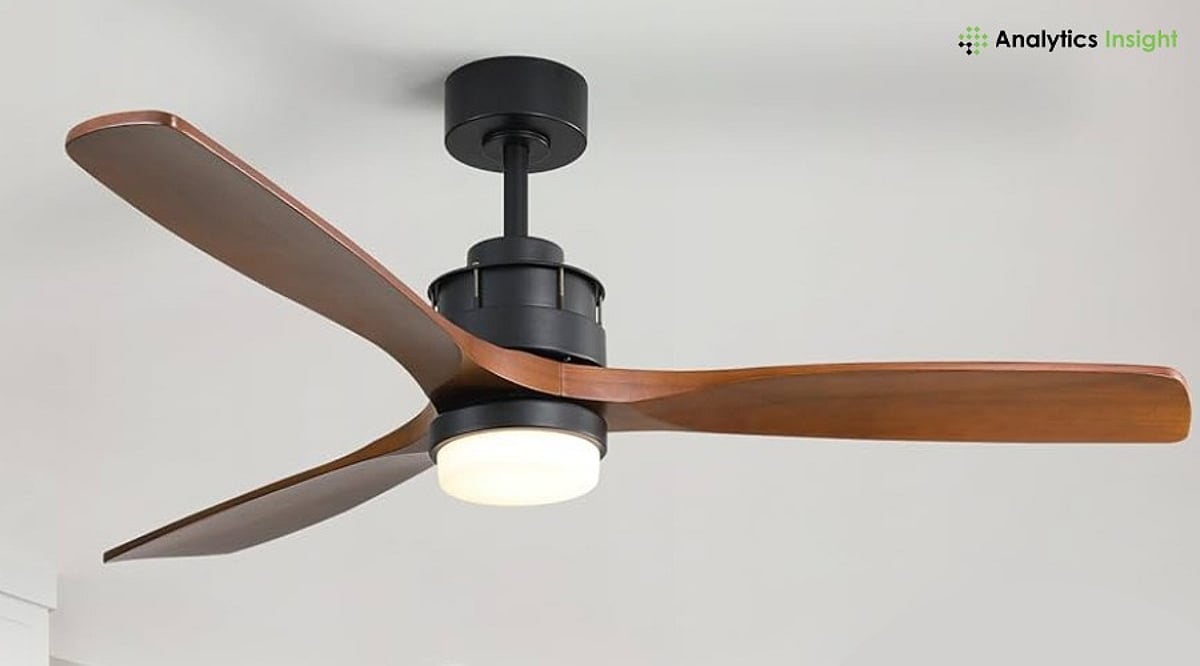
The latest silent ceiling fans are designed to keep your home cool without the constant humming associated with conventional models. This guide compares the best options in 2026 based on quiet performance, airflow, energy efficiency, features, and overall value.
Overview
Ten BLDC ceiling fans from Atomberg, Orient Electric, Havells, Crompton, and TVS, chosen for quiet operation and strong airflow. The comparison table covers sweep size, noise performance, air delivery, and price, with confirmed decibel figures marked separately from marketing language. The buying guide explains why decibel rating and air delivery (CMM) matter more than brand reputation alone.
A ceiling fan’s job is to cool the room, not add to the noise in it. A fan that hums, clicks, or drones on can mess with your sleep, your focus, and just general comfort at home. This is where BLDC fans come in, since they run quieter than old-style fans and use a lot less power too. This guide looks at ten of the best silent ceiling fans you can buy in 2026, based on real specs, actual airflow, prices, and noise numbers the manufacturers themselves have put out.
What Actually Makes a Fan Silent
A decibel (dB) rating measures how loud a fan is directly beneath it at top speed. Anything under 55 dB is noticeably quieter than a standard fan, which typically runs at 65 dB or above. Air delivery, measured in CMM (cubic meters per minute), tells you how much actual airflow the fan produces. A fan can be dead silent and still underwhelming in a large room if its CMM figure is too low, so noise rating and air delivery need to be checked together, not one instead of the other. Sweep size also matters: 1200mm suits most standard 10×12 bedrooms, while larger living rooms benefit from a wider sweep or higher CMM.
Not every silent fan on the market publishes an exact dB number. Several brands market fans as whisper-quiet or noiseless without an independently verified figure to back it up. Where that’s the case below, we’ve said so plainly rather than presenting a soft number as fact.
Ten Silent Ceiling Fans Compared
Prices marked entry tier or given as ranges are drawn from multiple retailer/aggregator listings rather than a single confirmed live price; check the current listing before buying. Figures exclude GST.
Top Quiet Fans Compared in Detail
- Orient Electric Aerosilent – The quietest one on the list, backed by real lab testing at under 50 dB. It also picked up a Red Dot Design Award this year and is great for light sleepers. BUY NOW
- Atomberg Aris Contour Smart – Looks sharp, works with Alexa and Google, and runs on IoT. Since there is no official dB number, silence here is more of a promise than a proven fact. BUY NOW
- Crompton SilentPro Enso – Rated at 52 dB, Crompton actually stands by that number. It handles rough voltage well and is a safe pick for areas with power fluctuations. BUY NOW
- Crompton SilentPro Blossom – Same 52 dB motor as the Enso, but with smart controls and a built-in night light. A nice option if you want more tech. BUY NOW
- Atomberg Renesa Enzel – A solid budget pick under 58 dB. Price barely moves across sellers. Good if you want something reliable without extra features. BUY NOW
- Atomberg Renesa Elite Smart – Step up from the Enzel with app and voice control. Some buyers mention a slight whistle at one specific speed, so worth a listen before you commit. BUY NOW
- Havells Stealth Air BLDC+ Voice – Voice control works without Wi-Fi or an app. Noise rating is murky (listings disagree between 40 and 55 dB), so don’t take that number as gospel. BUY NOW
- Orient Aeroquiet Neu BLDC Pro – Simple, no smart features, just a solid quiet fan with a 5-star rating. No published dB number. Ensure you buy the Neu version; the older AeroQuiet has reviews for being noisier. BUY NOW
- Havells FAB BLDC ULED – Budget-friendly with reverse rotation for winter. Havells calls it low-noise but doesn’t give a number. Reviews are mixed on durability, so check recent ones. BUY NOW
- TVS Green Eternia – Runs both directions, handy for winter. One review site claims under 56 dB, but TVS hasn’t confirmed that number. BUY NOW
Choosing the Right One for the Room
A bedroom used for sleep should prioritize the Orient Aerosilent, the only fan on this list with an independently confirmed sub-50 dB rating. The Crompton SilentPro Enso or Blossom, both confirmed at 52 dB, are close seconds. A living room, where some background conversation or TV sound already exists, has more room to consider fans marketed as quiet without a hard number, like the Aris Contour or Aeroquiet Neu. Homes in areas with unstable voltage should lean toward the Crompton SilentPro Enso for its 90–300V tolerance.
Final Thoughts
Chasing a brand name alone won’t guarantee a quiet fan, and neither will a marketing phrase like whisper-quiet on its own. Where a manufacturer actually publishes and stands behind a decibel figure, checked against a real air delivery number for the room size, you have something to compare. Where they don’t, it’s worth asking why before assuming the fan is as silent as the packaging suggests.
FAQs
- What makes a ceiling fan silent? A silent ceiling fan typically uses a BLDC motor, aerodynamic blade design, and balanced construction to minimize vibration and operating noise while maintaining efficient airflow.
- Are BLDC ceiling fans quieter than conventional ceiling fans? Yes. BLDC ceiling fans generally operate more quietly than conventional induction motor fans because they produce less vibration and offer smoother motor control, while also consuming less electricity.
- Which silent ceiling fan is best for a bedroom? The best silent ceiling fan for a bedroom is one that combines quiet operation, efficient airflow, low power consumption, and features such as a remote control or sleep mode for added convenience.
- Do silent ceiling fans consume less electricity? Most silent ceiling fans use BLDC motors that typically consume significantly less power than conventional ceiling fans, helping reduce electricity bills without compromising performance.
- What should I consider before buying a silent ceiling fan? Look for factors such as motor type, airflow (CMM), power consumption, sweep size, remote or smart features, warranty, and overall build quality to choose a fan that suits your room and cooling needs.